Picking the wrong ball size for a reactor bed is one of those mistakes that does not show up on day one. It shows up months later, as uneven flow, faster catalyst wear, or a pressure drop that keeps creeping higher than it should. By then, the fix usually means a shutdown that could have been avoided with the right sizing decision from the start.
If you are specifying support media for a reactor, getting the size right matters just as much as getting the material right. Here is what actually goes into that decision.
Why Ball Size Matters More Than People Expect
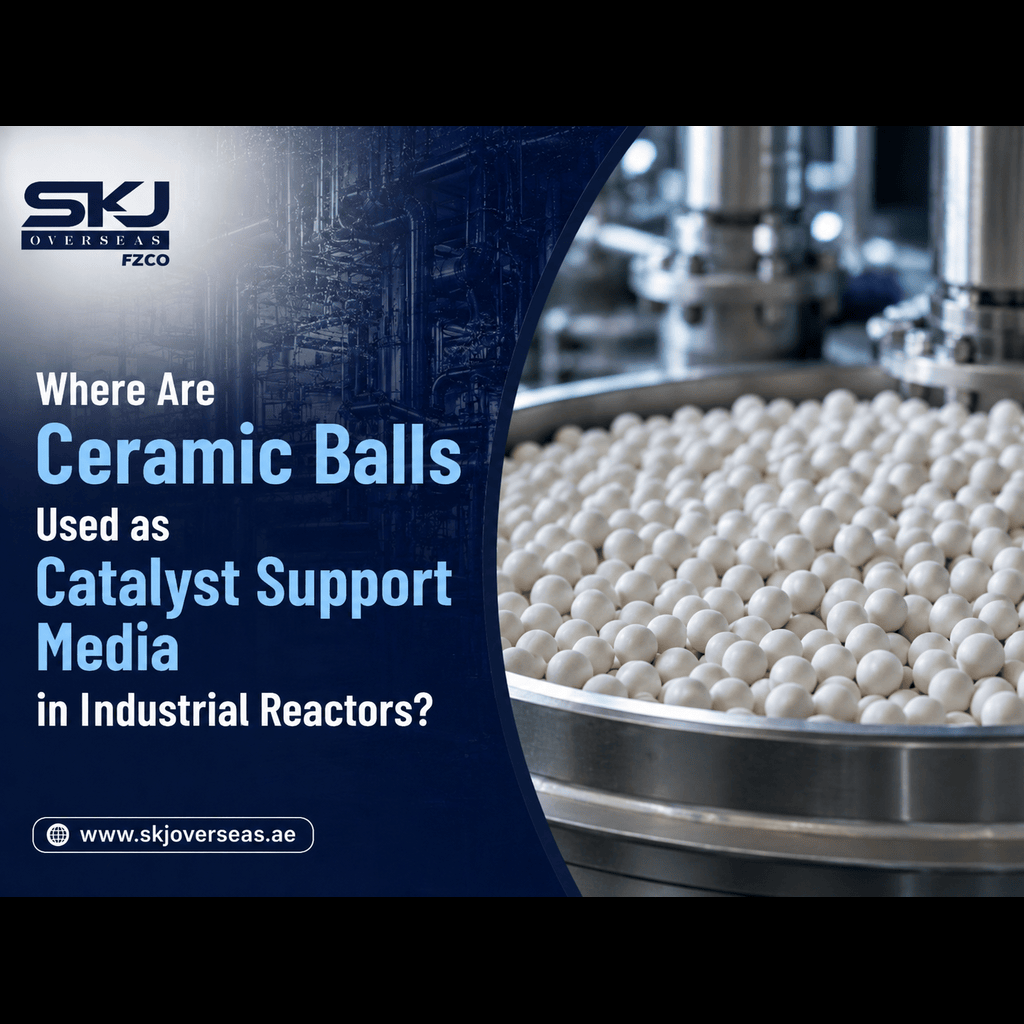
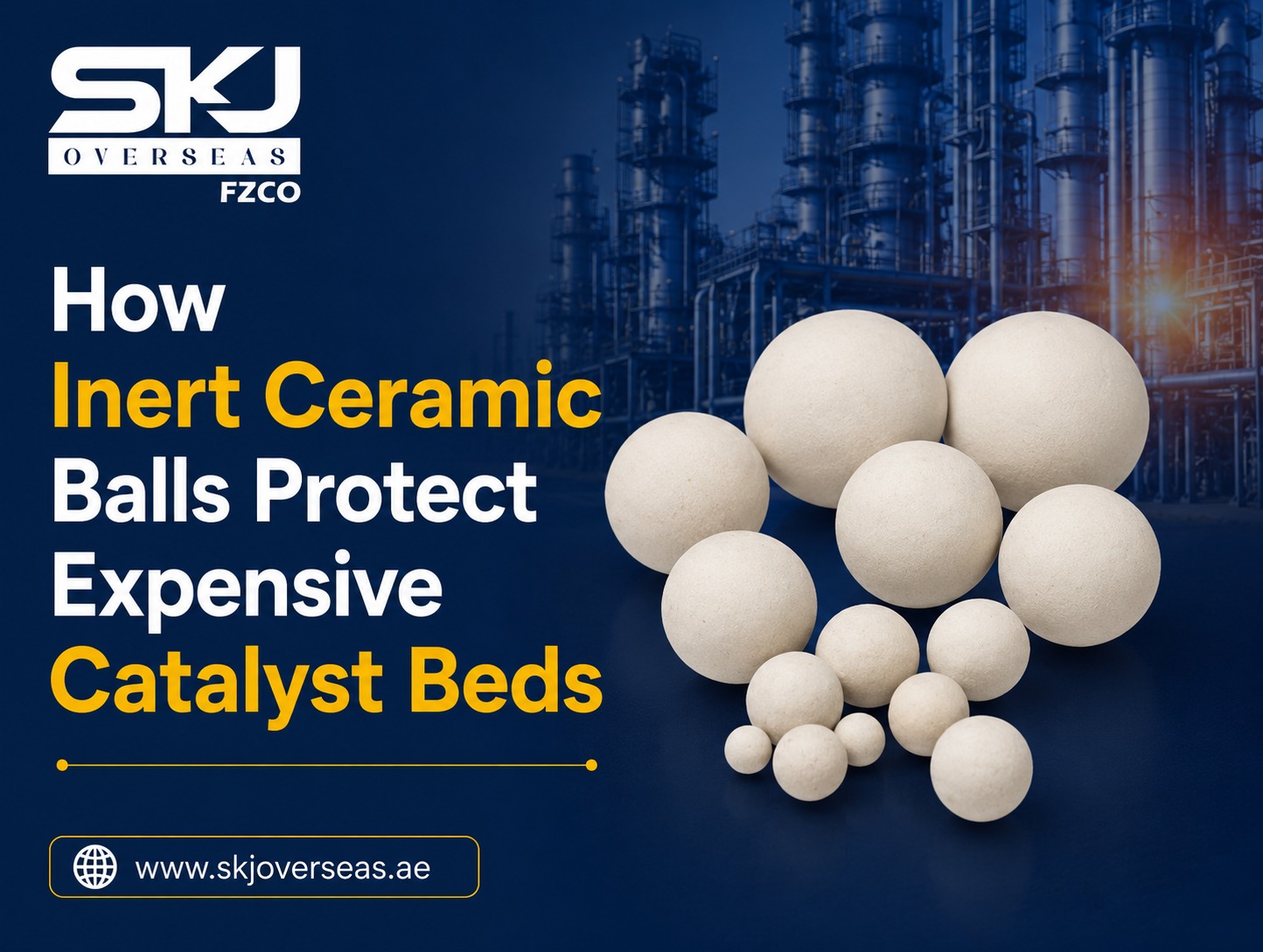
Support balls sit above and below the catalyst bed, and their job is simple on paper: hold the catalyst in place, protect it from mechanical damage, and help distribute flow evenly across the reactor. Working with an experienced ceramic Ball supplier also helps ensure the support media is properly matched to the reactor’s design and operating conditions.
- Balls that are too small can migrate into the catalyst layer, causing blockages and uneven loading.
- Balls that are too large leave gaps that let the flow channel unevenly, reducing contact efficiency.
- Mismatched sizing between layers can create voids that shift over time under vibration and thermal cycling.
- Incorrect sizing increases pressure drop, which raises energy costs and strains associated equipment.
None of these problems are dramatic on their own, but together they shorten catalyst life and push maintenance schedules closer together than they need to be.
Key Factors That Decide the Right Size
There is no single ball size that works across every reactor. The right choice depends on a handful of specific factors.
Reactor diameter and bed depth: Larger reactors with deeper beds generally need larger support balls to prevent settling and maintain structural stability under the weight of the catalyst above.
Catalyst particle size: The support layer needs to be sized so catalyst particles cannot slip through the gaps between balls. As a rule, support media should be noticeably larger than the catalyst particles it is holding.
Flow rate and pressure drop targets: Higher flow rates usually call for larger ball sizes to keep pressure drop within an acceptable range, since smaller balls pack more tightly and resist flow more.
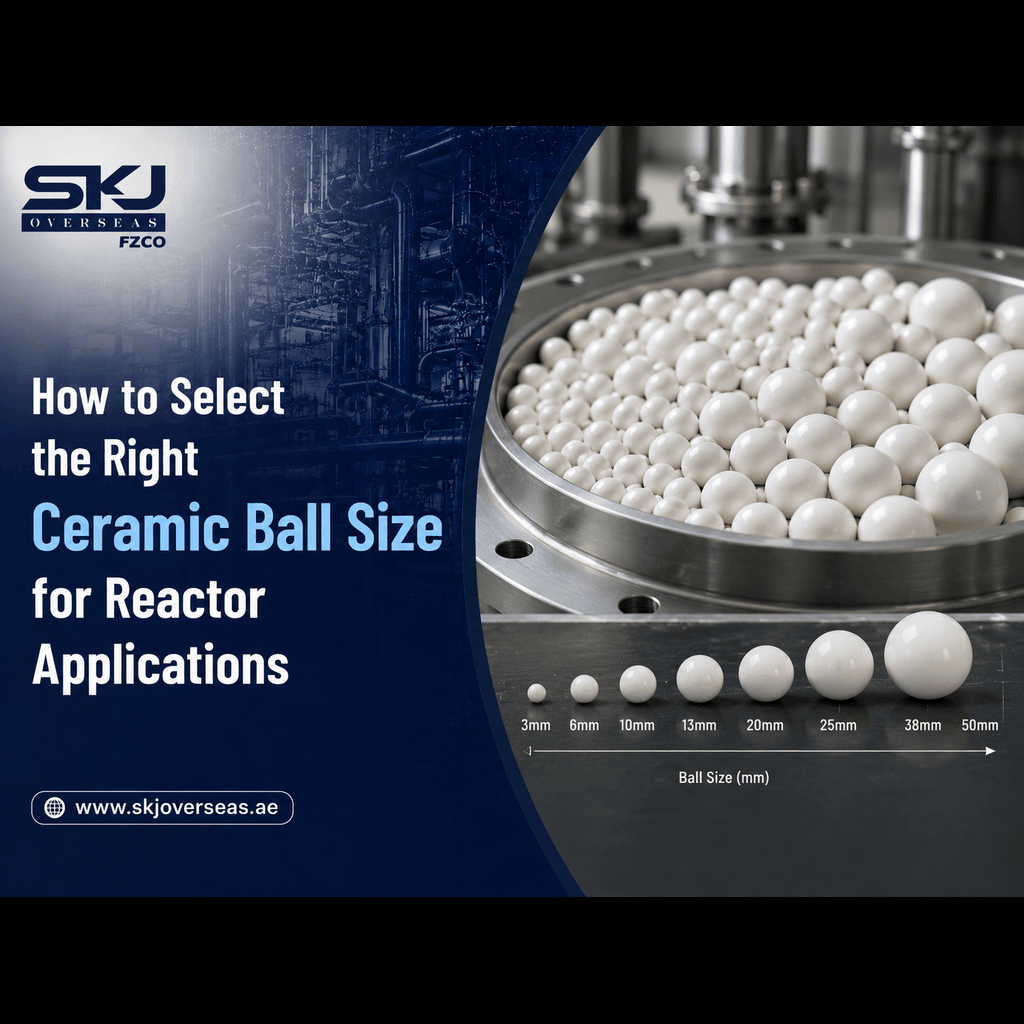
Number of support layers: Multi-layer support beds often use graduated sizing, with larger balls at the bottom and progressively smaller ones closer to the catalyst, to prevent catalyst migration while still managing flow.
Process temperature and chemical exposure: Extreme temperatures or highly corrosive media call for materials that hold their shape and strength consistently, which affects both material grade and how conservative the sizing should be.
Why Material Quality Affects Sizing Decisions Too
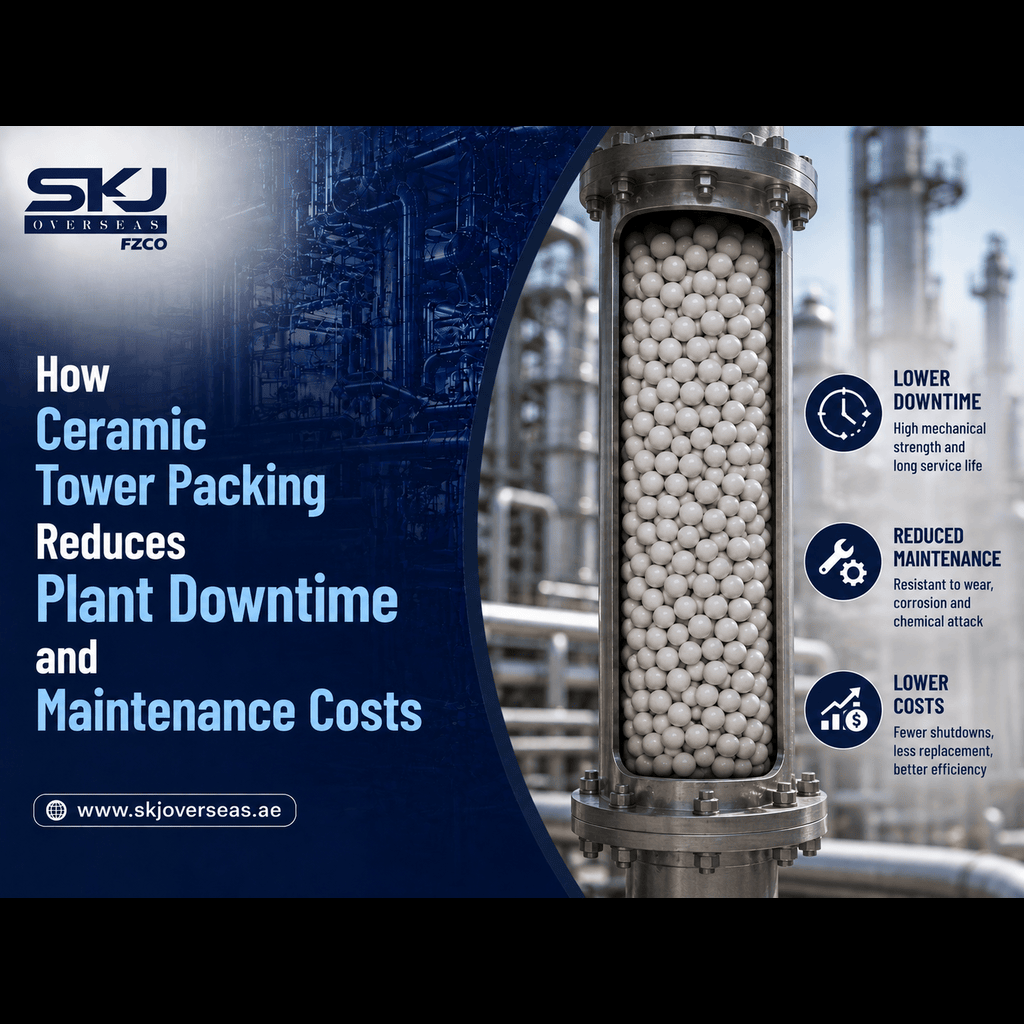
Size selection only works if the balls themselves hold up under load. This is where inert ceramic balls come into the picture, since their chemical stability and crush strength let engineers size the support bed with confidence instead of over-engineering it to compensate for weaker material.
A ball that deforms or cracks under load changes shape over time, which quietly throws off the sizing calculation you started with. Consistent density and dimensional accuracy are what keep the bed performing the way it was designed to, month after month.
What to Check Before Placing an Order
Before finalizing your ball size and quantity, a few practical checks save a lot of trouble later:
- Confirm the exact catalyst particle size range you are supporting
- Ask for dimensional tolerance data, not just a nominal size
- Check crush strength ratings against your actual bed load, not a generic figure
- Request batch consistency data if you are ordering in bulk
- Clarify whether custom sizing is available for non-standard reactor geometries
Working with an experienced ceramic ball manufacturer makes this process considerably easier, since they can walk through your reactor specifications and recommend a size range that matches your actual operating conditions instead of a one-size-fits-all product.
Why the Right Supplier Relationship Matters
Sizing is only half the equation. The other half is making sure every ball in every batch actually matches the specification you ordered. This is where the choice of ceramic ball supplier starts to matter just as much as the size calculation itself.
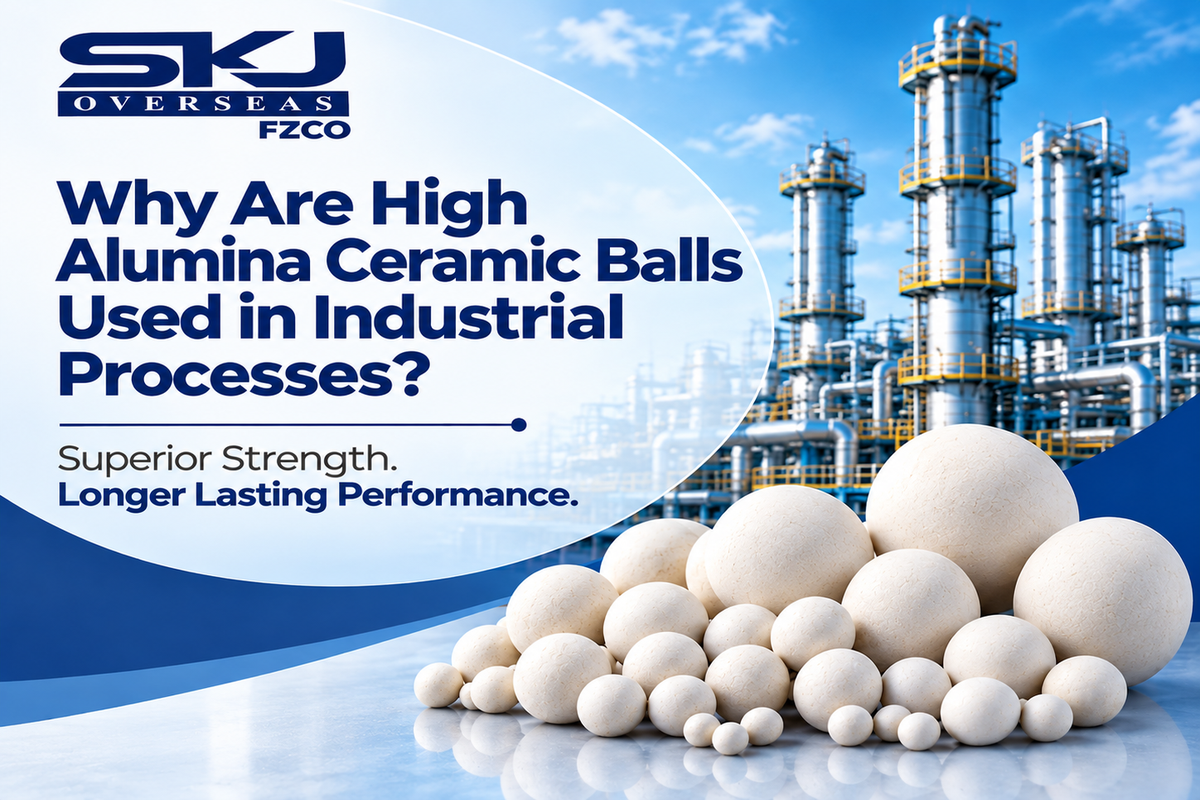
Inconsistent batches, even from a supplier offering the correct size on paper, can introduce small variations that add up across a full reactor load. At SKJ Overseas, we manufacture inert ceramic balls with tight sizing tolerances and consistent density, so plants across chemical, petrochemical, and pharmaceutical sectors get the same reliable performance from the first delivery to the fiftieth. You can browse our full inert ceramic balls range, including size options suited to different reactor and bed configurations, or check our high alumina ceramic balls for higher wear resistance applications.
For reactors running under extreme heat, our article on why ceramics excel in high-temperature applications covers how material grade affects long-term performance alongside sizing.
Frequently Asked Questions
1. How do I select the right ceramic ball size for a reactor?
Select ceramic ball size based on catalyst particle size, support grid opening, reactor dimensions, and operating conditions. Proper sizing improves catalyst support, flow distribution, and overall reactor performance.
2. Why are different ceramic ball sizes used in reactor support beds?
Different ceramic ball sizes are arranged in layers to improve load distribution, prevent catalyst migration, protect the support grid, and maintain uniform fluid flow throughout the reactor.
3. What happens if the ceramic ball size is incorrect?
Incorrect ceramic ball sizing can cause channeling, catalyst movement, higher pressure drop, uneven flow distribution, and reduced reactor efficiency. Proper sizing helps maintain stable and reliable operation.
4. Which factors influence ceramic ball size selection?
Ceramic ball size depends on catalyst dimensions, reactor design, support plate opening, operating temperature, pressure, fluid velocity, and mechanical load. These factors ensure effective support bed performance.
5. Can the same ceramic ball size be used in every reactor?
No. Ceramic ball size should be selected for each reactor based on its catalyst characteristics, process requirements, operating conditions, and support bed design to ensure optimal performance.
6. Why is ceramic ball quality important in reactor applications?
High-quality ceramic balls provide excellent mechanical strength, chemical resistance, and thermal stability. These properties help maintain catalyst support, reduce maintenance, and improve reactor reliability over time.
Final Thoughts
Choosing the right ceramic ball size is not guesswork. It comes down to matching bed depth, catalyst size, flow rate, and material quality to your specific reactor conditions. Getting it right the first time saves you from replacement cycles that could have been avoided with a more careful sizing decision upfront.
If you are specifying support media for an upcoming reactor project and want help getting the sizing right, contact our team at SKJ Overseas. We will help you match the right size and grade to your exact process conditions.