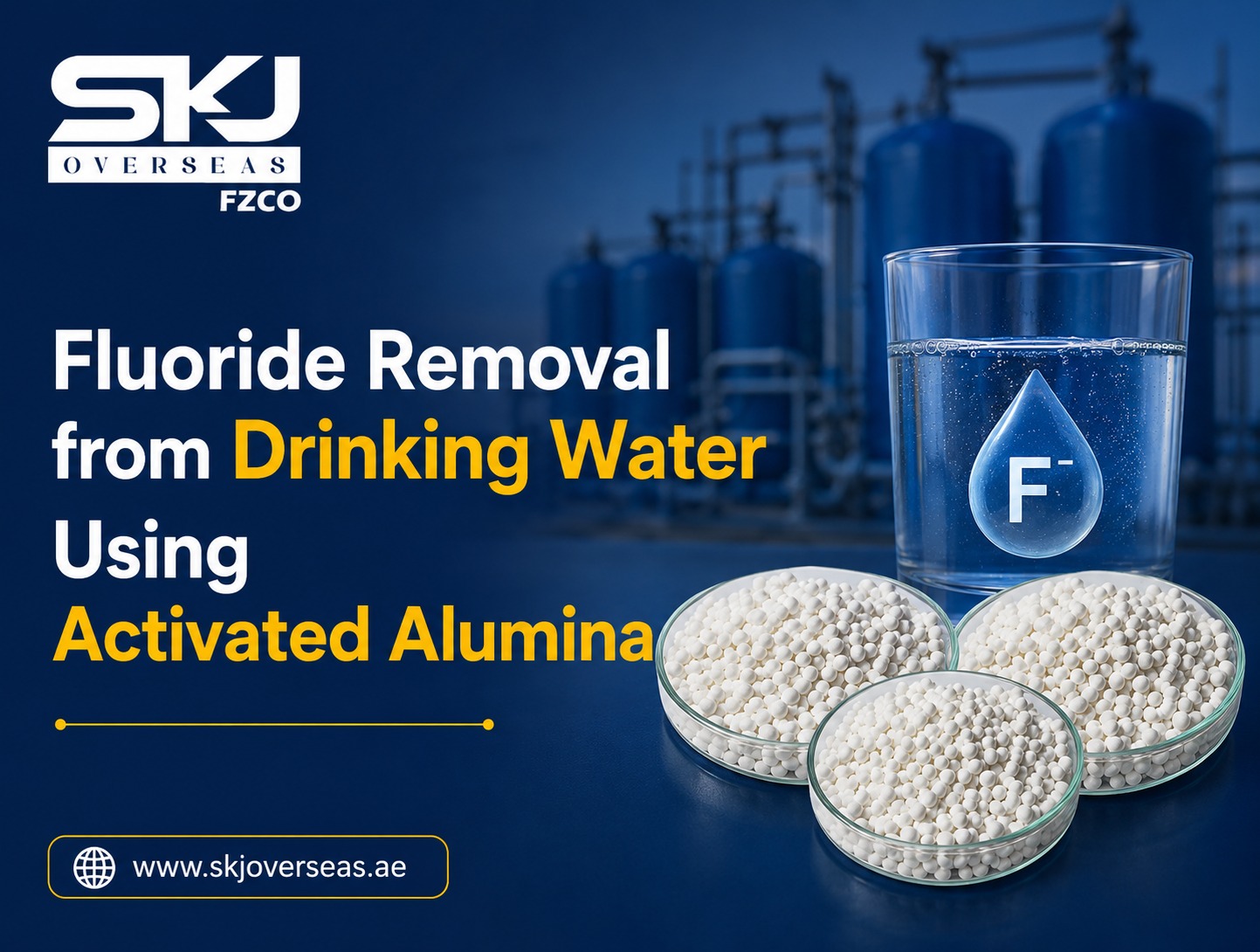
High fluoride levels in drinking water are a serious health concern in many parts of the world. Long-term exposure to excess fluoride causes dental damage, bone disease, and other health problems. If you are looking for a reliable and proven solution, Activated Alumina Balls in Dubai and globally are one of the most effective materials for removing fluoride from drinking water at both community and industrial scale.
Activated alumina filtration works by attracting and holding fluoride ions as water passes through a bed of the material. The process is called adsorption, and it is highly effective at reducing fluoride to safe drinking water levels. This blog explains how the process works, where it is used, and how to choose the right Activated Alumina Balls manufacturer for your water treatment needs.
What Are Activated Alumina Balls and How Do They Work?
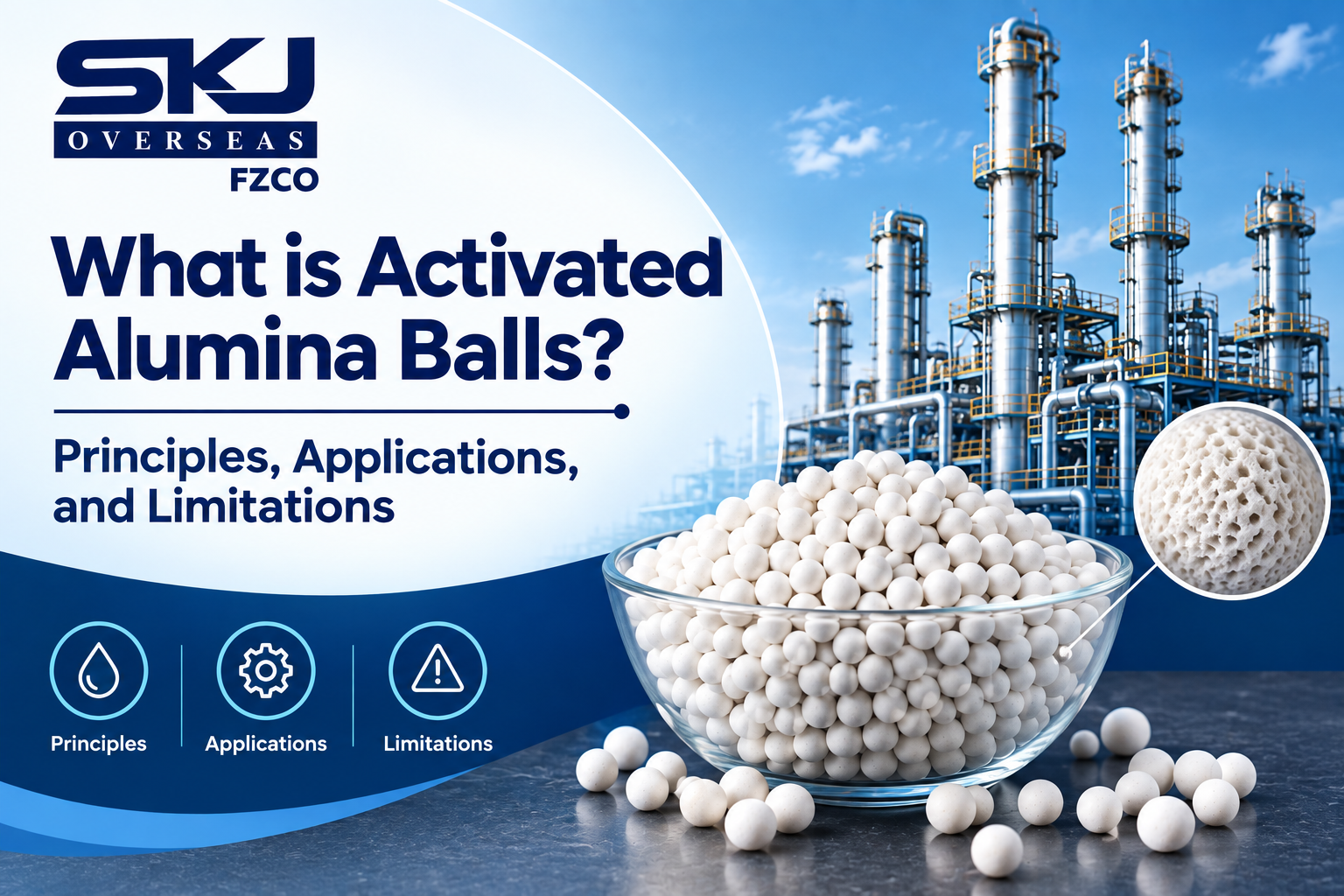
Activated Alumina Balls are small, porous spheres made from aluminum oxide. They have an extremely high surface area packed into a compact volume, which is what makes them so effective at capturing contaminants from water.
When fluoride-contaminated water passes through a bed of activated alumina for water treatment, the fluoride ions in the water are attracted to the surface of the alumina balls and bind to them. Clean water with significantly reduced fluoride levels flows out the other side.
The process is reversible. After the alumina reaches its adsorption capacity, it can be regenerated using an alkaline solution, rinsed, and then returned to service. This makes Activated Alumina Balls a cost-effective long-term solution compared to disposable filter media.
Why Fluoride in Drinking Water Is a Problem
Fluoride occurs naturally in groundwater in many regions. At low concentrations, it has some dental health benefits. But when levels exceed 1.5 mg/L, which is the limit set by the World Health Organization, it becomes harmful.
Health effects of high fluoride exposure include:
- Dental fluorosis, which causes white spots and pitting on teeth
- Skeletal fluorosis, which weakens bones and causes joint pain
- Thyroid disruption in cases of long-term high-level exposure
- Neurological effects observed in studies involving children
Many countries in South Asia, East Africa, and the Middle East have groundwater fluoride levels well above safe limits. Communities relying on these sources need an effective defluoridation process to protect public health.
Activated alumina filtration is one of the most widely recommended solutions for this problem because it is effective, affordable, and scalable from household filters to large municipal treatment plants.
How the Fluoride Adsorption Process Works Step by Step
Understanding the fluoride adsorption technology helps you design and operate a better treatment system. Here is how it works:
Step 1: Water enters the filter vessel. Raw water containing fluoride is fed into a column or vessel packed with Activated Alumina Balls.
Step 2: Fluoride binds to the alumina surface. As water flows through the bed, fluoride ions are selectively attracted to active sites on the alumina surface. The alumina holds the fluoride while allowing water molecules to pass through.
Step 3: Treated water exits with reduced fluoride. Water leaving the bed has fluoride levels reduced to within or below the safe drinking limit of 1.5 mg/L, depending on the design of the system and the initial fluoride concentration.
Step 4: The bed reaches capacity. Over time, the active sites on the alumina become occupied. At this point, fluoride starts to break through into the treated water. This signals that regeneration is needed.
Step 5: Regeneration restores adsorption capacity. The bed is treated with a dilute caustic soda solution, rinsed with clean water, then neutralized with a mild acid. This flushes the fluoride out and restores the alumina to near-original capacity.
This cycle can be repeated many times, making Activated Alumina Balls a durable and economical fluoride removal media for long-term use.
Activated Alumina Balls Performance Comparison Table
| Property | Activated Alumina | Ion Exchange Resin | Bone Char | Reverse Osmosis |
| Fluoride Removal Efficiency | Very High | High | Moderate | Very High |
| Regeneration Possible | Yes | Yes | No | Not applicable |
| Operating Cost | Low | Moderate | Low | High |
| pH Sensitivity | Moderate | Low | Low | Low |
| Suitable for Large Scale | Yes | Yes | Limited | Yes |
| By-product Concern | Low | Low | Some | Brine disposal |
| Maintenance Requirement | Low | Moderate | High | High |
| Community Scale Use | Yes | Limited | Yes | Limited |
This comparison shows why Activated Alumina Balls are the preferred choice for most drinking water treatment and defluoridation process applications, especially where cost, scalability, and ease of maintenance matter.
Key Factors That Affect Activated Alumina Fluoride Removal Performance
Several operating conditions affect how well activated alumina for water treatment performs:
pH of the Feed Water Activated alumina works best at a slightly acidic pH between 5.5 and 6.5. At higher pH levels, fluoride removal efficiency drops. Many systems include a pre-acidification step to optimize performance.
Contact Time Water must spend enough time in contact with the alumina bed to allow adsorption to occur. Faster flow rates reduce contact time and lower removal efficiency. Bed depth and flow rate must be balanced carefully.
Initial Fluoride Concentration Higher initial fluoride levels require a larger bed volume or more frequent regeneration cycles. Knowing your inlet fluoride concentration is essential for sizing the system correctly.
Temperature Activated alumina performs well across a range of temperatures. However, very cold water slows the adsorption rate slightly. Most standard systems account for normal ambient temperature variation.
Competing Ions Sulfate, chloride, and other anions compete with fluoride for adsorption sites. High levels of competing ions reduce the effective fluoride removal capacity of the bed.
Applications of Activated Alumina Balls in Water Treatment
Activated Alumina Balls are used in a wide range of water treatment settings:
- Community water supply systems in high-fluoride groundwater regions
- Rural water treatment units in areas without access to piped municipal water
- Industrial process water treatment where fluoride-free water is needed for manufacturing
- Bottled water production plants requiring consistent low-fluoride output
- Irrigation water treatment where fluoride affects crop quality
- Municipal water treatment plants as part of a multi-stage purification process
- Point-of-use household filters for individual homes in affected regions
The versatility of Activated Alumina Balls makes them suitable for both large-scale industrial water filtration solutions and small household systems. SJK Overseas supplies products for all these applications.
Choosing the Right Activated Alumina Balls Supplier
Not all Activated Alumina Balls on the market deliver the same performance. Here is what to check before choosing your supplier:
Surface Area and Pore Volume Higher surface area means more active adsorption sites and better fluoride removal capacity. Always ask your Activated Alumina Balls supplier for surface area data in square meters per gram.
Crush Strength Balls that break under operating pressure create fine particles that block flow and reduce system performance. Good quality Activated Alumina Balls should have a crush strength suitable for your operating pressure and flow conditions.
Chemical Purity High-purity alumina does not leach unwanted substances into the treated water. This is especially important for drinking water treatment applications where water quality standards are strict.
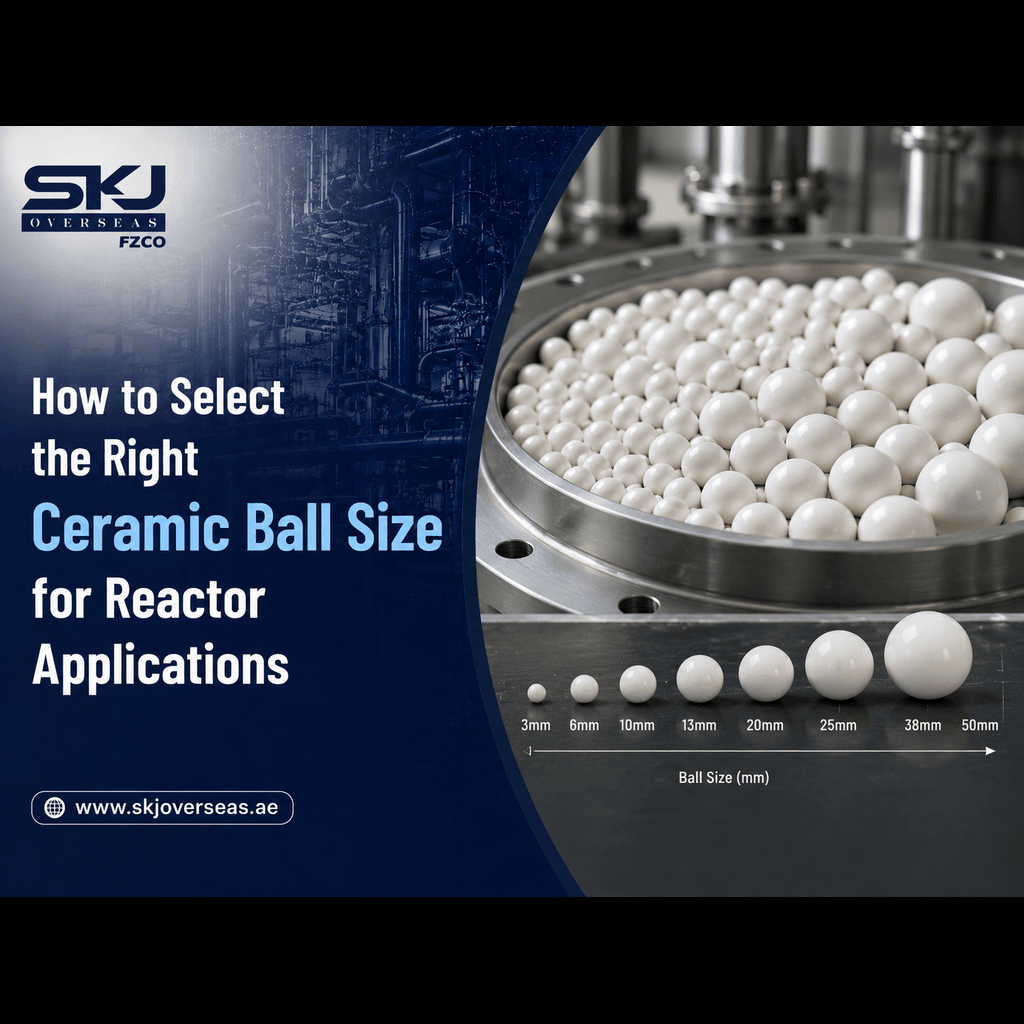
Ball Size Options Standard sizes range from 1mm to 8mm. Smaller balls offer more surface area but higher pressure drop. Larger balls suit higher flow rate systems. A reliable Activated Alumina Balls manufacturer offers multiple sizes to match different system requirements.
Certifications and Documentation Ask for NSF certification, ISO quality management certification, and independent laboratory test reports. Any reputable Activated Alumina Balls exporter should provide full documentation without hesitation.
Why Source Activated Alumina Balls in Dubai from SJK Overseas
SJK Overseas is a trusted Activated Alumina Balls supplier with decades of experience supplying water treatment media to clients across the Middle East, South Asia, and globally.
Here is what makes SJK Overseas the right choice:
- In-house manufacturing with strict quality control at every production stage
- Multiple ball sizes available from 1mm to 8mm for different system configurations
- High surface area product tested and documented for each production batch
- ISO-certified quality management system
- Established Activated Alumina Balls exporter with proven logistics to Dubai, UAE, and the wider Gulf region
- Technical team available to advise on system design, bed sizing, and regeneration procedures
- Competitive pricing with no compromise on product quality or documentation
Clients sourcing Activated Alumina Balls in Dubai trust SJK Overseas because we combine product quality with technical knowledge and reliable delivery.
Case Study: Community Defluoridation Project in a High-Fluoride Region
Location: A rural district with groundwater fluoride levels consistently between 4.5 and 6.0 mg/L, well above the safe limit of 1.5 mg/L
Challenge: The local water authority needed a reliable, low-maintenance defluoridation process that could be operated by community workers with basic training. The system needed to treat 50,000 liters per day and deliver water below 1.0 mg/L fluoride consistently.
Solution: SJK Overseas supplied a batch of 3mm Activated Alumina Balls with a surface area above 300 square meters per gram. The system was designed as a two-column setup with one column in service while the other undergoes regeneration. pH adjustment to 5.8 was included in the pre-treatment stage. Full installation guidance and operator training documentation were provided.
Results after 6 months of operation:
- Outlet fluoride consistently below 0.8 mg/L, well within the safe limit
- Each column completed approximately 45 operational cycles before significant capacity reduction
- Regeneration procedure completed by local operators with no technical support needed
- Zero downtime due to media failure or breakage
- Community health survey showed reduction in new dental fluorosis cases among children in the area
This case confirms that Activated Alumina Balls sourced from a quality Activated Alumina Balls manufacturer and correctly installed deliver real, life-changing results in communities affected by fluoride contamination.
FAQ’s About Activated Alumina Balls
Q1. How does activated alumina remove fluoride from drinking water?
Activated alumina works through adsorption. As fluoride-contaminated water passes through a bed of Activated Alumina Balls, fluoride ions bind to the surface of the alumina material. Clean water with reduced fluoride levels exits the bed. The process is highly effective at reducing fluoride to below 1.5 mg/L, the WHO safe limit for drinking water treatment.
Q2. How long do Activated Alumina Balls last in a fluoride removal system?
With proper regeneration after each adsorption cycle, Activated Alumina Balls can last 3 to 5 years or longer. The lifespan depends on feed water quality, operating conditions, and how thoroughly regeneration is carried out. Poor regeneration is the most common reason for shorter service life in fluoride removal media systems.
Q3. What pH level is best for activated alumina fluoride removal?
Activated alumina performs best at a feed water pH between 5.5 and 6.5. At this range, fluoride adsorption is at its most efficient. Many systems include a pre-acidification step to adjust pH before the water enters the alumina bed. Working outside this range reduces fluoride adsorption technology performance significantly.
Q4. Can Activated Alumina Balls remove other contaminants besides fluoride?
Yes. Activated Alumina Balls also adsorb arsenic, selenium, and some other trace contaminants from water. However, they are most commonly used specifically for fluoride removal because of their high selectivity for fluoride ions. In systems with multiple contaminants, a multi-stage treatment approach is usually recommended for best results.
Q5. What size of Activated Alumina Balls should I use for a fluoride removal filter?
The most common sizes for drinking water treatment are 2mm to 4mm. Smaller sizes offer more surface area and better contact with water but create higher pressure drop through the column. Larger sizes handle higher flow rates with less pressure drop. Your Activated Alumina Balls supplier should recommend the right size based on your system flow rate and column design.
Q6. Are Activated Alumina Balls safe for drinking water treatment?
Yes. High-purity Activated Alumina Balls from a certified Activated Alumina Balls manufacturer are safe for use in drinking water treatment. They do not add harmful substances to the treated water when used correctly. Always ask for NSF certification or equivalent food-grade safety documentation when sourcing media for drinking water applications.
Q7. Is Activated Alumina available for export to Dubai and the Gulf region?
Yes. SJK Overseas is an experienced Activated Alumina Balls exporter with a proven supply record to Dubai, UAE, Saudi Arabia, Qatar, and across the Gulf region. We provide full export documentation, moisture-resistant packaging, and reliable logistics to ensure the product arrives in perfect condition for immediate use in your water purification media system.
Q8. How is Activated Alumina regenerated after fluoride removal?
Regeneration involves three steps. First, the bed is treated with a dilute sodium hydroxide solution to flush out the adsorbed fluoride. Second, it is rinsed with clean water to remove the caustic solution. Third, it is neutralized with a dilute sulfuric acid or aluminum sulfate solution to restore the optimal pH for the next adsorption cycle. A good Activated Alumina Balls manufacturer provides full regeneration guidelines with every order.
Conclusion
Fluoride contamination in drinking water is a silent but serious public health issue. Communities and industries that rely on groundwater sources need a proven, affordable, and scalable solution. Activated Alumina Balls provide exactly that. Their ability to reduce fluoride to safe levels through a natural adsorption process, combined with the possibility of regeneration and long service life, makes them the top choice for drinking water treatment systems worldwide.
Whether you are designing a new water treatment facility, upgrading an existing system, or sourcing Activated Alumina Balls in Dubai for distribution across the Gulf region, the quality of the media you use directly determines the quality of the water you produce.
Activated alumina filtration has been proven in thousands of installations across different geographies and scales. From small household units to large municipal plants, the core principle remains the same. Good quality media, properly sized and correctly operated, delivers consistent, safe water.
SJK Overseas brings together manufacturing quality, product documentation, technical expertise, and reliable international logistics to support every stage of your project. Our team understands both the product and the applications it serves. We are not just selling Activated Alumina Balls. We are helping you deliver safe drinking water to the people who need it most.