If there is one operational problem that plant engineers dread more than most, it is column flooding. It disrupts production, puts stress on equipment, and if left unchecked, can cause serious damage to your column internals. The frustrating part is that flooding often builds gradually and quietly before it becomes a visible problem.
Understanding why flooding happens and what you can do to prevent it is one of the most practical steps you can take to protect your column performance and reduce unplanned downtime. At SKJ Overseas, we have worked with process plants across the UAE and the Middle East long enough to know that the right packing choice and early awareness make all the difference.
As a trusted pall rings manufacturer and tower packing supplier, we have seen firsthand how the wrong media selection or a delayed response to early warning signs can turn a manageable situation into a costly shutdown. In this article, we walk through the main causes of distillation column flooding, how to catch it early, and which packing solutions work best to keep it from happening.
What Exactly Is Column Flooding
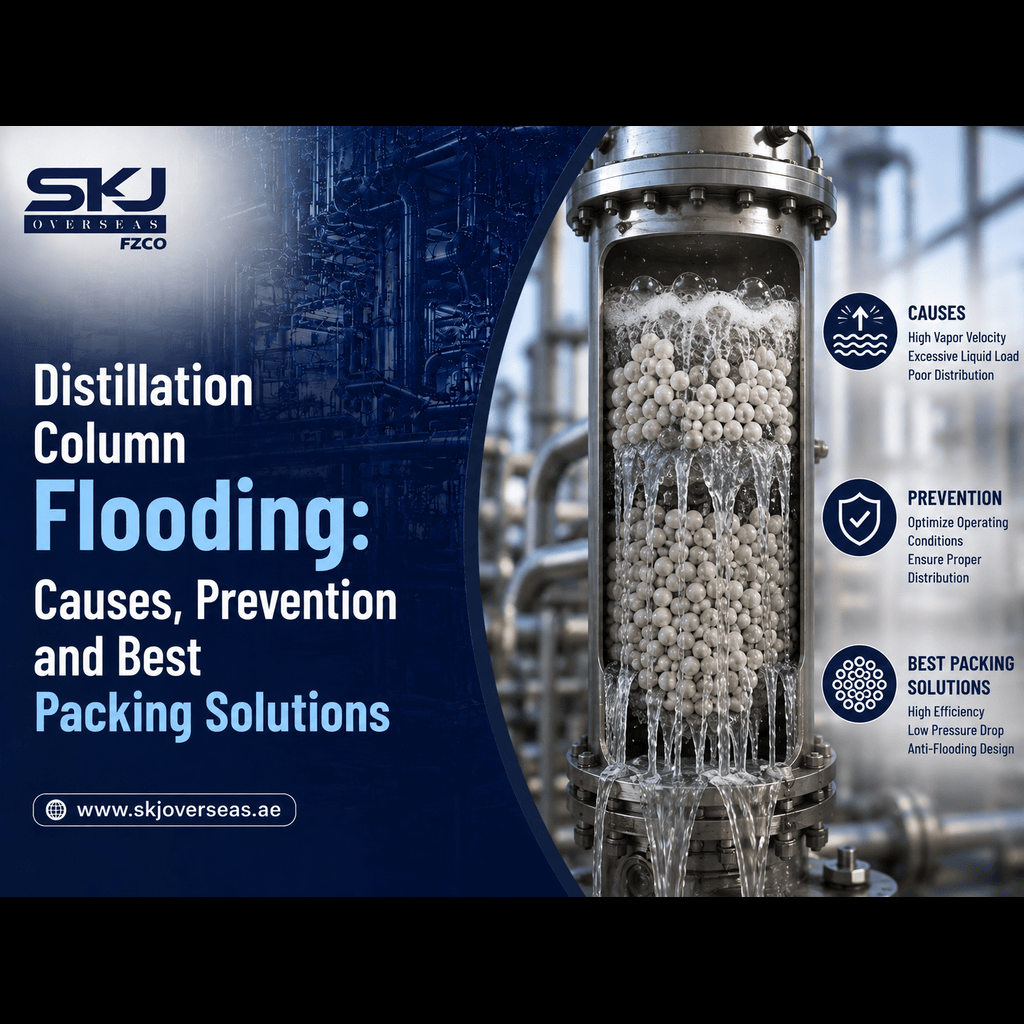
In a distillation or absorption column, vapour rises upward while liquid flows downward. These two phases need to move through the packing bed without interfering with each other. Flooding occurs when the upward vapour velocity becomes high enough to hold back or carry liquid upward rather than allowing it to drain down through the packing.
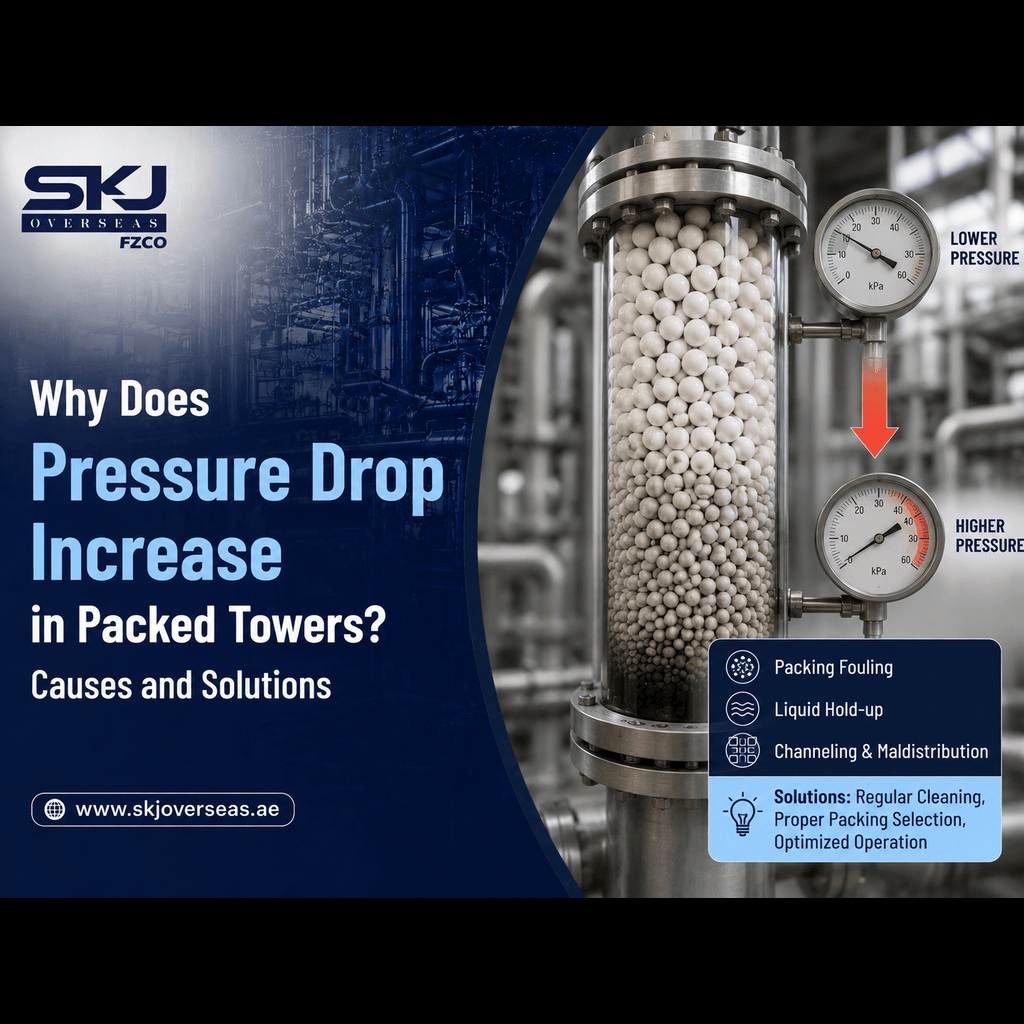
When this happens, liquid accumulates in the column. Pressure drop rises sharply, separation efficiency drops, and in severe cases the column can no longer function at all. Production has to stop, the column has to be taken offline, and in some cases the packing media needs to be inspected or replaced.
The cost of a single flooding event, in lost production, labour, and potential equipment damage, makes prevention a far smarter investment than recovery.
Common Causes of Distillation Column Flooding
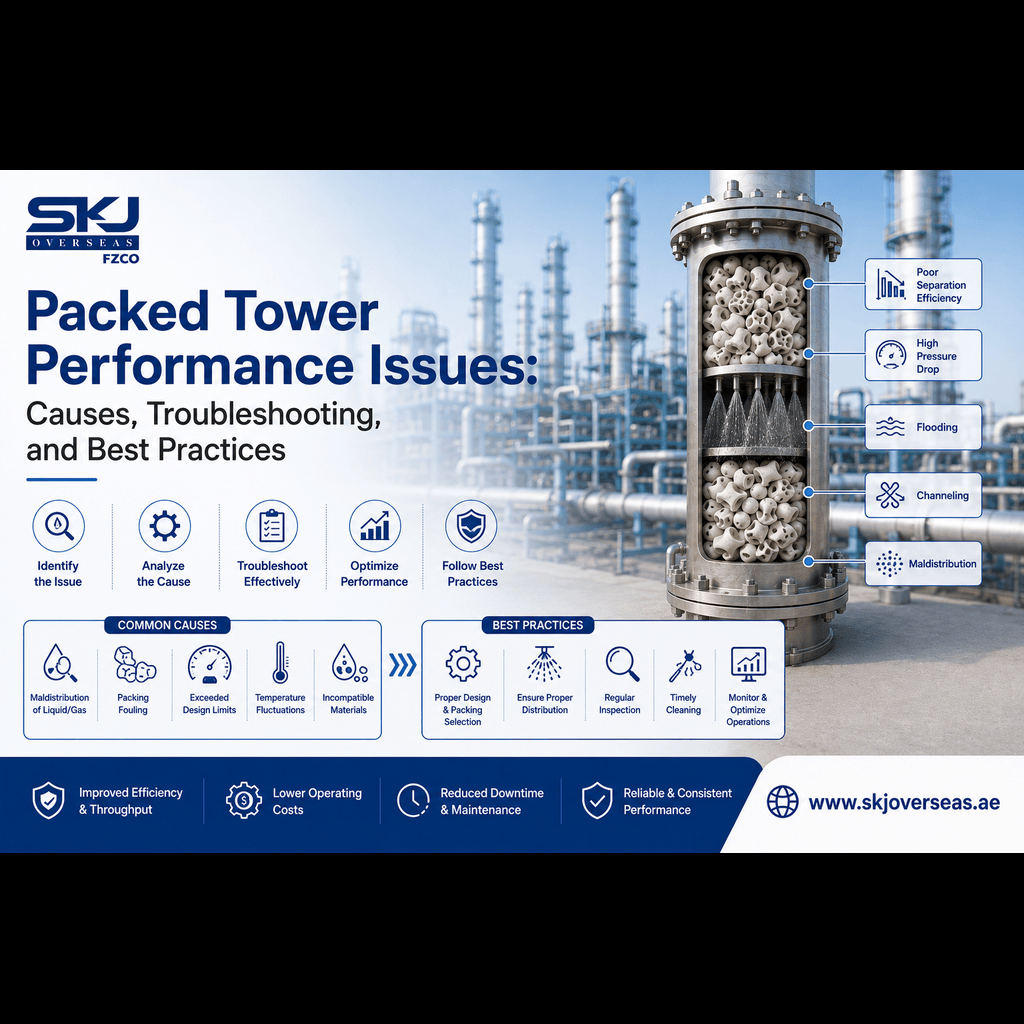
Flooding rarely happens for just one reason. It is usually the result of a combination of factors that build on each other over time.
- Higher than designed vapour or liquid flow rates being pushed through the column
- Incorrect packing size relative to column diameter, restricting flow paths
- Broken or degraded packing generating fines that block void spaces in the bed
- Poor liquid distribution at the top of the packing causing uneven wetting and channelling
- Fouling or scaling of packing surfaces reducing available free area
- Incorrect installation of packing that leaves uneven bed density or gaps
Each of these causes is addressable, and the right packing choice plays a bigger role than most operators realise.
How Packing Choice Affects Flooding Risk
The geometry, size, and material of your column packing directly determines how much vapour and liquid can flow through the bed simultaneously without the two phases interfering with each other. This relationship is described by the flooding point of the packing, and choosing media with a higher flooding capacity for your operating conditions gives your column more headroom before problems develop.
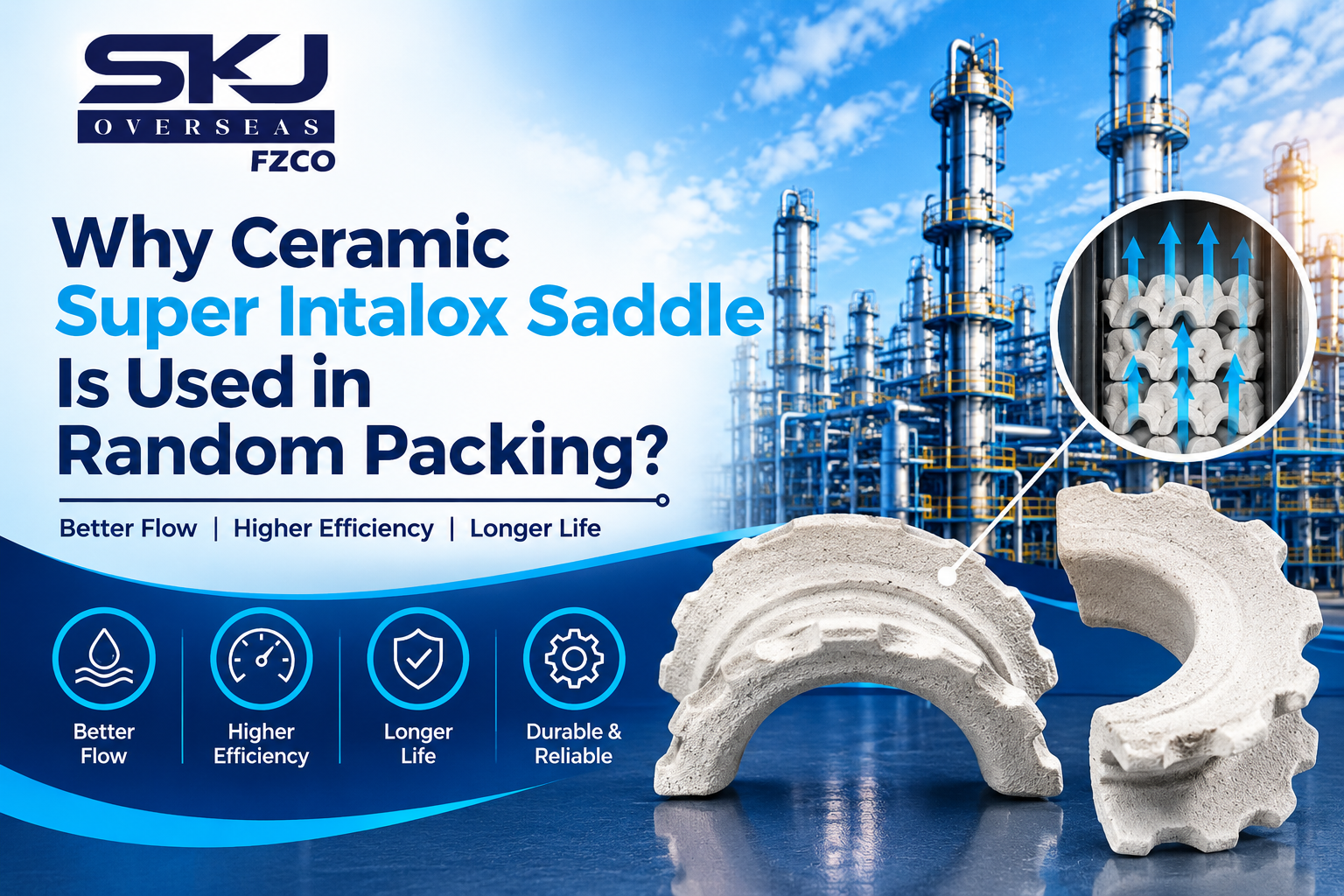
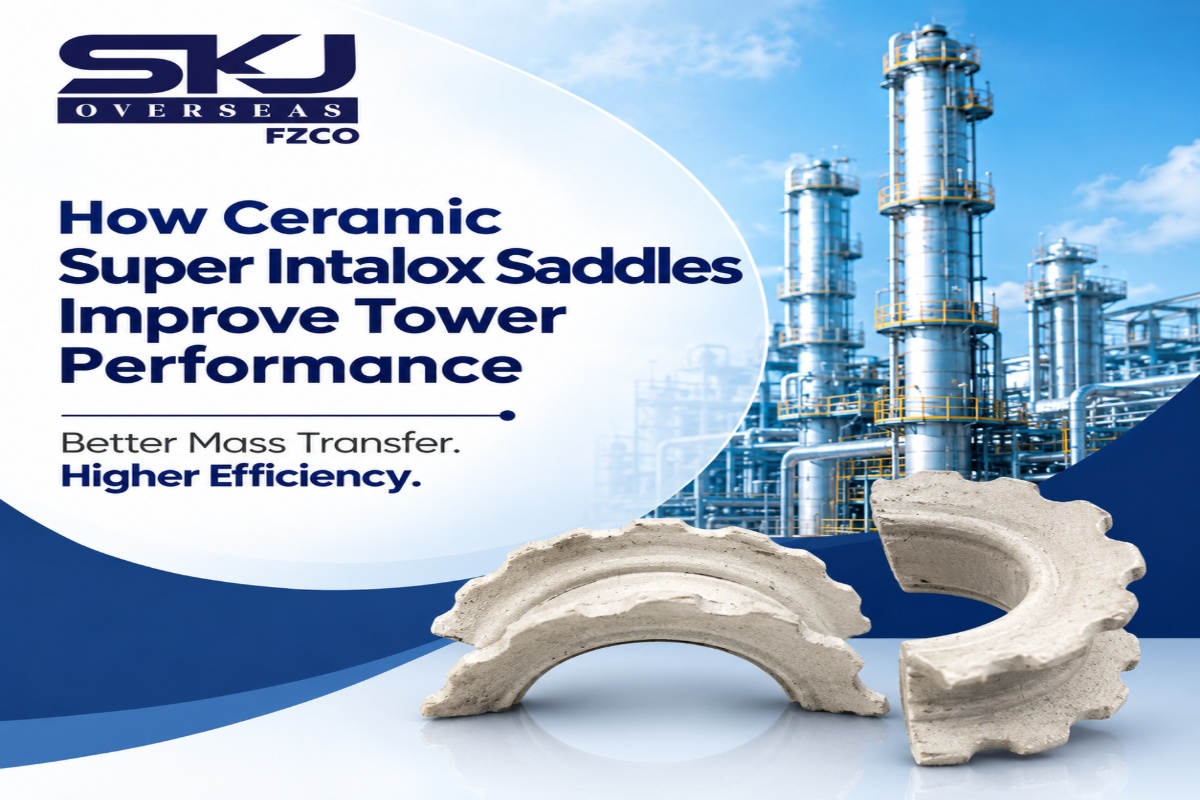
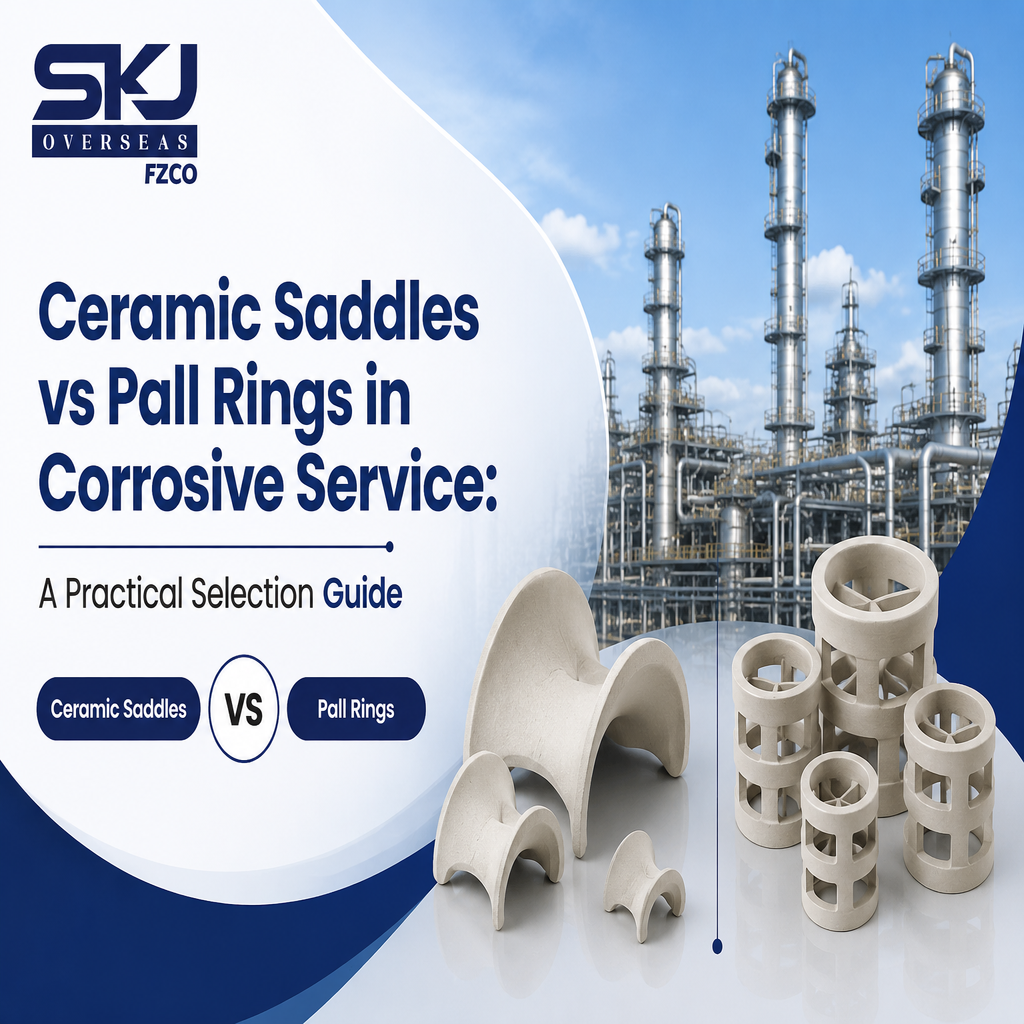
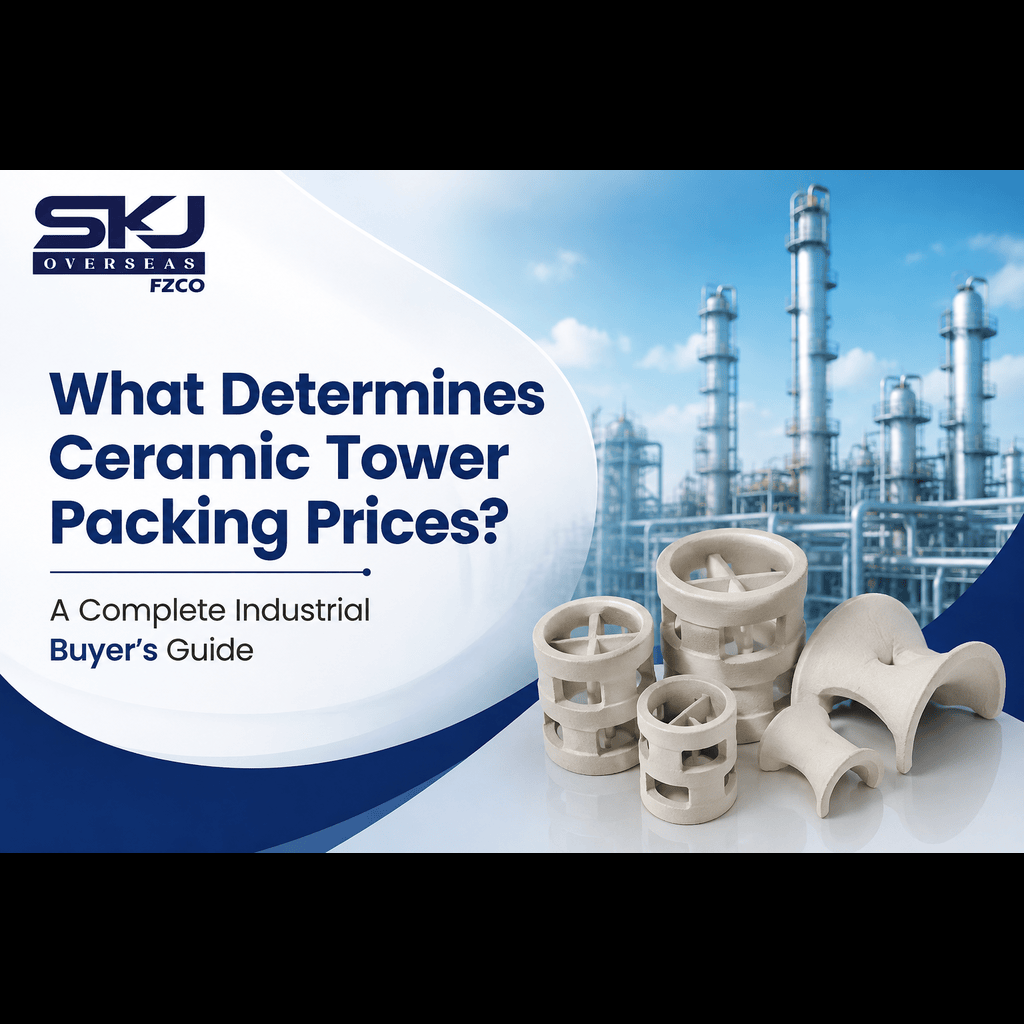
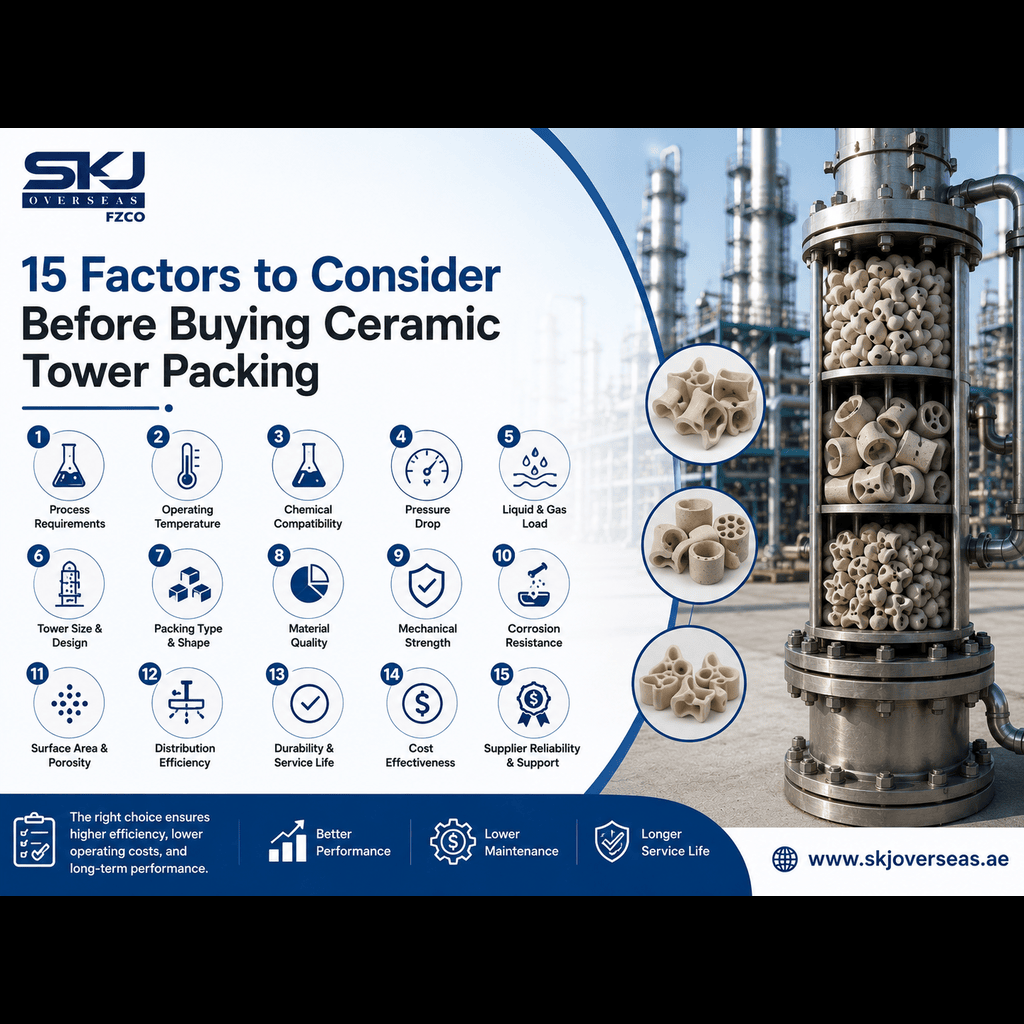
Among the most reliable options for managing flooding risk in industrial columns is Ceramic Saddles tower packing. The curved saddle geometry creates multiple flow paths for vapour and liquid to move through the bed simultaneously, which increases the effective flooding capacity of the column compared to older or simpler packing geometries. This makes ceramic saddles a preferred choice for plants that need to handle variable flow rates without pushing the column toward its flooding limit.
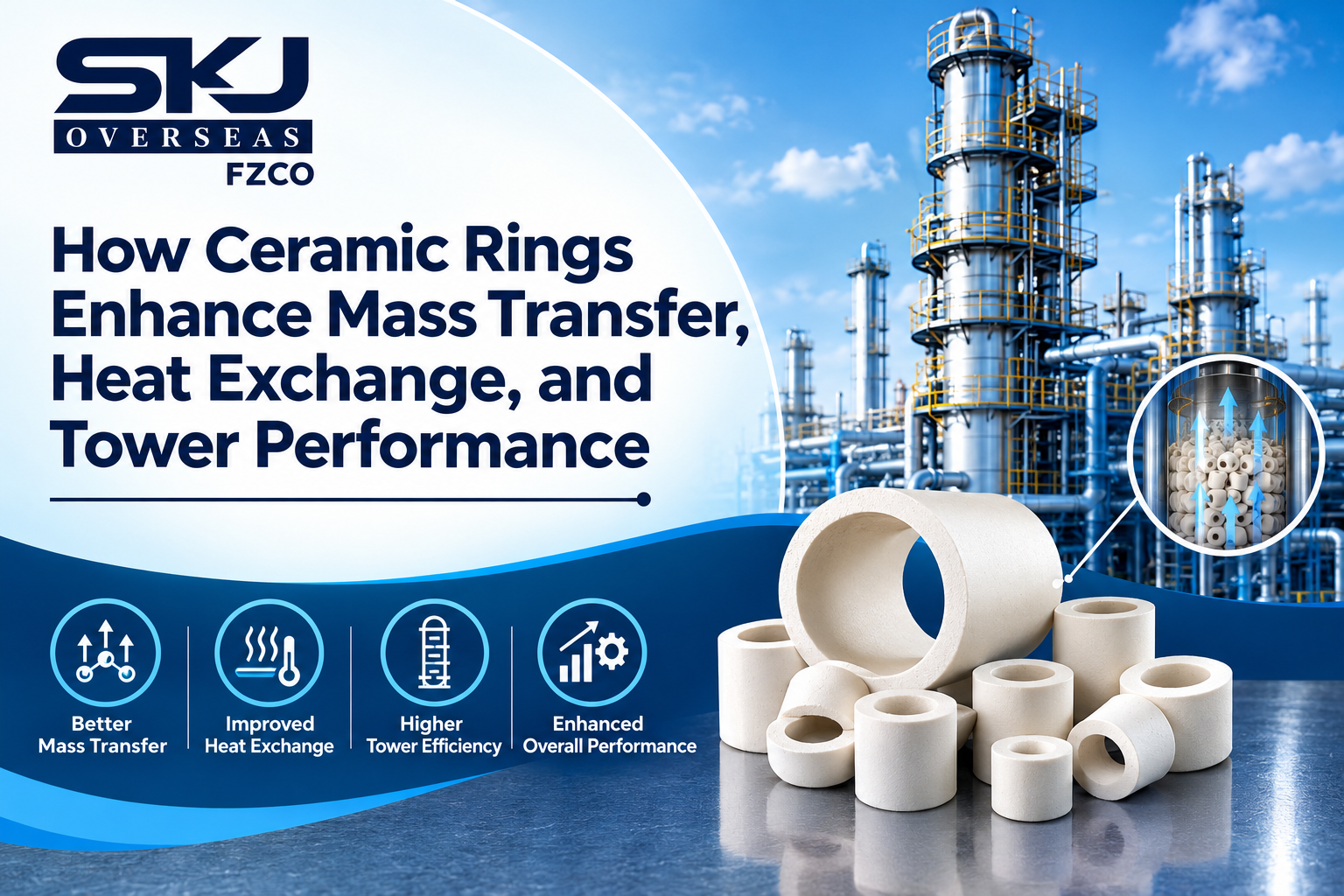
Pall rings are another widely used solution, particularly valued for their open cylindrical design with internal fingers and wall openings that allow vapour and liquid to pass through the packing body rather than only around it. This design significantly increases throughput capacity compared to earlier ring geometries, giving your column a higher flooding point and more operating headroom.
Why Ceramic Saddles Work Well in Demanding Columns
For columns handling corrosive chemicals, high temperatures, or aggressive gas streams, ceramic saddles offer a combination of chemical resistance, thermal stability, and mass transfer efficiency that is difficult to match with other materials.
The uniform liquid spreading promoted by the saddle geometry reduces the risk of channelling, which is one of the leading contributors to early-stage flooding, and maintains more even vapour-liquid contact across the full column cross-section. This consistency in flow behaviour is what keeps columns running stably at higher throughput rates over longer operating cycles.
As an established Ceramic Saddles Manufacturer, SKJ Overseas produces intalox and standard saddle types in multiple sizes to suit different column configurations. Our ceramic saddles are particularly effective in sulfuric acid towers, hydrochloric acid scrubbers, and chemical absorption columns where the process environment rules out plastic or metallic alternatives.
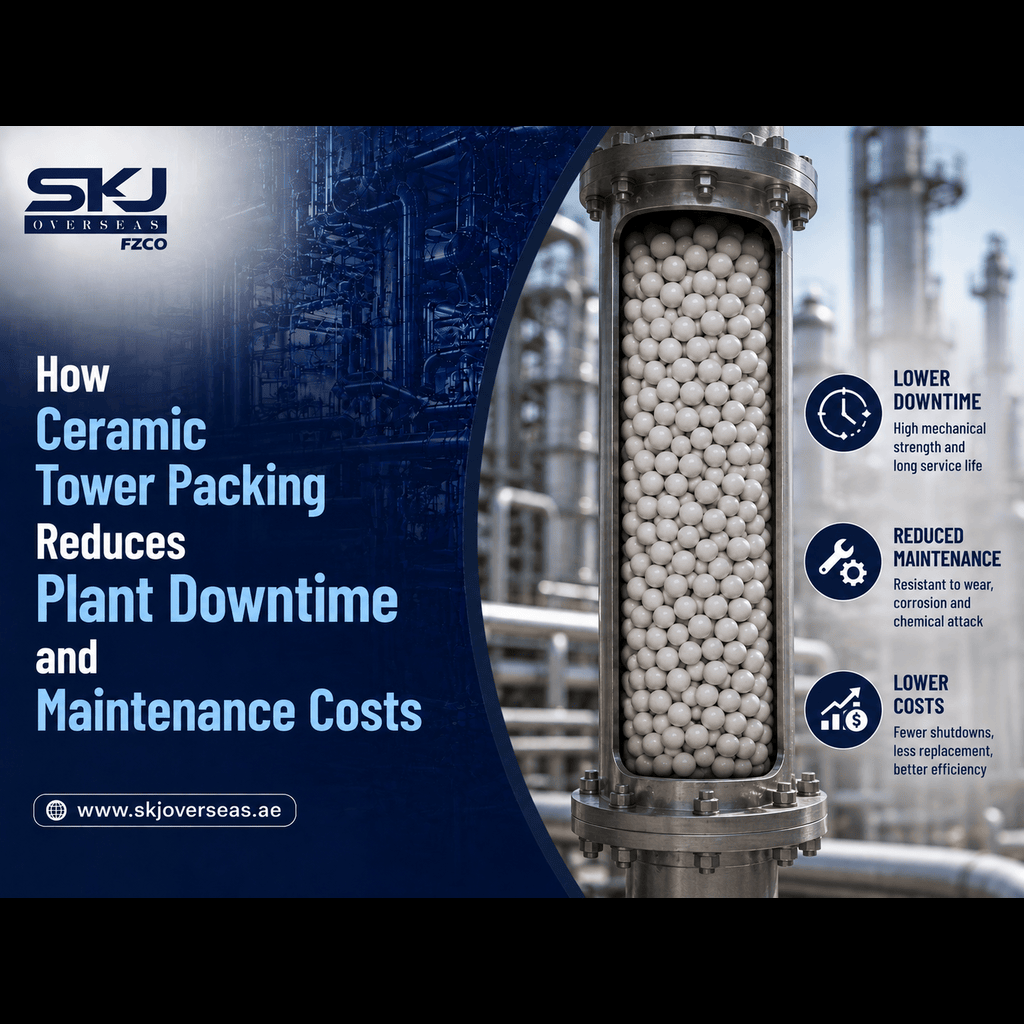
For a deeper look at how packing material and geometry affect long-term column reliability and maintenance frequency, our blog on How Ceramic Tower Packing Reduces Plant Downtime and Maintenance Costs covers the practical side of packing selection in detail and is worth reading alongside this guide.
Early Warning Signs of Flooding to Watch For
Catching flooding early saves you from a full column shutdown. Train your operations team to watch for:
- A sudden or progressive increase in pressure drop across the packing bed
- Drop in separation efficiency or product purity without a change in feed composition
- Erratic liquid level readings at the column base
- Unusual vibration or noise from the column body
- Visual evidence of liquid carry-over into the vapour outlet
When any of these signs appear, it is worth checking your operating vapour and liquid rates against the design flooding point for your installed packing before making any adjustments.
Practical Steps to Prevent Column Flooding
Prevention is straightforward when you approach it systematically.
- Select packing with an appropriate flooding point margin above your maximum operating rate
- Use the correct packing size relative to your column diameter, typically a ratio of at least 1:8
- Inspect packing during planned shutdowns and replace broken or fouled media promptly
- Ensure liquid distributors above the packed bed are functioning correctly and evenly
- Avoid operating the column significantly above its design vapour rate for extended periods
- Source packing from a reliable supplier who provides actual flooding capacity data for their products
Getting these basics right is often enough to eliminate flooding as a recurring problem in columns that have been struggling with it for multiple operating cycles.
FAQs
Q: What is the most common cause of distillation column flooding in industrial plants?
A: The most common cause is operating the column above its design vapour or liquid flow rate. This can happen gradually as production targets increase over time without a corresponding review of column capacity limits.
Q: How do pall rings help prevent column flooding?
A: Pall rings have a higher flooding capacity than older ring designs because their open wall structure allows vapour and liquid to flow through the packing body rather than only around the outside. This increases the maximum throughput the bed can handle before flooding occurs.
Q: Are ceramic saddles better than pall rings for all column applications?
A: Not for all applications. Ceramic saddles excel in highly corrosive or high-temperature services where ceramic material resistance is essential. Pall rings in ceramic, plastic, or metal offer different performance characteristics suited to other conditions. The best choice depends on your specific chemical environment, temperature, and flow rates.
Q: How often should packed column internals be inspected for flooding risk?
A: A visual inspection during every planned shutdown is good practice. If your column runs continuously, monitoring pressure drop trends provides an early indication of packing degradation or fouling that can raise flooding risk between shutdowns.
Q: Does SKJ Overseas supply both pall rings and ceramic saddles for industrial columns?
A: Yes. SKJ Overseas FZCO supplies a full range of ceramic tower packing including pall rings, ceramic saddles, and ceramic support rings to process plants across the UAE and the GCC region. We provide full product specifications and sizing support for every order.
Q: Can wrong packing size cause flooding even at normal operating rates?
A: Yes. If the packing is too small for the column diameter or too densely packed, it restricts flow paths and lowers the effective flooding point. Correct sizing is as important as correct material selection.
Keep Your Column Running Without Interruption
Flooding is a preventable problem when you have the right packing installed and the right supplier behind your procurement decisions. At SKJ Overseas FZCO, we work with process engineers and plant operators across the UAE and the Middle East to identify the right tower packing solution for each column’s specific operating conditions.
Whether you need pall rings, ceramic saddles, or guidance on the right packing configuration for your column, our team is ready to help you get it right. Contact SKJ Overseas FZCO today to discuss your application, receive expert recommendations, and find high-performance tower packing solutions tailored to your operational requirements.