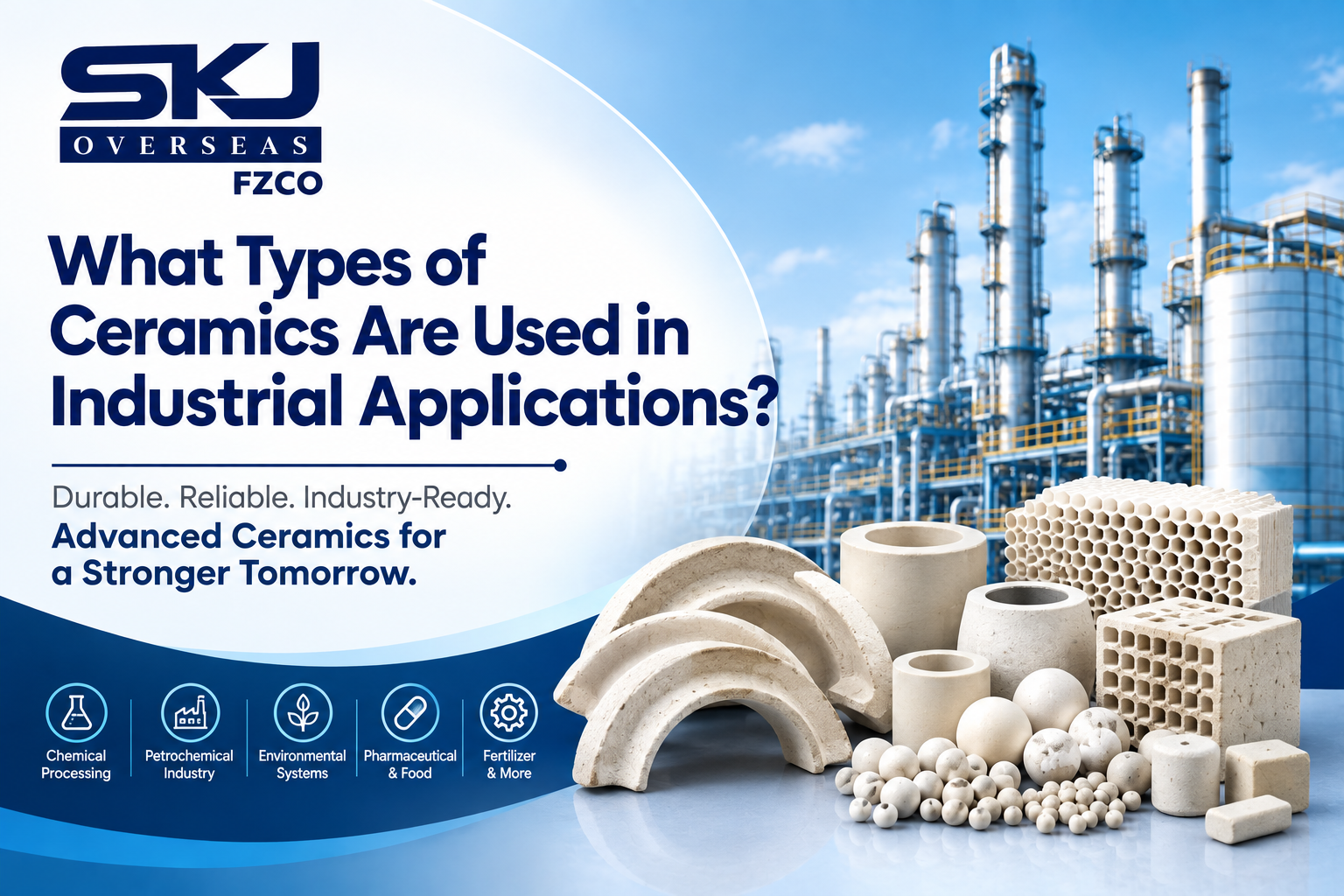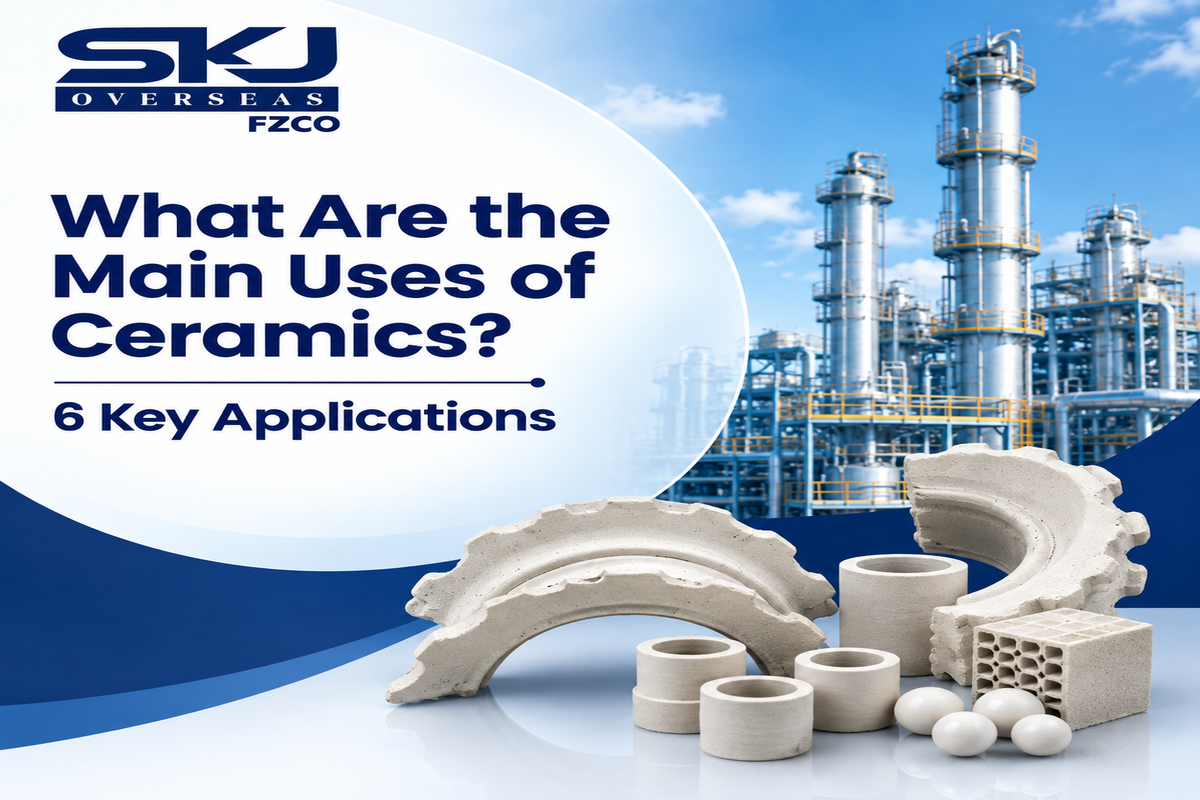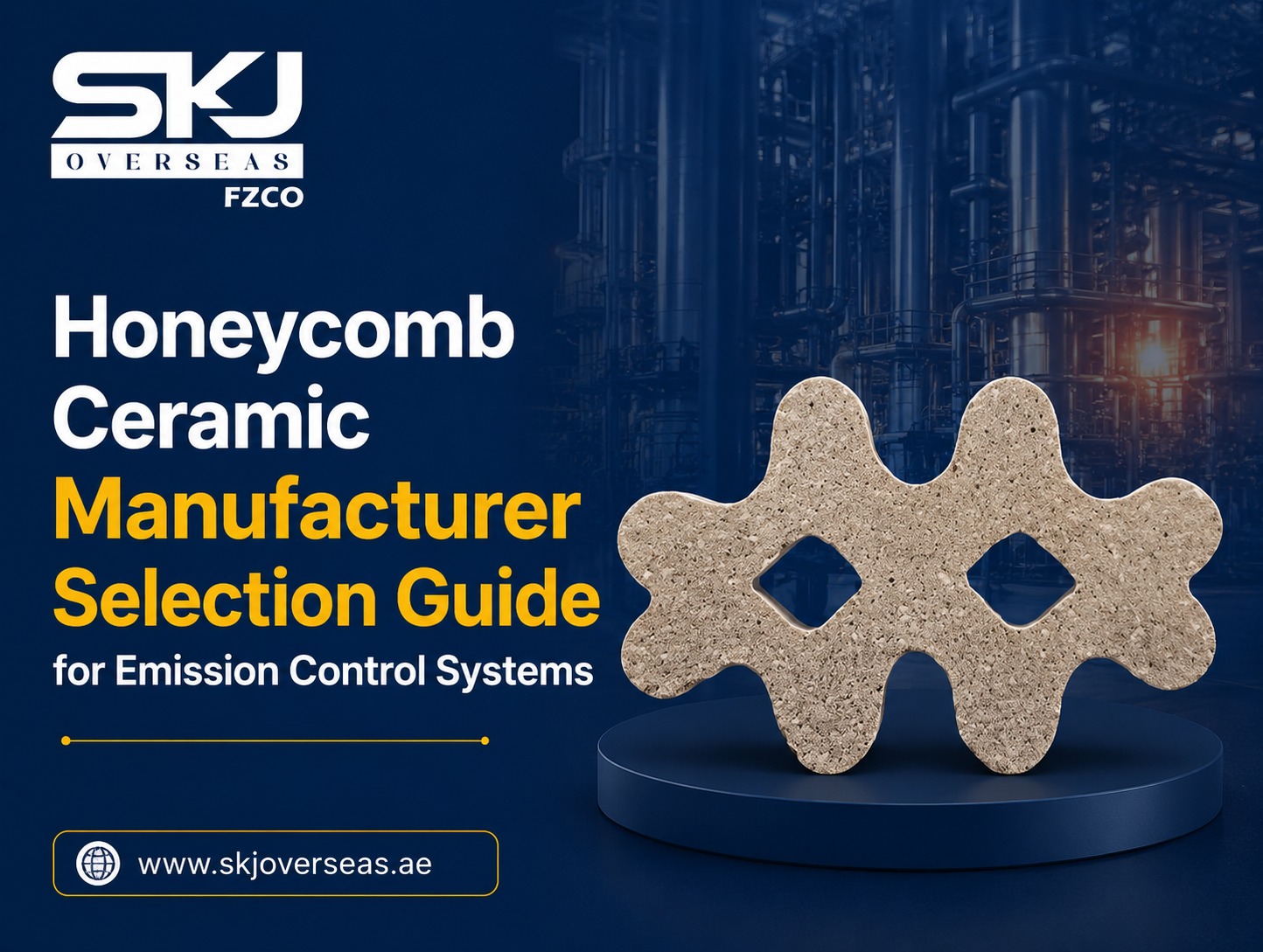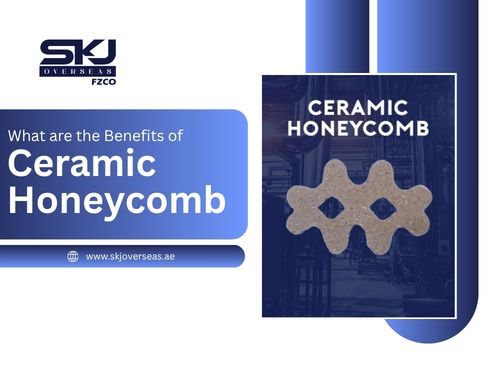
Ceramic honeycomb structure in Dubai is widely used in industrial applications due to its high efficiency and versatility. Its unique design allows gases and liquids to flow uniformly, improving chemical processes and filtration systems. Ceramic honeycomb structures are lightweight, heat-resistant, and provide high surface area, making them ideal for catalytic converters, chemical towers, and industrial filtration. These structures enhance chemical process efficiency while reducing maintenance and operational costs.
- Uniform flow distribution improves performance.
- High surface area supports catalytic reactions.
- Lightweight and durable material.
- Heat and corrosion-resistant for harsh industrial environments.
- Reduces energy consumption in processing units.
Key Benefits of Ceramic Honeycomb Structure
1. Improved Filtration Efficiency
Ceramic honeycomb structure suppliers emphasize its use in industrial filtration due to its porous design and high surface area. This ensures that pollutants and particulates are effectively trapped, improving air and water purification systems.
- High porosity increases contact between fluid and surface.
- Reduces particle bypass, ensuring cleaner output.
- Supports long-term durability with minimal maintenance.
- Works efficiently under high temperatures and chemical exposure.
Using ceramic honeycomb structures improves system performance and reduces energy requirements compared to traditional filter media.
2. Thermal Resistance and Durability
Ceramic honeycomb structure manufacturers highlight the material’s ability to withstand extreme temperatures without deforming. This property is crucial for catalytic converters and chemical reactors, where high heat is common.
- Maintains structural integrity under high thermal stress.
- Resists chemical corrosion, extending lifespan.
- Lightweight yet strong, minimizing structural load.
- Suitable for repeated thermal cycles without cracking.
Industries like petrochemical processing and exhaust gas treatment benefit from this high durability and stability.
3. Supports Catalytic Reactions
Ceramic honeycomb structure exporters design products to maximize catalytic efficiency. Its high surface area allows catalyst coatings to spread evenly, enhancing chemical reactions in industrial towers.
- Improves chemical reaction rates.
- Optimizes catalyst usage, reducing material costs.
- Facilitates uniform flow and contact with reactants.
- Minimizes hotspots and channeling within the tower.
This makes ceramic honeycomb ideal for catalytic converters and other chemical processing applications.
4. Lightweight and Space-Efficient Design
The honeycomb design reduces material weight while maintaining mechanical strength. Industrial ceramic solutions benefit from compact structures that occupy less space.
- Lightweight construction eases installation.
- High packing density improves space utilization.
- Reduces transportation and handling costs.
- Simplifies maintenance and replacement processes.
Space efficiency allows industries to install more equipment within limited areas, enhancing operational flexibility.
5. Chemical Process Efficiency
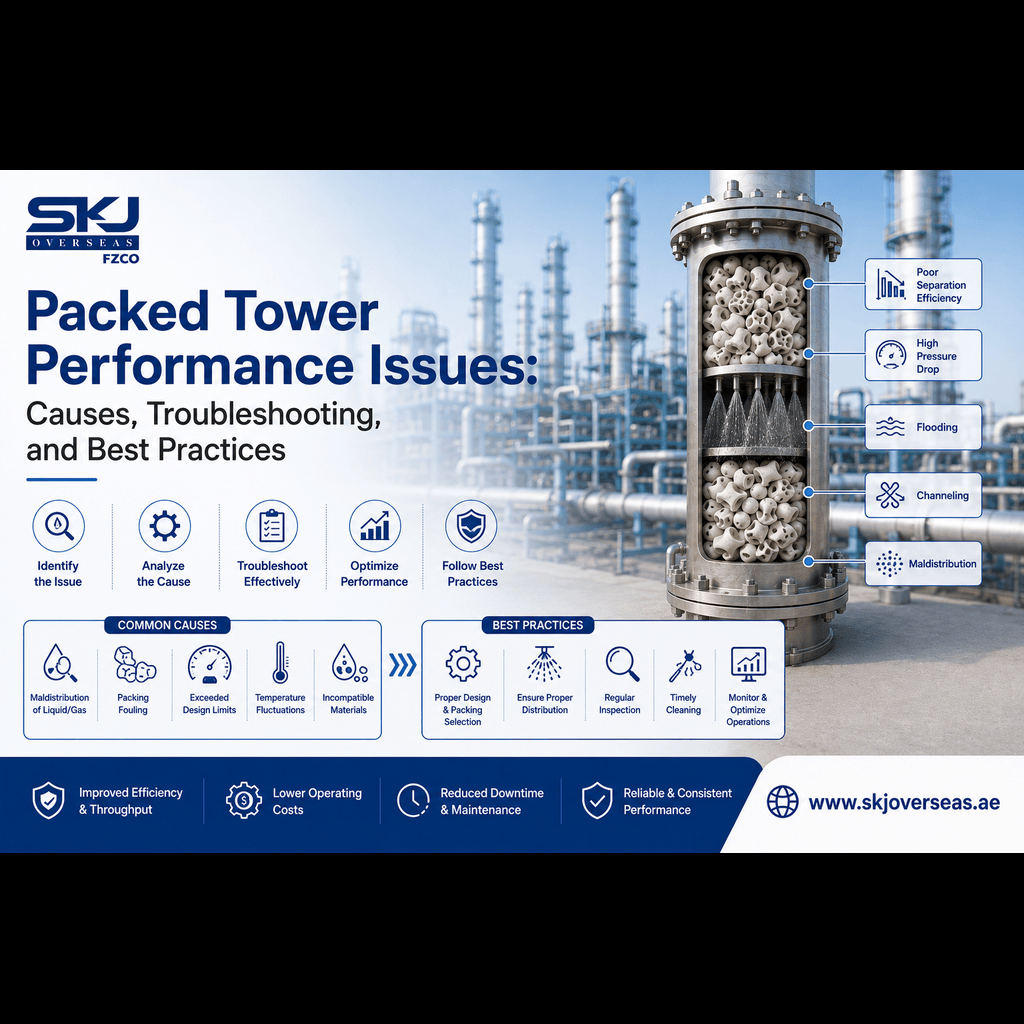
Ceramic honeycomb structure in Dubai enhances chemical process efficiency by improving mass transfer and flow distribution. Uniform flow ensures optimal reaction rates and reduces energy consumption.
- Enhances liquid-gas contact in absorption columns.
- Reduces pressure drop across the tower.
- Optimizes chemical reactions and separation processes.
- Minimizes maintenance frequency due to corrosion resistance.
Using honeycomb structures improves both output quality and operational savings.
6. Corrosion and Chemical Resistance
Ceramic honeycomb structure suppliers emphasize the chemical stability of ceramics, which resist acids, alkalis, and other industrial chemicals.
- Extends operational life in harsh environments.
- Maintains structural integrity even in corrosive fluids.
- Reduces downtime and maintenance costs.
- Compatible with a wide range of chemical processes.
This ensures safer, more reliable industrial operations in chemical plants.
7. Versatility Across Industries
Ceramic honeycomb structures are versatile for multiple industrial applications, including exhaust gas treatment, chemical processing, and air purification systems.
- Effective in automotive catalytic converters.
- Improves industrial scrubbers and filtration systems.
- Suitable for high-temperature chemical reactors.
- Can be customized for specific industrial tower designs.
Industries gain both operational efficiency and environmental compliance using ceramic honeycomb structures.
Table: Comparison of Ceramic Honeycomb vs. Traditional Media
| Feature | Ceramic Honeycomb | Traditional Media | Benefit |
| Surface Area | High | Low | More contact for reactions |
| Durability | Very High | Moderate | Longer lifespan |
| Thermal Resistance | 1200°C+ | <500°C | Suitable for high heat |
| Chemical Resistance | Excellent | Moderate | Safer in reactive chemicals |
| Weight | Lightweight | Heavy | Easier handling & installation |
| Flow Distribution | Uniform | Uneven | Reduces channeling |
| Maintenance | Low | High | Less downtime |
8. Lightweight Structural Ceramics for Heat-Resistant Applications
The ceramic honeycomb structure manufacturer ensures materials are heat-resistant and lightweight, making them suitable for high-temperature chemical towers.
- Reduces structural load on columns.
- Maintains thermal insulation in high-heat areas.
- Supports continuous operation in hot industrial environments.
- Enables energy-efficient operations due to thermal stability.
Industries achieve better performance with reduced energy costs and safer operations.
9. Enhanced Exhaust Gas Treatment
Ceramic honeycomb structure suppliers note its critical role in exhaust gas treatment systems for both industrial and automotive applications.
- Traps pollutants efficiently.
- Supports catalytic converters for cleaner emissions.
- Reduces environmental impact of industrial processes.
- Maintains high efficiency over long operational periods.
This makes ceramic honeycomb structures a key material in sustainable industrial design.
10. Applications in Filtration and Separation Technology
Filtration and separation industries benefit from the structured porous design, which ensures high separation efficiency.
- Removes particulates and chemical impurities effectively.
- Optimizes pressure drop across towers.
- Enhances liquid and gas flow uniformity.
- Can be adapted to multiple filtration systems.
High surface area and porosity make it ideal for demanding industrial filtration tasks.
11. Cost and Maintenance Efficiency
Using ceramic honeycomb structure exporters reduces long-term operational costs.
- Lower maintenance frequency due to chemical and thermal resistance.
- Reduced material wastage in catalytic processes.
- Energy savings from optimized flow and reduced pressure drop.
- Long lifespan reduces replacement costs.
Industries achieve operational savings while maintaining high performance standards.
FAQs About ceramic honeycomb structure
1. What is ceramic honeycomb used for?
Ceramic honeycomb is used in filtration, catalytic converters, and chemical towers to improve efficiency and flow distribution.
2. How does it improve filtration efficiency?
Its porous structure increases surface contact, capturing more particles and improving air, gas, and water purification.
3. Why is thermal resistance important?
Thermal resistance allows ceramic honeycomb to function in high-temperature processes without deformation or structural damage.
4. Can it handle corrosive chemicals?
Yes, it resists acids, alkalis, and other chemicals, ensuring safe and long-lasting industrial operations.
5. What industries use ceramic honeycomb structures?
Used in chemical processing, petrochemical plants, automotive catalytic converters, filtration systems, and high-temperature industrial towers.
6. Is ceramic honeycomb lightweight?
Yes, it is lightweight yet strong, reducing structural load and easing installation and handling processes.
7. How does it enhance catalytic reactions?
Its high surface area allows catalyst coatings to spread evenly, improving reaction rates and reducing hotspots.
8. Does it reduce maintenance costs?
Yes, due to durability, corrosion resistance, and thermal stability, it requires less frequent replacement and maintenance.
Conclusion
Ceramic honeycomb structure in Dubai offers a range of benefits for industrial applications, making it a highly efficient, durable, and versatile solution. Its lightweight and heat-resistant properties improve installation, reduce structural load, and allow safer operations in high-temperature chemical processes. The high surface area and uniform flow distribution enhance catalytic reactions, filtration efficiency, and chemical process optimization. Corrosion resistance ensures long-term durability, while the structured design reduces maintenance frequency and energy consumption. Industries across automotive, chemical, and filtration sectors benefit from improved exhaust treatment, better chemical conversions, and efficient separation processes. Additionally, its adaptability to multiple industrial environments makes ceramic honeycomb an essential material for improving both performance and sustainability. Choosing the right ceramic honeycomb structure supplier ensures quality, reliable performance, and compliance with industrial standards, ultimately optimizing operational costs and output quality for long-term industrial success.