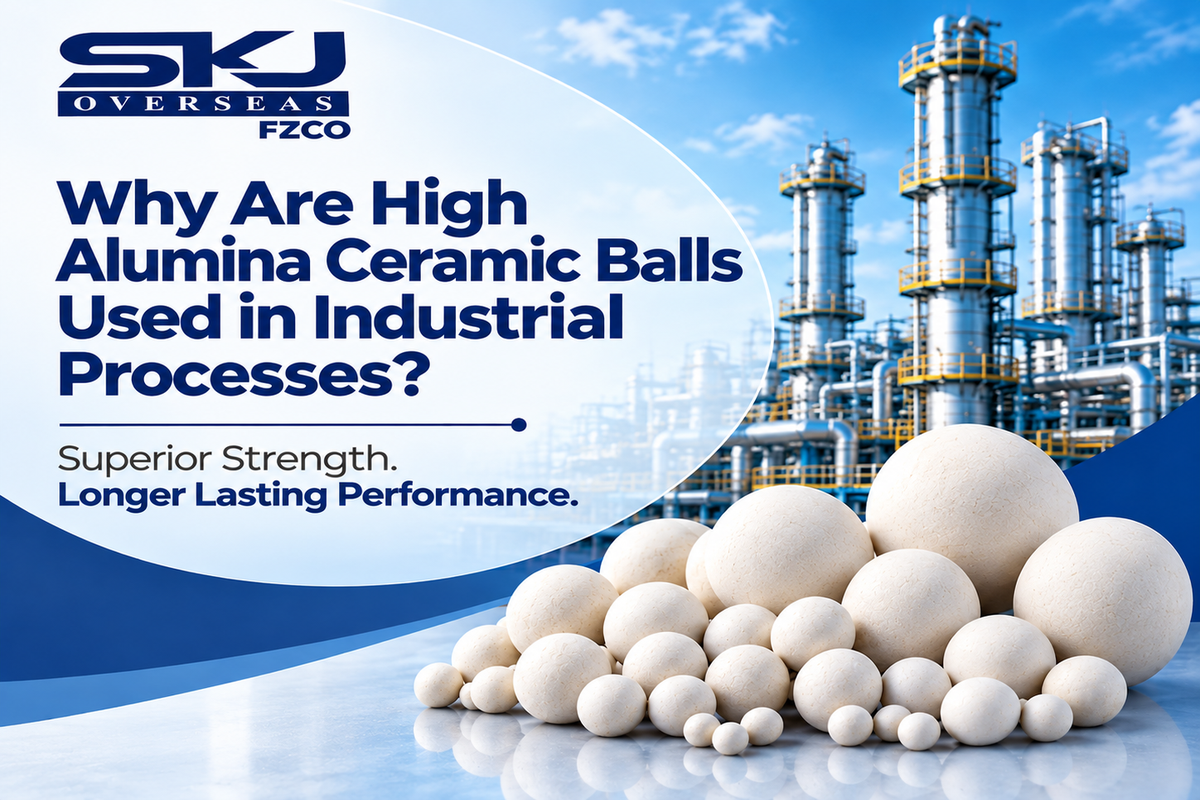
Industrial plants running catalytic reactors, ball mills, and packed beds all face the same problem: standard materials wear out fast under heat, pressure, and chemical attack. This is exactly why High Alumina Ceramic Balls are used in industrial processes across the chemical, petrochemical, fertilizer, and ceramics manufacturing sectors. Their combination of hardness, chemical inertness, and thermal stability makes them one of the most dependable support and grinding media available today.
As an established Ceramic Manufacturer in Dubai and a recognized Ceramic and Tower Packing Exporter in Dubai, SKJ Overseas produces high alumina ceramic balls built for demanding process conditions. This guide explains what these balls are made of, why industries rely on them, and how to select the right grade for your application.
What Are High Alumina Ceramic Balls?
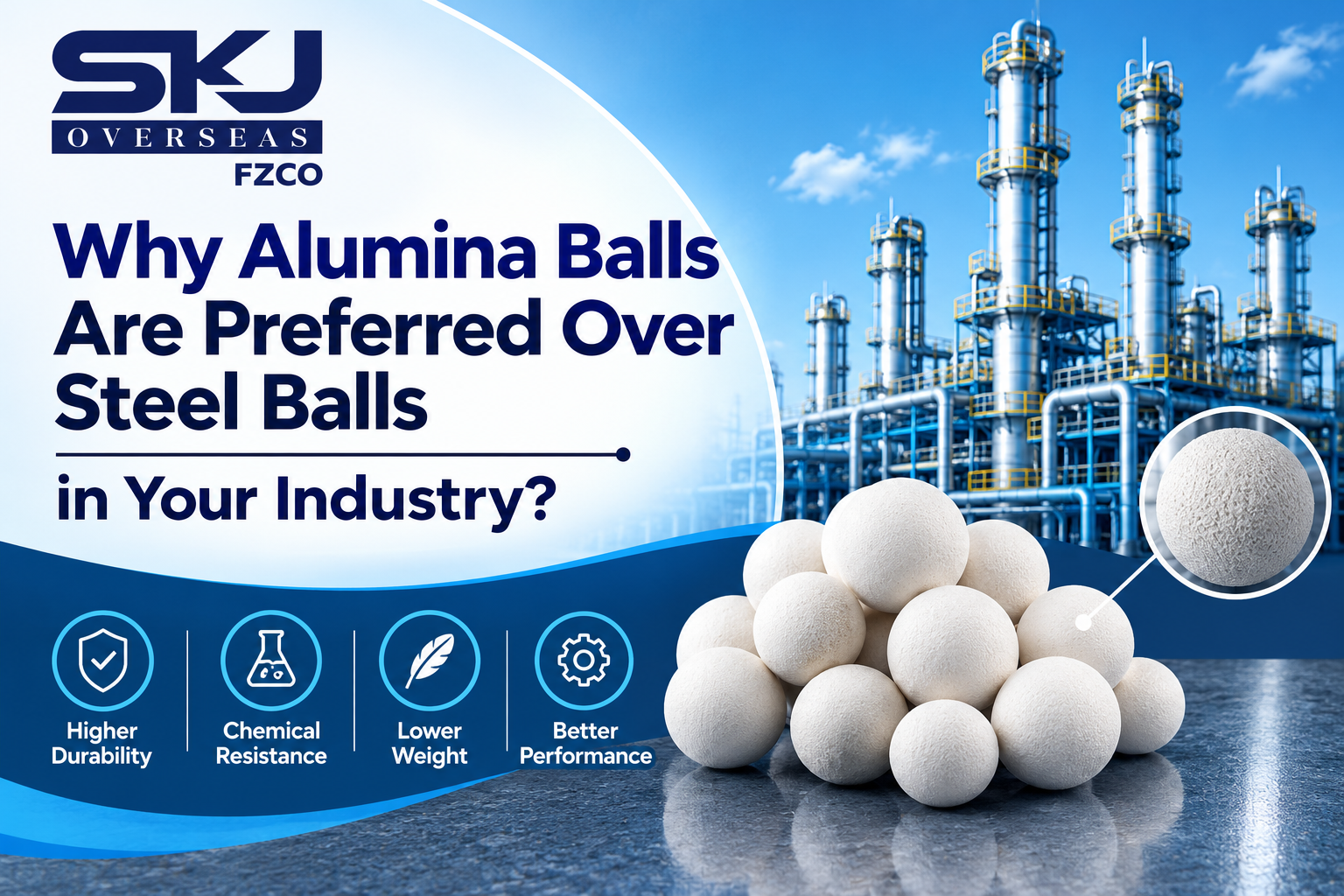
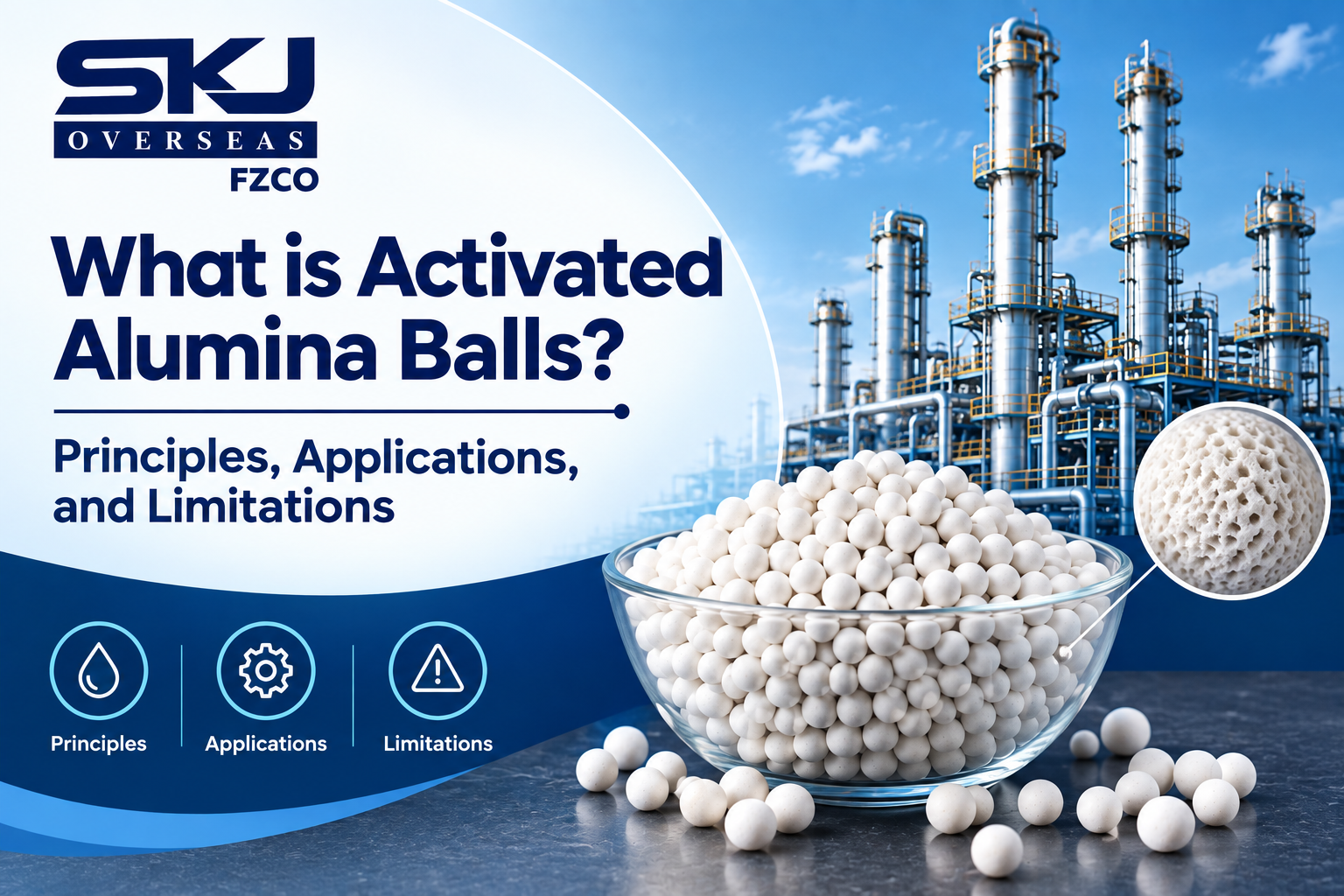
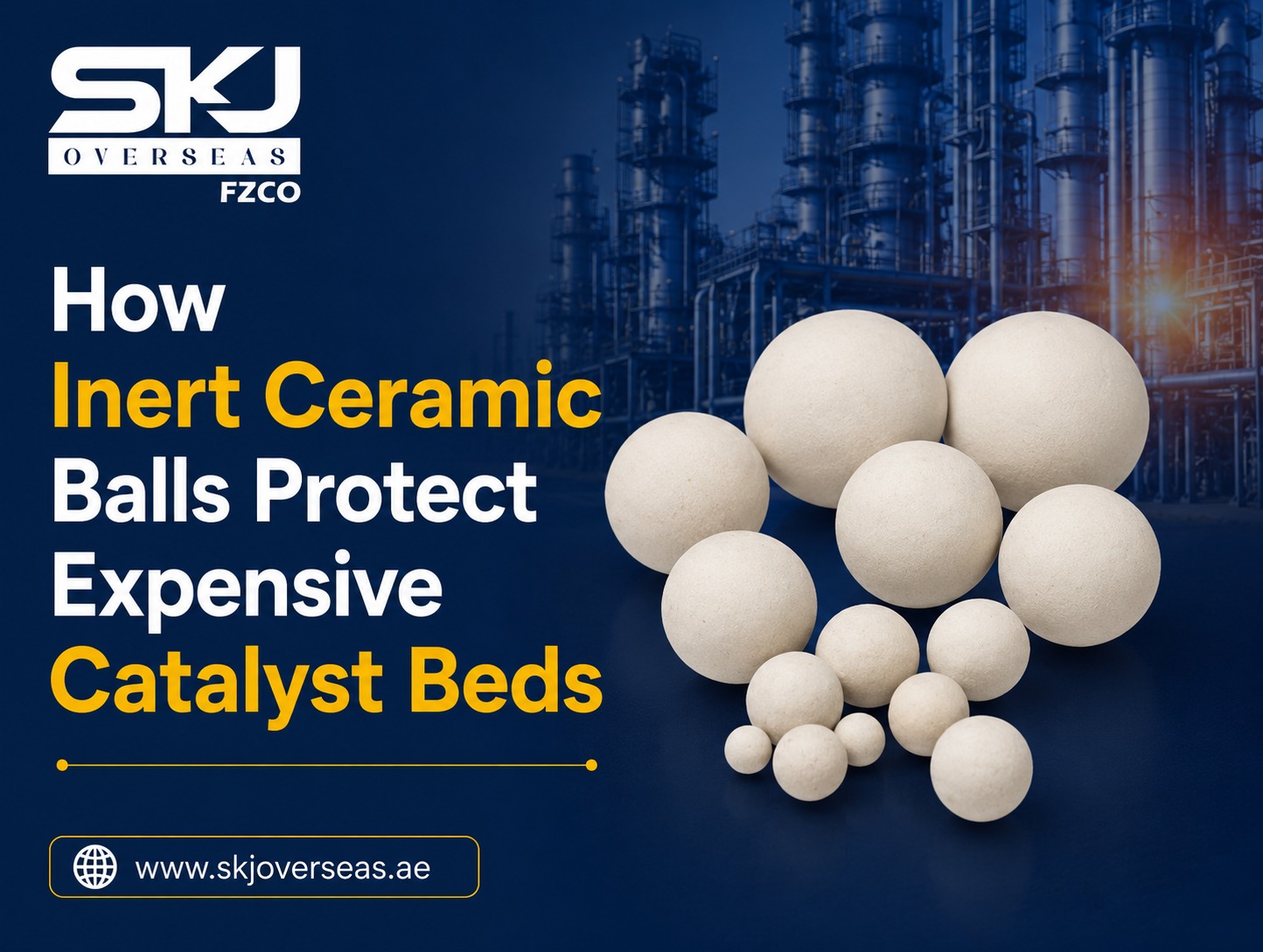
High alumina ceramic balls are dense, spherical ceramic media manufactured from aluminum oxide (Al2O3), typically ranging from 68% to over 99% alumina content depending on the grade. They are produced through dry pressing and high-temperature sintering, which gives them a hard, non-porous structure capable of withstanding extreme operating conditions.
The higher the alumina content, the greater the hardness, chemical resistance, and thermal stability of the ball. Manufacturers commonly offer graded options such as 68%, 75%, 92%, 95%, and 99% alumina, allowing plants to match the ball’s properties to the severity of their process.
Typical physical characteristics include:
- Bulk density between 3.4 and 3.9 g/cm³, depending on grade
- Compressive strength exceeding 1500 N for standard sizes
- Water absorption of less than 0.01% in high-purity grades
- Maximum service temperatures up to 1550°C to 1650°C
Why High Alumina Ceramic Balls Are Used in Industrial Processes
1. Exceptional Heat Resistance
Industrial reactors and dryers often run at temperatures that would soften or deform metal or plastic media. High alumina ceramic balls maintain their shape and strength at service temperatures well above 1500°C, which makes them suitable for secondary reformers, ethylene dryers, and high-temperature catalyst beds. This heat tolerance means fewer replacements and more consistent process conditions over time.
2. Superior Chemical and Corrosion Resistance
Alumina is chemically inert to almost all acids, alkalis, and solvents encountered in industrial processing. This resistance is one of the biggest reasons high alumina ceramic balls are used in industrial processes involving aggressive chemicals, such as acid regeneration units and chemical scrubbing systems. Unlike metal balls, they do not corrode, rust, or contaminate the process stream over time.
3. High Mechanical Strength and Wear Resistance
Ball mills and grinding circuits put constant mechanical stress on the media inside them. High alumina ceramic balls resist abrasion and impact far better than lower-grade ceramics, which reduces media consumption and keeps particle size distribution more consistent during grinding. Their hardness, often above 8 on the Mohs scale, also limits contamination of the ground material with metal or clay fines.
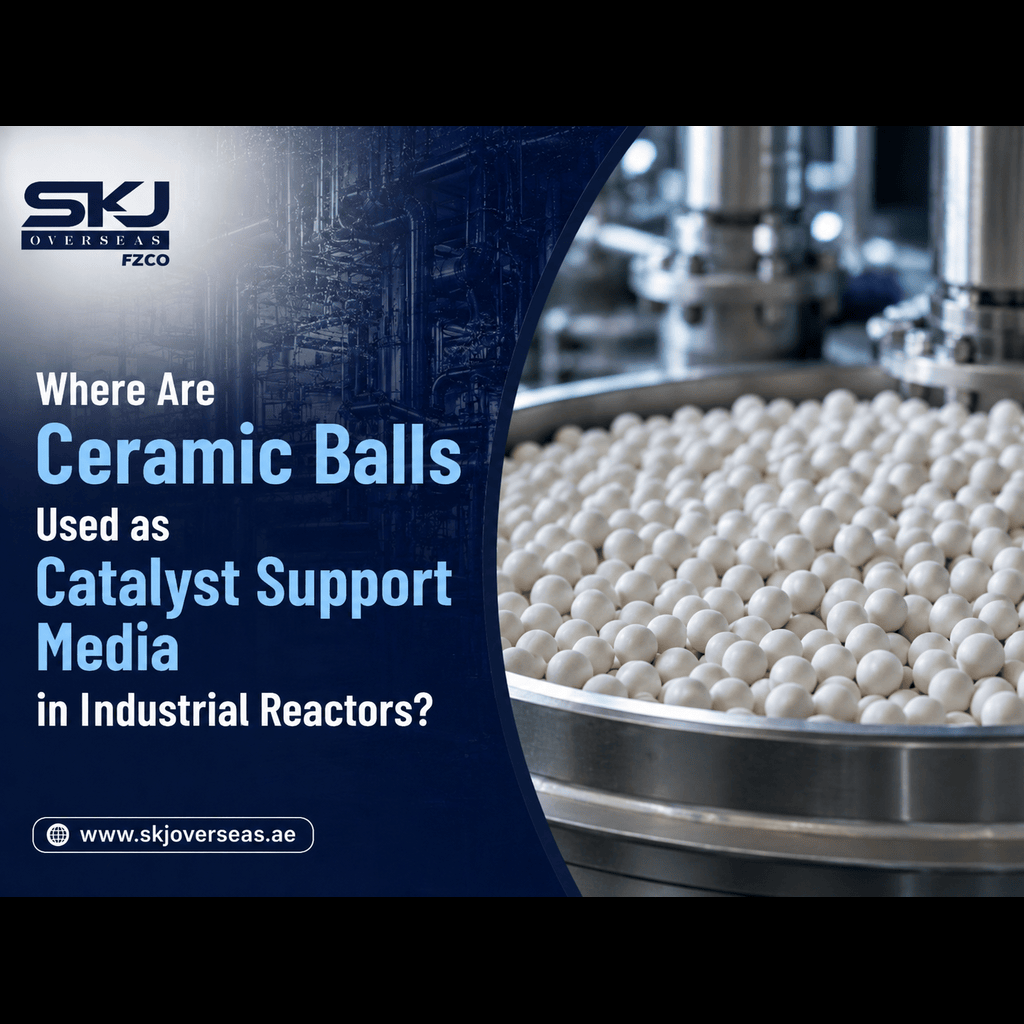
4. Reliable Catalyst Bed Support
In catalytic reactors, the ball layer at the bottom of the bed supports the catalyst while allowing gas and liquid to pass through evenly. High alumina balls with low silica content are preferred here because leached silica can coat downstream equipment or foul the catalyst surface over time. Choosing 99% alumina grades with minimal SiO2 content protects catalyst life and process efficiency.
5. Dimensional Stability Under Load
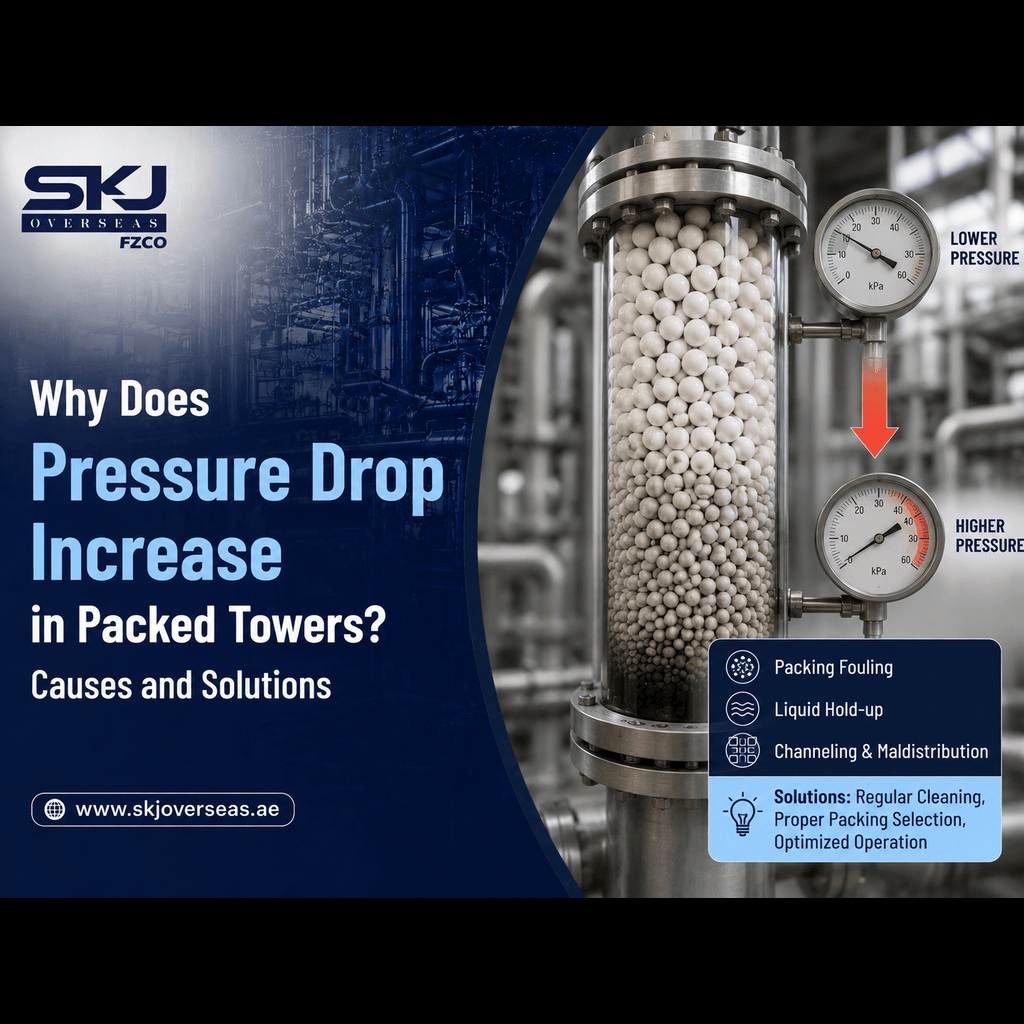
A packed bed several meters deep places significant weight on the bottom layer of media. High alumina ceramic balls resist crushing and deformation under this load, unlike lower-density materials that can compact or break down. This structural stability keeps flow channels open and prevents pressure drop from rising unexpectedly during operation.
6. Low Contamination Risk
Because high alumina ceramic balls have very low water absorption and near-zero porosity in high-purity grades, they do not trap process fluids or release contaminants into sensitive systems. This property is especially valuable in pharmaceutical intermediate production and high-purity chemical processing, where even trace contamination can affect product quality.
Common Industrial Applications
High alumina ceramic balls are used across a wide range of processing environments:
- Catalyst bed support in ammonia and hydrogen reactors
- Grinding media in ball mills for ceramics, paints, and minerals
- Packing media in acid drying and absorption towers
- Heat storage and heat transfer media in thermal systems
- Support layers in fixed-bed and fluidized-bed reactors
- Inert filling media in pressure vessels and filter systems
Alumina Content Grades and How to Choose One
Selecting the right grade depends on the temperature, chemical exposure, and mechanical stress your process involves.
| Alumina Content | Typical Use Case | Key Advantage |
| 68% to 75% | General inert filling, low-stress support | Cost-effective for mild conditions |
| 92% | Ball mills, moderate chemical exposure | Balanced strength and durability |
| 95% | High-temperature catalyst support | Improved heat and wear resistance |
| 99%+ | Ammonia reformers, ethylene dryers | Maximum purity and minimal silica leaching |
As a general rule, higher alumina content costs more upfront but reduces replacement frequency and contamination risk, which often lowers total cost of ownership over the life of the plant.
High Alumina Ceramic Balls vs Other Support Media
| Feature | Metal Balls | Low Alumina Ceramic | High Alumina Ceramic Balls |
| Corrosion resistance | Poor | Moderate | Excellent |
| Heat resistance | Moderate | Moderate | Very High |
| Wear resistance | Good | Moderate | Excellent |
| Contamination risk | High | Moderate | Very Low |
| Best use case | Low-temperature service | General purpose | Corrosive, high-temperature service |
Why Sourcing Quality Matters
Not every ceramic ball on the market performs to specification, even when labeled with the same alumina percentage. Variations in sintering temperature, raw material purity, and quality control can significantly affect service life. Working with an experienced High Alumina Ceramic Balls manufacturer ensures the product you receive matches its stated technical data sheet.
When evaluating High Alumina Ceramic Balls suppliers, look for:
- Verified alumina content and low iron and silica levels
- Documented compressive strength and porosity testing
- Consistent sizing for predictable bed density
- Export experience and proper packaging for long-distance shipping
SKJ Overseas, a trusted source of High Alumina Ceramic Balls in Dubai, manufactures and tests every batch against these criteria before dispatch, giving process engineers confidence in long-term performance.
Key Takeaways
- High Alumina Ceramic Balls are used in industrial processes because they combine heat resistance, chemical inertness, and mechanical strength in one material.
- Alumina content, ranging from 68% to over 99%, determines the ball’s suitability for a given temperature and chemical environment.
- These balls are widely used as catalyst bed support, grinding media, and inert packing in reactors and towers.
- Higher alumina grades reduce contamination risk and extend service life in high-purity or high-temperature applications.
- Sourcing from a verified manufacturer protects against inconsistent quality and premature failure.
Frequently Asked Questions
1. What is the difference between low and high alumina ceramic balls?
Low alumina balls typically contain 68% to 75% Al2O3 and suit general, low-stress applications. High alumina balls contain 92% to 99% or more Al2O3, offering greater hardness, heat resistance, and chemical stability for demanding industrial processes.
2. Can high alumina ceramic balls be used in acid environments?
Yes. High alumina ceramic balls resist almost all acids, alkalis, and organic solvents, making them suitable for acid drying towers, scrubbing systems, and chemical regeneration units where metal media would corrode quickly.
3. How long do high alumina ceramic balls last in a catalyst bed?
Service life depends on temperature, mechanical load, and chemical exposure, but high-purity grades commonly last several years in continuous operation. Replacement is usually driven by mechanical breakage or a process change rather than chemical wear.
4. What size high alumina ceramic balls should I use?
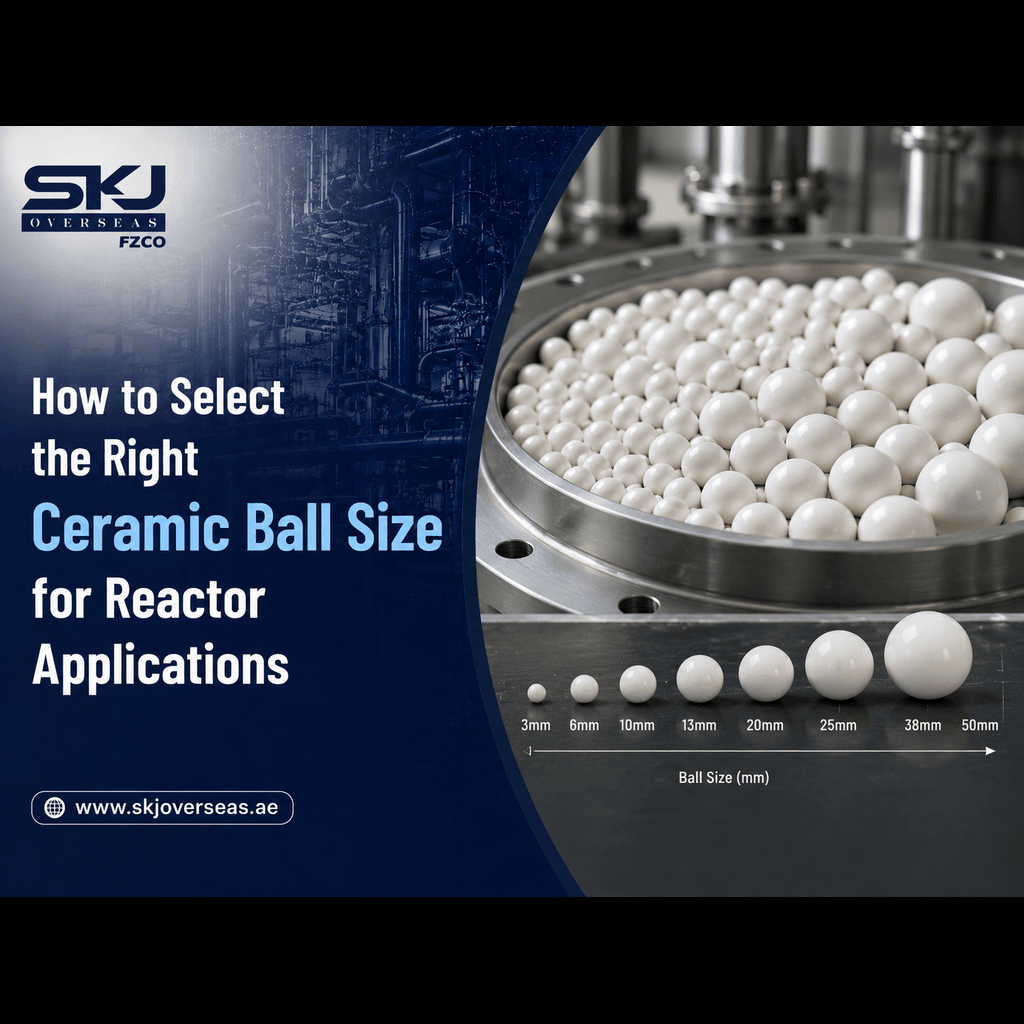
Ball size depends on vessel diameter, flow requirements, and whether the balls are used for catalyst support or grinding. Common sizes range from 3mm for grinding media to 50mm for reactor bed support, and a supplier can recommend the right size for your specific setup.
5. Do high alumina ceramic balls affect product purity?
High-purity grades with low silica and iron content are specifically designed to avoid this issue. They resist leaching under high-temperature and steam conditions, which protects downstream catalysts and product streams from contamination.
Partner With SKJ Overseas for High Alumina Ceramic Balls
Looking for a reliable High Alumina Ceramic Balls exporter for your reactor, mill, or tower packing requirement? SKJ Overseas manufactures high alumina ceramic balls engineered for consistent performance in high-temperature, corrosive, and high-load industrial environments.
Contact SKJ Overseas today to request a quote, technical datasheet, or sample batch for your process.