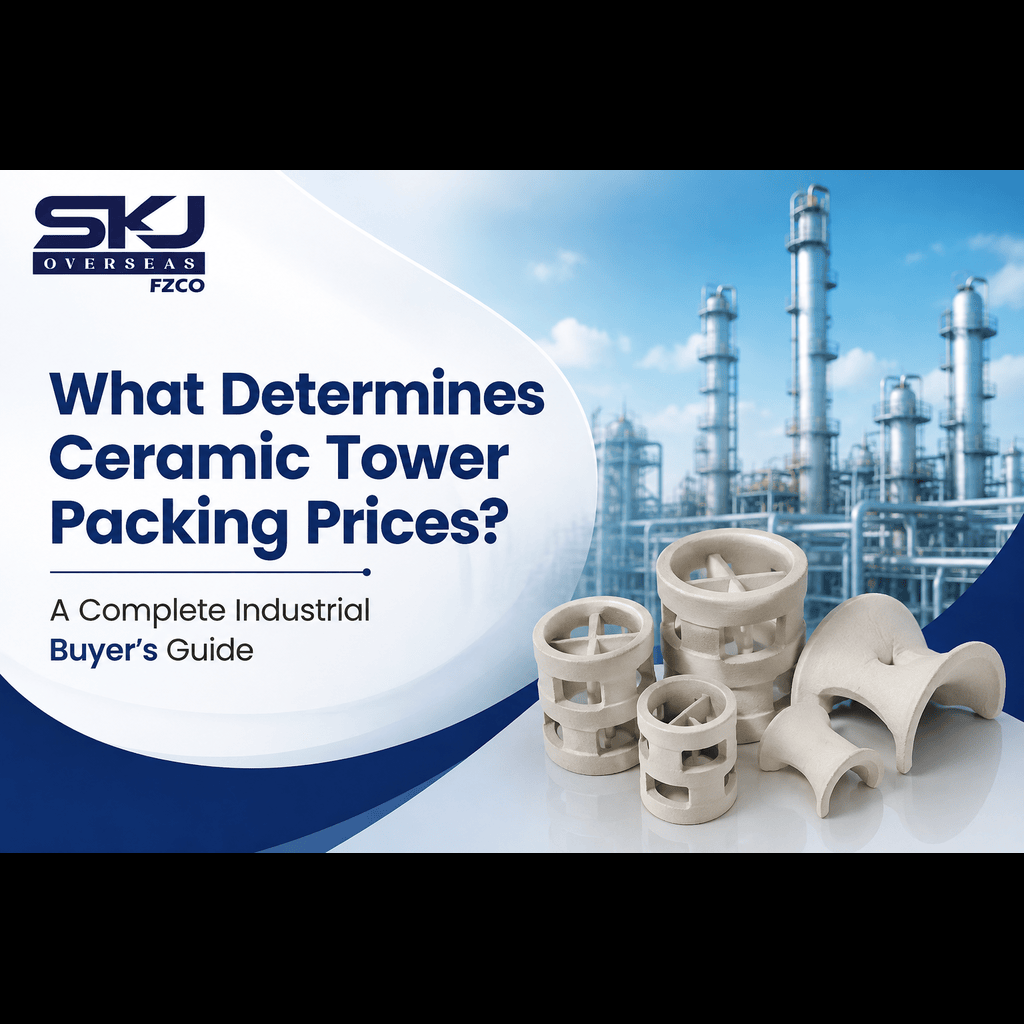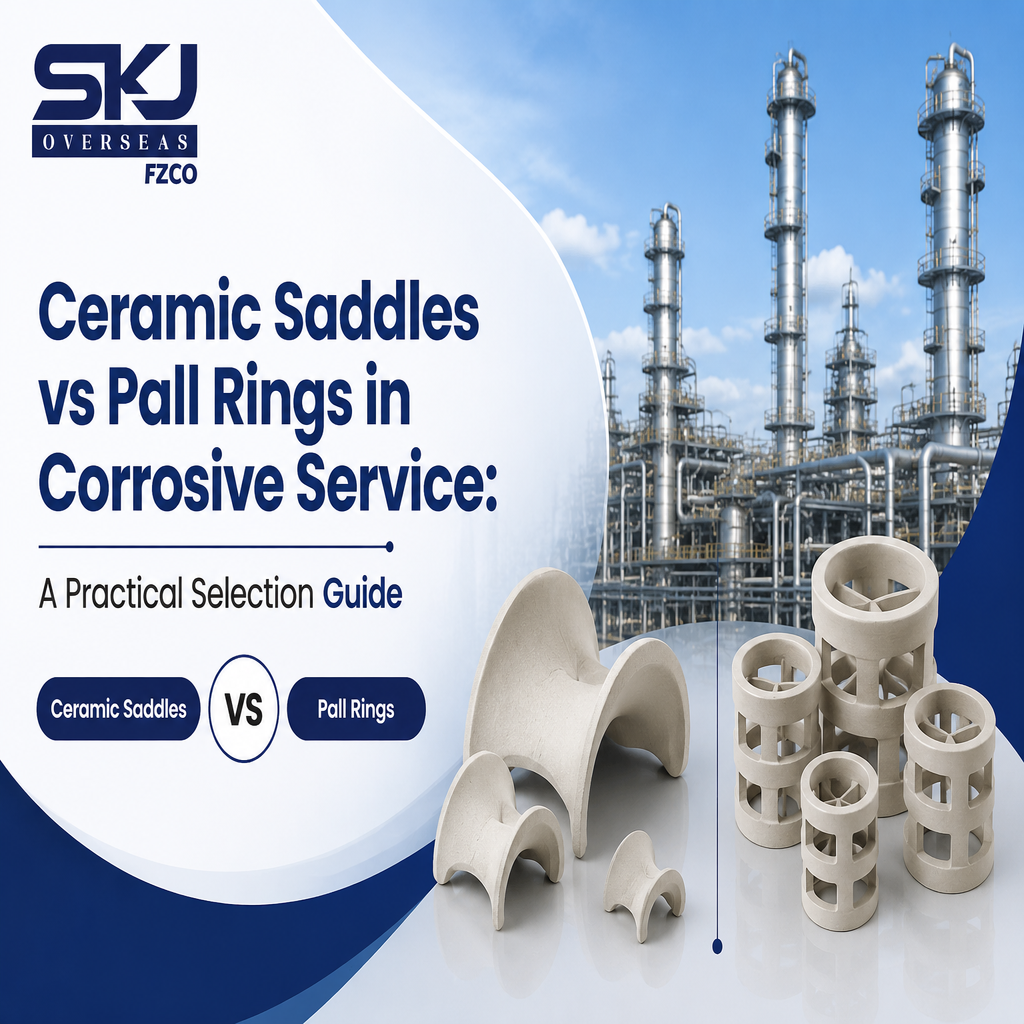
Ceramic saddles generally outperform pall rings in highly corrosive, high-temperature service because ceramic resists chemical attack that would degrade plastic or metal over time. Pall rings, particularly polypropylene versions, work well in moderately corrosive conditions where lighter weight and lower pressure drop matter more than extreme chemical resistance. The right choice depends on your specific acid, temperature range, and mechanical load, not a blanket rule for either shape.
If you are specifying packing for a tower handling aggressive chemistry, this guide breaks down exactly where each option holds up and where it falls short.
Why This Decision Deserves More Than a Quick Guess
Packing selection often gets treated as a minor line item on a procurement list, but in corrosive service, it decides how long your tower runs before something fails. A packing shape that performs beautifully in a mild absorption process can degrade within months when exposed to strong acids or high heat, and replacing packing mid-cycle is far more disruptive than getting the choice right at the start.
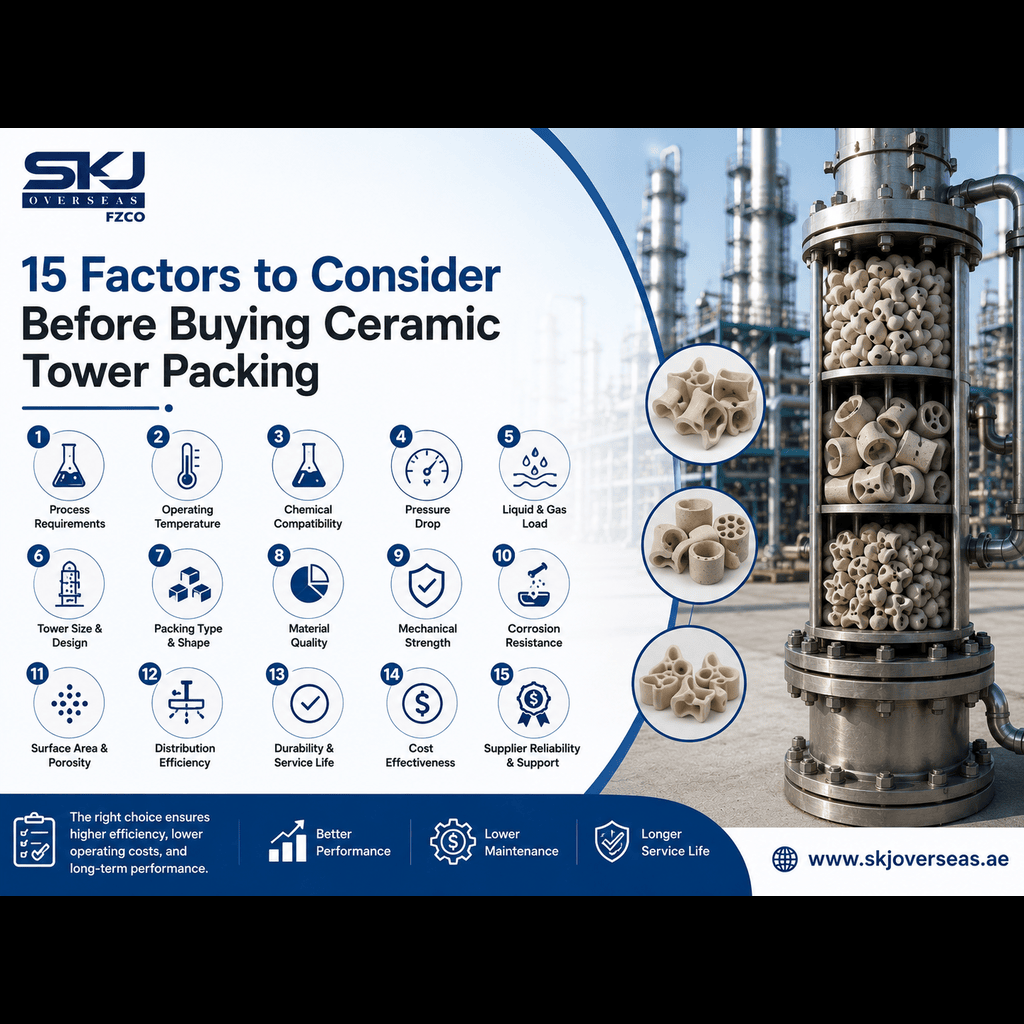
Ceramic saddles vs pall rings is not really a question of which shape is universally better. It is a question of matching material properties to the exact conditions inside your specific column.
How Ceramic Saddles Perform Under Aggressive Chemical Exposure
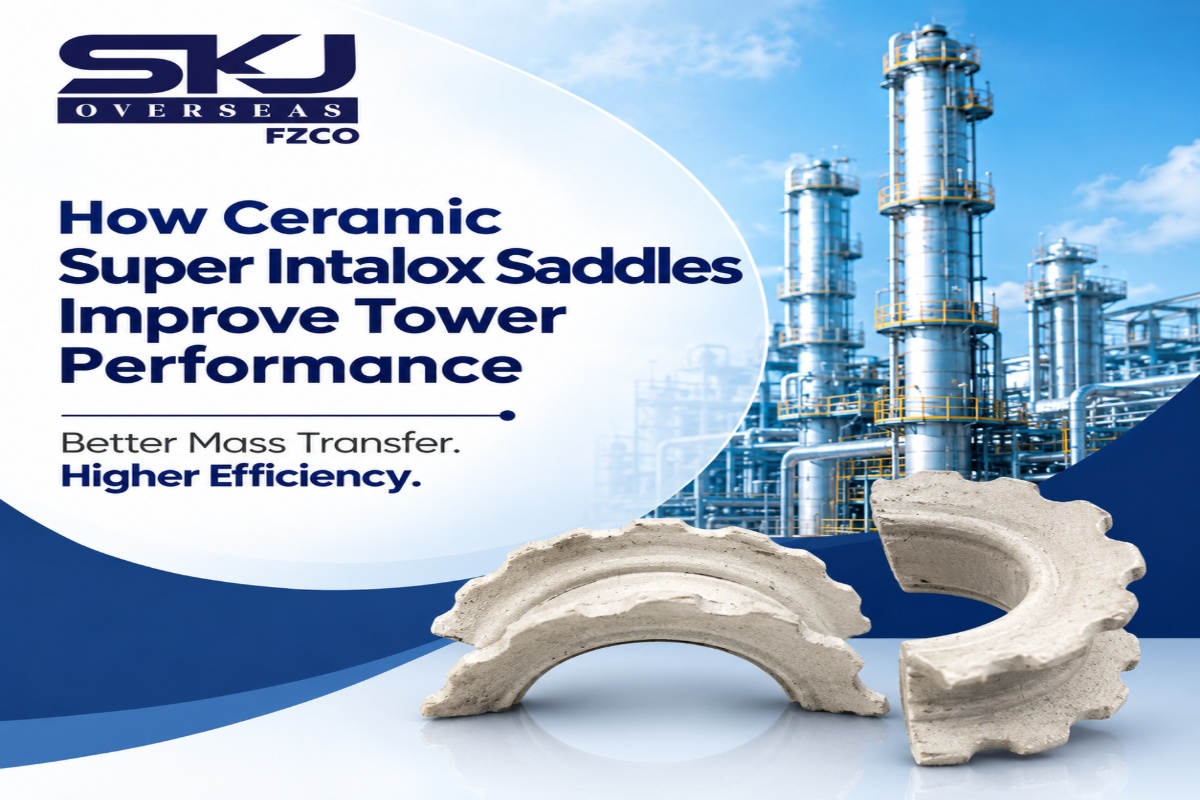
Ceramic material resists attack from a wide range of acids, including sulfuric, hydrochloric, and nitric acid, at concentrations and temperatures that would break down plastic packing over time. This chemical stability is the main reason ceramic saddles remain a preferred option in scrubbing towers, acid absorption units, and other processes involving continuous exposure to harsh chemistry.
Their curved, saddle-shaped geometry also spreads liquid more evenly across the bed than many alternative shapes, which reduces channeling and helps maintain consistent contact efficiency even as the packing ages.
- Strong resistance to strong acids and high temperatures
- Even liquid distribution reduces localized wear and channeling
- Holds structural shape under prolonged aggressive exposure
- Well suited for scrubbers, acid towers, and high-heat absorption units
Where Pall Rings Still Make Sense in Corrosive Applications
Pall rings are not automatically ruled out just because a process involves some corrosive chemistry. Polypropylene pall rings handle a meaningful range of acids and alkalis, and their open, window-cut structure delivers lower pressure drop than most ceramic shapes at comparable flow rates.
This makes pall rings a practical option for processes with moderate corrosivity, where the priority is managing energy costs and capacity rather than surviving extreme chemical attack. Their lighter weight also simplifies handling during installation and turnaround, which matters on larger towers where labor time adds up quickly.
- Lower pressure drop at comparable flow rates
- Lighter weight, easier to load and unload during maintenance
- Handles moderate acid and alkali exposure reliably
- Better fit where capacity and energy efficiency are the priority
Matching the Right Material to Your Actual Process Conditions
Rather than picking based on habit or what a previous project used, it helps to work through the specific conditions your tower will face.
- If your process involves concentrated acids or sustained high temperatures, ceramic saddles are generally the safer long-term choice.
- If your corrosivity is moderate and pressure drop control matters more, pall rings often deliver better overall efficiency.
- If your tower experiences thermal cycling alongside chemical exposure, ceramic tends to hold its structural integrity longer.
- If handling weight and installation speed are major constraints, the lighter pall ring structure offers a practical advantage.
Getting this decision right avoids the common and costly mistake of installing packing that technically survives the chemistry but fails structurally or efficiency-wise for a different reason entirely.
Why Sourcing Quality Affects This Comparison as Much as Material
A lot of packing failures in corrosive service trace back to inconsistent manufacturing rather than a flawed material choice. A ceramic saddle with uneven firing or a pall ring with inconsistent wall thickness can underperform even when the underlying material is technically correct for the application.
Working with an experienced ceramic saddles supplier matters here, since consistent firing quality and dimensional accuracy directly affect how well the saddle resists thermal shock and chemical attack over years of continuous service. Batch-to-batch variation is one of the most overlooked causes of early packing failure, and it rarely gets traced back to its actual source.
The same principle applies on the pall ring side. A dependable PP Pall Ring Supplier ensures every batch meets the same crush strength and material grade, so the packing performs the way its specification promises rather than drifting slightly with each new delivery.
Structural Support Matters as Much as the Packing Itself
Neither ceramic saddles nor pall rings work in isolation inside a tower. Both sit on a support structure at the base of the bed, and if that foundation weakens under corrosive exposure, it does not matter how well the packing above it performs.
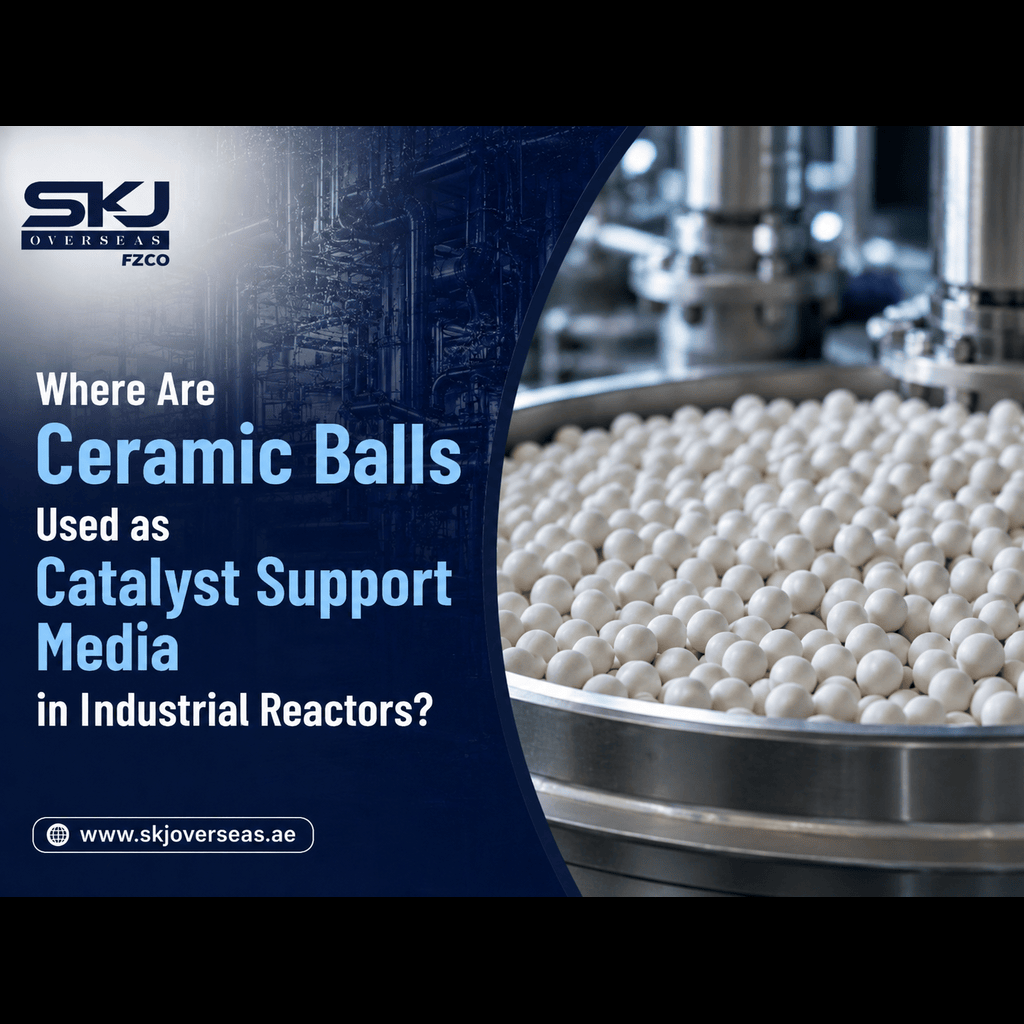
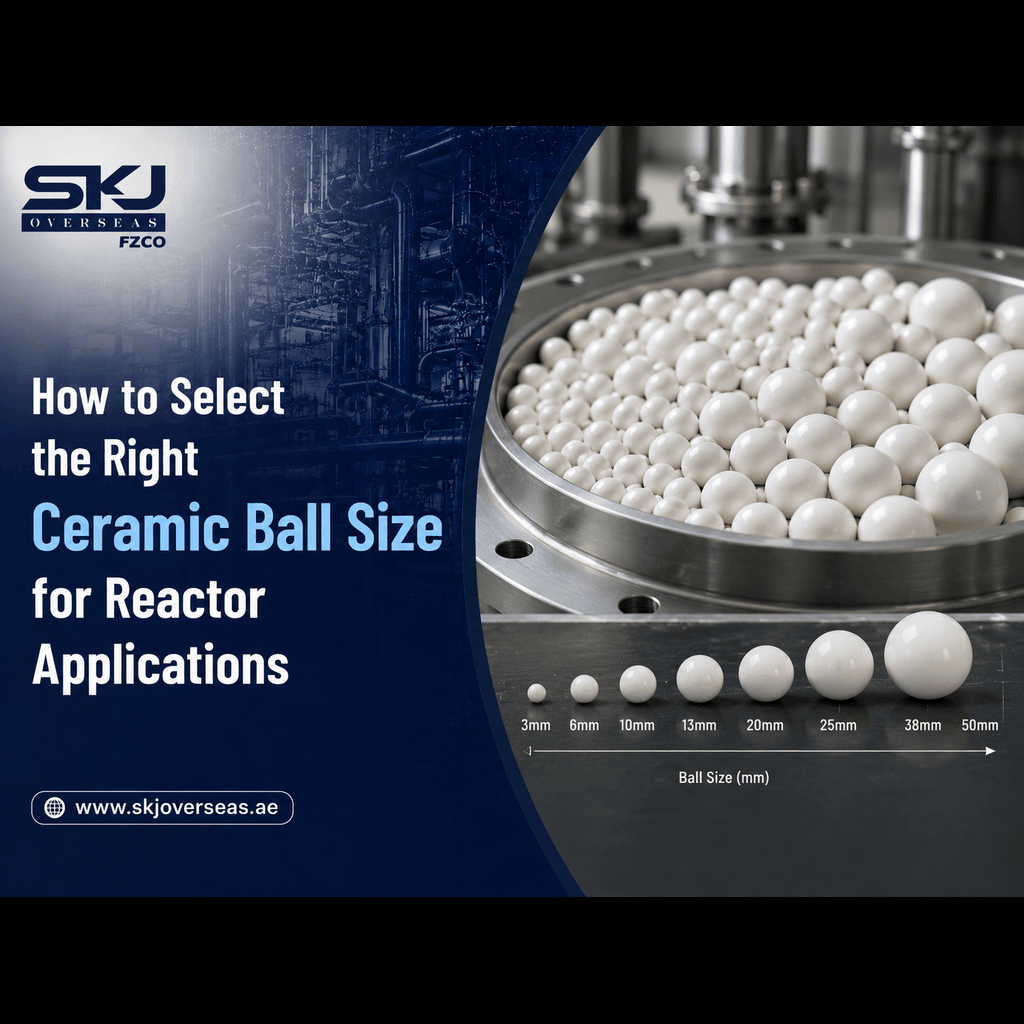
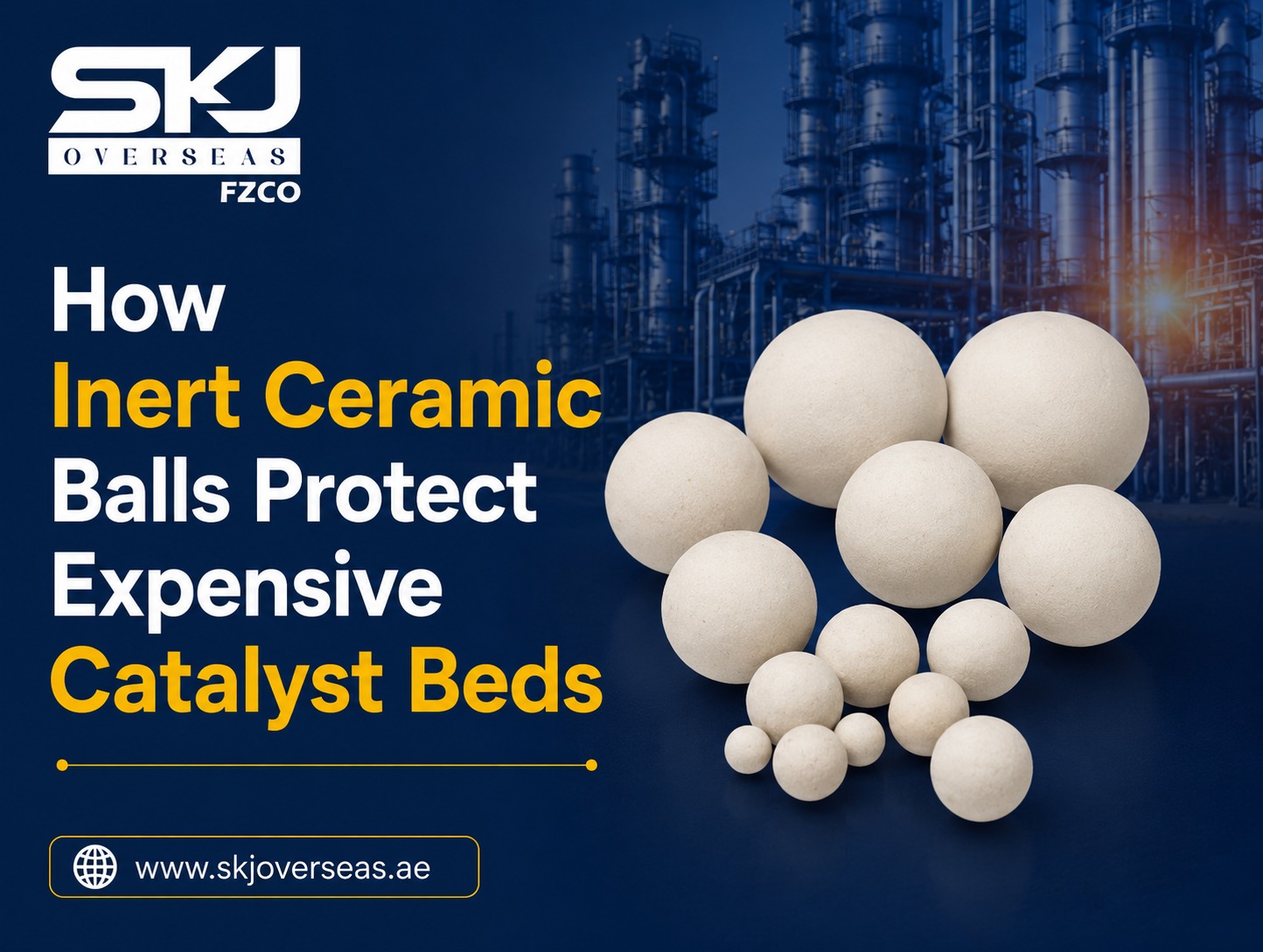
This is also where inert support media plays a role in some corrosive applications, particularly where catalyst protection or flow distribution needs an additional layer beneath the primary packing. Working with a reliable ceramic ball supplier ensures this layer holds up to the same chemical and thermal conditions as the packing it supports, rather than becoming the weak point in an otherwise well-specified system.
Practical Signs You Have the Wrong Packing for Your Process
If your tower is already running, a few signs suggest the current packing choice may not be matched well to your actual corrosive conditions.
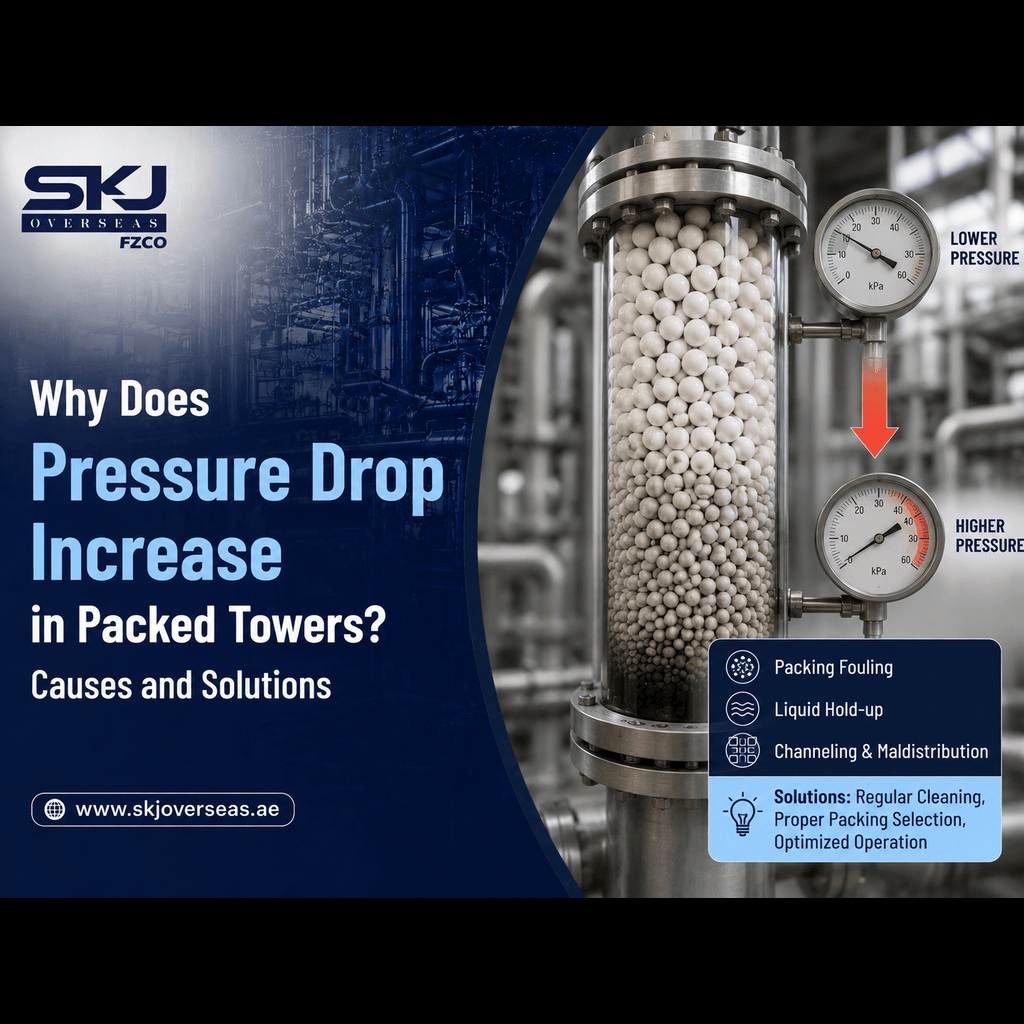
- Pressure drop climbing faster than expected between maintenance cycles
- Visible pitting, cracking, or surface degradation during inspection
- Reduced separation efficiency that cannot be traced to fouling or flooding
- More frequent packing replacement than the original design anticipated
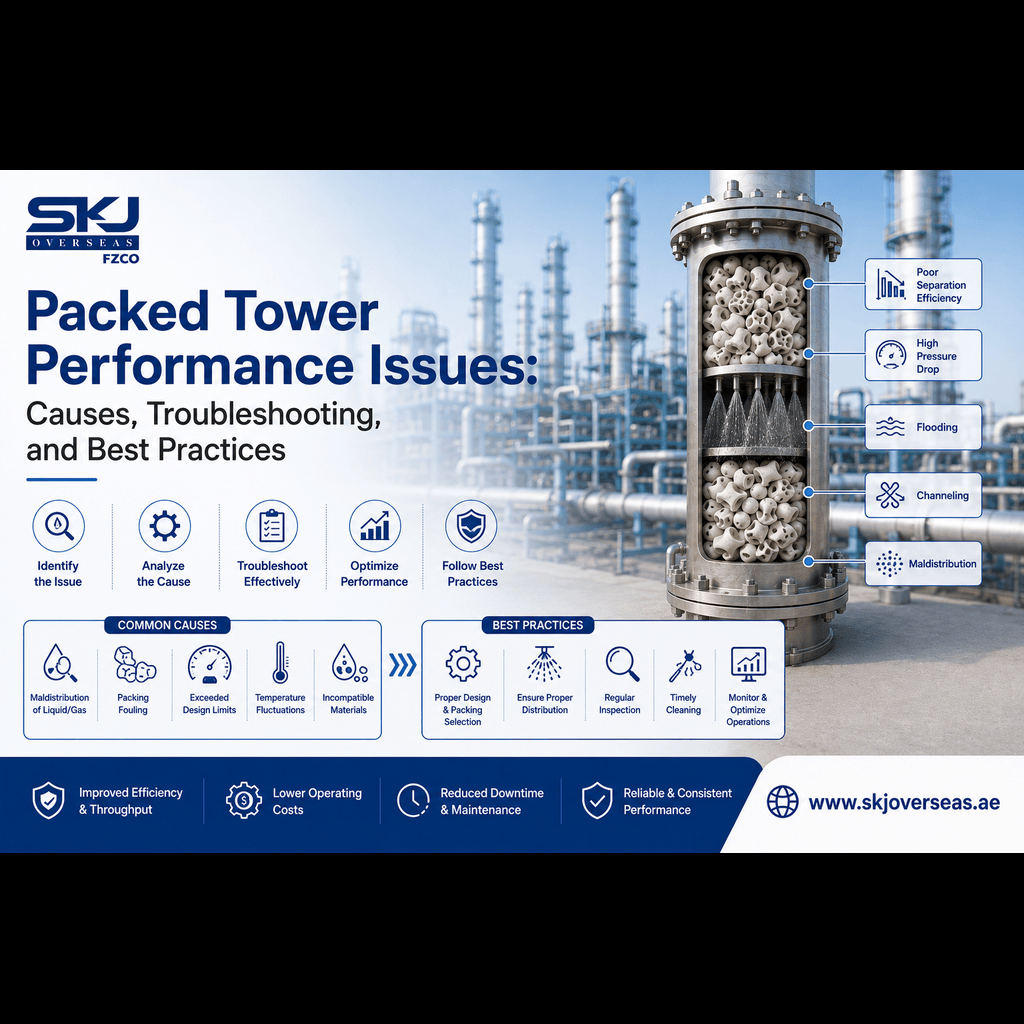
If any of these patterns sound familiar, our guide on packed tower performance issues, causes, and troubleshooting walks through how to diagnose whether the packing itself is the root cause or something else in the system is driving the problem.
Bringing It Together for Your Specific Tower
At SKJ Overseas, we work through this exact comparison with plant engineers regularly, since the right answer genuinely depends on the acid type, concentration, temperature range, and mechanical demands of each specific tower. Neither shape wins in every scenario, which is why matching material to actual process conditions matters more than defaulting to whatever was used last time.
We supply both ceramic saddles and PP pall rings manufactured to consistent quality standards, so plants get packing that performs the way it was specified to, whichever shape ends up being the right fit for their process.
Frequently Asked Questions
1. Do ceramic saddles always outperform pall rings in corrosive service?
Not always. Ceramic saddles handle stronger acids and higher temperatures better, but pall rings can be more efficient in moderately corrosive conditions where pressure drop matters more.
2. Can pall rings be used in high-temperature corrosive processes?
Polypropylene pall rings generally suit moderate temperature ranges. For high-heat corrosive service, ceramic packing typically holds up better over the long term.
3. Which packing type has a lower pressure drop, ceramic saddles or pall rings?
Pall rings generally offer lower pressure drop at comparable flow rates due to their open, window-cut structure, though this varies depending on specific sizing and process conditions.
4. How do I know if my current packing is failing due to corrosion?
Visible pitting, cracking, or surface degradation during inspection, along with rising pressure drop between maintenance cycles, are common signs of corrosion-related packing failure.
5. Is it possible to mix ceramic saddles and pall rings in the same tower?
Yes, some towers use different packing types in separate sections based on varying conditions along the column, though this requires careful design to maintain compatibility.
Final Thoughts
Choosing between ceramic saddles and pall rings in corrosive service comes down to matching material properties to your actual acid concentration, temperature range, and flow requirements, not picking whichever option is more familiar. Ceramic tends to win where chemical and thermal extremes are involved, while pall rings often make more sense where efficiency and handling matter most. Getting this decision right, and sourcing from a supplier who maintains consistent quality, keeps your tower running reliably for years.
If you are specifying packing for a corrosive process and want help deciding between these options, contact our team at SKJ Overseas. We will help you match the right packing to your exact process conditions.