Selecting the wrong ceramic material for an industrial process can lead to premature failure, costly downtime, and unplanned equipment replacement. Understanding the different types of ceramics available, and where each one performs best, helps engineers and buyers avoid that mistake before a project even begins. From chemical process towers to electrical insulation, each ceramic category brings a distinct set of properties suited to specific operating conditions.
As an established Ceramic Manufacturers in Dubai and a specialized Ceramic and Tower Packing Exporter in Dubai, SKJ Overseas works across nearly all of these categories in daily production. This guide breaks down the main types of ceramics used in industry, explains what separates one from another, and shows how to match material selection to your specific application.
How Industrial Ceramics Are Classified
Industrial ceramics are generally grouped by their chemical composition rather than by shape or application. This classification matters because composition determines how a ceramic behaves under heat, chemical exposure, and mechanical stress. The three broad categories recognized across the industry are oxide ceramics, non-oxide ceramics, and ceramic composites.
Key factors that separate one ceramic type from another include:
- Chemical composition and crystal structure
- Maximum service temperature before degradation
- Resistance to acids, alkalis, and specific corrosive media
- Electrical conductivity or insulation properties
- Mechanical hardness and wear resistance
Within these broad categories, ceramics are further shaped into specific product forms, such as tower packing, insulators, or structural blocks, depending on the industry they serve.
1. Oxide Ceramics
Oxide ceramics are built from metal oxide compounds and represent the most widely used category across chemical processing and general industrial applications. Alumina, or aluminum oxide, is the most common example, prized for its combination of chemical inertness, electrical insulation, and high-temperature stability.
Zirconia and magnesia are also part of this family, each offering slightly different property trade-offs depending on the application. Oxide ceramics generally remain stable in oxygen-rich, high-temperature environments, which makes them dependable choices for furnace linings, insulators, and chemical process equipment exposed to continuous heat.
This category also includes porcelain-based ceramics, which combine silica, alumina, and other minerals into a dense, fired structure. Porcelain remains a preferred material for high-strength packing components, and a Cecebe HP Porcelain Saddles Manufacturer typically produces this grade specifically for towers operating under higher mechanical load or thermal stress than standard ceramic packing can handle.
2. Non-Oxide Ceramics
Non-oxide ceramics, including carbides, nitrides, and borides, do not contain oxygen in their base composition and are engineered for extreme mechanical and thermal conditions. Silicon carbide and silicon nitride are the most recognized materials in this group, valued for exceptional hardness and wear resistance that exceeds most oxide ceramics.
These materials are commonly used in cutting tools, abrasive wear protection, and high-performance mechanical components rather than general chemical process equipment. While non-oxide ceramics offer superior hardness, they are more susceptible to oxidation at extreme temperatures compared to oxide ceramics, which limits their use in certain high-temperature oxygen-rich environments.
3. Ceramic Composites
Ceramic composites combine oxide and non-oxide materials, or blend ceramics with reinforcing fibers, to achieve a balance of properties that neither material offers alone. These engineered combinations address specific weaknesses, such as the natural brittleness of pure ceramics, by adding reinforcement that improves impact resistance.
Composite ceramics see growing use in aerospace, automotive, and advanced industrial applications where standard ceramics alone cannot meet mechanical performance requirements. Although less common in traditional chemical process towers, composites represent an expanding category as manufacturing techniques continue to improve.
Common Ceramic Product Types in Chemical Process Industries
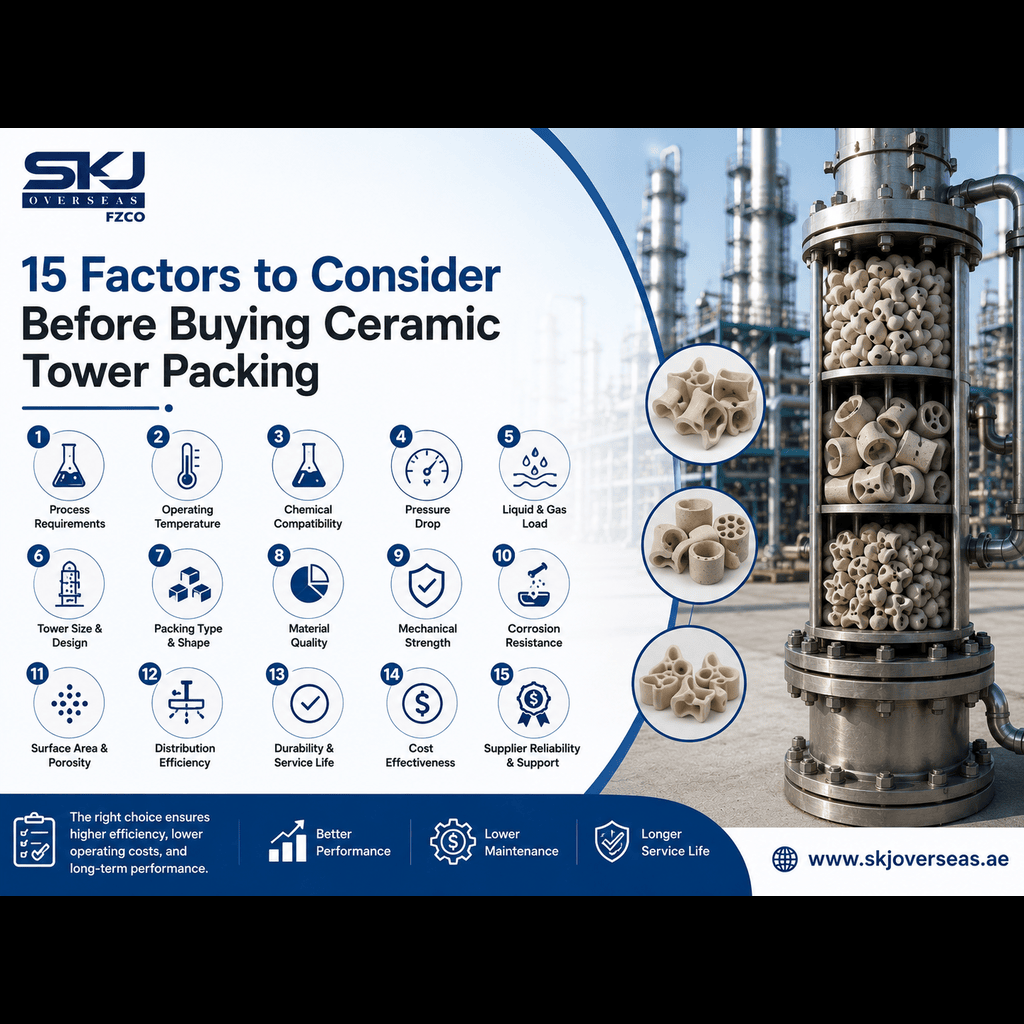
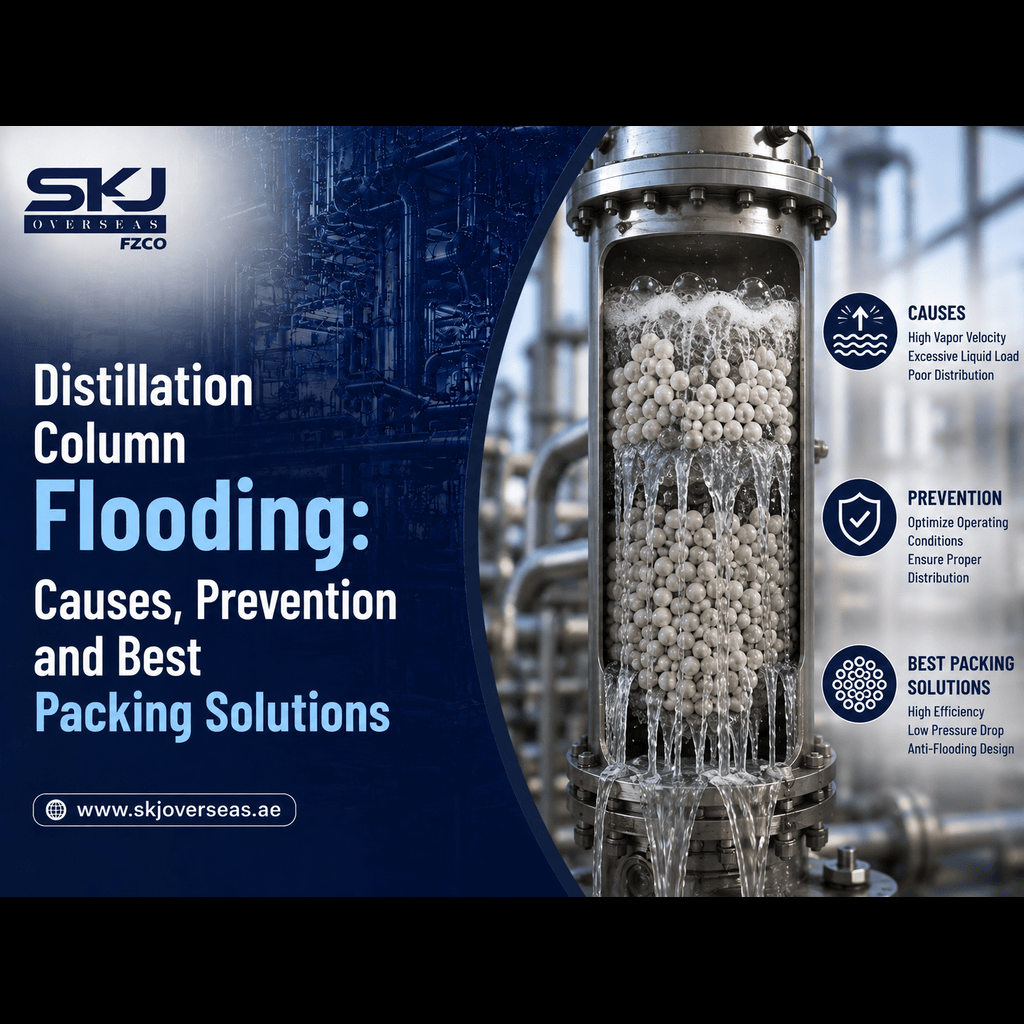
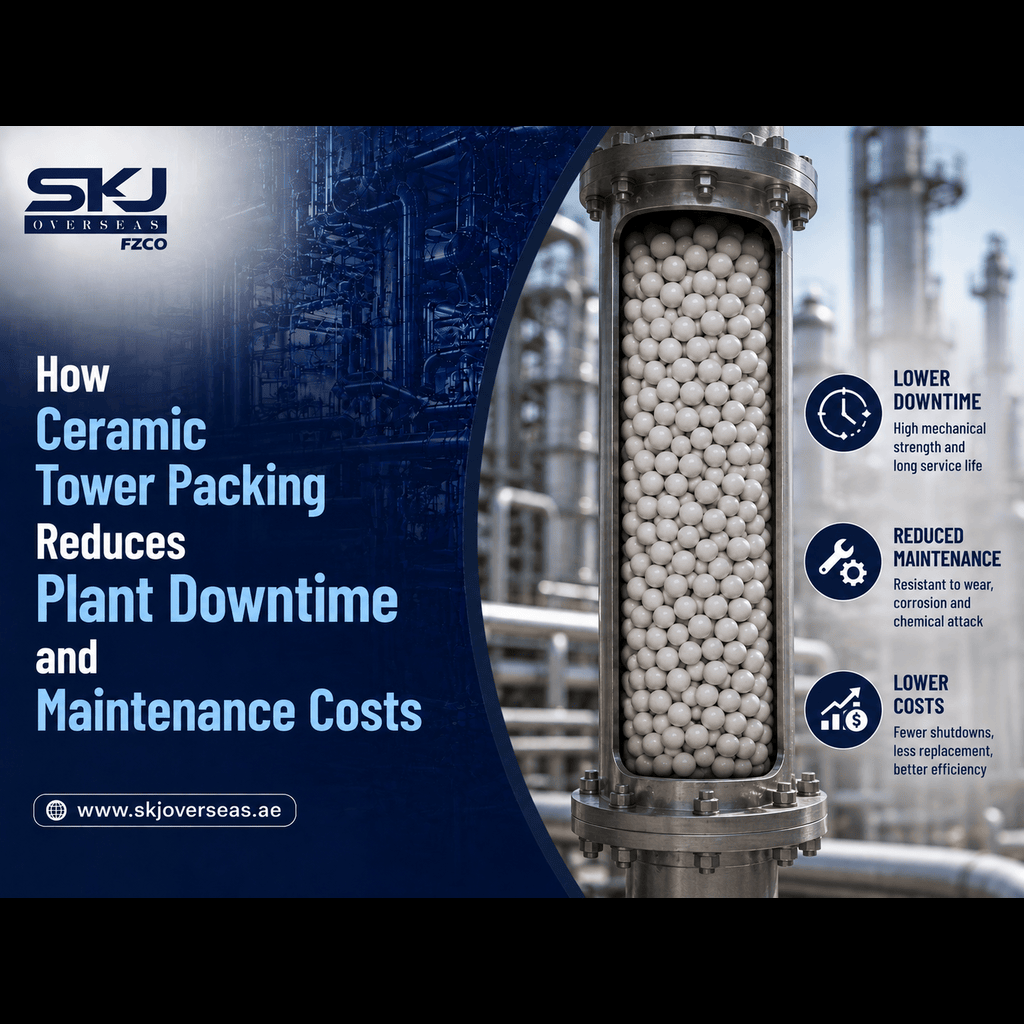
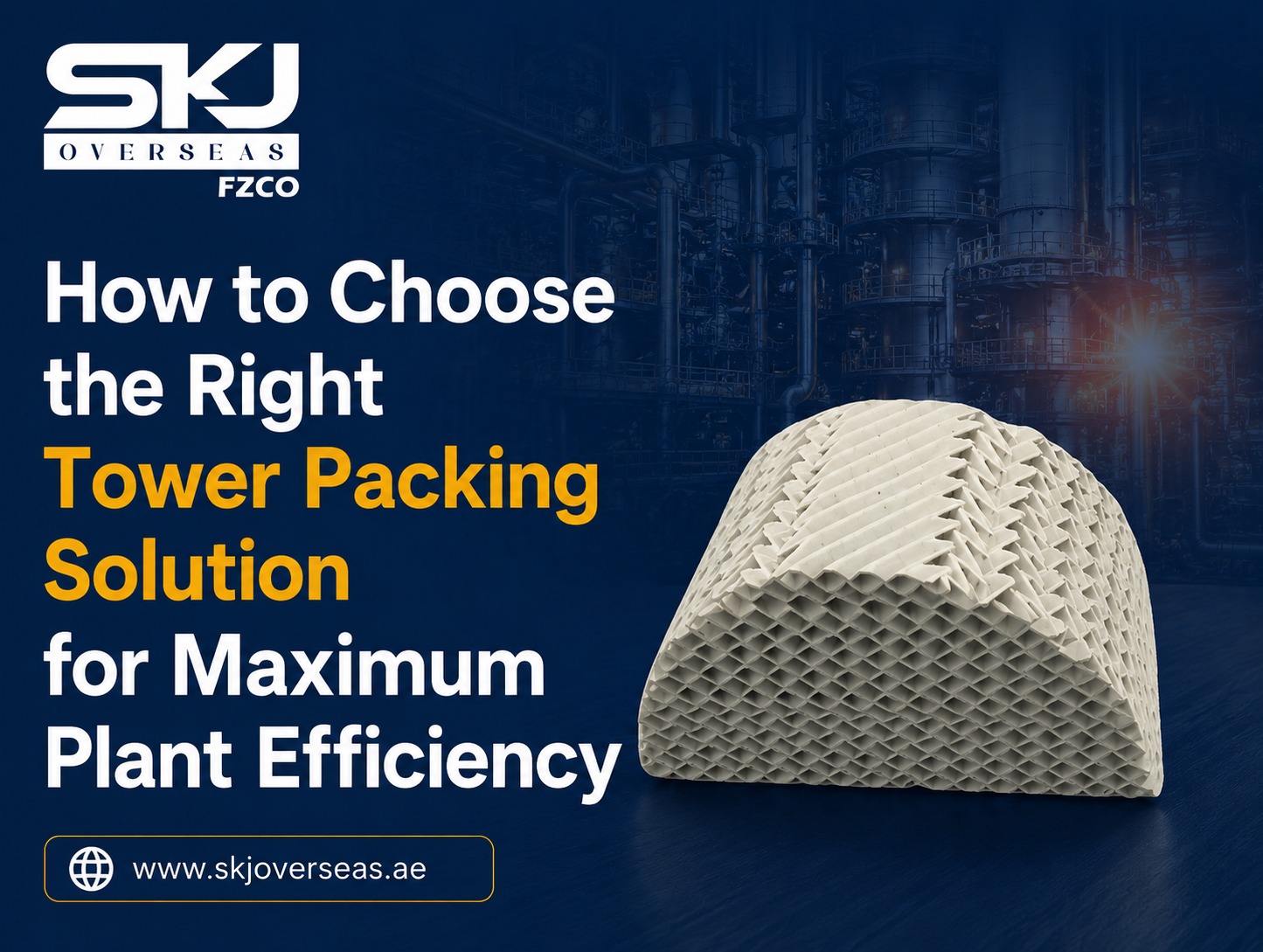
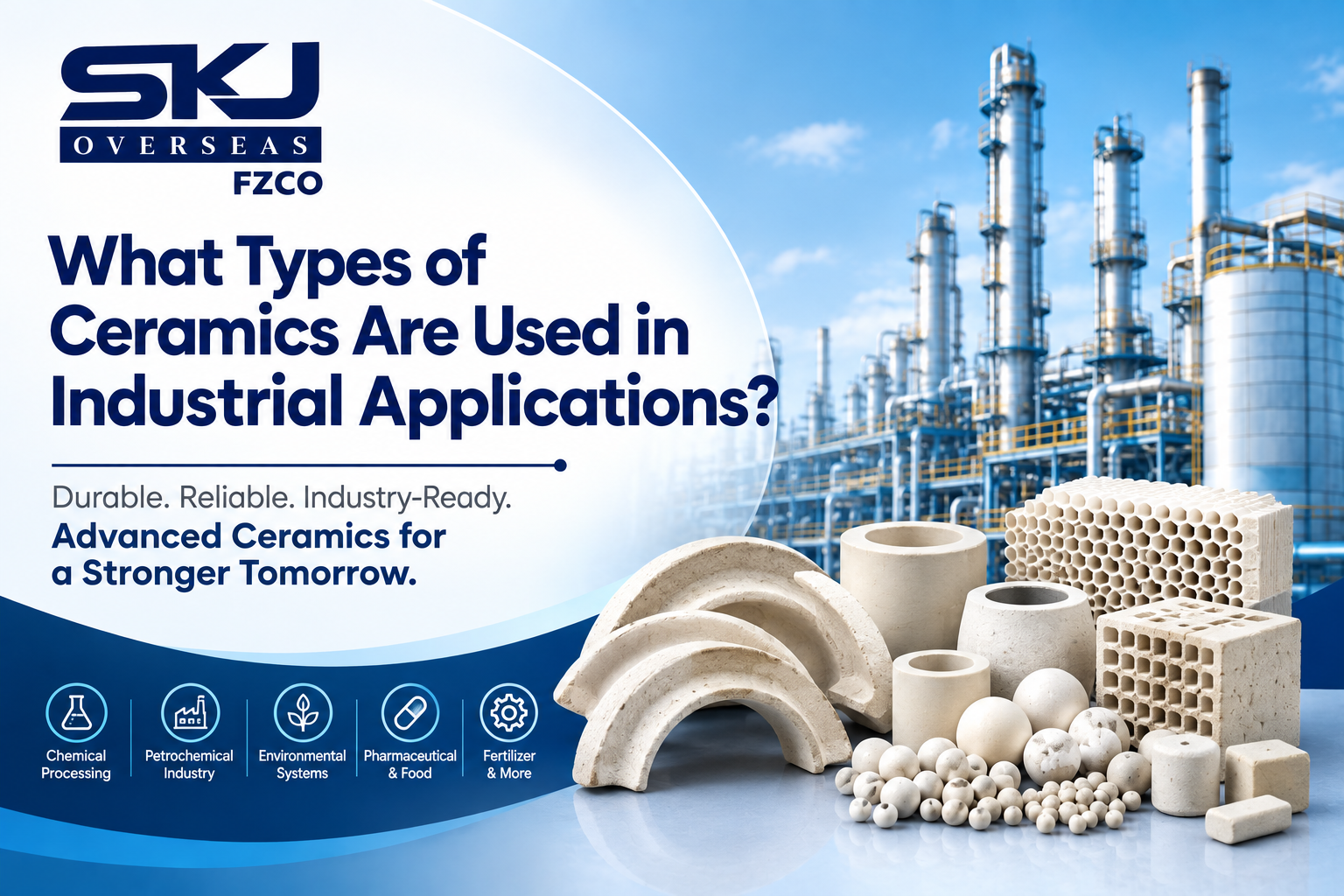
Beyond raw material classification, ceramics used in chemical processing are also categorized by their manufactured shape and function inside process equipment. Tower packing represents one of the largest applications in this space, and different packing shapes serve different tower designs and separation goals.
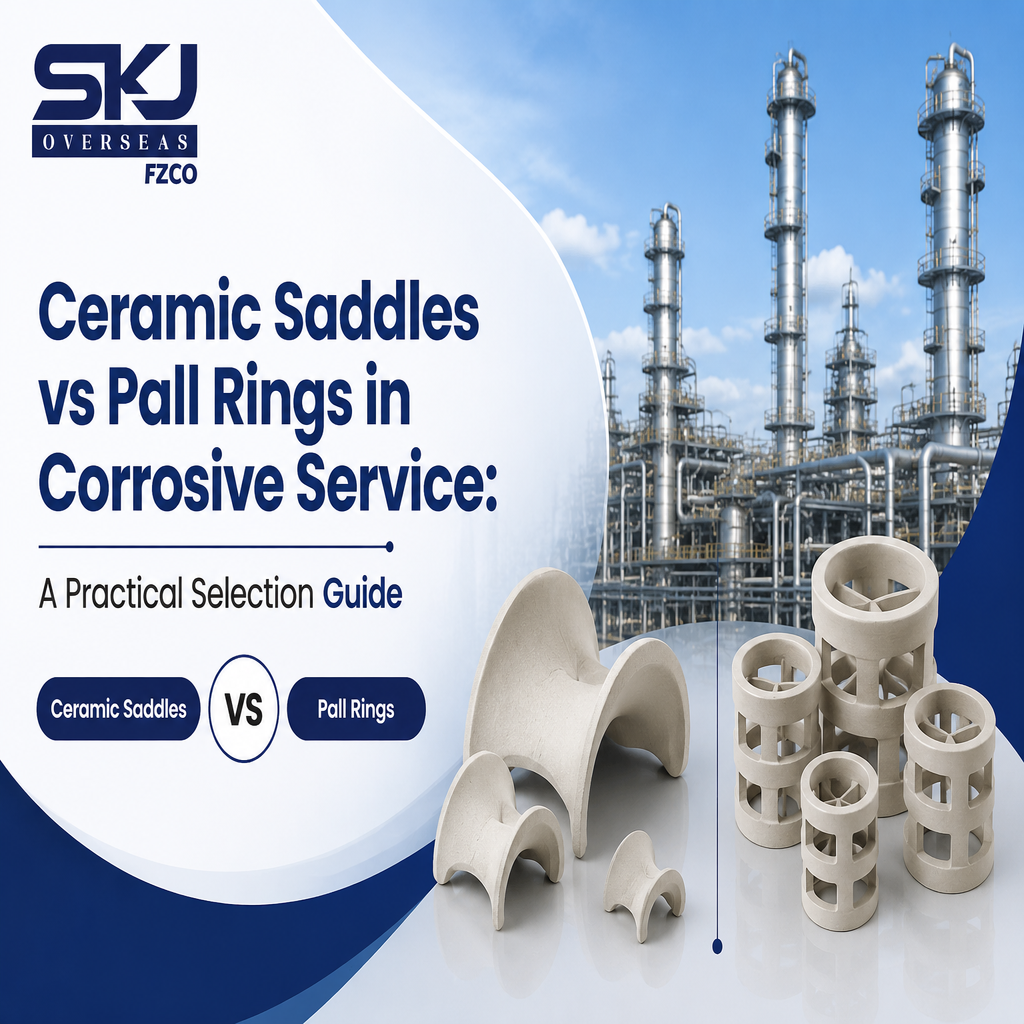
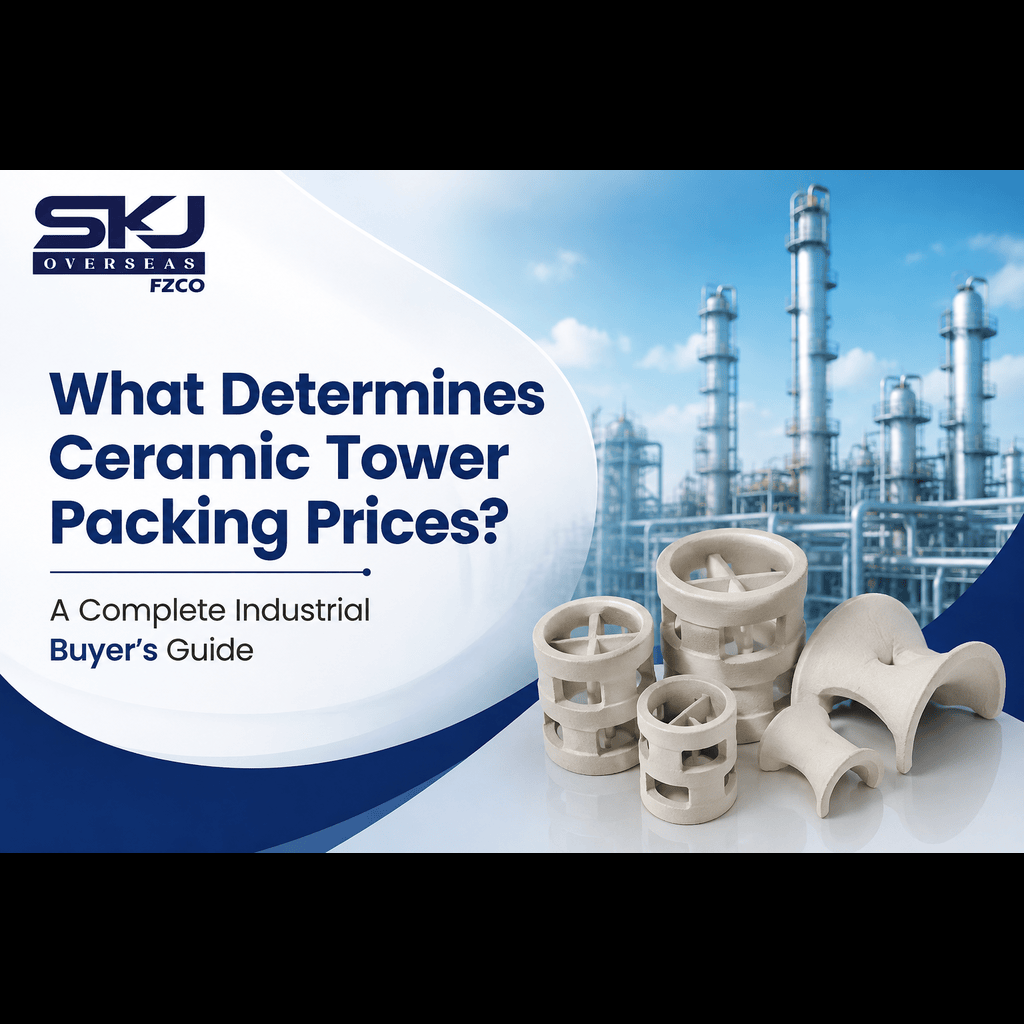
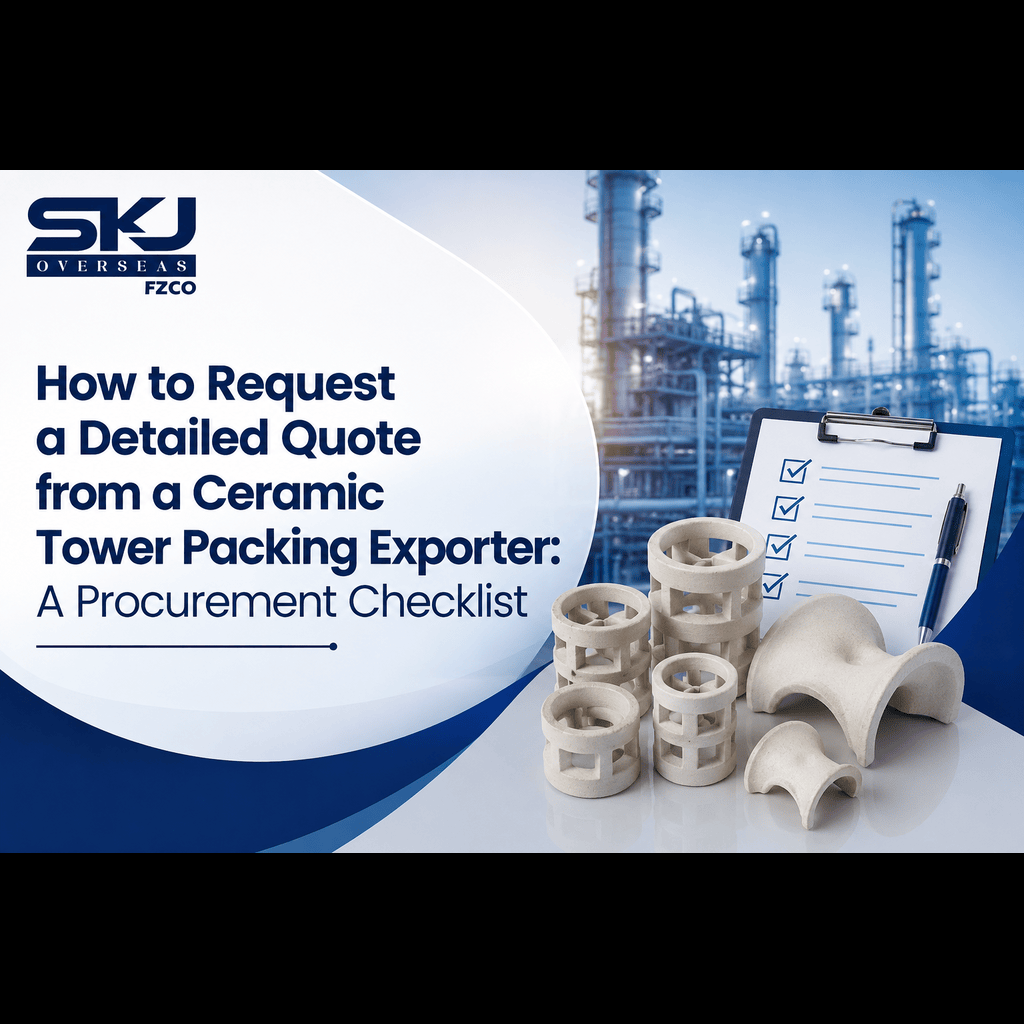
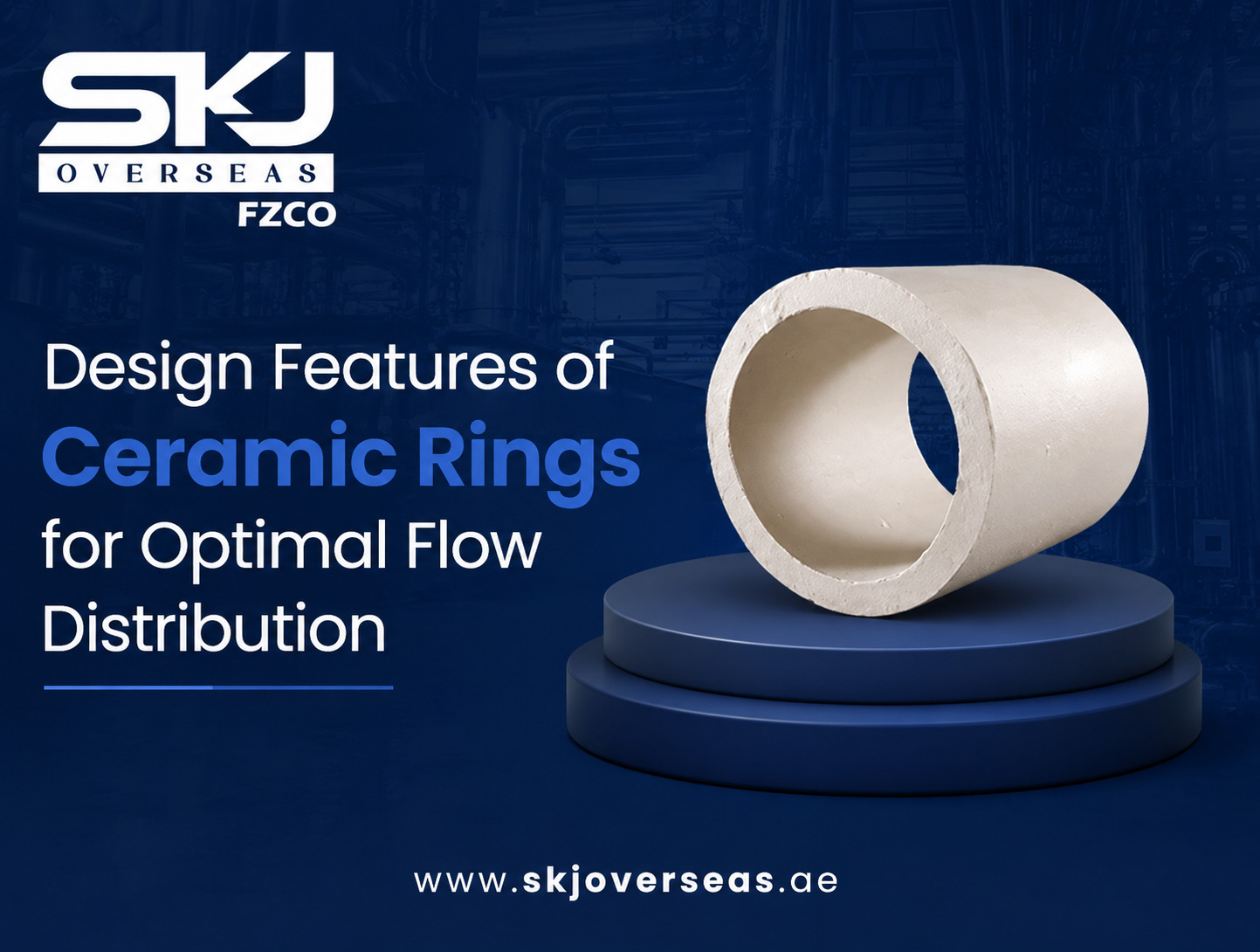
Ring-shaped packing remains one of the most established formats, and reliable ceramic ring manufacturers produce multiple ring styles suited to distillation, absorption, and scrubbing duty. Specialized partition rings divide flow zones within larger columns, and a ceramic ring partitioned Manufacturer focuses specifically on the wall geometry needed to maintain even flow distribution across these divided sections.
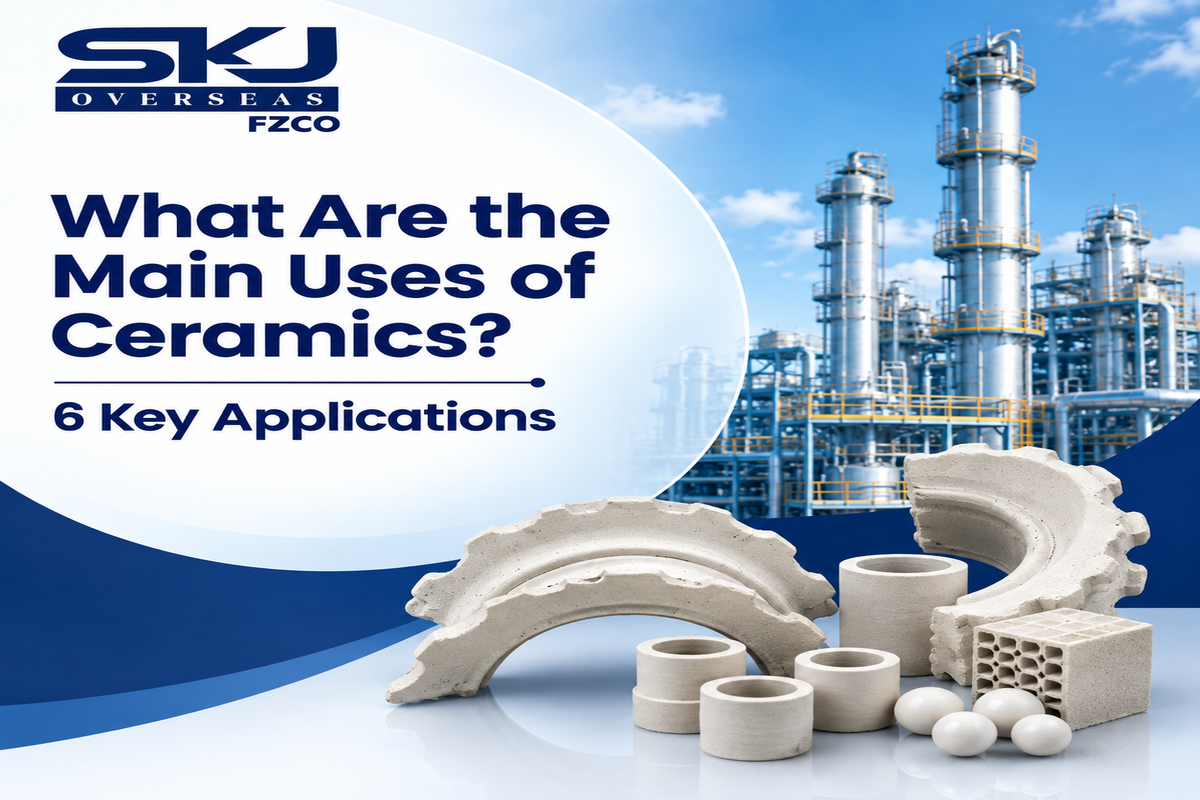
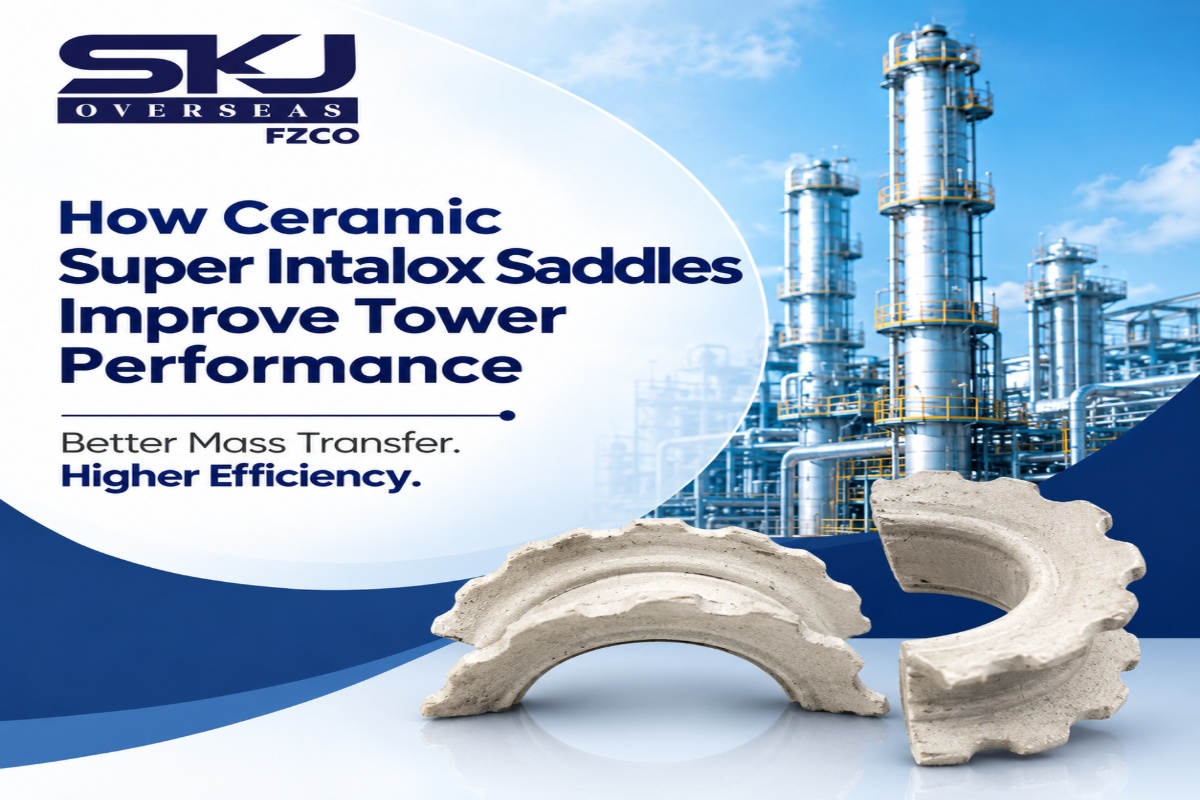
Saddle-shaped packing offers an alternative geometry designed to avoid the nesting problems common with rings. A Ceramic Saddles Manufacturer produces curved packing shapes that increase surface area exposure, while a Ceramic Super Intalox Saddle Manufacturer in Dubai refines this design further with a smoother torus profile for even lower pressure drop in high-efficiency towers.
Plastic alternatives also play a role alongside ceramic packing types in lower-temperature or less corrosive sections of a process. A PP Pall Ring Manufacturer supplies lightweight polypropylene ring packing, while a PP Saddles Manufacturer offers a similar plastic alternative in saddle form, both suited to water treatment and milder chemical duty where ceramic’s extra durability is not required.
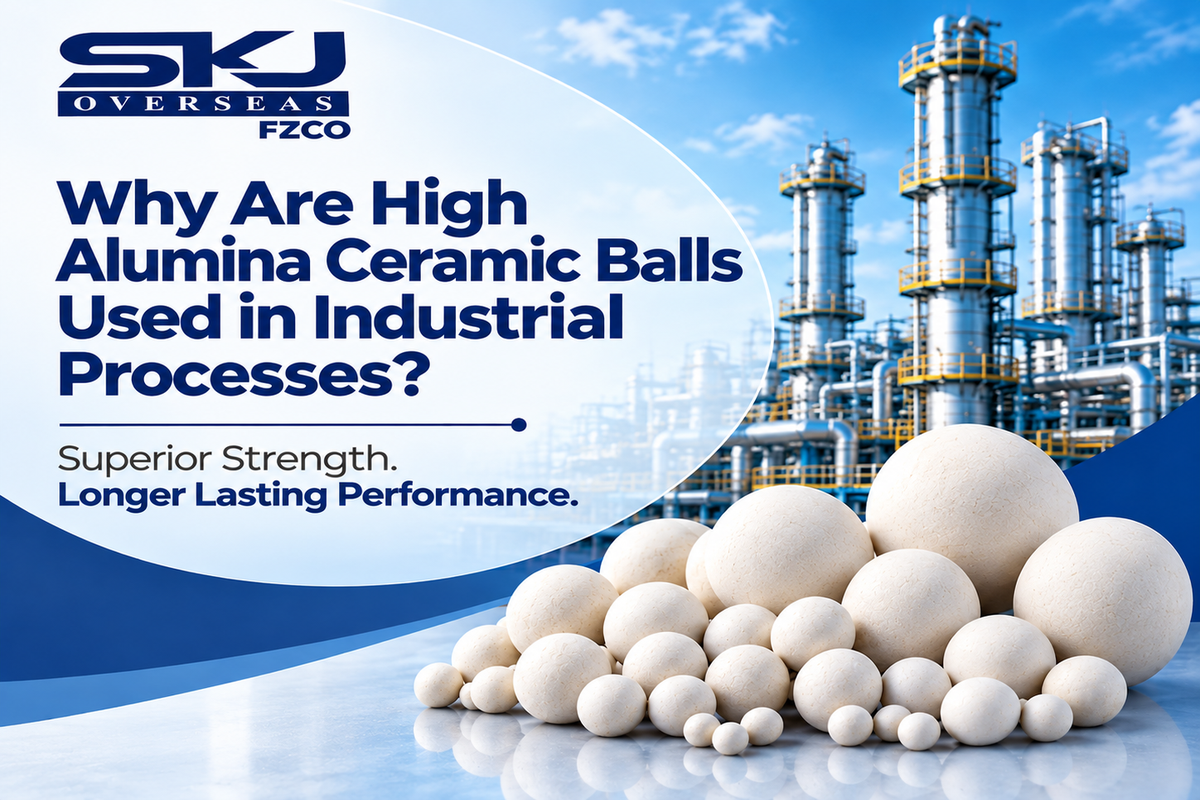
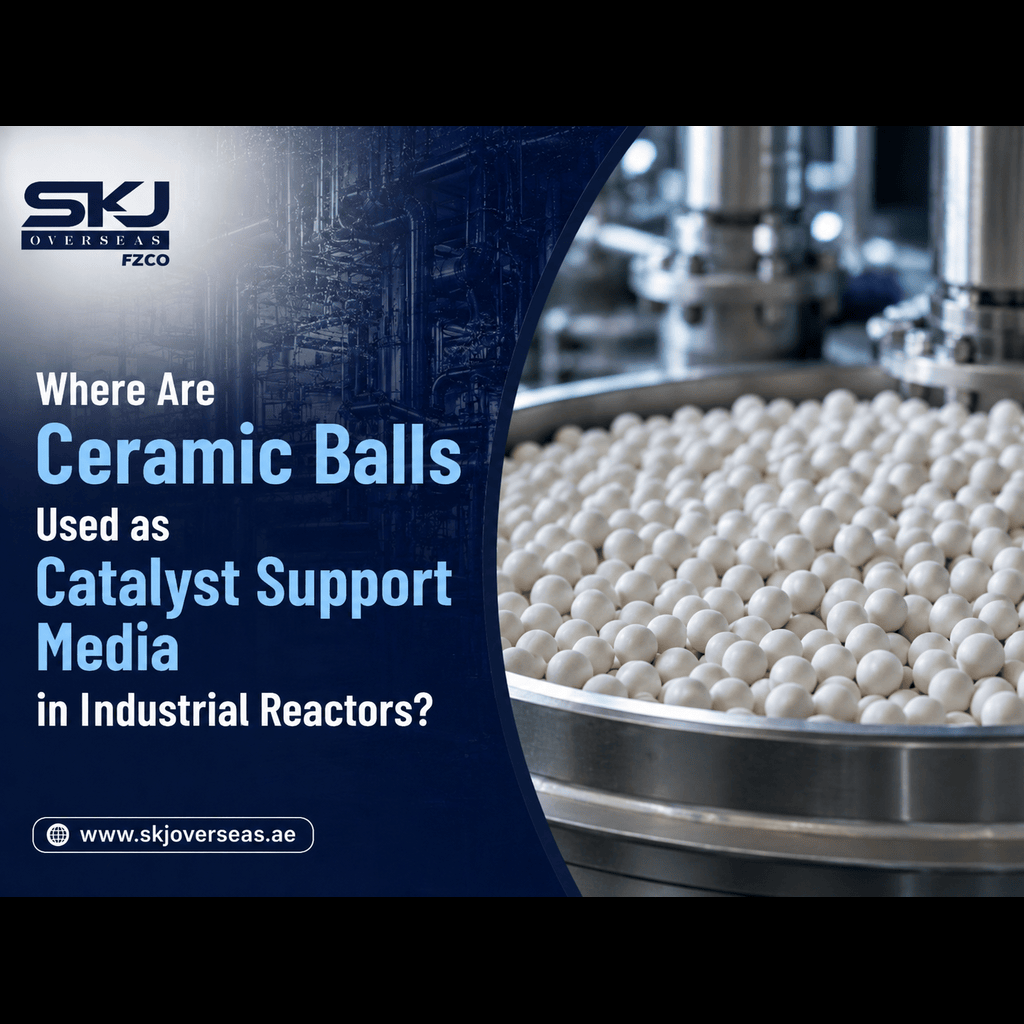
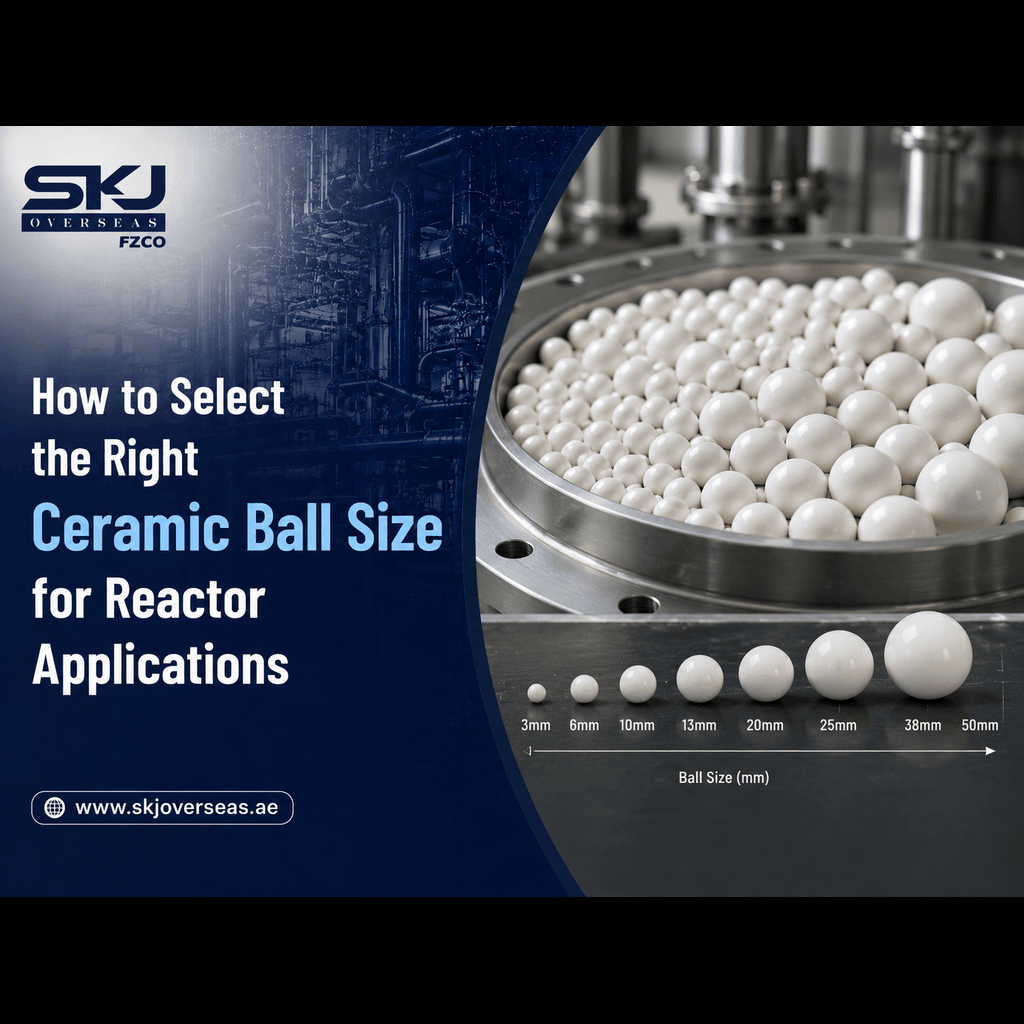
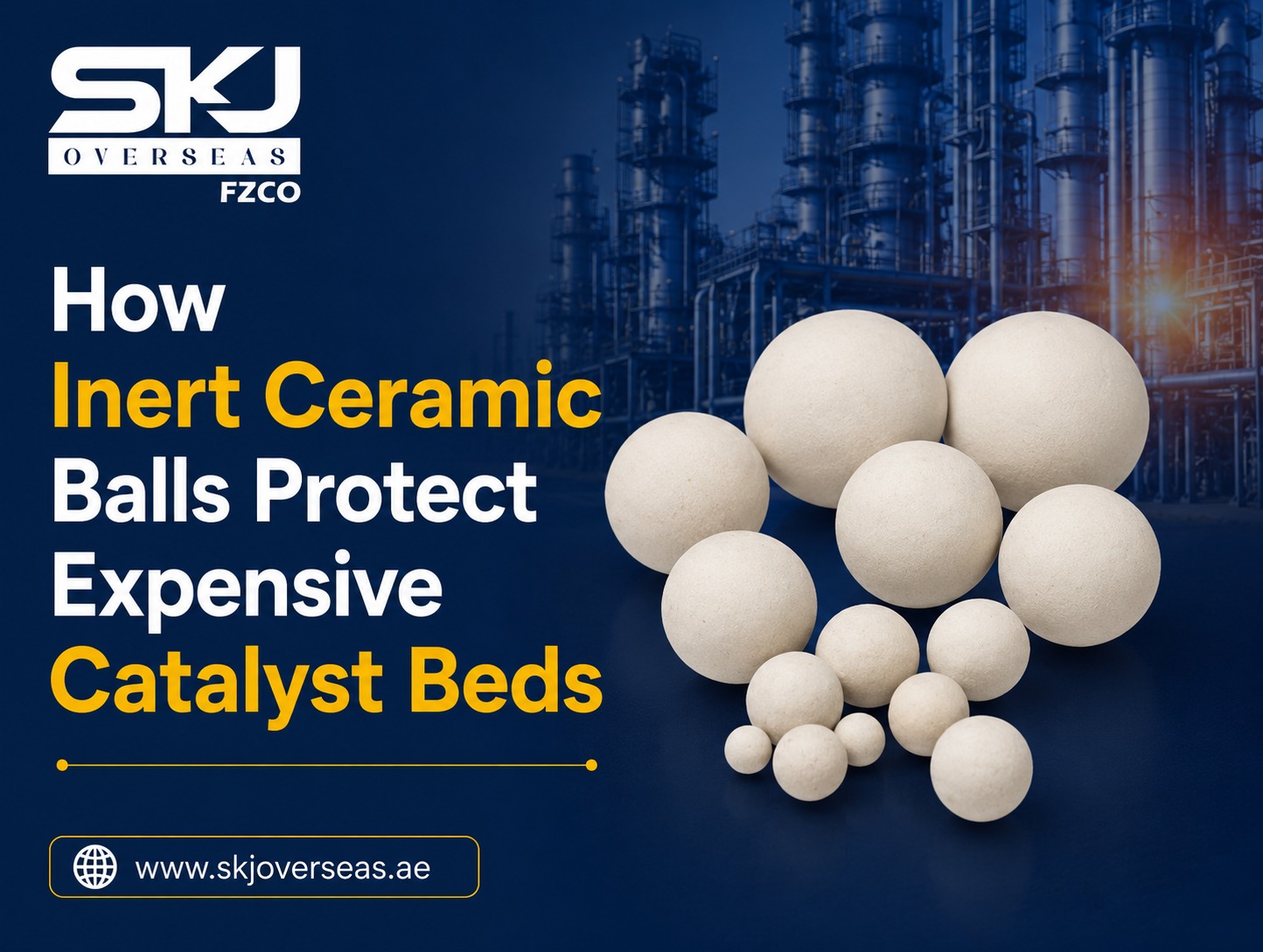
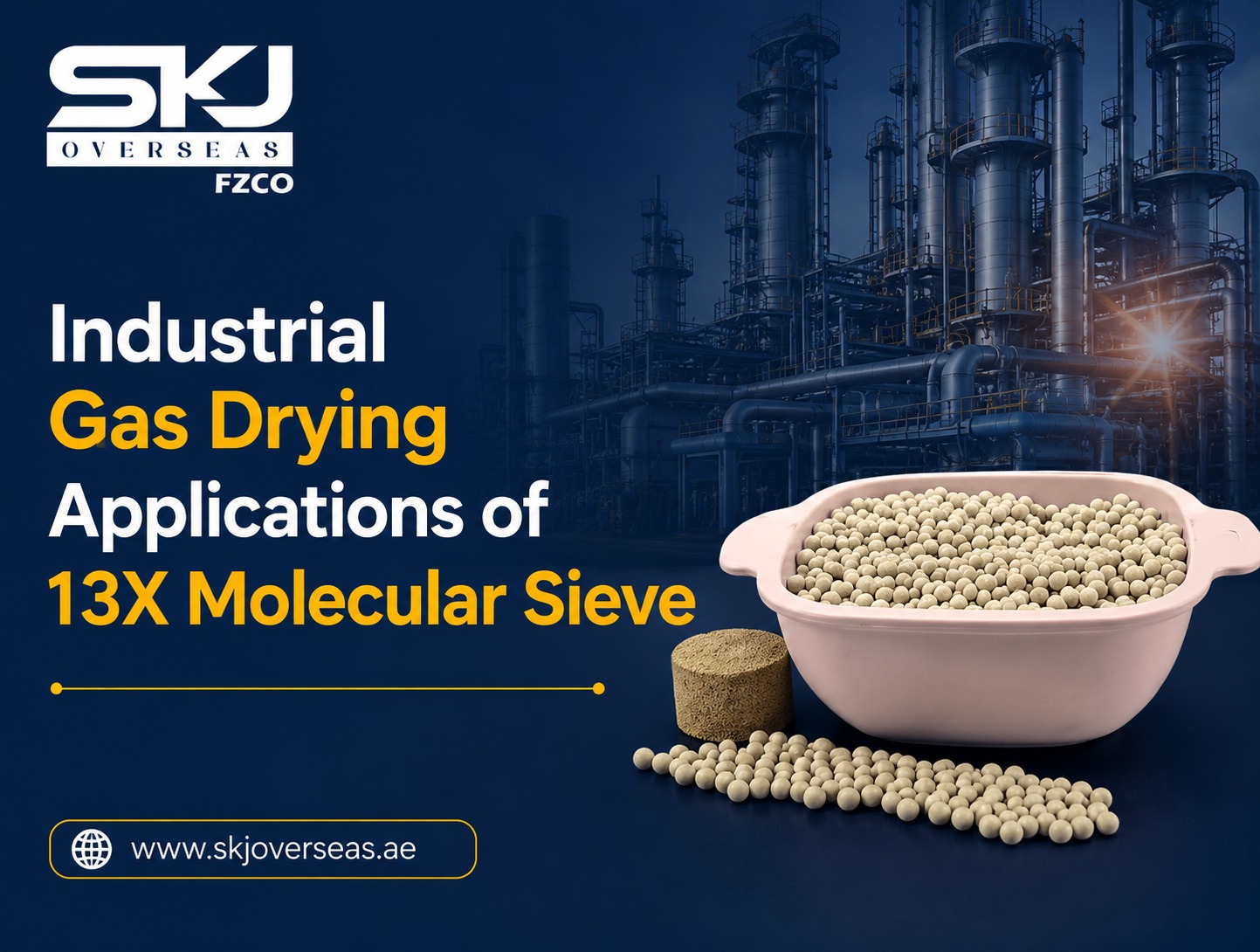
Inert filling media rounds out the packing category, supporting reactor beds without participating directly in chemical separation. An inert ceramic balls manufacturer supplies dense, non-reactive balls commonly used as catalyst bed support and structural filling in both reactors and towers.
Ceramics Used in Construction and Architecture
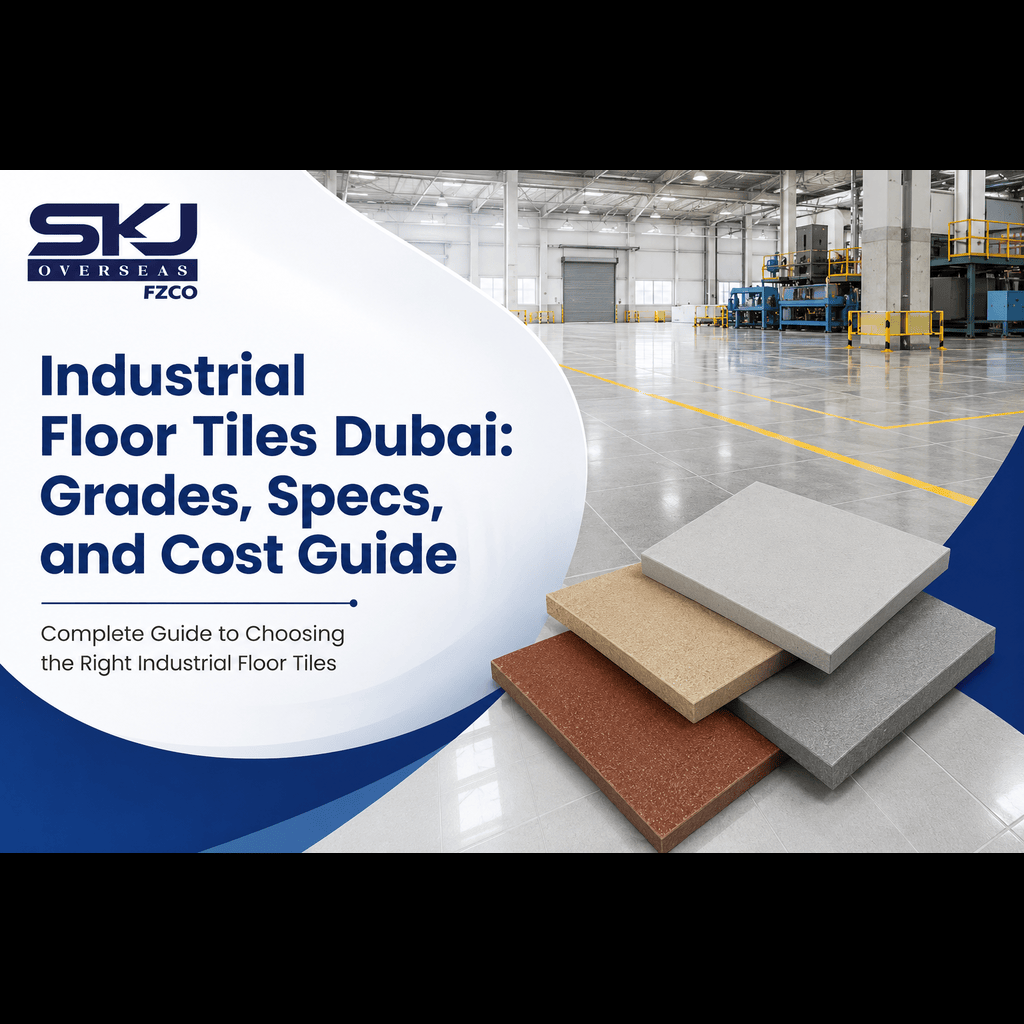
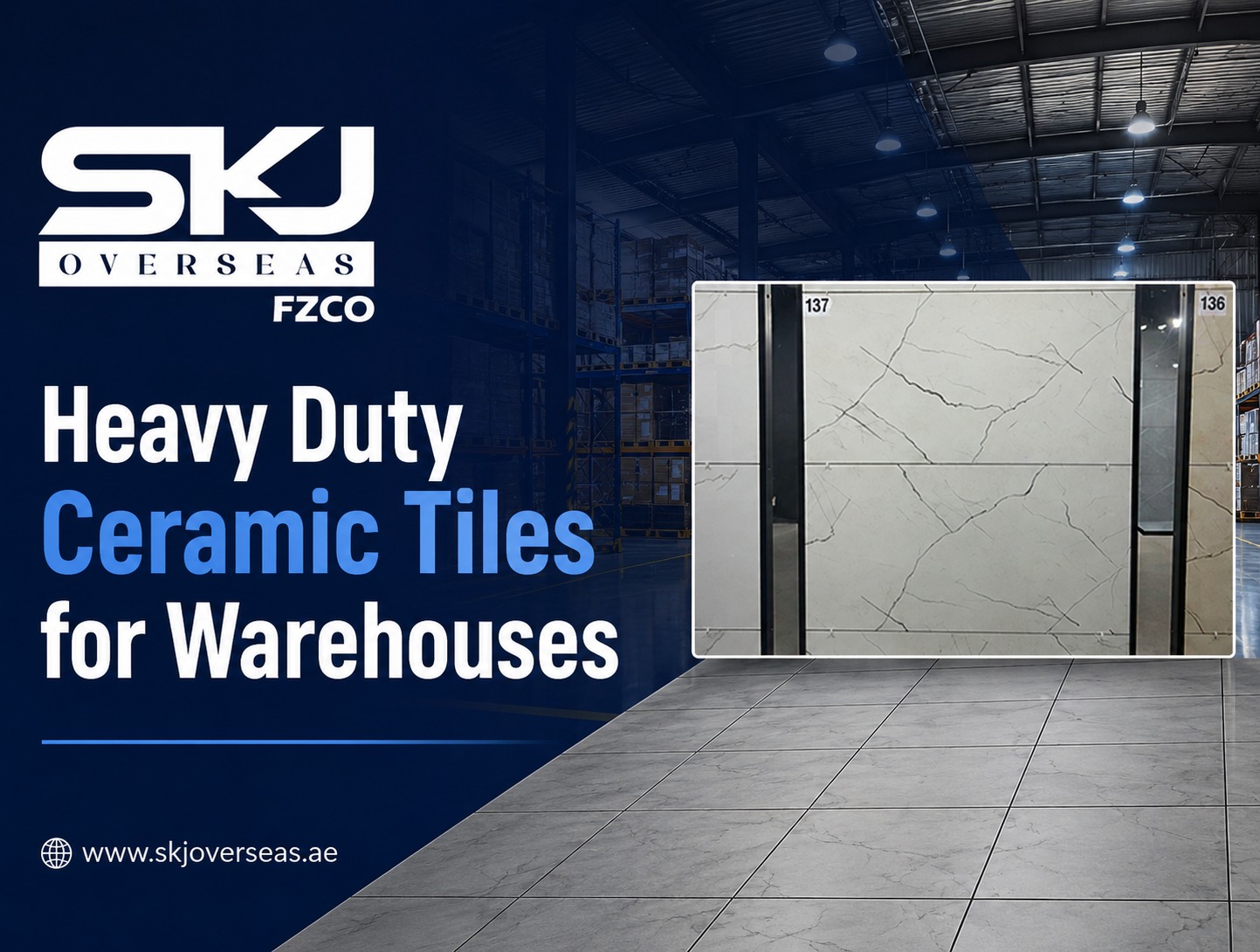
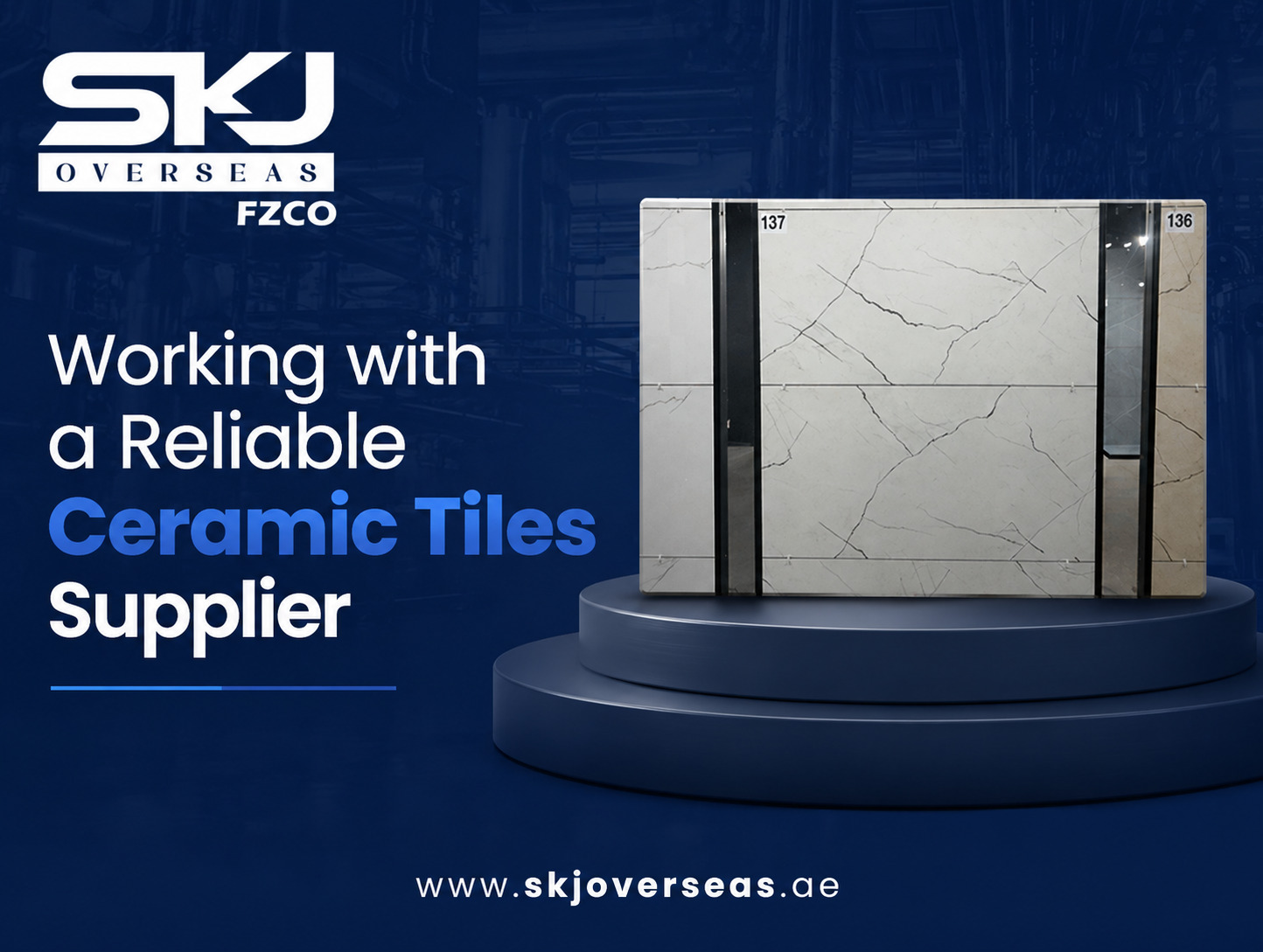
Beyond chemical processing, ceramics remain a foundational material in construction. Traditional structural clay products, including bricks, tiles, and pipes, rely on combinations of silica and alumina fired at high temperature for durability and weather resistance.
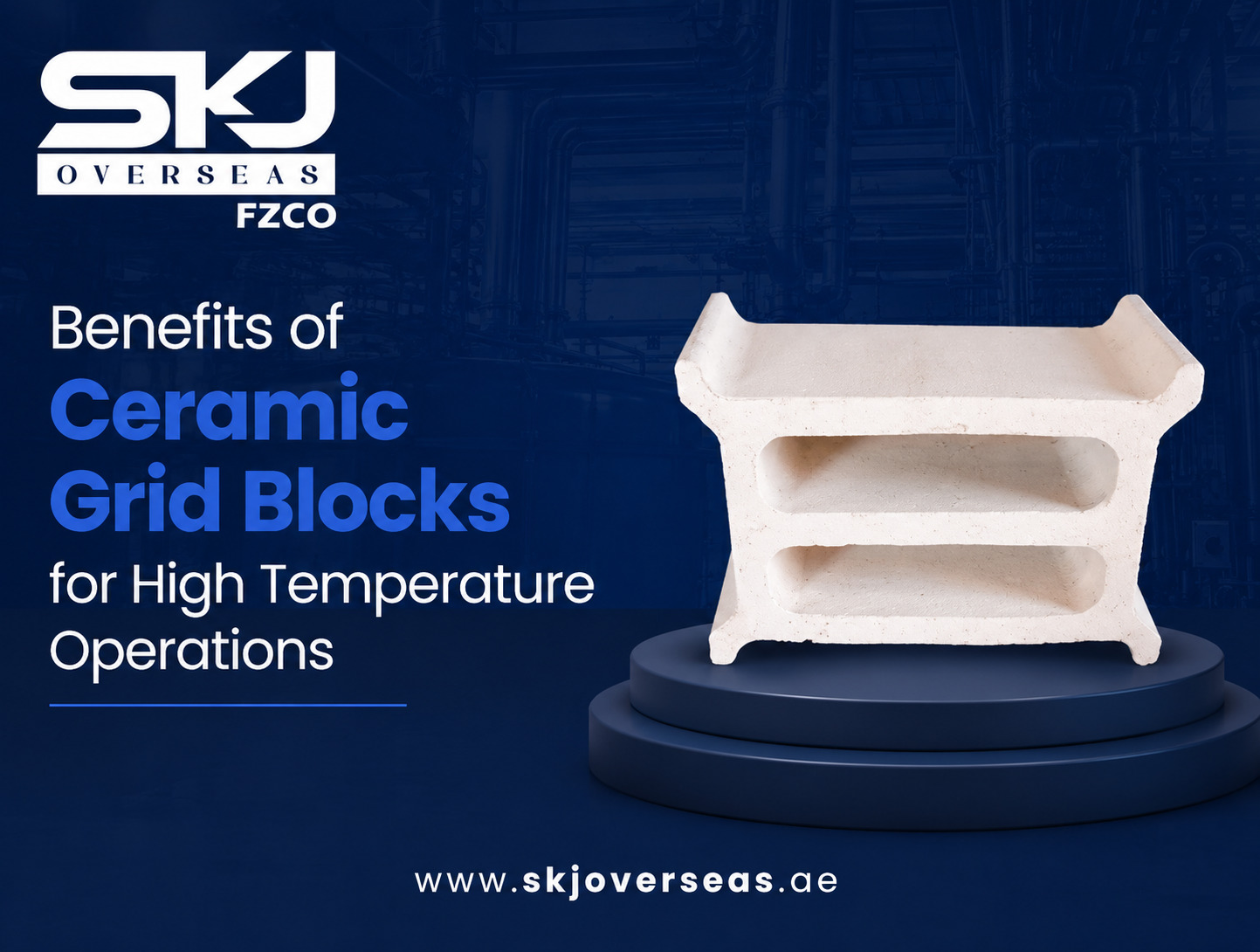
Modern architectural applications have expanded this category further. A ceramic grid block manufacturer produces perforated building units used in facades, partitions, and ventilation screens, combining the durability of traditional fired clay with contemporary design flexibility.
Comparing the Main Types of Ceramics
| Ceramic Type | Key Strength | Common Limitation | Typical Application |
| Oxide (Alumina, Porcelain) | Chemical inertness, heat stability | Lower hardness than non-oxides | Tower packing, insulators |
| Non-Oxide (Carbide, Nitride) | Extreme hardness, wear resistance | Prone to oxidation at high heat | Cutting tools, abrasives |
| Composites | Balanced mechanical performance | Higher manufacturing complexity | Aerospace, advanced components |
| Structural Clay | Weather and fire resistance | Lower chemical resistance | Bricks, tiles, grid blocks |
How to Choose the Right Ceramic Type for Your Application
Selecting the correct ceramic material depends on matching its core properties to your specific operating conditions.
- For corrosive chemical environments: oxide ceramics such as alumina or porcelain offer the best combination of chemical resistance and durability
- For high-wear mechanical parts: non-oxide ceramics like silicon carbide deliver superior hardness and longevity
- For structural or architectural use: traditional clay-based ceramics balance cost, weather resistance, and design flexibility
- For advanced performance requirements: ceramic composites address specific mechanical weaknesses that standard ceramics cannot solve alone
Consulting an experienced manufacturer before finalizing a material specification helps avoid selecting a ceramic type that looks suitable on paper but underperforms once installed in a real operating environment.
Why Sourcing From an Experienced Manufacturer Matters
Even within the same ceramic category, product quality varies significantly based on raw material purity, firing temperature control, and manufacturing consistency. Poorly manufactured ceramics, regardless of type, are more prone to cracking, uneven wear, and reduced chemical resistance over their service life.
SKJ Overseas applies consistent quality control across its full ceramic product range, from tower packing and saddles to grid blocks and inert filling media, giving customers confidence that lab-tested material properties will hold up under real operating conditions.
Frequently Asked Questions
1. What is the most common type of ceramic used in industrial processing?
Oxide ceramics, particularly alumina and porcelain, are the most widely used type in industrial chemical processing due to their strong chemical inertness and high-temperature stability.
2. What is the difference between oxide and non-oxide ceramics?
Oxide ceramics contain metal oxide compounds and offer strong chemical resistance and heat stability, while non-oxide ceramics, such as carbides and nitrides, offer superior hardness but are more prone to oxidation at extreme temperatures.
3. Are ceramic composites better than standard ceramics?
Composites are not universally better, but they address specific weaknesses, such as brittleness, by combining materials to improve mechanical performance. They tend to cost more and suit specialized applications rather than general industrial use.
4. Which ceramic type is best for chemical process towers?
Oxide ceramics, especially alumina-based porcelain, are the standard choice for tower packing and process equipment because they resist nearly all acids and alkalis while withstanding continuous high-temperature exposure.
5. How do I know which type of ceramic fits my project?
The right choice depends on your specific operating conditions, including chemical exposure, temperature range, and mechanical stress. Consulting an experienced ceramic manufacturer helps match the correct material type and grade to your requirements.
Talk to SKJ Overseas About Your Ceramic Material Needs
Whether your project requires oxide ceramics for chemical processing or structural ceramics for construction, SKJ Overseas brings years of manufacturing expertise across the full range of industrial ceramic types. Our team can help you identify the right material for your specific operating environment.
Contact SKJ Overseas today to request a quote, technical datasheet, or product catalog for your requirement.