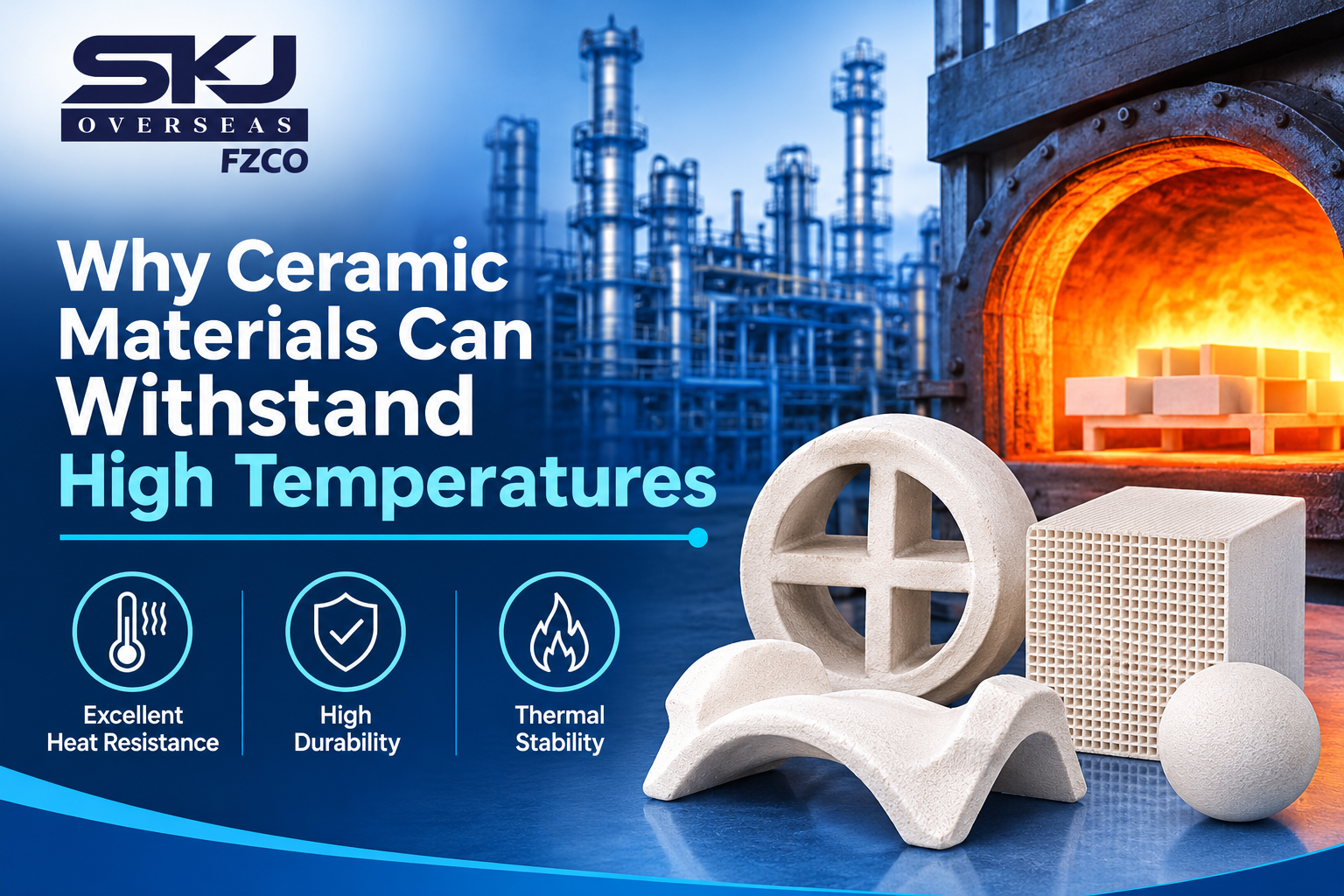
Metals soften, plastics melt, and many coatings burn away when a process gets hot. Ceramics keep their shape and strength. The reason Ceramic Materials Can Withstand High Temperatures comes down to how their atoms are held together, how they expand, and how they are fired in the kiln.
SKJ Overseas is a dedicated Ceramic Manufacturers in Dubai, producing ceramic tower packing and industrial ceramics in-house. This guide explains the science in simple terms and shows where high temperature performance matters in real plants.
Why Ceramic Materials Can Withstand High Temperatures: The Short Answer
Ceramics are built from very strong atomic bonds. Breaking those bonds takes a lot of heat, so ceramics have very high melting and softening points. For example, pure alumina melts at about 2,070°C.
Three factors work together:
- Strong bonds: ionic and covalent bonds hold atoms firmly in place
- Low thermal expansion: many ceramics grow very little when heated
- Stable chemistry: fired ceramic is already oxidized, so it does not burn or rust
This is the core reason Ceramic Materials Can Withstand High Temperatures that would ruin most other materials.
How Atomic Bonds Give Ceramics Their Heat Resistance
Heat is energy. When a material is heated, its atoms vibrate harder. In a metal, atoms are held by a flexible “sea” of shared electrons, so they slide past each other more easily as temperature rises.
In a ceramic, atoms are locked into a rigid network. They need far more energy to break free. That is why a ceramic body can stay solid at temperatures where steel is already weak.
Why Fired Ceramics Are Chemically Stable in Heat
Most industrial ceramics are oxides, such as alumina and silica. They are already combined with oxygen. When heated in air, they have nothing left to oxidize.
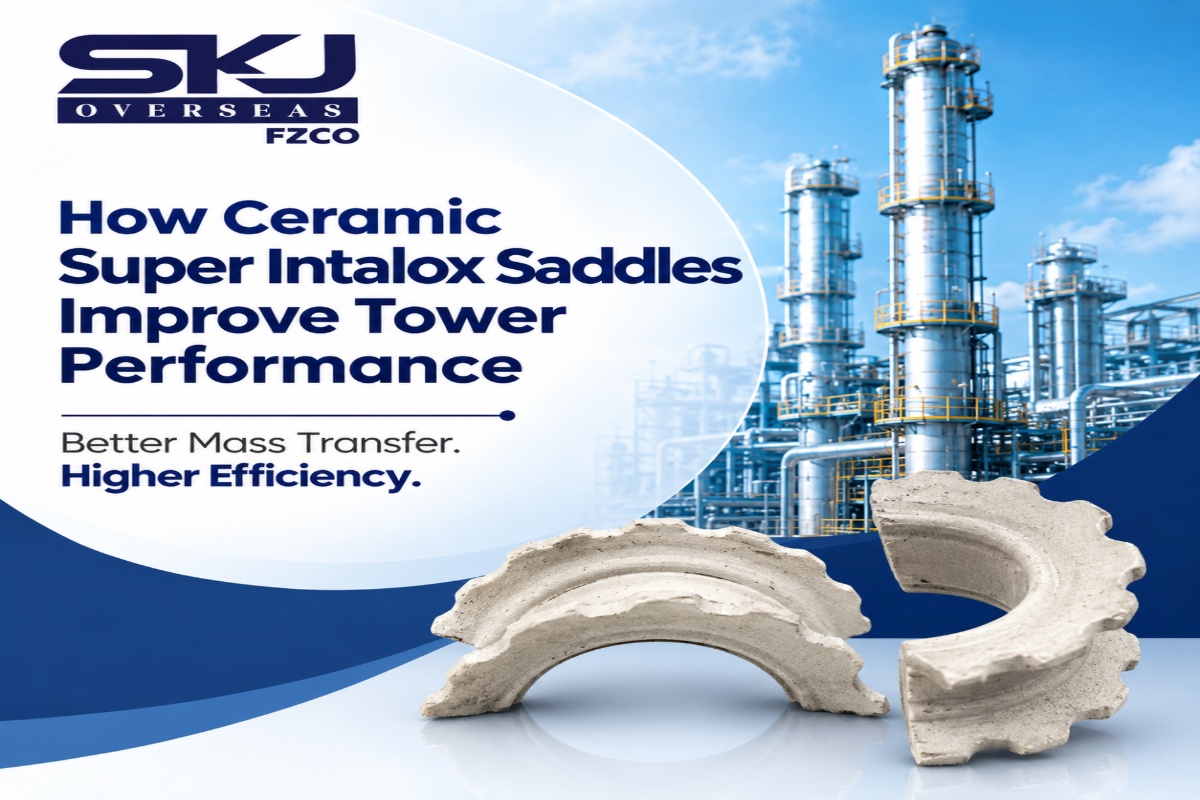
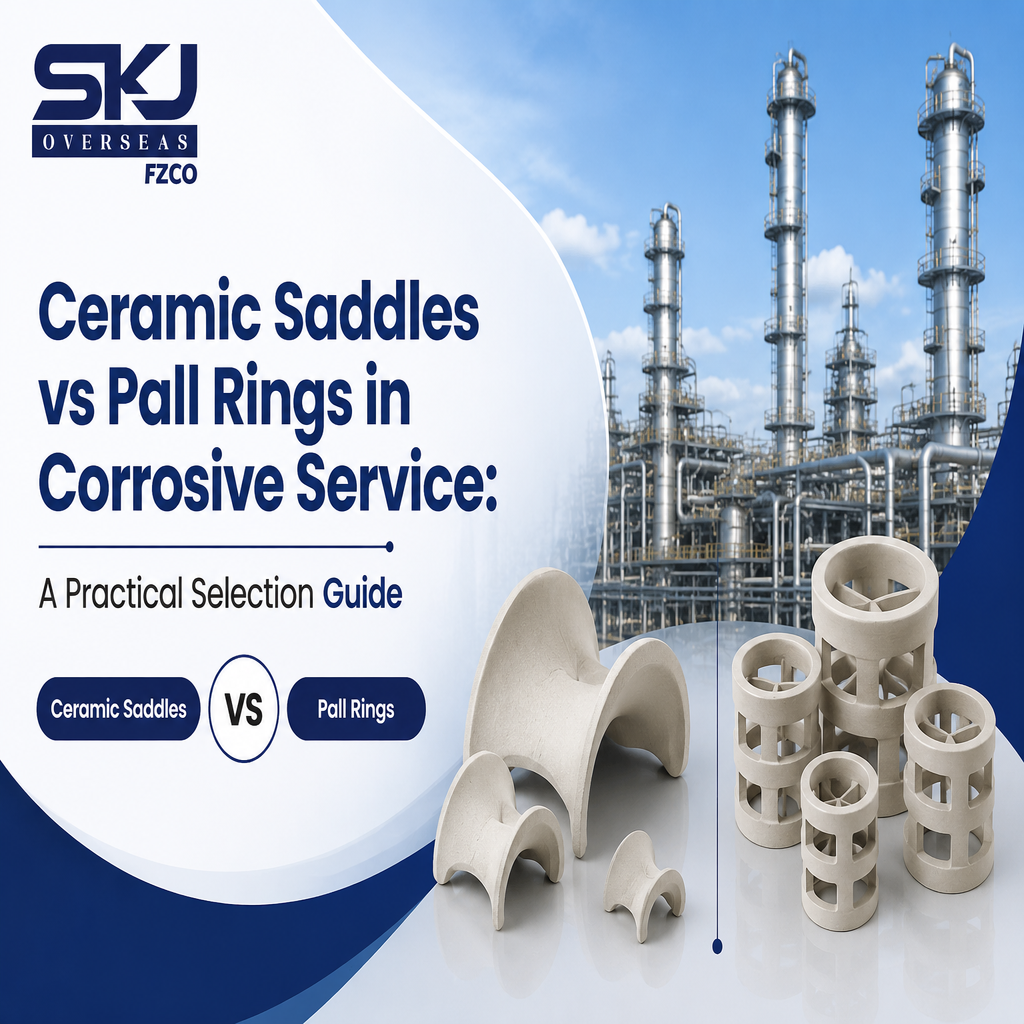
Metals behave differently. At high temperature they scale, corrode, and lose thickness. A reliable Ceramic Saddles Manufacturer relies on this stability, because saddle packing must keep its surface and shape for years inside hot, acidic towers.
Low Thermal Expansion and Thermal Shock Resistance
Heat resistance is not only about melting point. Parts also face sudden temperature swings. If one side of a part expands faster than the other, it can crack. This is called thermal shock.
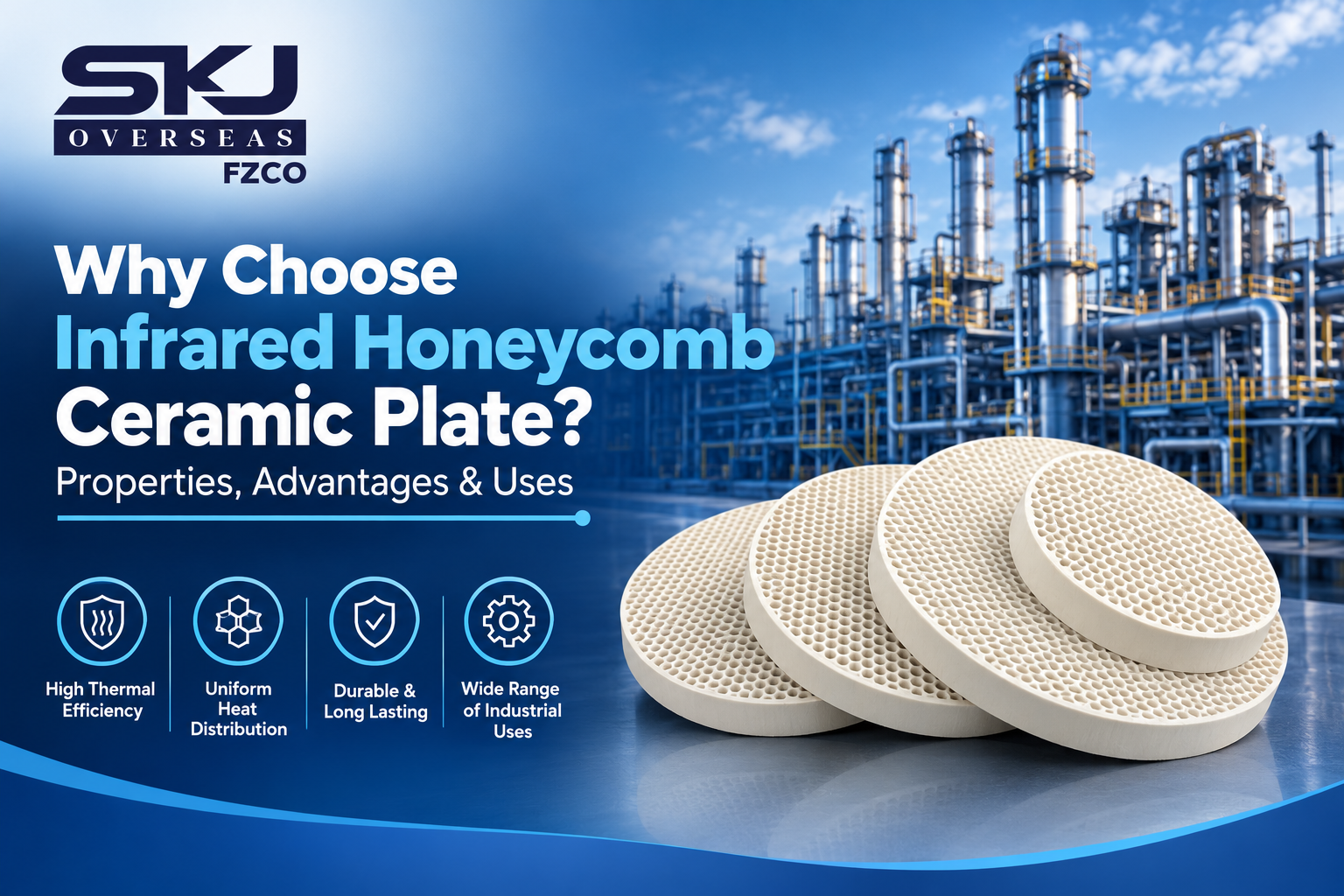
Materials with low expansion handle this better. Cordierite is a well-known example, which is why it is used for honeycomb and burner parts. Dense, well-fired bodies also resist cracking better than porous, under-fired ones.
Still, ceramics are not immune. Very fast heating or cooling can crack any ceramic. Following the supplier’s heat-up guidance protects the part.
How Firing Builds Heat Resistance Into Ceramic Products
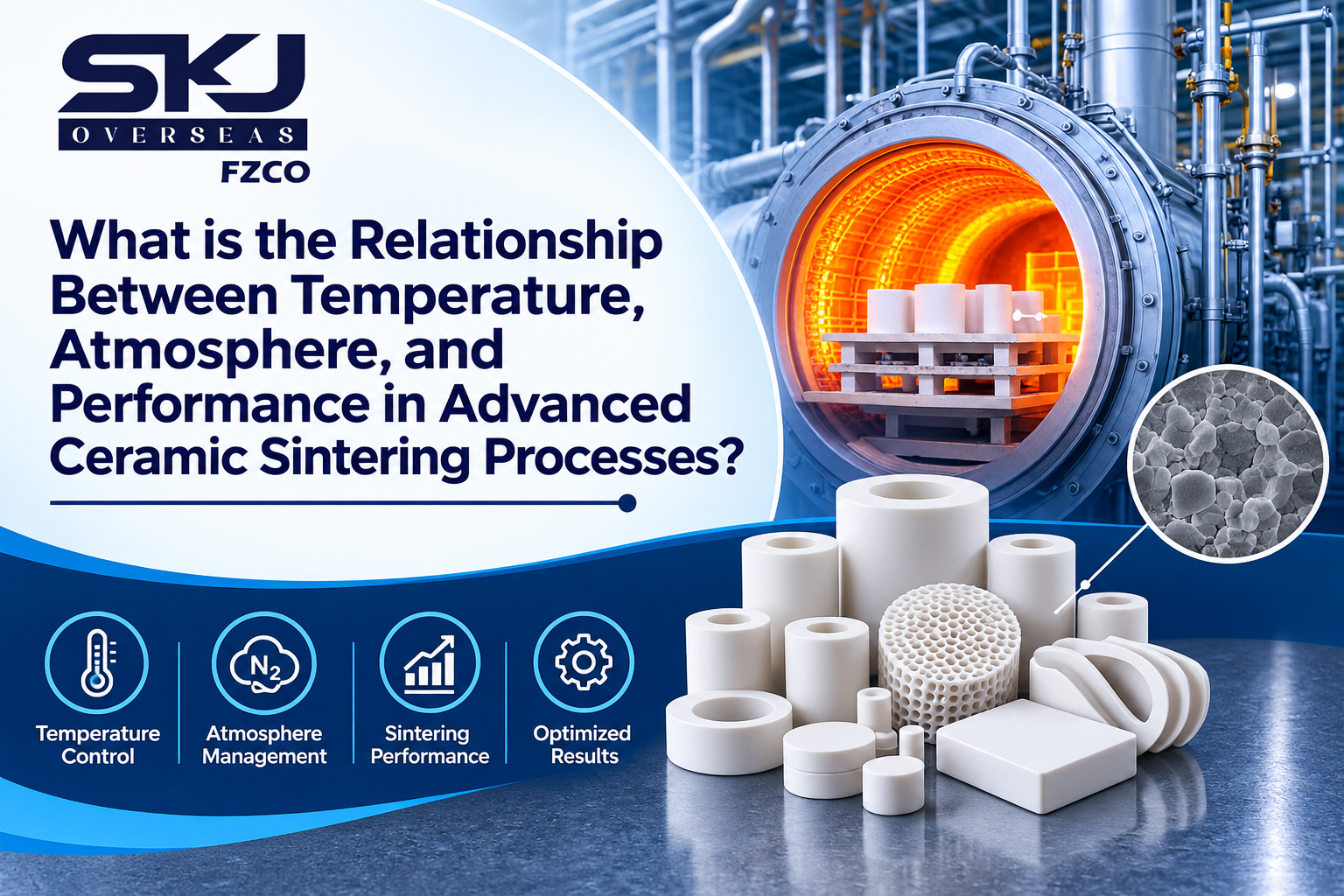
A ceramic’s heat resistance is created in the kiln. During sintering, loose powder is heated until the particles bond and pores close. The result is a dense, hard body.
Temperature and kiln atmosphere must be controlled carefully. Under-fired parts stay porous and weak. Over-fired parts can grow large grains that reduce strength.
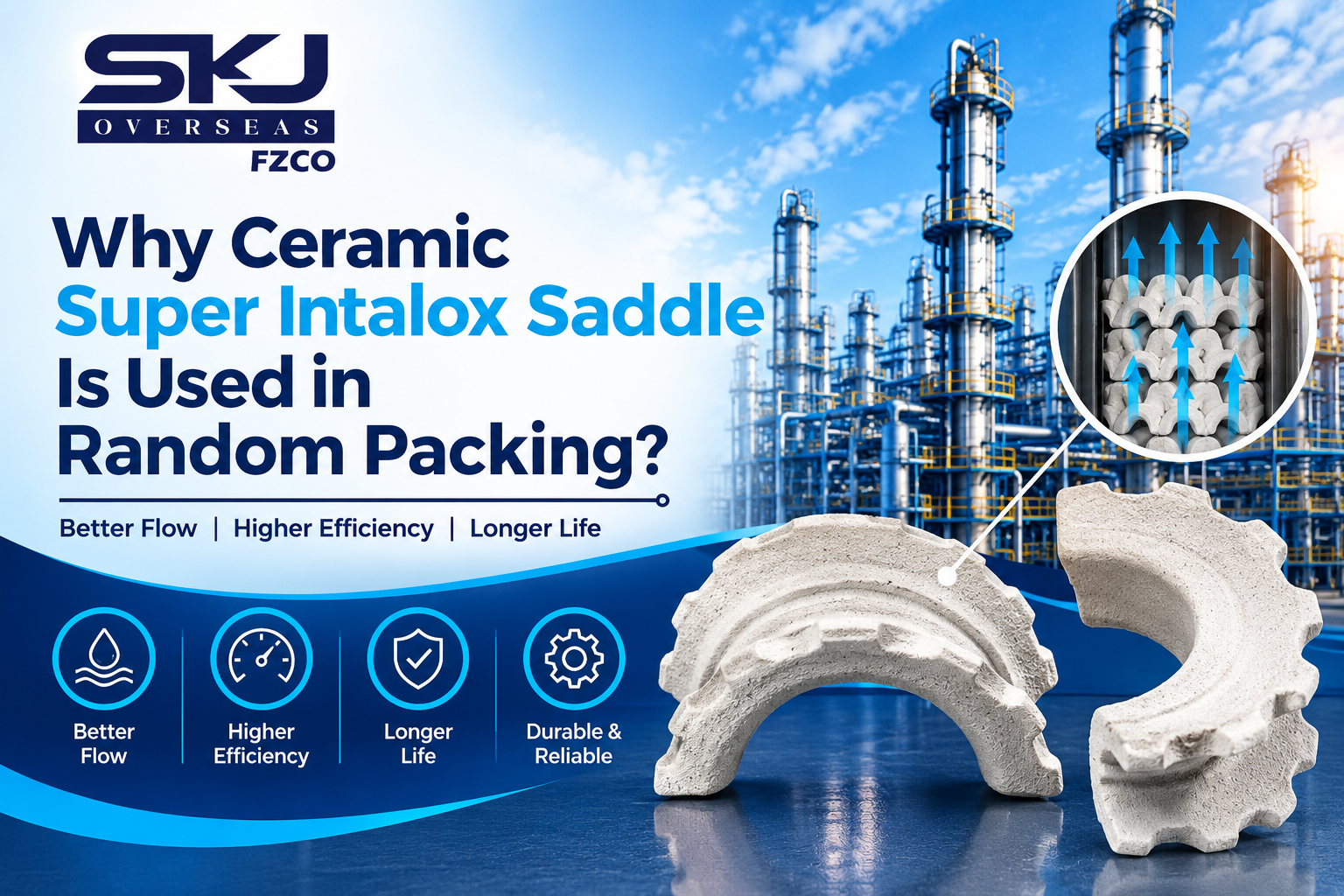
A skilled Ceramic Super Intalox Saddle Manufacturer controls these variables batch by batch, so every saddle in a tower bed has the same density and strength.
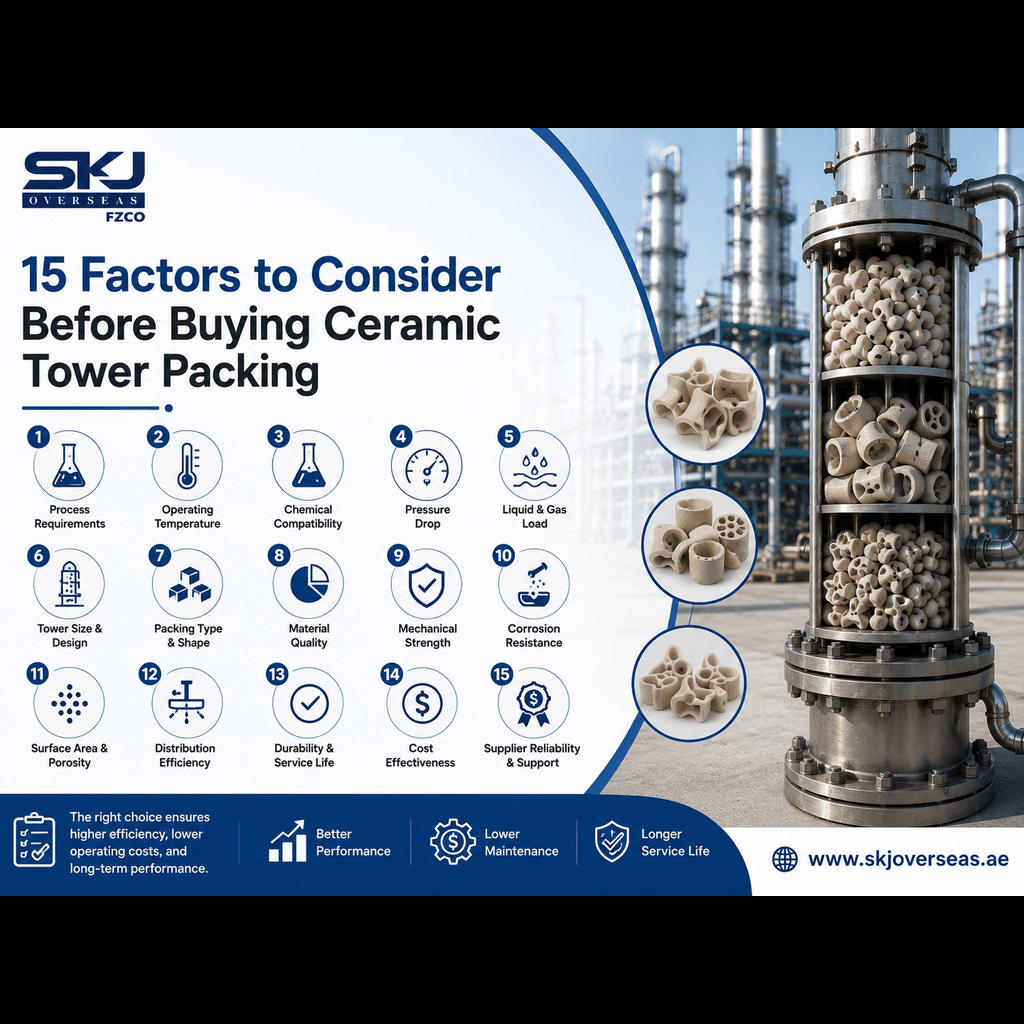
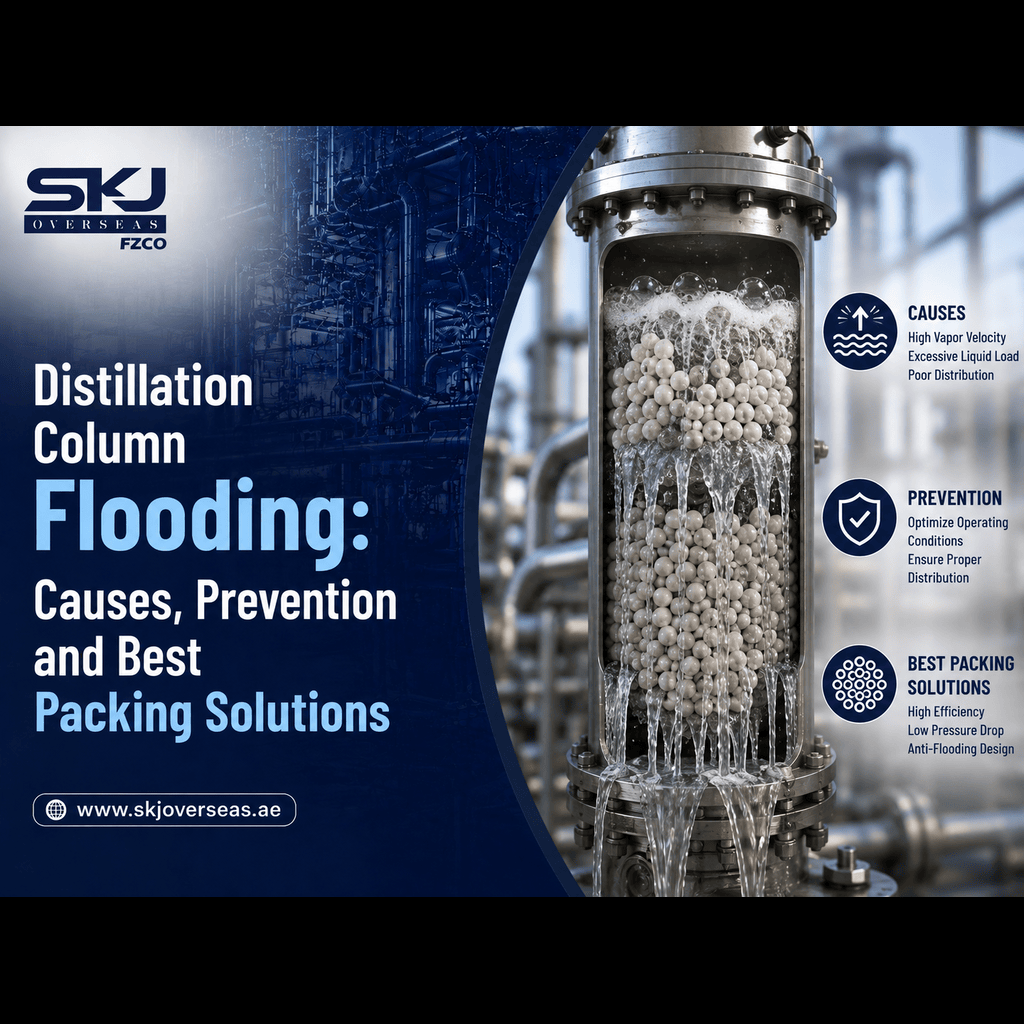
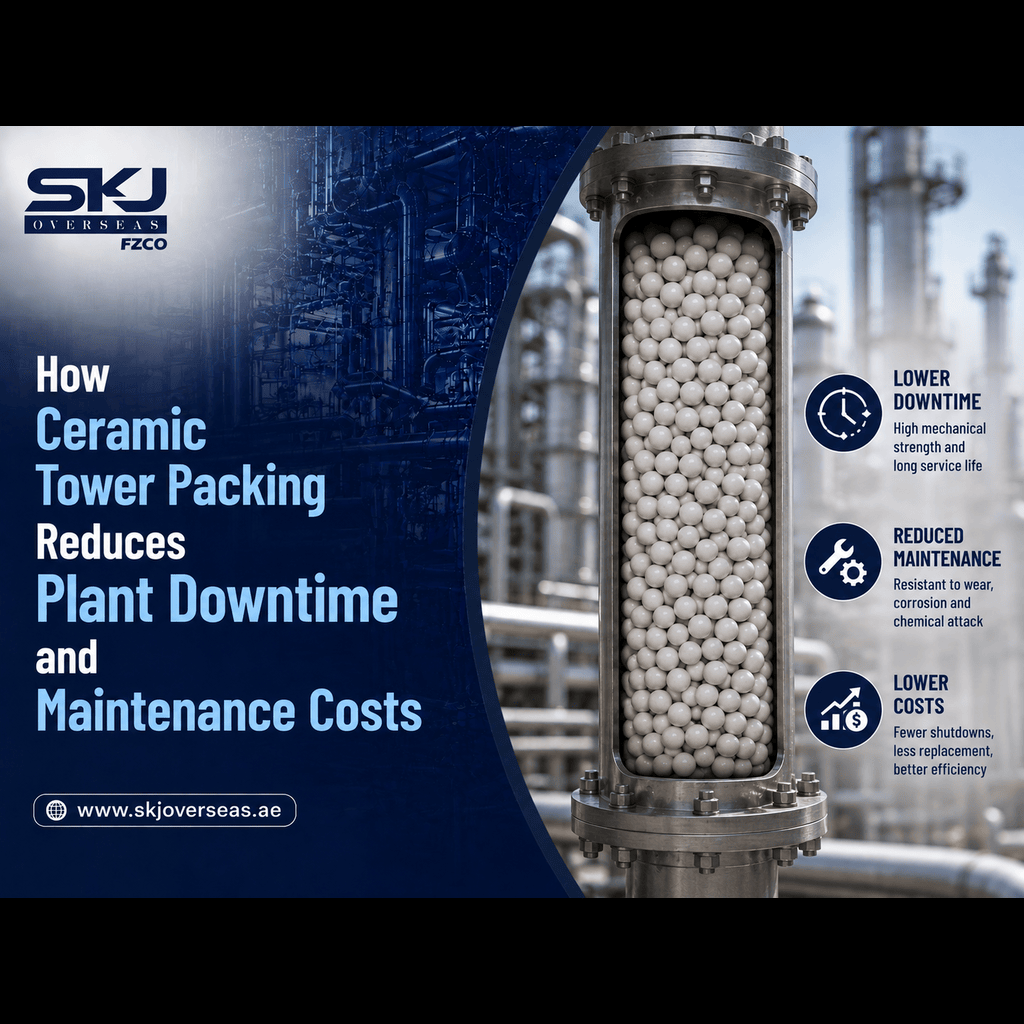
Ceramic Materials in High Temperature Tower Packing
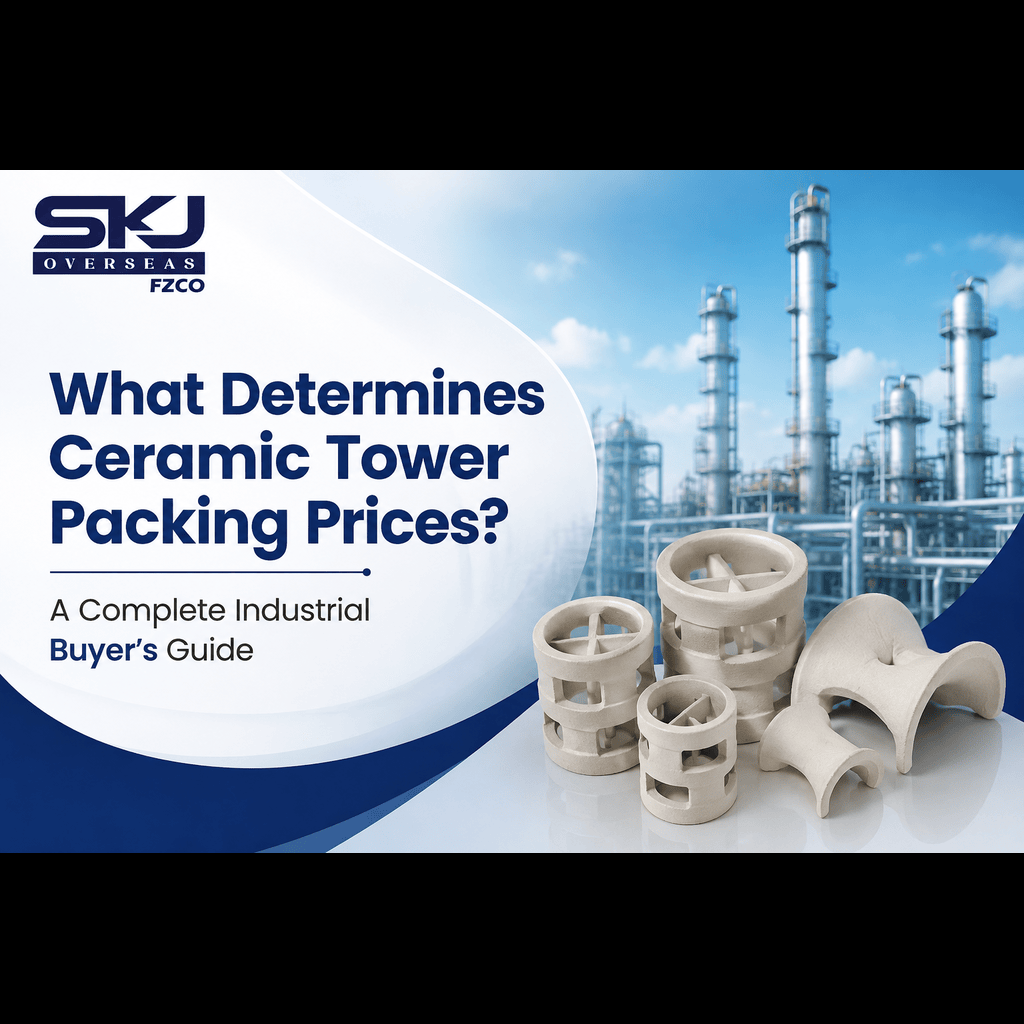
Chemical towers are a good example of why this matters. Hot gas and corrosive liquid meet on the packing surface every day. Ceramic packing commonly tolerates service temperatures up to about 1,100°C, depending on the body type.
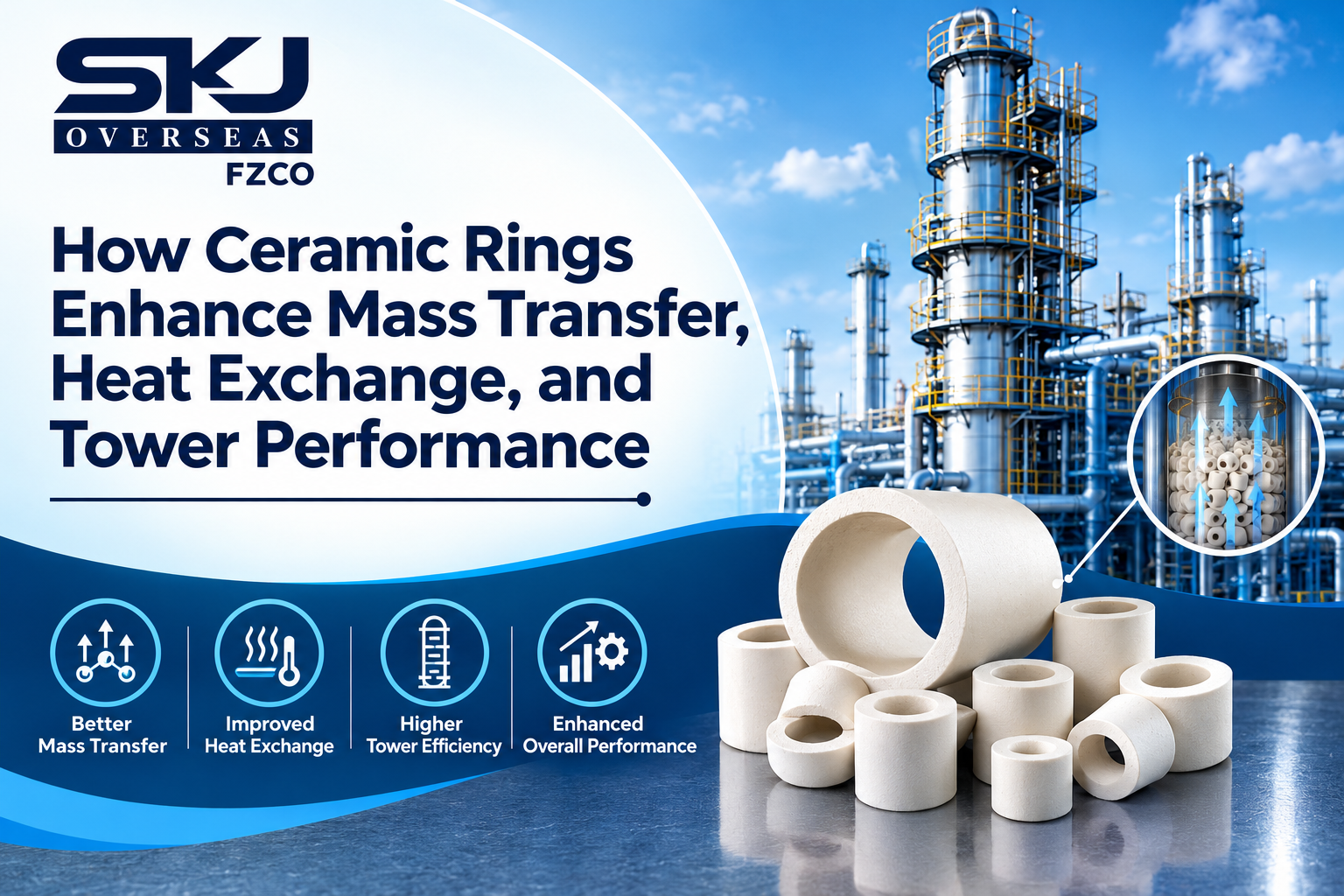
Ring packing is a classic example. In large towers, a ceramic ring partitioned Manufacturer adds internal walls to divide flow zones, and those walls must hold their shape under heat. Uneven walls can warp in firing and fail in service, so precision manufacturing matters.
Ceramic Rings and Dubai Sourcing for Hot Process Plants
Plants in hot climates and hot processes need packing that does not weaken over time. Buyers comparing ceramic ring manufacturers in Dubai should ask for firing details, acid resistance data, and temperature limits on the datasheet.
A local manufacturer can also supply samples and technical answers quickly, which helps during design and shutdown planning.
Ceramic Grid Blocks and Furnace Applications
Heat resistance also supports structural uses. Ceramic grid blocks sit under packing beds and inside high temperature equipment, where they carry load while the process runs hot.
A dependable ceramic grid block manufacturer needs consistent strength and dimensions, since one weak block can disturb the whole bed above it.
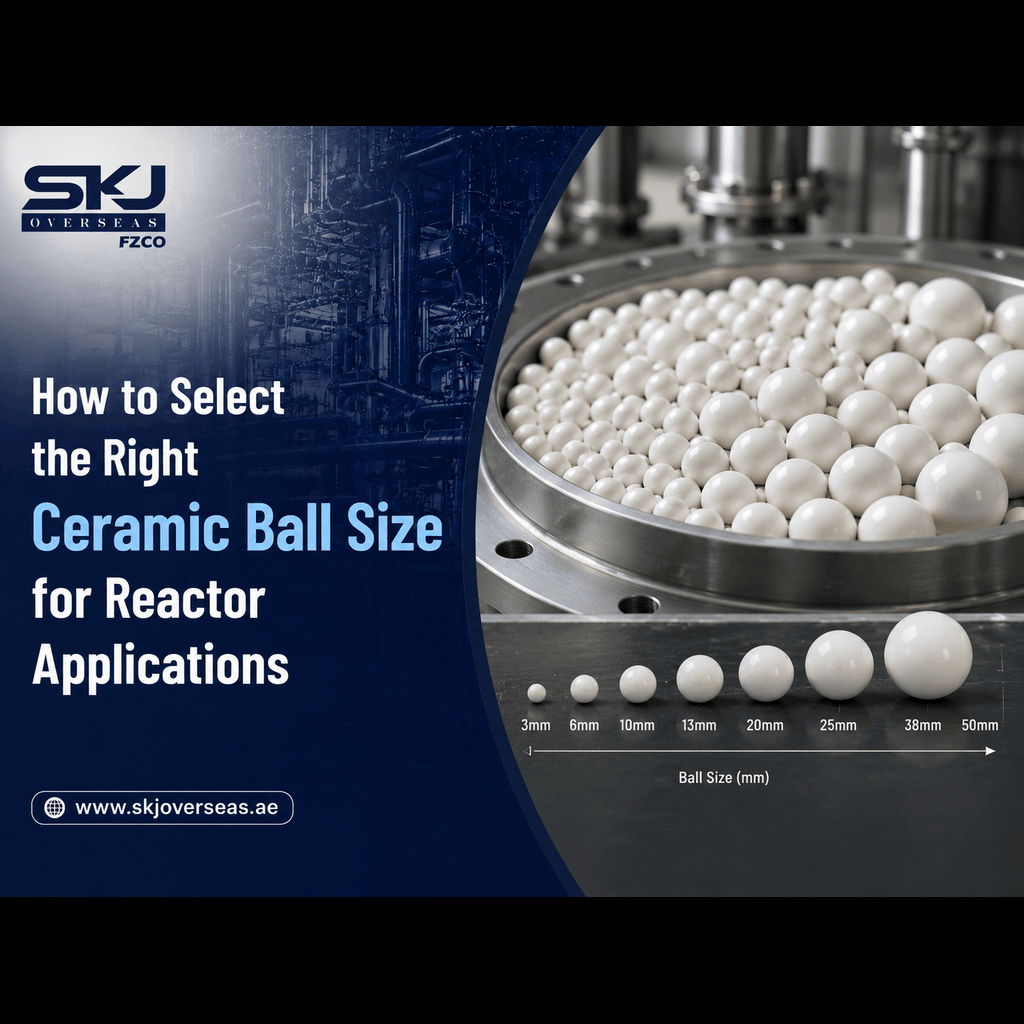
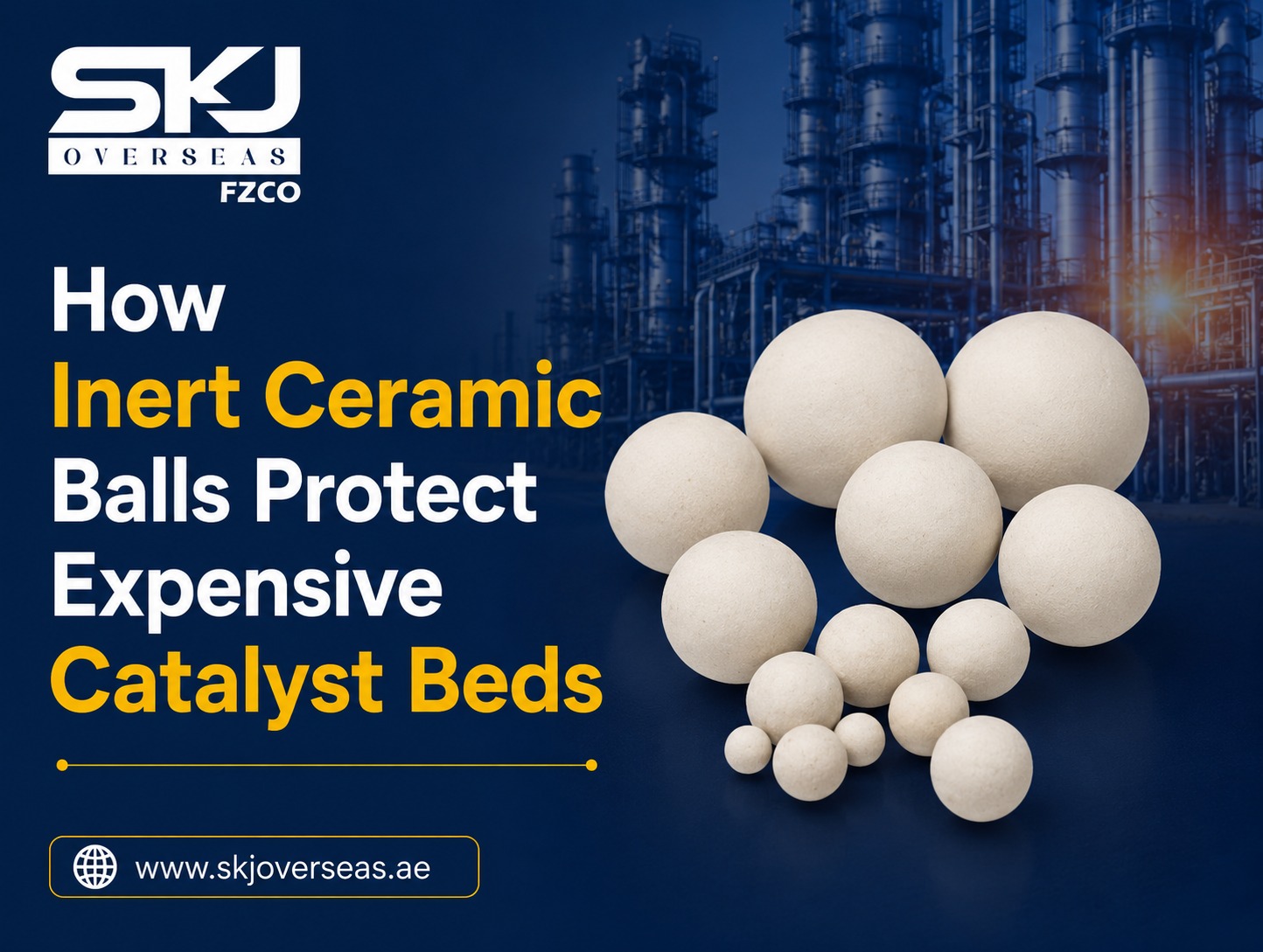
Inert Ceramic Balls in Hot Reactors
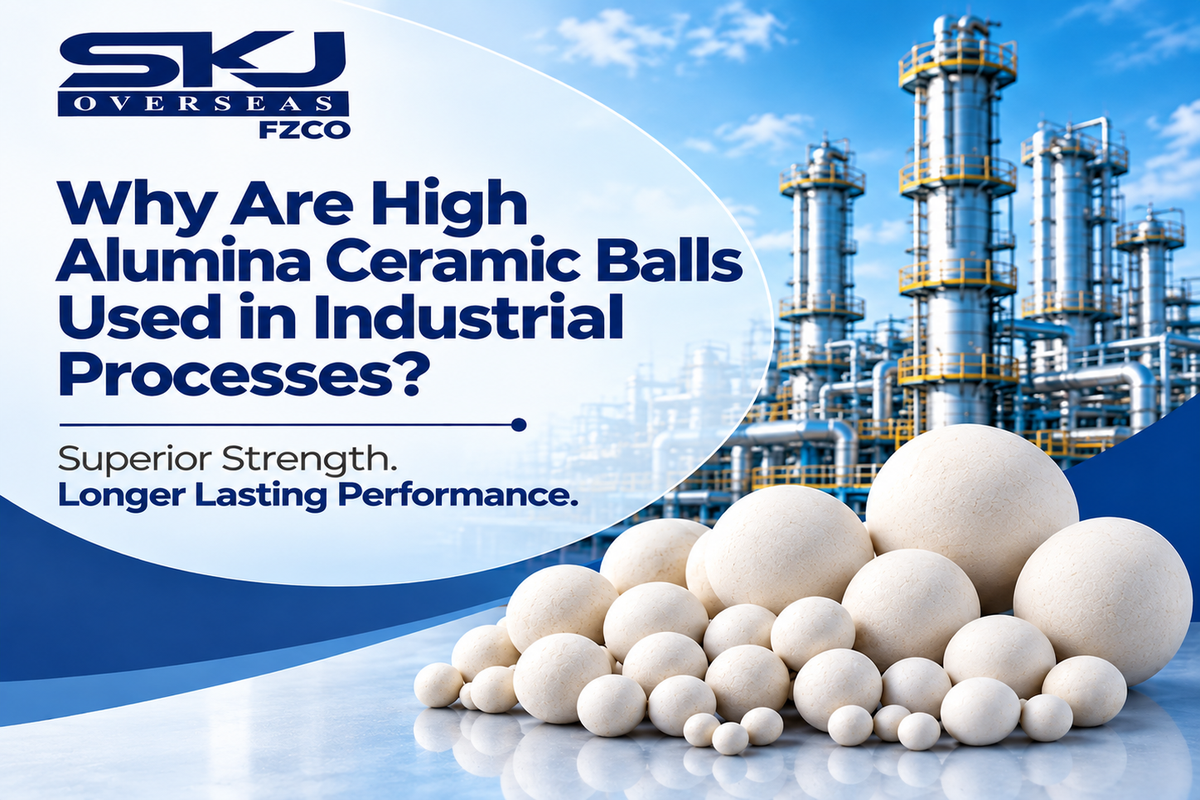
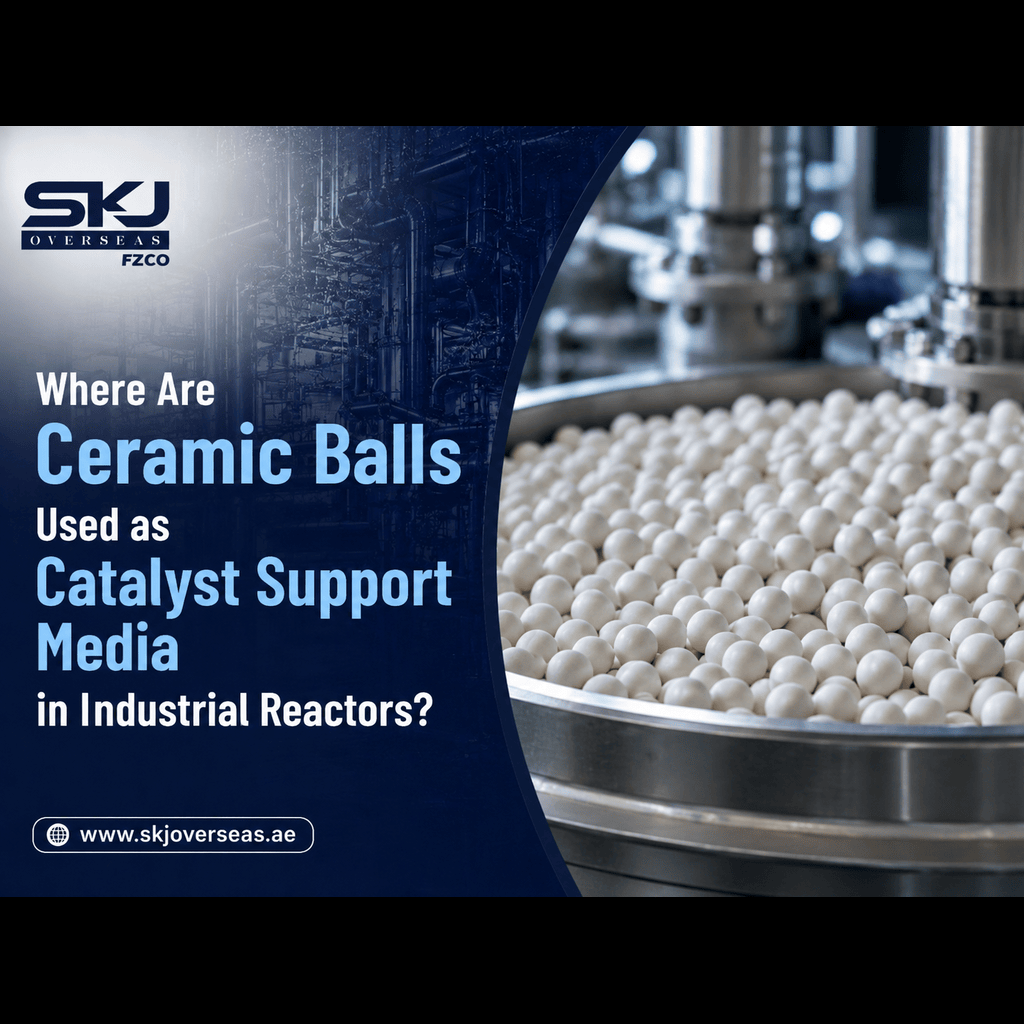
Reactors use ceramic balls as a support layer under catalyst beds. These balls must stay stable at temperature and under pressure, without reacting with the process stream.
An experienced inert ceramic balls manufacturer selects the right body for the duty, such as alumina grades for higher temperature or higher strength needs. This protects the catalyst and keeps flow even.
Ceramic vs Plastic and Metal at High Temperatures
The table below gives a general view. Exact limits depend on the grade and the environment.
| Feature | Ceramic | Metal | Plastic (PP) |
| Typical high temperature limit | Very high, 1,000°C and above | High, but oxidizes and scales | Low, softens below about 100°C in service |
| Corrosion in hot acid | Excellent, except hydrofluoric acid | Often limited | Good only in mild, cool service |
| Strength when hot | Retained | Falls steadily | Falls quickly |
| Toughness | Brittle | Tough | Flexible |
A PP Saddles Manufacturer makes plastic saddles for cooler, milder duties. They are useful there, but they cannot match ceramic in hot, acidic service. SKJ Overseas focuses on ceramic, which is why we recommend it for high temperature towers.
Porcelain Saddles for Demanding Duties
Dense porcelain-grade bodies are another option for severe service. They combine low porosity with strong acid and heat resistance. Buyers searching for a Cecebe HP Porcelain Saddles Manufacturer are usually looking for this level of density and quality.
When you request porcelain saddles, ask for the body composition, porosity, and acid resistance data on the datasheet. These figures matter more than any brand label.
Export Support for High Temperature Ceramic Products
Process plants across the Middle East, Africa, and Asia source ceramics from the UAE. SKJ Overseas works as a Ceramic And Tower Packing Exporter in Dubai, handling packing, documentation, and delivery planning together.
Ceramic is brittle, so careful packing for transport matters. Proper pallet packing reduces breakage and keeps shipments ready for installation.
Frequently Asked Questions
1. Why can ceramic materials withstand high temperatures?
Ceramics have strong, rigid atomic bonds that need a lot of energy to break. Many are also stable oxides, so they do not burn or rust in heat.
2. What is the maximum temperature ceramics can handle?
It depends on the type. Industrial ceramic tower packing commonly handles up to about 1,100°C, while pure alumina melts at about 2,070°C. Always confirm limits for your exact product.
3. Can ceramics crack from sudden temperature changes?
Yes. Fast heating or cooling can cause thermal shock. Low-expansion bodies and dense, well-fired products resist it better, and following the heat-up guidance protects the part.
4. Are ceramics better than plastics for hot processes?
For high temperature and acidic duty, yes. Plastic packing softens at much lower temperatures, so ceramic is the safer choice for hot towers.
5. Does ceramic resist all chemicals at high temperature?
Ceramic resists most acids and alkalis, but hydrofluoric acid attacks it. Other packing materials are needed for that service.
Talk to SKJ Overseas About High Temperature Ceramics
The right ceramic body protects your process from softening, corrosion, and early failure. SKJ Overseas manufactures ceramic packing and industrial ceramics for hot, corrosive service.
Contact us to request a quote, a technical datasheet, or a sample for your application.