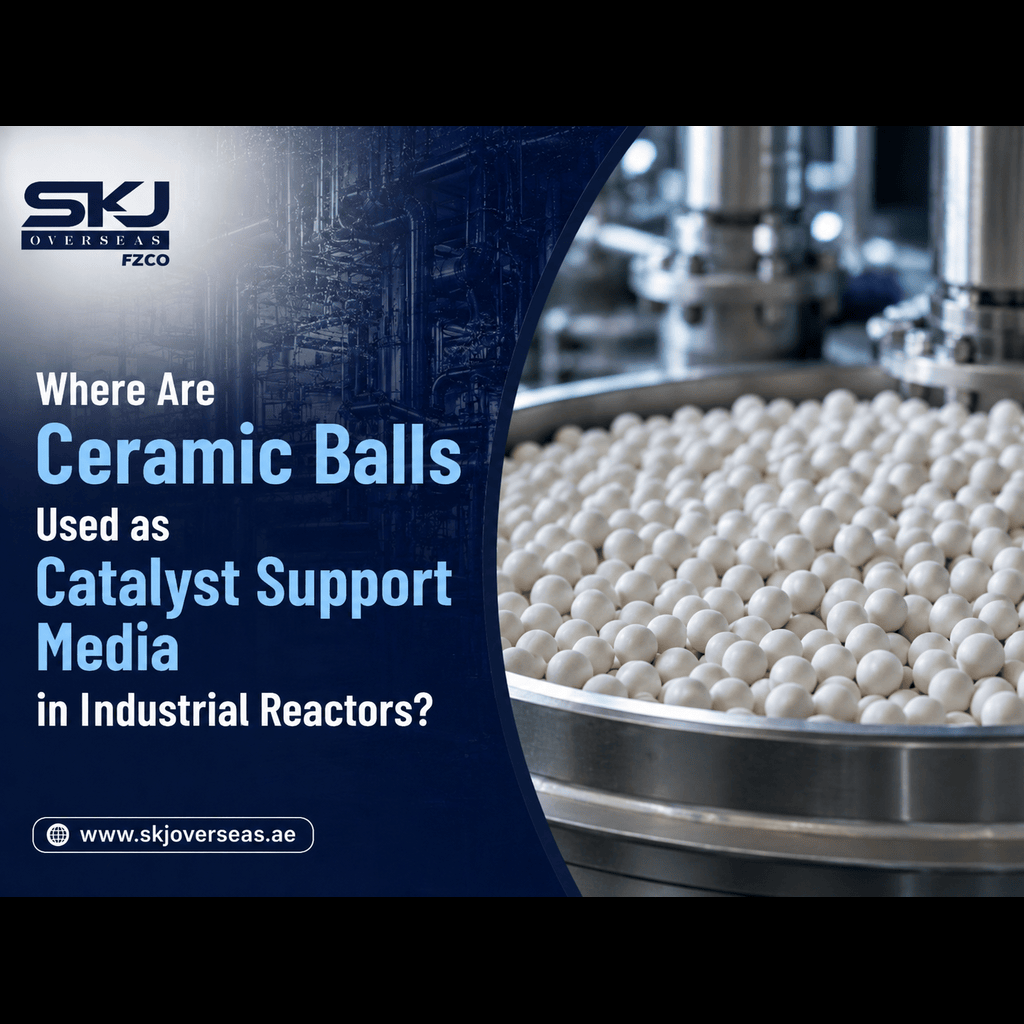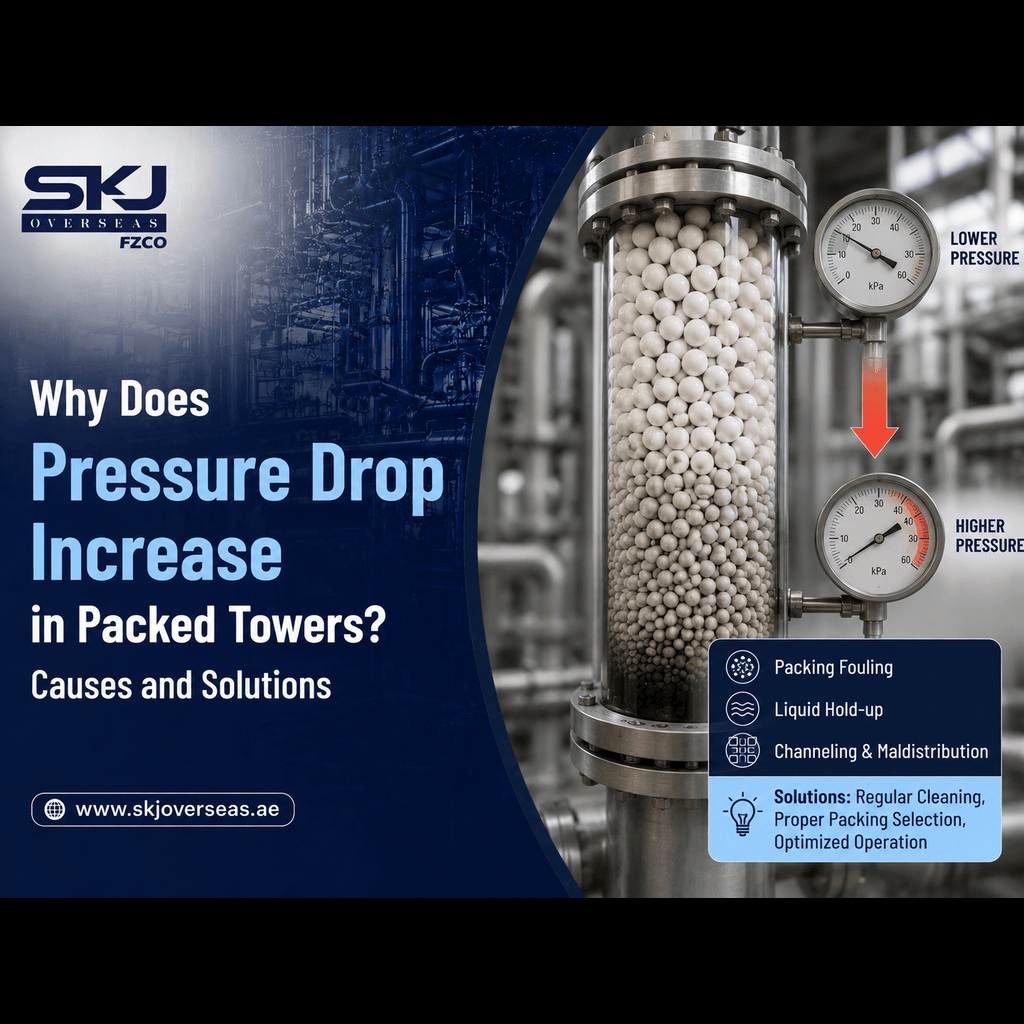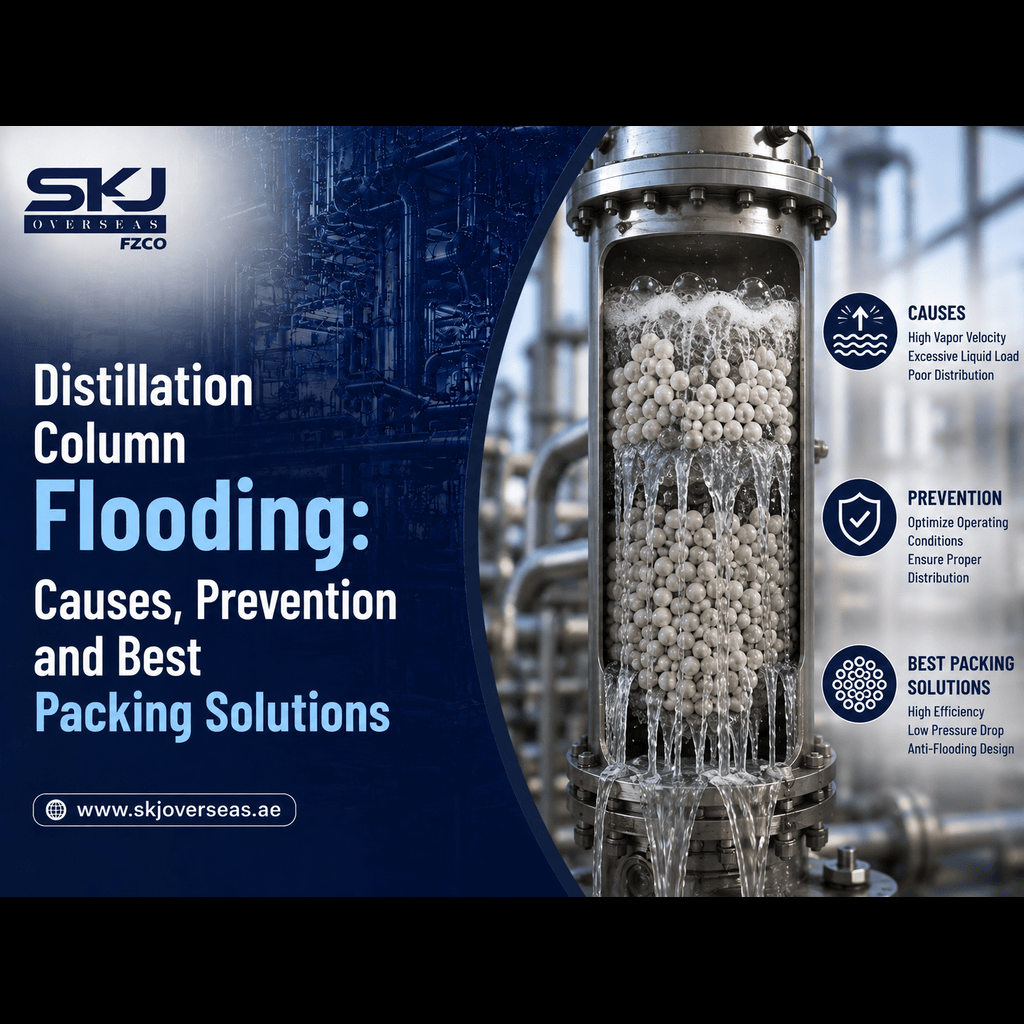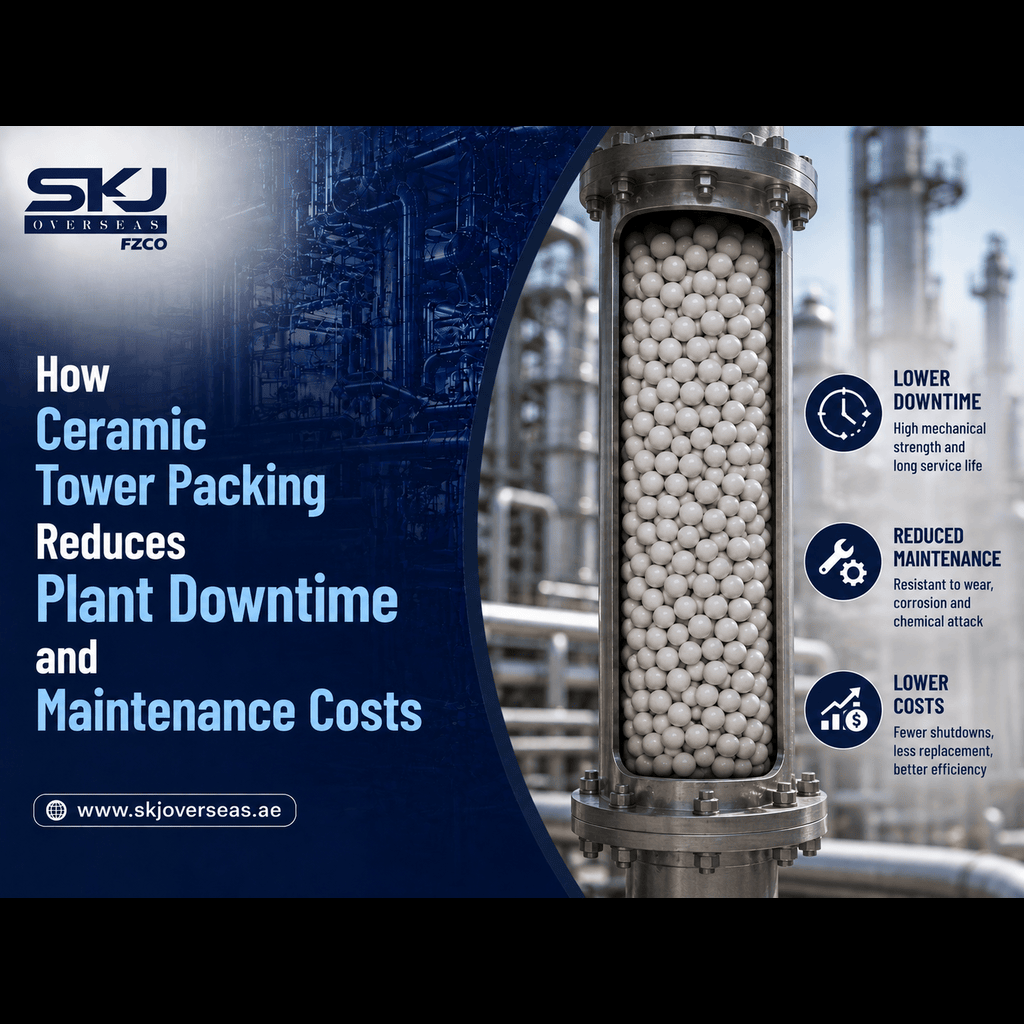
A packed tower that was running perfectly a year ago can quietly start underperforming without anyone noticing right away. Separation efficiency dips a little, pressure drop creeps up, or a batch comes out slightly off spec. None of these show up as a single dramatic failure, which is exactly why they get missed until the problem is bigger than it needed to be.
At SKJ Overseas, we get called in on these situations often enough to see the same patterns repeat across different plants and processes. This article walks through the most common causes of packed tower performance issues, how to troubleshoot them, and what practices actually prevent them from happening again.
Recognizing the Early Signs of a Performance Problem
Most packed tower issues do not announce themselves clearly. They show up as small shifts that are easy to explain away individually, but taken together, point to something worth investigating.
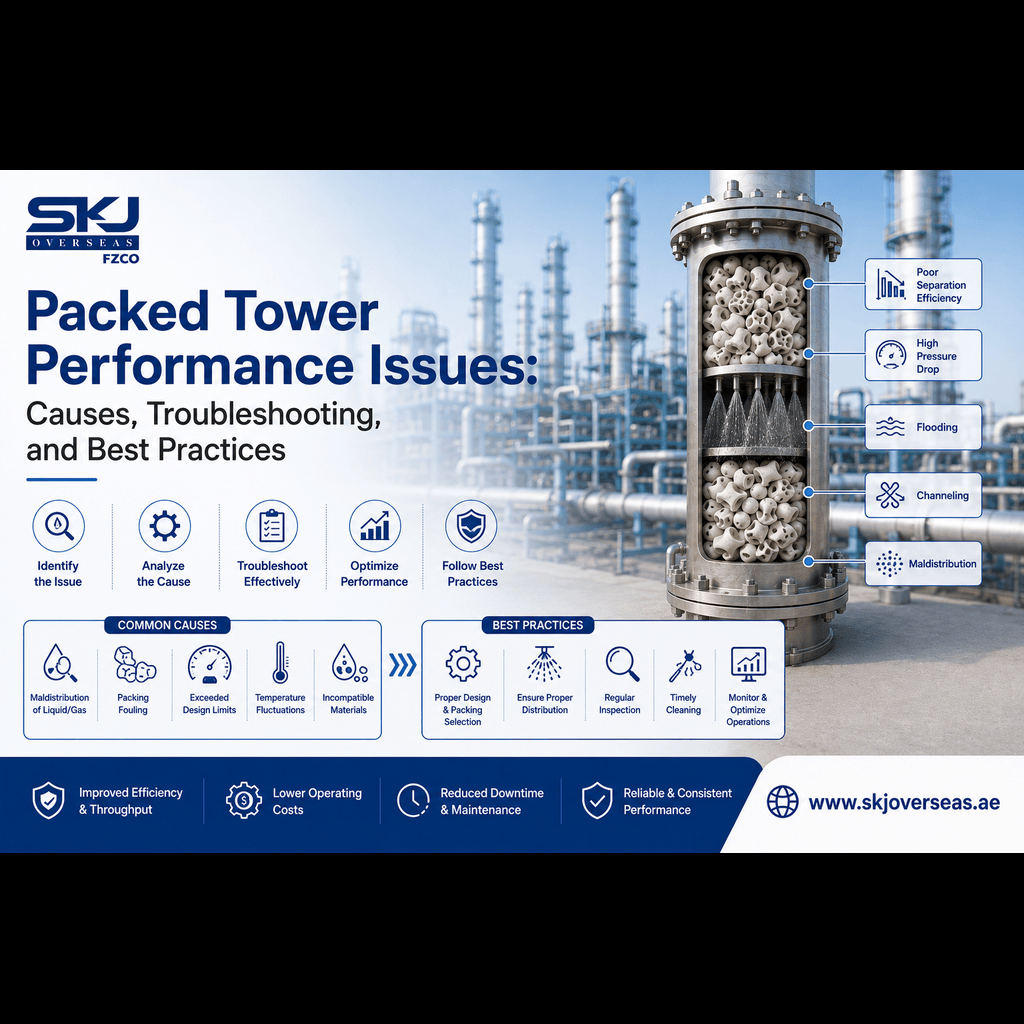
- Gradually rising pressure drop across the bed
- Product purity or separation efficiency slipping below design specifications
- Temperature profiles across the column looking different than usual
- Increased frequency of foaming, flooding, or unstable operation
Catching these signs early is almost always cheaper and simpler than waiting for a full shutdown to force the issue.
Common Causes Behind Declining Tower Performance
Once you notice a performance dip, the cause usually falls into one of a handful of categories.
Channeling and uneven liquid distribution
Liquid finds an easy path through the bed instead of spreading evenly, which reduces contact between the gas and liquid phases and directly hurts separation efficiency.
Packing degradation over time
Cracked, crushed, or worn packing pieces settle unevenly, creating dense zones and gaps that disrupt flow patterns the tower was designed around.
Fouling and scaling
Residue buildup narrows the flow path and increases pressure drop, often starting in one section of the bed before spreading further.
Flooding at higher throughput
When liquid rate exceeds what the packing can handle, it backs up in the column instead of flowing through cleanly, sharply reducing efficiency.
Structural issues at the base of the bed
A weakened or shifted support structure can throw off the entire bed above it, even if the packing itself is still in good condition.
Troubleshooting Step by Step Before You Assume the Worst
It helps to work through a structured process rather than guessing at the cause.
- Review recent process data for gradual trends rather than sudden spikes, since gradual creep usually points to wear or fouling rather than a single event.
- Inspect the bed visually during a scheduled shutdown, checking for cracked packing, uneven settling, or visible fouling.
- Check liquid distributors for blockages or misalignment, since poor distribution is one of the most overlooked causes of declining efficiency.
- Confirm current flow rates against the original design capacity, especially if throughput has increased since the tower was first commissioned.
- Inspect the support structure at the base of the bed, since a compromised foundation affects everything sitting above it.
Why Packing Choice Plays a Bigger Role Than People Expect
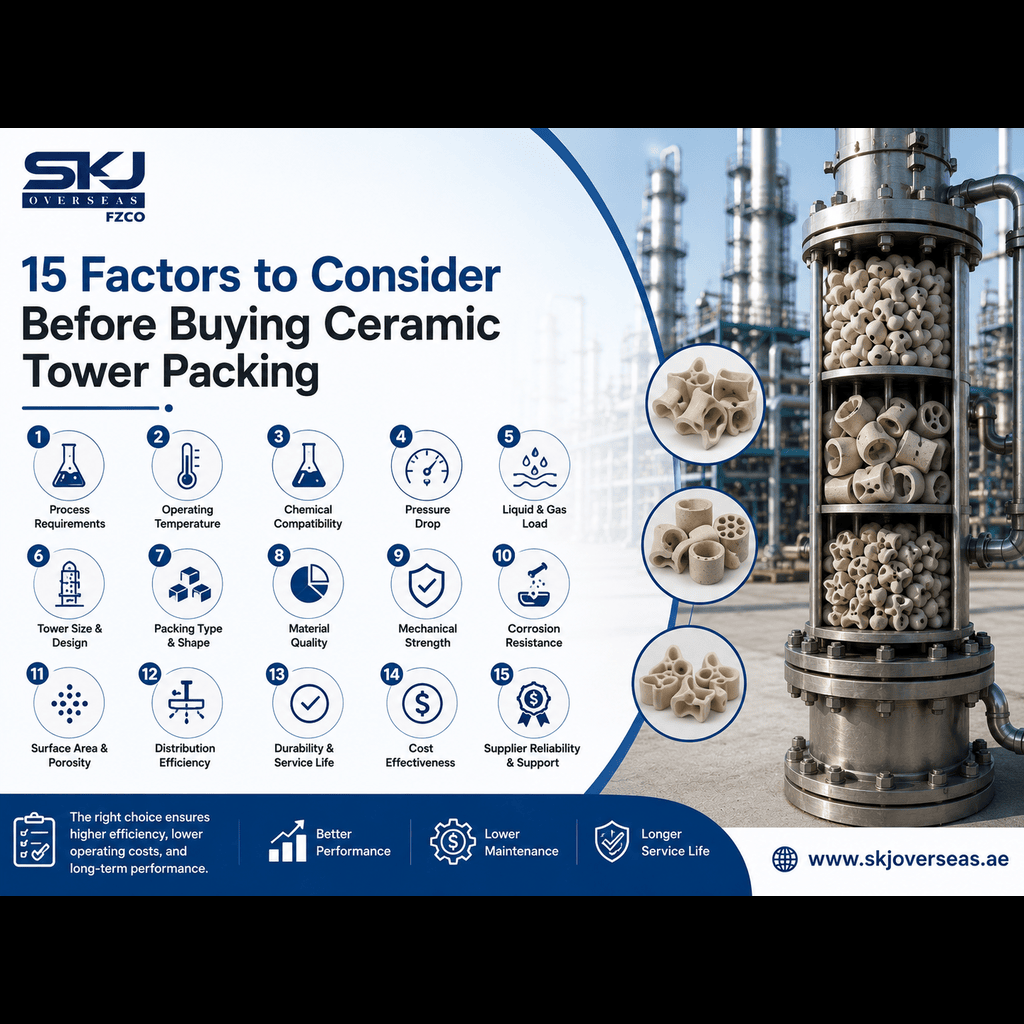
A lot of performance issues trace back to the original packing selection rather than anything that happened during operation. Choosing the wrong shape or size for the actual flow conditions sets a tower up to underperform from day one, regardless of how well it is maintained afterward.
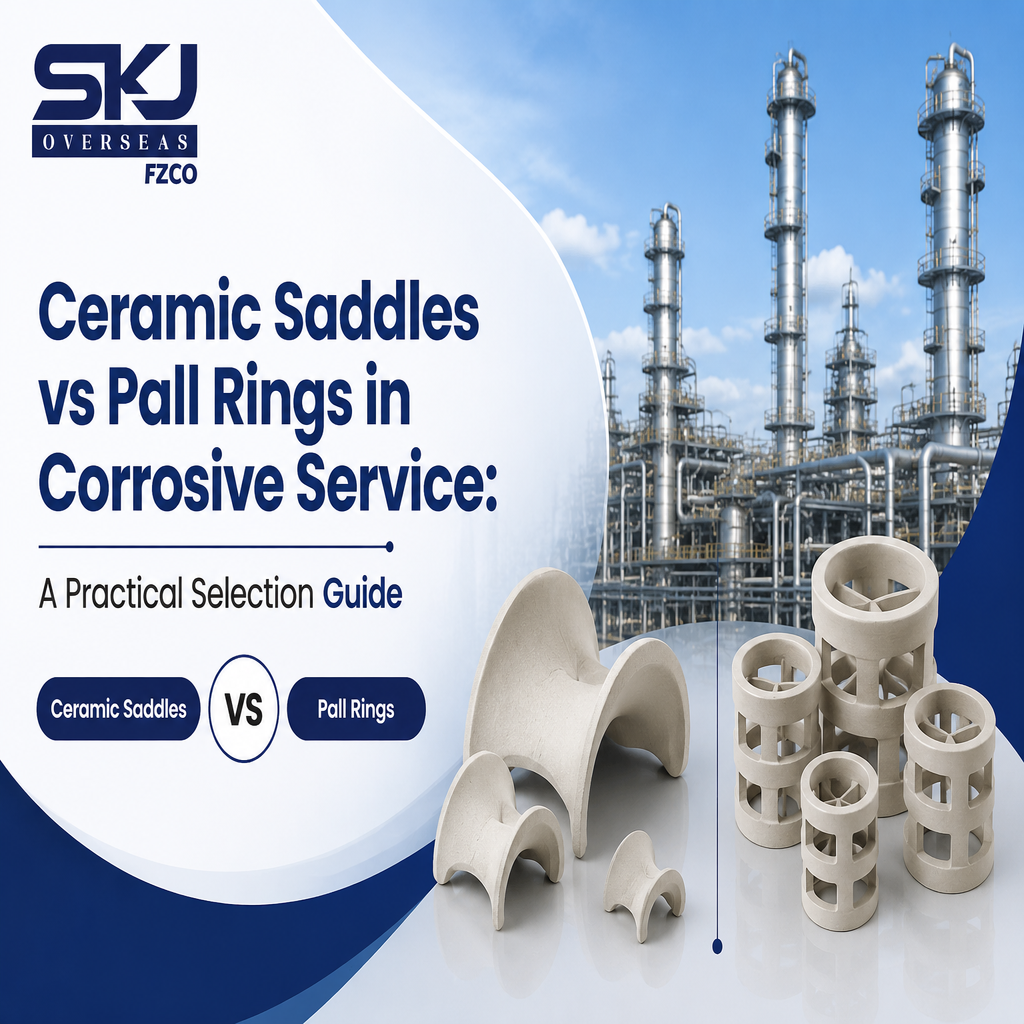
Pall rings tower packing is often selected specifically because its open structure balances good separation efficiency with manageable pressure drop, which makes it a practical fit for towers handling variable flow conditions. Getting this choice right at the design stage avoids a lot of the troubleshooting that follows a poor initial specification.
Why the Foundation of the Bed Deserves as Much Attention as the Packing
It is easy to focus entirely on the packing itself and overlook what is holding it up. A support ring that cracks or settles unevenly throws off the entire bed above it, even when the packing is in perfect condition.
Working with an experienced ceramic support rings manufacturer ensures the base of the bed can handle continuous structural load without shifting over time, which protects the packing and keeps flow distribution consistent across the column. If your tower has been dealing with recurring downtime linked to internal wear, our guide on how ceramic tower packing reduces plant downtime and maintenance costs covers this in more detail.
Best Practices That Prevent These Issues From Repeating
A few consistent habits keep towers performing closer to their design specification over the long term.
- Match packing type and size to actual operating conditions rather than generic standards
- Schedule bed inspections during planned maintenance windows instead of reacting only after a failure
- Source packing and support structures from the same reliable partner to avoid compatibility issues between components
- Track pressure drop and efficiency trends over time rather than relying on isolated readings
None of this requires a major process redesign, just more deliberate attention to sourcing and maintenance decisions.
Why Working With a Reliable Manufacturer Matters Long Term
Even with good design and maintenance practices, inconsistent packing quality can undo a lot of that effort. Working with an established pall rings manufacturer means dimensional accuracy, crush strength, and material grade stay consistent across every batch, which keeps performance predictable rather than drifting slightly with each new delivery.
At SKJ Overseas, we supply both packing and support structures manufactured to consistent quality standards, so plants get a system that works together rather than mismatched components sourced from different places.
FAQs
1. What is the most common cause of declining packed tower performance?
Channeling and uneven liquid distribution are among the most frequent causes, since they reduce gas-liquid contact without necessarily showing up as an obvious mechanical problem.
2. How do I know if my tower’s pressure drop is a real problem or normal variation?
A gradual, sustained increase over weeks or months usually points to fouling or packing degradation, while normal operation typically shows only minor fluctuation around a stable baseline.
3. Can support ring failure affect the packing above it even if the packing itself is fine?
Yes, a cracked or shifted support ring can cause the entire bed to settle unevenly, disrupting flow distribution regardless of the packing’s condition.
4. How often should a packed tower be inspected for performance issues?
Most plants schedule a physical inspection at least once a year, though towers running harsh or variable conditions may benefit from more frequent checks.
5. Does replacing packing always resolve a performance problem?
Not always. If the root cause is flooding, poor distribution, or a compromised support structure, replacing packing alone will not fix the underlying issue.
Final Thoughts
Packed tower performance issues rarely come from one obvious failure. They build up gradually through channeling, fouling, packing wear, or a weakened support structure, which is why regular inspection and the right initial specification matter so much. Addressing the cause rather than just the symptom keeps a tower running closer to its design performance for years.
If your tower has been showing signs of declining performance and you want help identifying the cause, contact our team at SKJ Overseas. We will help you troubleshoot the issue and match the right packing and support solution to your process conditions.