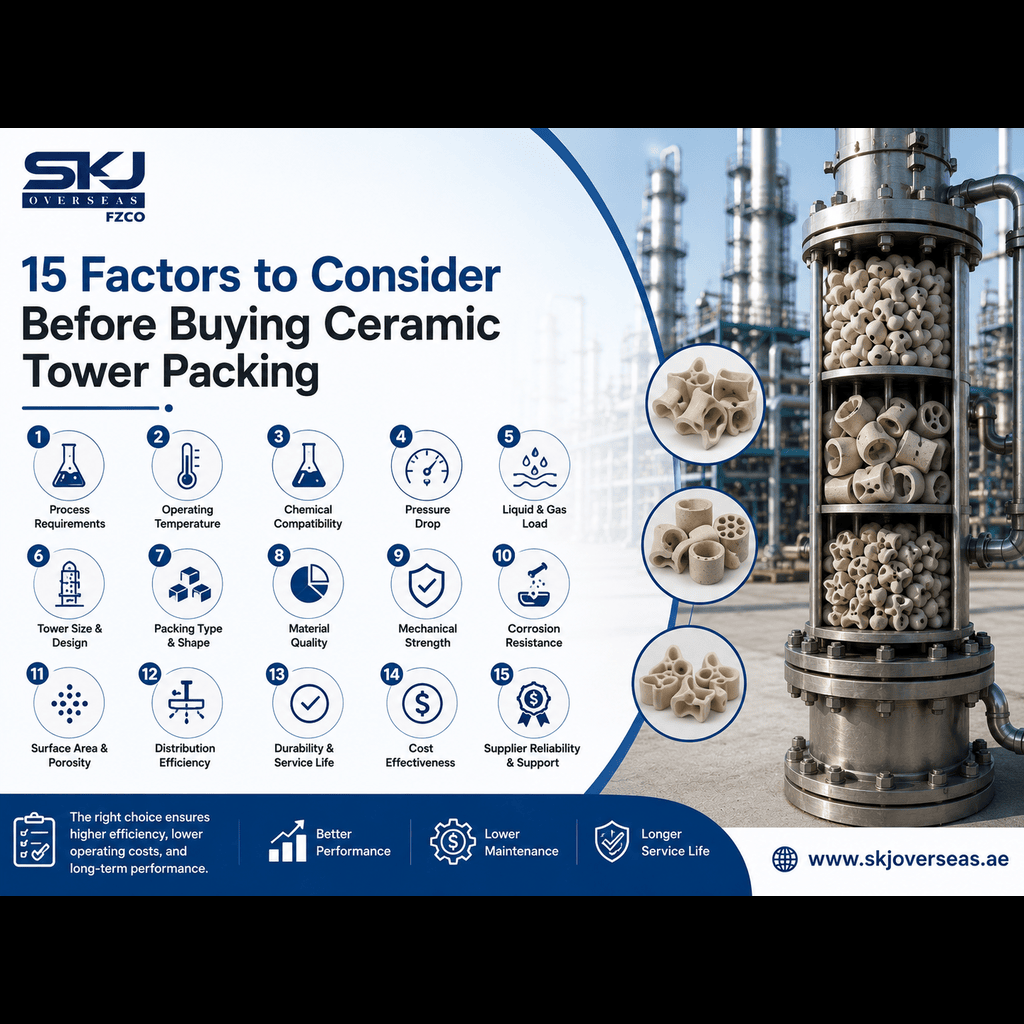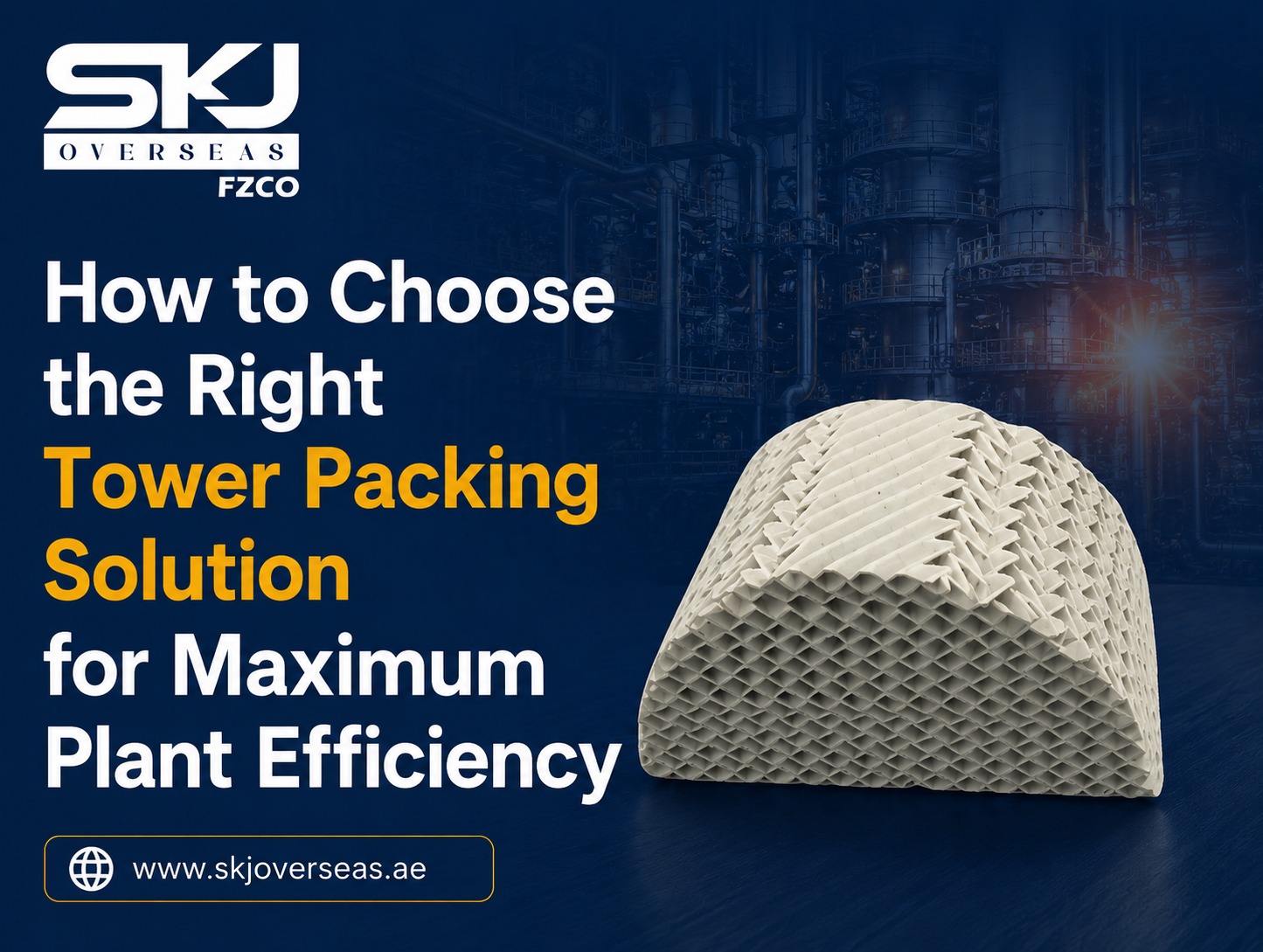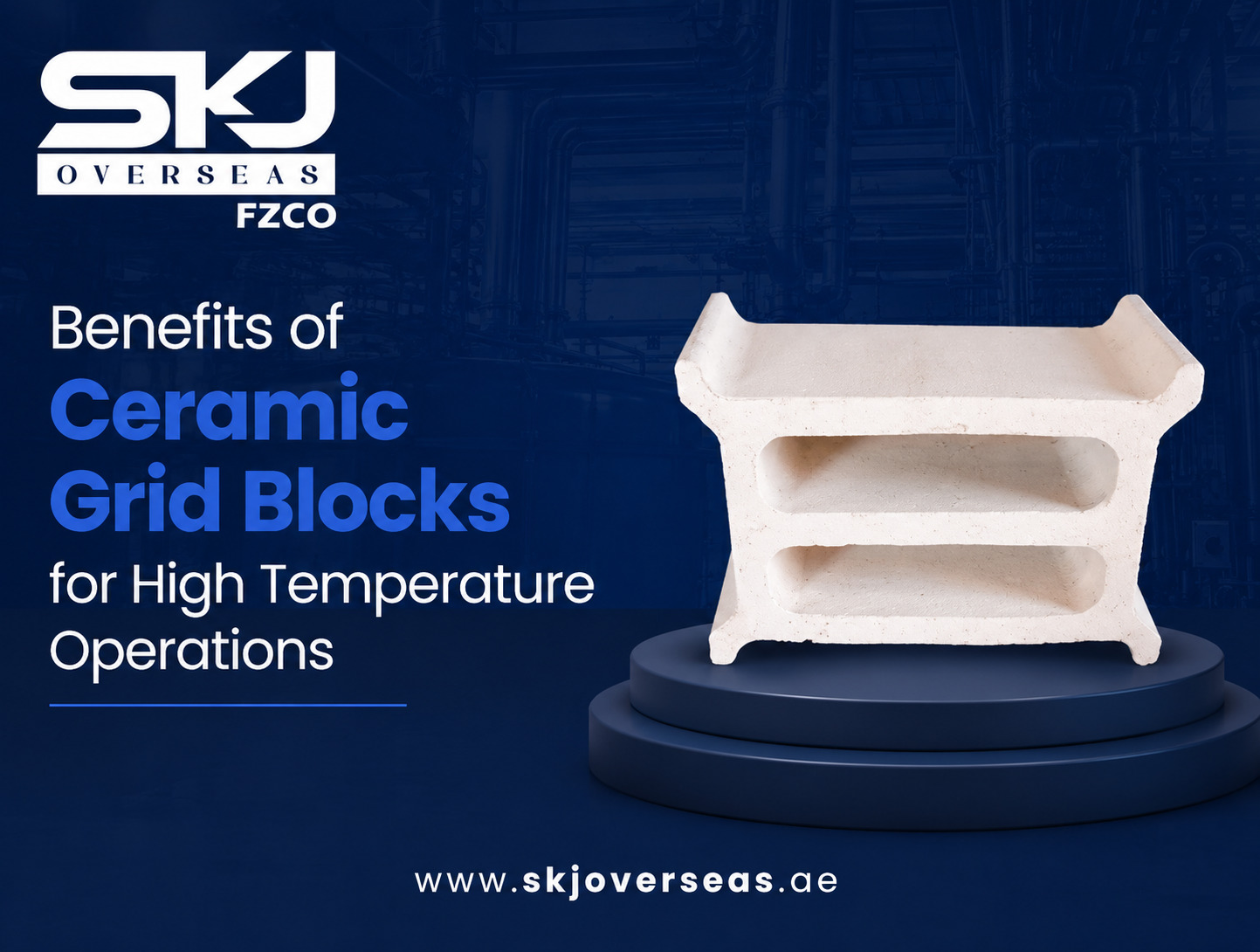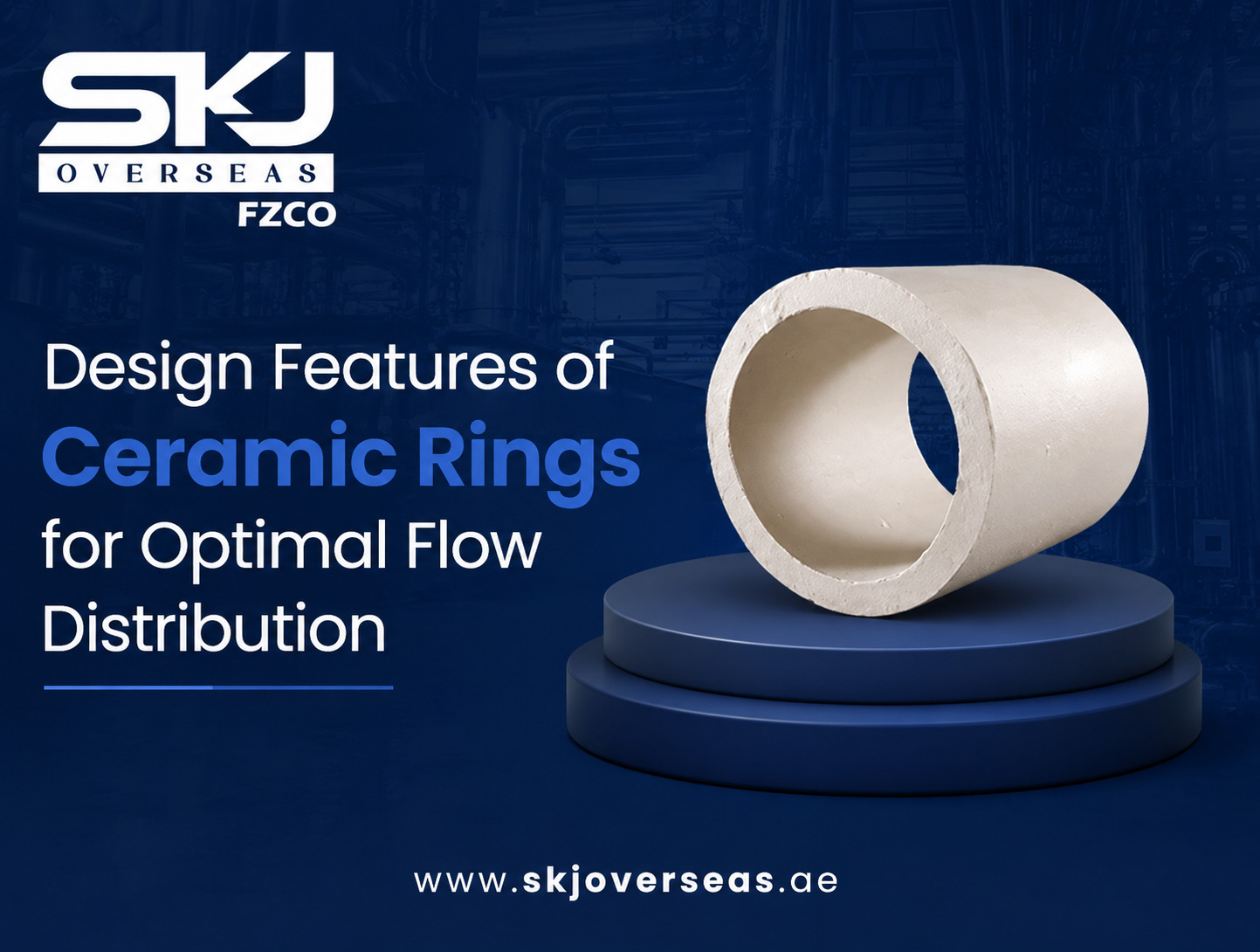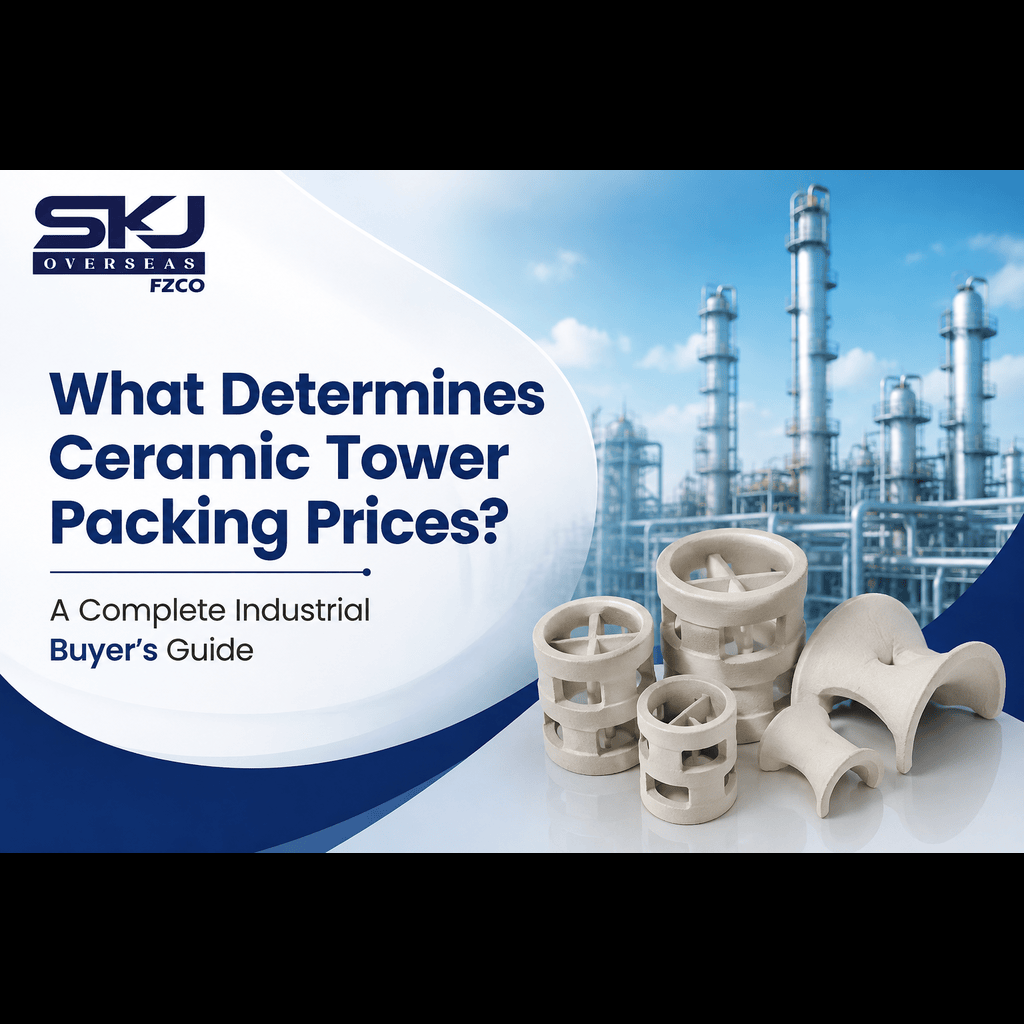
Ceramic tower packing price is shaped by five main factors: raw material grade, packing size and shape, manufacturing precision, order volume, and shipping terms. A saddle made from high alumina ceramic will always cost more than a standard porcelain grade, and a small order will always price higher per unit than a full container load. This guide breaks down exactly how each factor moves your final number, so you know what you are paying for before you request a quote.
Why Prices Vary So Much Between Suppliers
Two suppliers can quote wildly different numbers for what looks like the same product, and buyers often assume one is overcharging. In most cases, the real answer is that the specifications were not actually identical. Wall thickness, firing temperature, and material purity all affect strength and lifespan, and none of that shows up unless you dig into the datasheet.
This is exactly why comparing quotes on price alone, without matching grade and size, gives you a misleading picture of value.
The Five Factors That Actually Move the Price
1. Raw Material Grade
Standard ceramic and high alumina ceramic are not interchangeable, and the price gap between them reflects real performance differences.
| Material Grade | Typical Use Case | Relative Cost |
| Standard porcelain | General absorption, mild chemical service | Lowest |
| Acid resistant ceramic | Corrosive gas scrubbing, acid towers | Mid range |
| High alumina ceramic | High temperature, catalyst support beds | Highest |
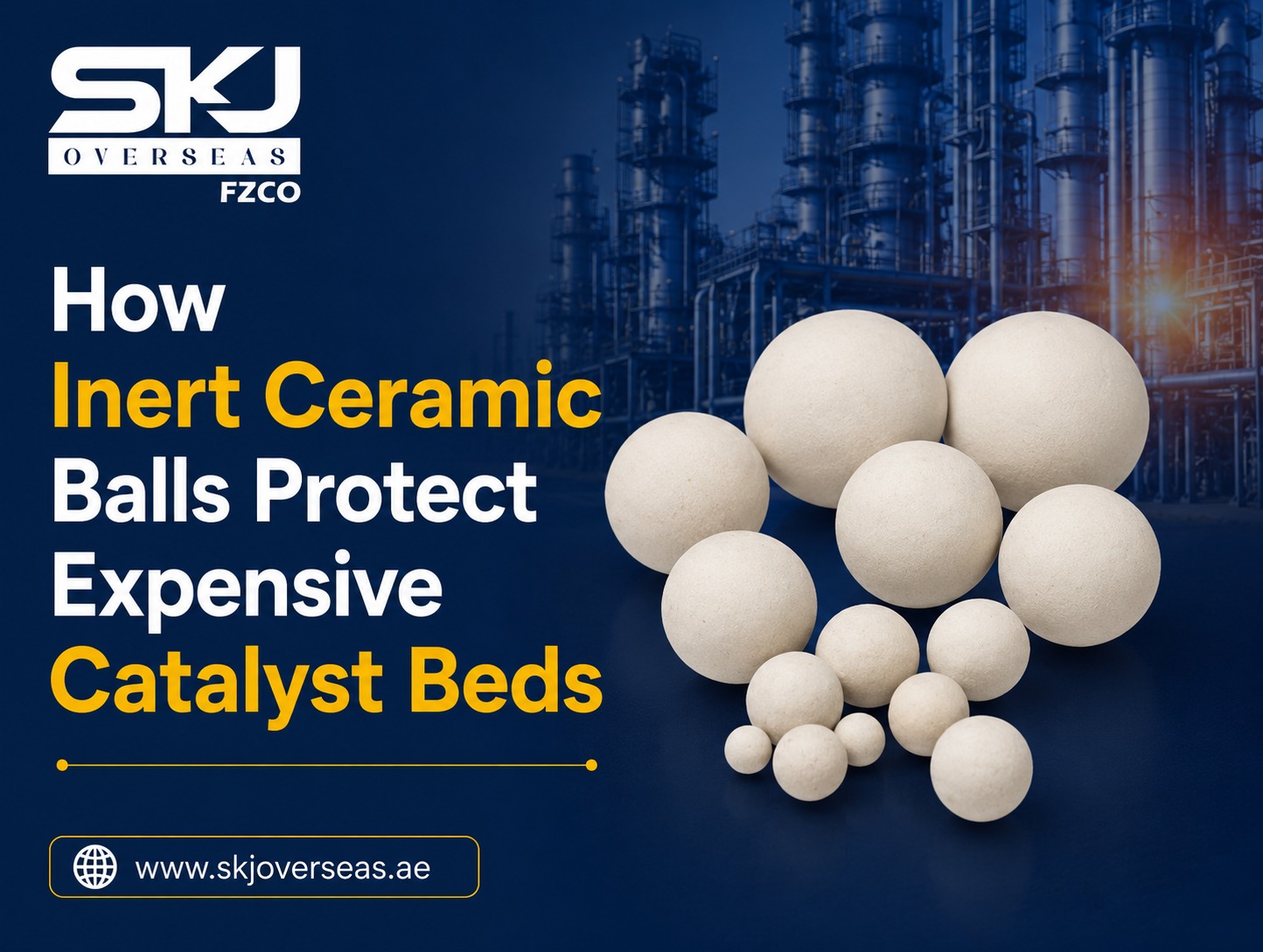
Higher alumina content improves mechanical strength and thermal resistance, which is why it commands a premium from most saddle manufacturers.
2. Size and Shape Complexity
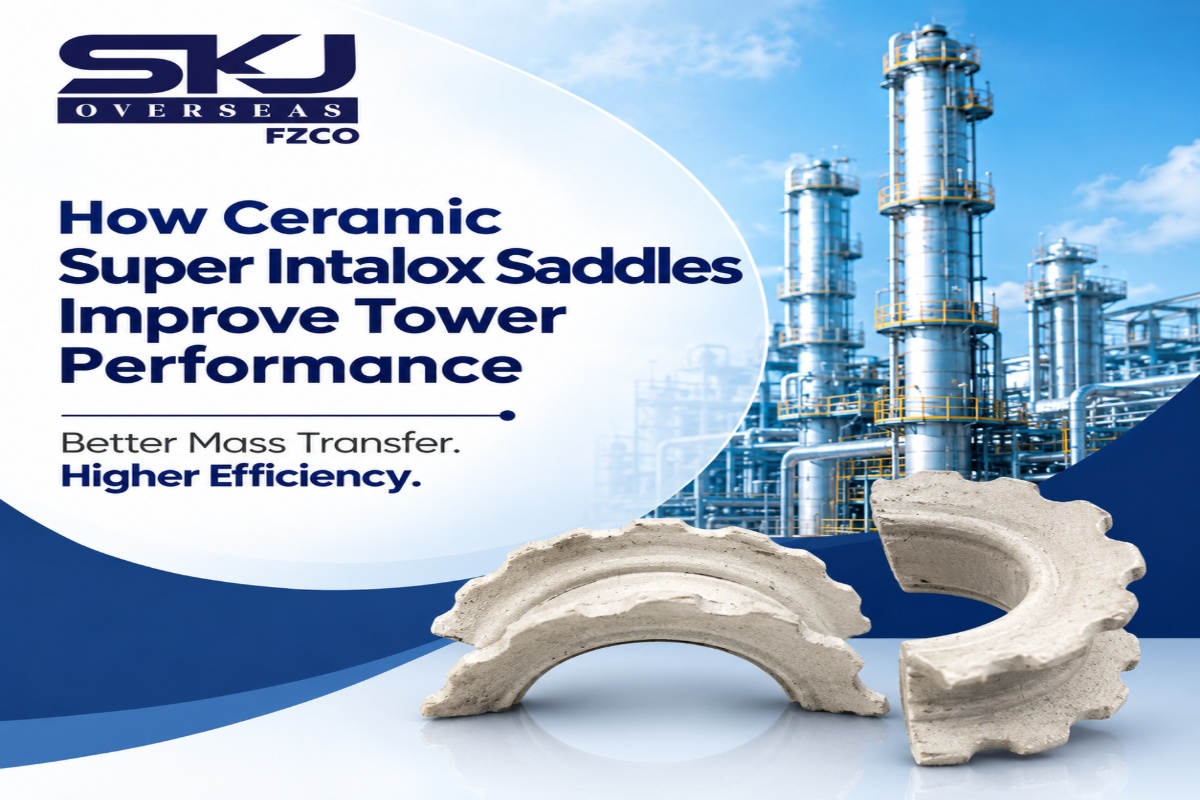
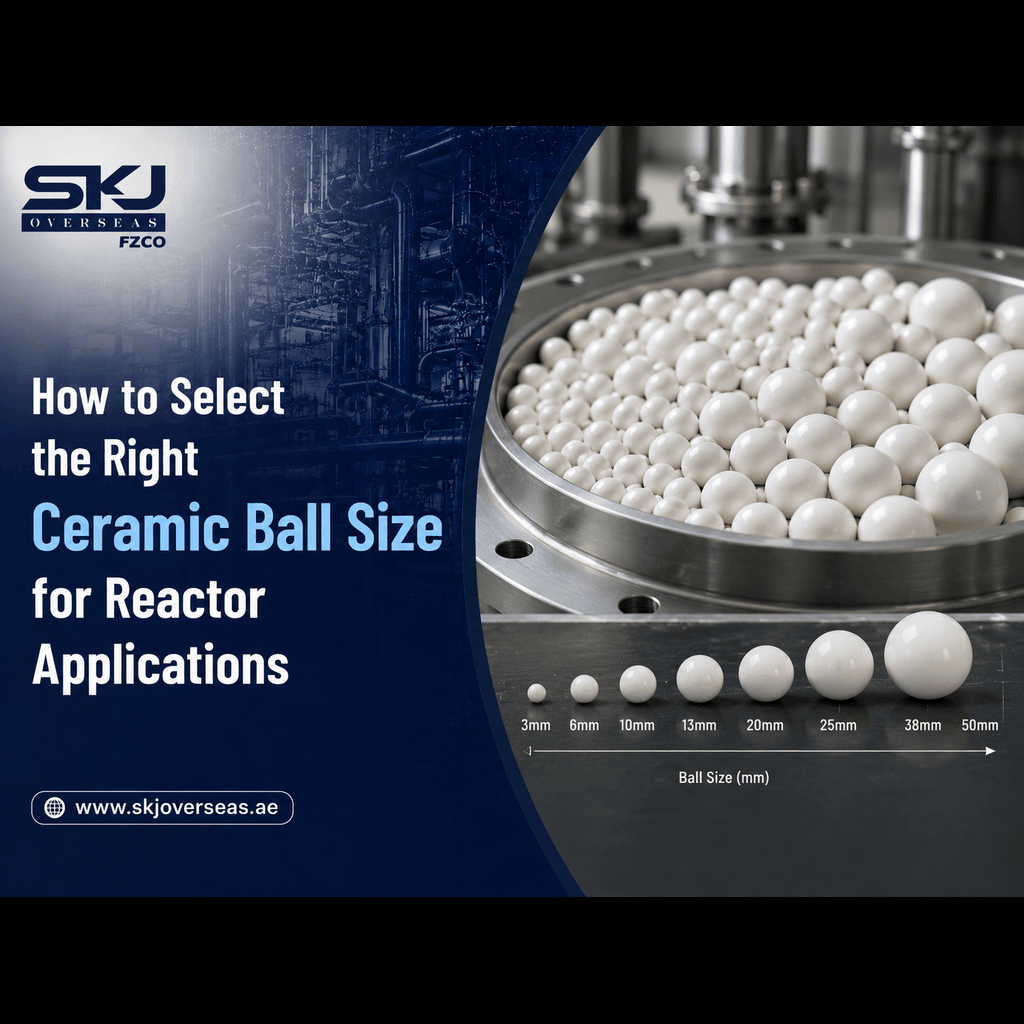
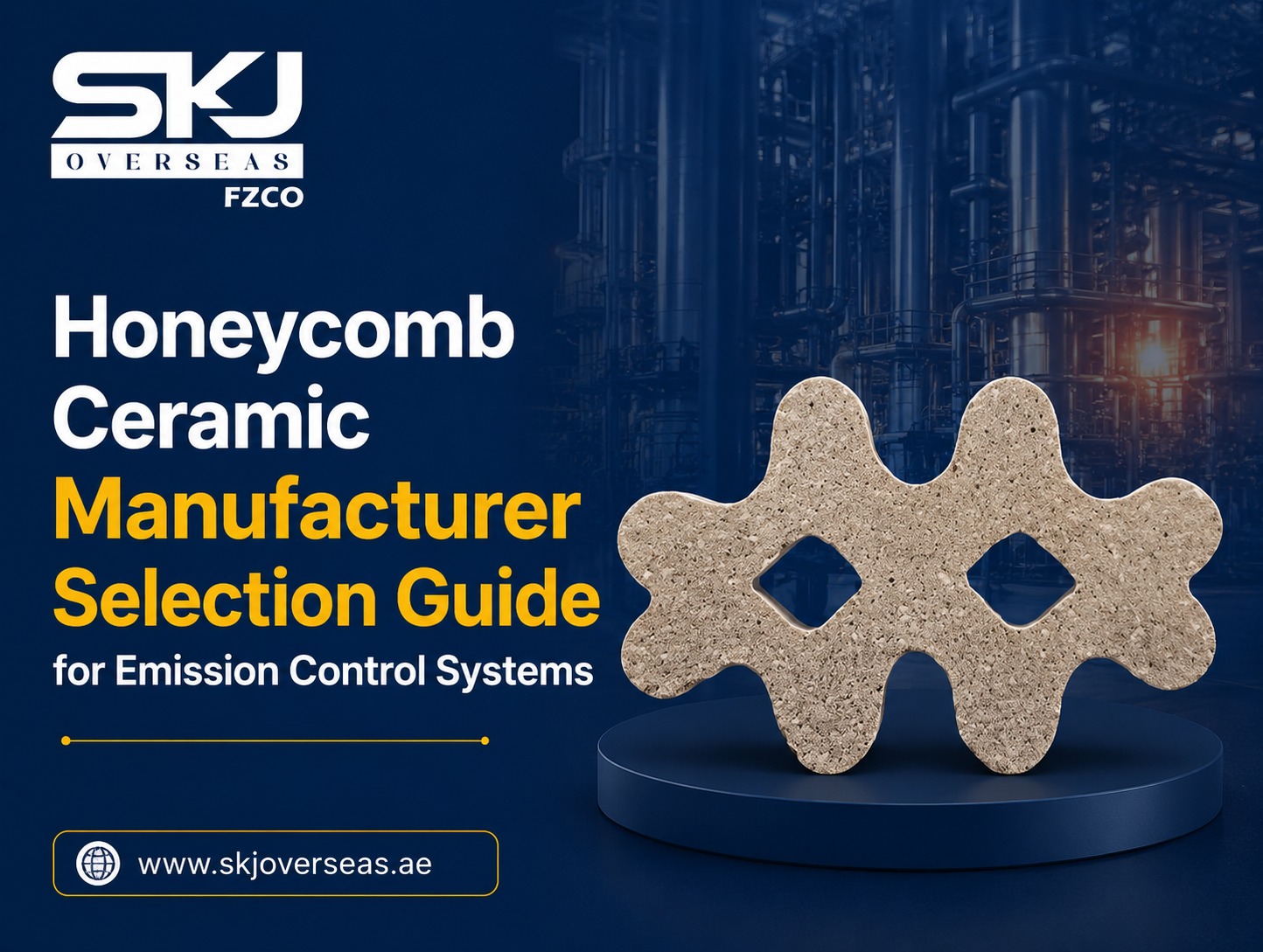
A simple ring shape is cheaper to produce than a partitioned ring or a super intalox saddle, because complex geometry demands tighter mold tolerances and more finishing work. Larger sizes also use more raw material per piece, which scales the cost upward in a fairly predictable way.
3. Manufacturing Precision and Quality Control
Not every factory holds the same tolerance standards. A supplier running strict dimensional checks and consistent firing cycles will price slightly higher than one cutting corners on quality control, but that difference usually shows up later as reduced packing life and higher replacement frequency.
- Consistent wall thickness across every unit
- Uniform void percentage for predictable flow
- Batch testing before shipment
These checks add cost upfront but reduce total lifecycle spend, which matters more than the invoice number alone.
4. Order Volume
Bulk orders bring down the per-unit price because production runs become more efficient and shipping costs get distributed across more units. A one-off small order almost always carries a higher unit cost than a full container purchase, even from the same ceramic ring manufacturers.
5. Shipping and Delivery Terms
FOB pricing covers goods only to the port of loading, while CIF includes freight and insurance to your destination. Buyers who compare an FOB quote from one supplier against a CIF quote from another are not actually comparing prices at all, just two different halves of the total cost.
A Quick Cost Comparison Snapshot
| Factor | Lower Cost Option | Higher Cost Option |
| Material | Standard porcelain | High alumina ceramic |
| Shape | Simple ring or saddle | Partitioned ring, super intalox |
| Order size | Small trial order | Full container bulk order |
| Shipping term | FOB | CIF |
| Quality control | Basic inspection | Batch testing, tight tolerances |
Common Pricing Mistakes Buyers Make
Skipping the material grade in a quote request is the single biggest reason buyers get inaccurate numbers back. A close second is comparing prices across suppliers without confirming shipping terms match, which makes a cheaper-looking quote actually more expensive once freight is added. Some buyers also assume packing life does not affect cost, when a slightly pricier, higher grade product often needs replacing far less often, which lowers the real cost per year of operation.
How to Get an Accurate Price Estimate
Before reaching out to any PP Pall Ring Manufacturer or ceramic packing supplier, have these details ready.
- Exact product type and dimensions in millimeters
- Required material grade based on your process conditions
- Total quantity needed, in cubic meters or unit count
- Preferred shipping term, FOB or CIF
- Application details, including temperature and chemical exposure
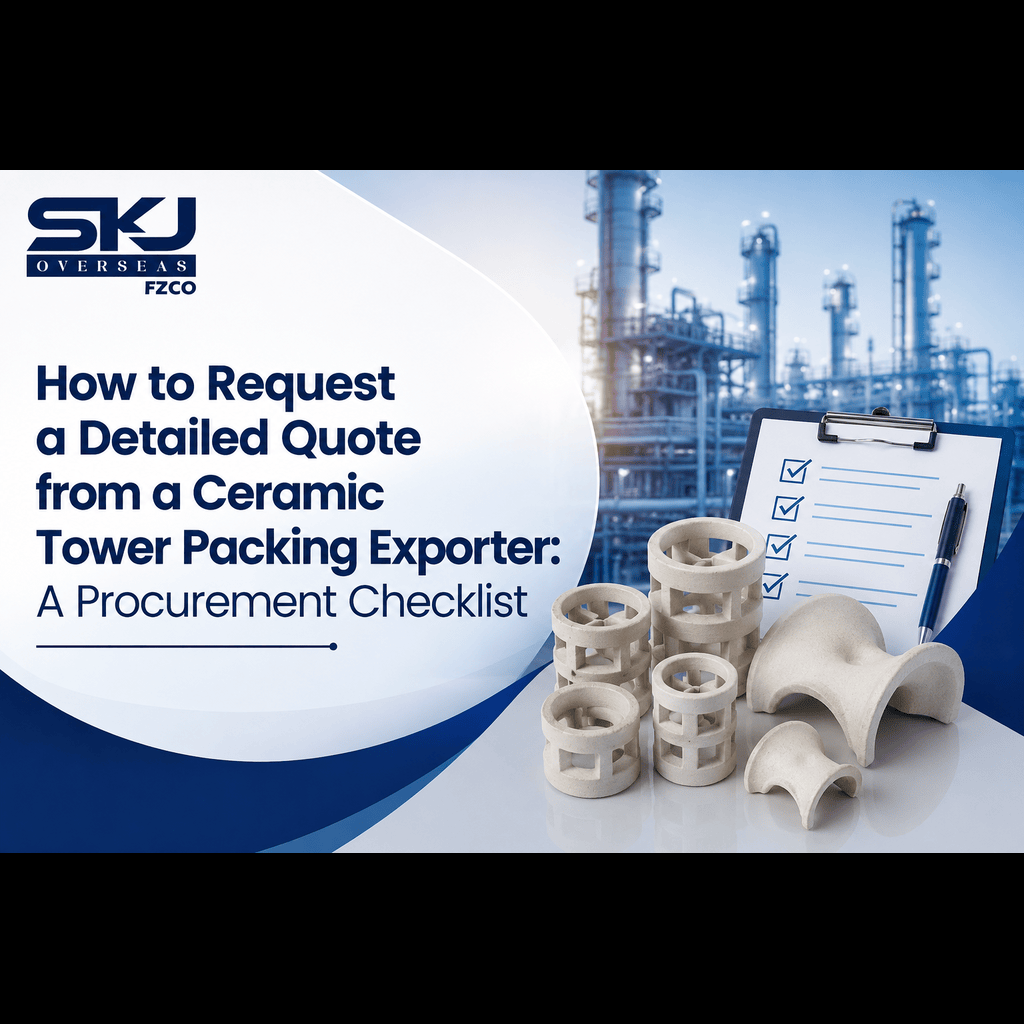
Sending all five upfront usually gets you a firm number within a day or two instead of a week of back and forth. Our guide on requesting a detailed quote from a ceramic tower packing exporter walks through this process step by step.
At SKJ Overseas, we find that buyers who understand these five factors before requesting pricing end up with quotes that actually match their budget expectations, rather than getting surprised by a number that seems high without context.
Frequently Asked Questions
1. Why is ceramic packing more expensive than plastic packing?
Ceramic offers better chemical resistance and higher temperature tolerance, which raises material and firing costs compared to molded plastic alternatives like PP pall rings.
2. Does a higher price always mean better quality?
Not always, but it usually reflects tighter manufacturing tolerances or a higher grade material, both of which affect how long the packing lasts in service.
3. How much does ceramic tower packing cost per cubic meter?
Cost varies widely based on grade, shape, and order volume, which is why getting a quote with your exact specifications gives a far more accurate number than a general price range.
4. Is it cheaper to buy in bulk from a ceramic packing manufacturer?
Yes, larger orders typically reduce the per-unit price because production and shipping costs are spread across more units.
5. What is the difference between FOB and CIF pricing for tower packing?
FOB only covers cost up to the loading port, while CIF includes freight and insurance to your destination, so always confirm which one you are comparing.
Get a Price Estimate Built Around Your Specs
Understanding what drives cost is only half the picture. The real clarity comes once you get a quote built around your exact specifications instead of a generic price range that may not apply to your process at all.
If you are planning a new installation or a replacement cycle, here is how to move forward.
- Share your product type and size – saddles, rings, or pall rings, with dimensions in millimeters
- Confirm your material grade – based on your process temperature and chemical exposure
- Tell us your quantity – so we can price it accurately, whether it is a trial order or a full container
- Let us know your timeline – especially if you are working against a shutdown or installation date
Send these details across, and our team will get back to you with a firm, detailed quote, not a rough estimate. Reach out today and get pricing that actually reflects what your plant needs.