If you run a distillation, absorption, or stripping column, pressure drop is one number you watch closely. A small rise might not seem urgent, but left unchecked, it slowly eats into throughput, pushes energy costs up, and can eventually force an unplanned shutdown. Understanding why pressure drop climbs in the first place is the first step to keeping your tower running the way it should.
In this article, we break down the common causes behind rising pressure drop in packed towers and the practical steps that help bring it back under control.
What Pressure Drop Actually Tells You
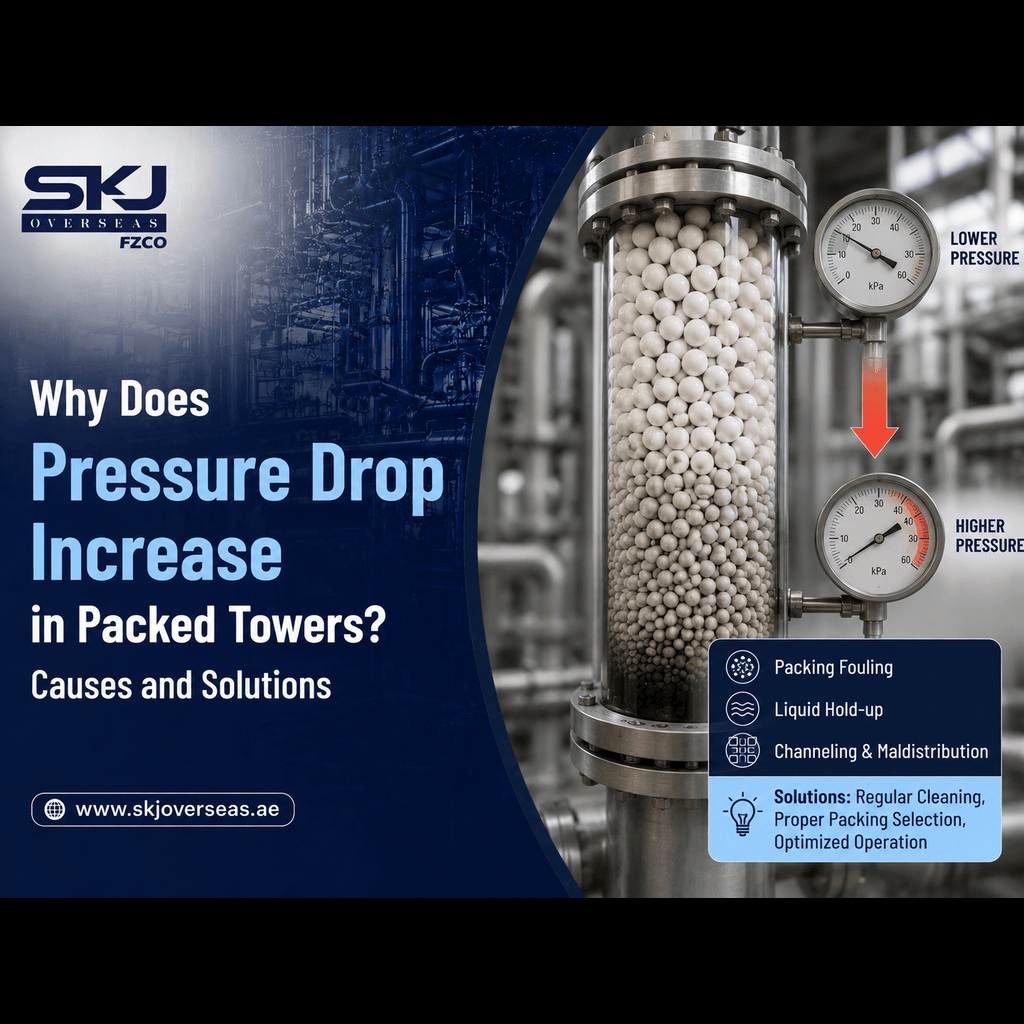
Pressure drop is simply the resistance a gas or vapor faces as it moves up through the packed bed. Some resistance is normal and expected. It becomes a problem when it climbs beyond the design value, because that usually means something inside the tower has changed, and rarely for the better.
A gradual increase points to wear or fouling. A sudden spike usually means something has shifted, cracked, or blocked flow entirely. Either way, it is worth investigating before it turns into a bigger issue.
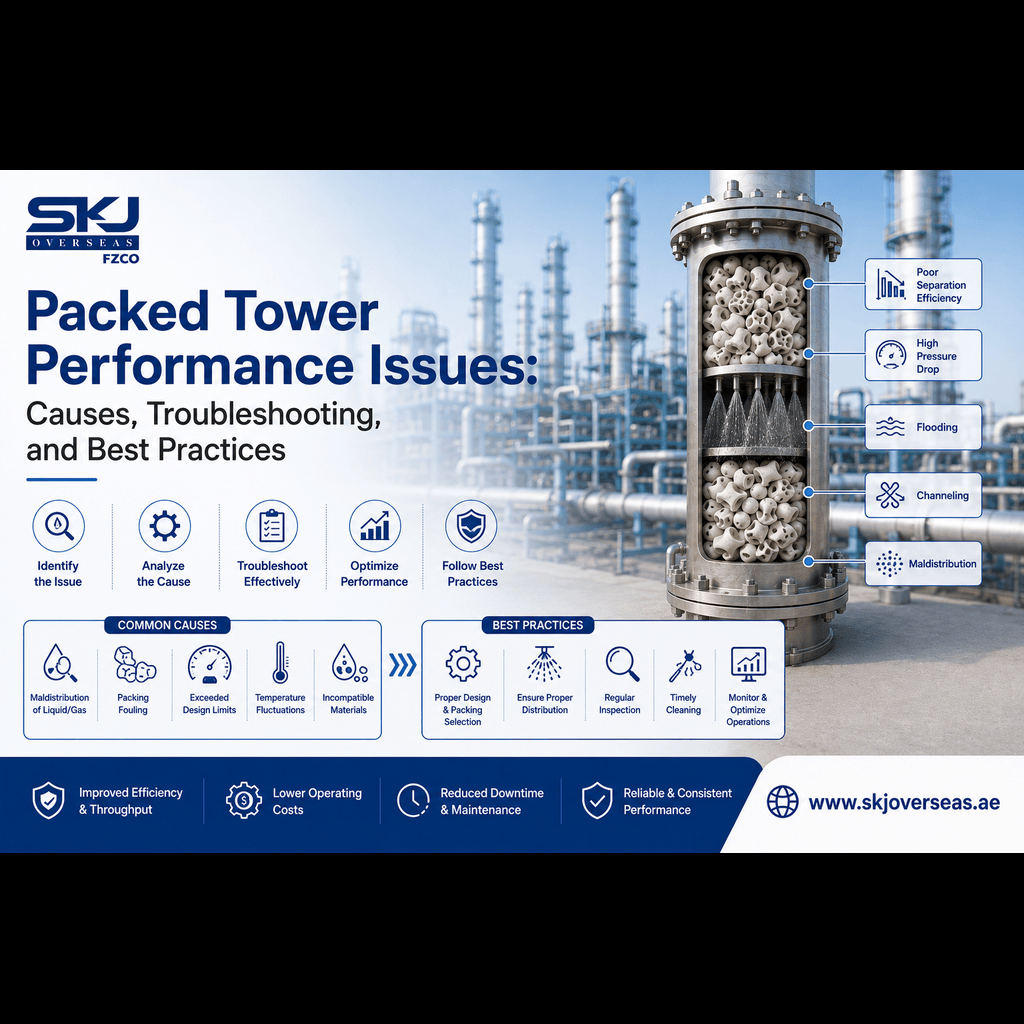
Common Causes of Rising Pressure Drop
Here are the reasons we see most often when plants report climbing pressure drop:
- Fouling and scaling: Solid particles, scale, or polymerized residue build up on the packing surface and narrow the flow path.
- Packing degradation: Cracked, crushed, or eroded packing pieces settle unevenly and create dense spots in the bed.
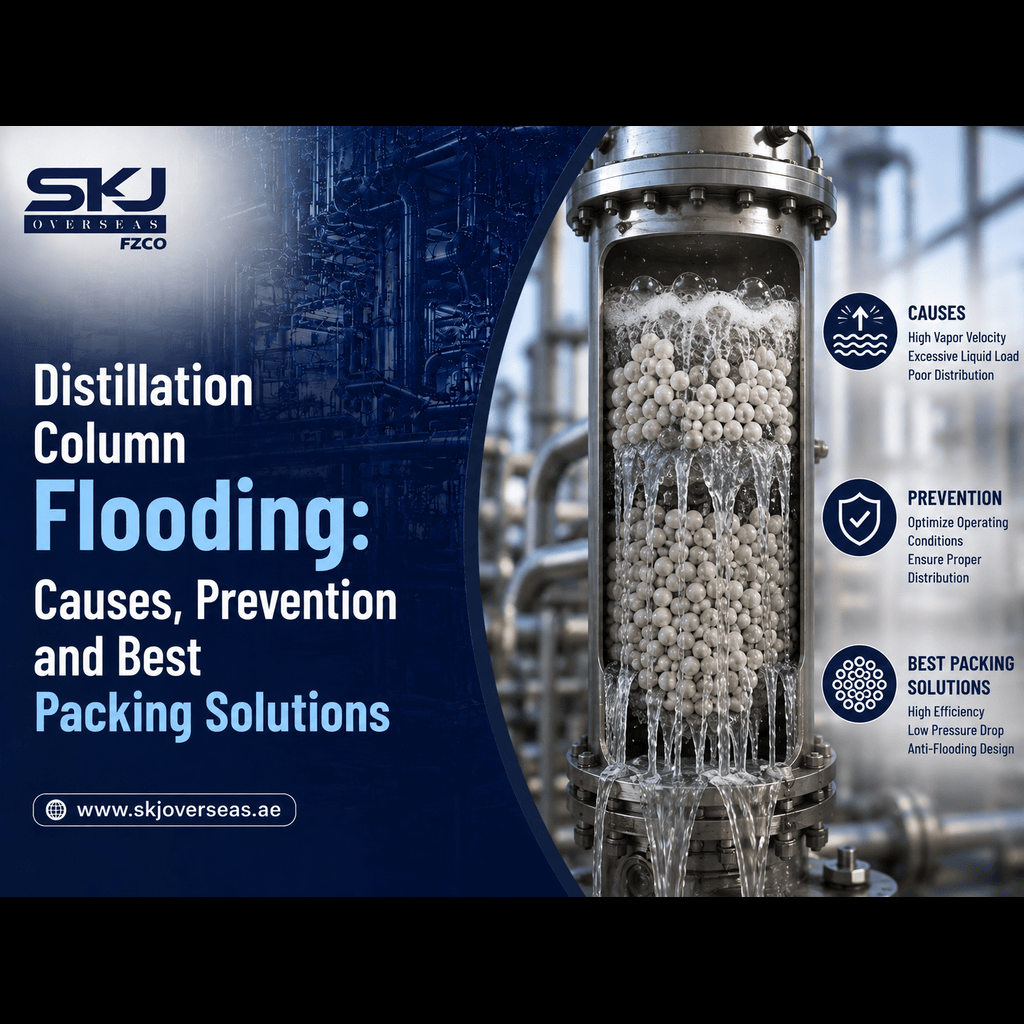
- Liquid flooding: When liquid rate exceeds the packing’s capacity, it backs up in the column and sharply raises resistance.
- Uneven liquid distribution: Poor initial distribution causes some sections of the bed to run wet while others stay dry, creating uneven flow paths.
- Wrong packing type or size for the service: Packing selected without matching the actual vapor and liquid loads often runs at a higher pressure drop than necessary from day one.
Most of these issues do not appear overnight. They build up gradually, which is exactly why routine inspection matters more than reacting after the fact.
Getting the Packing Choice Right From the Start
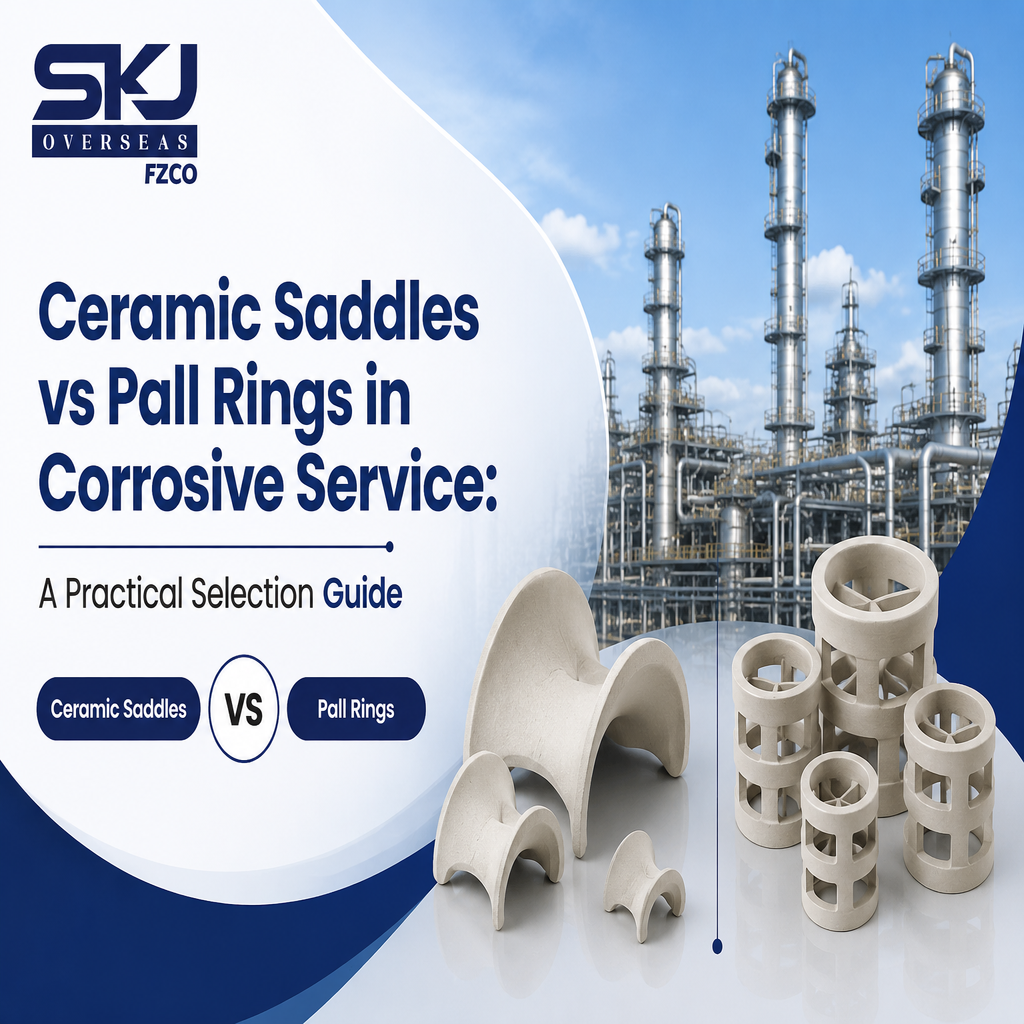
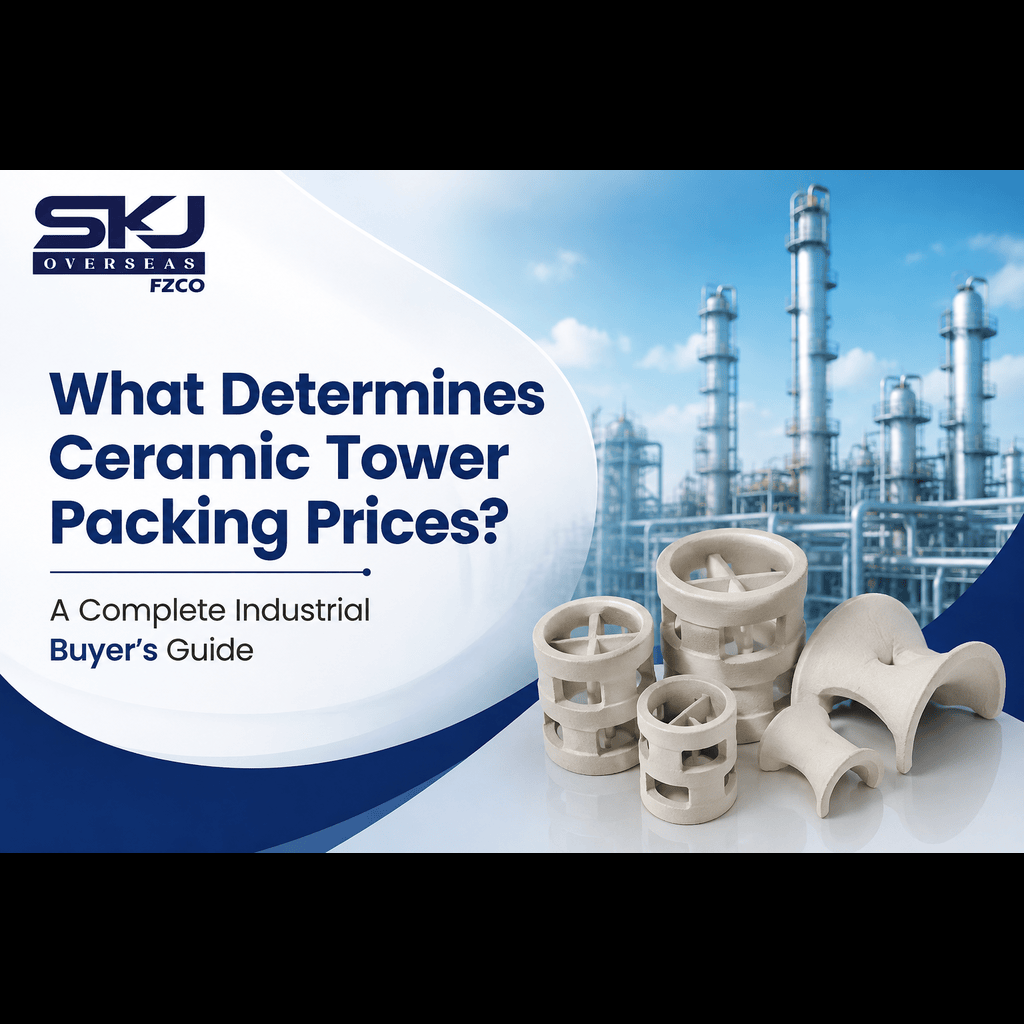
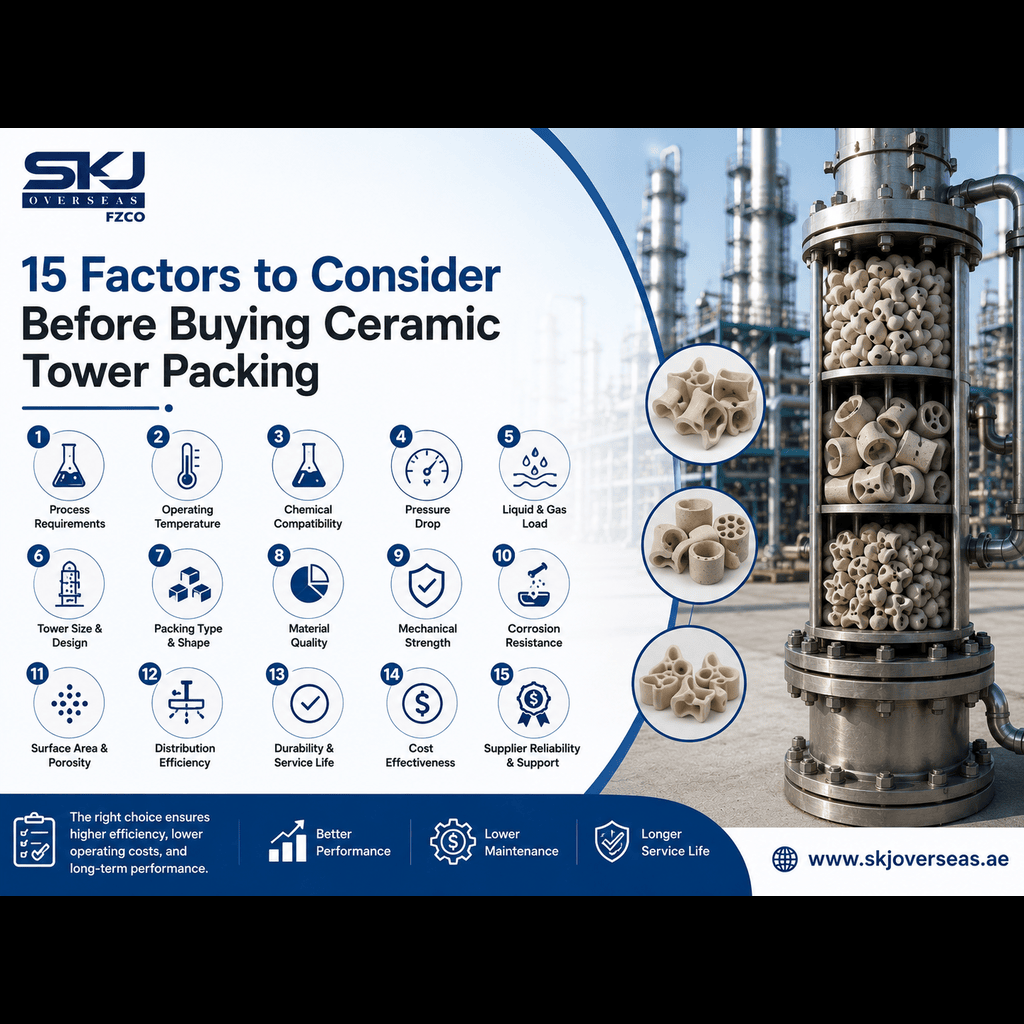
A large part of pressure drop control actually happens before the tower is even loaded, at the packing selection stage. This is where pall rings tower packing often comes into the conversation, since its open, cage-like structure lets vapor and liquid pass through with less resistance than older random packing shapes. That is why it stays a popular choice for distillation and absorption service across fertilizer and petrochemical plants where capacity matters as much as efficiency.
Getting this stage right saves a lot of trouble later. A column loaded with the wrong size or shape of packing will run at a higher pressure drop from day one, no matter how well it is maintained afterward.
Practical Solutions to Bring Pressure Drop Back Down
If pressure drop is already trending upward, these steps usually help:
- Inspect the bed during a scheduled shutdown to check for cracked or crushed packing pieces.
- Clean fouled or scaled sections before they spread further across the bed.
- Check liquid distributors for blockages or misalignment, since uneven distribution is one of the most overlooked causes.
- Confirm the packing size and type still match current operating loads, especially if throughput has increased since installation.
- Replace degraded sections with fresh packing that matches the original specification exactly.
Small, regular checks catch most of these problems early, long before they turn into a full shutdown.
Where Chemical Resistance Comes Into Play
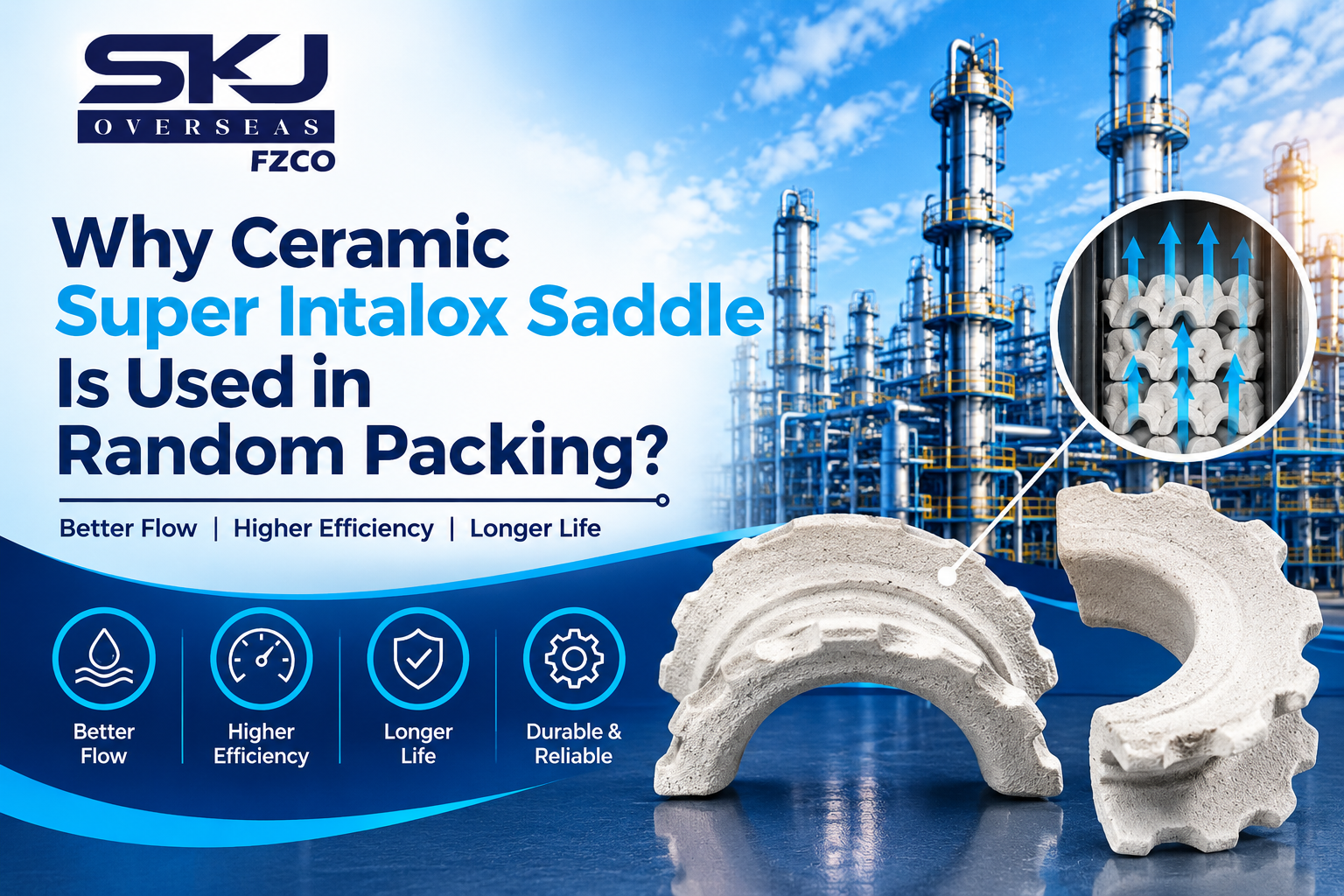
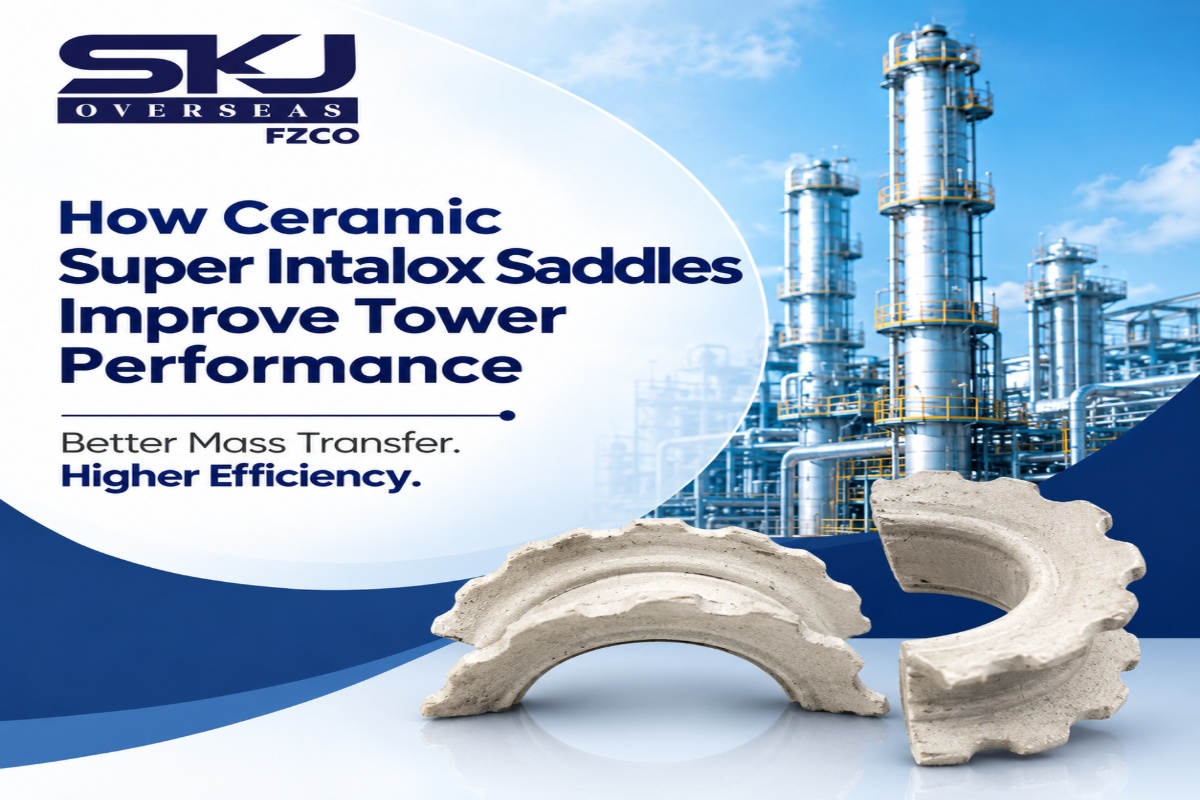
Not every pressure drop issue is about flow rate or fouling. Sometimes the packing material itself starts breaking down under the process conditions, and that is where ceramic saddles tower packing tends to hold up better than other options. Their curved shape spreads liquid more evenly across the bed, which helps prevent the channeling that leads to localized flooding and pressure spikes, while also resisting the corrosion that eats away at weaker materials over time.
If you want a closer look at how this shape performs in real plant conditions, our article on why ceramic saddles are the top choice for UAE’s chemical towers covers it in more detail. Choosing between pall rings and ceramic saddles usually comes down to the chemical environment, temperature range, and how much capacity the tower needs to handle.
Why Sourcing Quality Packing Matters
A lot of pressure drop problems trace back to inconsistent packing quality rather than the design itself. Dimensional variation between batches, thinner walls than specified, or inconsistent firing in ceramic pieces can all push pressure drop higher than expected, even when the packing type itself was the right choice.
This is why working with an established pall rings manufacturer matters as much as the packing design. Consistent wall thickness, accurate sizing, and proper material grade keep every batch performing the way it was engineered to, instead of introducing small variations that add up across the bed.
At SKJ Overseas, we supply packing manufactured to strict quality checks at every stage, so plants get consistent performance batch after batch rather than surprises mid-cycle.
Frequently Asked Question’s
1. What is a normal pressure drop for a packed tower?
It depends on the packing type, size, and design flow rates, but every column has a design pressure drop specified by the engineer. Anything consistently above that value needs investigation.
2. Can pressure drop increase without any visible damage to the packing?
Yes. Fouling, scaling, and uneven liquid distribution can raise pressure drop even when the packing itself looks intact.
3. How often should packed towers be inspected for pressure drop issues?
Most plants check pressure drop readings continuously through instrumentation, but a physical bed inspection during scheduled maintenance windows is recommended at least once a year, or sooner if readings drift.
4. Is ceramic packing better than pall rings for high pressure drop control?
It depends on the process. Ceramic saddles handle higher temperatures and aggressive chemicals well, while pall rings often offer lower pressure drop at high vapor loads in less corrosive services.
5. Does replacing damaged packing always fix rising pressure drop?
Usually, yes, if degraded packing was the main cause. But if the root issue is flooding or poor distribution, replacing packing alone will not solve it long term.
Final Thoughts
Rising pressure drop is rarely a sudden problem. It builds up from fouling, wear, or a mismatch between the packing and the process conditions. Catching it early through regular checks, and sourcing reliable packing from the start, keeps your tower running efficiently for years instead of months.
If your column’s pressure drop has been climbing and you are not sure why, our team can help you figure out whether it is a packing issue, a distribution problem, or something else entirely. Contact us today, or explore our full range of pall rings and ceramic saddles built for reliable, predictable performance.