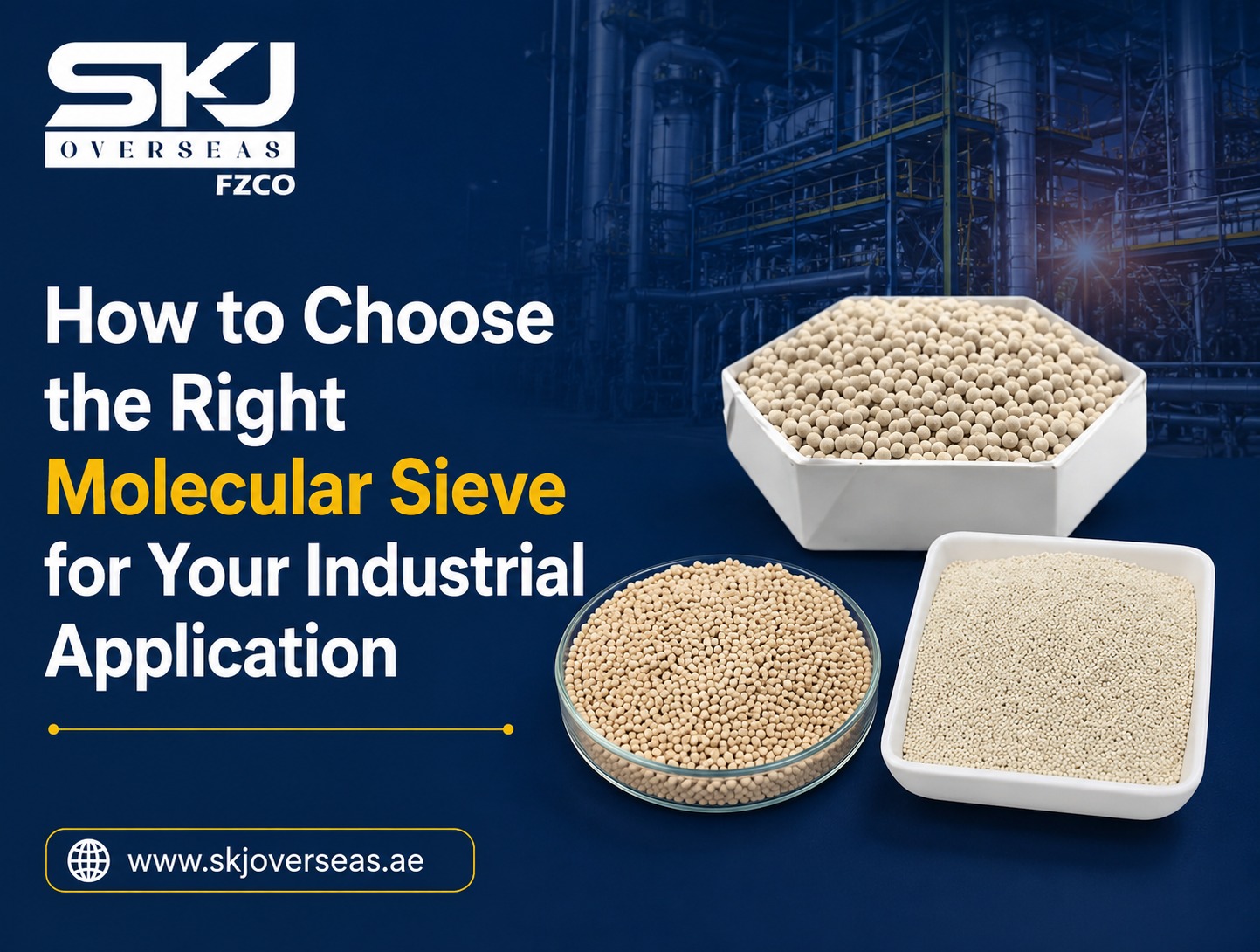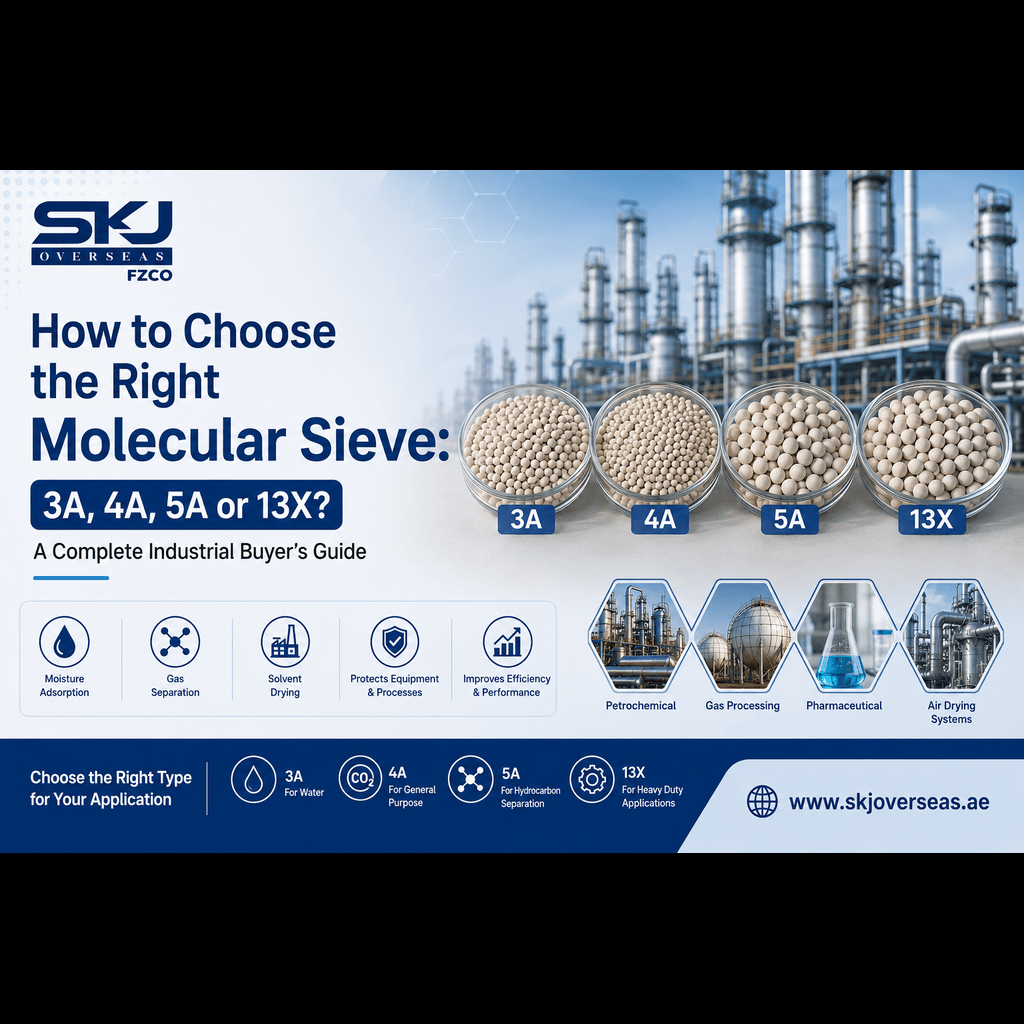
If you have ever stared at a datasheet trying to decide between 3A, 4A, 5A, and 13X molecular sieve grades, you already know the problem. They all look similar on paper, they all remove moisture, and yet picking the wrong one can quietly hurt your process for months before anyone notices why yields are off or why a dehydration unit isn’t performing the way it should.
The difference comes down to pore size, and pore size decides exactly what gets adsorbed and what gets left behind. Get that match right, and your drying or purification system runs efficiently for years. Get it wrong, and you end up replacing sieve material far sooner than expected, or worse, contaminating a downstream process.
This guide breaks down each grade in plain terms, so you can match the right sieve to your actual application instead of guessing from a spec sheet.
Why Pore Size Is the Only Number That Really Matters
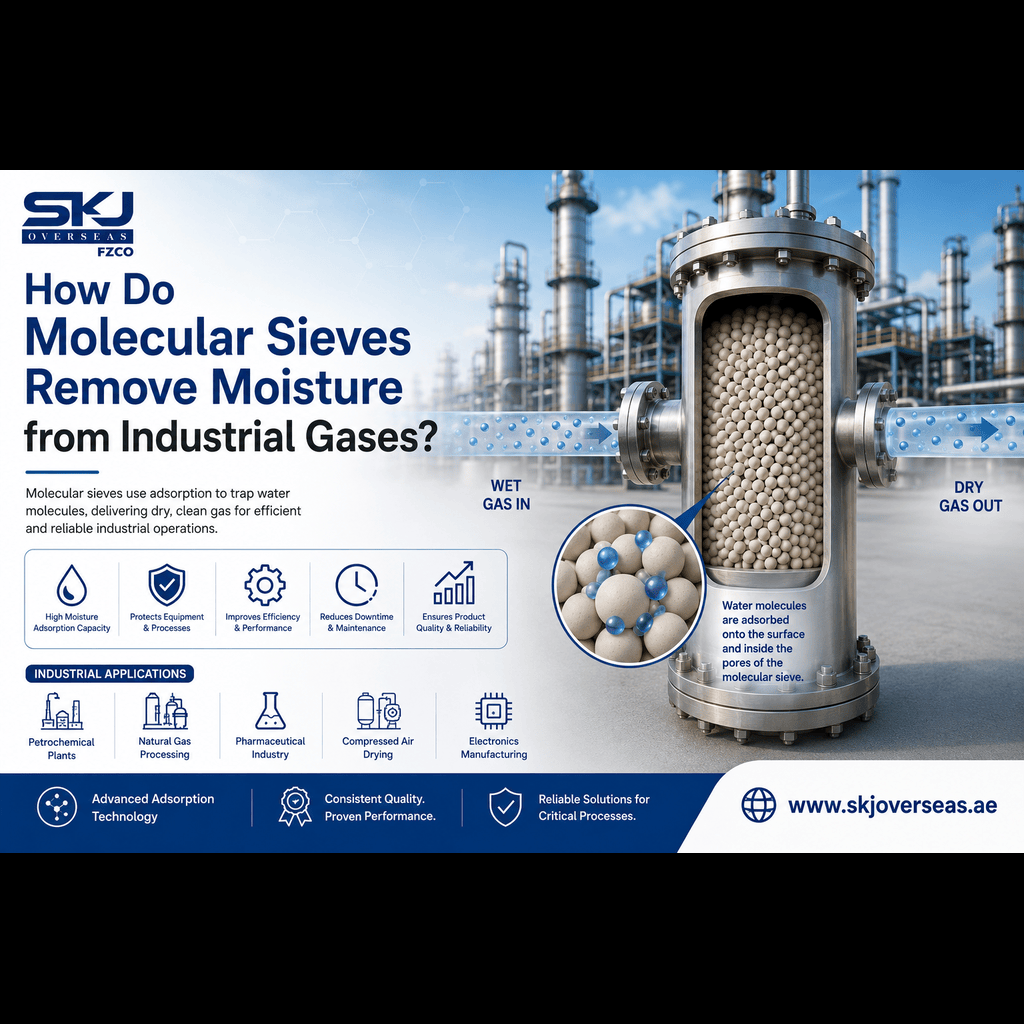
Every molecular sieve grade is defined by the diameter of its pores, measured in angstroms. That single number decides which molecules can enter and get trapped, and which ones pass straight through. Water is small enough to enter almost every grade, which is why sieves work so well for dehydration, but larger molecules need bigger pores to be captured or excluded correctly.
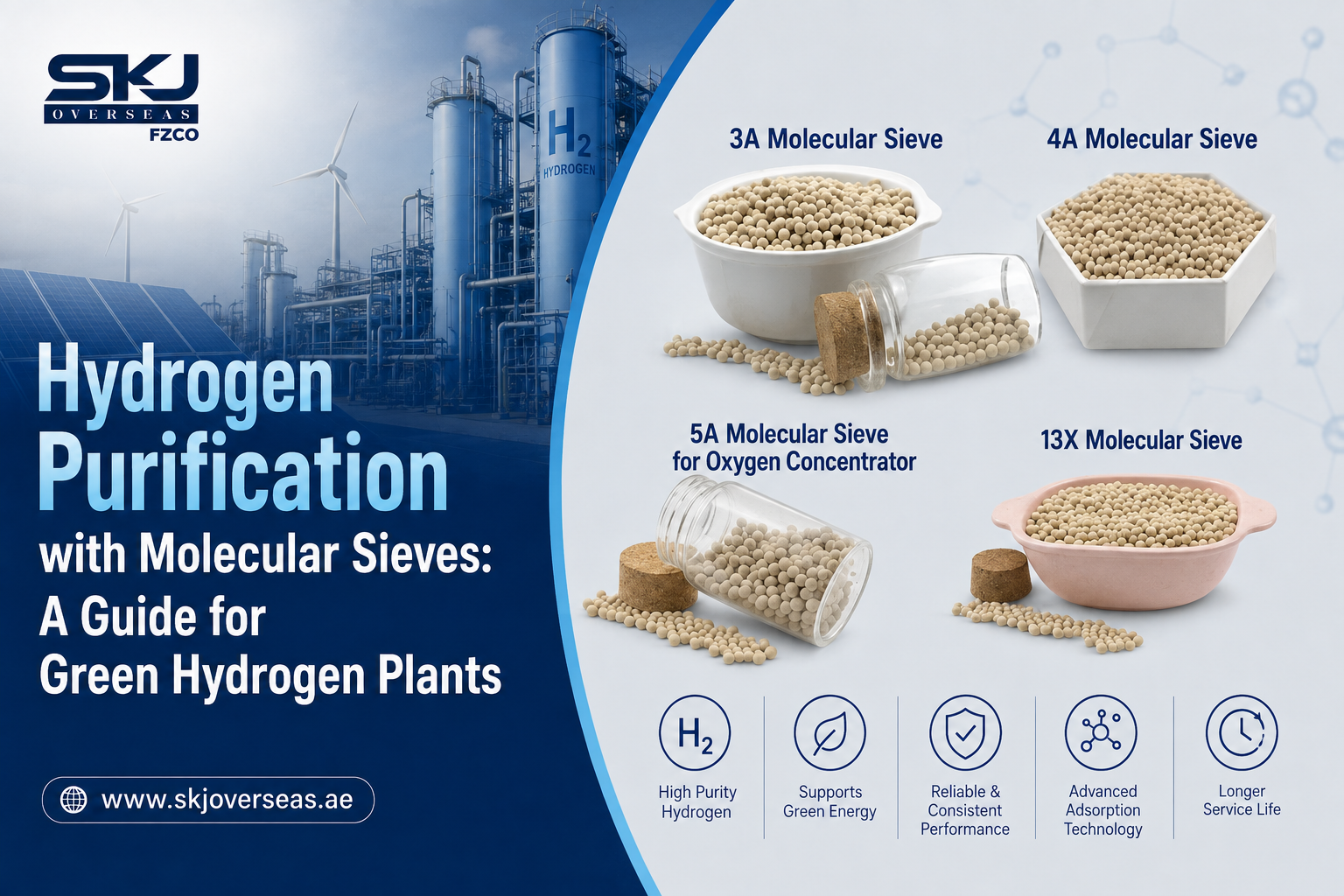
Here is a quick breakdown of where each grade typically fits:
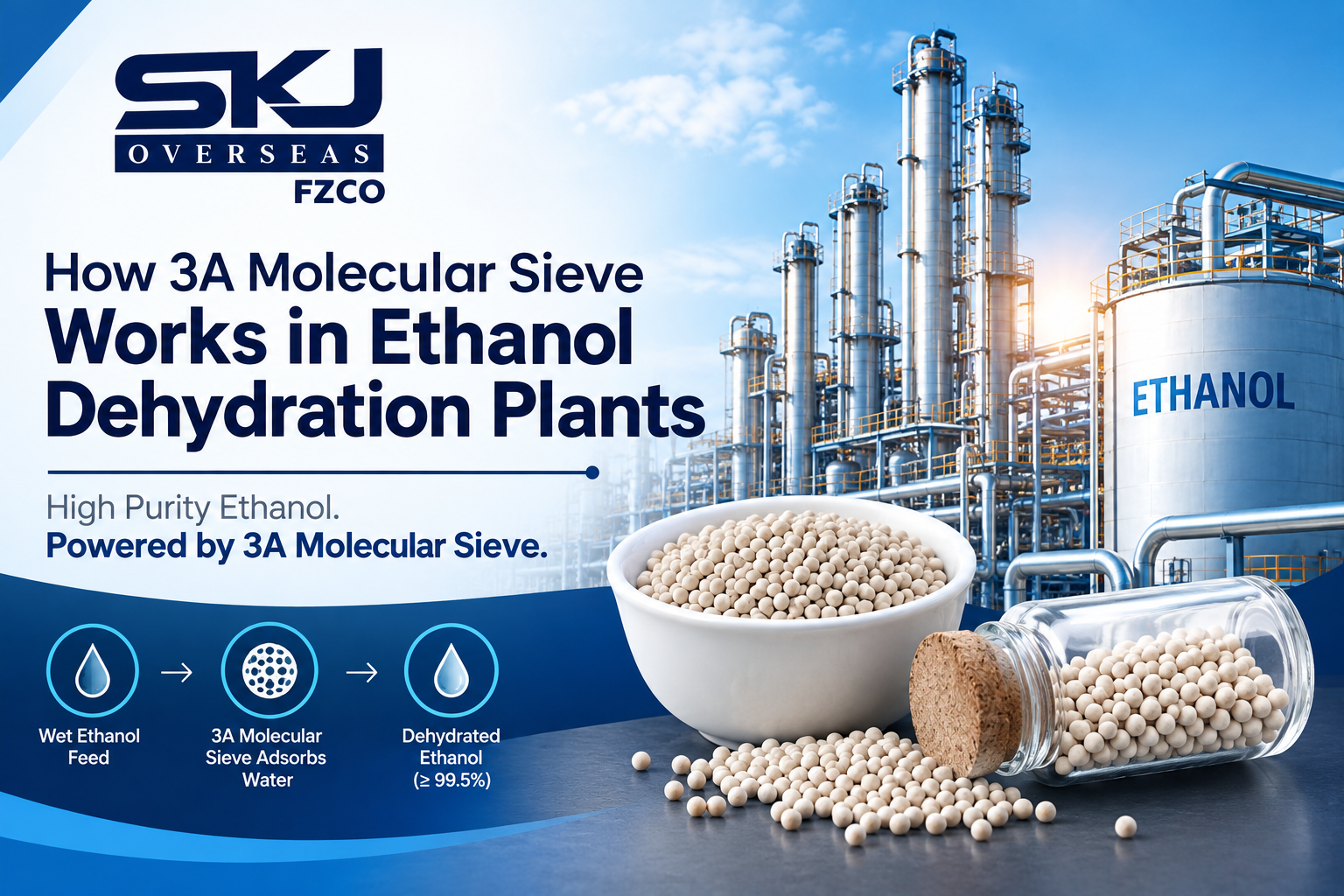
- 3A: Around 3 angstroms, ideal for drying ethanol, unsaturated hydrocarbons, and cracked gas streams where you need to remove water without touching the other molecules present.
- 4A: Around 4 angstroms, the most widely used general-purpose grade for drying air, natural gas, and refrigerants.
- 5A: Slightly larger pores, commonly used for separating straight-chain hydrocarbons from branched or cyclic ones, and in pressure swing adsorption.
- 13X: The largest common pore size, used for removing carbon dioxide, hydrogen sulfide, and moisture together, often in air separation and gas sweetening.
Matching the Grade to Your Actual Process
Rather than picking based on what a supplier has in stock, it helps to work backward from what you are actually trying to remove or protect.
- If your process involves ethanol or methanol drying, 3A is usually the safer choice, since larger pore grades can adsorb the solvent along with the water.
- For general air or natural gas dehydration without solvent sensitivity, 4A tends to be the most cost-effective option.
- If your application needs hydrocarbon separation alongside moisture removal, 5A often does both jobs in one step.
- For acid gas removal such as CO2 or H2S alongside dehydration, 13X is typically the grade built for that combined load.
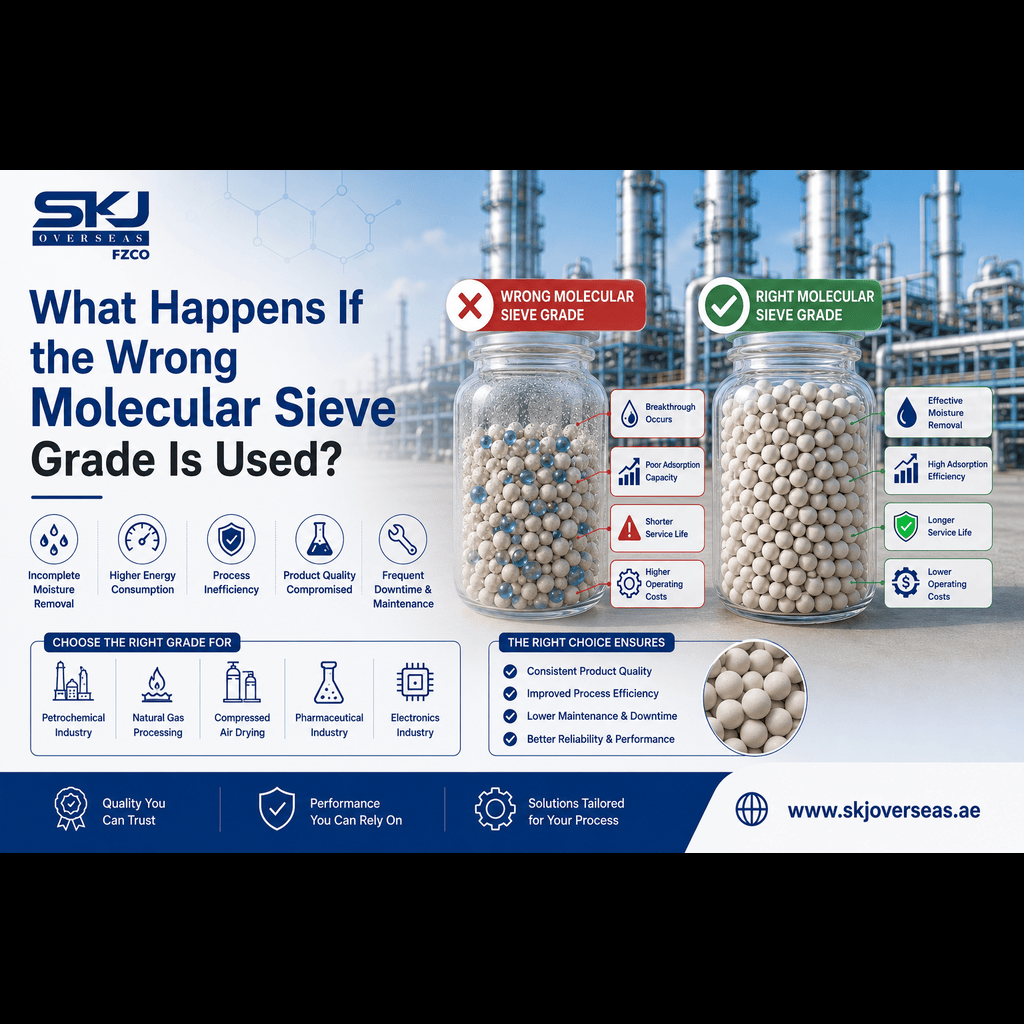
Getting this decision right the first time avoids a common and costly mistake, which is installing a sieve that technically dries the stream but interferes with something else along the way.
Why the 13X Grade Deserves Extra Attention
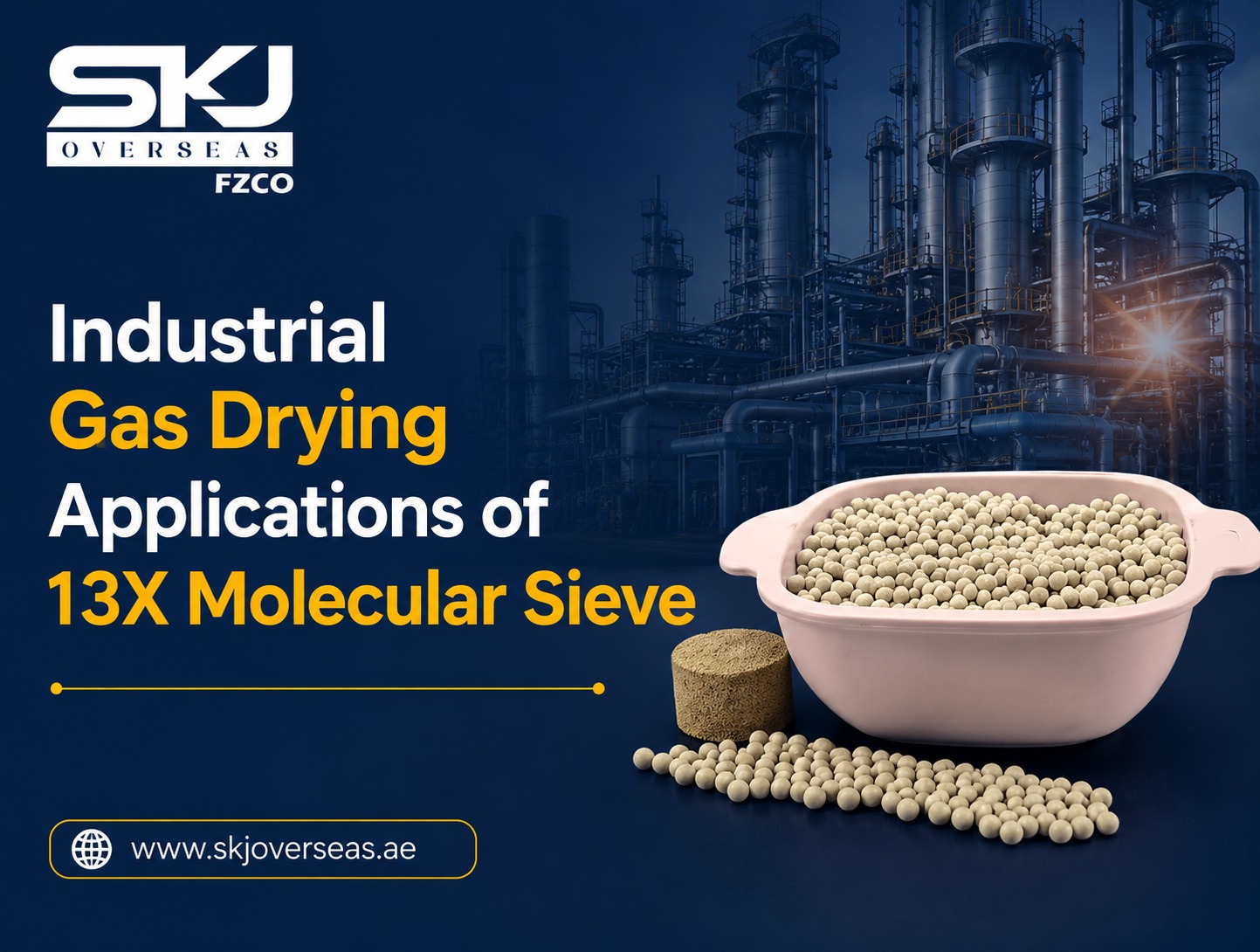
Among the four grades, 13X tends to get the most questions, mainly because it is asked to do more than just dry a stream. Its larger pore structure makes it effective for both moisture removal and acid gas adsorption, which is why it shows up so often in air separation units and natural gas sweetening systems.
That versatility also means quality matters more here than with simpler grades. Working with experienced 13X molecular sieve manufacturers ensures the pellet strength and pore consistency hold up under the repeated regeneration cycles these systems demand, since a sieve that breaks down structurally loses adsorption capacity far faster than the spec sheet suggests.
What Happens When Solvent-Sensitive Applications Get the Wrong Grade
It is worth pausing on why the smaller pore grades matter so much in specific applications, since this is where mismatches cause the most damage. When a process involves drying ethanol, methanol, or unsaturated hydrocarbons, any pore size larger than needed will adsorb the product itself along with the water, quietly wasting capacity and even altering the composition of the stream being dried.
This is exactly why solvent recovery units and hydrocarbon drying systems stick closely to the smaller pore grades rather than defaulting to a general-purpose one. The margin for error here is smaller than it looks on a spec sheet, and getting the pore size right the first time avoids a costly correction later.
Why Batch Consistency Matters as Much as Grade Selection
Even with the right grade selected, performance still depends heavily on batch consistency. Two shipments of the same grade can behave differently in your system if crush strength, moisture content, or pellet uniformity varies between deliveries, and that variation is often harder to trace back than people expect.
This is where the relationship with your 3A molecular sieve suppliers starts to matter just as much as the grade itself, particularly in chemically sensitive drying applications where any cross-contamination from an inconsistent adsorbent can affect the final product.
Practical Buying Checklist
Before placing an order, it helps to confirm a few details rather than relying on the grade name alone:
- Confirm pore size tolerance, not just the nominal grade
- Ask for crush strength and attrition resistance data
- Check moisture content on arrival, since sieves absorb ambient humidity if stored poorly
- Request batch consistency records for repeat orders
- Clarify regeneration temperature limits for your specific unit design
These checks matter regardless of which grade you are ordering, since a mismatch in any one of them can undercut even a correctly chosen sieve.
Bringing It Together With the Right Supply Partner
Choosing the correct grade only pays off if the supply behind it stays consistent order after order. This is why plants running air separation or gas sweetening units tend to stick with the same 13X molecular sieve suppliers relationship over time, rather than switching vendors based on price alone, since consistent supply keeps regeneration cycles and adsorption capacity predictable across every delivery.
At SKJ Overseas, we supply 3A, 4A, 5A, and 13X molecular sieve grades manufactured to consistent quality standards, so plants get predictable adsorption performance whether they are drying natural gas or separating hydrocarbons. If your application involves hydrocarbon contamination control specifically, our guide on how 3A molecular sieve prevents hydrocarbon contamination covers the technical side in more depth.
FAQs
1. Can I use 4A molecular sieve instead of 3A for drying ethanol?
Not ideally. 4A pores are large enough to adsorb ethanol and methanol along with water, which reduces drying efficiency and wastes sieve capacity on the wrong molecule.
2. Why is 13X used for both moisture and CO2 removal?
Its larger pore size allows it to adsorb both water and acid gas molecules simultaneously, making it efficient for combined dehydration and purification in a single unit.
3. How often does molecular sieve need to be replaced?
This depends on regeneration frequency and process conditions, but well-manufactured sieve typically lasts several years before capacity drops enough to require replacement.
4. Is 5A the same as 4A with a different pore size?
They share a similar base structure, but 5A’s slightly larger pores make it suitable for separating straight-chain hydrocarbons, a task 4A cannot handle as effectively.
5. Does SKJ Overseas supply molecular sieve for custom industrial applications?
Yes, we work with plant teams to match the right grade and specification to their actual process conditions rather than a generic recommendation.
Final Thoughts
Choosing between 3A, 4A, 5A, and 13X comes down to one question: what exactly are you trying to remove, and what can you not afford to lose along with it. Match the pore size to your actual process, source from a supplier who keeps batches consistent, and your drying or purification system will run the way it was designed to for years.
If you are unsure which grade fits your application, contact our team at SKJ Overseas. We will help you match the right molecular sieve to your exact process conditions.