An unplanned shutdown in a chemical or petrochemical plant rarely comes down to one big failure. More often, it starts small: a packing bed that’s degrading faster than expected, uneven flow distribution, or media that’s cracked under thermal stress and started clogging the column. By the time it shows up on a maintenance report, it’s already cost you hours of production and a chunk of your budget.
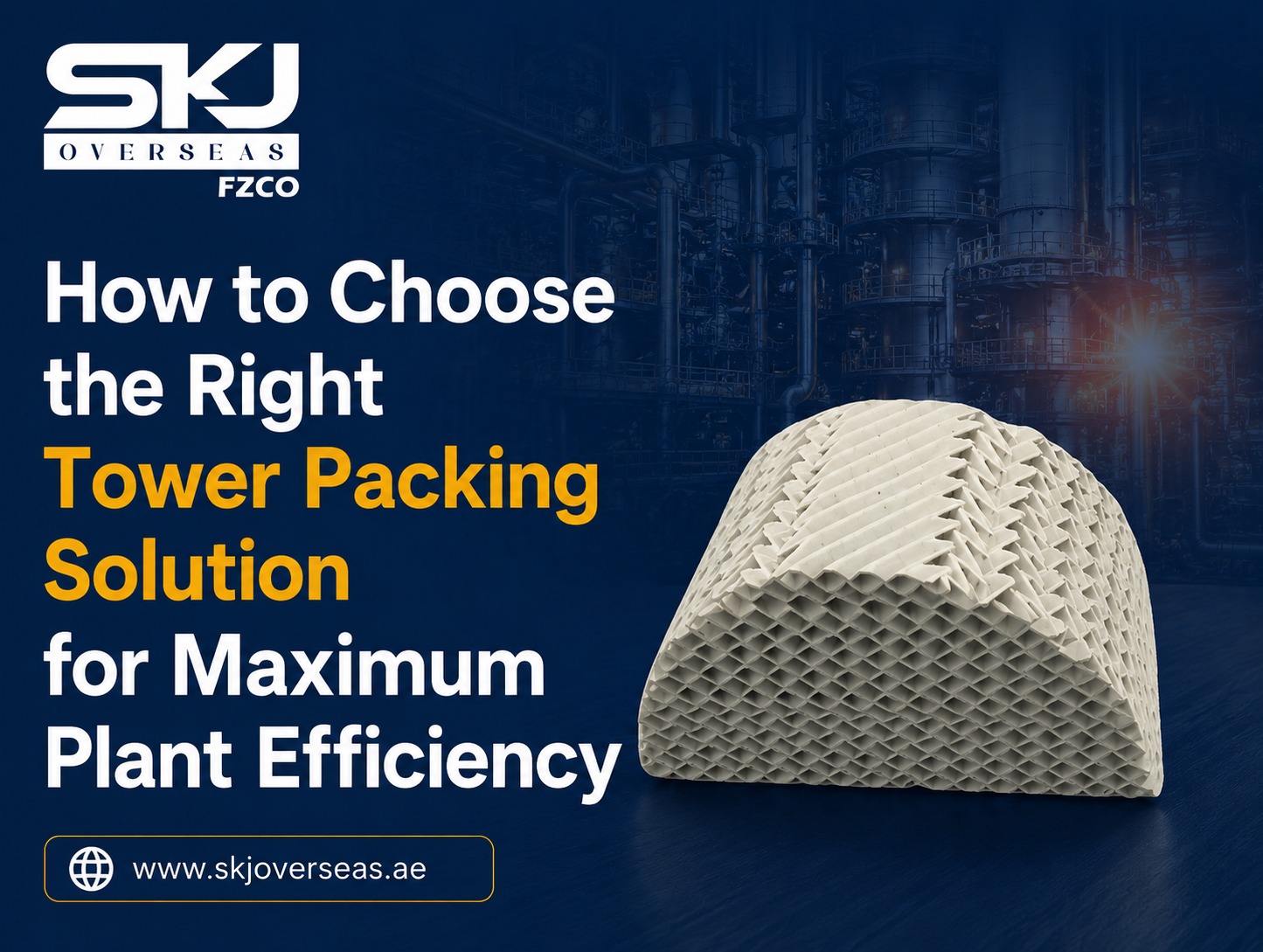
We work with plant engineers and procurement teams across the fertilizer, petrochemical, and pharmaceutical sectors, and the pattern is consistent. Towers that run reliably almost always come down to one thing done right early on: the quality of the packing media inside selected from a trusted ceramic supplier with proven expertise in industrial process applications. At SKJ Overseas, we focus on delivering dependable ceramic solutions that support efficient operation and long-term reliability. Here’s why the quality of tower packing matters as much as it does.
Why Packing Quality Directly Affects Downtime
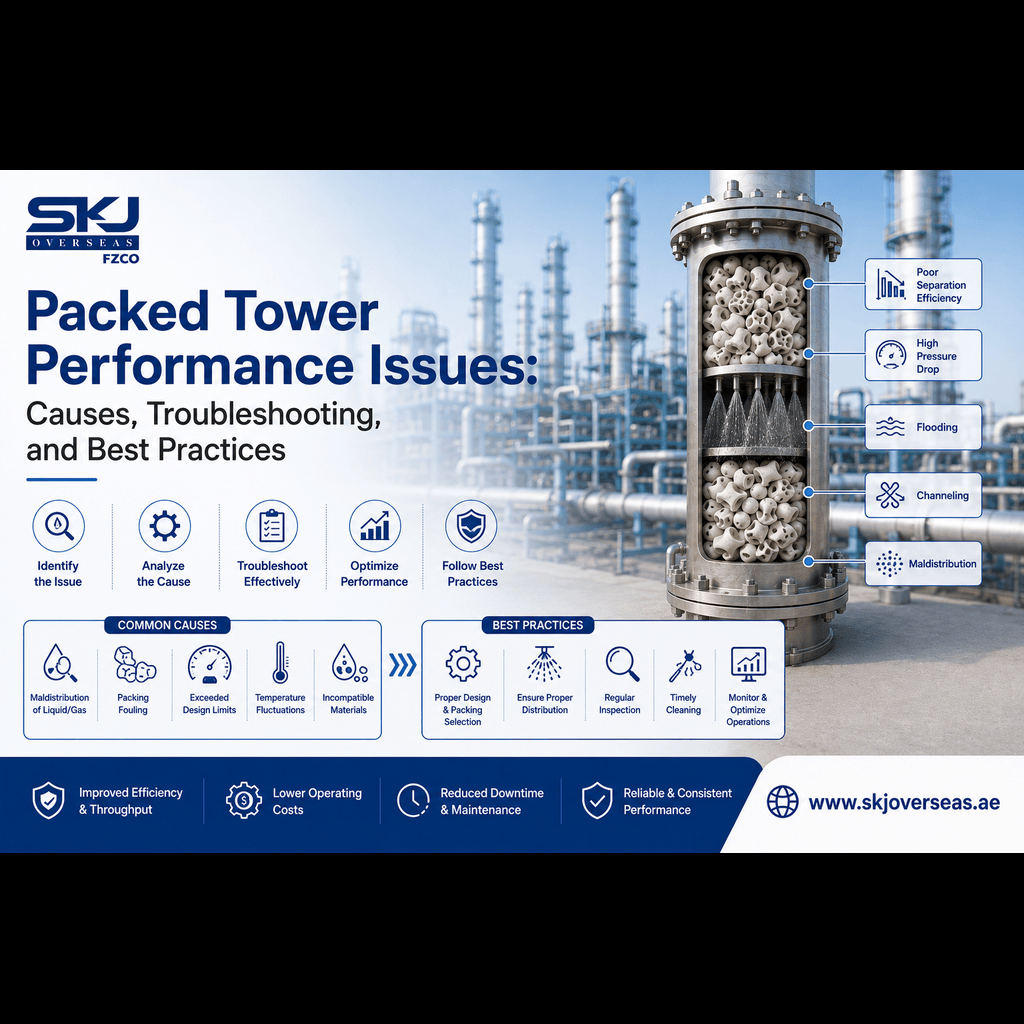
Tower internals take a beating. Constant exposure to heat, pressure, corrosive chemicals, and mechanical stress from process flow wears down anything that isn’t built for it. Cheaper or inconsistent packing tends to fail in a few predictable ways:
- Cracking or crumbling under thermal cycling, leading to blockages
- Uneven surface area distribution, which reduces separation efficiency over time
- Corrosion from aggressive media, weakening structural integrity
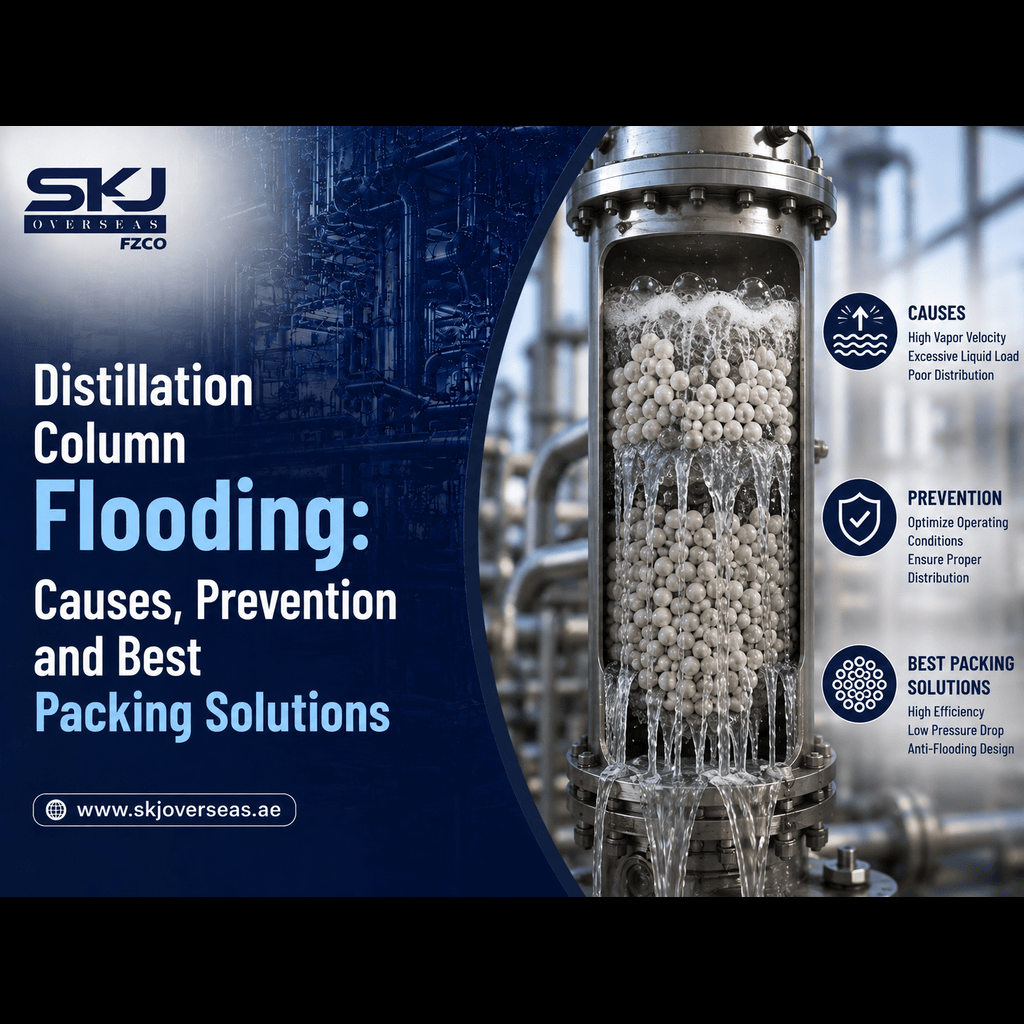
- Inconsistent sizing, which creates channeling and dead zones in the bed
Each of these problems eventually forces a shutdown, whether planned or not, and replacing degraded packing mid-cycle is far more disruptive than getting it right during the original installation.
What Reliable Ceramic Packing Actually Prevents
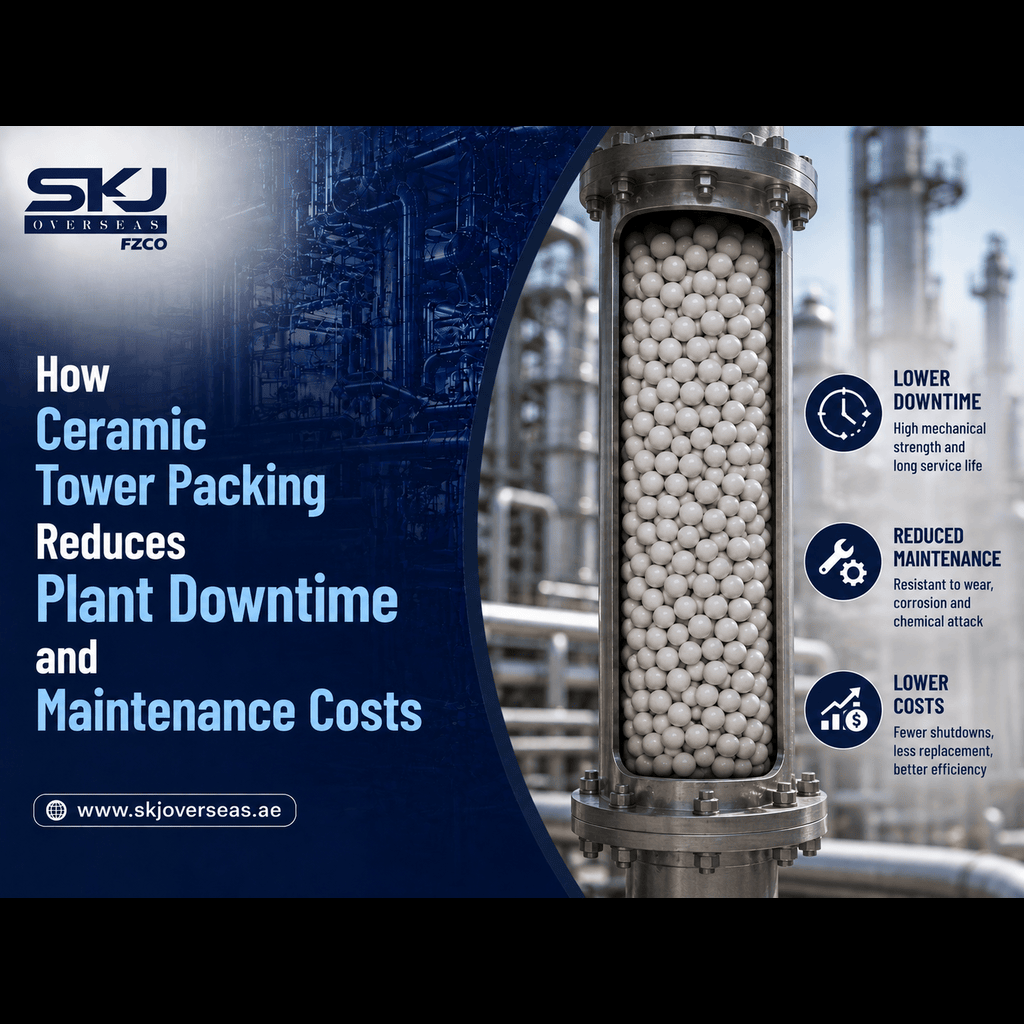
Good ceramic packing doesn’t eliminate wear entirely, nothing does, but it slows it down significantly and keeps performance predictable. That predictability is what actually saves money, since maintenance teams can plan around it instead of reacting to surprises.
A few things solid ceramic media consistently delivers:
- Better resistance to thermal shock and chemical corrosion
- More consistent surface area, which keeps separation efficiency stable
- Longer service life before replacement is needed
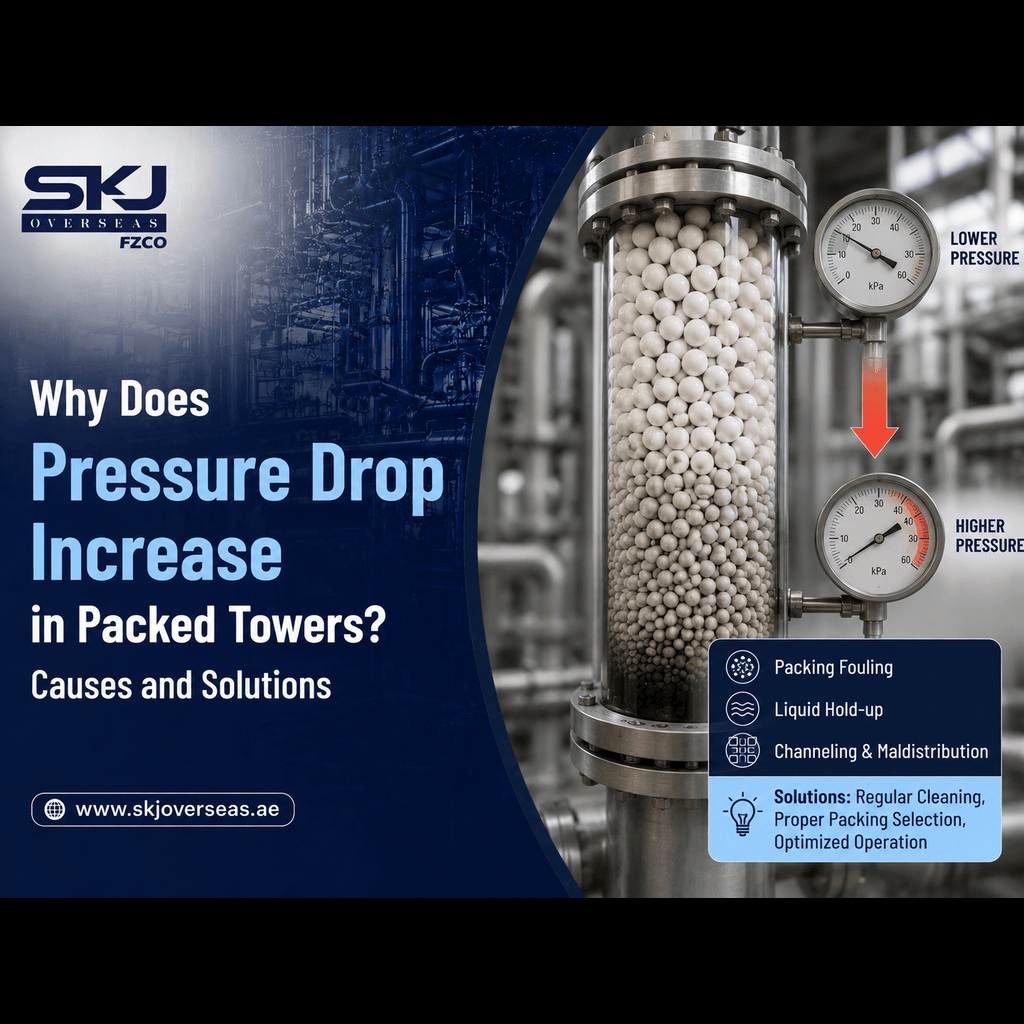
- Lower pressure drop across the bed, reducing strain on associated equipment
When packing performs consistently, your maintenance schedule stops being a guessing game.
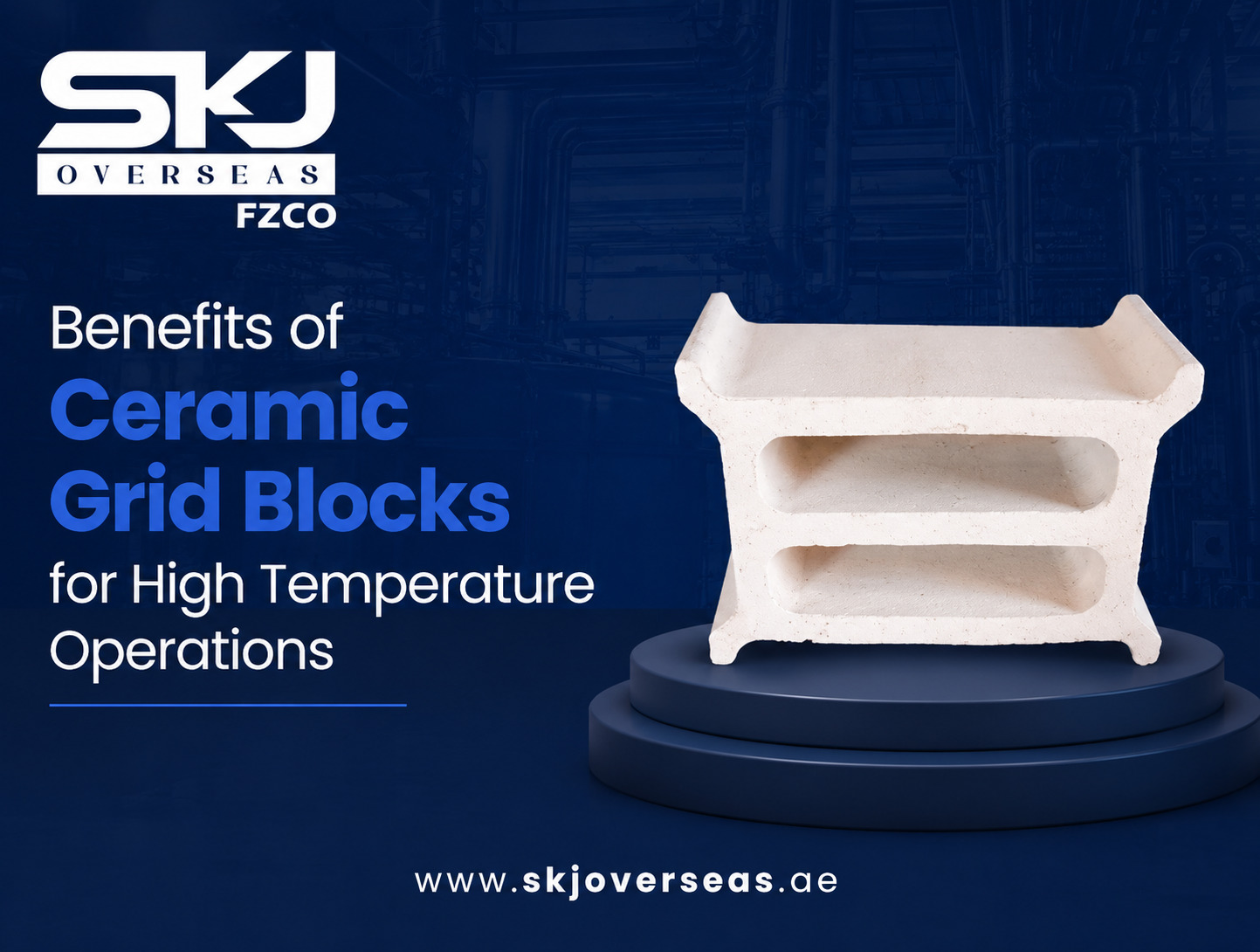
Choosing the Right Ceramic Support Rings for Your Process
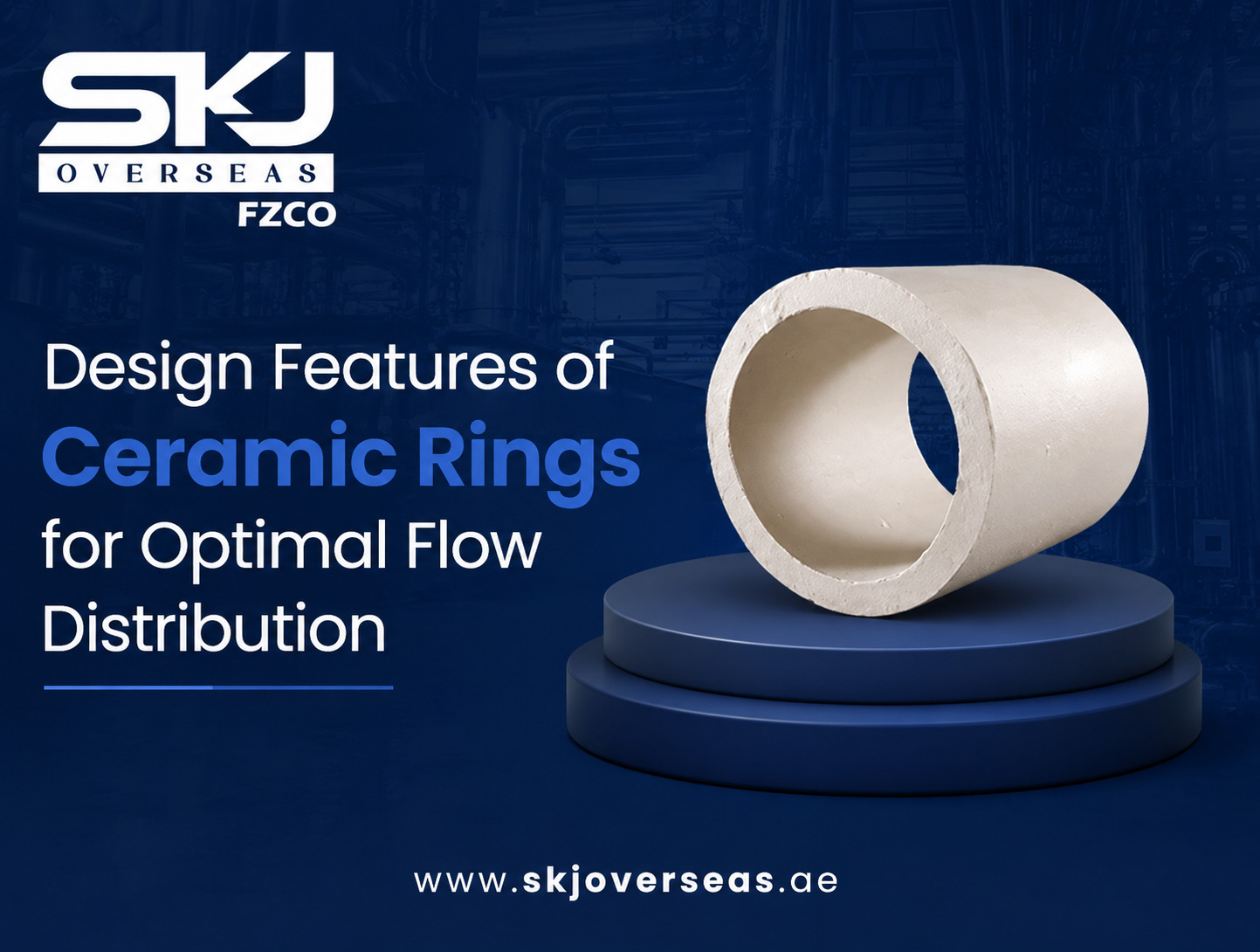
Support rings sit at the base of the packed bed and carry the full weight of the material above them, so their strength matters more than people often assume. A weak or poorly manufactured support ring can shift, crack, or settle unevenly, which throws off the entire bed above it.
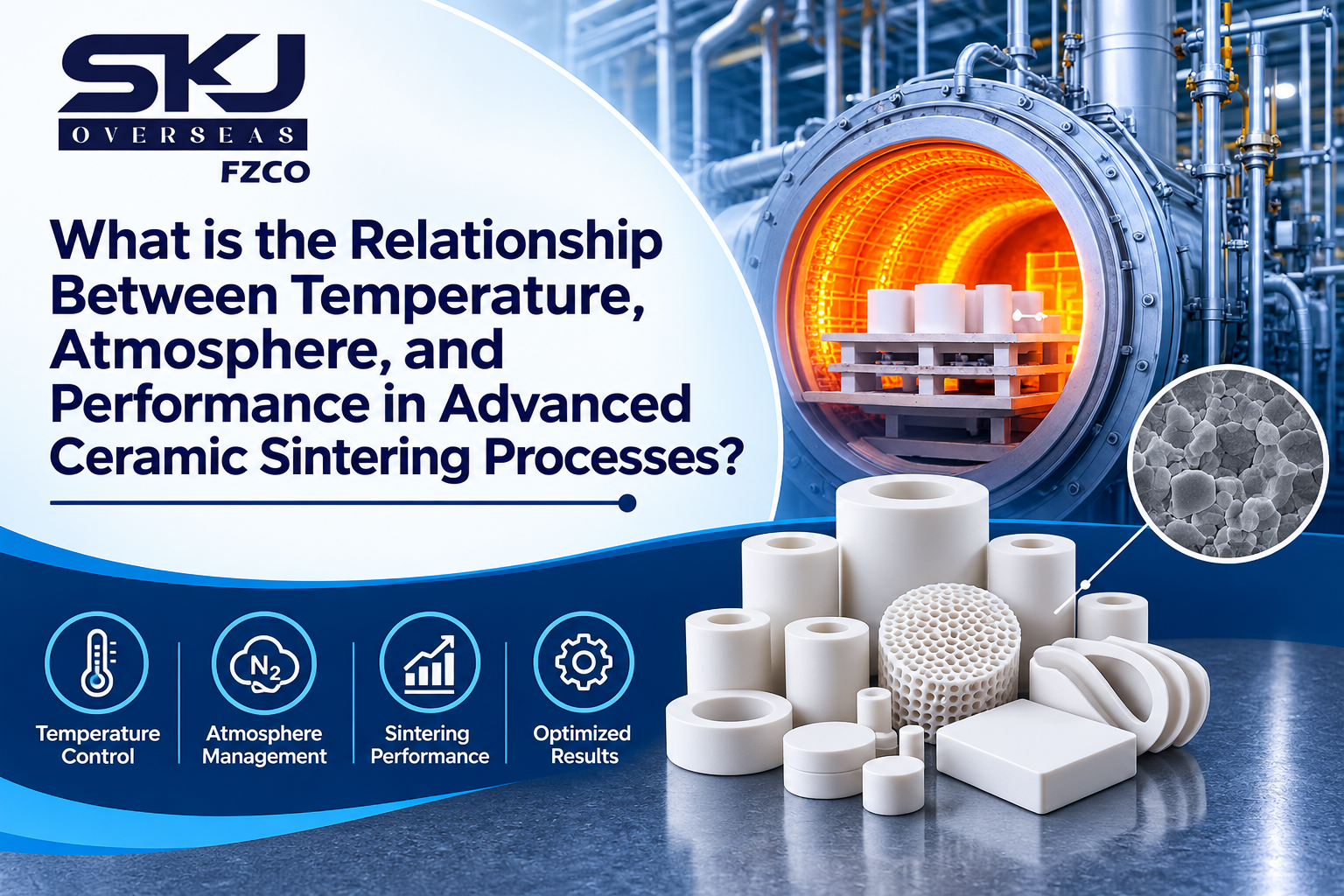
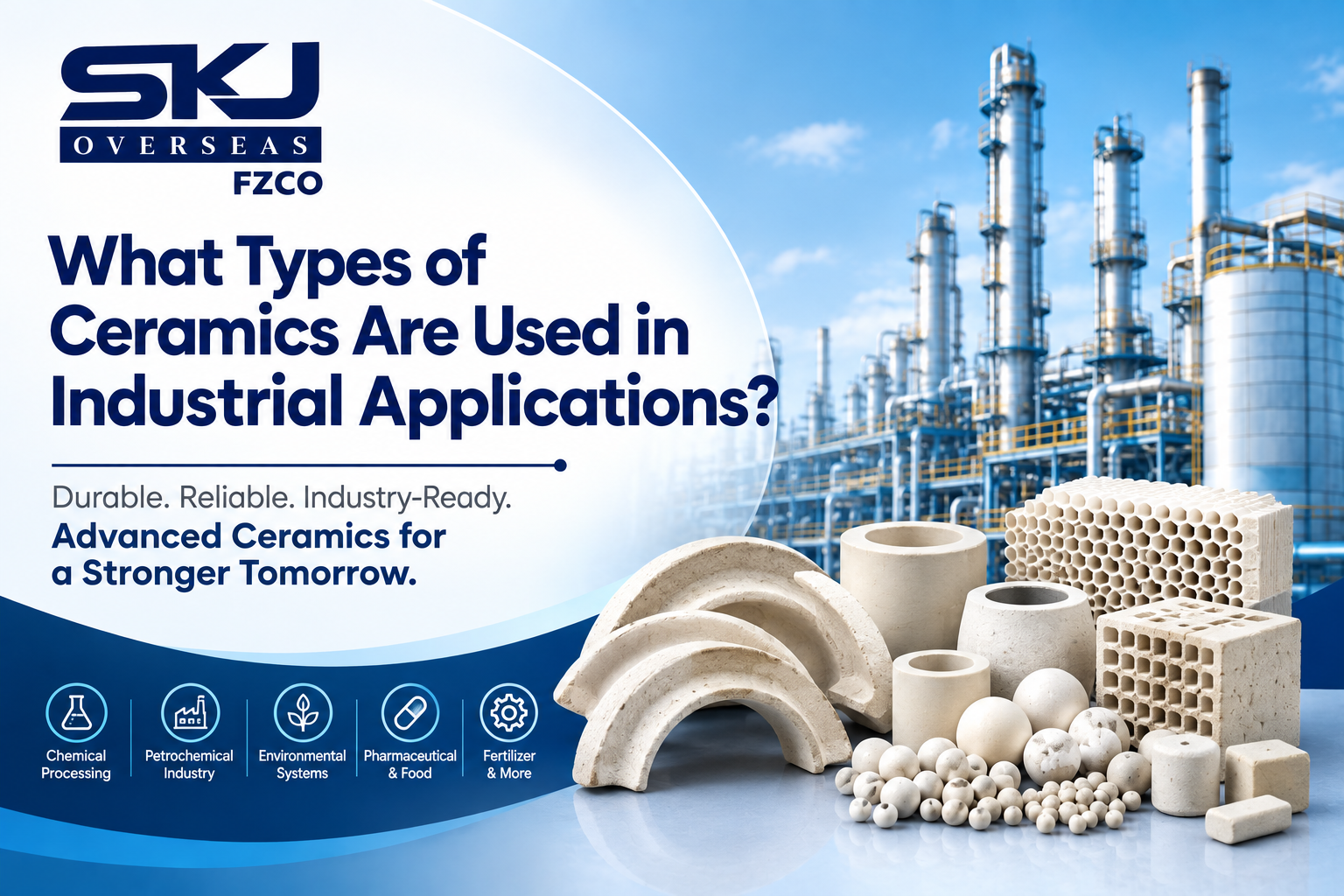
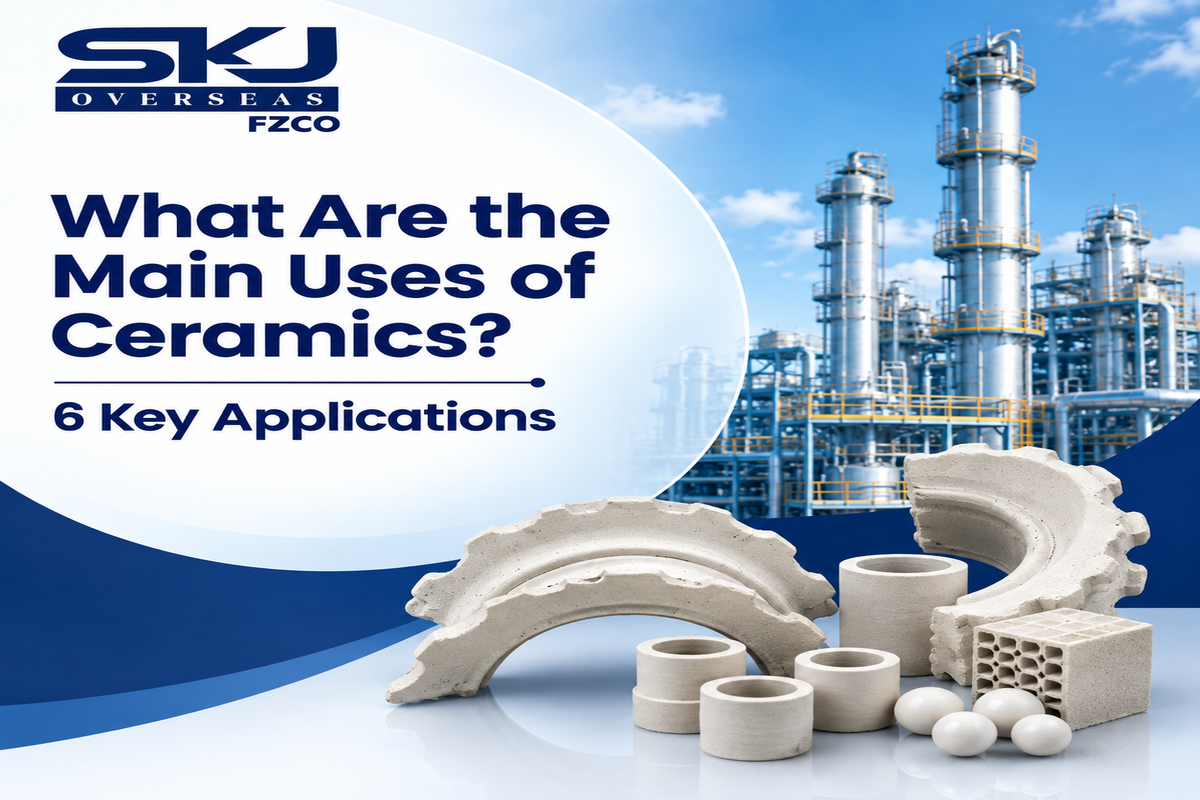
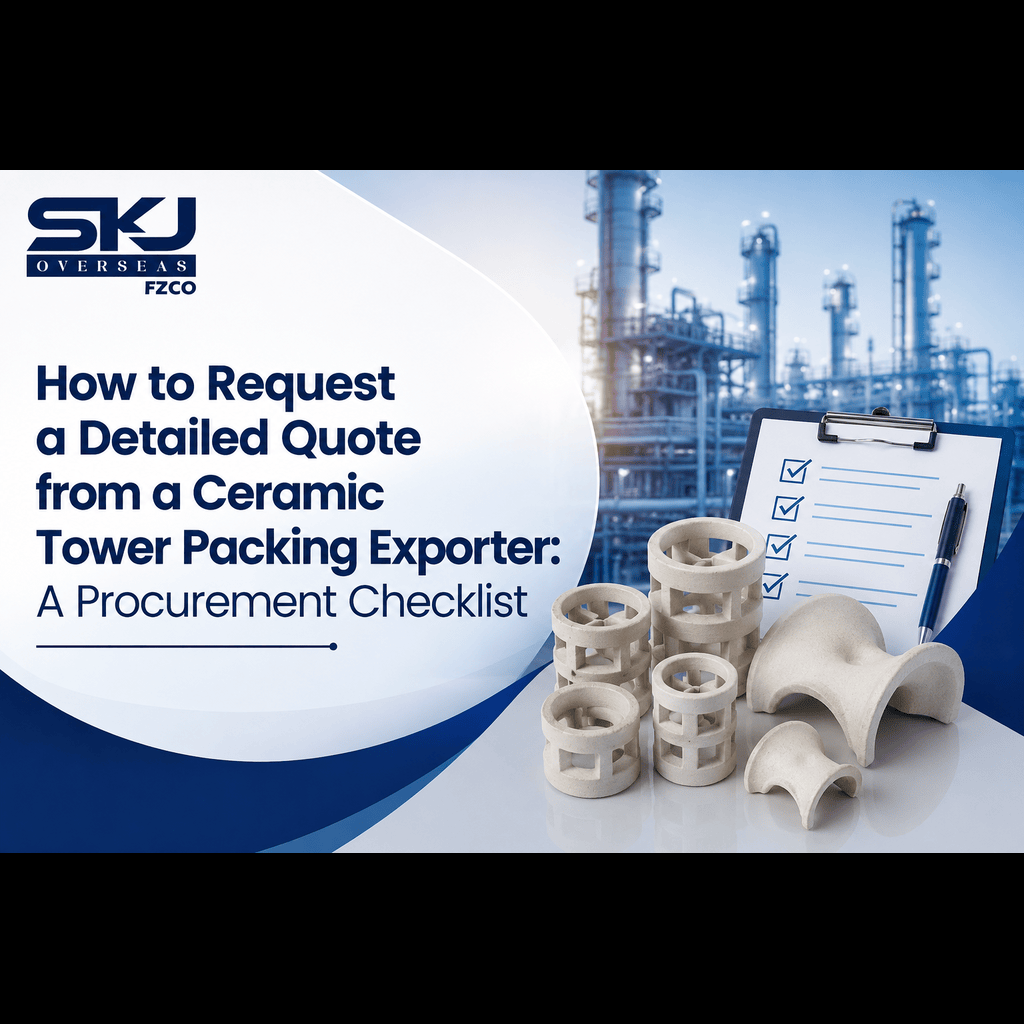
Working with an experienced ceramic support rings manufacturer matters here, since ring strength, porosity, and dimensional accuracy all need to hold up under continuous load. We manufacture and supply ceramic rings built specifically for this kind of structural demand, tested for consistency before they leave the facility.
Ceramic Balls and Their Role in Reducing Wear
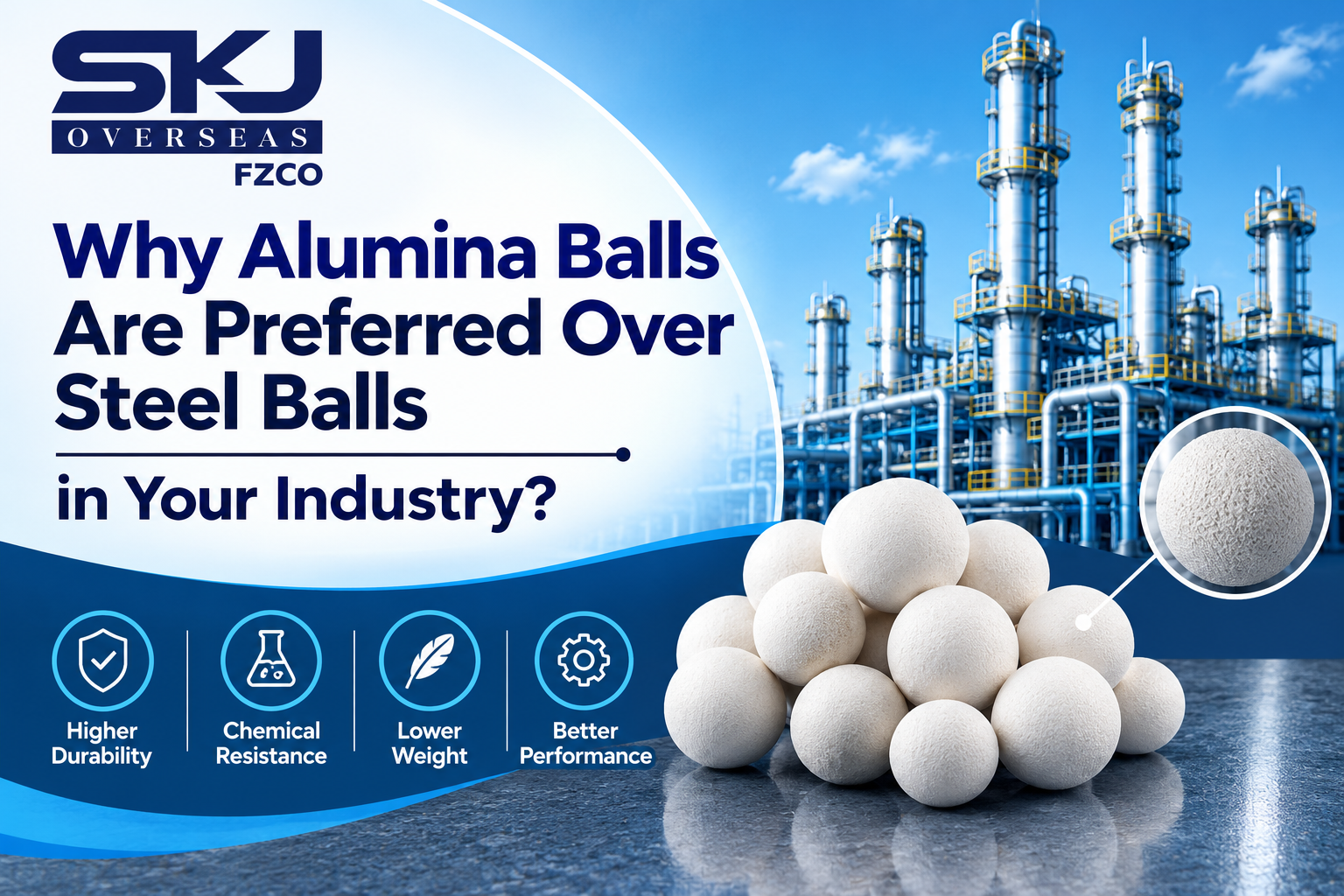
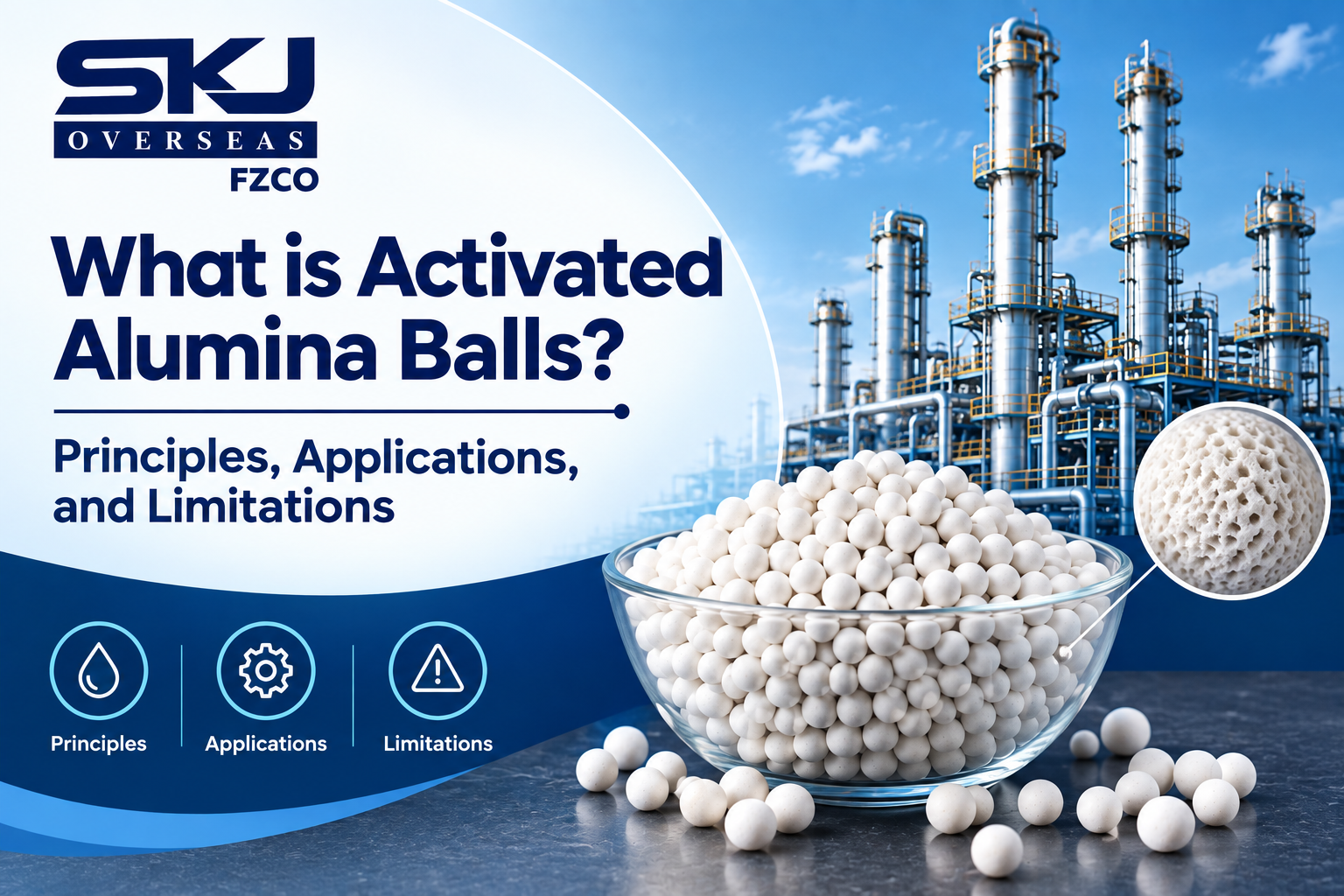
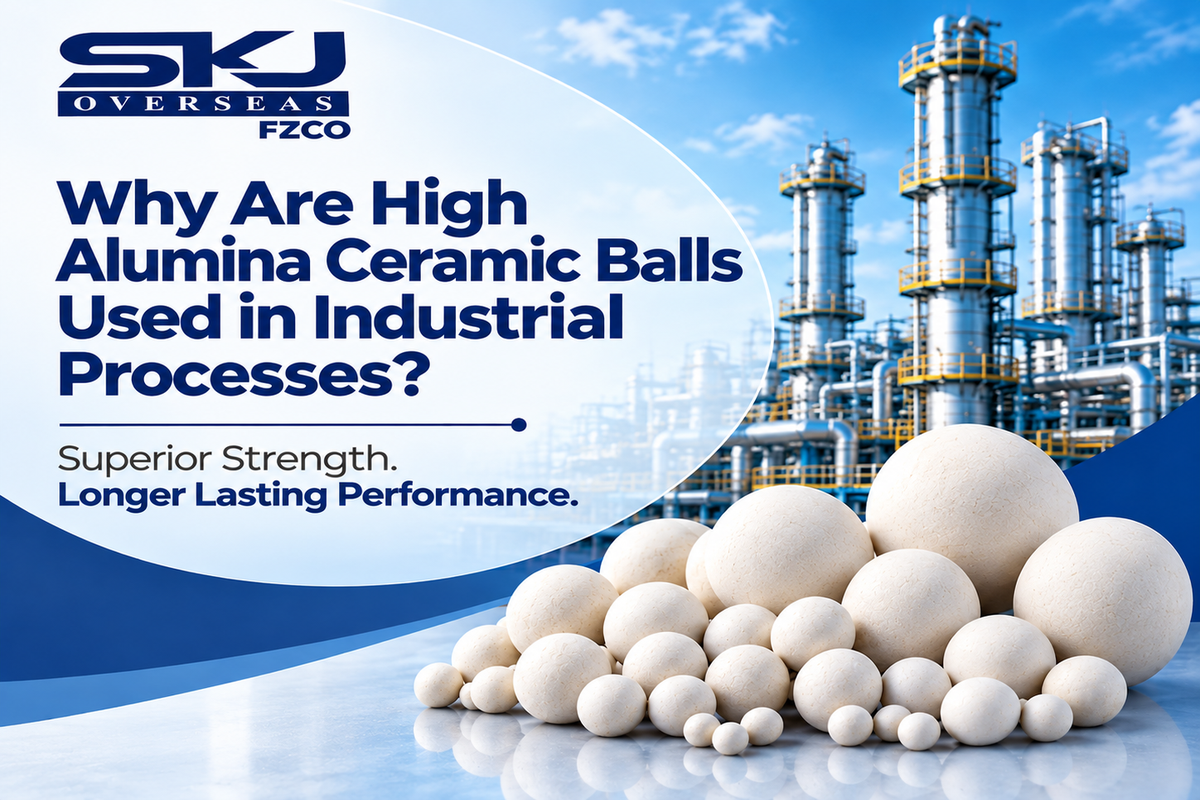
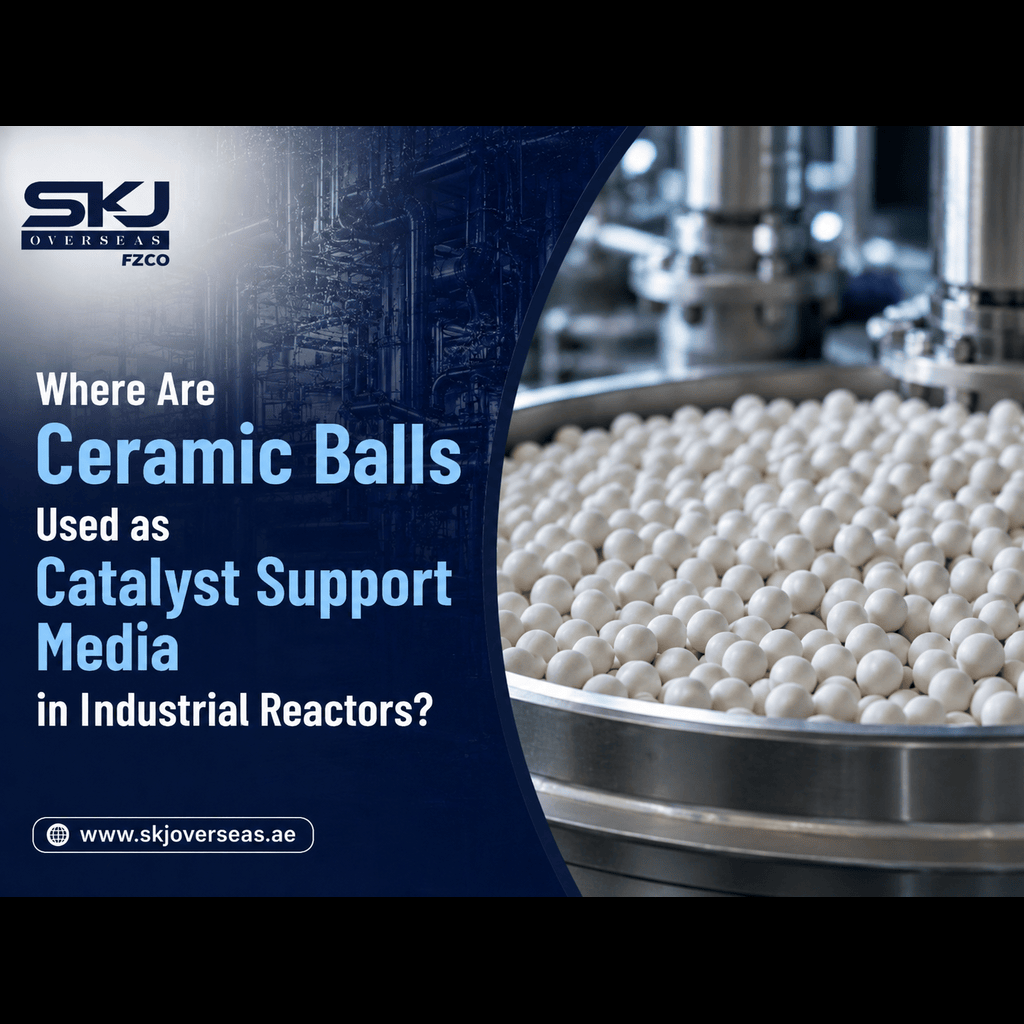
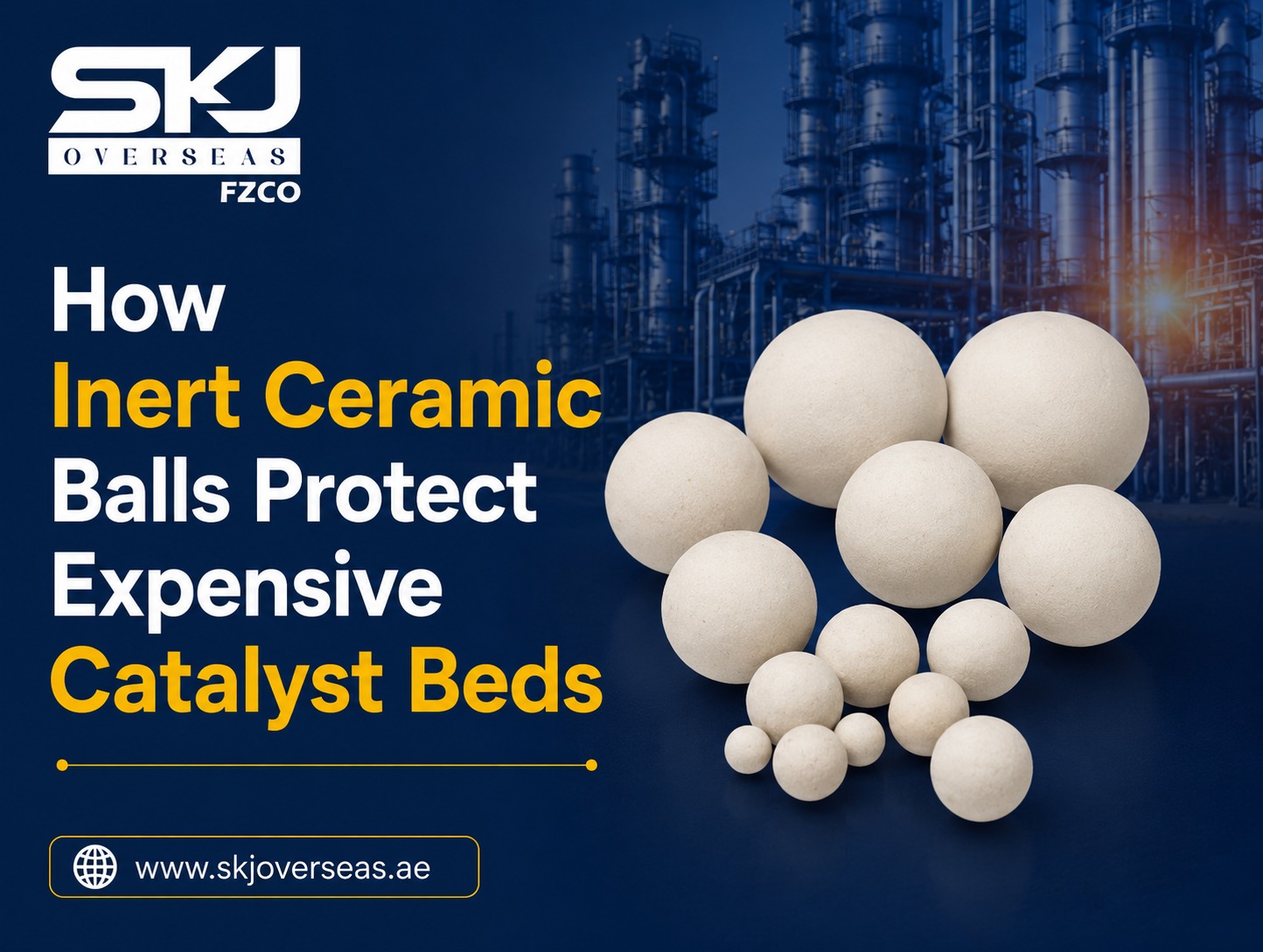
Inert ceramic balls play a different but equally important role, mainly in supporting catalyst beds, protecting against fouling, and helping distribute flow evenly across the column. When ball quality is inconsistent, it leads to uneven loading, faster catalyst degradation, and more frequent bed disturbances.
A dependable ceramic ball manufacturer pays close attention to a few specific things:
- Uniform density, so balls perform consistently across the bed
- High crush strength, to handle the weight of the material above
- Chemical inertness, so the balls don’t react with the process media
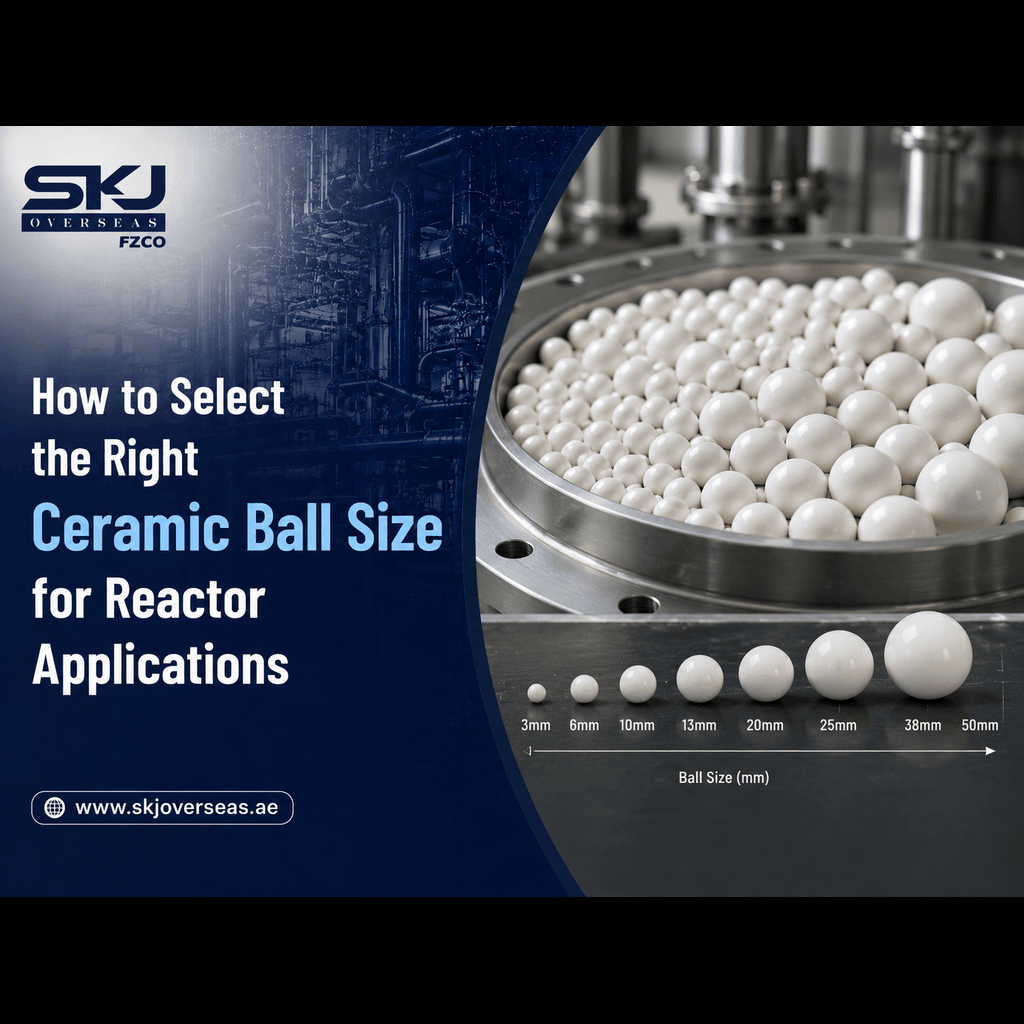
- Tight sizing tolerances, which prevent gaps and channeling
Getting this right at the sourcing stage avoids a lot of downstream maintenance headaches.
Why the Right Supplier Matters More Than the Price Tag
It’s tempting to shop packing media purely on price, but that approach usually costs more over the life of the tower, not less. A ceramic supplier that understands your process conditions, not just your order size, tends to recommend the right grade and specification for your specific application, rather than pushing whatever’s cheapest to produce.
We work directly with two established manufacturers, SKJ Group and Madhya Bharat Ceramics, which means the recommendations we make are backed by real manufacturing expertise, not just a sales conversation. That’s part of why plants across fertilizer, petrochemical, and pharmaceutical industries keep coming back to us for repeat orders.
Practical Ways to Reduce Downtime Going Forward
A few habits consistently help plants get more life out of their packing:
- Match packing specifications to actual operating conditions, not generic standards
- Inspect packing condition during scheduled maintenance windows, not just after a failure
- Source support rings and packing media from the same reliable supplier, to avoid compatibility issues
- Factor total lifecycle cost into procurement decisions, not just the upfront price
None of this requires major process changes, just more deliberate sourcing decisions at the start.
FAQs
1. How does ceramic tower packing help reduce plant downtime?
Ceramic tower packing improves gas and liquid distribution, minimizes pressure drop, and resists chemical corrosion and high temperatures. Its durability helps reduce unexpected failures and maintenance shutdowns, allowing process equipment to operate more reliably over extended periods.
2. What are the signs that ceramic tower packing should be replaced?
Common indicators include reduced separation efficiency, increased pressure drop, uneven liquid distribution, physical damage to the packing, or excessive fouling. Routine inspections during scheduled shutdowns can help identify these issues before they affect plant performance.
3. Why is high-quality ceramic tower packing important for industrial operations?
High-quality ceramic tower packing is manufactured with consistent dimensions, high mechanical strength, and excellent chemical resistance. These characteristics support stable process performance, lower maintenance requirements, and a longer operational lifespan compared to lower-grade alternatives.
4. How do I choose the right ceramic tower packing for my application?
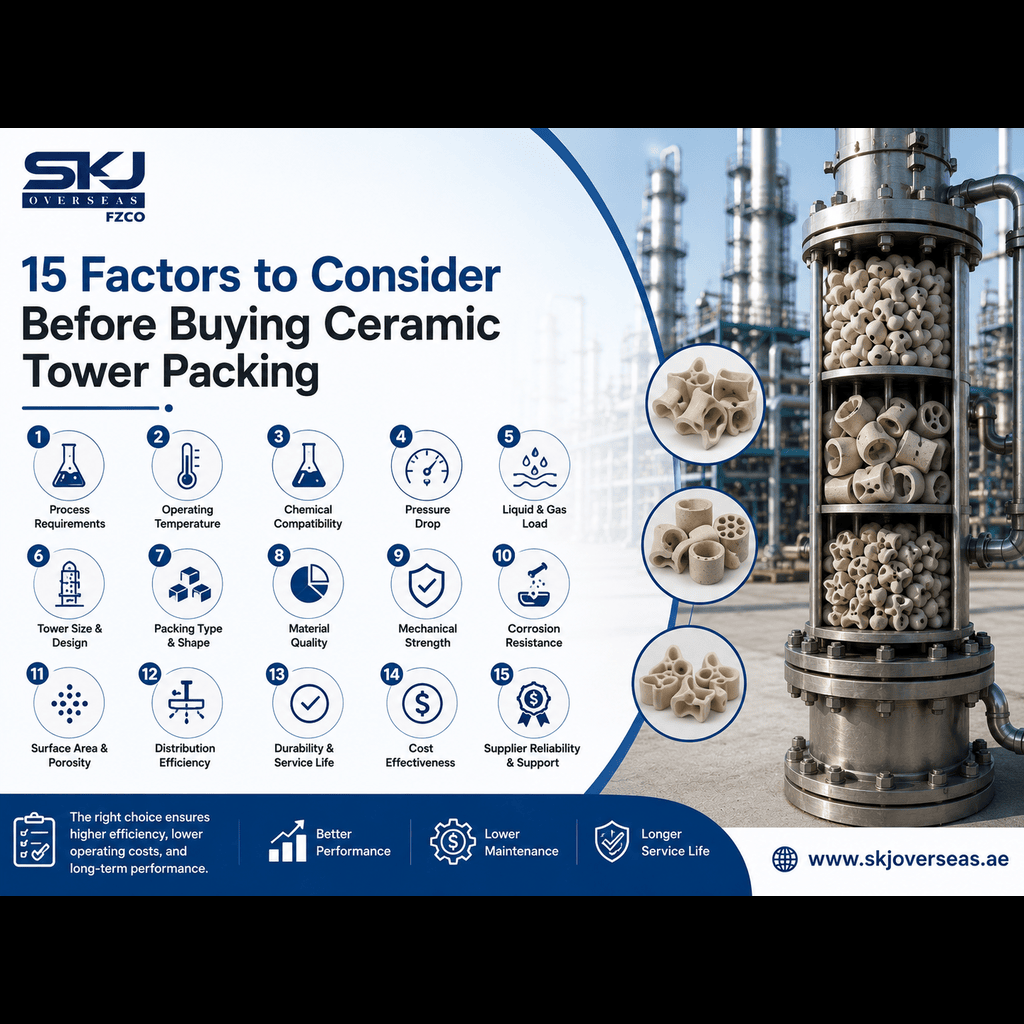
The right packing depends on factors such as operating temperature, pressure, chemical compatibility, column diameter, flow rates, and separation requirements. Selecting the appropriate size and material ensures optimal mass transfer efficiency while minimizing maintenance and operational costs.
5. How can SKJ Overseas help with ceramic tower packing selection?
SKJ Overseas works closely with process engineers and industrial buyers to recommend ceramic tower packing solutions based on operating conditions, process requirements, and application goals. The team provides product specifications, technical guidance, and support to help customers select the most suitable packing for long-term operational efficiency.
Talk to Us Before Your Next Shutdown
Reliable tower packing is one of the simplest ways to cut unplanned downtime and keep maintenance costs predictable. Whether you need ceramic support rings, ceramic balls, or a full packing solution for your next project, SKJ Overseas can help you specify it correctly the first time. Get in touch with our team to discuss your requirements.