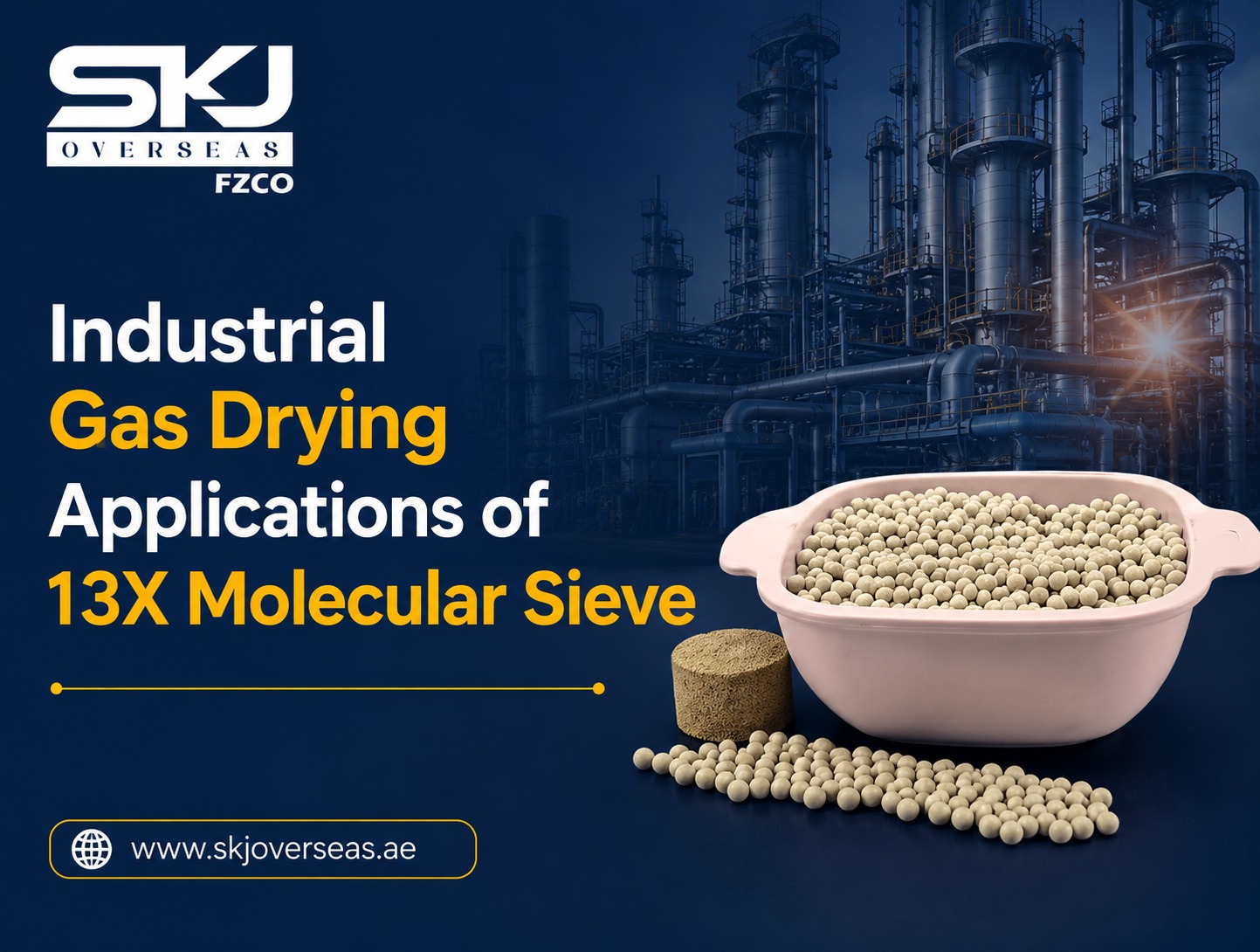
When it comes to removing moisture from industrial gases, few materials perform as reliably as the 13X Molecular Sieve. It is used across refineries, petrochemical plants, air separation units, and compressed gas systems worldwide. If your plant is looking for a proven 13X Molecular Sieve in Dubai or planning to source this product internationally, this guide explains exactly how it works, where it is used, and what to look for in a trusted supplier.
Moisture in industrial gases causes serious problems. It corrodes pipelines, damages equipment, reduces product purity, and can freeze inside cryogenic systems. The 13X Molecular Sieve solves this by adsorbing water molecules from gas streams down to very low dew point levels, making it one of the most effective gas purification adsorbents available today.
What Is 13X Molecular Sieve and How Does It Work?
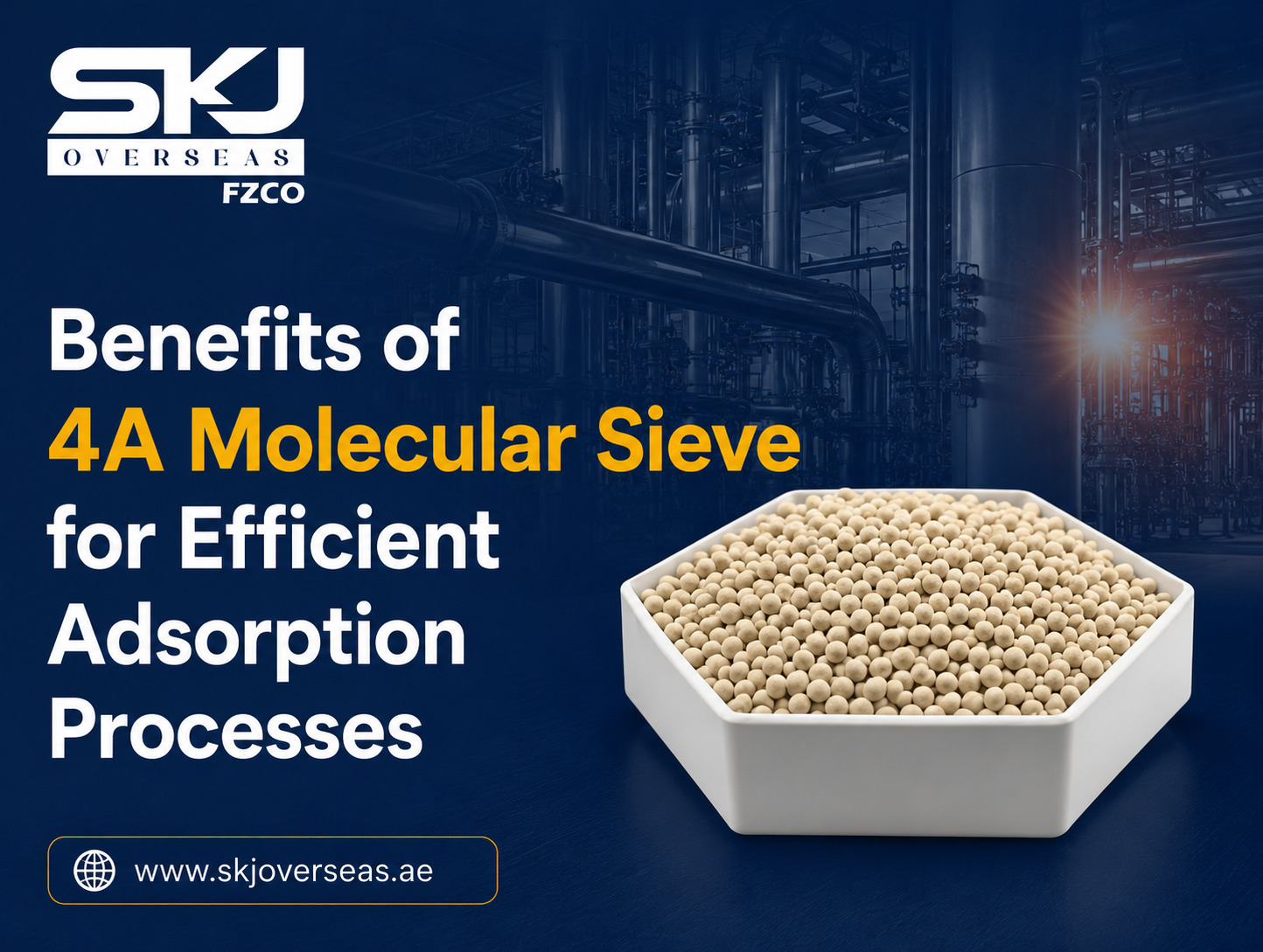
The 13X Molecular Sieve is a synthetic zeolite with a uniform pore size of approximately 10 angstroms. This pore size allows it to adsorb water molecules, carbon dioxide, hydrogen sulfide, and other small molecules while blocking larger ones.
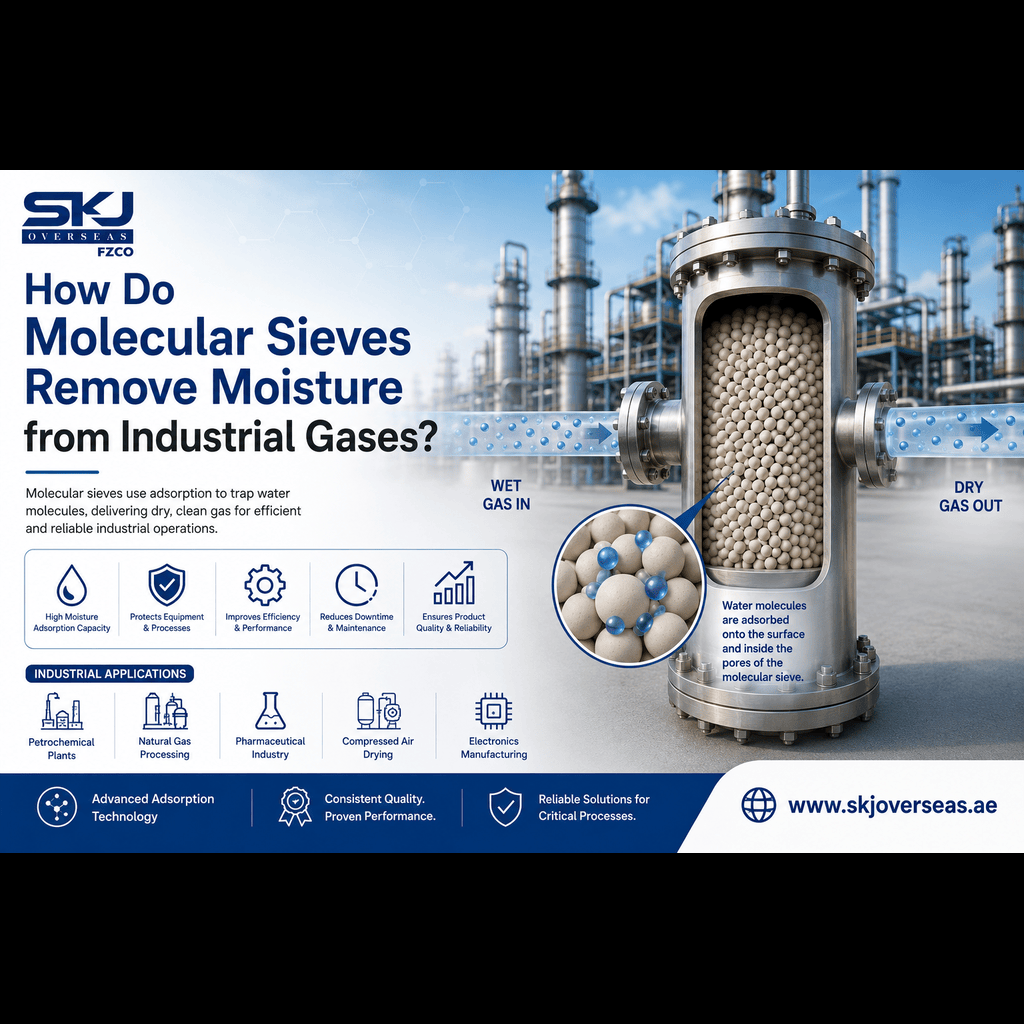
It works through a process called adsorption. As a gas passes through a bed of 13X Molecular Sieve beads or pellets, moisture and other impurities are captured inside the pores of the material. The gas that exits the bed is clean, dry, and ready for further processing or end use.
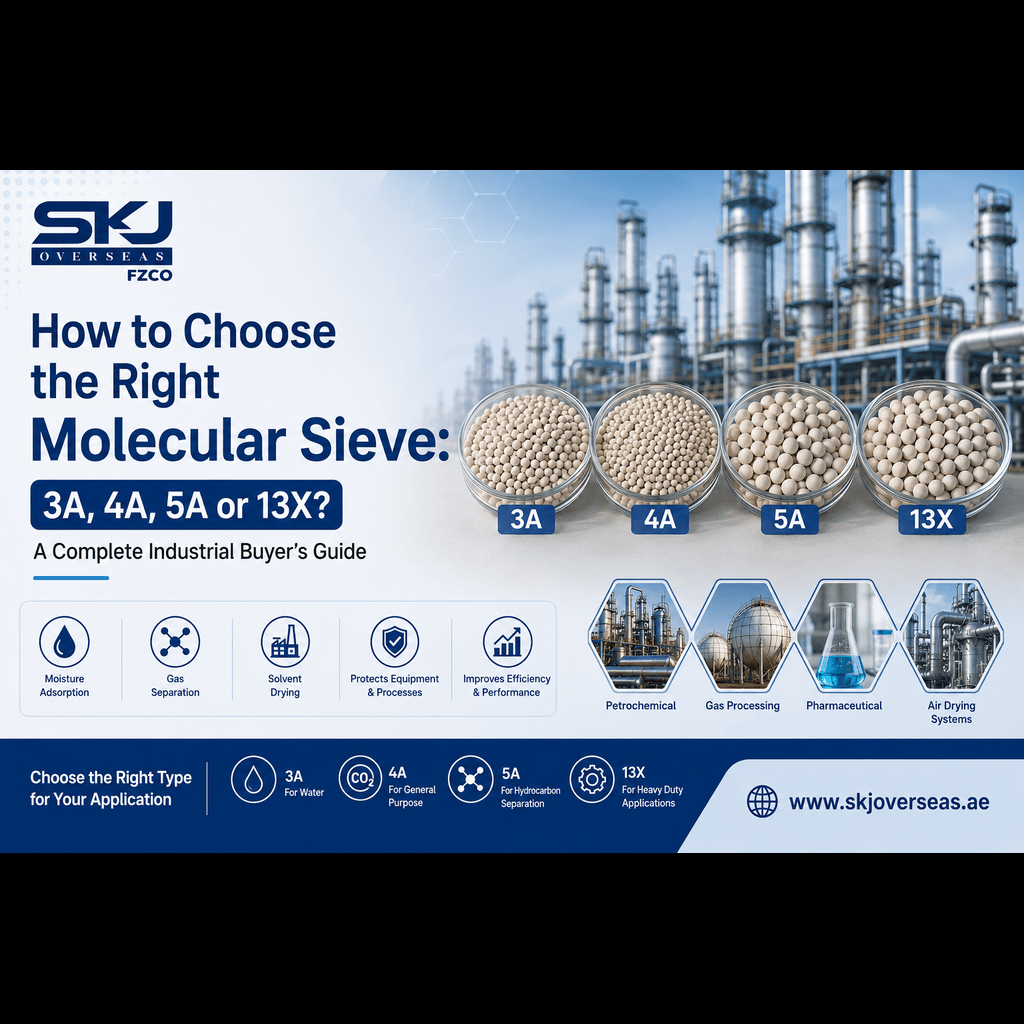
The “13X” designation refers to the sodium form of the X-type zeolite crystal structure. The large pore opening makes it more versatile than narrower molecular sieves like 3A or 4A, which is why it is preferred for many industrial gas drying and zeolite adsorption media applications.
Why 13X Molecular Sieve Is the Preferred Choice for Industrial Gas Drying
Plants choose 13X Molecular Sieve for gas drying over other desiccants for several practical reasons:
- It achieves very low dew points, often below minus 70°C
- It adsorbs both water and carbon dioxide in a single step
- It can be regenerated and reused many times without losing performance
- It is chemically stable and does not react with most process gases
- It works efficiently across a wide range of temperatures and pressures
- It is available in both bead and pellet form for different column configurations
These properties make 13X Molecular Sieve a cost-effective solution for plants that need reliable moisture removal technology without frequent material replacement.
Key Industrial Gas Drying Applications of 13X Molecular Sieve
The 13X Molecular Sieve is used in a wide variety of industrial settings. Here are the most important applications:
1. Natural Gas Dehydration Natural gas straight from the wellhead contains significant amounts of water vapor. If this moisture is not removed before pipeline transportation, it can cause corrosion, hydrate formation, and blockages. 13X Molecular Sieve beds are used in gas dehydration units to dry the gas to pipeline specification before it enters the distribution network.
2. Air Separation Units In air separation plants, atmospheric air is dried and purified before it is cooled to cryogenic temperatures. Any moisture or carbon dioxide left in the feed air would freeze and block the heat exchangers. 13X Molecular Sieve removes both water and CO2 in a single adsorption step, making it the standard choice for pre-purification in air separation units.
3. Compressed Air Drying Compressed air systems in manufacturing plants and industrial facilities require dry air for tools, instruments, and process equipment. Compressed gas treatment with 13X Molecular Sieve ensures the air delivered to end-use points is free from moisture that could cause rust, contamination, or instrument failure.
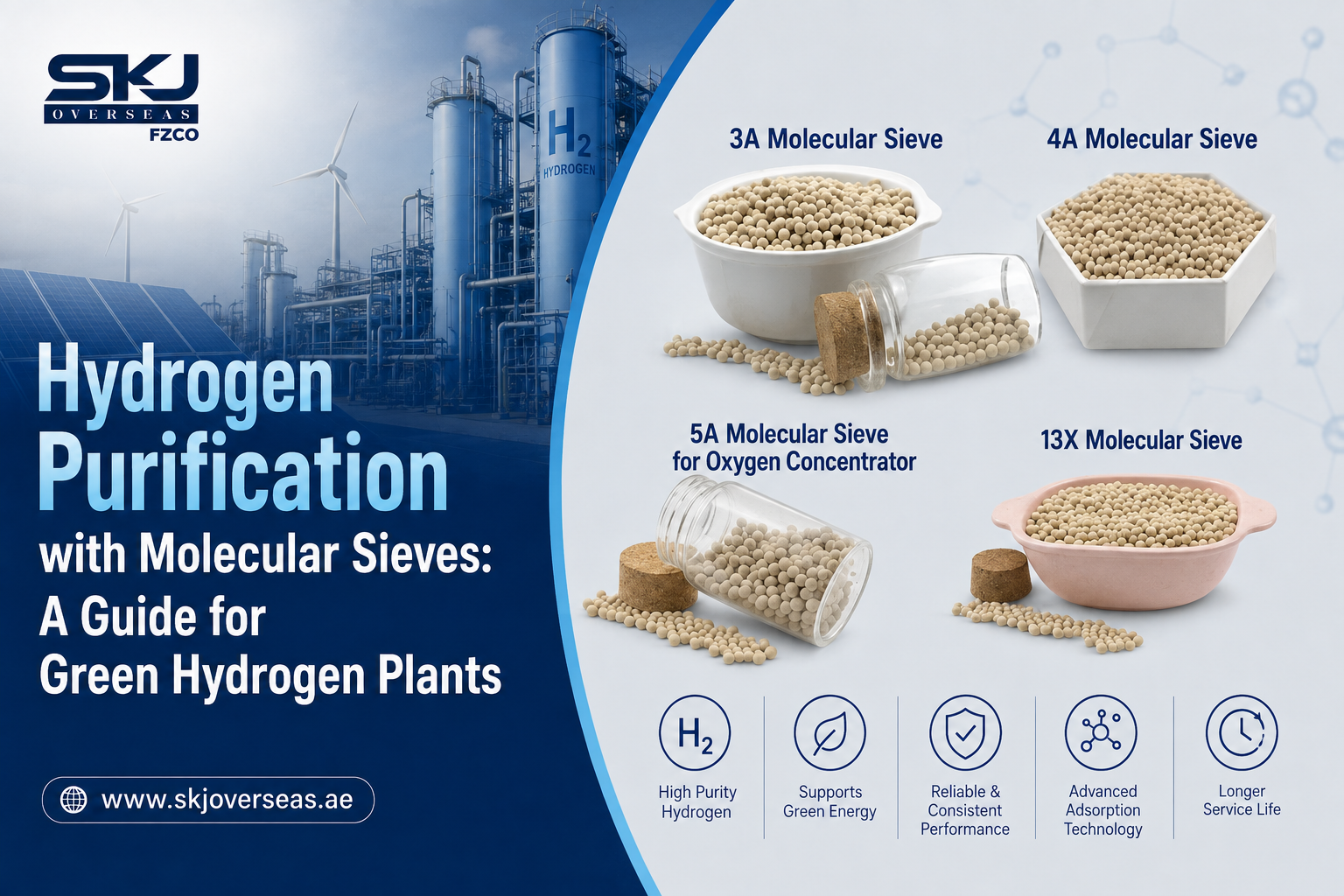
4. Hydrogen and Synthesis Gas Purification Hydrogen produced through steam methane reforming or electrolysis contains moisture and other impurities. 13X Molecular Sieve is used to dry hydrogen before it is used in fuel cells, hydroprocessing units, or ammonia synthesis. Clean, dry hydrogen performs better and extends the life of downstream equipment.
5. Liquefied Petroleum Gas (LPG) Drying LPG must be free of moisture before storage and distribution. Wet LPG causes tank corrosion and metering errors. Gas dehydration using molecular sieves is the standard method for ensuring LPG meets commercial quality standards.
6. Refrigerant Gas Drying Moisture in refrigerant circuits causes acid formation, compressor damage, and system inefficiency. 13X Molecular Sieve is used in refrigeration systems to keep the refrigerant dry and the system running efficiently.
7. CO2 Removal from Gas Streams In biogas upgrading and other applications, carbon dioxide must be removed from the gas stream. Because 13X Molecular Sieve adsorbs CO2 as well as water, it serves a dual function in these systems, reducing the need for additional treatment steps.
13X Molecular Sieve Performance Comparison
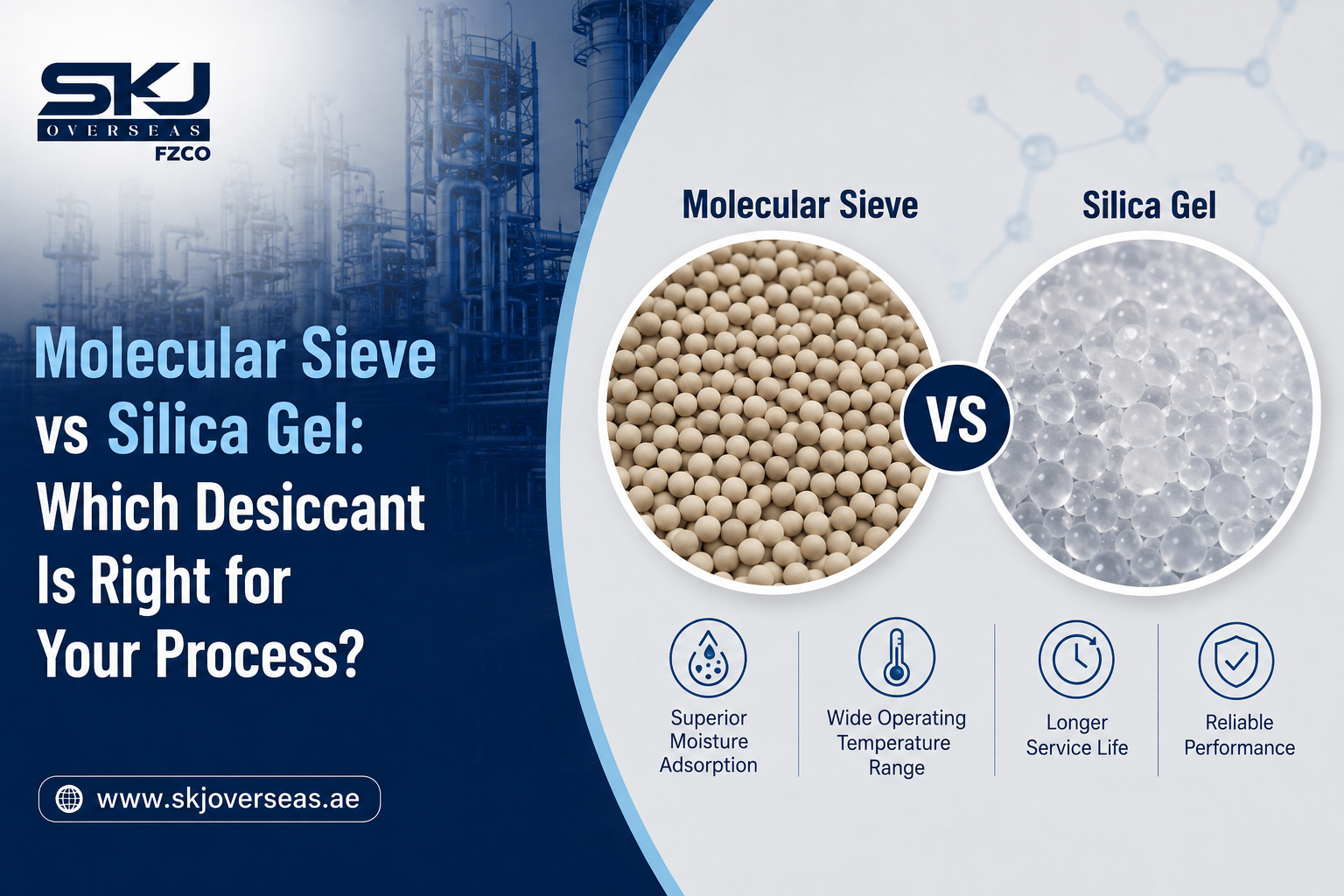
| Property | 13X Molecular Sieve | 4A Molecular Sieve | Silica Gel | Activated Alumina |
| Pore Size | 10 Angstroms | 4 Angstroms | Variable | Variable |
| Water Adsorption | Very High | High | High | Moderate |
| CO2 Adsorption | Yes | No | No | No |
| Min Dew Point | Below -70°C | Below -40°C | Around -40°C | Around -40°C |
| Regeneration | Yes | Yes | Yes | Yes |
| Best Application | Gas drying and purification | Air and gas drying | General drying | Air drying |
| Cycle Life | Very Long | Long | Moderate | Long |
| Temperature Range | Wide | Wide | Limited | Wide |
This table shows why 13X Molecular Sieve is the top choice for demanding industrial dehydration processes where deep moisture removal and CO2 co-adsorption are both required.
How 13X Molecular Sieve Is Used in Pressure Swing Adsorption Systems
Pressure Swing Adsorption (PSA) is one of the most common methods for industrial gas drying. In a PSA system, two or more beds of 13X Molecular Sieve alternate between adsorption and regeneration cycles.
During the adsorption phase, wet gas enters one bed and moisture is captured by the sieve material. At the same time, the other bed is being regenerated by reducing pressure and flushing with dry gas. This continuous cycling means the system delivers a steady stream of dry gas without interruption.
PSA systems using 13X Molecular Sieve are widely used in:
- Natural gas processing plants
- Air separation facilities
- Industrial gas production units
- Hydrogen purification systems
- Biogas upgrading plants
The ability to regenerate the sieve without removing it from the vessel makes PSA systems very economical over the long term.
Selecting a 13X Molecular Sieve Supplier: What to Check
Choosing the right 13X Molecular Sieve supplier is just as important as choosing the right product. Here is what to look for:
Product Consistency Ask for batch-specific test data including water adsorption capacity, crush strength, bulk density, and particle size distribution. Inconsistent product quality leads to unpredictable system performance.
Material Certifications A reliable 13X Molecular Sieve manufacturer should provide ISO certification, material safety data sheets, and test reports from accredited laboratories.
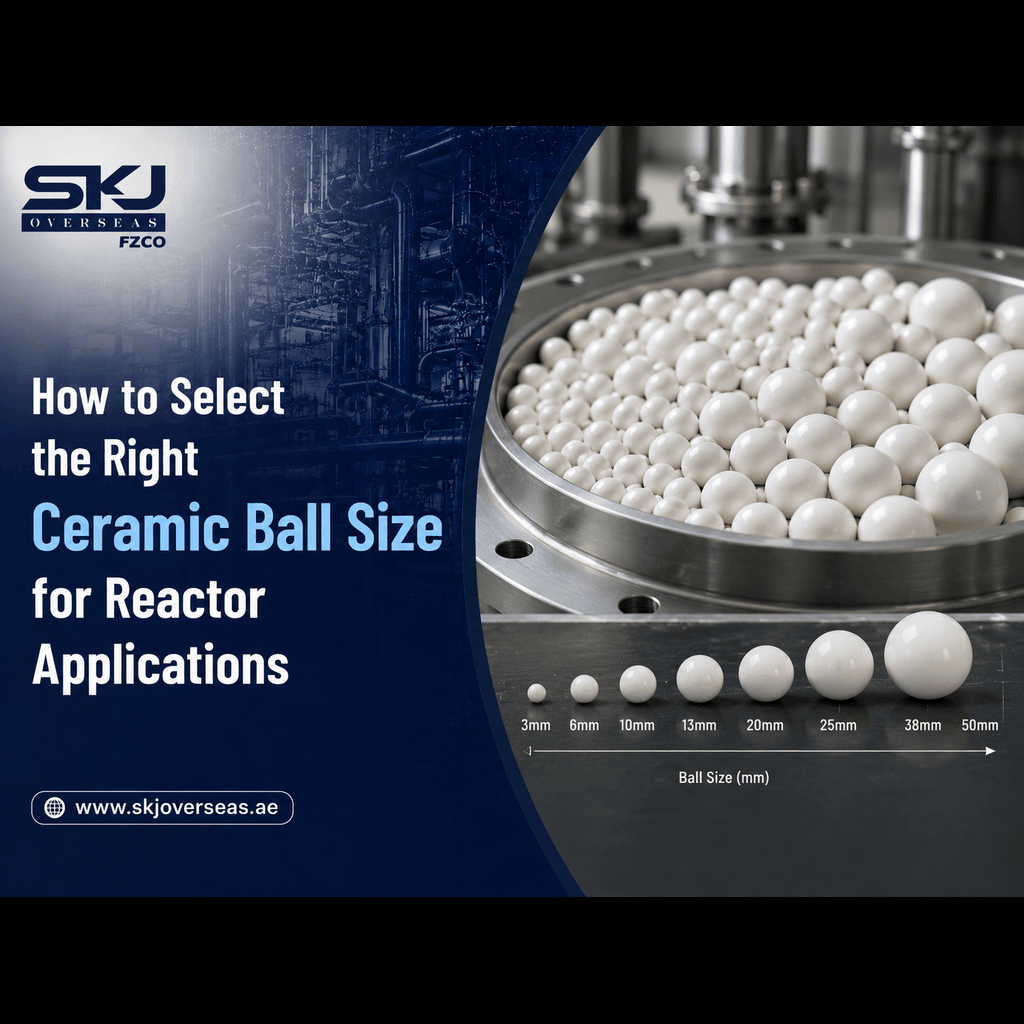
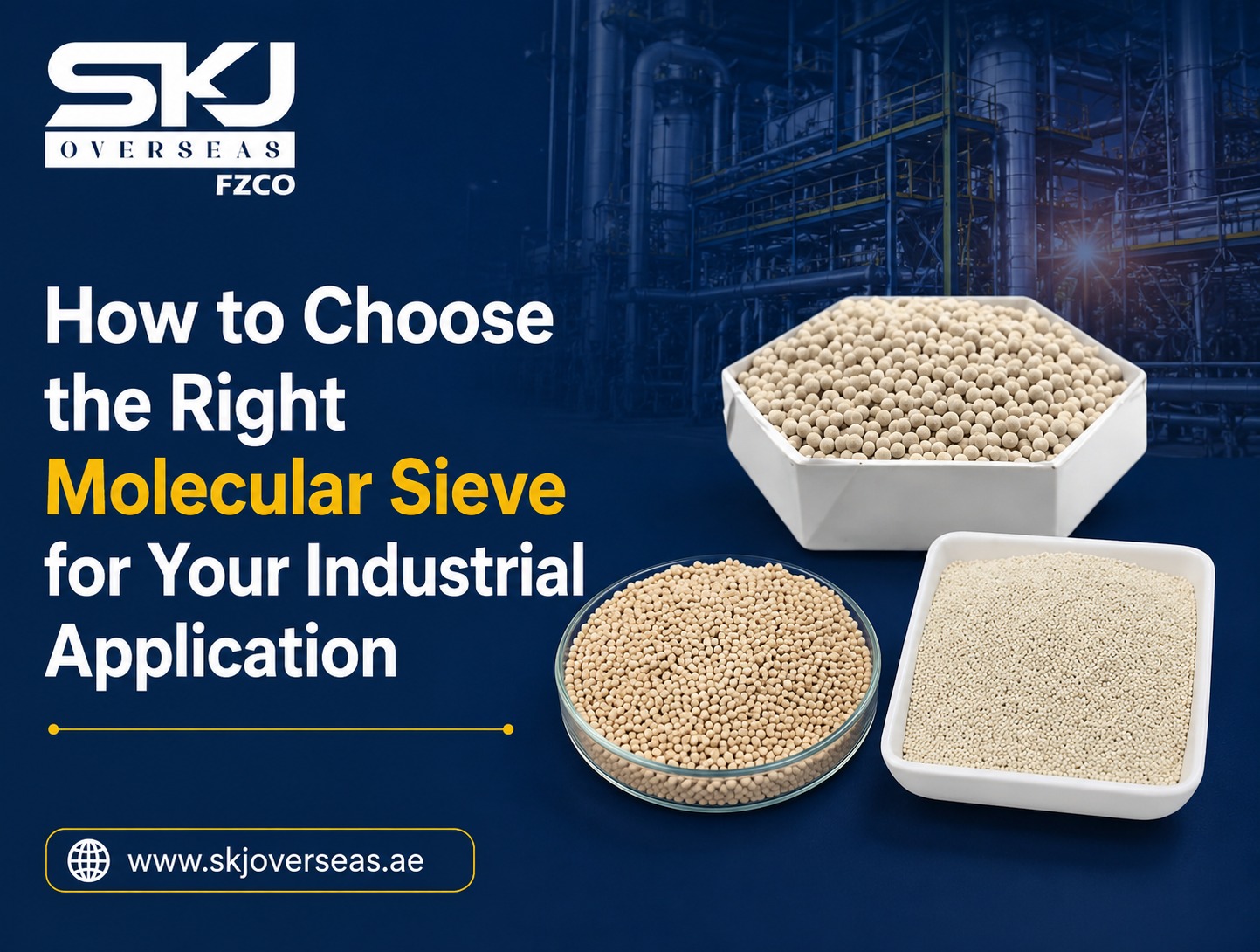
Customization Options Different systems need different bead sizes and packaging formats. A good supplier offers beads in 1.6mm, 2.5mm, 3.2mm, and 4mm sizes as well as bulk bags, drums, and small containers.
Export Experience If you are sourcing 13X Molecular Sieve in Dubai or any international location, confirm the supplier handles proper moisture-proof packaging, customs documentation, and logistics for fragile adsorbent materials.
Technical Support The best 13X Molecular Sieve exporters have technical teams who can advise on bed sizing, loading procedures, regeneration conditions, and troubleshooting. Product knowledge matters as much as price.
Common Mistakes When Using 13X Molecular Sieve in Gas Drying Systems
Even good products underperform when used incorrectly. Avoid these mistakes:
- Exposing the sieve to ambient air before loading – moisture from the air pre-saturates the material and reduces capacity
- Skipping activation before first use – fresh sieve should be activated at the right temperature to remove manufacturing moisture
- Exceeding the design flow rate – too much gas flow through the bed reduces contact time and allows moisture to break through
- Ignoring regeneration quality – incomplete regeneration leaves residual moisture in the sieve, reducing capacity over time
- Using the wrong bead size – too small causes excessive pressure drop, too large reduces contact area and efficiency
Following the manufacturer’s guidelines on loading, activation, and regeneration keeps the adsorption drying technology working at its best.
Why SJK Overseas Is a Trusted 13X Molecular Sieve Manufacturer
SJK Overseas has supplied 13X Molecular Sieve to industrial clients across the Middle East, Southeast Asia, and Europe for over two decades. Our products are manufactured under strict quality control conditions and tested at every stage of production.
What makes SJK Overseas the preferred choice:
- In-house manufacturing with full control over raw material selection and production
- Multiple bead and pellet sizes to suit all standard gas drying systems
- Moisture-proof packaging to protect product integrity during shipping
- ISO-certified quality management system with full documentation
- Experienced 13X Molecular Sieve exporter with proven logistics to Dubai and the wider Gulf region
- Dedicated technical support team for bed sizing, product selection, and system troubleshooting
As a trusted 13X Molecular Sieve manufacturer, SJK Overseas works directly with plant engineers and procurement teams to deliver the right solution for every application.
Case Study: Natural Gas Dehydration Upgrade at a Gulf Region Processing Facility
Plant: A mid-size natural gas processing facility in the Gulf region
Challenge: The facility was experiencing high moisture carryover in their pipeline gas. Their existing silica gel dryers were not achieving the required dew point specification of minus 50°C. Wet gas was causing corrosion in downstream equipment and triggering shutdowns for maintenance.
Solution: The facility contacted SJK Overseas for a technical review of their gas dehydration system. Our team analyzed the gas flow rate, inlet moisture content, operating pressure, and bed dimensions. We recommended replacing the silica gel with 13X Molecular Sieve beads in 3.2mm size, along with revised regeneration cycle timing to ensure complete reactivation between cycles.
Results after 60 days of operation:
- Outlet dew point consistently reached minus 65°C, well below the pipeline specification
- Downstream corrosion incidents dropped to zero in the monitored period
- Bed regeneration cycles were completed fully within the new timing schedule
- The facility extended planned maintenance intervals from 6 months to 18 months
- Total operating cost for moisture control reduced by 31% compared to the silica gel system
This case shows how switching to the right gas purification adsorbent with proper technical guidance delivers real, measurable improvements in plant reliability and cost.
FAQ’s About 13X Molecular Sieve
Q1. What is 13X Molecular Sieve used for in industrial gas drying?
13X Molecular Sieve is used to remove moisture and carbon dioxide from industrial gas streams. It is the preferred gas purification adsorbent in natural gas dehydration, air separation units, compressed air systems, and hydrogen purification. Its large pore size allows deep moisture removal down to dew points below minus 70°C in demanding industrial applications.
Q2. How is 13X Molecular Sieve different from 4A Molecular Sieve?
The main difference is pore size. 13X Molecular Sieve has a pore opening of around 10 angstroms, which allows it to adsorb larger molecules including CO2. The 4A type has a 4-angstrom pore and only adsorbs water and small molecules. For applications needing both water and CO2 removal, 13X Molecular Sieve is the better choice.
Q3. How often does 13X Molecular Sieve need to be replaced?
With correct installation, proper regeneration, and compatible gas conditions, 13X Molecular Sieve can last 3 to 5 years or longer before replacement is needed. Poor regeneration, chemical contamination, or mechanical damage from oversized beads breaking down can shorten the service life significantly in demanding industrial dehydration process environments.
Q4. Can 13X Molecular Sieve be regenerated and reused?
Yes. One of the main advantages of 13X Molecular Sieve is that it can be thermally regenerated by heating to between 200°C and 300°C with a dry purge gas. This drives off the adsorbed moisture and restores the sieve to near-original capacity. Proper regeneration is key to maintaining long-term performance in adsorption drying technology systems.
Q5. What bead size of 13X Molecular Sieve should I use for gas drying?
Bead size selection depends on your column diameter, gas flow rate, and acceptable pressure drop. Common sizes are 1.6mm, 2.5mm, 3.2mm, and 4mm. Smaller beads offer more surface area but higher pressure drop. Larger beads suit high-flow systems. A qualified 13X Molecular Sieve supplier can recommend the correct size based on your system design.
Q6. Is 13X Molecular Sieve available for export to Dubai and the Middle East?
Yes. SJK Overseas is an experienced 13X Molecular Sieve exporter with a strong track record supplying 13X Molecular Sieve in Dubai, UAE, Saudi Arabia, Qatar, and across the Gulf region. We provide moisture-proof packaging, full export documentation, and reliable logistics to ensure the product arrives in perfect condition ready for immediate use.
Q7. What industries use 13X Molecular Sieve for gas treatment?
13X Molecular Sieve is used in natural gas processing, oil refining, air separation, industrial gas production, hydrogen manufacturing, LPG distribution, refrigeration systems, and biogas upgrading. Any industry that requires deep moisture removal or simultaneous CO2 and water removal from a gas stream benefits from 13X Molecular Sieve as a zeolite adsorption media.
Q8. How should 13X Molecular Sieve be stored before use?
It must be stored in sealed, moisture-proof containers away from humidity and water sources. Exposure to ambient air before use will pre-saturate the material and reduce its adsorption capacity when loaded into the system. A reliable 13X Molecular Sieve manufacturer like SJK Overseas supplies the product in sealed packaging specifically designed to protect it during storage and shipping.
Conclusion
The 13X Molecular Sieve has earned its place as the most trusted material for industrial gas drying applications. Its wide pore structure, deep moisture removal capability, and ability to adsorb both water and carbon dioxide in a single step make it the top choice for natural gas processing, air separation, hydrogen purification, and many other critical processes.
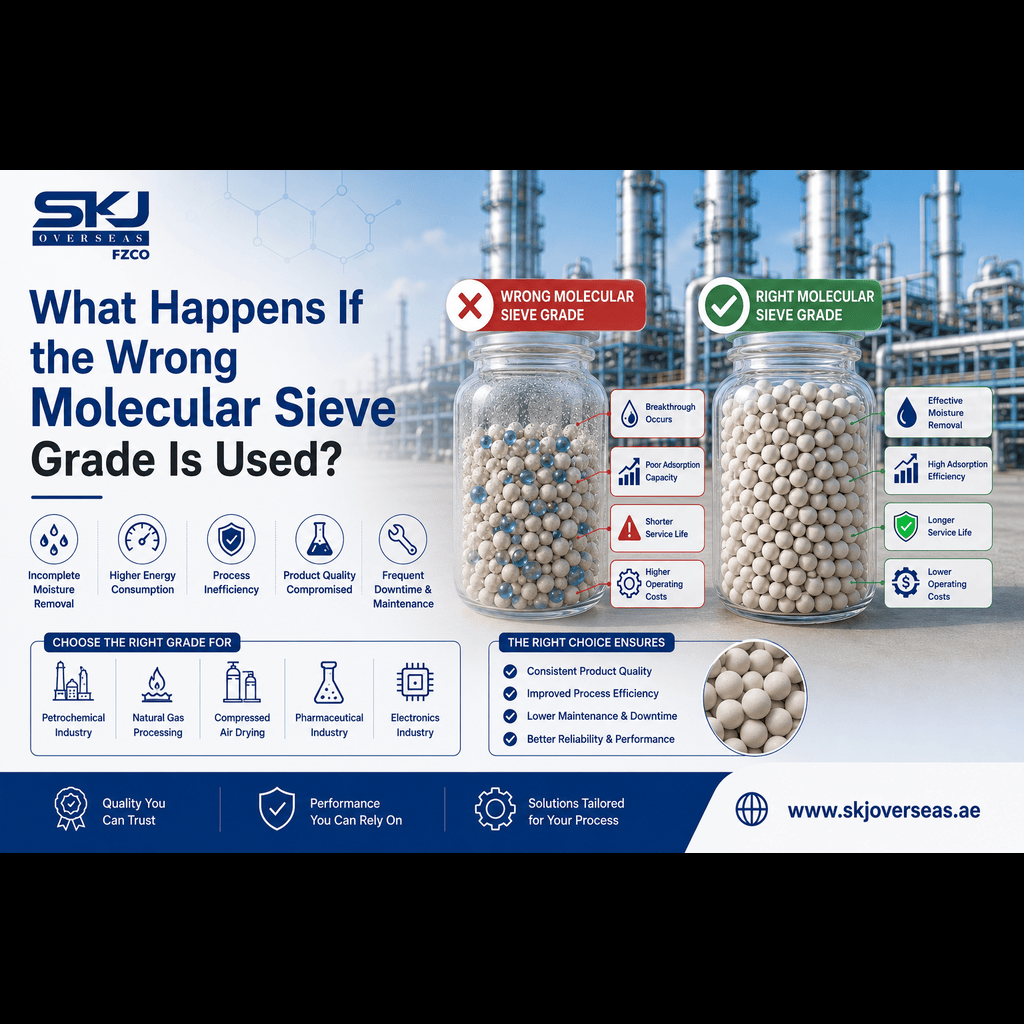
Plants that use 13X Molecular Sieve correctly achieve consistent dew point performance, longer equipment life, and lower maintenance costs. Those who use the wrong desiccant or source from an unreliable supplier end up with moisture breakthrough, shorter bed life, and unexpected downtime.
Sourcing 13X Molecular Sieve in Dubai and across the Gulf region has become easier with established exporters like SJK Overseas who combine manufacturing quality with technical expertise and reliable logistics. As industries in the region push for better energy efficiency and stricter process standards, the demand for high-quality zeolite adsorption media and moisture control in industrial gases will only grow.
Whether you are commissioning a new gas drying system or upgrading an existing one, the right molecular sieve, sourced from the right manufacturer, makes a direct difference to your plant’s performance and bottom line. SJK Overseas is ready to support your project with the right product, the right data, and the right technical guidance from day one.