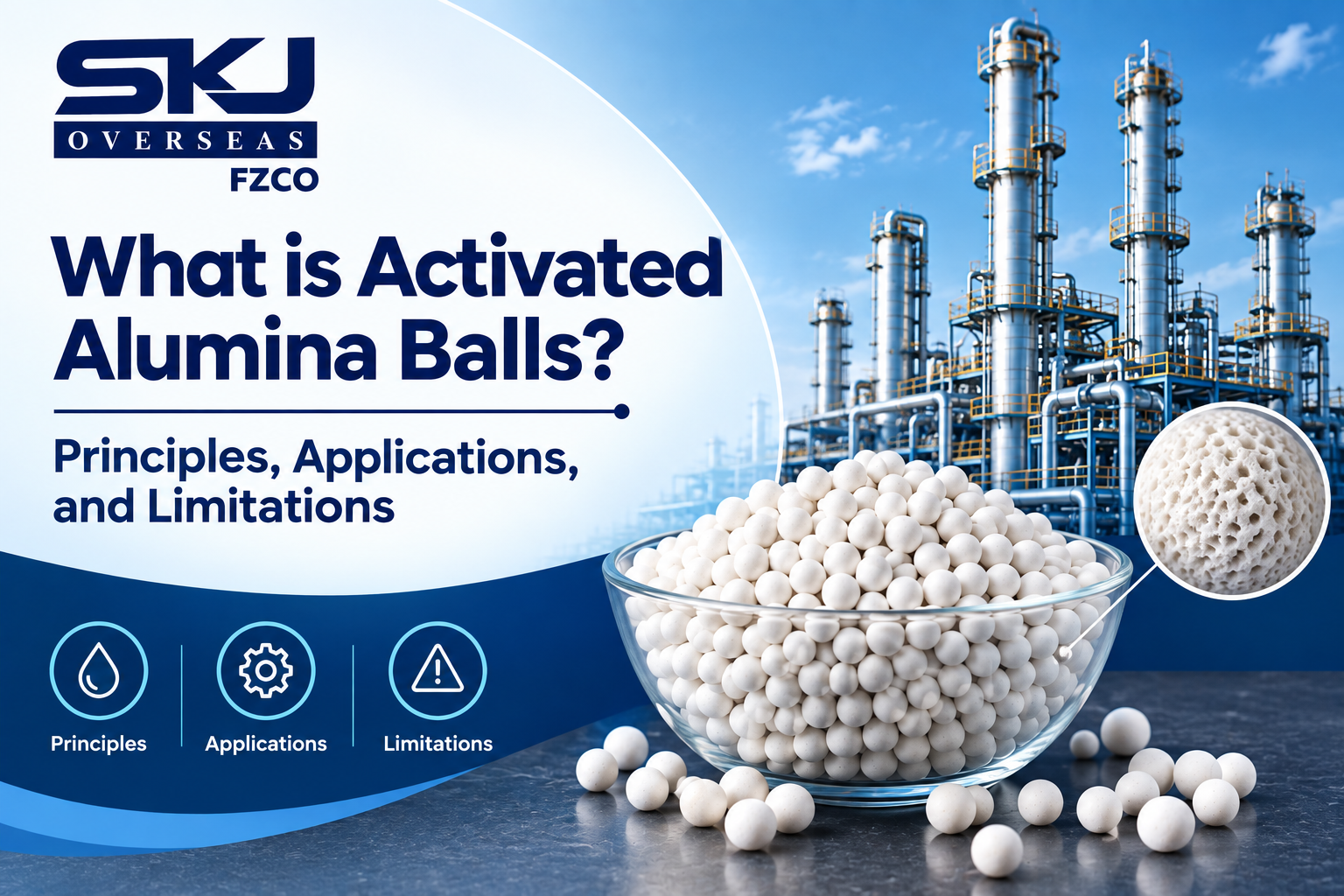
Anyone researching industrial drying or gas purification systems eventually runs into the same question: What is Activated Alumina Balls, and why is this specific material used instead of other desiccants? Activated Alumina Balls are a highly porous adsorbent made from aluminum oxide, engineered to capture moisture and select contaminants from air, gas, and liquid streams. Their unique pore structure gives them an adsorption capacity that few other materials can match at a comparable cost.
As an experienced Ceramic Manufacturers in Dubai and a trusted Ceramic and Tower Packing Exporter in Dubai, SKJ Overseas also supplies adsorbent media used across drying and purification systems in the region. This guide explains how Activated Alumina Balls work, where they perform best, and where their limitations mean another material might be a better fit.
What is Activated Alumina Balls?
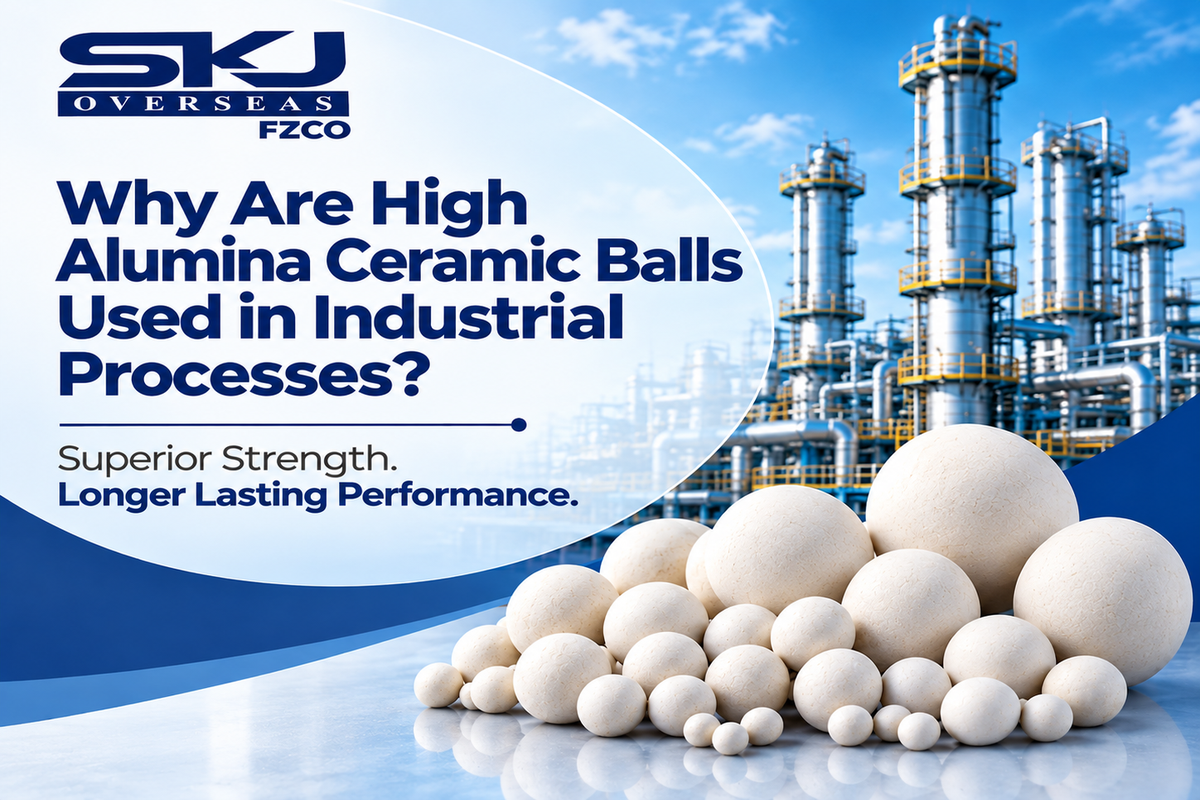
Activated Alumina Balls are spherical beads produced by calcining aluminum hydroxide at high temperature, a process that drives off water and creates a highly porous internal structure. The result is a material composed mainly of aluminum oxide, typically above 92% Al2O3, with a network of microscopic pores running through each bead.
This porous structure is what gives activated alumina its adsorption ability. Rather than reacting chemically with the substances it captures, activated alumina works through physical adsorption, meaning molecules such as water vapor become trapped inside the pore network as gas or liquid flows past.
A well-regarded Activated Alumina Balls manufactures partner controls this calcination step closely, since even small variations in firing temperature change the final pore structure and adsorption performance of the finished bead.
Typical physical properties of Activated Alumina Balls include:
- Surface area ranging from roughly 300 to 415 m²/g depending on grade
- Bulk density between approximately 700 and 800 kg/m³
- Pore volume of around 0.40 to 0.50 cc/g
- Crushing strength typically between 80 and 240 N per bead, depending on size
- Standard bead sizes ranging from about 2mm to 8mm
The Working Principle Behind Activated Alumina Balls
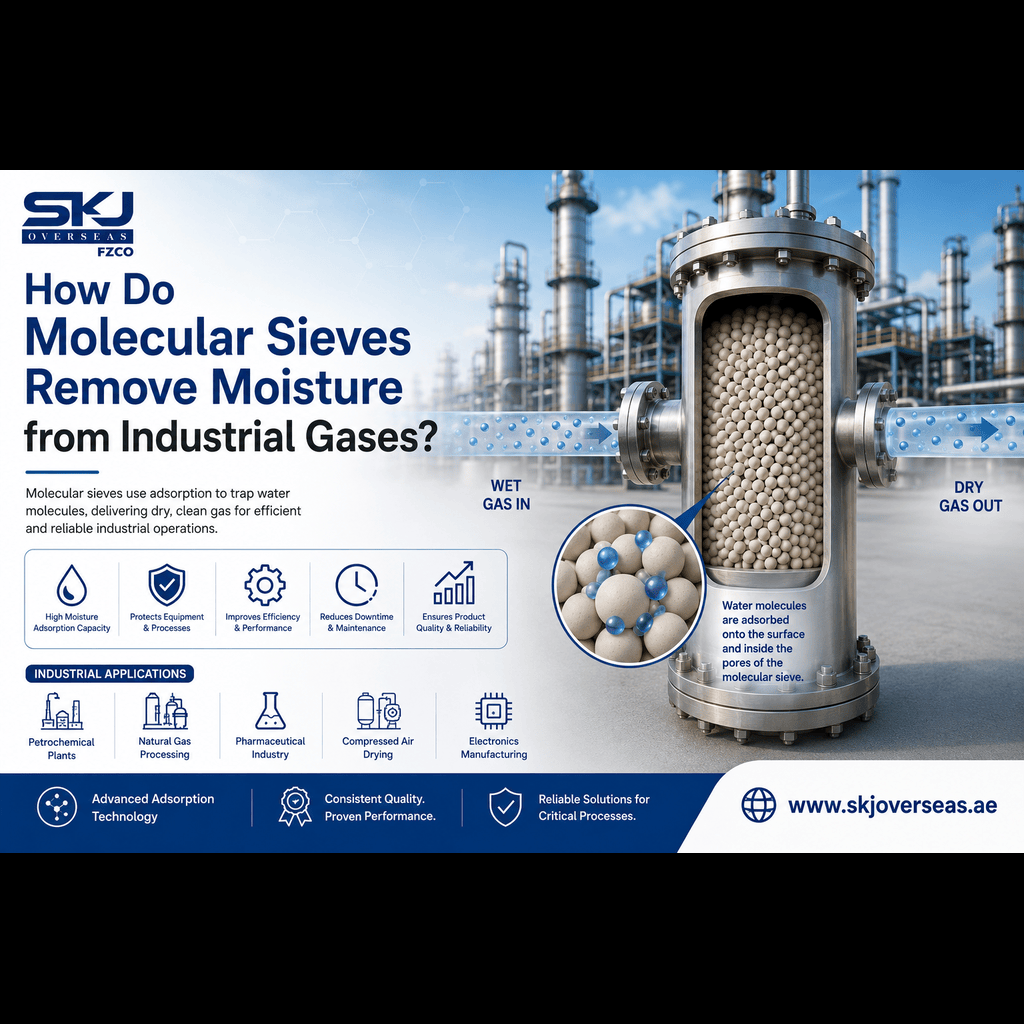
Understanding what makes Activated Alumina Balls function starts with the concept of physical adsorption. As humid air or gas passes through a bed of activated alumina, water molecules are attracted to the highly active internal surface of each bead and become trapped within the pore structure.
This process continues until the material approaches its adsorption capacity, at which point it can be regenerated by applying heat or reducing pressure to drive the trapped moisture back out. Because this cycle can be repeated many times without significant loss of adsorption capacity, activated alumina remains cost-effective over years of continuous use in properly designed systems.
The high surface area inside each bead is the key factor driving performance. A single gram of activated alumina can contain several hundred square meters of internal surface area, which is why relatively small quantities of material can adsorb a significant volume of moisture from a gas stream.
Plants operating in the Gulf region often prefer working with an Activated Alumina Balls in dubai supplier during the design phase, since local technical input helps size the bed correctly for the specific humidity and flow conditions of the installation.
Key Applications of Activated Alumina Balls
These application areas reflect why a specialized Activated Alumina Balls supplier typically stocks multiple bead sizes and grades rather than a single general-purpose product, since each use case places different demands on crushing strength and pore structure.
1. Compressed Air and Gas Drying
One of the most common uses is drying compressed air systems, where moisture must be removed to prevent corrosion, freezing in pneumatic lines, and damage to downstream equipment. Activated alumina beds are widely used in heatless and heated regenerative air dryers across manufacturing and industrial facilities.
2. Natural Gas and Process Gas Dehydration
Activated Alumina Balls also play a role in drying natural gas, cracked gas, and other process gas streams before further processing. Removing moisture at this stage prevents hydrate formation and protects downstream catalysts and equipment from water-related damage.
3. Catalyst and Catalyst Support Applications
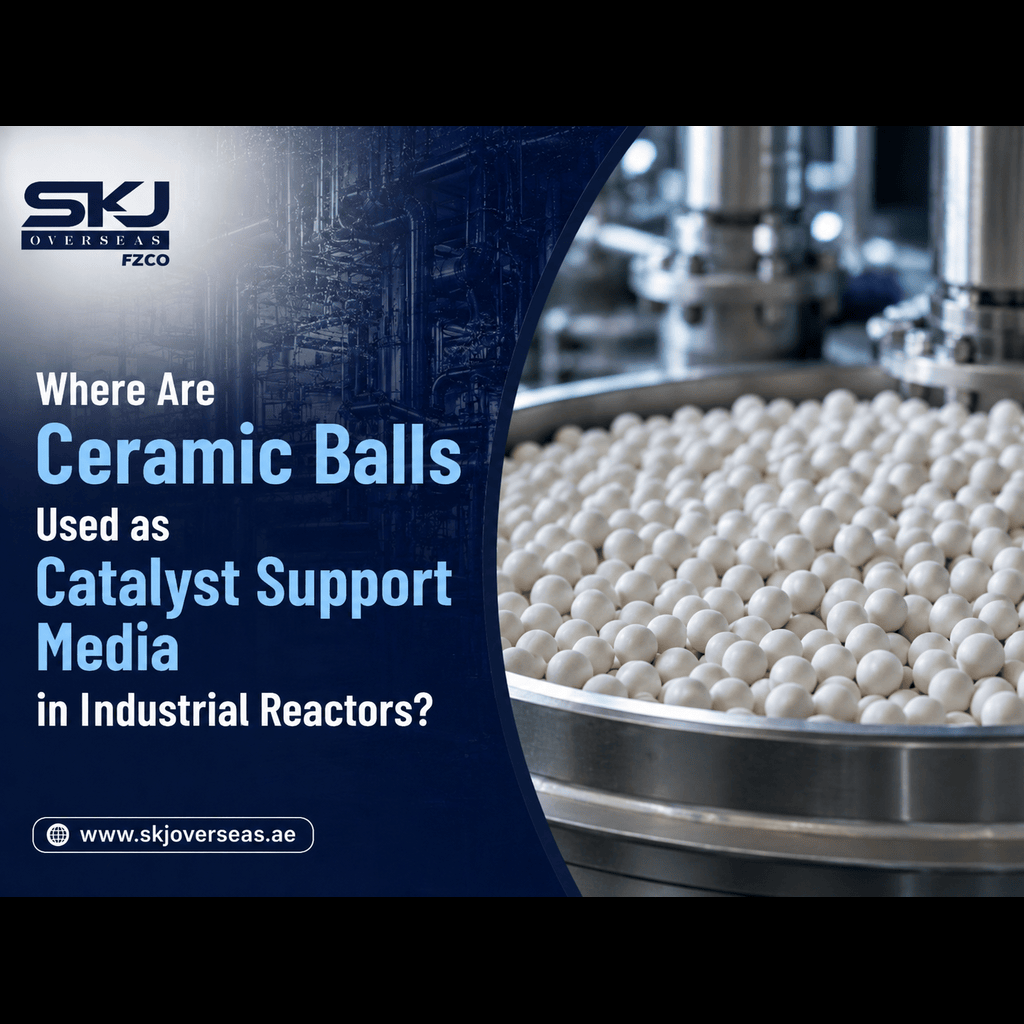
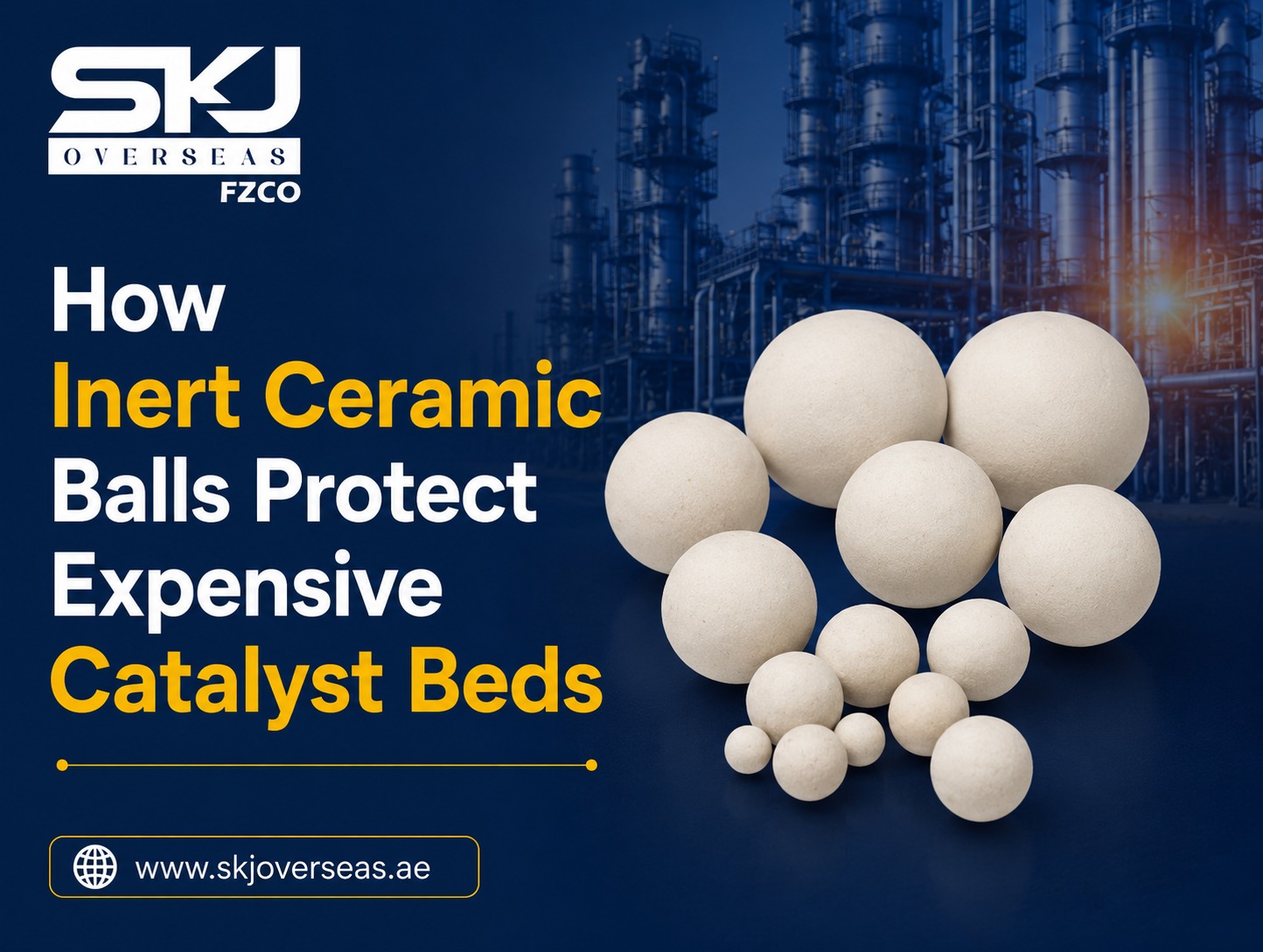
Beyond drying, activated alumina serves as a catalyst carrier in several chemical processes, including certain petroleum refining and polyethylene production applications. Its stable structure and high surface area provide an effective base for catalytic reactions to occur efficiently.
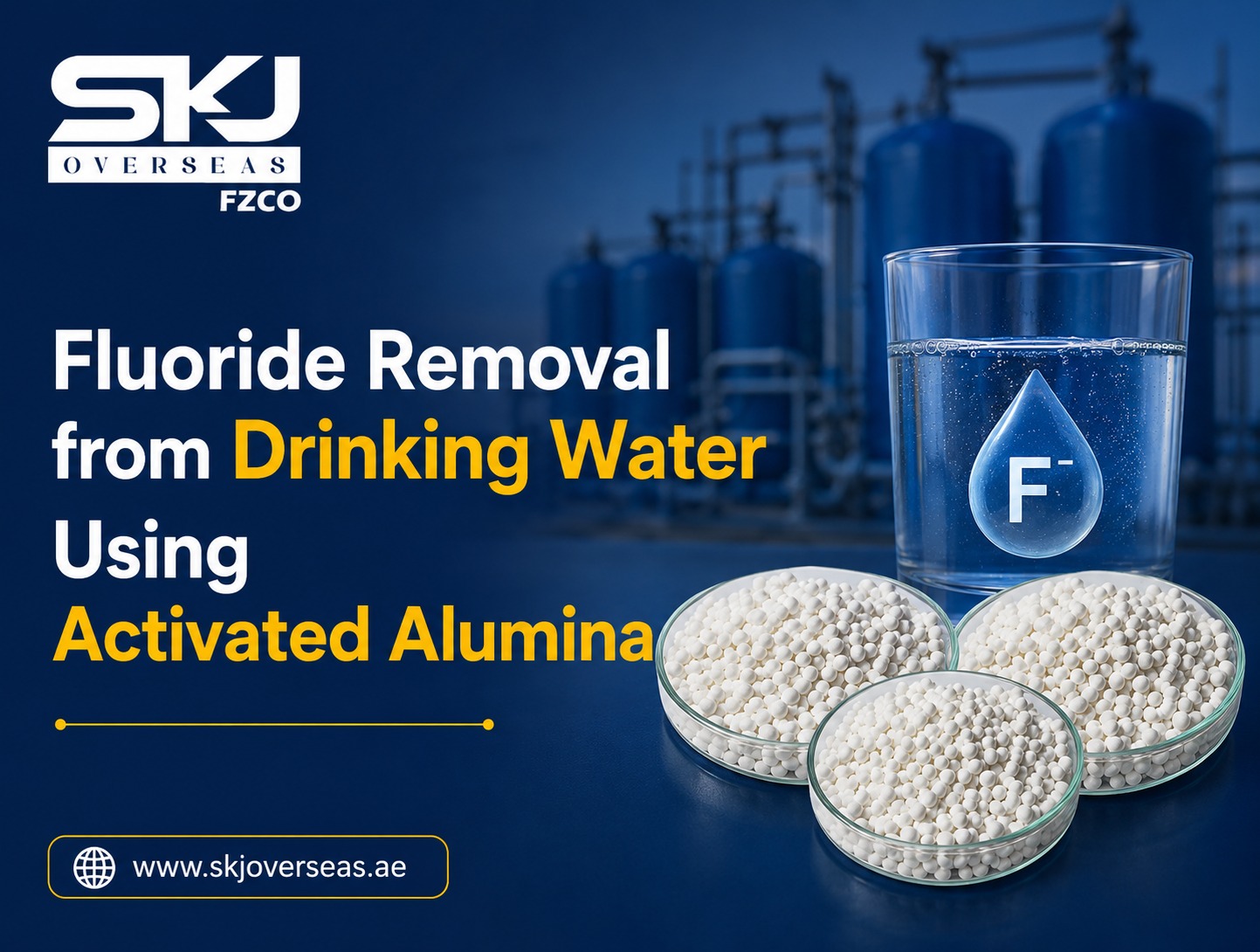
4. Fluoride and Arsenic Removal From Water
Activated alumina is also used as a selective adsorbent in water treatment, particularly for removing fluoride and arsenic from drinking water supplies. This defluoridation application relies on the same pore-trapping mechanism used in gas drying, adapted for liquid-phase treatment.
5. Claus Process Sulfur Recovery
In refineries and gas processing plants, activated alumina supports the Claus process, which recovers elemental sulfur from hydrogen sulfide-containing gas streams. Its role here combines both adsorption and catalytic support functions within the same process unit.
6. Instrument and Laboratory Air Drying
Activated Alumina Balls are also widely specified for instrument-grade air drying applications, where consistent, low dew point air is required for sensitive control systems and measurement equipment.
Limitations of Activated Alumina Balls
While Activated Alumina Balls perform well across many applications, understanding their limitations helps prevent selecting the wrong adsorbent for a given process.
- Reduced capacity at high humidity extremes: performance can decline outside optimal relative humidity ranges, requiring careful system design
- Sensitivity to liquid water carryover: excessive liquid water in the feed stream can cause premature saturation and reduced service life
- Attrition over time: repeated thermal cycling during regeneration can gradually generate dust, which may require periodic bed top-up
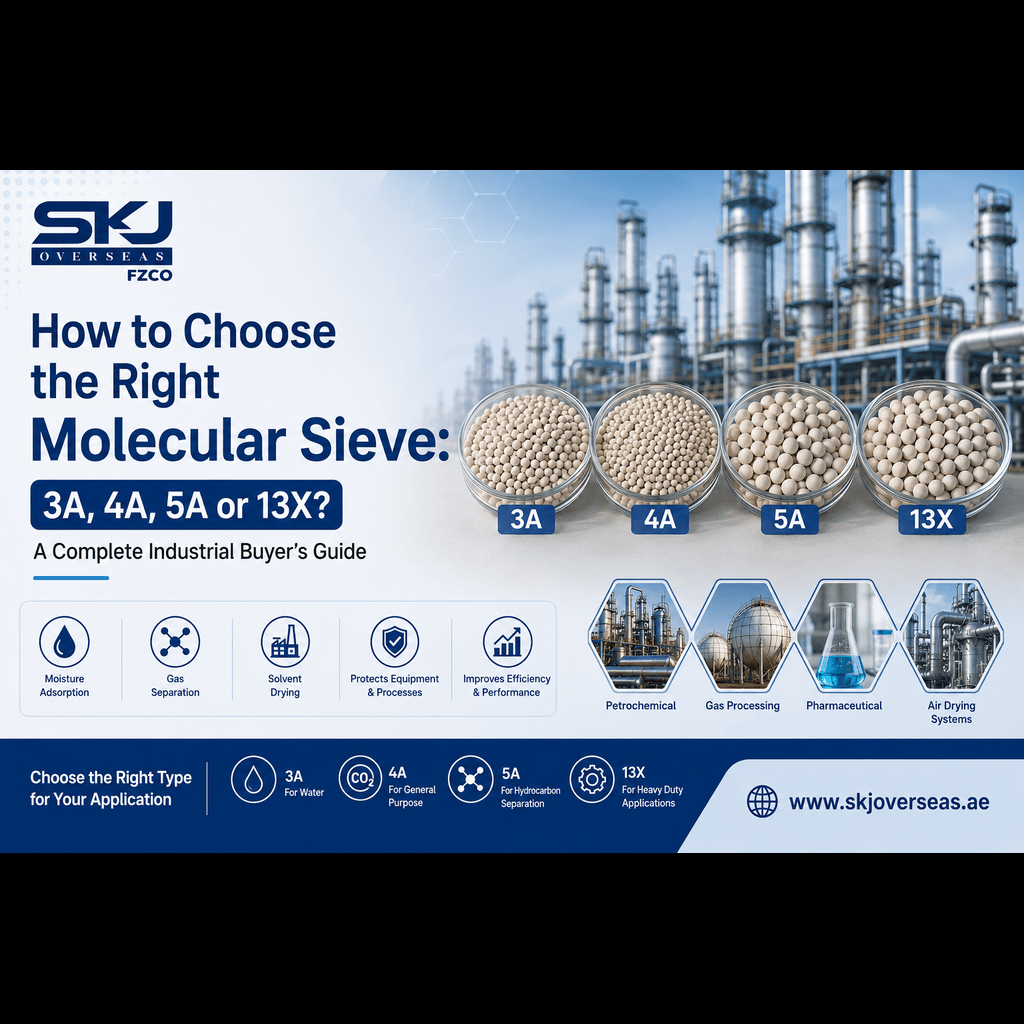
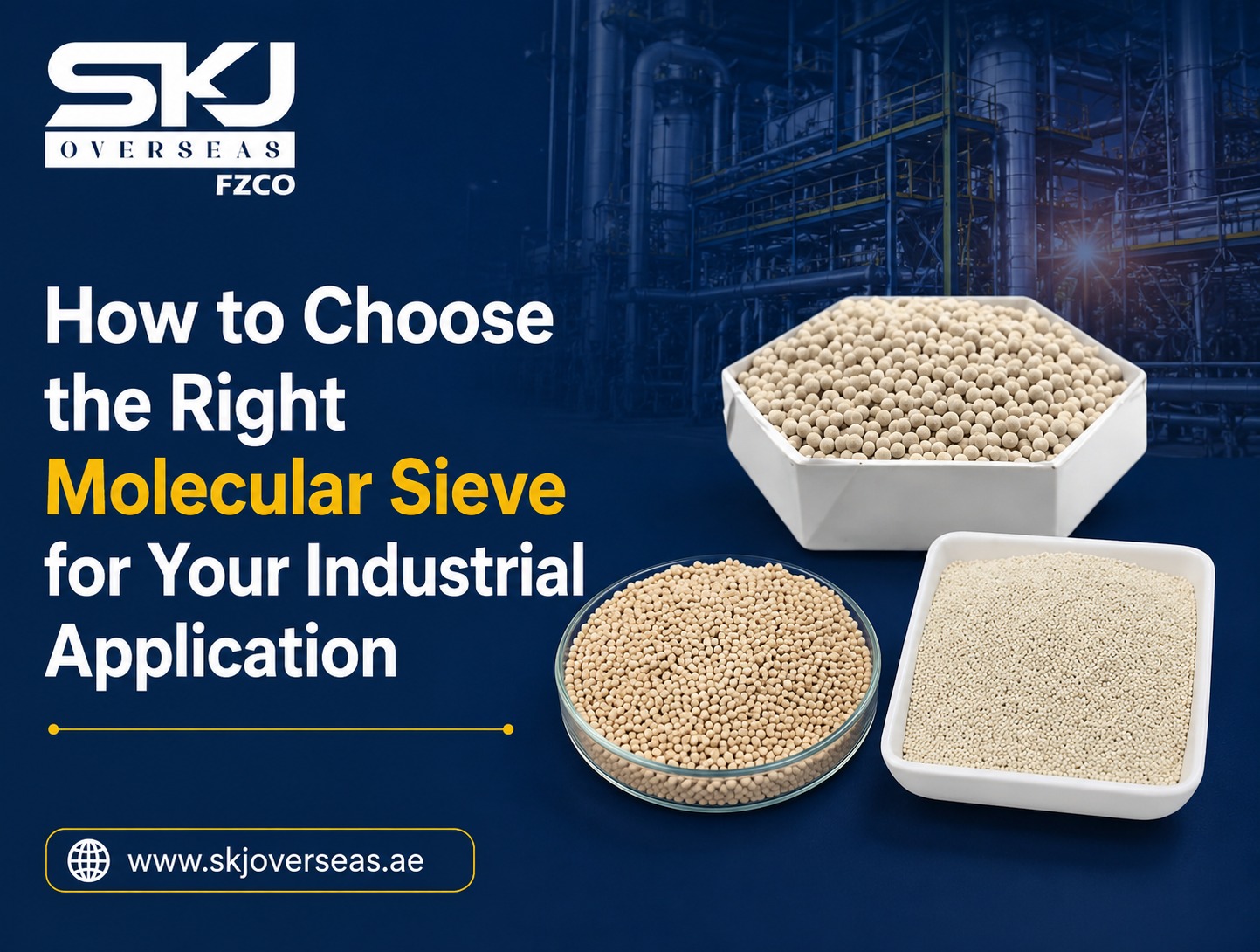
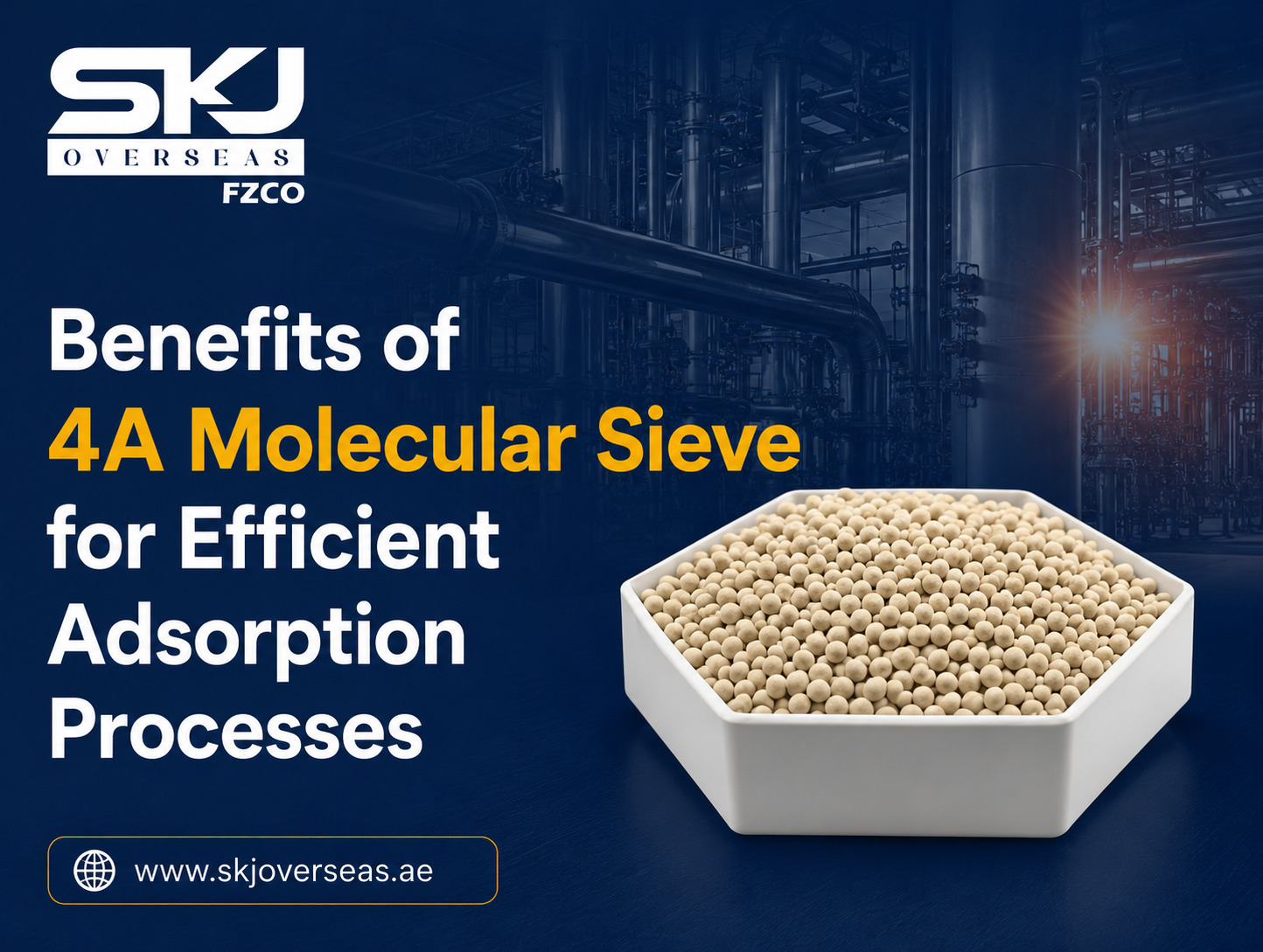
- Lower selectivity than molecular sieve: unlike 3A or 4A molecular sieve, activated alumina does not offer the same precise pore-size selectivity for separating specific molecules
- Performance decline with fouling: oil, grease, or particulate contamination in the feed stream can coat the bead surface and reduce adsorption efficiency over time
Because of these limitations, activated alumina is often used alongside other adsorbents, such as molecular sieve, in systems requiring both moisture removal and precise molecular separation. A knowledgeable Activated Alumina Balls exporters partner can advise on which limitations matter most for your specific feed conditions before the material ships.
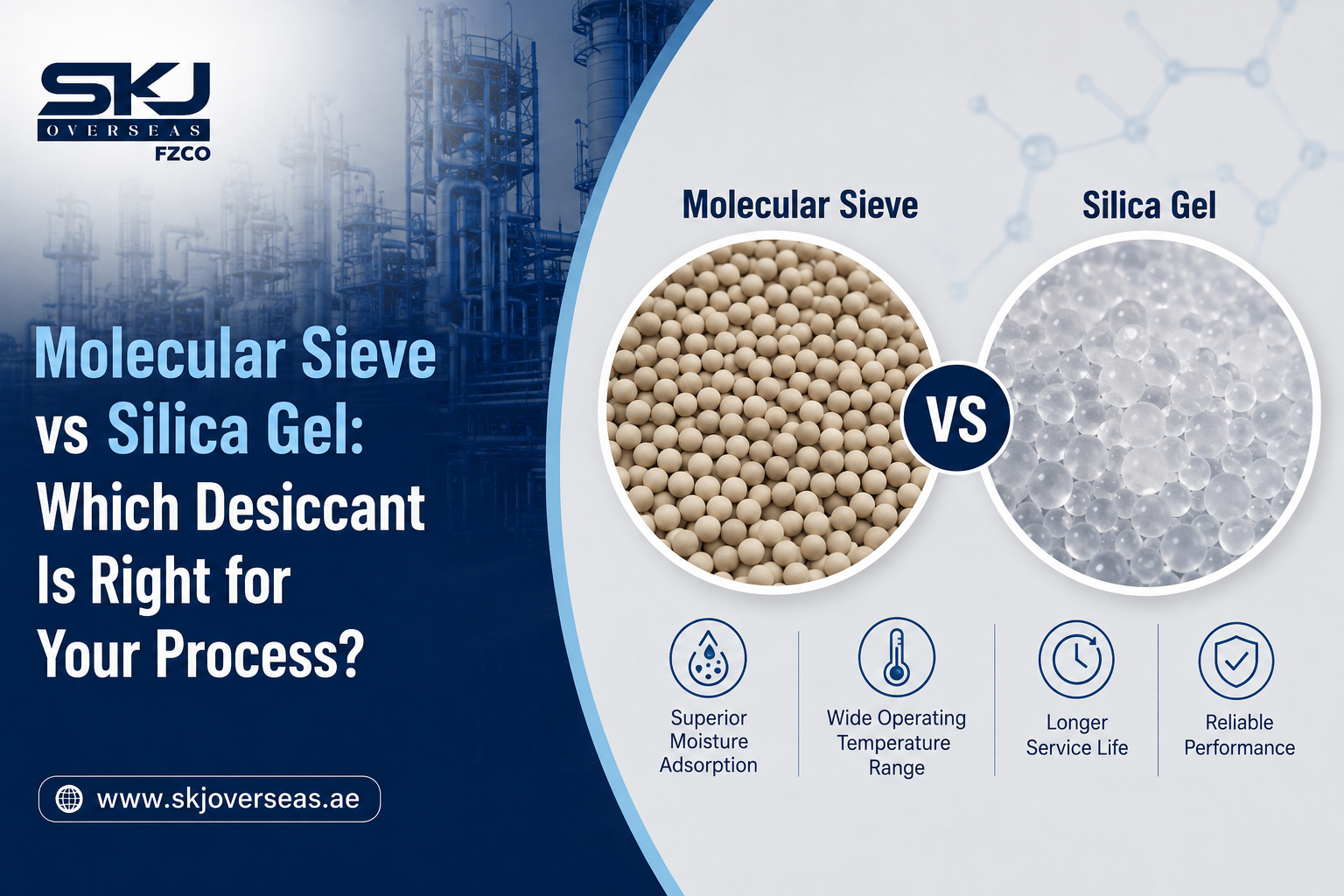
Activated Alumina Balls vs Other Desiccants
| Feature | Silica Gel | Molecular Sieve | Activated Alumina Balls |
| Surface area | Moderate | High, uniform pores | High |
| Crushing strength | Moderate | High | High |
| Selectivity | Low | Very high | Moderate |
| Regeneration temperature | Lower | Higher | Moderate to high |
| Best use case | General humidity control | Precise molecular separation | Bulk moisture and gas drying |
Engineers comparing these options often reach out to a Ceramic Manufacturers in Dubai with adsorbent experience, since the same supplier can usually advise on how activated alumina performs relative to silica gel or molecular sieve for a specific application.
How to Choose the Right Activated Alumina Grade
Selecting the correct grade depends on your specific process requirements and operating conditions.
- For compressed air drying: standard-grade beads with moderate crushing strength typically suffice
- For high-pressure gas systems: higher crushing strength grades reduce the risk of bead breakdown under load
- For water treatment applications: activated alumina formulated specifically for fluoride or arsenic adsorption performs better than general drying grades
- For catalyst support roles: consistent pore structure and surface area matter more than crushing strength alone
Working with an experienced Ceramic and Tower Packing Exporter in Dubai that also handles adsorbent media ensures the grade you select matches your system’s pressure, temperature, and contamination profile.
Why Sourcing Quality Activated Alumina Matters
Not all activated alumina products on the market meet the same purity and consistency standards, even when labeled with similar specifications. Variations in calcination temperature, alumina purity, and pore structure can significantly affect adsorption capacity and bead lifespan under real operating conditions.
When evaluating Activated Alumina Balls supplier options, look for:
- Verified surface area and adsorption capacity test data
- Consistent bead sizing for predictable bed density and pressure drop
- Low attrition loss ratings to reduce dust formation over time
- Reliable packaging that protects against premature moisture exposure during transit
Working with an established Activated Alumina Balls manufactures partner ensures the batch you receive performs to its stated technical data sheet, protecting your system’s drying efficiency and reducing unplanned maintenance.
Sourcing Activated Alumina Balls From a Verified Supplier in Dubai
Regional sourcing offers real advantages for plants that need shorter lead times and local technical support. A reliable Activated Alumina Balls in dubai supplier reduces shipping delays and gives engineers a nearby point of contact for troubleshooting adsorption performance issues.
SKJ Overseas supplies adsorbent and drying media alongside its wider ceramic and tower packing product range, giving process engineers a single, quality-tested source for multiple materials used across their plant’s separation and purification systems.
Frequently Asked Questions
1. What is the main difference between Activated Alumina Balls and molecular sieve?
Activated Alumina Balls adsorb moisture across a broader range of pore sizes, while molecular sieve offers precise, uniform pore sizing for selective molecular separation. Molecular sieve typically achieves lower dew points but at a higher cost than activated alumina.
2. Can Activated Alumina Balls be regenerated and reused?
Yes. Activated alumina can be regenerated by applying heat or reducing pressure to drive out adsorbed moisture, restoring most of its original adsorption capacity for repeated use over several years.
3. What causes reduced performance in an activated alumina bed over time?
Performance decline is usually caused by incomplete regeneration, liquid water carryover, oil or particulate fouling, or mechanical attrition that generates dust and reduces effective surface area.
4. Is Activated Alumina Balls safe for drinking water treatment?
Yes. Activated alumina is widely used and approved for removing fluoride and arsenic from drinking water supplies, making it a recognized material in municipal and industrial water treatment systems.
5. How long do Activated Alumina Balls typically last in service?
With proper regeneration cycles and protection from liquid water carryover and fouling, activated alumina beds commonly last several years before requiring replacement or top-up.
Get Activated Alumina Balls From SKJ Overseas
Looking for a dependable Activated Alumina Balls exporters and supplier for your drying or purification system? Contact SKJ Overseas supplies activated alumina engineered for consistent adsorption performance and long service life in continuous industrial operation.