Moisture is one of the most disruptive contaminants in industrial gas processing. Even trace amounts of water vapor can cause pipeline corrosion, hydrate formation, and equipment damage that leads to costly, unplanned shutdowns. This is exactly why molecular sieves have become the standard solution across gas plants worldwide for keeping moisture levels under control.
If you have ever wondered how these small, uniform pellets manage to strip water out of a gas stream so effectively, this article walks through the science in plain terms and what it means for your process.
What Makes Molecular Sieves Different From Other Desiccants
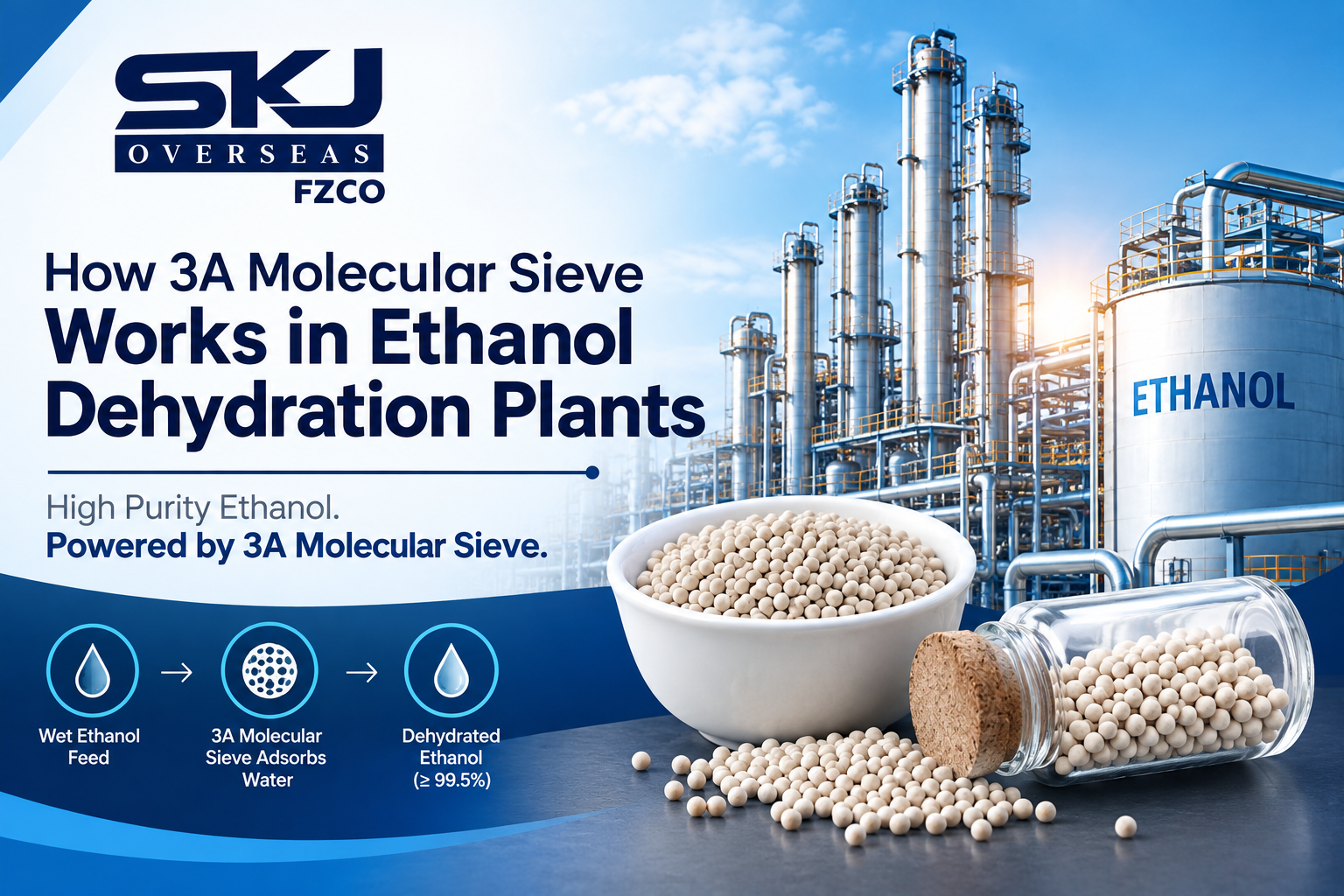
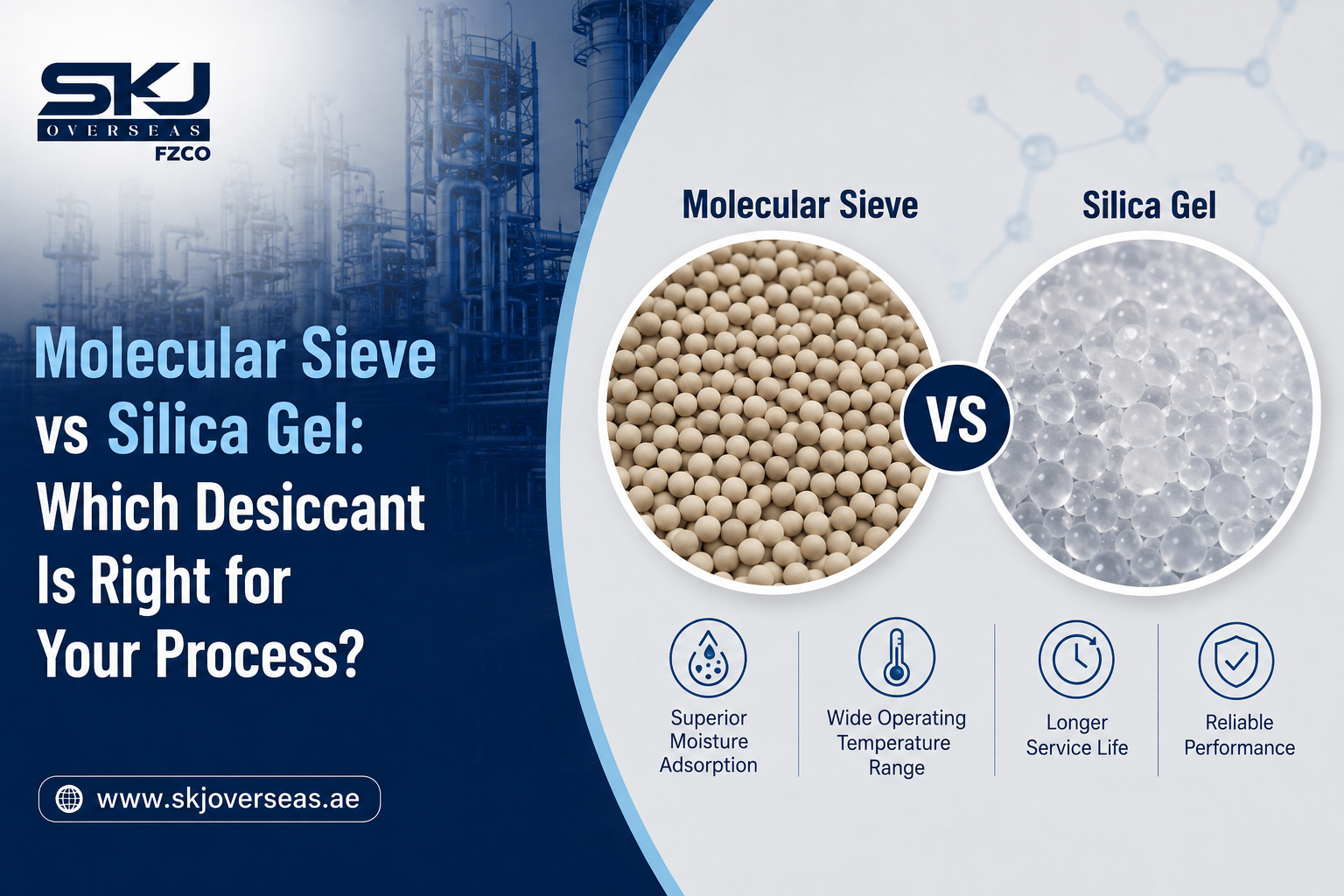
Molecular sieves are synthetic zeolites engineered with pores of a precise, uniform size, measured in angstroms. That precision is what sets them apart from other drying agents like silica gel or activated alumina, which have irregular pore structures and less selective adsorption.
Because every pore in a molecular sieve batch is the same size, the material can selectively trap molecules based purely on their diameter, letting everything larger pass straight through untouched.
- Uniform pore size allows highly selective adsorption
- Higher moisture capacity than most conventional desiccants
- Performs reliably even at low relative humidity levels
The Adsorption Process That Traps Water Molecules
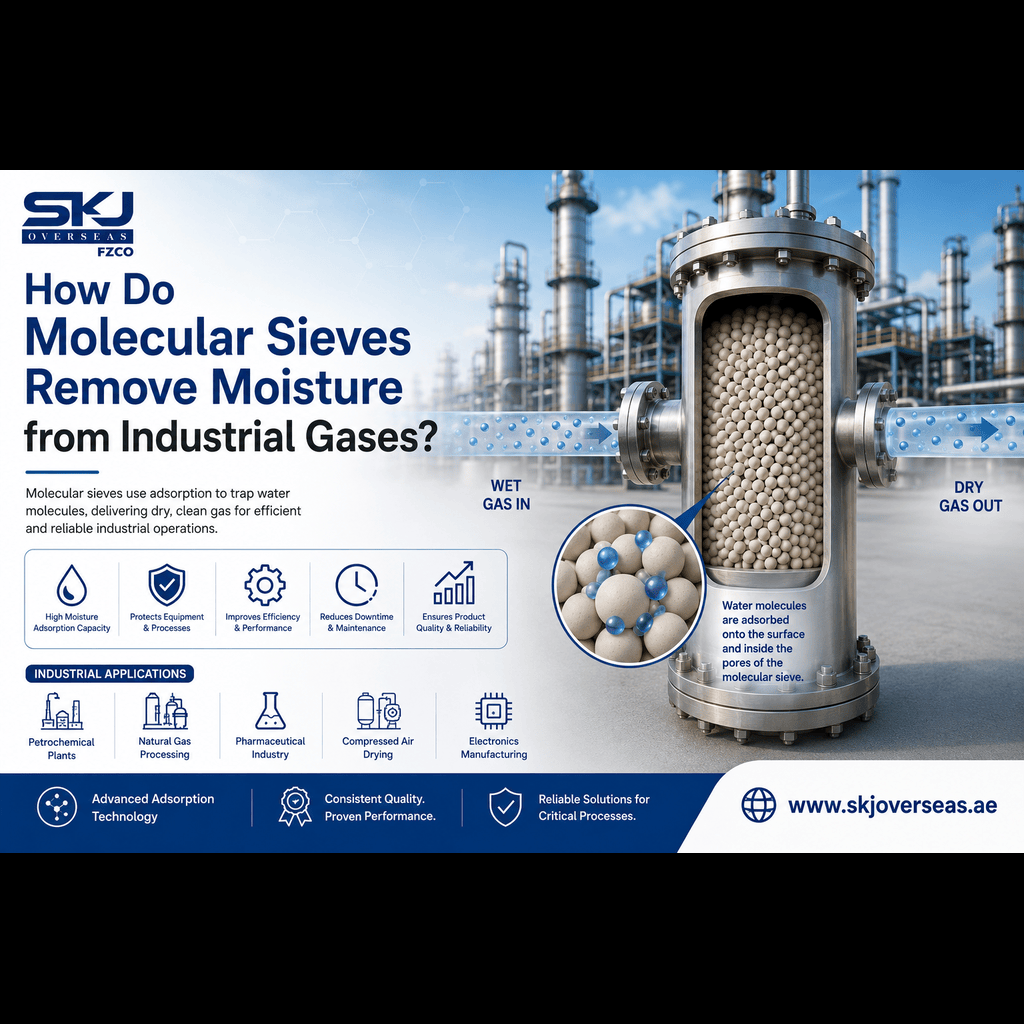
Water molecules are small enough to fit into the pore openings of most molecular sieve grades, where they become physically trapped inside the internal pore structure. As gas flows through a bed of sieve pellets, water molecules enter the pores and stay there while the rest of the gas stream continues on unaffected.
This process, known as adsorption, is different from absorption since the water is held on the internal surface of the pellet rather than dissolving into it. That distinction is part of why molecular sieves can achieve such low residual moisture levels, often down to a few parts per million.
Why Pore Size Determines Which Gases Get Dried Effectively
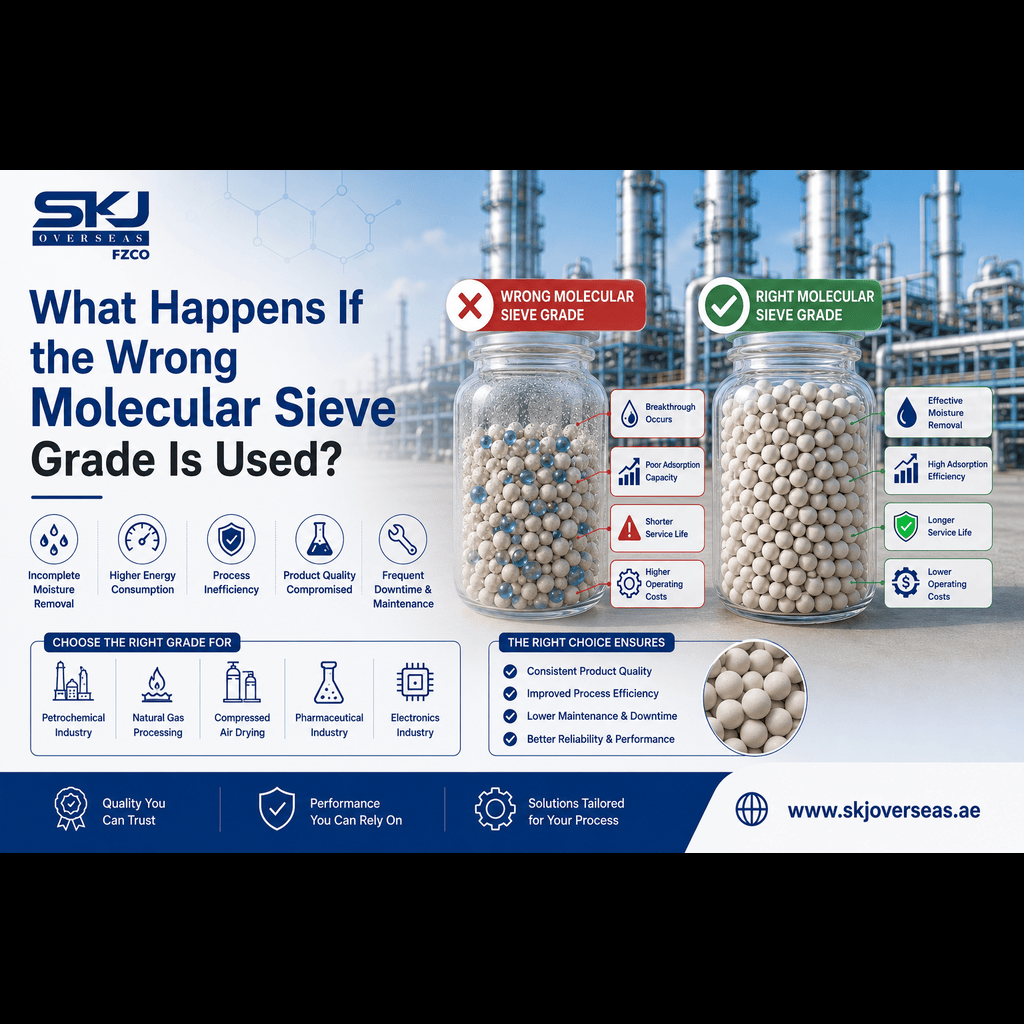
Different molecular sieve grades exist because different processes need to exclude different molecules alongside water. A grade with slightly larger pores can also adsorb carbon dioxide or hydrogen sulfide, while a smaller pore grade sticks strictly to water removal without touching anything else in the stream.
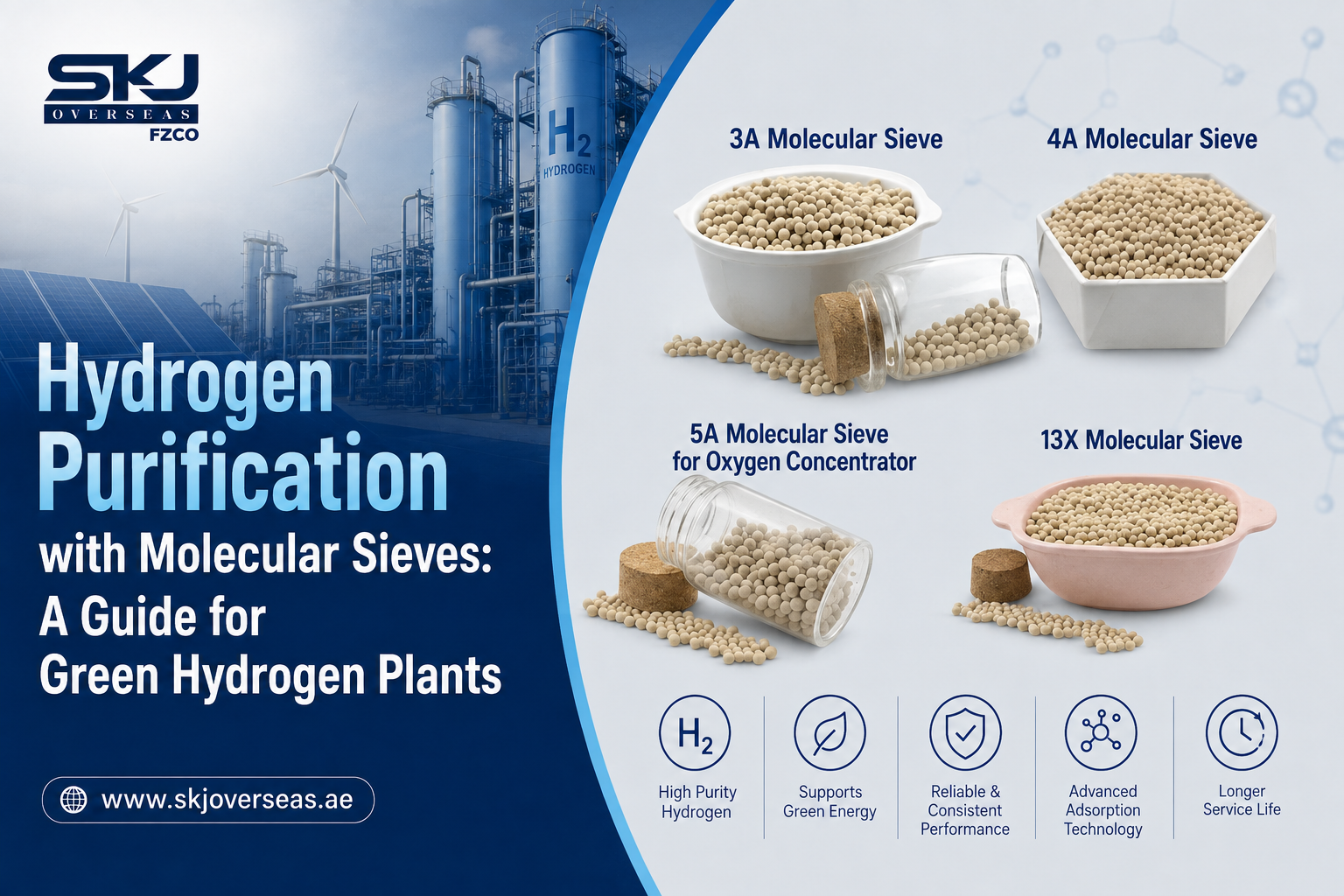
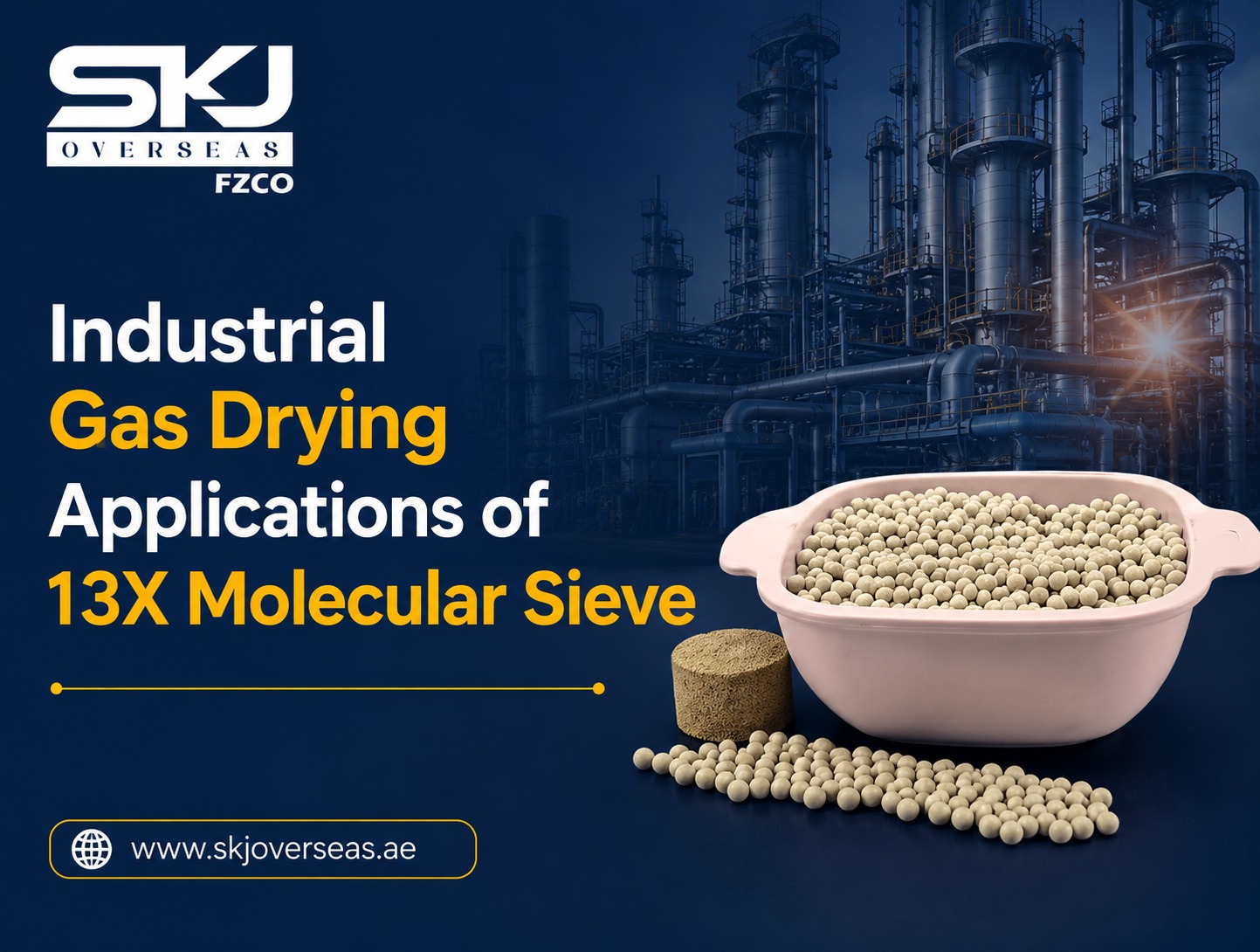
This is where molecular sieve type 13X stands out, since its larger pore structure allows it to adsorb moisture, CO2, and H2S simultaneously, making it a practical fit for natural gas sweetening and air separation units that need combined purification in a single step.
How Regeneration Restores Adsorption Capacity for Reuse
Molecular sieves are not single-use materials. Once a bed reaches its adsorption capacity, it can be regenerated by heating it to drive off the trapped water, restoring the pellets to their original dry state for another cycle.
Most industrial systems use two beds in parallel, one actively drying the gas stream while the other regenerates, allowing continuous operation without interrupting the process. This cycle repeats for years before the sieve material eventually needs replacement due to gradual capacity loss.
- Heat regeneration drives off trapped moisture
- Dual-bed systems allow continuous, uninterrupted drying
- Sieve material typically lasts several years before replacement
Why Manufacturing Quality Affects Long-Term Drying Performance
Not every batch of molecular sieve performs the same way, even within the same grade. Pellet strength, pore consistency, and moisture content on arrival all affect how well the material holds up under repeated adsorption and regeneration cycles.
Working with experienced 13X molecular sieve manufacturers ensures the pellets maintain their structural integrity through thousands of regeneration cycles, since a sieve that breaks down physically loses adsorption capacity far faster than the specification sheet suggests.
Why Batch Consistency From Your Supplier Matters Just as Much
Even a well-designed sieve grade underperforms if supply quality varies from one delivery to the next. Crush strength, attrition resistance, and moisture content need to stay consistent across every shipment to keep a drying unit performing predictably.
This is where a dependable relationship with 13X molecular sieve suppliers becomes valuable, since plants running continuous gas processing operations cannot afford performance dips caused by an inconsistent batch mid-cycle.
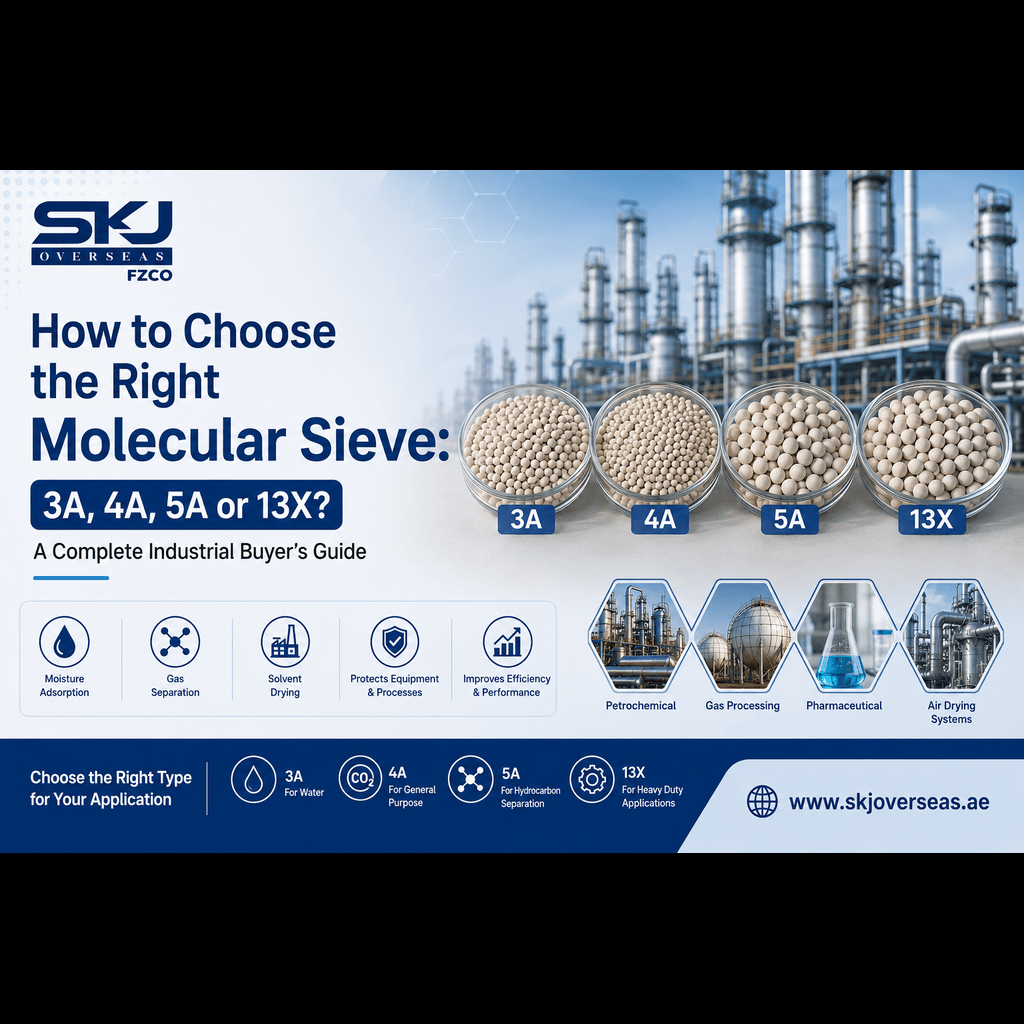
At SKJ Overseas, we supply 13X molecular sieves manufactured to consistent quality standards, so plants get predictable moisture removal performance whether they are drying natural gas, air, or industrial process streams. If you are still comparing which grade fits your specific application, our guide on how to choose the right molecular sieve between 3A, 4A, 5A, and 13X breaks down the differences in detail.
FAQs
1. How much moisture can molecular sieves remove from a gas stream?
Well-designed molecular sieve systems can reduce moisture content to just a few parts per million, far lower than most conventional desiccants can achieve.
2. Can molecular sieves remove contaminants other than water?
Yes, larger pore grades like 13X can also adsorb carbon dioxide and hydrogen sulfide alongside moisture, depending on the specific application requirements.
3. How often does molecular sieve need to be replaced?
This depends on operating conditions and regeneration frequency, but well-manufactured sieve typically lasts several years before adsorption capacity declines enough to warrant replacement.
4. What is the difference between adsorption and absorption in this context?
Adsorption traps molecules on the internal surface of the pellet, while absorption involves the substance dissolving into the material, which is why sieves achieve such precise, selective drying.
5. Why do gas drying systems use two molecular sieve beds instead of one?
Dual-bed systems allow one bed to dry the gas stream while the other regenerates, enabling continuous operation without pausing the process for regeneration cycles.
Final Thoughts
Molecular sieves remove moisture from industrial gases through precise, selective adsorption, trapping water molecules while letting the rest of the gas stream pass through untouched. Regeneration allows the same material to be reused for years, making it a reliable, cost-effective solution for continuous gas drying operations. Choosing the right grade and sourcing consistent material from the start keeps these systems performing the way they were designed to.
If you need guidance on selecting the right molecular sieve grade for your gas drying application, contact our team at SKJ Overseas. We will help you match the right adsorbent to your exact process conditions.