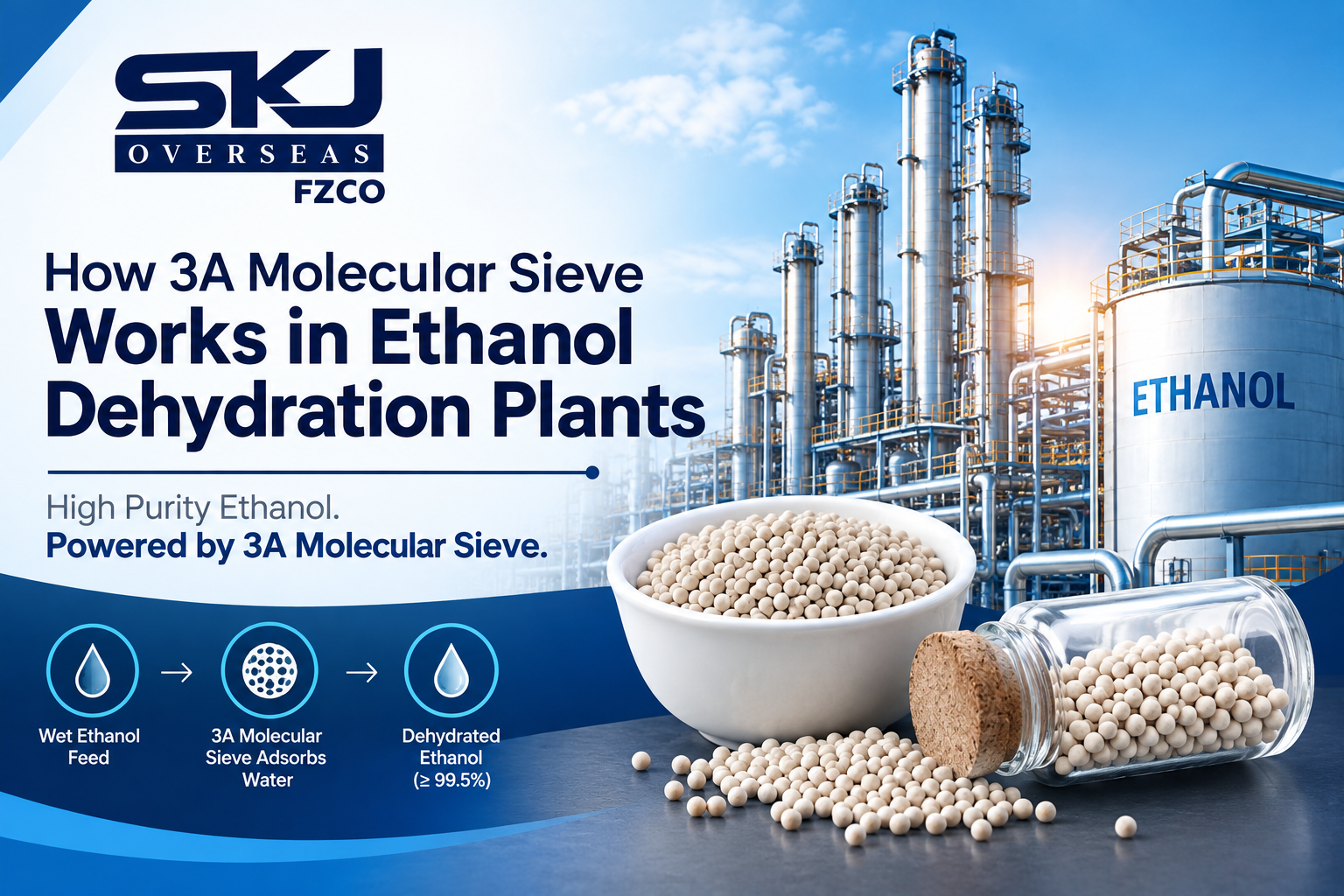
Producing fuel-grade ethanol requires removing nearly all traces of water from a mixture that distillation alone cannot fully purify. This is exactly where 3A Molecular Sieve Works in Ethanol Dehydration Plants, using a precise pore-size filtering process to strip out the final percentage of moisture that standard distillation leaves behind. Without this step, ethanol cannot reach the purity levels required for fuel blending or industrial use.
As an experienced Ceramic Manufacturers in Dubai and a trusted Ceramic and Tower Packing Exporter in Dubai, SKJ Overseas also supplies adsorbent materials used in dehydration and drying systems across the region. This guide explains the science behind 3A Molecular Sieve, how it fits into an ethanol plant’s process flow, and what to look for when sourcing it.
What Is 3A Molecular Sieve?
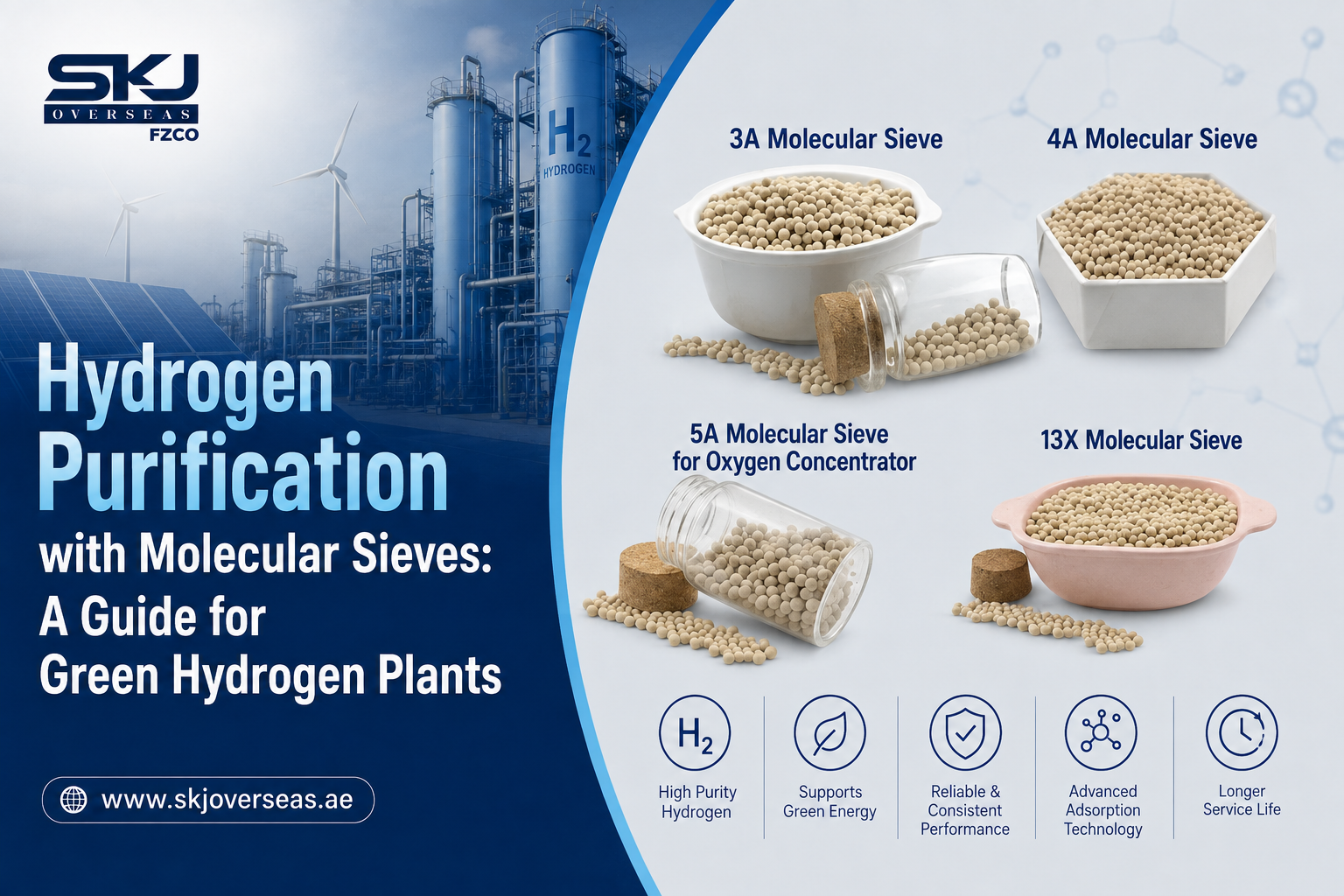
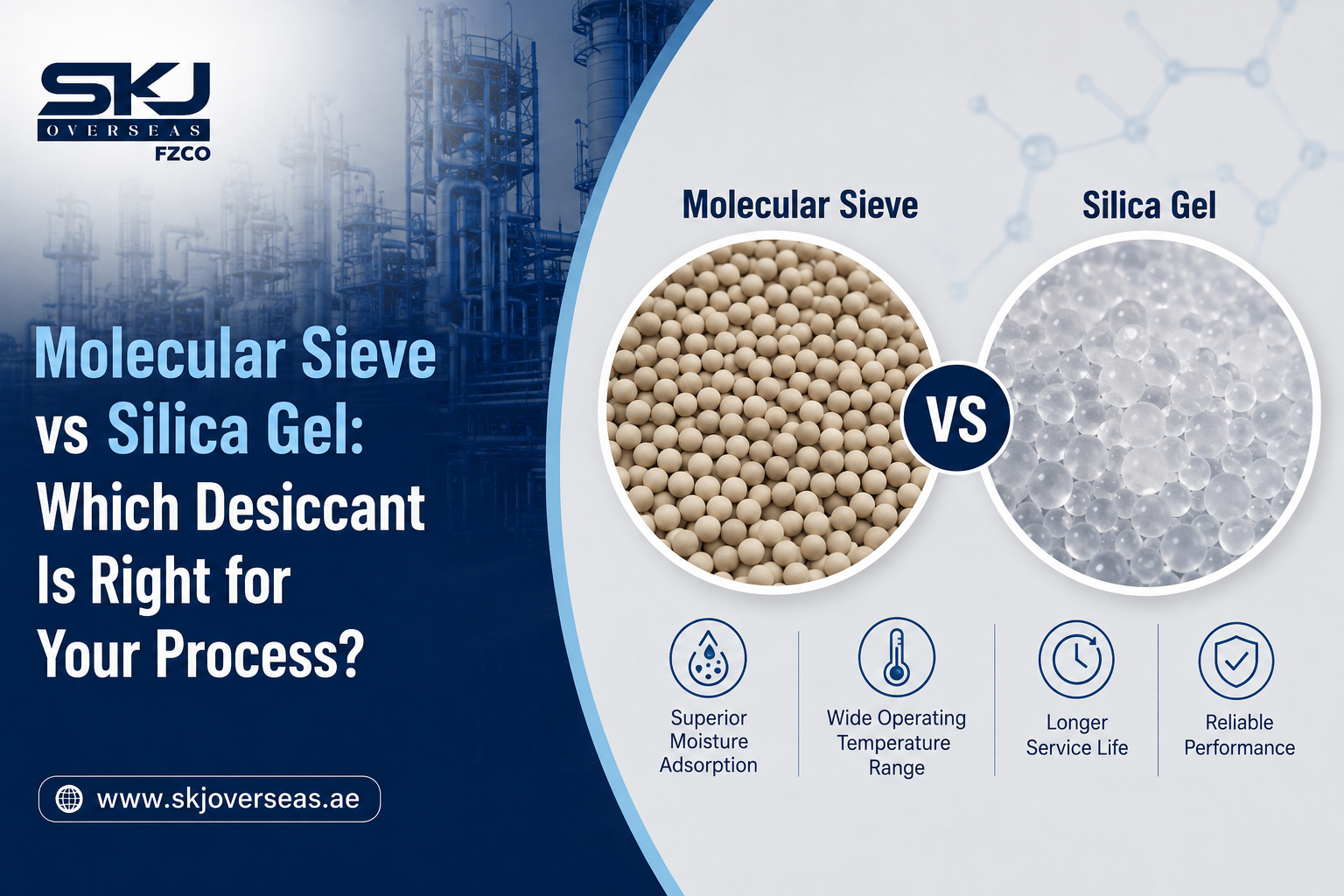
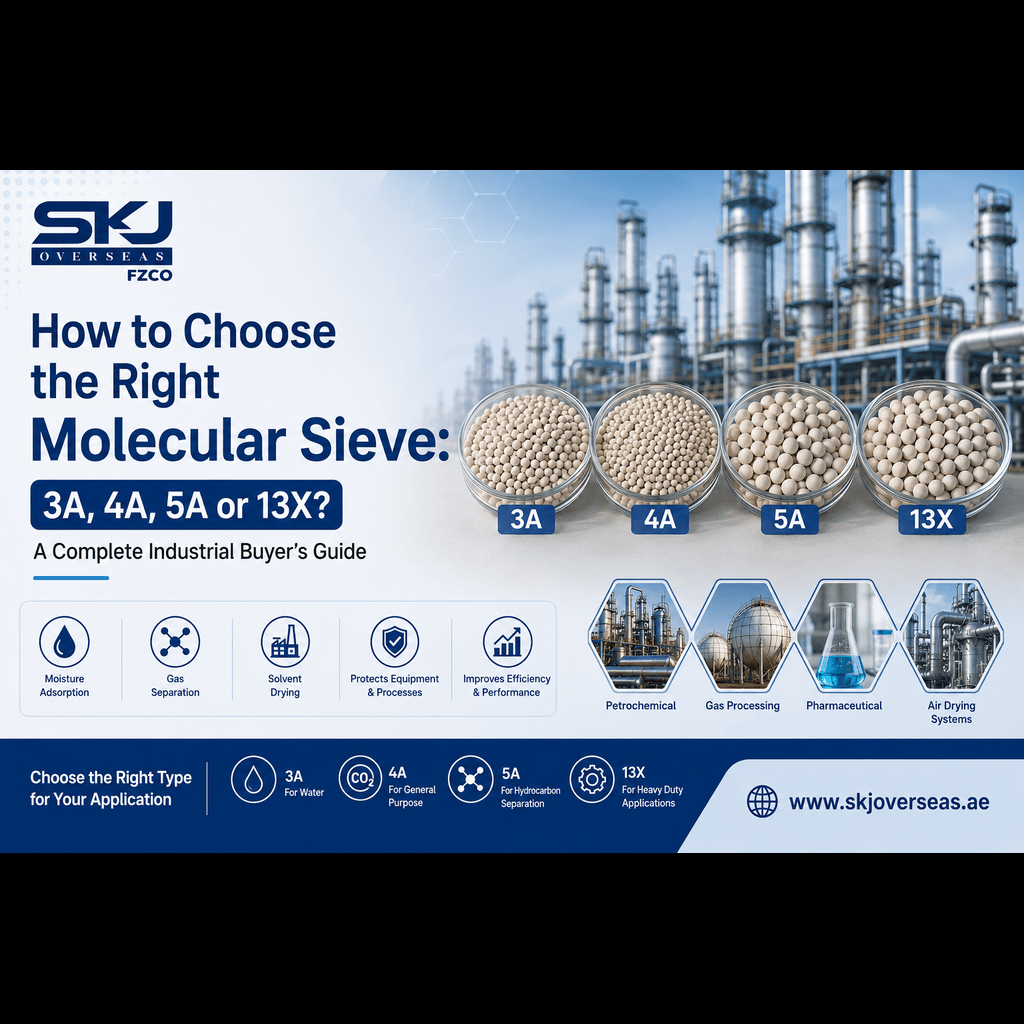
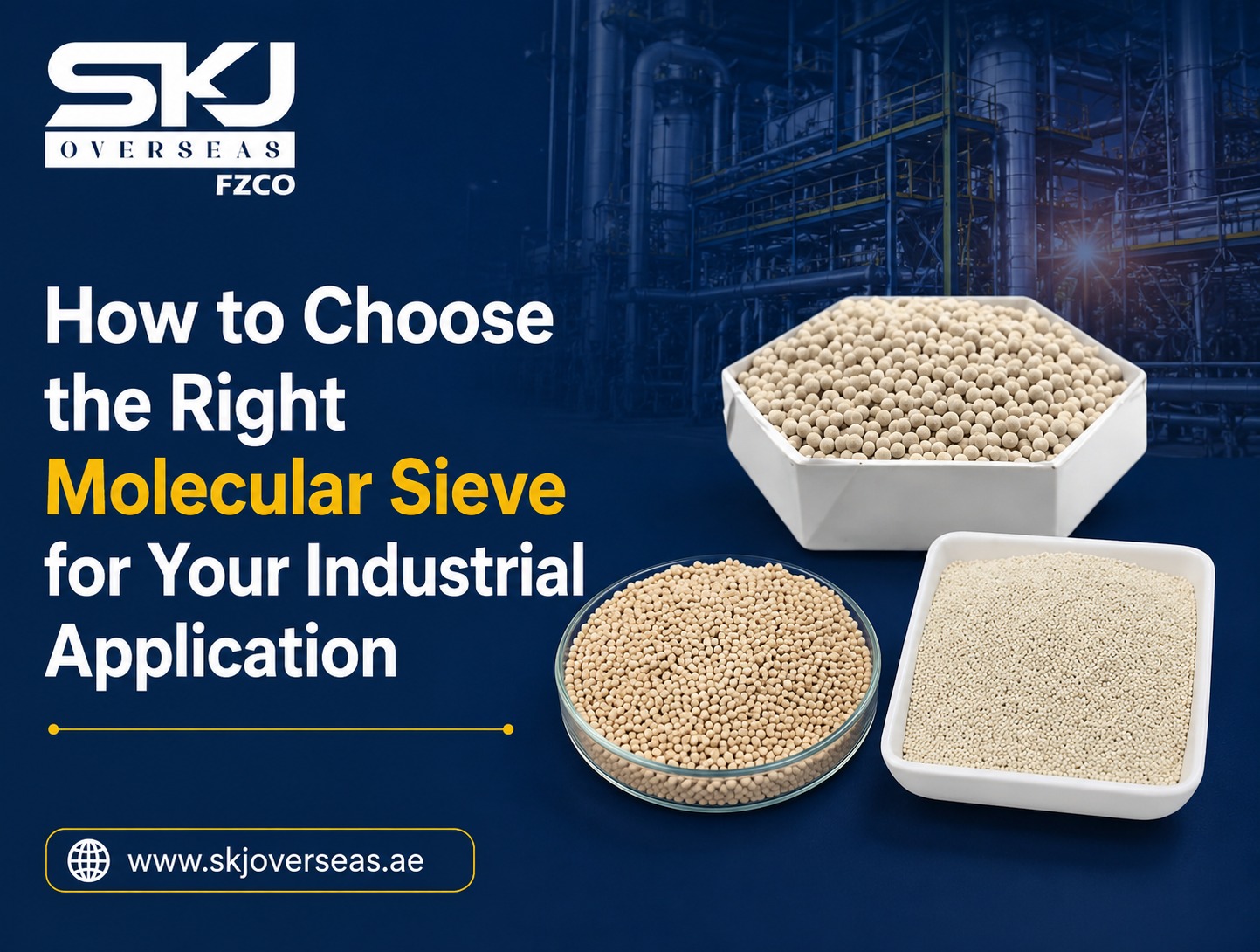
3A Molecular Sieve is a synthetic zeolite, an alkali metal aluminosilicate manufactured with an extremely uniform pore structure. Its defining feature is a pore opening of approximately 3 angstroms, roughly 0.3 nanometers, which is precisely sized to let water molecules pass through while blocking larger molecules such as ethanol.
This pore size is achieved by exchanging potassium ions into the crystal structure during manufacturing, which narrows the pore opening compared to the 4A and 5A sieve types used in other drying applications. The result is a highly selective adsorbent that captures water almost exclusively, even in a stream where ethanol vastly outnumbers water molecules.
Typical technical properties of 3A Molecular Sieve include:
- Effective pore diameter of about 3 angstroms
- Bulk density typically between 0.65 and 0.80 g/ml
- Static water adsorption capacity of 20% or higher by weight
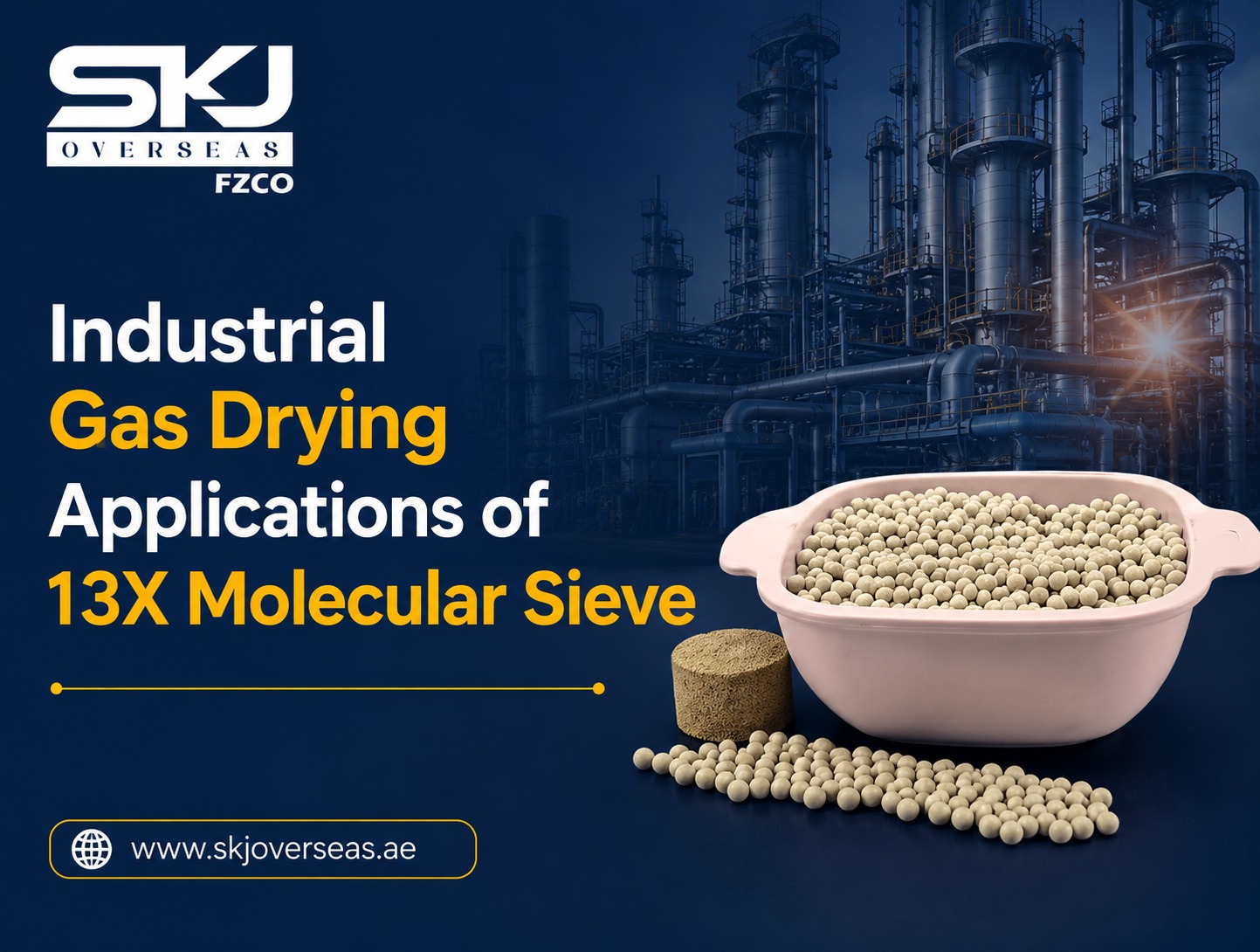
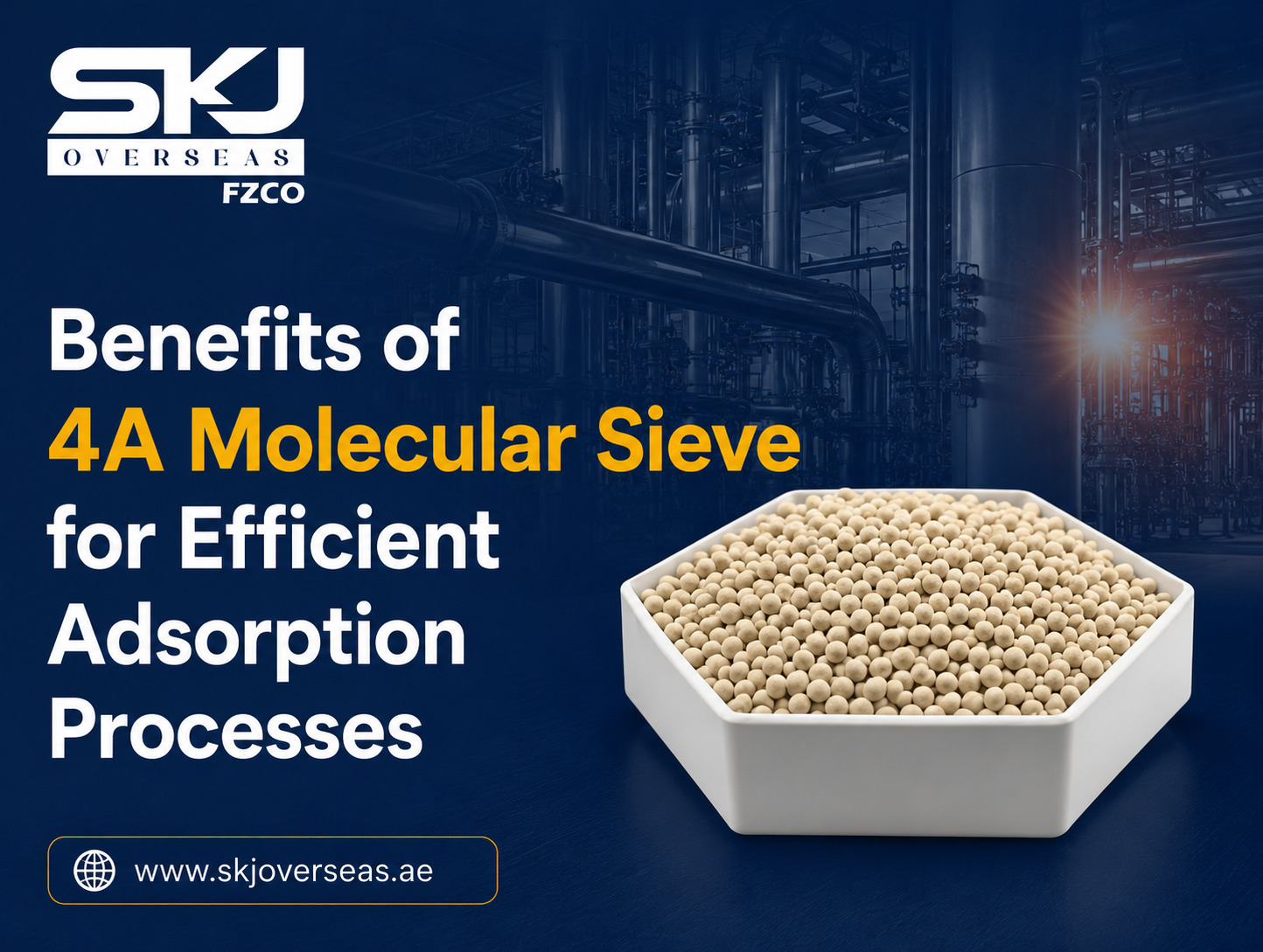
- Available in bead or pellet form, commonly sized 1.5mm to 5mm
- Water content as shipped generally below 1.5% by weight
Why Standard Distillation Cannot Fully Dehydrate Ethanol
Ethanol and water form what is known as an azeotrope, a mixture that behaves as a single substance at a specific concentration during boiling. This azeotropic point occurs at roughly 95.6% ethanol by volume, meaning conventional distillation columns physically cannot separate the mixture beyond this concentration no matter how many additional distillation stages are added.
Fuel-grade ethanol, however, typically needs to reach 99.5% purity or higher to meet blending specifications and avoid phase separation issues when mixed with gasoline. Closing this final gap is the specific job that molecular sieve dehydration was developed to solve, and it is the reason nearly every modern fuel ethanol plant includes a molecular sieve unit downstream of distillation.
How 3A Molecular Sieve Works in Ethanol Dehydration Plants Step by Step
1. Vapor-Phase Ethanol Enters the Sieve Bed
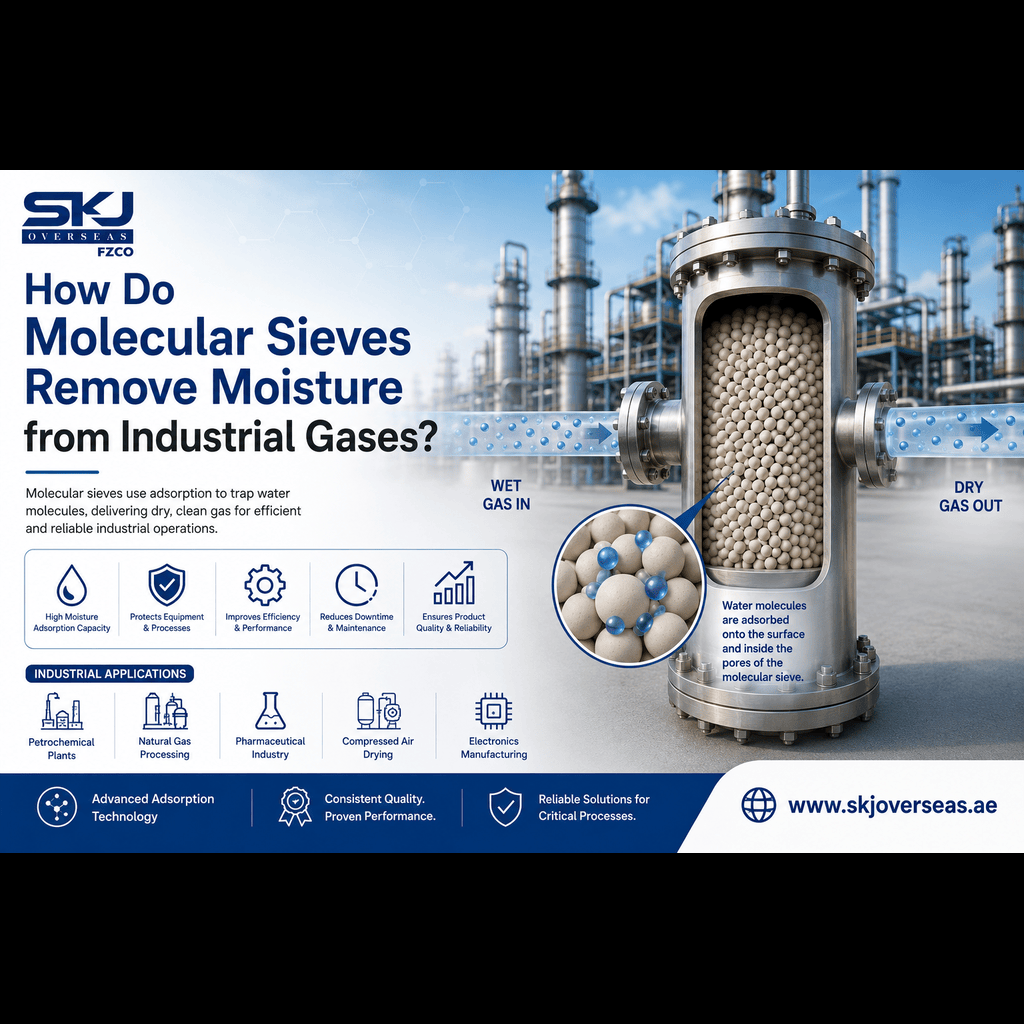
After distillation raises ethanol concentration to around 95%, the vapor stream is heated and passed through a bed packed with 3A Molecular Sieve beads. At this stage, both water and ethanol molecules are present in the vapor, but only water molecules are small enough to pass through the sieve’s pore openings.
2. Selective Water Adsorption Occurs
As the vapor moves through the packed bed, water molecules become trapped inside the pore structure of the zeolite crystals, while ethanol molecules pass through largely unaffected due to their larger molecular size. This selective adsorption is what allows the process to strip water down to trace levels without removing meaningful amounts of ethanol.
3. Dehydrated Ethanol Exits the Column
The ethanol vapor leaving the sieve bed typically reaches 99.5% to 99.9% purity, meeting the specification required for fuel-grade or industrial-grade ethanol. This dehydrated stream is then condensed and sent to storage or blending, completing the purification process.
4. The Bed Is Regenerated for Reuse
Once a sieve bed approaches its water adsorption capacity, it is taken offline and regenerated using a low-pressure or heated purge stream that drives the trapped water back out of the pore structure. Most commercial ethanol plants use at least two sieve beds operating in parallel, so one bed dehydrates ethanol while the other regenerates, allowing continuous plant operation without downtime.
Why Pore Size Selection Matters in Dehydration Systems
The 3-angstrom pore size is specifically chosen because it sits between the kinetic diameter of water, roughly 2.6 angstroms, and ethanol, which is too large to enter the pore structure under normal operating conditions. Using a molecular sieve with a larger pore size, such as 4A or 5A, would allow ethanol molecules to enter the pores as well, reducing both product yield and dehydration efficiency.
This precise size selectivity is why 3A Molecular Sieve, rather than other sieve types, has become the industry standard specifically for ethanol dehydration applications. Choosing the correct sieve type is one of the most consequential decisions plant engineers make when designing or upgrading a dehydration unit.
Common Applications Beyond Ethanol Dehydration
While ethanol dehydration is the most widely recognized use, 3A Molecular Sieve also serves other drying and purification processes:
- Drying of natural gas and other hydrocarbon gas streams
- Static dehydration inside insulated glass units
- Drying of polar solvents such as methanol
- Removal of trace moisture from refrigerants
- Drying of cracked gas streams in petrochemical plants
How to Choose the Right 3A Molecular Sieve Grade
Selecting the correct sieve specification depends on your plant’s throughput, regeneration cycle, and bed design.
- Bead form: offers lower pressure drop and is common in fixed-bed vapor-phase dehydration units
- Pellet form: provides higher mechanical strength, useful in systems with higher physical stress on the bed
- Smaller bead sizes: increase surface area and adsorption speed but raise pressure drop across the bed
- Larger bead sizes: reduce pressure drop but require a larger bed volume to achieve the same adsorption capacity
Working with an experienced supplier ensures the sieve size and packaging density match your column’s specific flow rate and regeneration schedule.
Why Sourcing Quality Molecular Sieve Matters
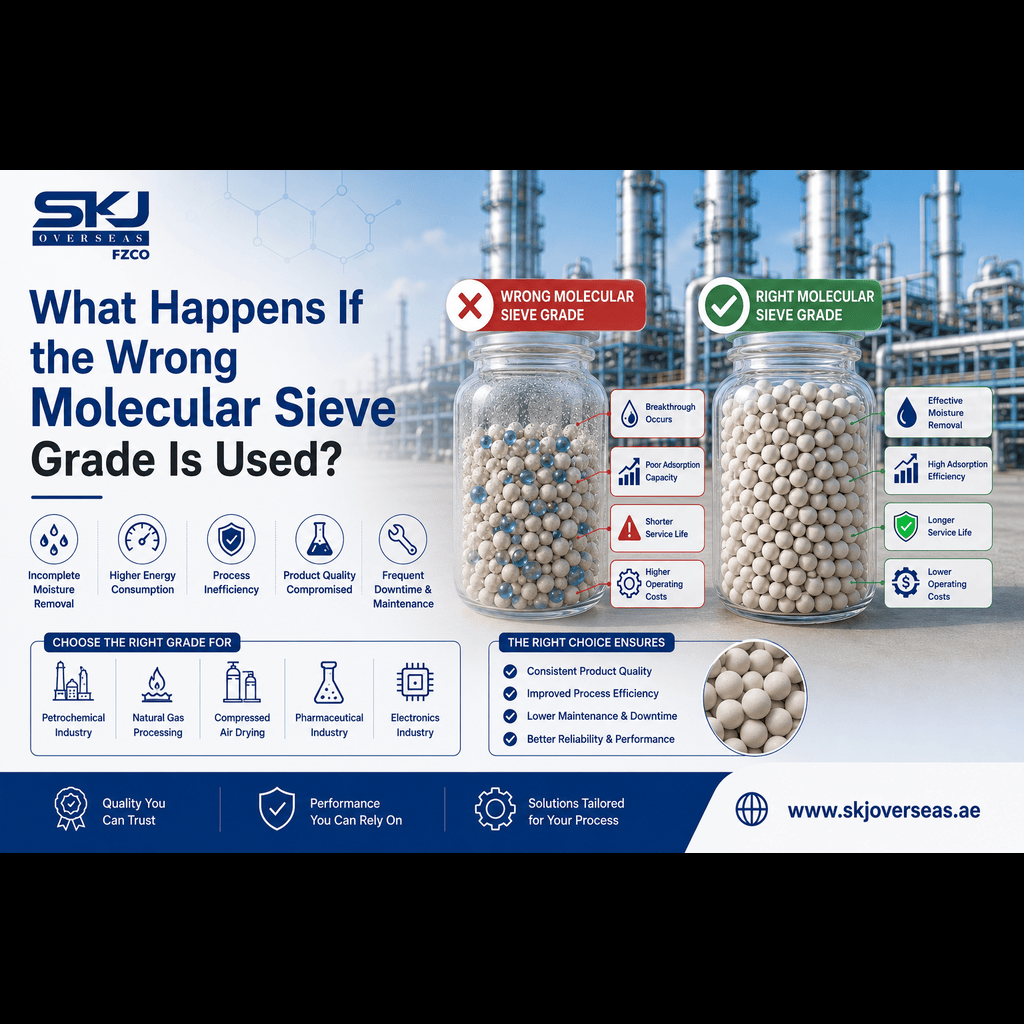
Not all molecular sieve products on the market meet the same purity and consistency standards, even when labeled with the same specification. Variations in crystal structure, binder content, and moisture content as shipped can all affect adsorption capacity and bed lifespan in real operating conditions.
When evaluating 3A Molecular Sieve suppliers, plant engineers should look for:
- Verified static water adsorption test data above 20% by weight
- Consistent bead or pellet sizing for predictable bed density
- Low crushing and attrition rates to reduce dust formation over time
- Reliable packaging that protects against moisture exposure during transit and storage
Working with an established 3A Molecular Sieve manufactures ensures the product batch you receive performs to its stated technical data sheet, which directly protects your plant’s dehydration efficiency and operating costs.
Sourcing 3A Molecular Sieve From a Verified Supplier in Dubai
Regional sourcing offers real advantages for ethanol producers who need shorter lead times and easier technical support. A reliable 3A Molecular Sieve in Dubai supplier reduces shipping delays and gives plant engineers a local point of contact for troubleshooting bed performance issues.
SKJ Overseas supplies adsorbent and drying media alongside its ceramic and tower packing product range, giving process engineers a single, quality-tested source for multiple materials used across their plant’s separation and purification systems.
Key Takeaways
- 3A Molecular Sieve works in ethanol dehydration plants by exploiting a precise 3-angstrom pore size that admits water while excluding larger ethanol molecules.
- Standard distillation cannot exceed the ethanol-water azeotrope, making molecular sieve dehydration essential for fuel-grade ethanol production.
- Dehydrated ethanol typically reaches 99.5% to 99.9% purity after passing through a properly designed sieve bed.
- Most plants use parallel sieve beds so one dehydrates while the other regenerates, allowing continuous operation.
- Sourcing verified, quality-tested sieve material directly affects bed lifespan and overall dehydration efficiency.
Frequently Asked Questions
1. Why is 3A Molecular Sieve used instead of 4A or 5A for ethanol dehydration?
3A Molecular Sieve has a smaller pore opening of about 3 angstroms, which is large enough to admit water but too small for ethanol molecules to enter. Larger pore sizes like 4A or 5A would allow ethanol to enter the pores as well, reducing dehydration efficiency and product yield.
2. What purity level can 3A Molecular Sieve achieve for ethanol?
Properly designed molecular sieve dehydration systems typically achieve 99.5% to 99.9% ethanol purity, which meets most fuel-grade and industrial-grade specifications.
3. How long does a 3A Molecular Sieve bed last before replacement?
With proper regeneration cycles and moisture control, a molecular sieve bed can operate for several years before replacement is needed. Bed life depends on regeneration temperature control, feed contamination, and mechanical attrition over time.
4. Can 3A Molecular Sieve be regenerated and reused?
Yes. Sieve beds are regenerated using heated purge gas or reduced pressure to drive out adsorbed water, restoring most of the bed’s original adsorption capacity. Most plants run at least two beds in parallel to allow continuous operation during regeneration cycles.
5. What causes reduced performance in a molecular sieve bed over time?
Performance loss is usually caused by incomplete regeneration, feed contamination, or mechanical attrition that generates dust and reduces effective surface area. Using verified, high-quality sieve material and following correct regeneration procedures helps minimize this decline.
Get 3A Molecular Sieve From SKJ Overseas
Looking for a dependable 3A Molecular Sieve manufactures and 3A Molecular Sieve suppliers partner for your ethanol dehydration plant? SKJ Overseas supplies molecular sieve products engineered for consistent water adsorption performance and long service life in continuous plant operation.
Contact SKJ Overseas today to request a quote, technical datasheet, or sample batch for your dehydration system.