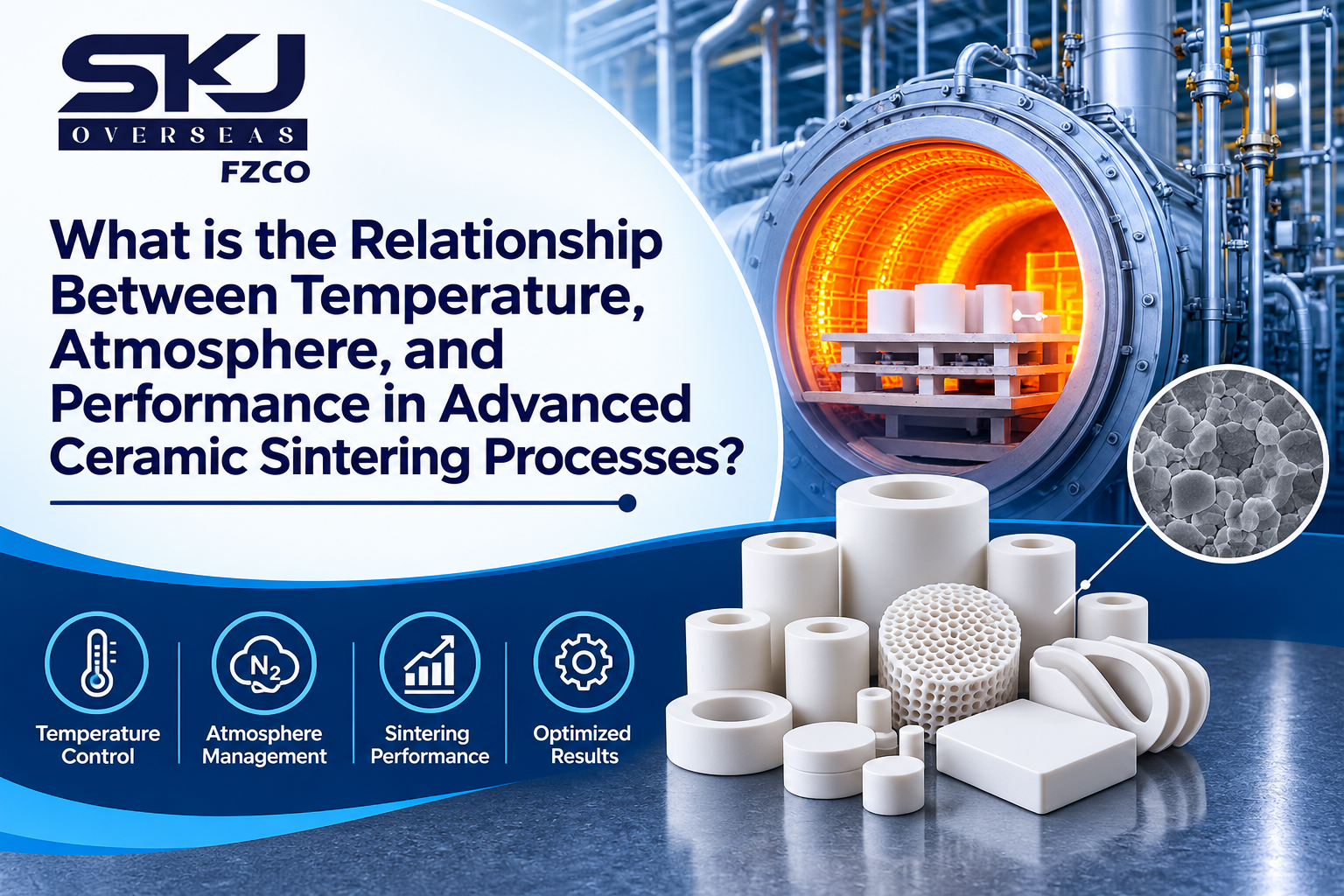
Every fired ceramic component, whether it is tower packing, a grid block, or an inert support ball, owes its final strength and durability to one manufacturing stage above all others: sintering. Understanding Performance in Advanced Ceramic Sintering Processes starts with recognizing that two variables, temperature and atmosphere, control nearly everything about the finished product’s density, grain structure, and mechanical reliability. Get either variable wrong, and the ceramic that leaves the kiln will underperform no matter how good the raw material was going in.
SKJ Overseas is a dedicated Ceramic Manufacturers in Dubai, producing ceramic components in-house with controlled firing processes, and a recognized Ceramic and Tower Packing Exporter in Dubai serving process industries across the region. This guide breaks down how temperature and atmosphere interact during sintering, and why this relationship determines whether a ceramic product performs as specified once installed.
What Is Sintering and Why Does It Matter?
Sintering is the high-temperature process that transforms loosely compacted ceramic powder into a dense, mechanically strong solid without fully melting the material. As particles are heated, atoms diffuse across grain boundaries, closing pores and bonding the structure into the hard, fired ceramic that leaves the kiln.
This single stage determines most of a ceramic product’s final properties, including density, porosity, grain size, and mechanical strength. A poorly sintered component may look identical to a properly fired one on the outside, while performing significantly worse under real operating stress.
How Temperature Drives Performance in Advanced Ceramic Sintering Processes
Temperature Controls Densification
As sintering temperature increases, atomic diffusion accelerates, allowing pores between particles to close more completely and the ceramic body to shrink toward its theoretical maximum density. Higher density generally correlates with greater mechanical strength, since fewer internal voids are available to act as crack initiation points under load.
Temperature Affects Grain Growth
Temperature does not only drive densification, it also drives grain growth, and these two effects do not always move in the plant’s favor together. Published research on sintering alumina and other ceramic systems shows that excessive temperature, especially when held too long, can cause grains to grow abnormally large, which weakens the final structure even as overall density improves, since larger grains create longer paths for crack propagation.
There Is an Optimal Temperature Window, Not a Single Ideal Point
Research on sintering temperature effects across multiple ceramic systems, including B4C/SiC composites and zirconia, consistently shows that mechanical properties such as flexural strength peak at a specific temperature range and then decline if firing temperature is pushed higher. Performance in Advanced Ceramic Sintering Processes depends on finding this optimal window for each composition, rather than assuming hotter is always better.
How Atmosphere Shapes Performance in Advanced Ceramic Sintering Processes
Oxidizing, Reducing, and Inert Atmospheres Produce Different Results
The gas environment inside the kiln during firing, whether oxidizing, reducing, or inert, directly affects how a ceramic body densifies and what phases form within its microstructure. Studies on sintering atmosphere effects show that switching between these environments can change densification rate, grain growth behavior, and even the electrical or mechanical properties of the finished ceramic, even when temperature is held constant.
Atmosphere Controls Defect Chemistry at the Grain Boundary
Research on reducing-atmosphere sintering of oxide ceramics demonstrates that atmosphere influences oxygen vacancy concentration within the crystal structure, which affects how quickly grains densify and grow during firing. This defect chemistry is largely invisible without specialized testing, yet it measurably affects the final product’s mechanical and electrical performance.
Atmosphere Affects Intergranular Phases in Advanced Ceramics
In more advanced ceramic systems such as silicon nitride, published research shows that processing atmosphere changes the chemistry of the thin intergranular phase that forms between grains. Since this region often governs high-temperature strength and creep resistance, atmosphere control becomes just as critical as temperature control for ceramics in demanding service conditions.
Why This Relationship Matters for Industrial Ceramic Products
Tower Packing Depends on Consistent Firing Control
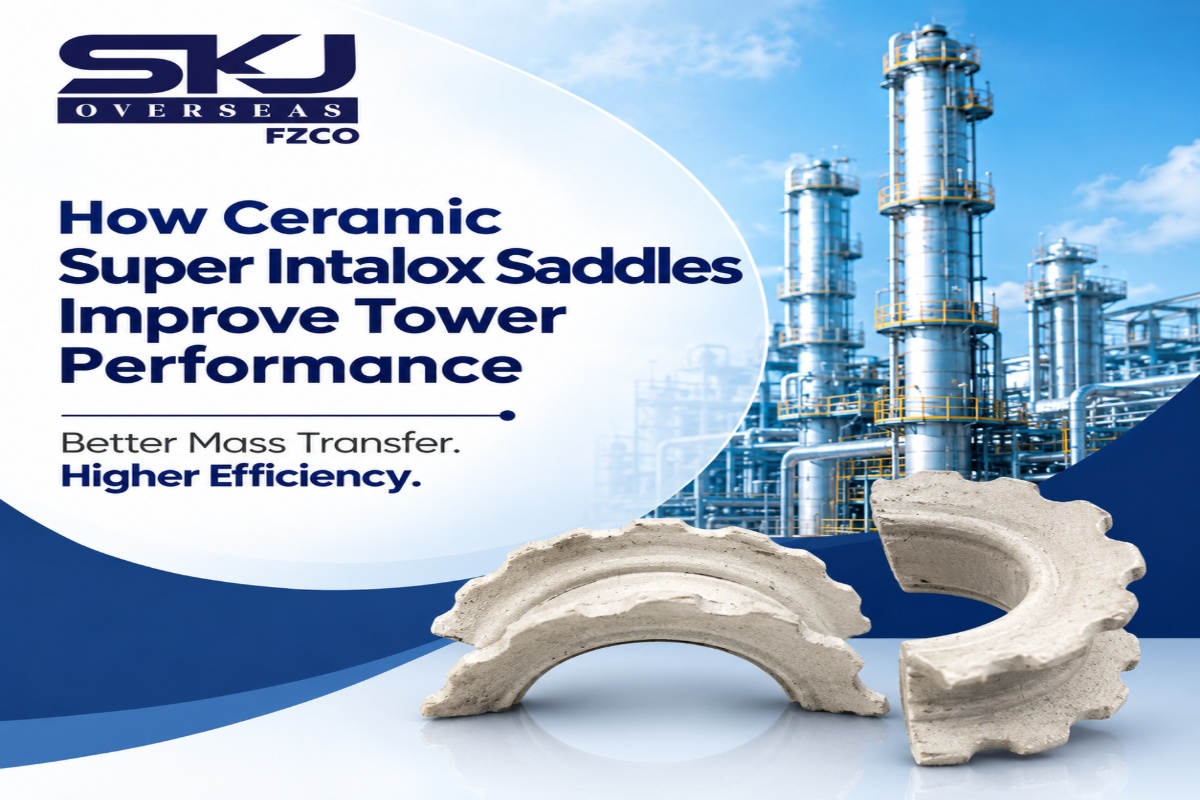
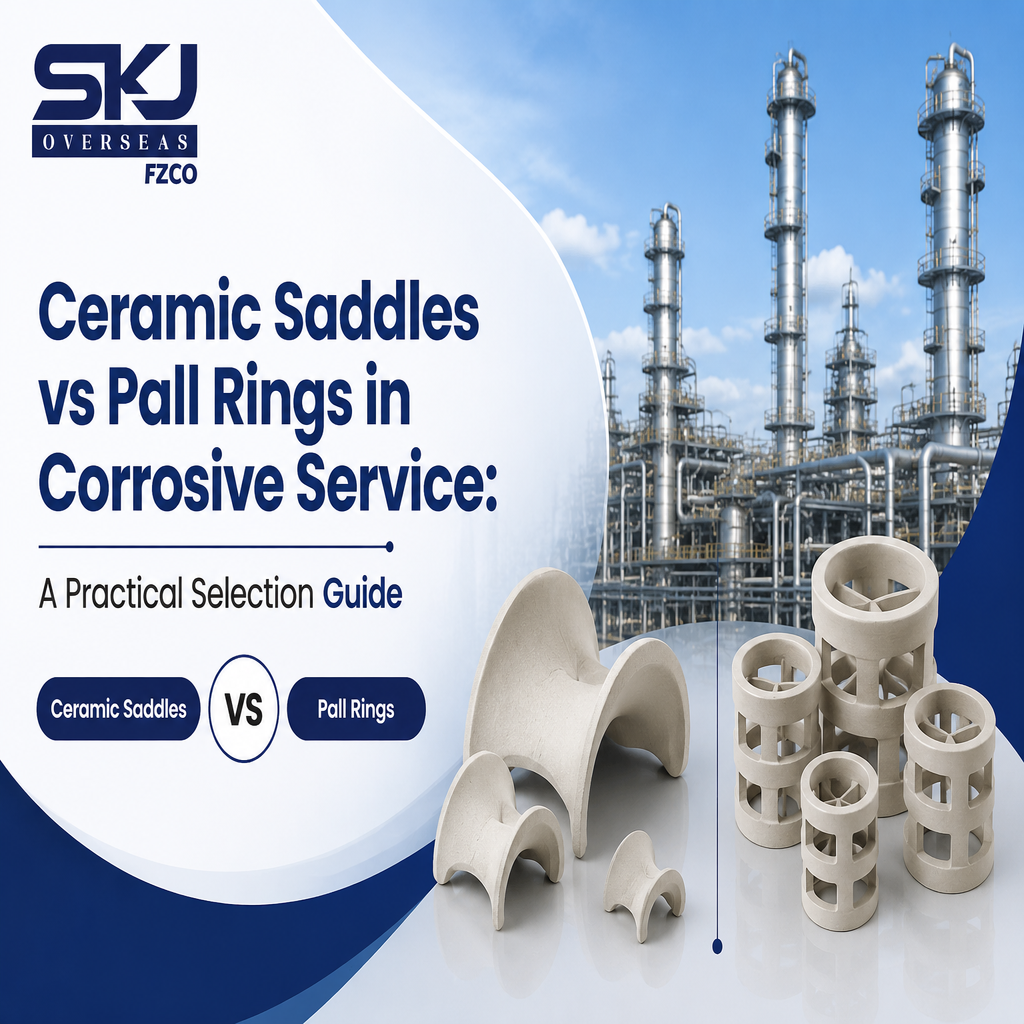
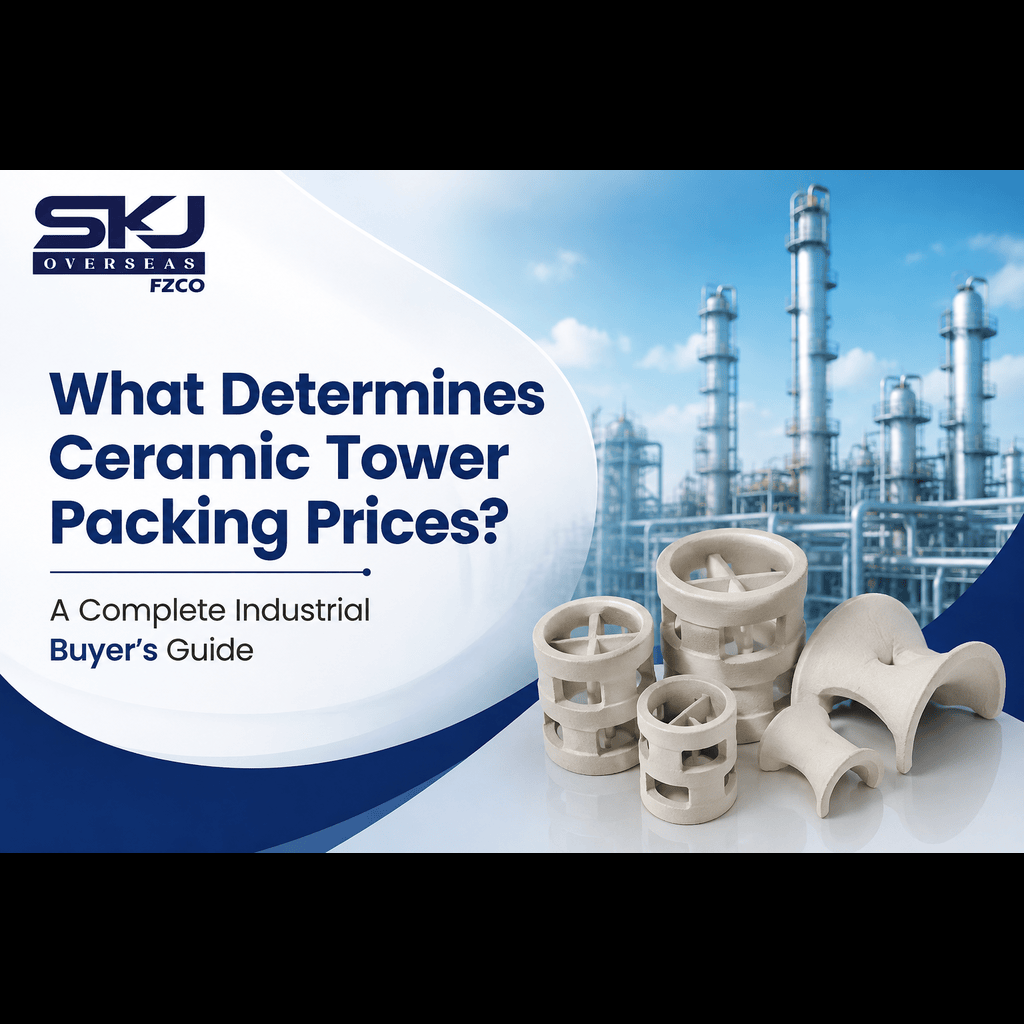
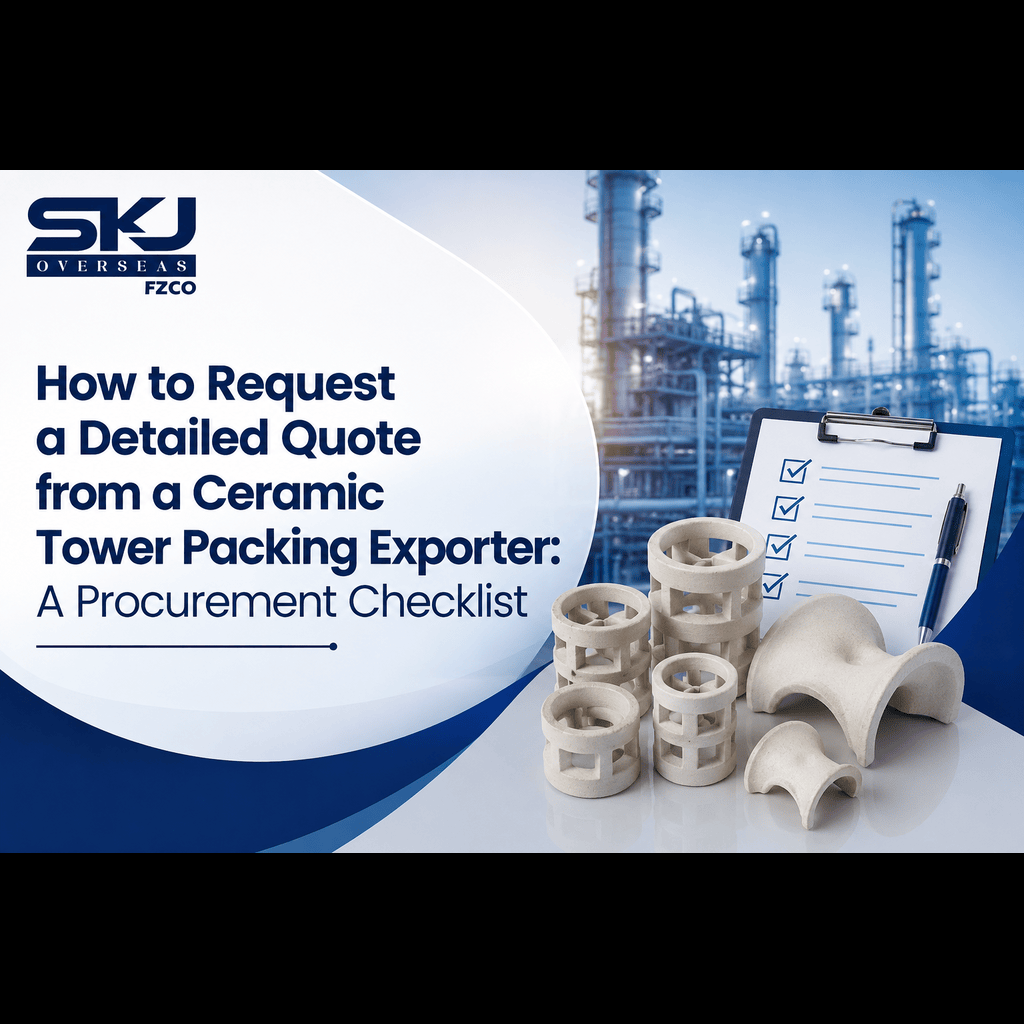
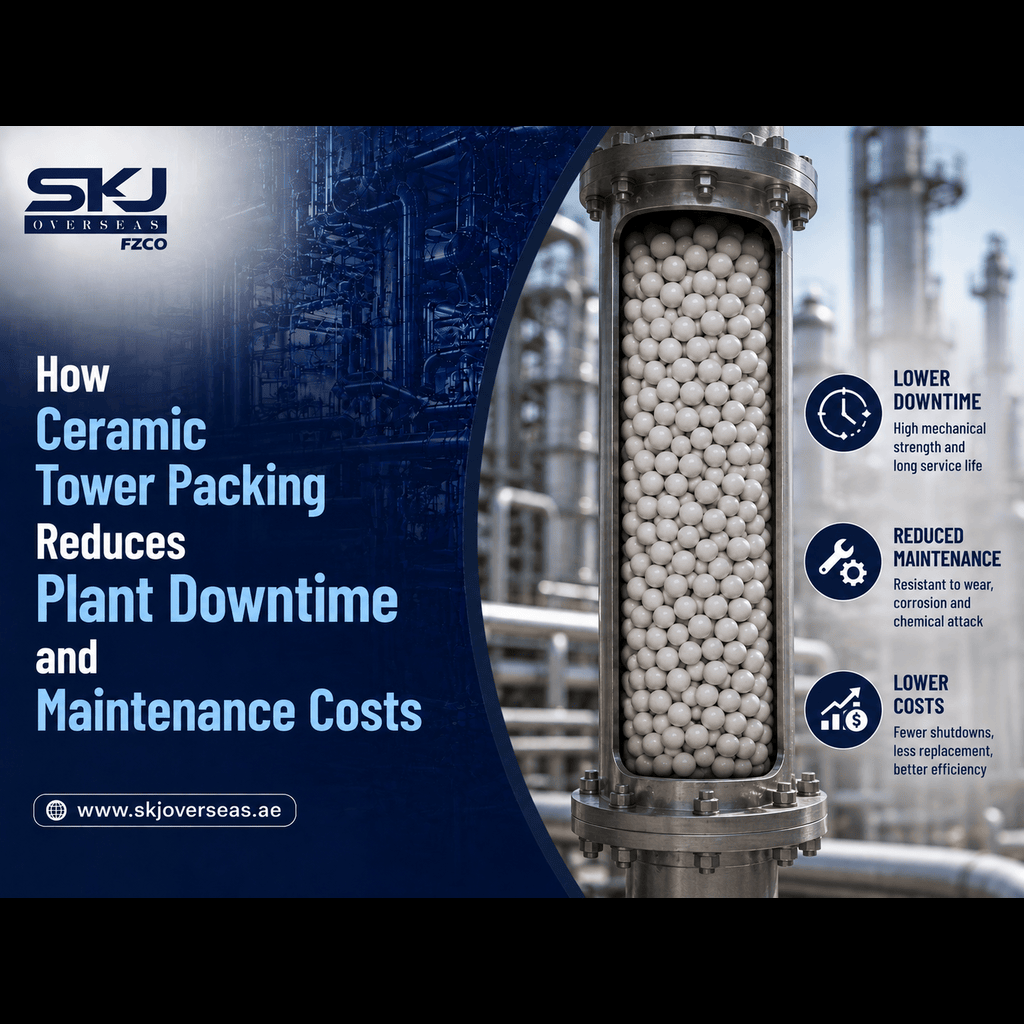
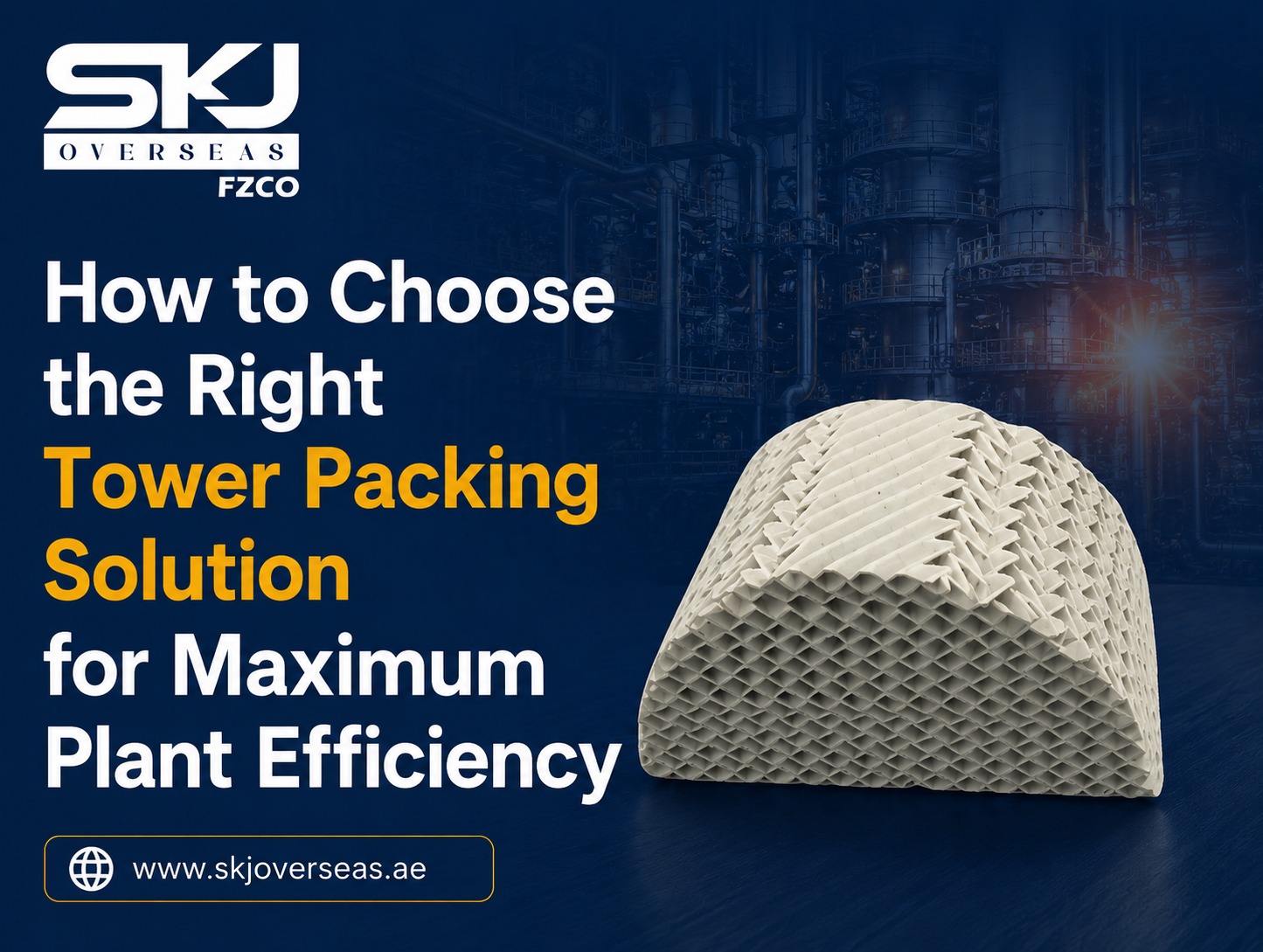
Packing shapes used inside chemical process towers must survive years of thermal cycling and chemical exposure without cracking or losing structural integrity. A Ceramic Super Intalox Saddle Manufacturer controls both firing temperature and kiln atmosphere precisely to achieve the dense, low-porosity structure needed for saddle packing to resist acid attack and mechanical load inside a packed column.
Partitioned Components Require Dimensional Precision From Firing
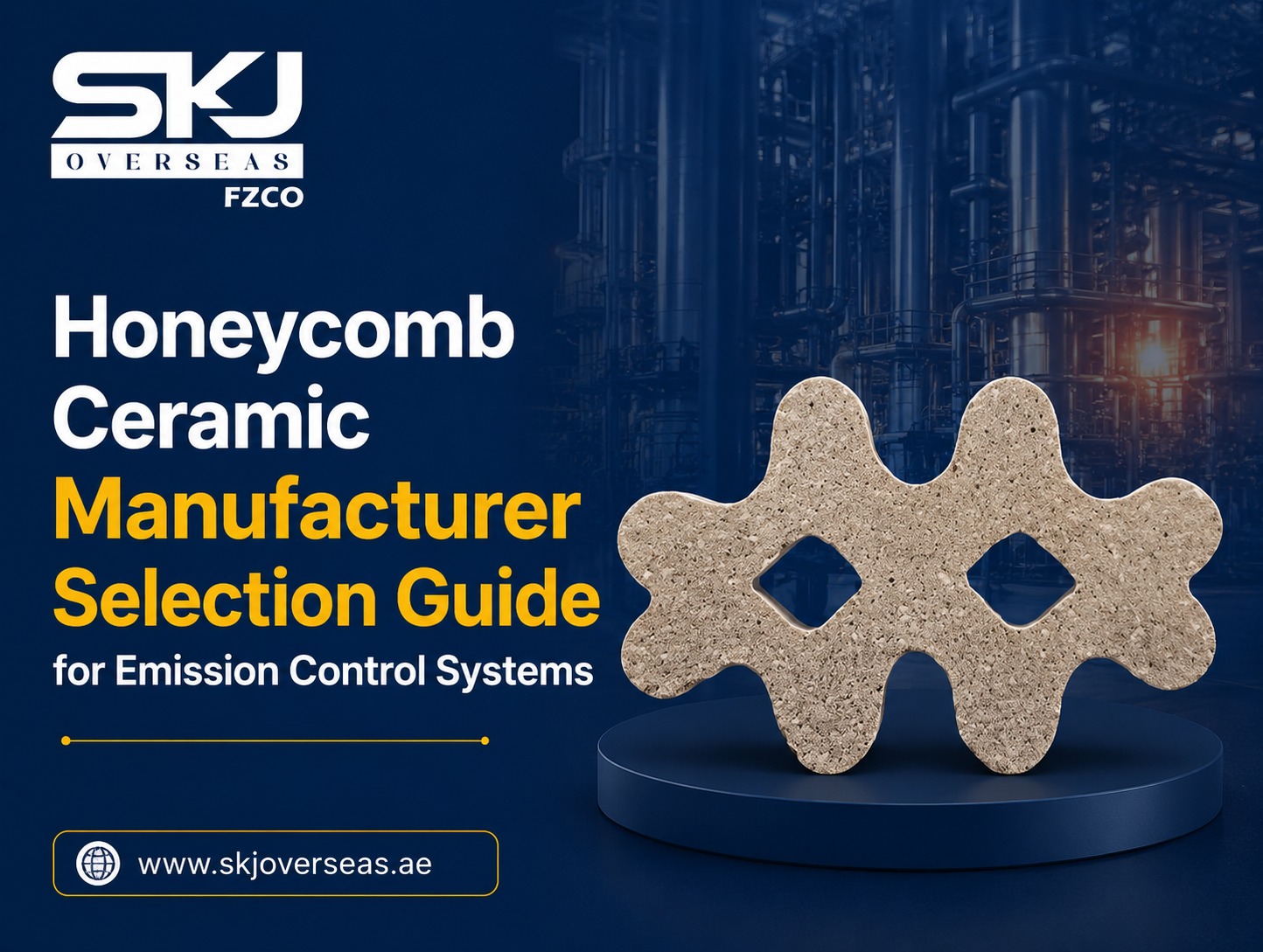
Ring packing styles that divide flow zones within larger columns depend on tight dimensional control achieved during the sintering stage. A ceramic ring partitioned Manufacturer manages shrinkage behavior during firing carefully, since uneven densification across a partitioned ring can distort the internal wall geometry that the part depends on to function correctly.
Construction-Grade Ceramics Rely on the Same Sintering Principles
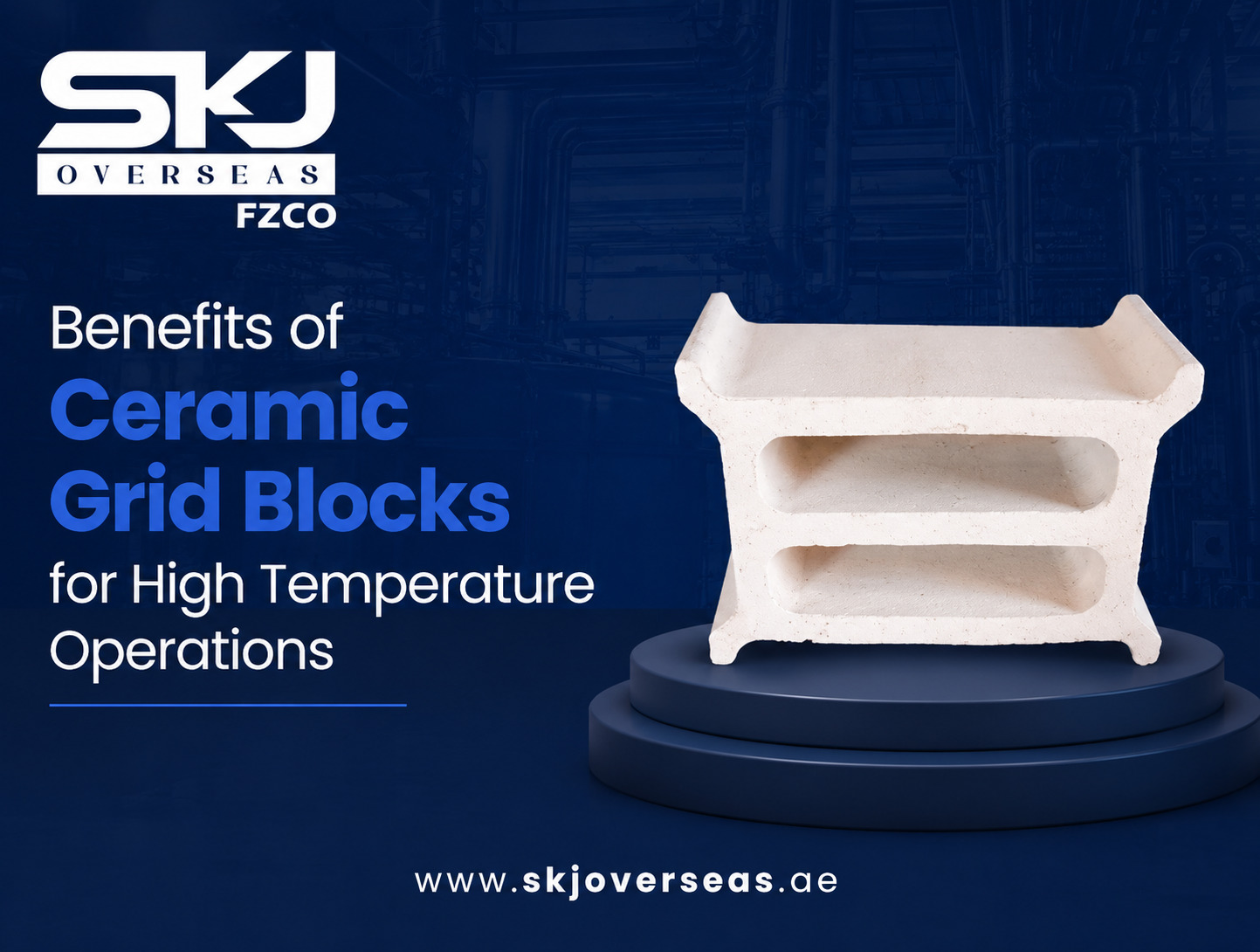
Even architectural ceramic products depend on correct temperature and atmosphere control during firing to achieve consistent color, strength, and weather resistance. A ceramic grid block manufacturer applies the same sintering science used in industrial packing production, adjusted for the specific clay body and finish required in construction applications.
Inert Support Media Depends on Phase Stability During Firing
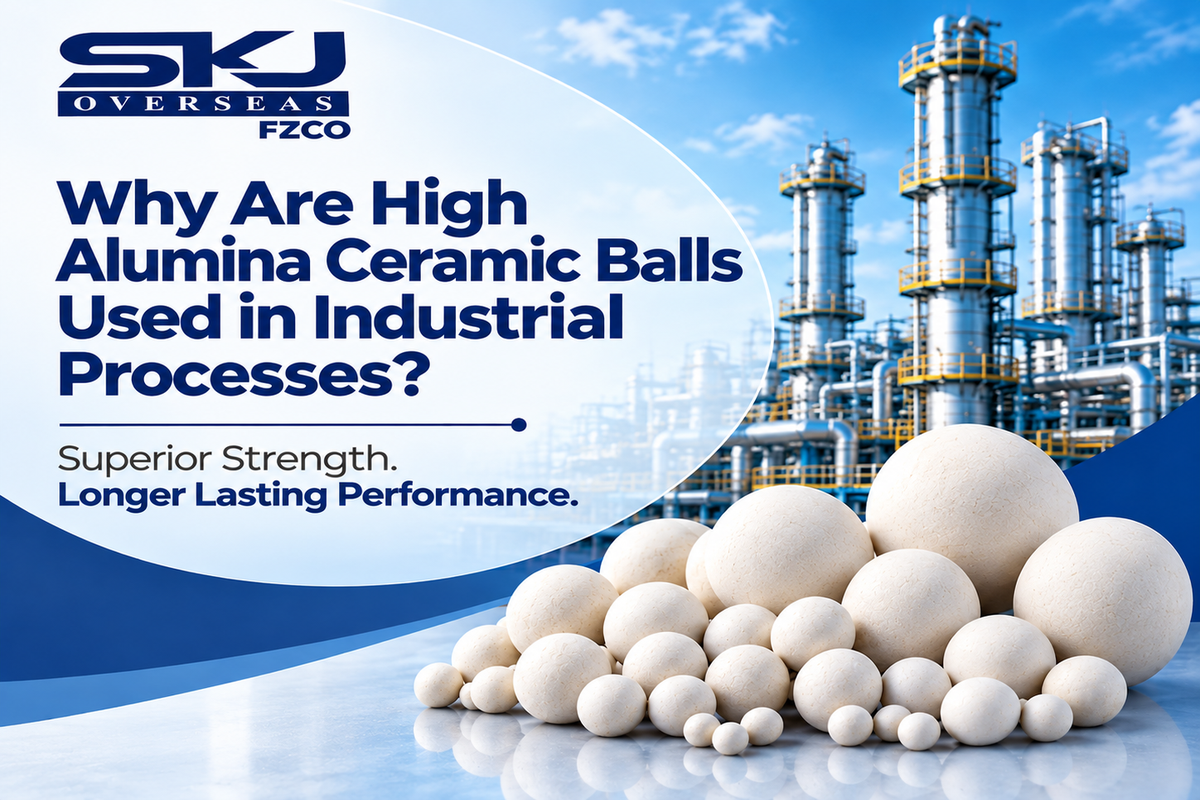
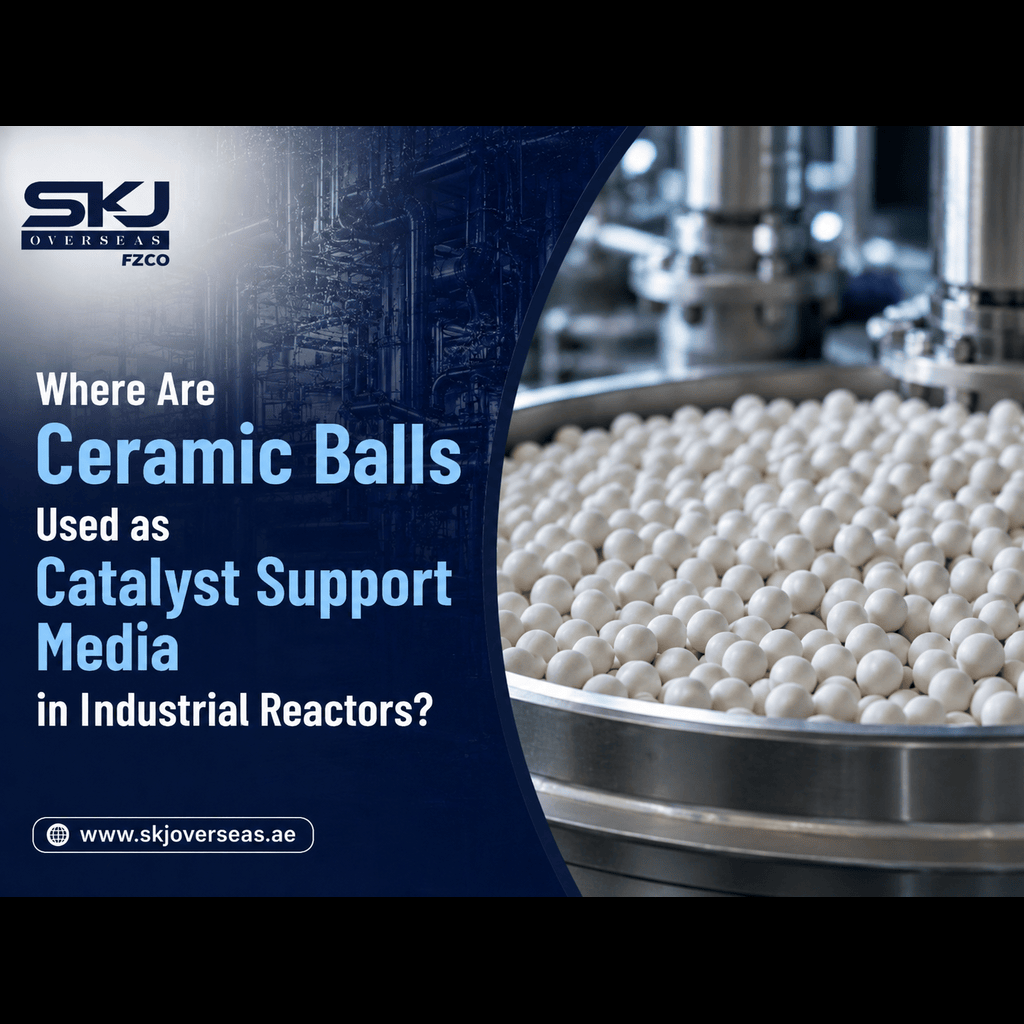
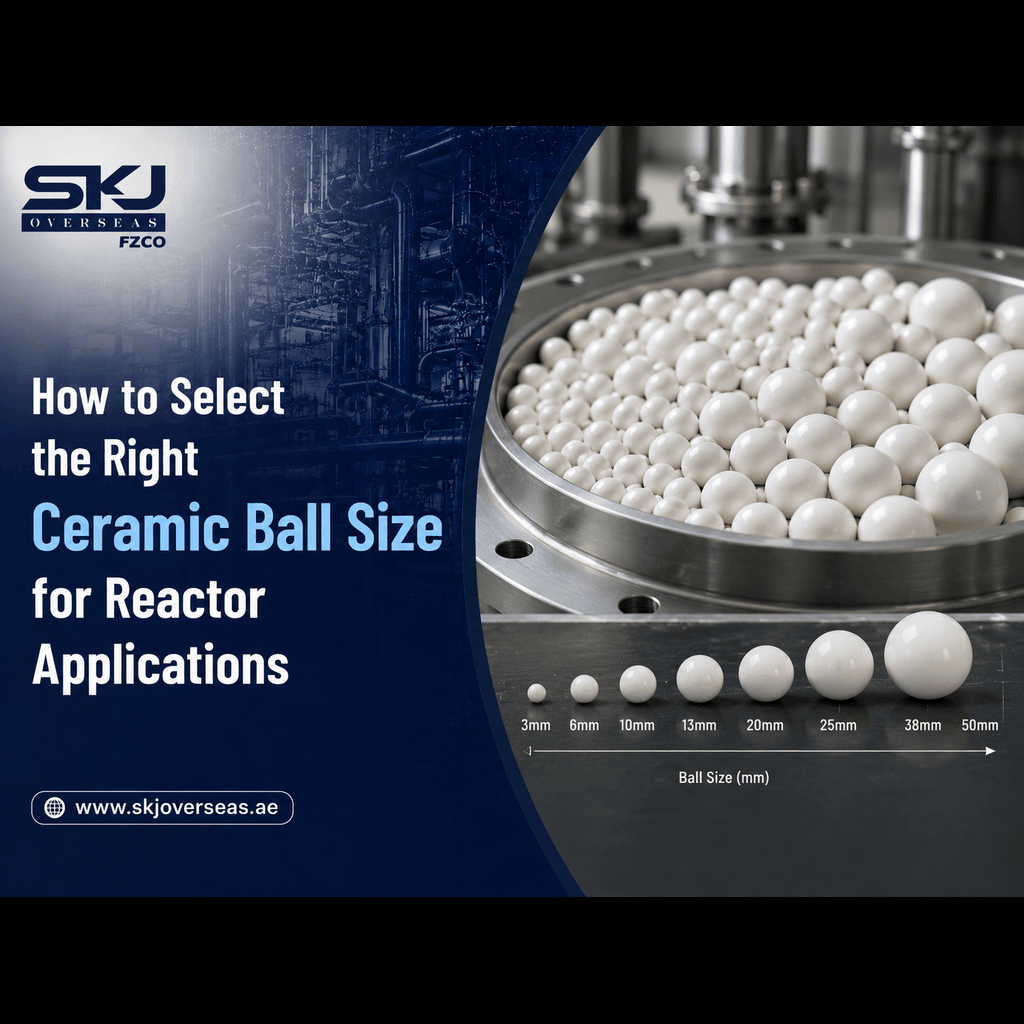
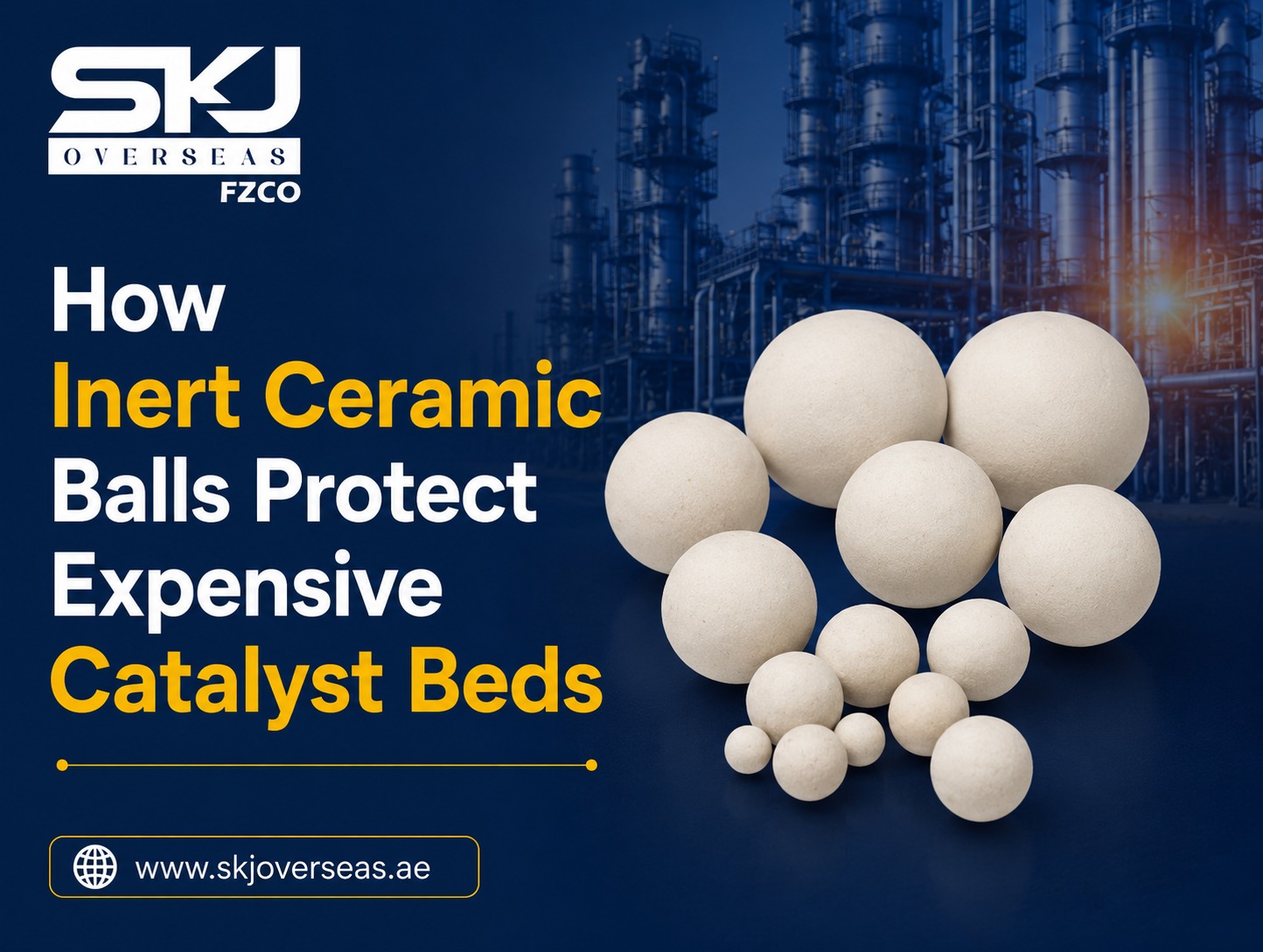
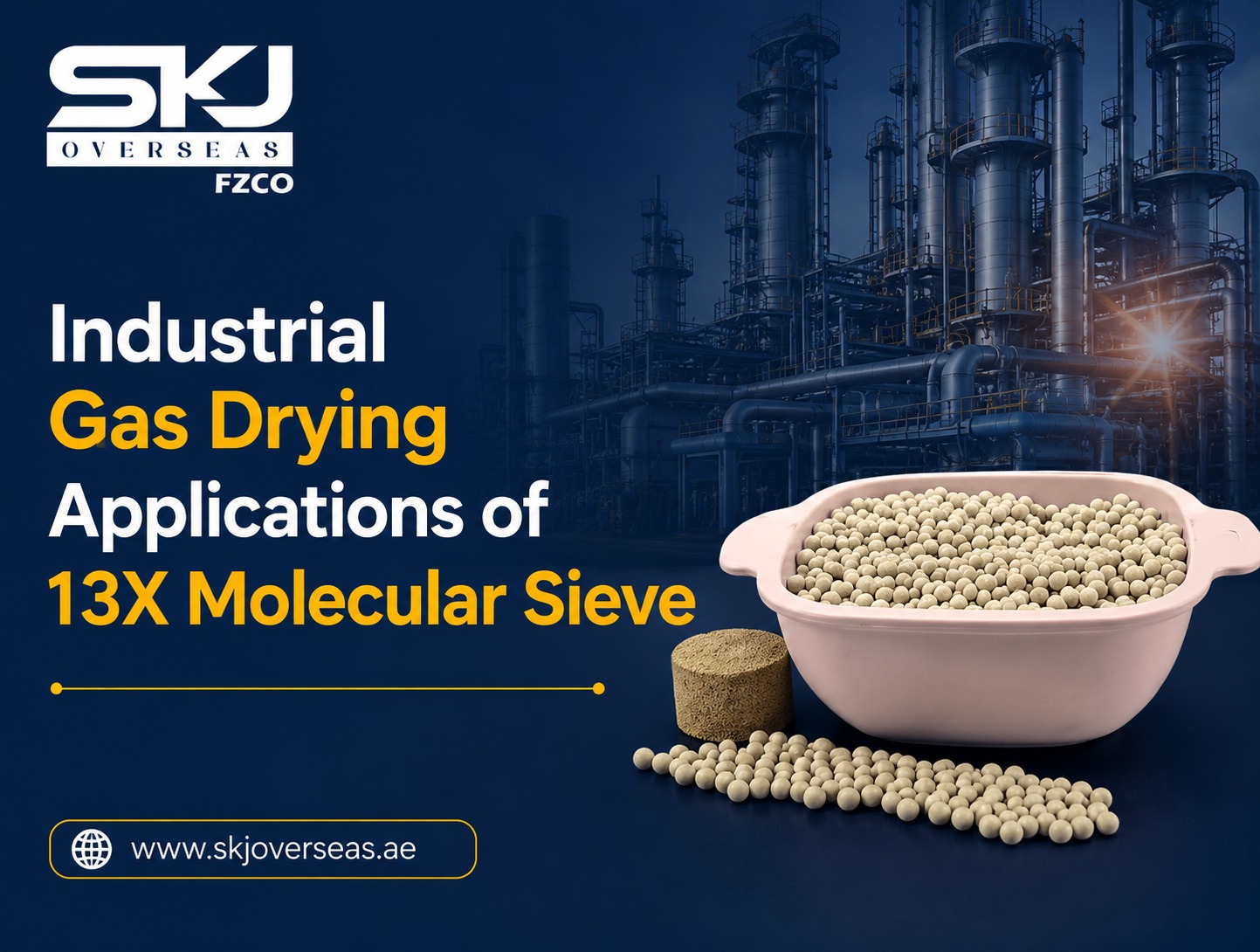
Ceramic balls used as inert filling or catalyst bed support must remain chemically stable and structurally sound across years of continuous service. An inert ceramic balls manufacturer relies on carefully controlled sintering to avoid the phase instabilities that atmosphere and temperature variation can introduce, since any instability in the fired structure increases the risk of fragmentation inside the reactor or tower.
Common Sintering Defects Caused by Poor Temperature or Atmosphere Control
- Under-firing: insufficient temperature or time leaves residual porosity, reducing mechanical strength and chemical resistance
- Over-firing: excessive temperature causes abnormal grain growth, weakening the structure despite higher apparent density
- Incorrect atmosphere: the wrong gas environment can alter phase composition, color consistency, and grain boundary chemistry
- Uneven heating: inconsistent temperature distribution across the kiln load produces batch-to-batch variation in strength
- Rapid cooling stress: uncontrolled cooling rates after sintering can introduce residual stress, leading to cracking during shipping
How to Evaluate a Manufacturer’s Sintering Process Control
Buyers sourcing ceramic components for demanding applications should confirm a few specifics before committing to a supplier:
- Does the manufacturer document firing temperature profiles for each product batch
- Is kiln atmosphere controlled and monitored, rather than left to ambient conditions
- Are density and porosity tested after firing to confirm the sintering process achieved its target
A ceramic ring manufacturers in Dubai that can answer these questions with documented process data is far more likely to deliver consistent, batch-to-batch performance than one relying on informal firing practices.
Why Manufacturing Discipline Determines Real-World Ceramic Performance
The relationship between temperature, atmosphere, and Performance in Advanced Ceramic Sintering Processes is not just academic. It is the difference between a ceramic component that performs exactly as its technical data sheet claims and one that fails prematurely once installed in a real operating environment.
Because SKJ Overseas manufactures its ceramic product range directly rather than sourcing from third parties, every batch is fired under controlled, documented conditions and tested before dispatch. This manufacturing discipline is what allows lab-tested specifications to actually hold up once a product is installed and running under real plant conditions.
Key Takeaways
- Temperature controls both densification and grain growth, and Performance in Advanced Ceramic Sintering Processes depends on finding the optimal firing window rather than maximizing temperature alone.
- Kiln atmosphere, whether oxidizing, reducing, or inert, directly affects defect chemistry, grain boundary composition, and final mechanical properties.
- Industrial ceramic products, from tower packing to grid blocks, all depend on the same underlying sintering science, adjusted for each specific application.
- Common sintering defects, including under-firing, over-firing, and uneven heating, trace directly back to inconsistent temperature or atmosphere control.
- Sourcing from a manufacturer with documented firing control protects real-world performance after installation.
Frequently Asked Questions
1. What happens if a ceramic is sintered at too high a temperature?
Excessive sintering temperature can cause abnormal grain growth, which weakens the final structure even though overall density may appear higher, since larger grains create longer paths for crack propagation under stress.
2. Does sintering atmosphere really affect ceramic strength?
Yes. Research across multiple ceramic systems shows that atmosphere affects grain boundary chemistry, phase formation, and densification behavior, all of which influence the final mechanical strength of the fired ceramic.
3. Why do different ceramic products require different sintering profiles?
Each ceramic composition has a unique optimal temperature and atmosphere window based on its raw material chemistry and particle size, so a profile that works well for one product can under-fire or over-fire another.
4. How can I tell if a ceramic product was properly sintered?
Properly sintered ceramics typically show documented density and porosity testing results consistent with their technical specification. Visual inspection alone often cannot reveal under-firing or abnormal grain growth without laboratory testing.
5. Why does sintering control matter for tower packing specifically?
Tower packing must withstand years of thermal cycling and chemical exposure without cracking, and this durability depends directly on achieving low porosity and controlled grain structure during the sintering stage.
Talk to SKJ Overseas About Quality-Sintered Ceramic Products
Choosing a ceramic supplier that controls temperature and atmosphere with precision protects your process from premature failure and unplanned downtime. SKJ Overseas manufactures ceramic products under documented, controlled firing conditions across its full range of tower packing and industrial ceramic components.
Contact us to request a quote, a technical datasheet, or a consultation on which ceramic products fit your application.