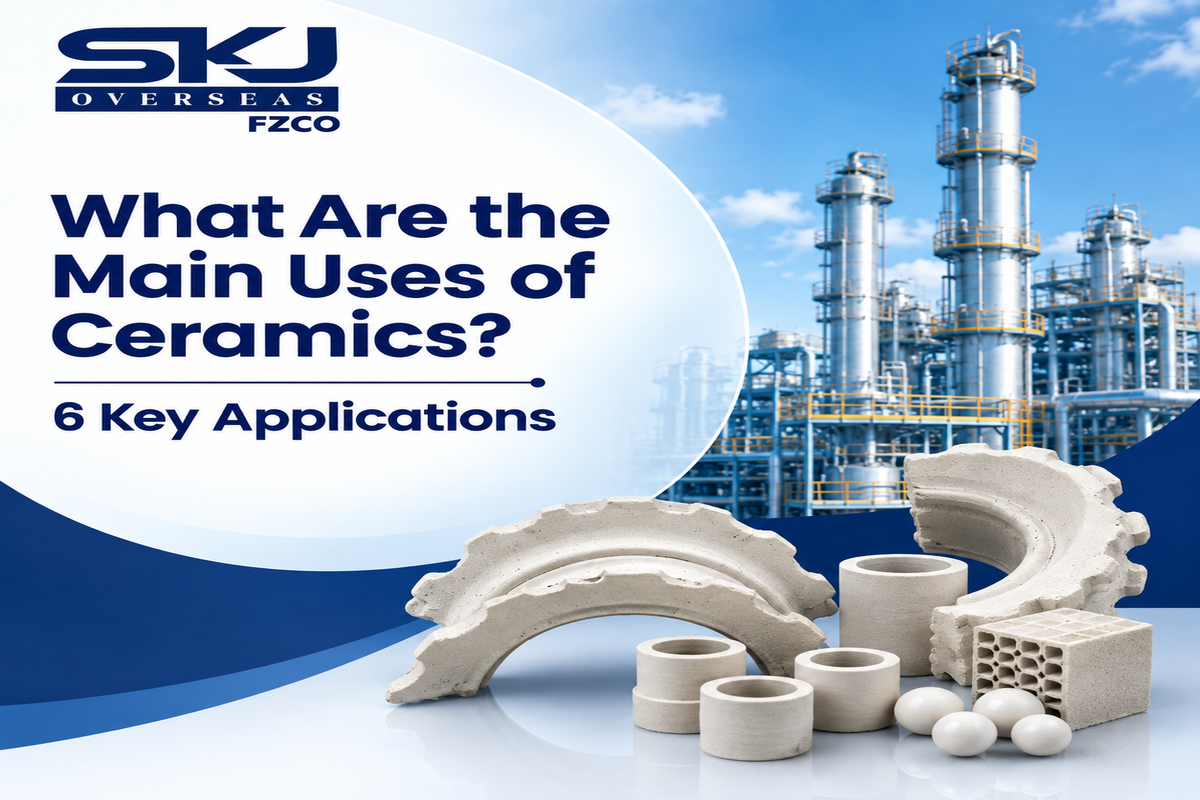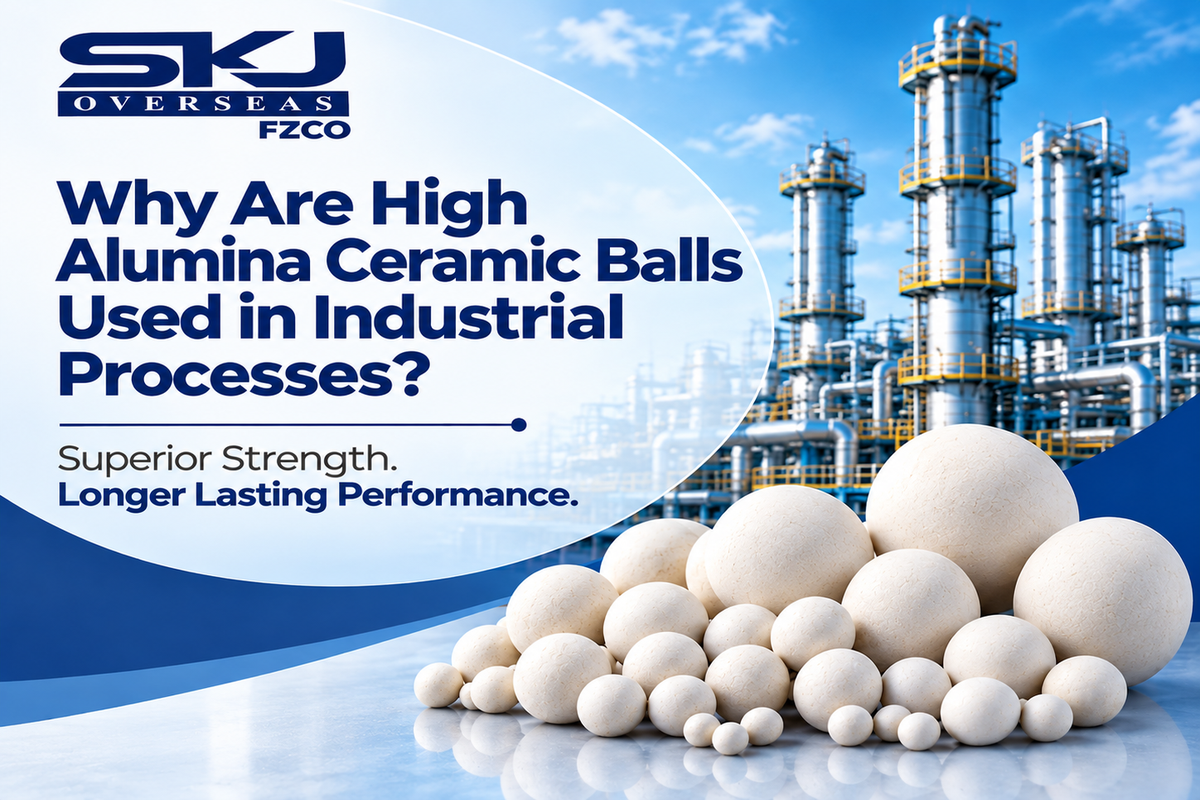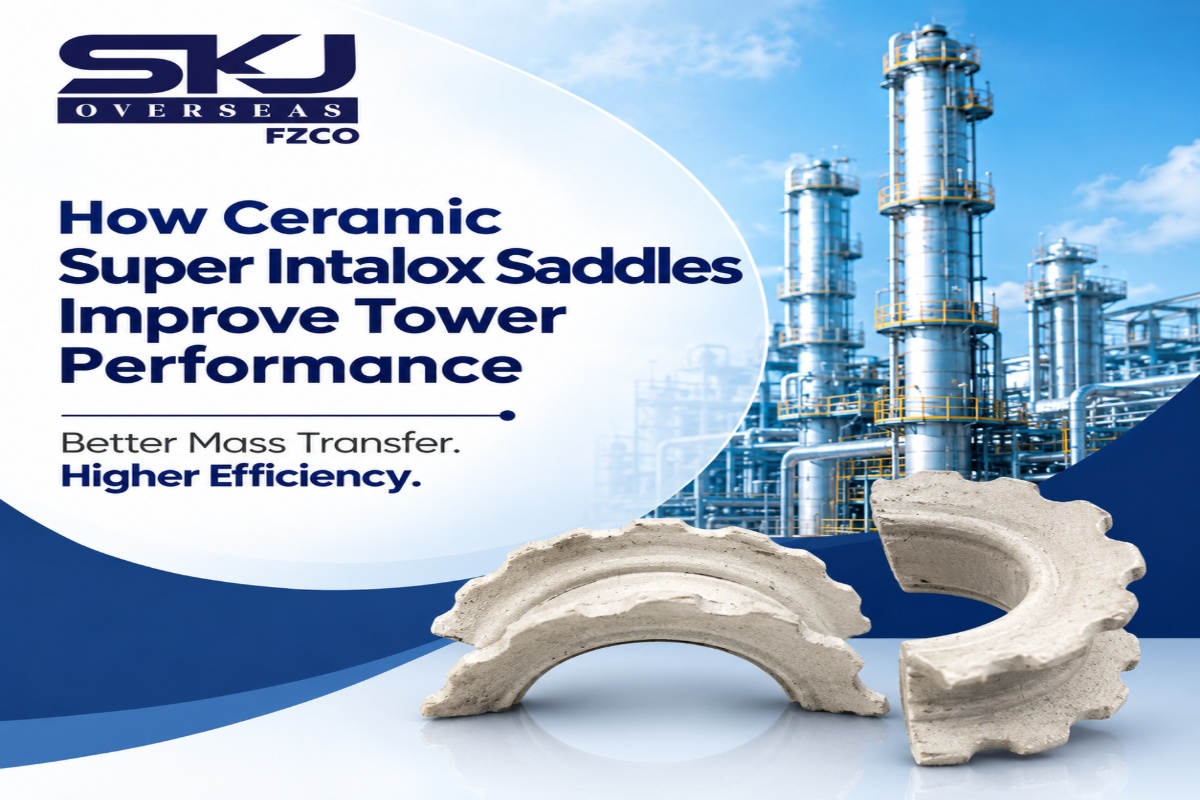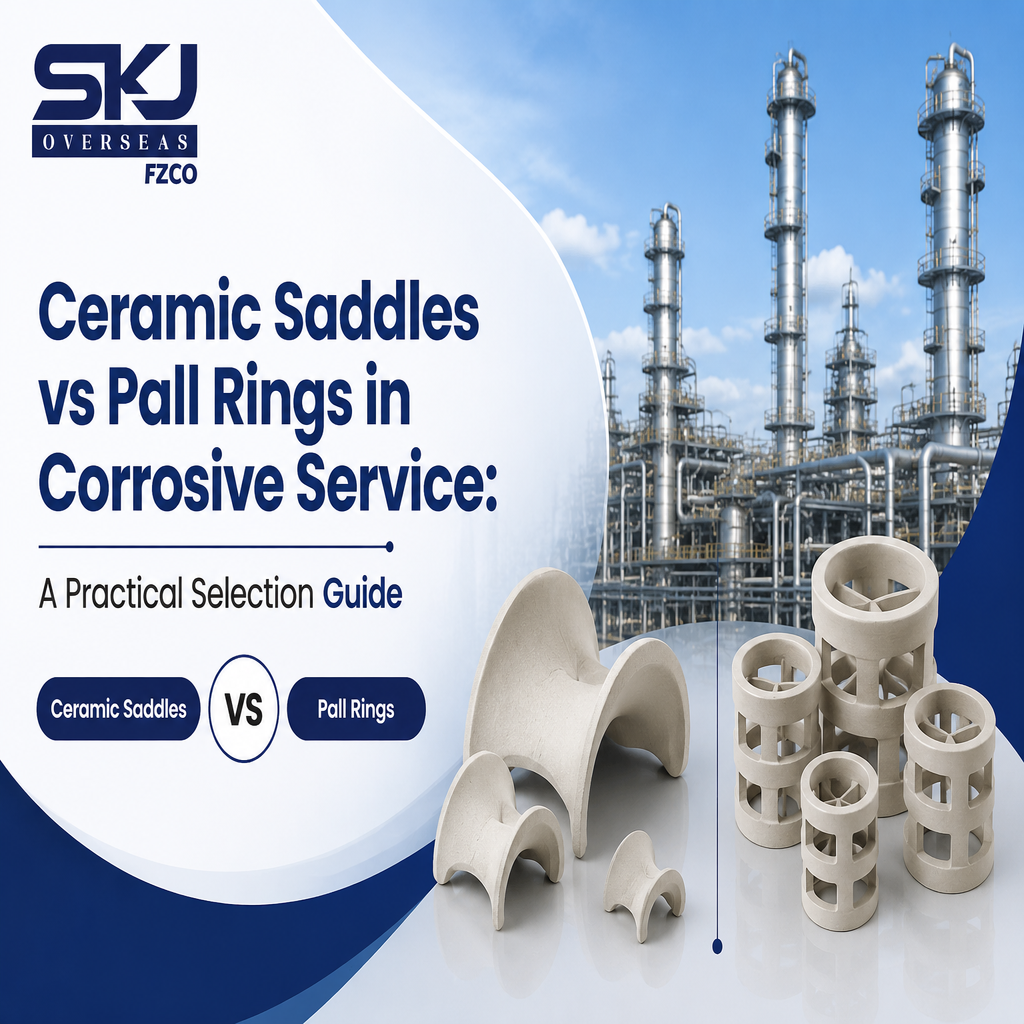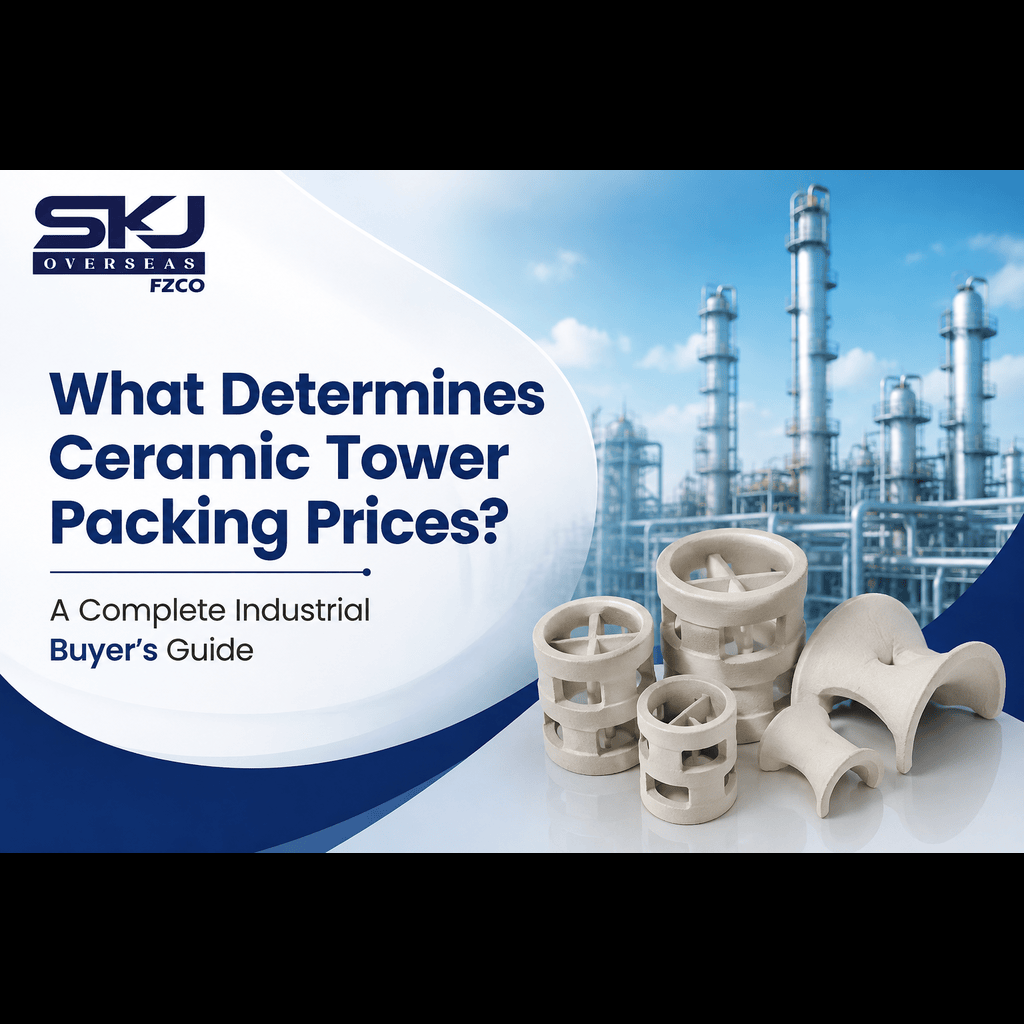
Choosing the right tower packing solution is one of the most important decisions in any chemical or industrial plant. The wrong choice can lead to poor mass transfer efficiency, higher energy costs, and unexpected downtime. If you are sourcing Tower Ceramic Structured Packing in Dubai or anywhere globally, this guide will help you make a smart, informed decision.
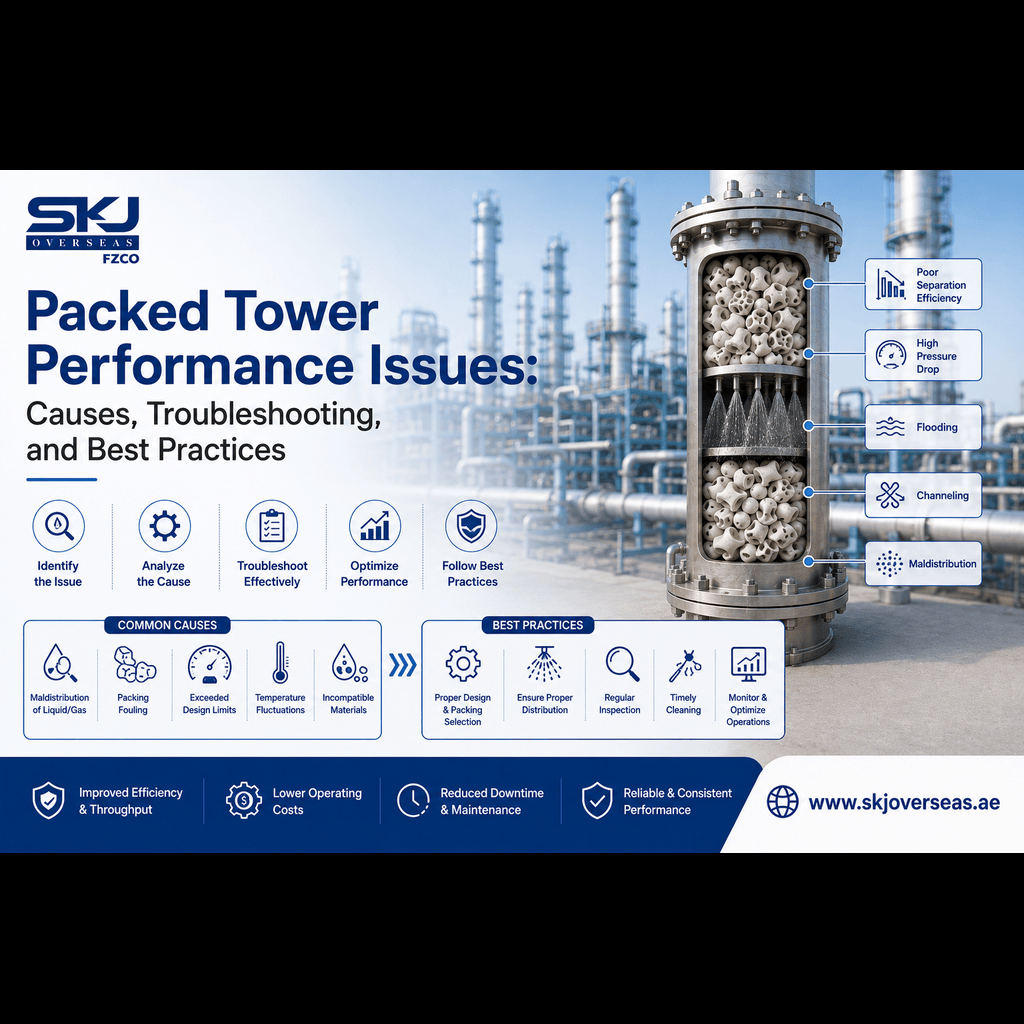
Tower packing sits inside distillation columns and separation towers. It creates surface area so gas and liquid can mix properly. The better the contact, the better the distillation column performance. Getting this right directly affects your plant’s output, safety, and operating costs.
What Is Tower Packing and Why Does It Matter?
Tower packing is the material placed inside a column to improve gas-liquid contact. It is used in industries like oil refining, petrochemicals, pharmaceuticals, and water treatment.
There are two main types:
- Structured packing – arranged in a fixed, geometric pattern for precise flow control
- Random packing – individual pieces (rings, saddles, etc.) dropped loosely into the column
Both types work, but they serve different needs. The right choice depends on your column size, fluid types, pressure, and the separation you need to achieve.
Key Factors to Consider When Selecting Tower Packing
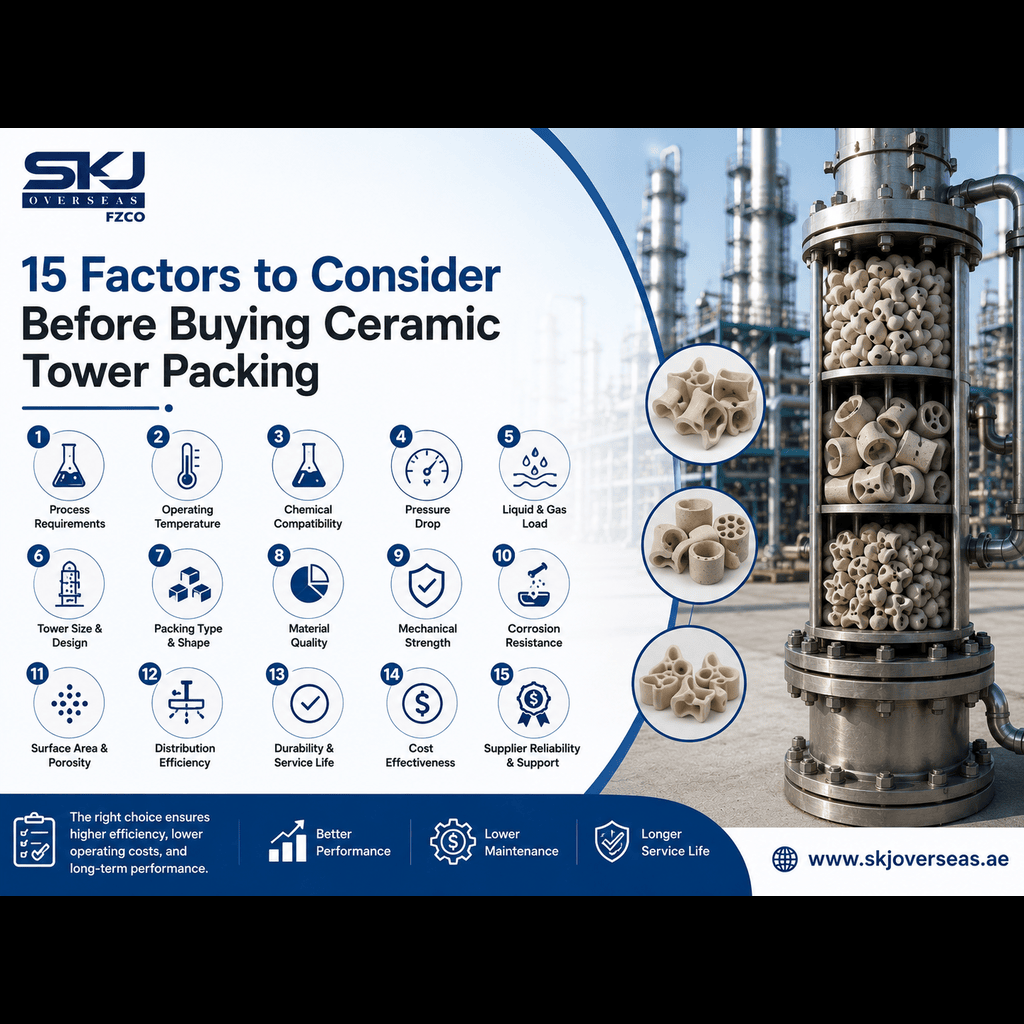
Before you choose a packing material, look at these core factors:
1. Type of Process Distillation, absorption, stripping, and scrubbing all have different requirements. Structured tower packing works well for low-pressure and high-purity applications. Random tower packing suits high-capacity and fouling services.
2. Column Diameter and Height Larger columns may benefit more from structured packing because it allows better liquid distribution. Smaller columns often use random packing since it is easier to install.
3. Pressure Drop Requirements If your plant operates under vacuum conditions or very low pressure, choose packing with minimal resistance to gas flow. High-efficiency packing materials designed for low pressure drop are ideal here.
4. Fouling Potential If your process fluids contain solids or sticky materials, open random packing with larger void space is safer. Structured packing can block more easily in fouling conditions.
5. Material of Construction
- Ceramic is best for corrosive acids and high temperatures
- Metal suits most general applications and offers higher strength
- Plastic is good for low-temperature, mildly corrosive environments
Tower Ceramic Structured Packing is widely preferred in acid environments because ceramic resists chemical attack extremely well.
Structured vs Random Tower Packing: Which Is Better?
This is one of the most common questions in chemical process optimization. Here is a direct comparison:
| Feature | Structured Packing | Random Packing |
| Efficiency | Very high | Moderate to high |
| Pressure Drop | Low | Higher |
| Capacity | Moderate | High |
| Installation | Requires care | Simple |
| Cost | Higher upfront | Lower upfront |
| Best For | High purity separations | High throughput operations |
| Fouling Resistance | Lower | Higher |
| Maintenance | More involved | Easier |
Structured packing gives better separation in fewer column stages. Random packing handles more liquid volume. Neither is universally better. Your plant conditions decide the winner.
How Tower Ceramic Structured Packing Improves Plant Performance
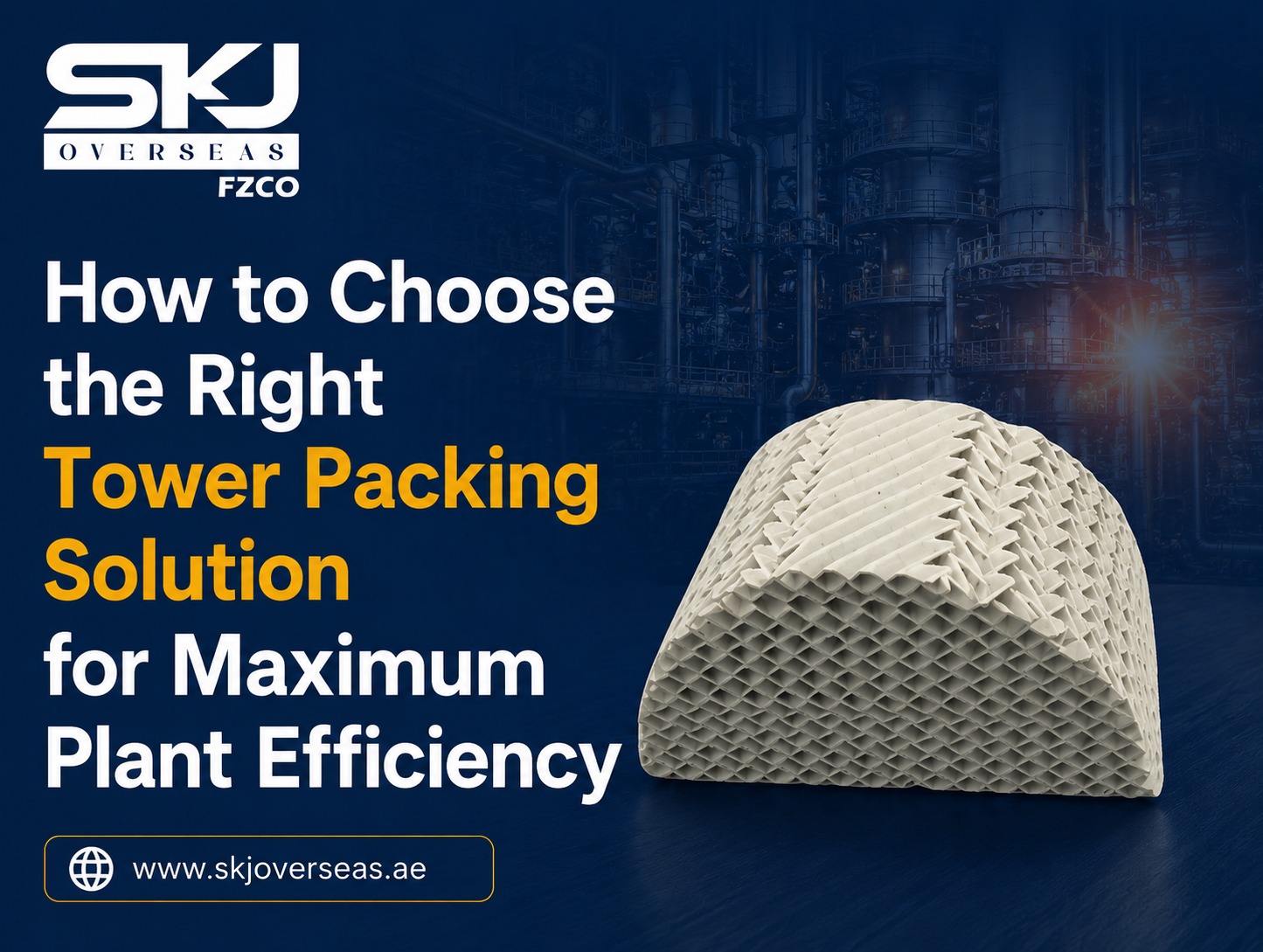
Tower Ceramic Structured Packing is a proven solution for demanding chemical applications. Here is why it is trusted by plant engineers worldwide:
- It maintains shape and strength even at temperatures above 700°C
- It resists sulfuric acid, hydrochloric acid, and other aggressive chemicals
- Its corrugated geometry creates a large surface area for maximum mass transfer efficiency
- It does not contaminate the process fluid, which matters in pharmaceutical and food-grade applications
- It offers long service life, which reduces the need for frequent replacements
As a leading Tower Ceramic Structured Packing manufacturer, SJK Overseas produces packing that meets international quality standards. Our products are used across industries in over 30 countries.
Selecting the Right Packing for Distillation Applications
Distillation is the most common use case for tower packing. Here is how to approach selection for distillation column performance:
Step 1: Define your separation goals. Know your target purity level and how many theoretical stages you need. Higher purity usually means structured packing is better.
Step 2: Check your existing column specs. Look at the column diameter, nozzle positions, and available height. This will limit your packing options.
Step 3: Estimate your liquid and gas flow rates. Use these to calculate the column loading factor. This tells you whether your packing choice can handle the actual flows.
Step 4: Compare pressure drop values. Ask your packing supplier for performance data at your specific operating conditions.
Step 5: Request material test data. Always verify that the packing material is chemically compatible with your process fluids.
If you are a plant in the Middle East or sourcing Tower Ceramic Structured Packing in Dubai, working with a trusted Tower Ceramic Structured Packing supplier who provides full technical support is essential.
Common Mistakes When Choosing Tower Packing
Even experienced engineers make these errors. Avoid them:
- Choosing based on price alone. Cheaper packing that fails quickly costs far more in the long run.
- Ignoring distributor design. Even the best packing underperforms with a poorly designed liquid distributor above it.
- Using the wrong material. Plastic packing in a high-temperature column will deform. Always match the material to the operating conditions.
- Skipping wetting tests. In some processes, packing needs to be pre-wetted before startup. Skipping this step causes poor initial performance.
- Overlooking bed height limits. Some packing types have a recommended maximum bed height. Exceeding it causes maldistribution.
Why Source Tower Packing from a Reliable Exporter?
Sourcing from a certified Tower Ceramic Structured Packing exporter gives you access to consistent quality, international documentation, and after-sales support.
Key things to look for in a supplier:
- ISO certification or equivalent quality management system
- Material test certificates and compliance data
- In-house manufacturing with quality control at each stage
- Experience with export documentation and international shipping
- Technical team to assist with sizing and selection
SJK Overseas is a trusted Tower Ceramic Structured Packing manufacturer and Tower Ceramic Structured Packing exporter with a strong track record in Dubai, Southeast Asia, Europe, and beyond.
Case Study: Improving Distillation Efficiency with Ceramic Structured Packing
Plant: A specialty chemical manufacturer in the Gulf region Challenge: Their existing random packing was causing high pressure drop and inconsistent product purity. The column needed to run at low pressure for a heat-sensitive product. Solution: The plant switched to Tower Ceramic Structured Packing supplied by SJK Overseas. The corrugated ceramic sheets were designed for the specific column diameter and installed with a new liquid distributor.
Results after 6 months:
- Pressure drop reduced by 38%
- Product purity improved from 96.2% to 99.1%
- Energy consumption dropped by 22%
- No packing replacement needed in the first two years
This case shows how the right industrial column packing choice directly translates to real savings and better product quality.
FAQ’s About Tower Ceramic Structured Packing
Q1. What is the difference between structured and random tower packing?
Structured packing is arranged in a fixed pattern for precise gas-liquid contact and lower pressure drop. Random packing consists of individual pieces loaded randomly, offering higher capacity and better resistance to fouling. The right choice depends on your specific process conditions.
Q2. Why is ceramic preferred for tower packing in chemical plants?
Ceramic handles extreme heat and resists corrosive acids better than most materials. Tower Ceramic Structured Packing does not react with process fluids, making it safe for aggressive chemical environments and high-temperature operations where metal or plastic packing would fail.
Q3. How do I know if my tower packing needs to be replaced?
Signs include a rising pressure drop across the column, falling separation efficiency, or visible damage during inspection. If product purity drops without any change in feed conditions, degraded or fouled packing is often the reason.
Q4. What industries use Tower Ceramic Structured Packing?
It is widely used in oil refining, sulfuric acid production, petrochemicals, pharmaceuticals, fertilizer manufacturing, and industrial gas processing. Any industry that requires heat-stable and chemically resistant industrial separation systems benefits from ceramic packing.
Q5. How do I choose the right size of tower packing?
Packing size is chosen based on column diameter, gas and liquid flow rates, and fouling tendency. Larger packing suits bigger columns and fouling fluids. Smaller packing offers more surface area for better mass transfer efficiency in smaller, cleaner systems.
Q6. Is Tower Ceramic Structured Packing available for export to Dubai and the Middle East?
Yes. SJK Overseas is an established Tower Ceramic Structured Packing exporter supplying quality packing to Dubai, UAE, Saudi Arabia, and across the Middle East with full export documentation and technical support.
Q7. What factors affect tower packing efficiency in distillation columns?
Key factors include liquid and gas distribution quality, packing geometry, surface area, wettability of the packing material, column internals design, and operating pressure. Poorly designed distributors and wrong material selection are the top causes of low efficiency.
Q8. How long does Tower Ceramic Structured Packing last?
With proper installation and compatible process fluids, ceramic packing typically lasts 5 to 15 years or more. Its inert nature means it resists chemical degradation, making it one of the longest-lasting options available for high-efficiency packing materials in demanding environments.
Conclusion
Choosing the right tower packing solution is not a one-size-fits-all decision. Every plant has different columns, fluids, pressures, and purity goals. The good news is that with the right information and a trusted supplier, this decision becomes much more straightforward.
Tower Ceramic Structured Packing in Dubai and across the Gulf region is in growing demand as chemical plants push for better mass transfer efficiency and lower operating costs. Whether you are upgrading an existing column or building a new one, the principles in this guide apply directly.
Focus on your process conditions first. Then match those conditions to the right packing type, material, and geometry. Work with a supplier who understands both the product and your application. That combination is what turns a good plant into a high-performing one.
SJK Overseas has helped plants across industries find the right tower packing solution for over two decades. We bring together manufacturing quality, technical expertise, and reliable global export capability to support your project from selection to installation.