Ceramics are one of the oldest engineered materials, yet they remain essential to some of the most advanced industries operating today. Understanding the Main Uses of Ceramics helps explain why this material has outlasted countless synthetic alternatives across chemical processing, construction, electronics, and medicine. From tower packing inside a chemical plant to insulators on a power line, ceramics quietly support systems that modern industry depends on every day.
As a long-established Ceramic Manufacturers in Dubai, SKJ Overseas has spent years supplying ceramic components across several of these applications. Alongside our role as a Ceramic and Tower Packing Exporter in Dubai, we have seen firsthand how this material’s properties translate into real performance advantages across industries. This guide breaks down six key applications and explains what makes ceramics the right material choice for each.
Why Ceramics Are Used Across So Many Industries
Before looking at specific applications, it helps to understand what makes ceramics so versatile. Ceramics are typically formed from clay, alumina, silica, or other mineral compounds, then fired at high temperatures to create a hard, stable structure. This firing process gives ceramics several properties that few other materials combine in one product.
Core properties that drive ceramic applications include:
- High resistance to heat, often withstanding temperatures above 1000°C
- Strong chemical inertness against acids, alkalis, and solvents
- Excellent electrical insulation in most ceramic compositions
- High mechanical strength and resistance to wear and abrasion
- Long service life with minimal degradation under normal use
These properties explain why ceramics show up in industries as different as chemical manufacturing and dental care. The six applications below cover the areas where ceramics deliver the most consistent, well-documented performance.
1. Chemical Processing and Tower Packing
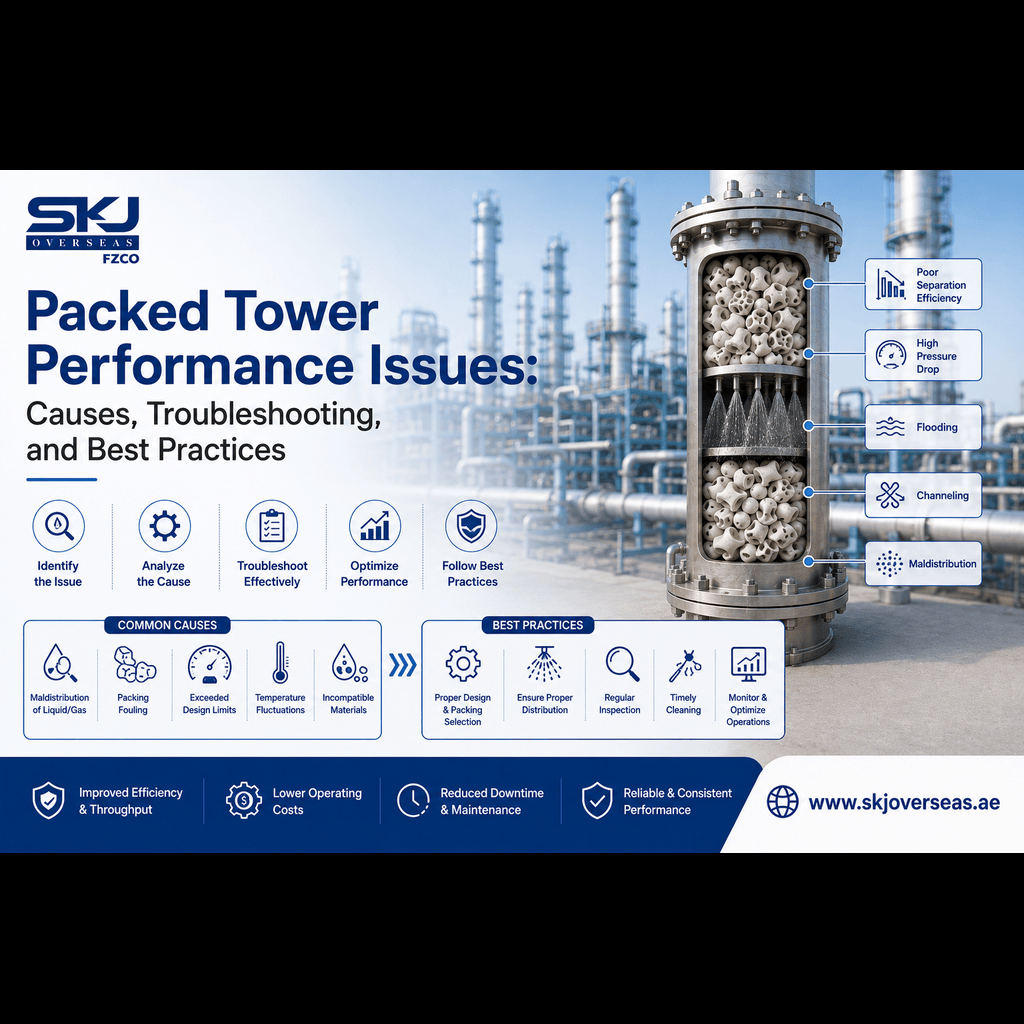
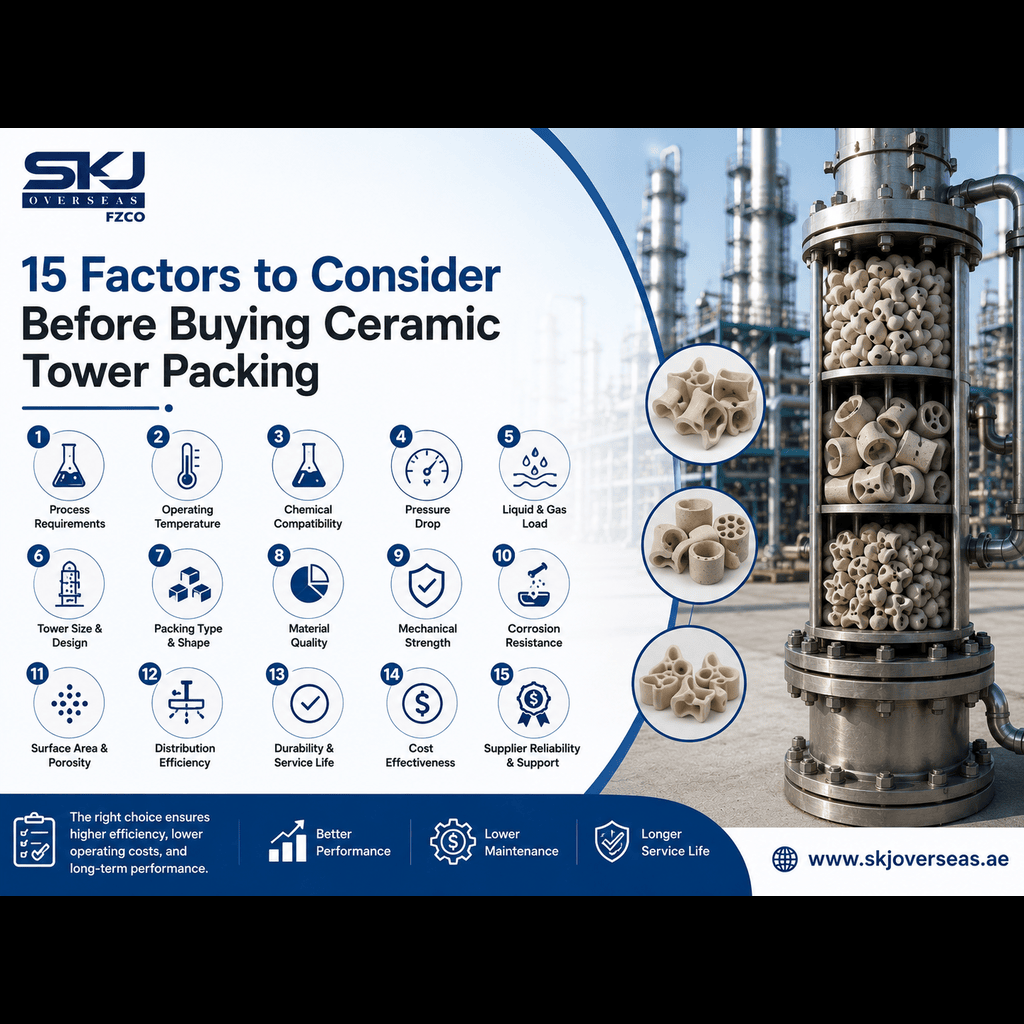
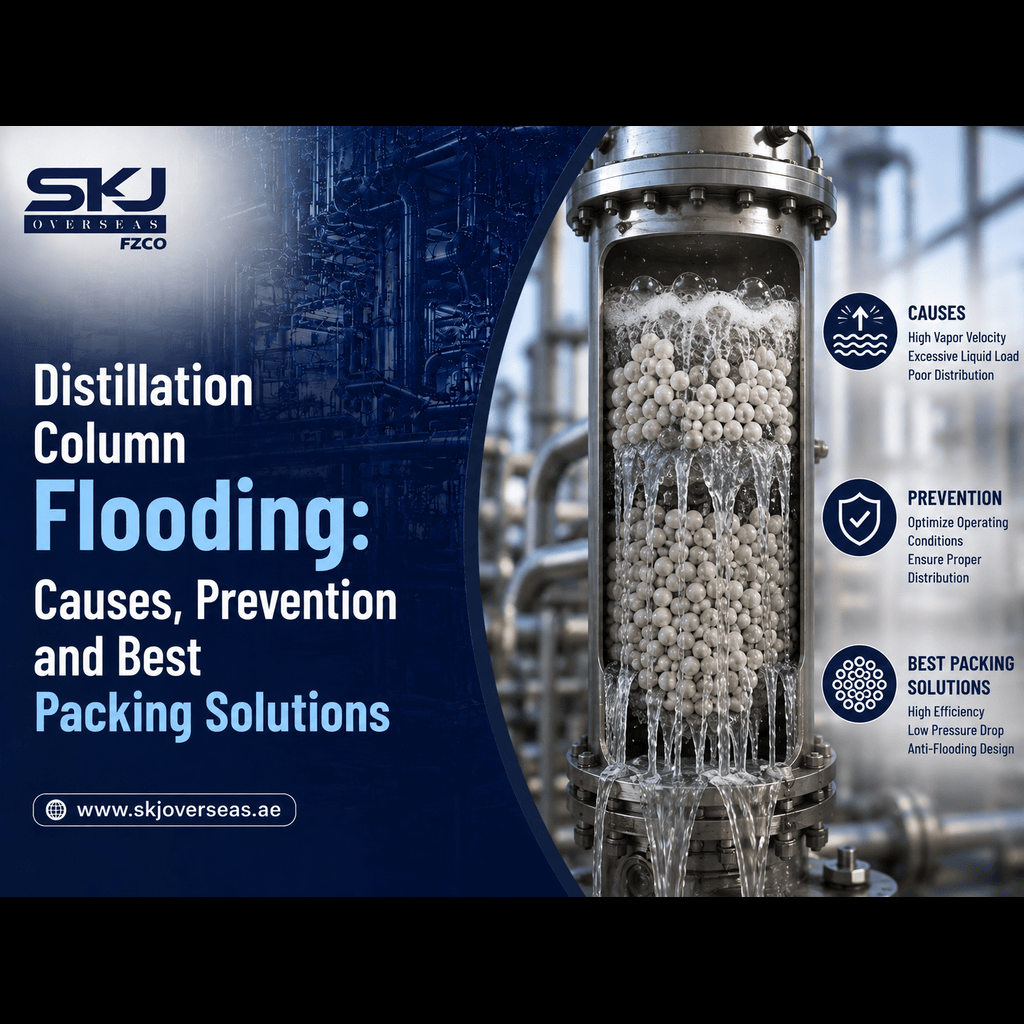
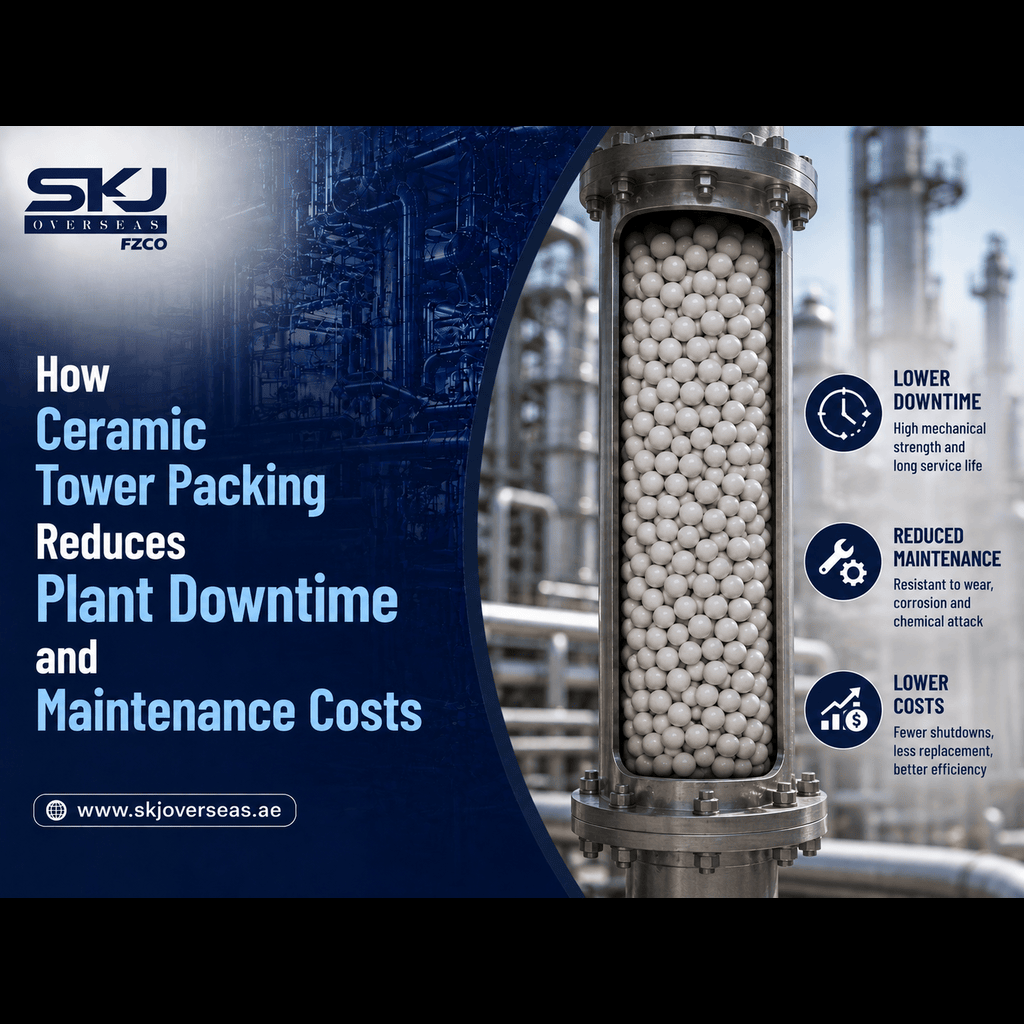
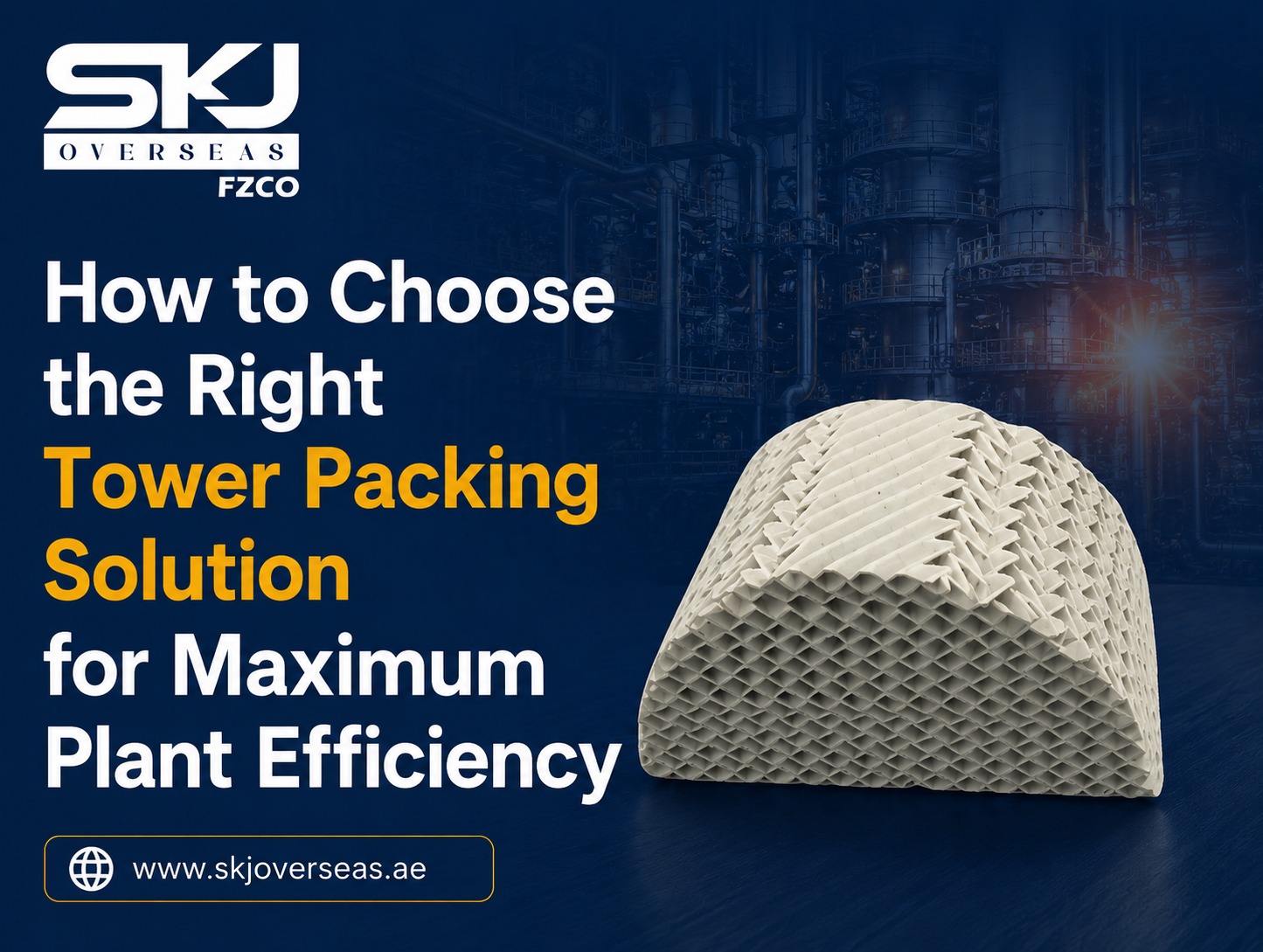
One of the most significant Main Uses of Ceramics is inside chemical process towers, where the material’s chemical inertness and heat resistance make it ideal for absorption, distillation, and scrubbing systems. Packed towers rely on ceramic components to bring gas and liquid into contact efficiently while resisting corrosion from aggressive chemicals over years of continuous operation.
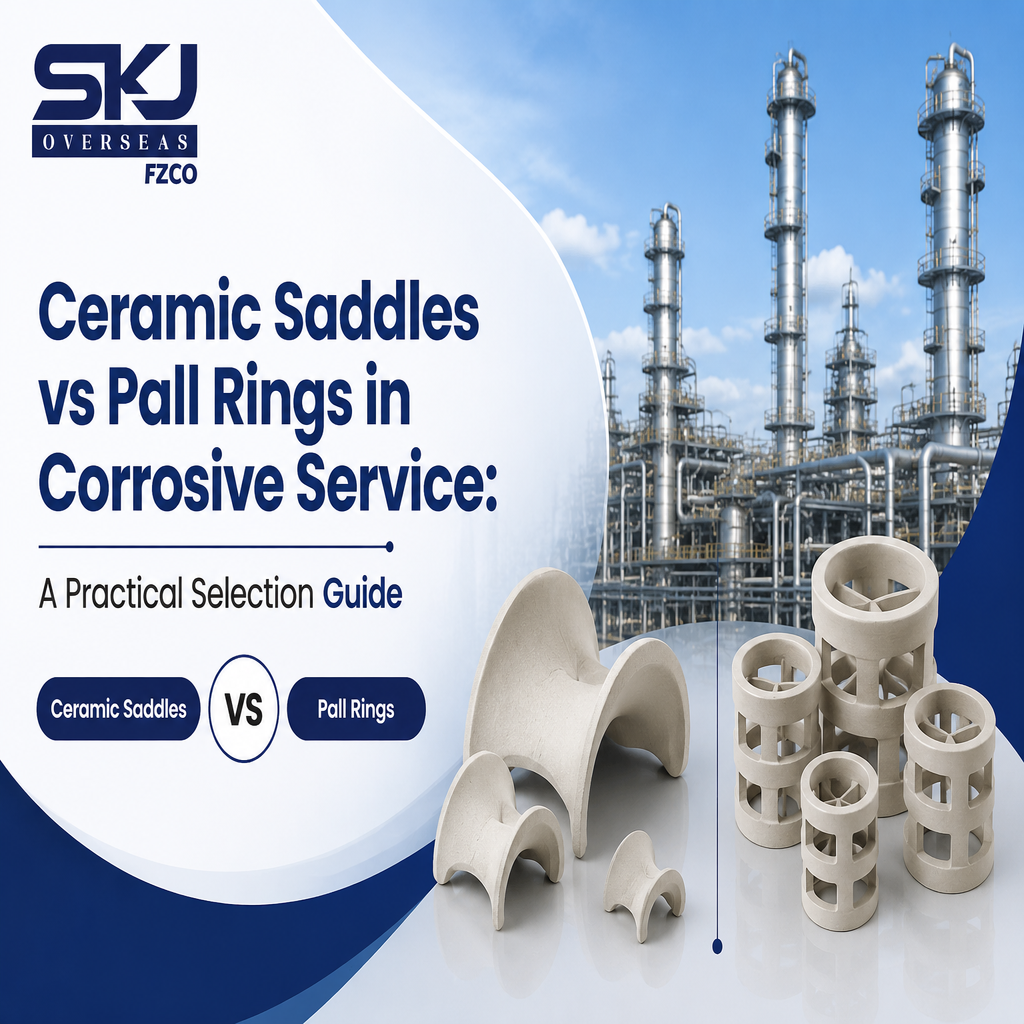
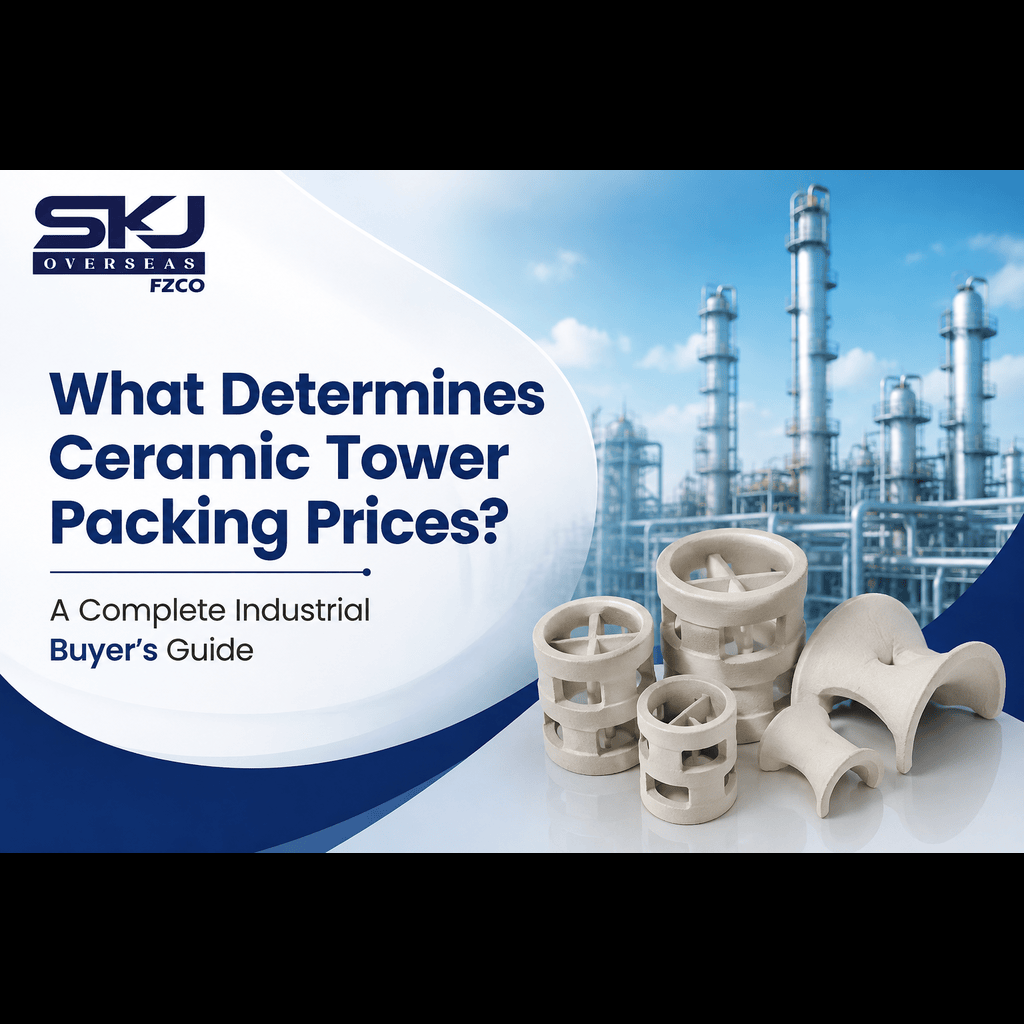
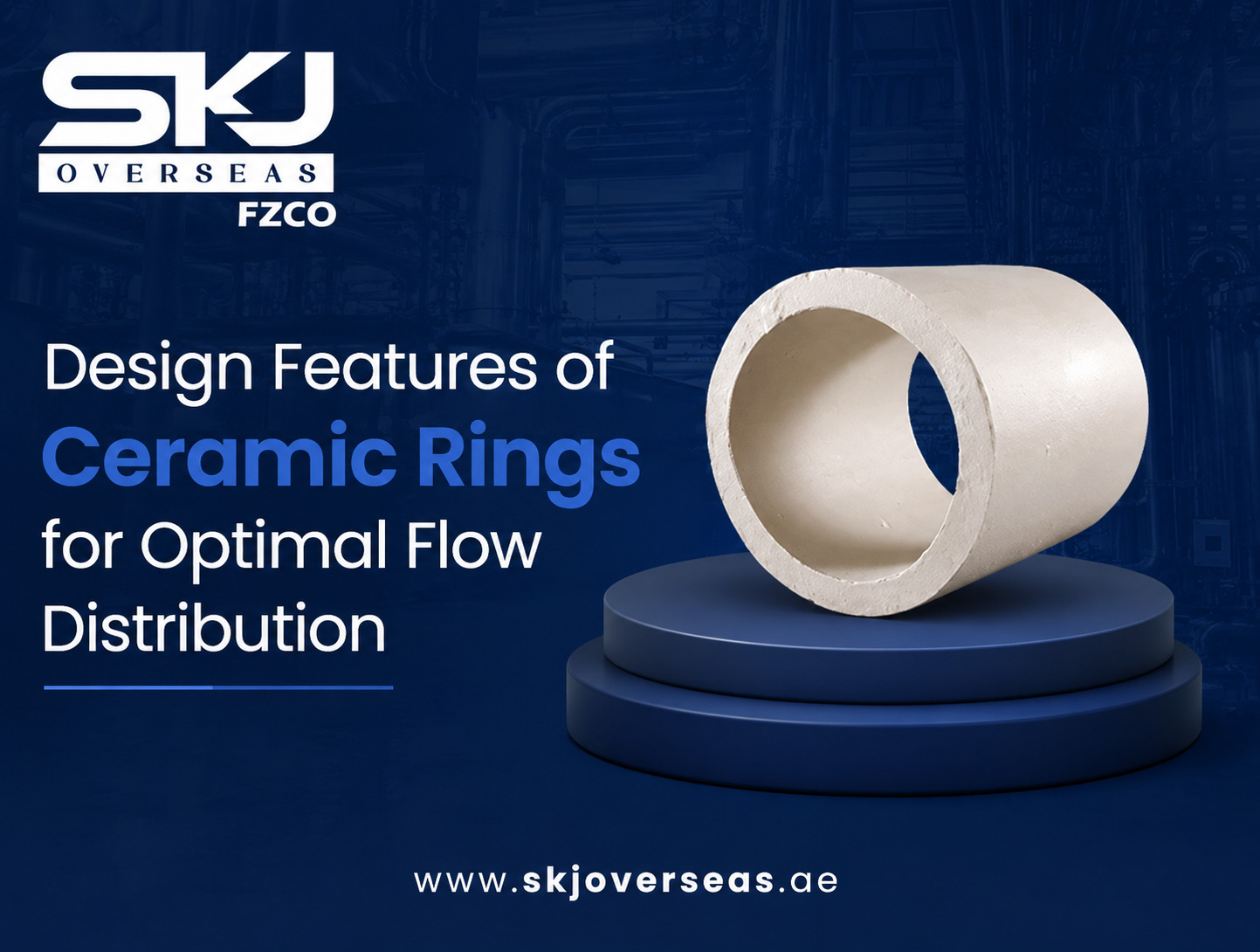
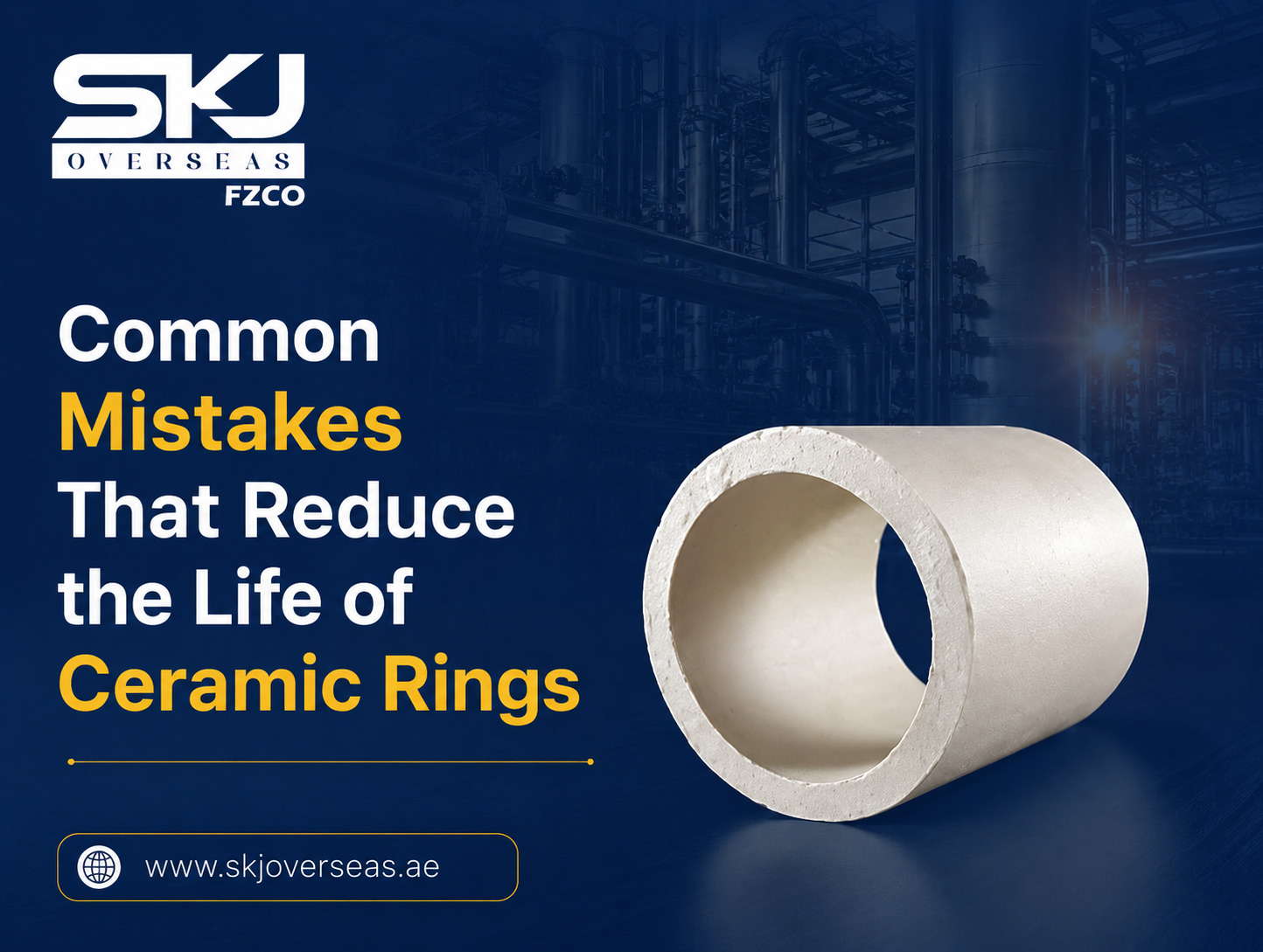
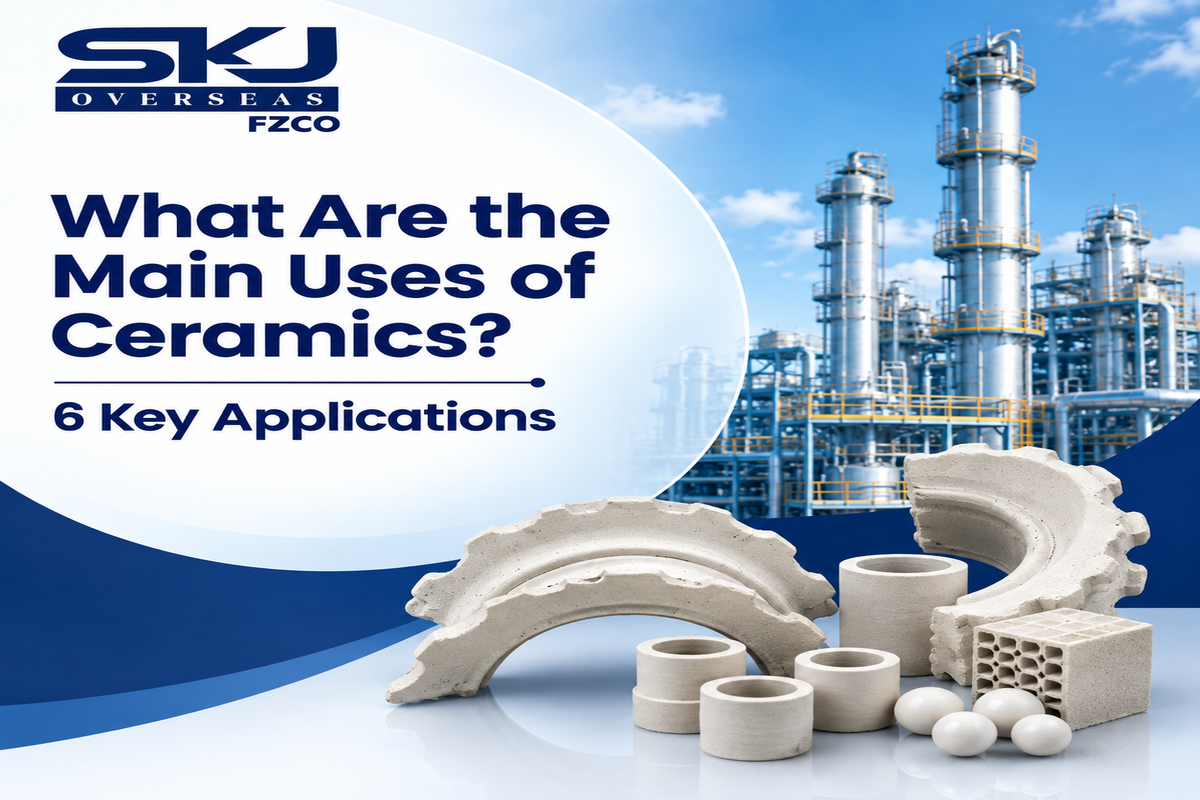
Ceramic ring packing plays a central role here, and a qualified ceramic ring manufacturers in Dubai typically produces multiple ring styles, including partition rings used to divide flow zones within a column. A specialized ceramic ring partitioned Manufacturer focuses on precise wall geometry to maintain even flow distribution across the packed bed, which directly affects separation efficiency.
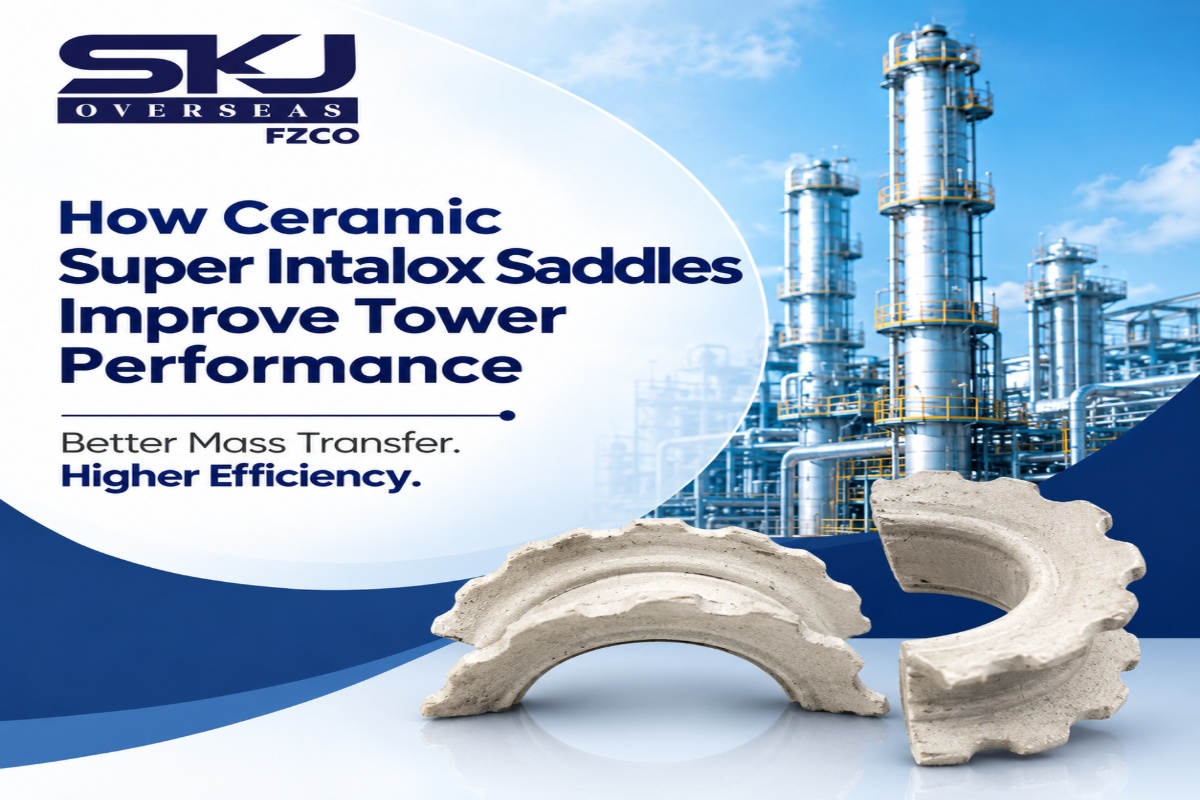
Saddle-type packing is equally important in this application. A Ceramic Super Intalox Saddle Manufacturer produces curved, no-nest packing shapes that increase surface area and reduce pressure drop compared to older ring designs. For lighter-duty or lower-cost applications, a PP Saddles Manufacturer offers polypropylene alternatives that perform well in less aggressive chemical environments.
High-performance porcelain packing also has a place in demanding service conditions. A Cecebe HP Porcelain Saddles Manufacturer typically supplies packing rated for higher mechanical strength and thermal stability, suited to towers operating under more extreme pressure or temperature conditions than standard packing can handle.
Beyond saddles and rings, plastic ring packing rounds out the product range used in this sector. A PP Pall Ring Manufacturer supplies lightweight, high-void polypropylene rings that offer low pressure drop and good mass transfer efficiency for water treatment and lower-temperature chemical applications.
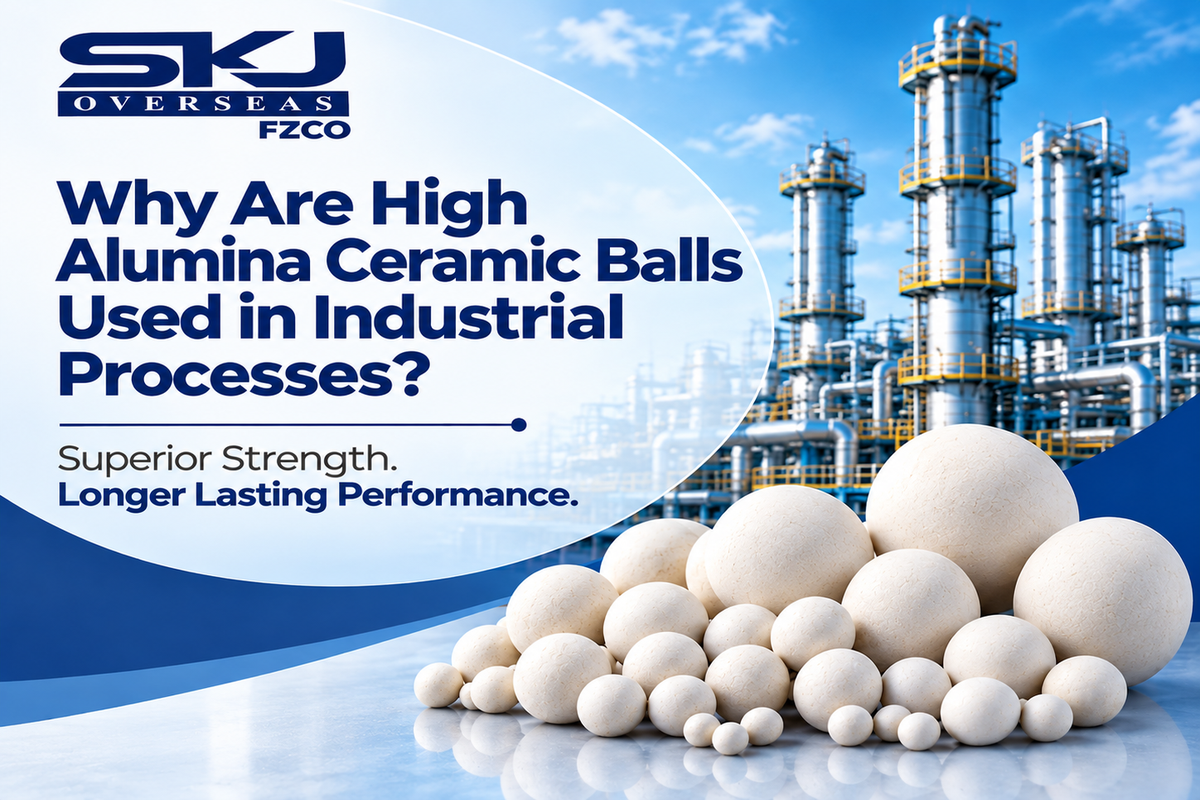
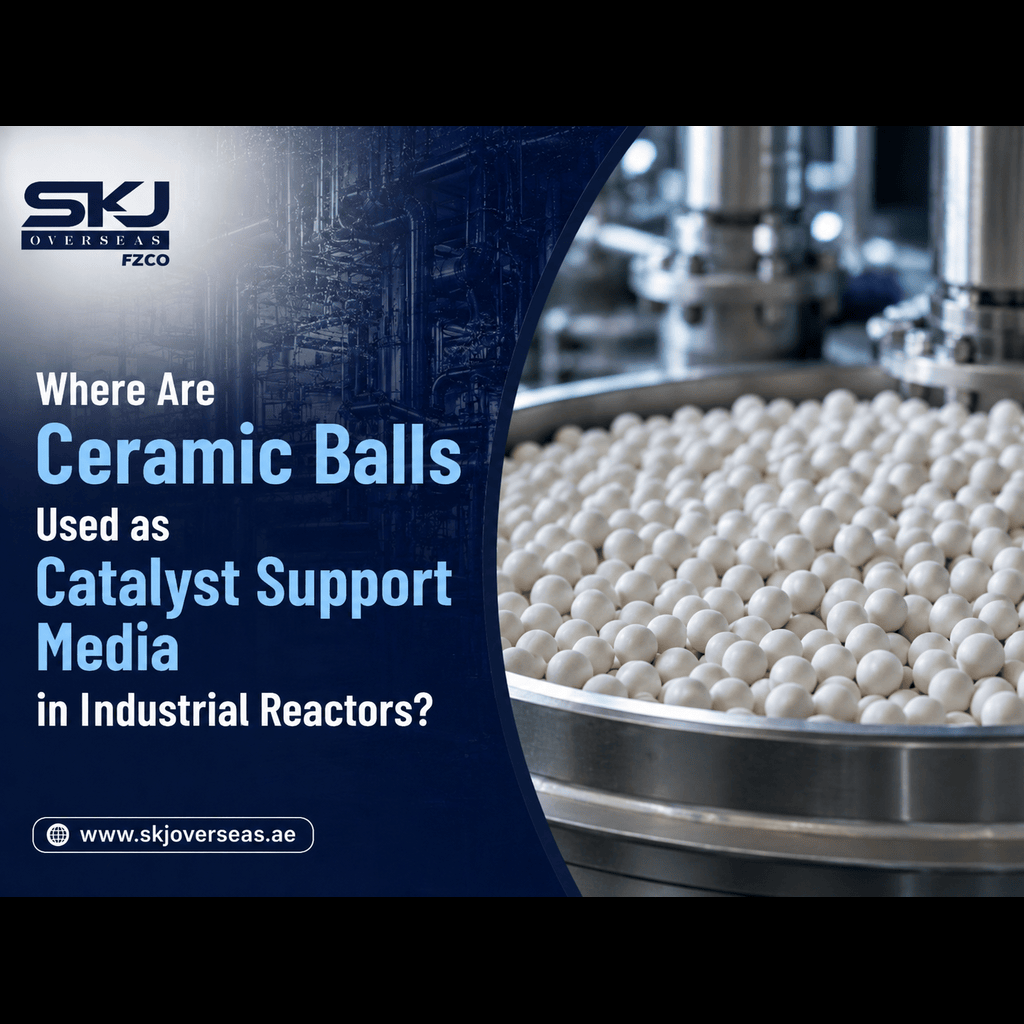
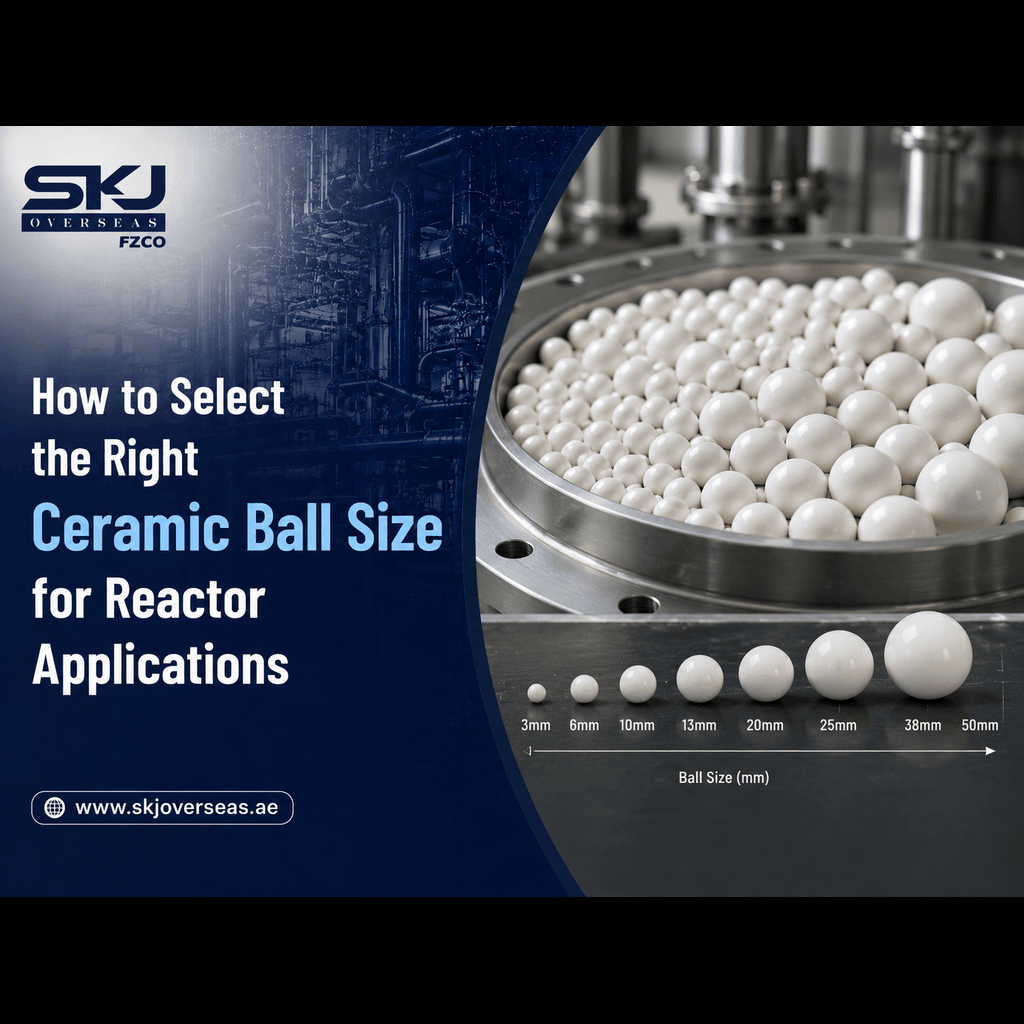
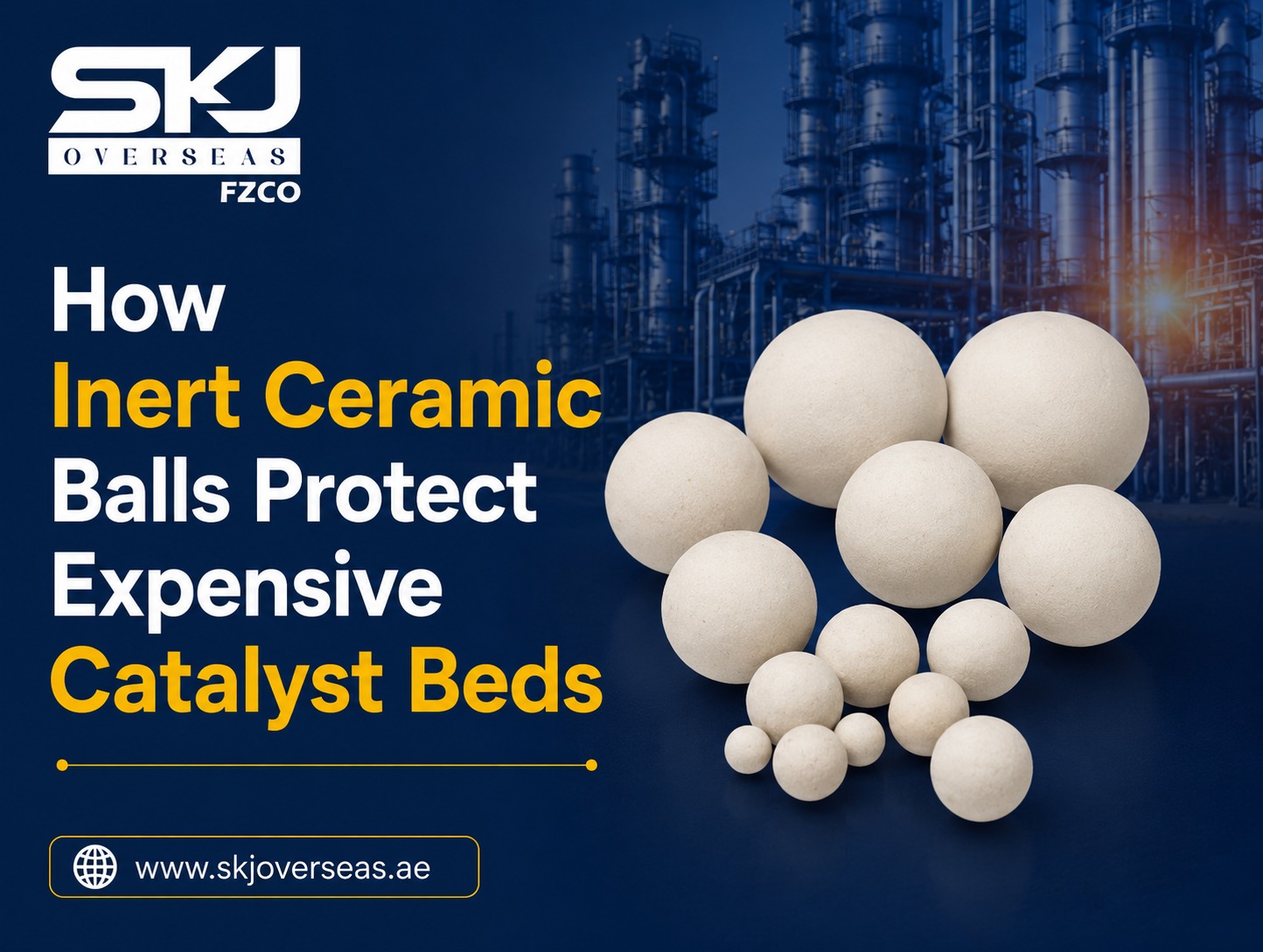
Inert filling media completes the picture in many reactor and tower designs. An inert ceramic balls manufacturer supplies dense, non-reactive balls used as catalyst bed support, tower packing support, and inert filling material where the goal is structural stability rather than active chemical separation.
2. Construction and Architectural Materials
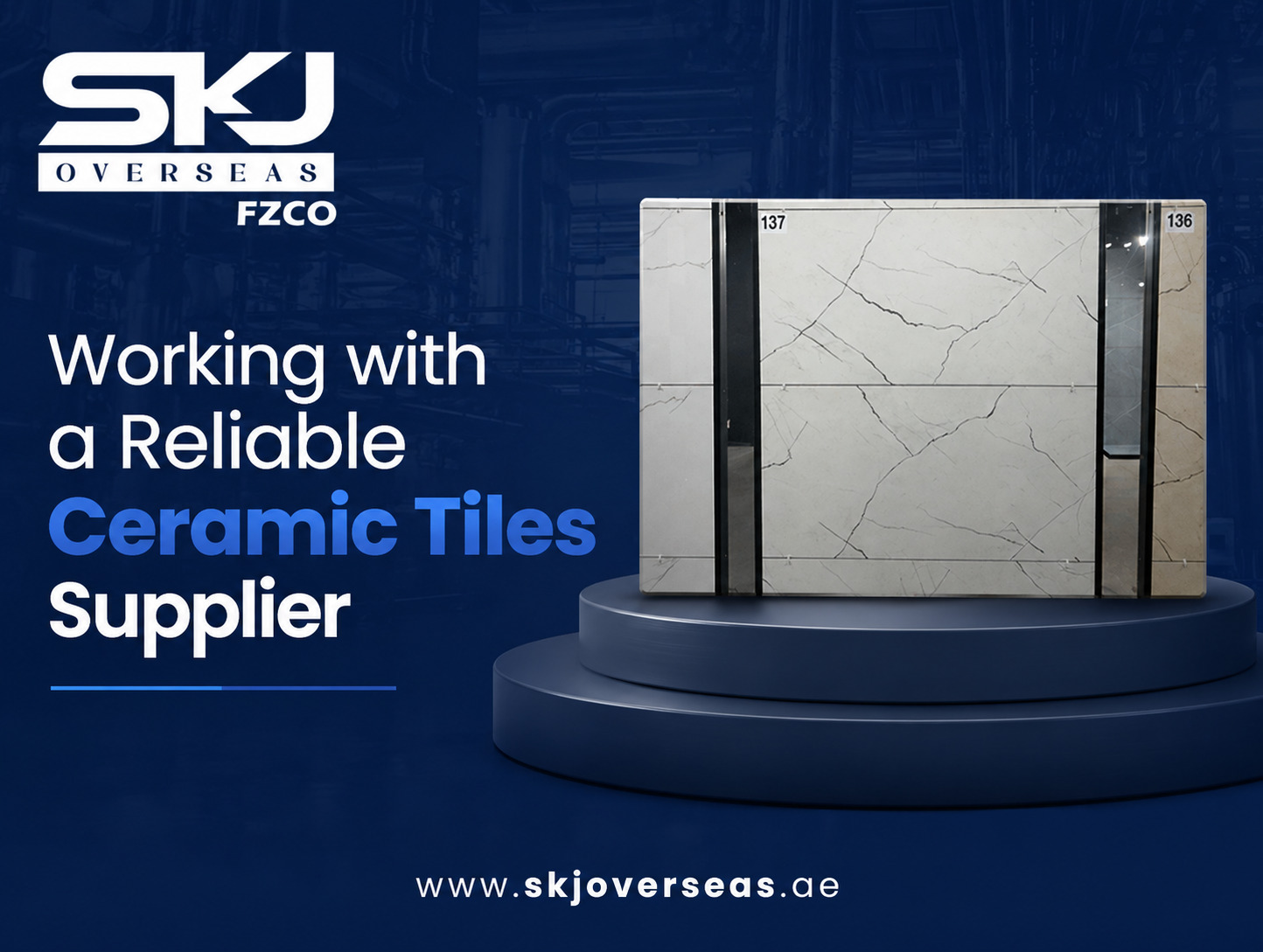
Ceramics have supported the construction industry for thousands of years, and modern applications extend well beyond traditional bricks and roof tiles. Fired clay products resist moisture, fire, and pest damage far better than many synthetic building materials, which is why ceramic tiles, bricks, and decorative blocks remain popular in both residential and commercial construction.
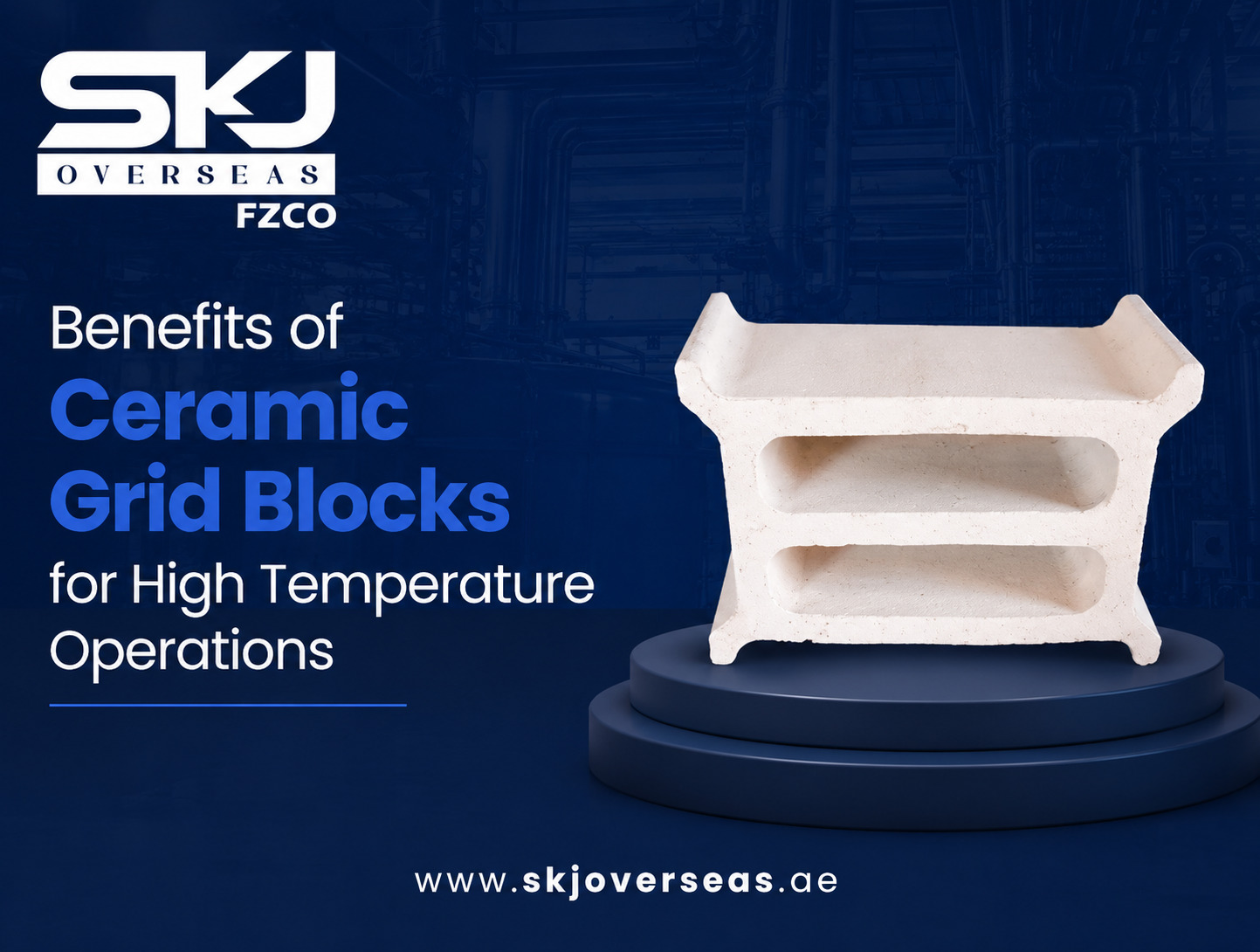
A ceramic grid block manufacturer produces perforated building units used in facades, partition walls, and ventilation screens. These blocks combine structural function with aesthetic design, allowing architects to control light, airflow, and privacy without adding separate mechanical systems to a building.
3. Electrical and Electronic Insulation
Most ceramic materials are excellent electrical insulators, which makes them indispensable in the electrical and electronics industries. Alumina and porcelain ceramics are commonly used in spark plug insulators, power line insulators, and circuit board substrates, where their non-conductive properties prevent electrical faults and short circuits.
Beyond simple insulation, some ceramic materials support more advanced electronic functions. Barium titanate ceramics are used in capacitors that store electrical charge, while certain magnetic ceramics support electric motors and circuit components. This combination of insulation and functional electrical properties keeps ceramics relevant even as electronic devices become more compact and complex.
4. Mechanical and Wear-Resistant Components
Industrial machinery often needs parts that resist wear, friction, and mechanical stress over long operating periods. Ceramic bearings, seals, and cutting tools outperform many metal alternatives in high-friction environments because ceramic surfaces resist scratching and material loss far better than most metals.
This wear resistance also extends to pump components, valve seats, and nozzles used in abrasive fluid handling. Industries such as mining, textiles, and paper manufacturing rely on ceramic components specifically because they maintain dimensional accuracy over extended use, reducing the frequency of part replacement and unplanned downtime.
5. High-Temperature and Refractory Applications
Refractory ceramics are designed to withstand extreme heat without breaking down, which makes them critical in furnaces, kilns, and industrial boilers. Steel production, glass manufacturing, and cement processing all depend on refractory linings to protect equipment from the intense heat generated during these processes.
Beyond heavy industry, refractory-grade ceramics also appear in aerospace applications, where heat shields must withstand the extreme temperatures generated during high-speed flight. This shared demand for extreme heat tolerance across such different industries highlights why refractory ceramics remain one of the most consistently important Main Uses of Ceramics worldwide.
6. Medical and Biomedical Applications
Modern medicine increasingly relies on ceramics for their biocompatibility, meaning the human body tolerates them well without rejection or adverse reaction. Dental implants, hip replacements, and other prosthetics commonly use advanced ceramic materials because they combine strength with a surface that integrates safely with human tissue.
Surgical tools and diagnostic equipment also benefit from ceramic components, particularly where chemical resistance and precise dimensional stability matter. As ceramic processing techniques continue to improve, medical-grade ceramics are becoming more widely available and more affordable across healthcare systems globally.
How to Choose the Right Ceramic Product for Your Application
Selecting the right ceramic material depends heavily on the specific demands of your process or project.
- For chemical processing: prioritize chemical inertness and thermal stability under continuous exposure
- For construction: focus on weather resistance, aesthetic finish, and structural requirements
- For electrical use: confirm dielectric strength and insulation ratings match your voltage requirements
- For mechanical parts: verify hardness and wear resistance ratings against your operating conditions
Working with an experienced manufacturer ensures the ceramic grade and shape you select actually match the performance data on paper, rather than falling short once installed in a real operating environment.
Why Sourcing From an Established Manufacturer Matters
Ceramic performance depends heavily on firing quality, raw material purity, and dimensional consistency across production batches. Inconsistent manufacturing can lead to premature cracking, uneven wear, or reduced chemical resistance, all of which increase downtime and replacement costs over a product’s service life.
SKJ Overseas applies consistent quality control standards across its full ceramic product range, from tower packing components to construction materials, giving customers confidence that lab-tested performance will translate into reliable results on-site.
Key Takeaways
- The Main Uses of Ceramics span chemical processing, construction, electronics, mechanical engineering, refractories, and medicine.
- Chemical inertness, heat resistance, and electrical insulation are the core properties driving most ceramic applications.
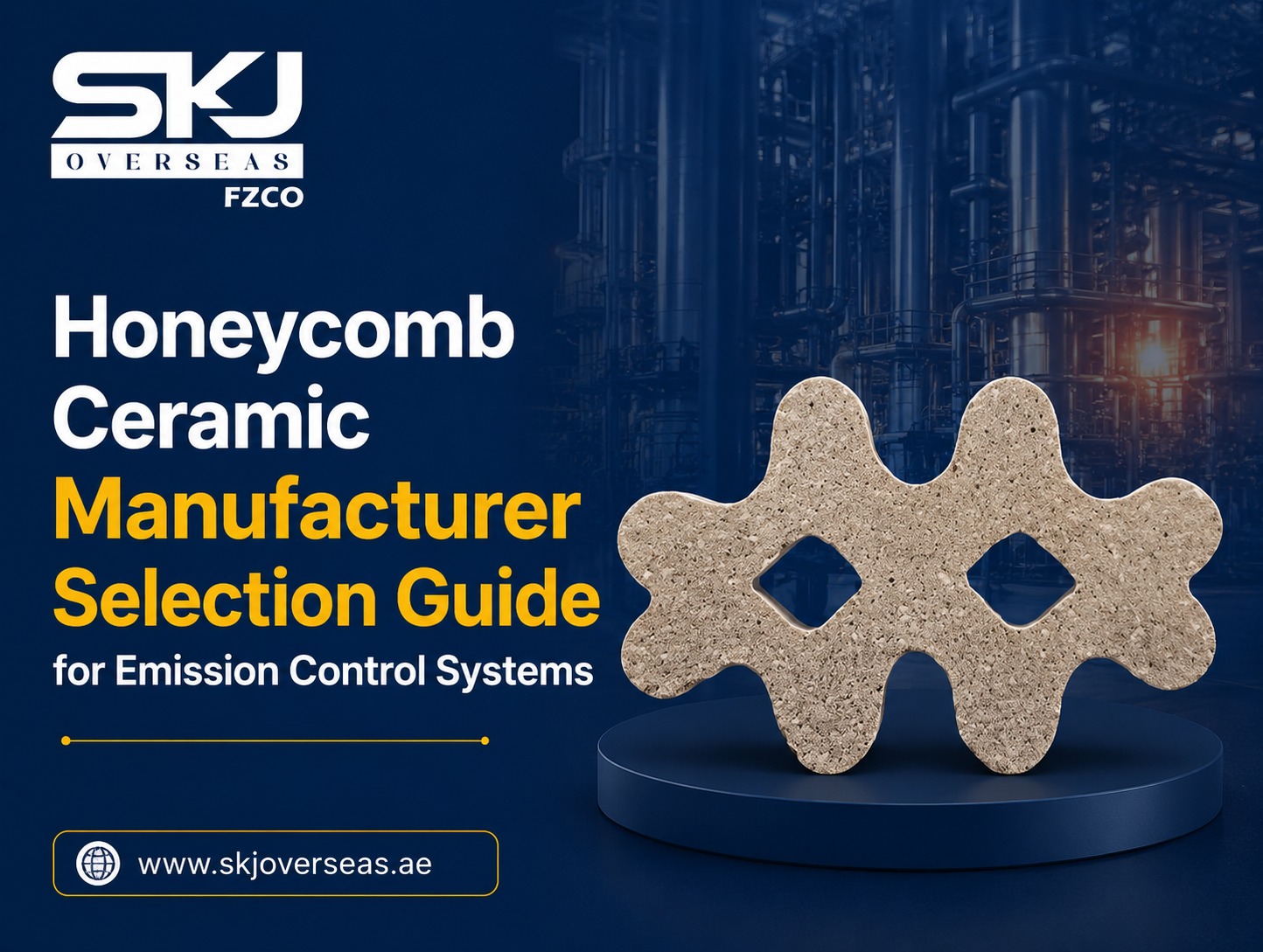
- Tower packing, including saddles, rings, and inert balls, represents one of the most technically demanding ceramic applications.
- Construction-grade ceramics offer durability and design flexibility that many synthetic materials cannot match.
- Sourcing from a quality-focused manufacturer protects long-term performance across every application.
Frequently Asked Questions
1. What is the most common industrial use of ceramics?
Chemical processing and tower packing represent one of the most demanding and widely documented industrial uses of ceramics, since the material must resist continuous chemical and thermal exposure without degrading.
2. Why are ceramics used as electrical insulators?
Most ceramic materials do not conduct electricity, making them ideal for insulating power lines, spark plugs, and electronic components. This property, combined with heat resistance, makes ceramics safer than many alternative materials in high-voltage environments.
3. Are ceramics used in medical devices?
Yes. Ceramics are widely used in dental implants, hip replacements, and surgical tools because they are biocompatible, meaning the human body tolerates them well without triggering rejection or inflammation.
4. What makes ceramics suitable for high-temperature applications?
Ceramics can withstand extremely high temperatures without melting or deforming, which is why they are used in furnace linings, kilns, and aerospace heat shields. Their thermal stability far exceeds that of most metals and polymers.
5. How do I know which ceramic material fits my application?
The right choice depends on your specific requirements, including temperature exposure, chemical contact, mechanical load, and electrical properties. Consulting an experienced ceramic manufacturer helps match the correct material grade and shape to your process.
Talk to SKJ Overseas About Your Ceramic Requirements
Whether your project involves chemical process towers, construction materials, or industrial components, SKJ Overseas brings decades of ceramic manufacturing expertise to every application. Our team can help you identify the right ceramic product and grade for your specific operating conditions.
Contact SKJ Overseas today to request a quote, technical datasheet, or product catalog for your requirement.