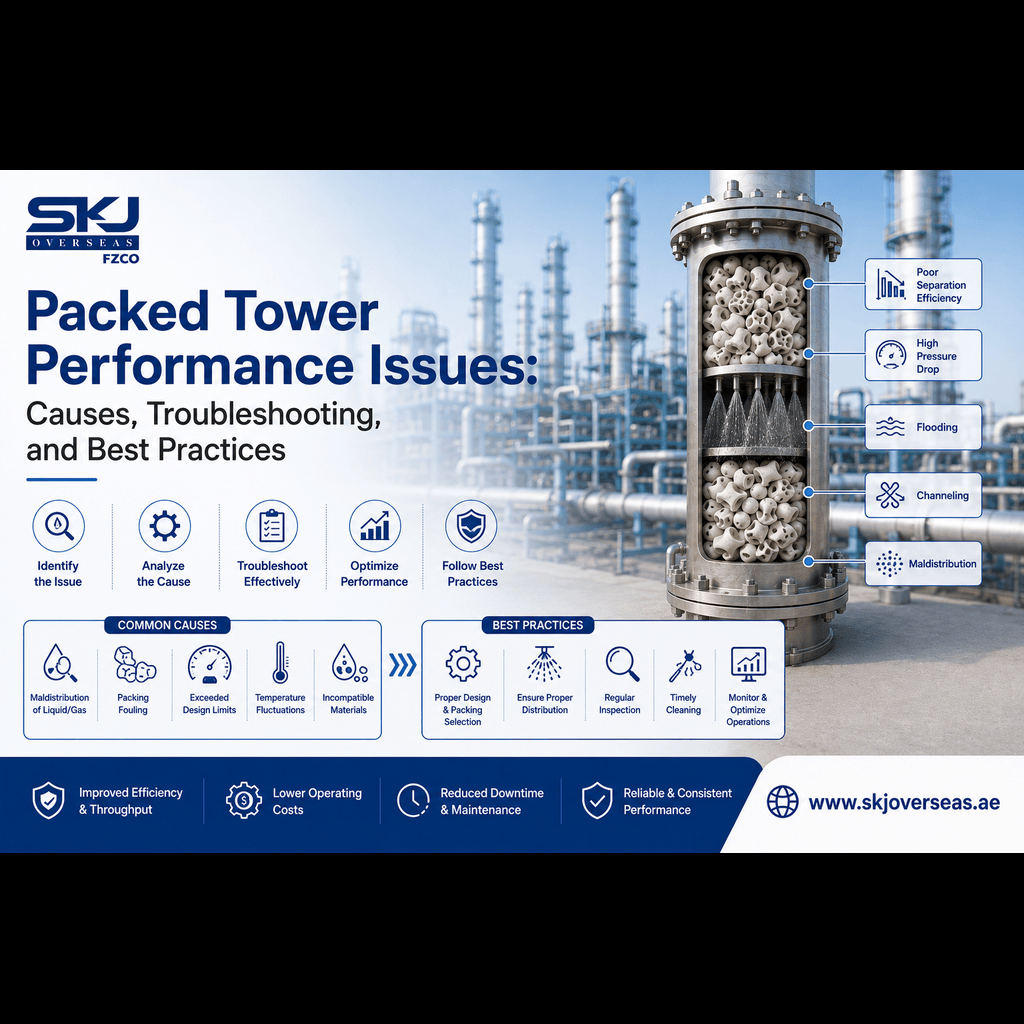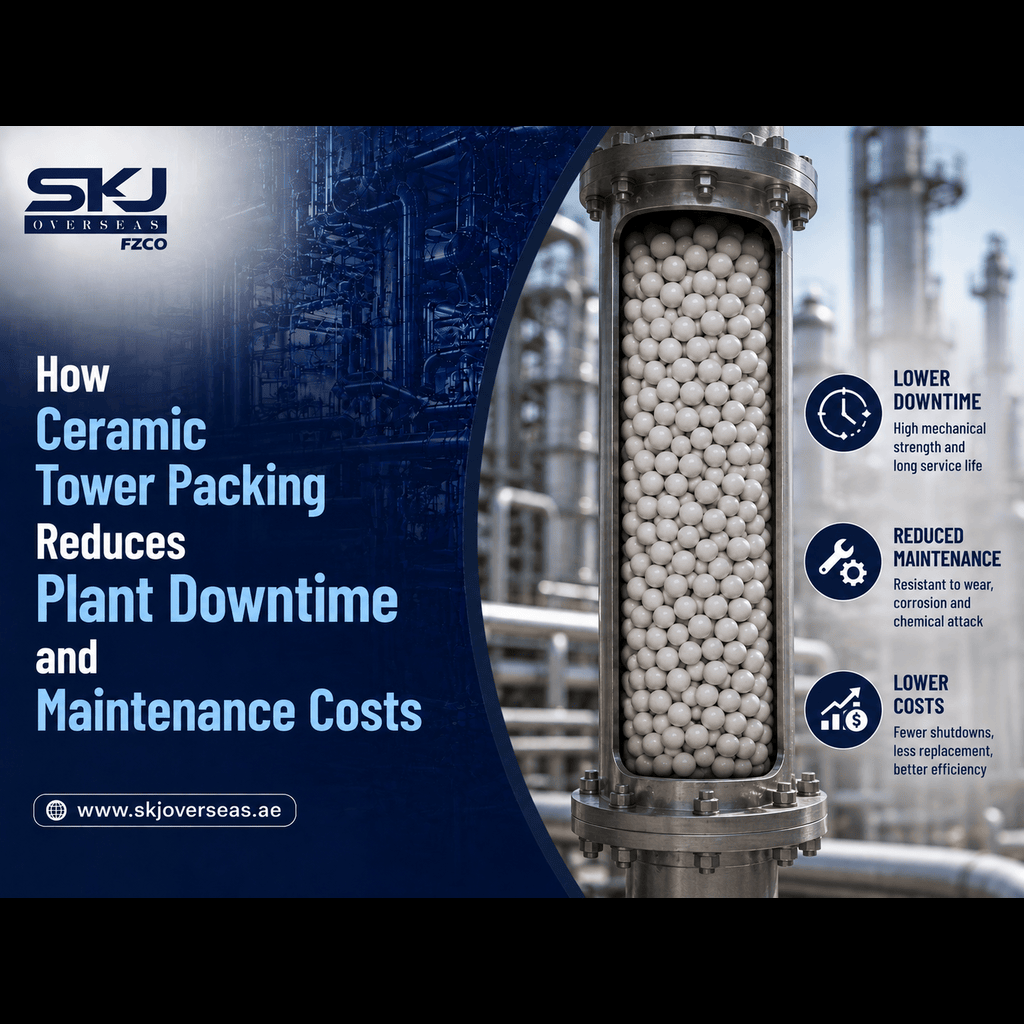
A chemical processing facility in the Jebel Ali Free Zone, Dubai, was operating a sulfuric acid absorption tower packed with plastic random packing. After several months of operation, the packing began deforming under sustained thermal load. Column efficiency dropped significantly, product purity fell below specification, and the unit required an unplanned shutdown for repacking.
The replacement specification was ceramic saddles tower packing. After repacking with ceramic intalox saddles sourced from a certified ceramic saddles supplier, the tower returned to full design efficiency. The facility has operated without packing-related downtime since.
This outcome is not unusual. Across the petrochemical, pharmaceutical, and gas processing sectors, ceramic saddles consistently outperform plastic and metal alternatives in the most demanding column environments. This guide explains why.
What Are Ceramic Saddles and Why Are They Used in Tower Packing?
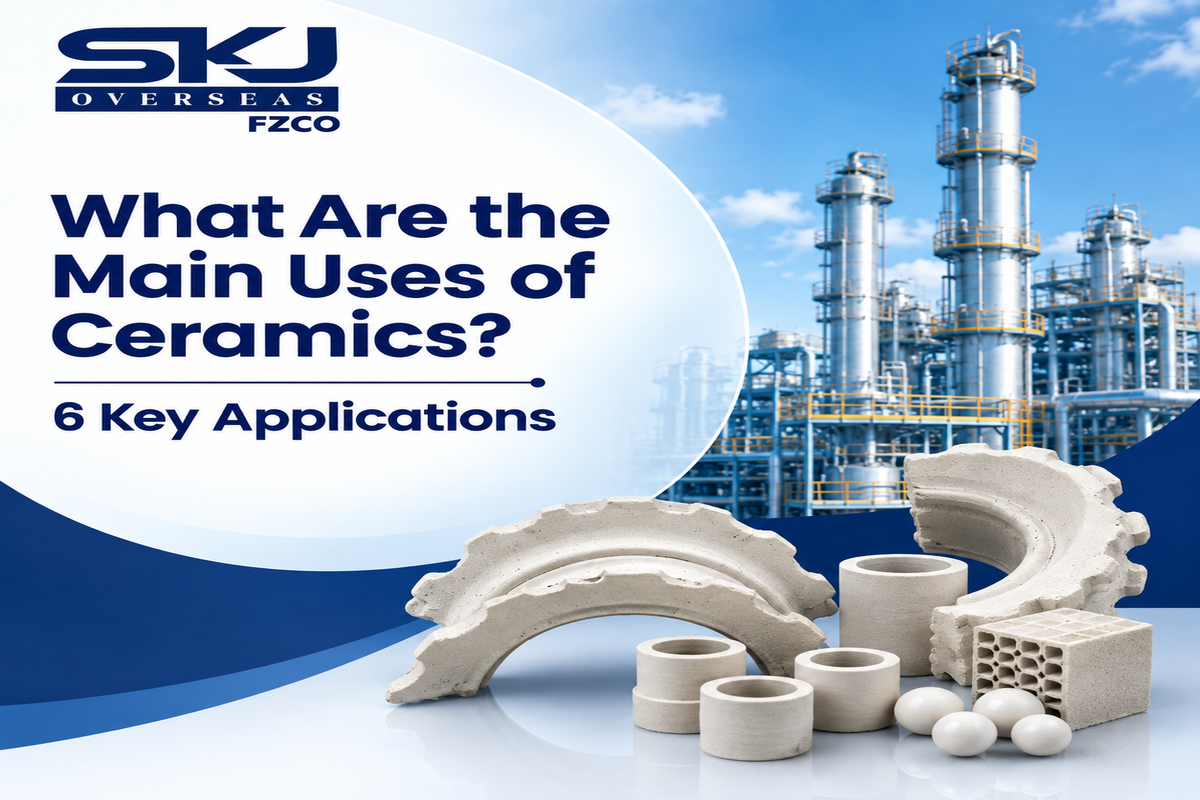
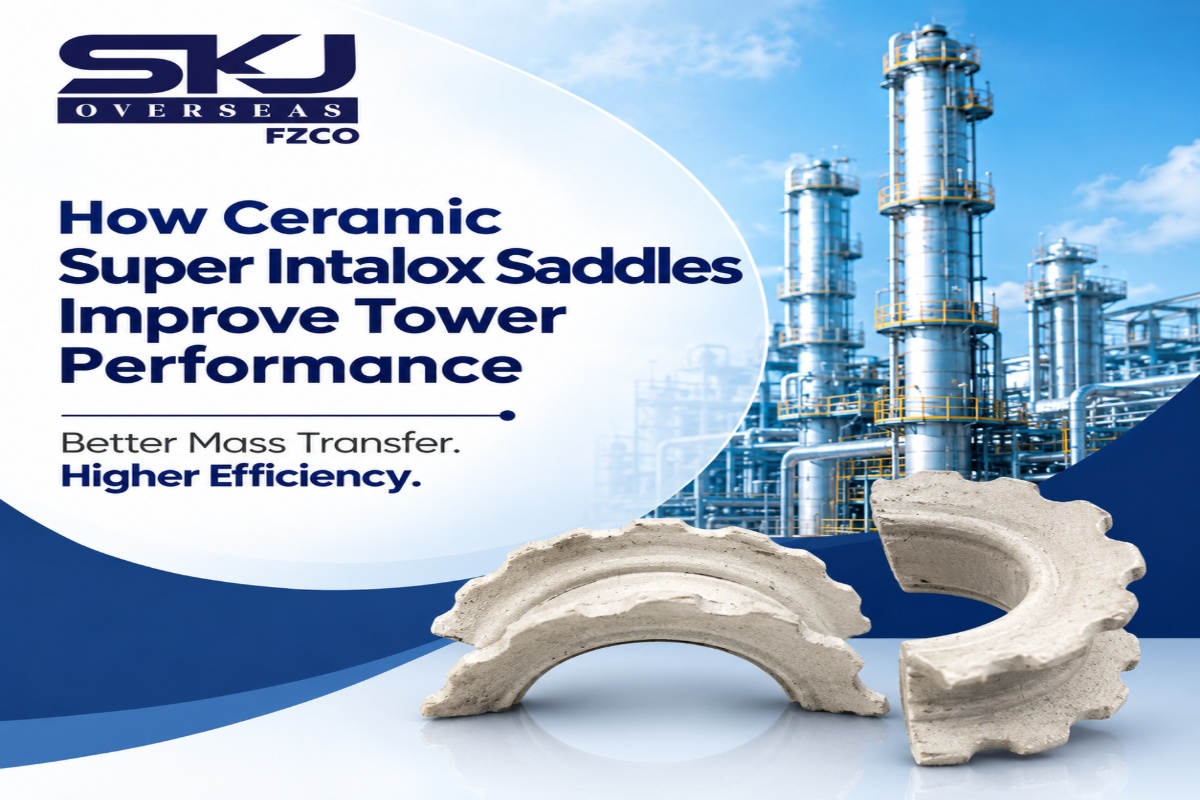
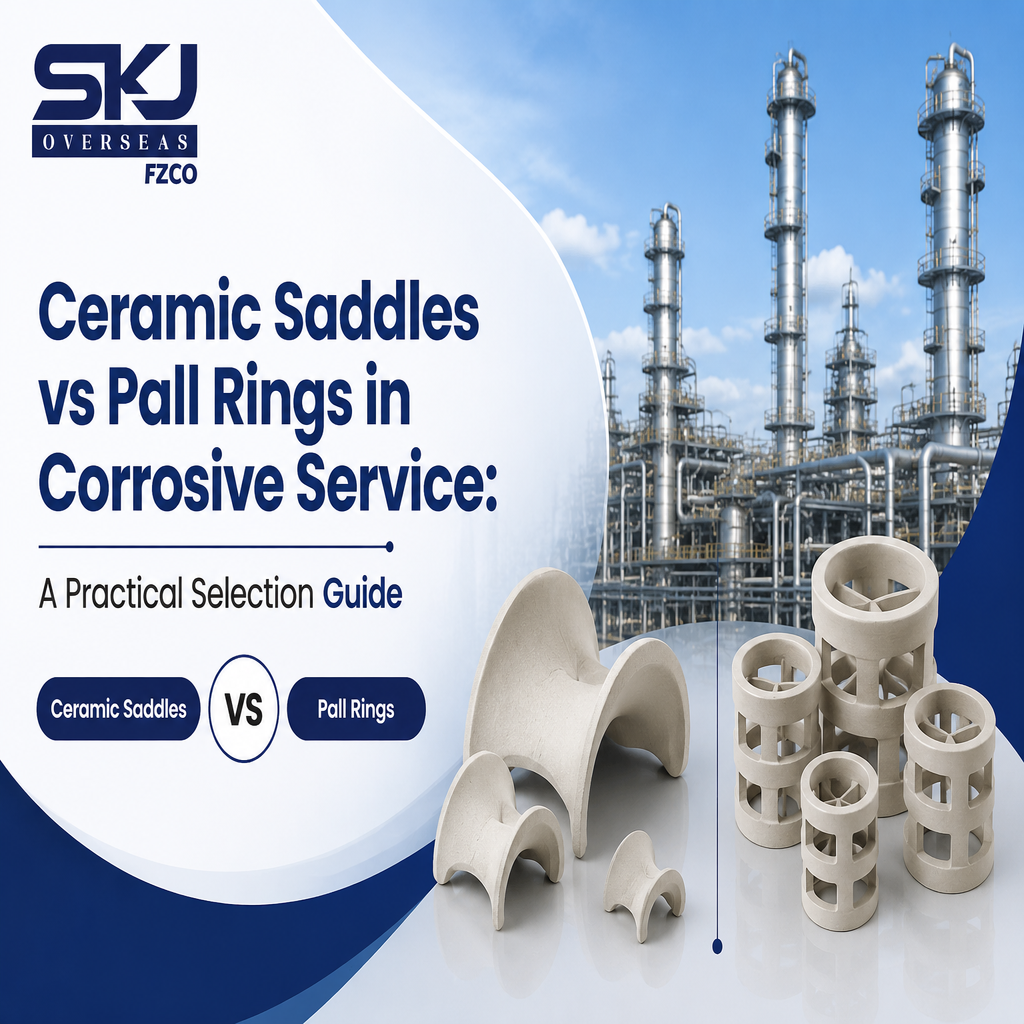
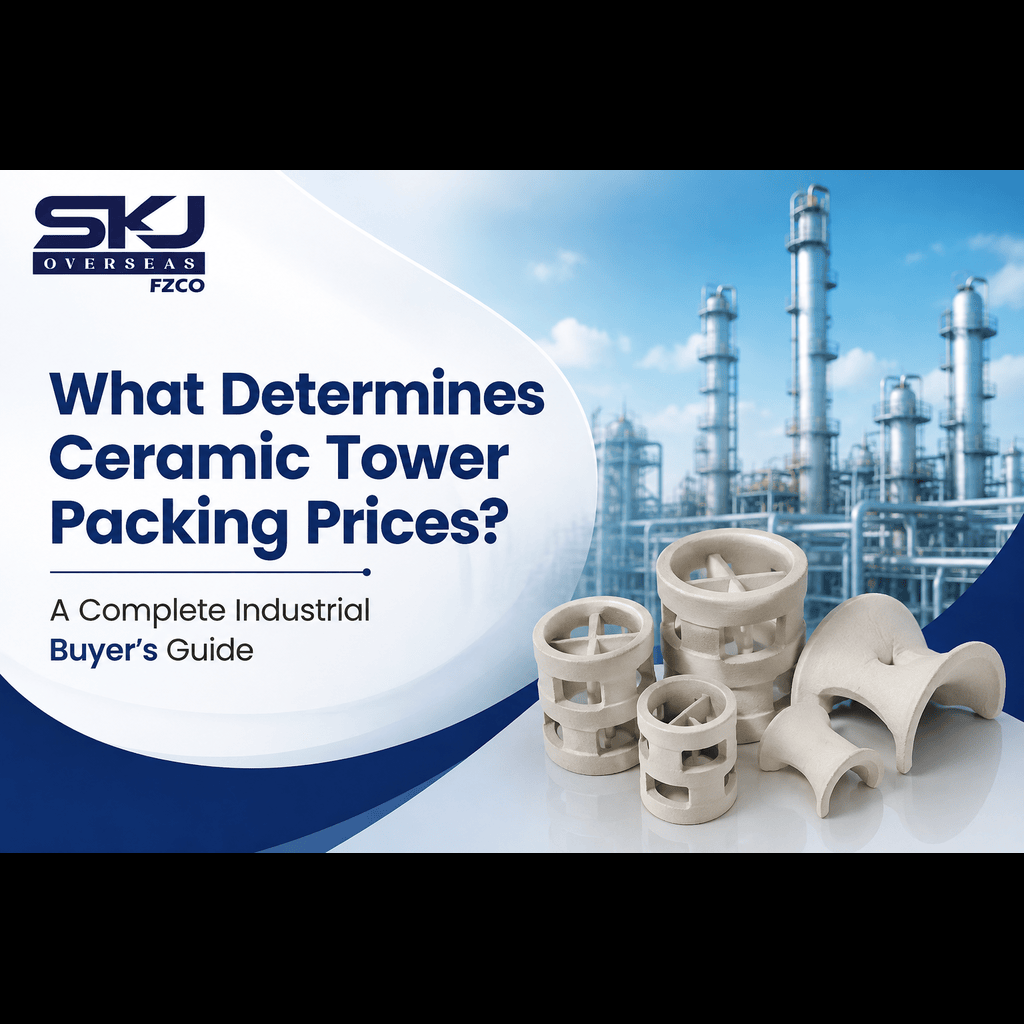
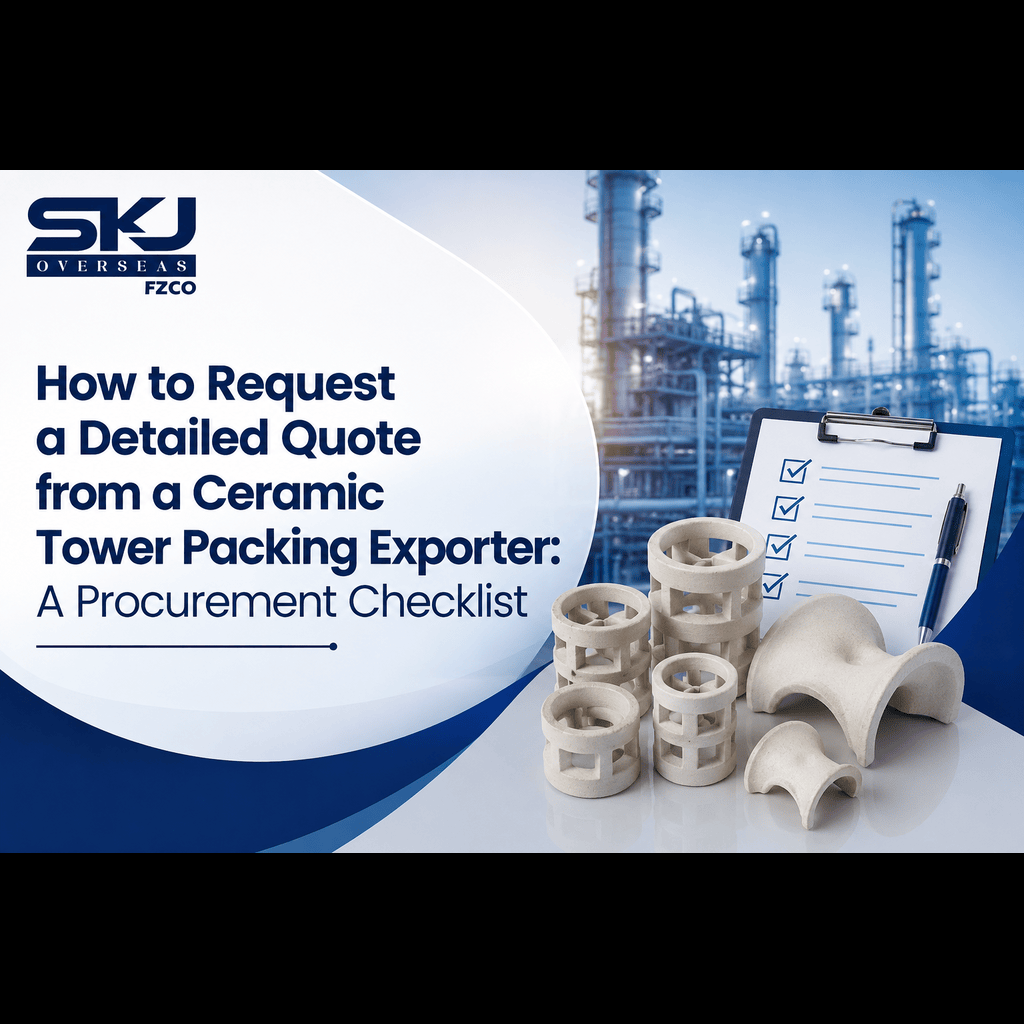
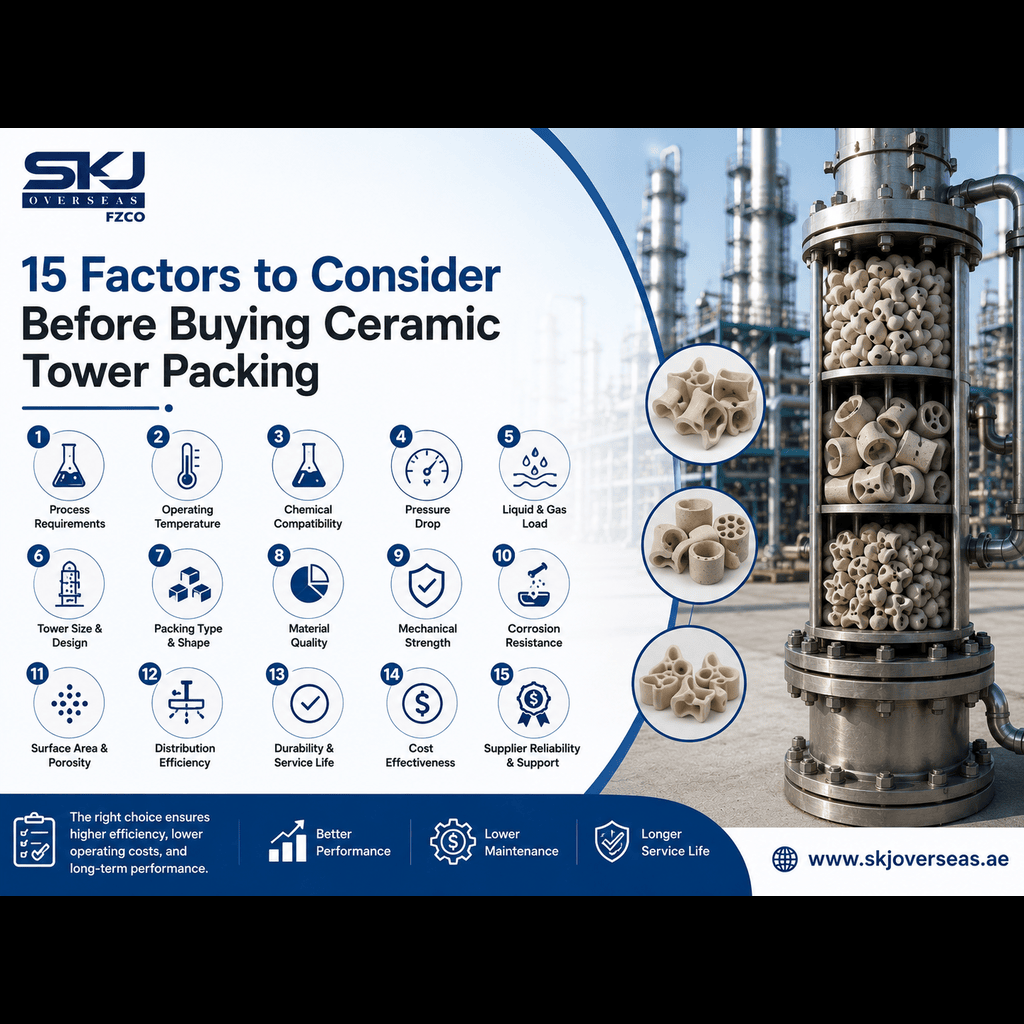
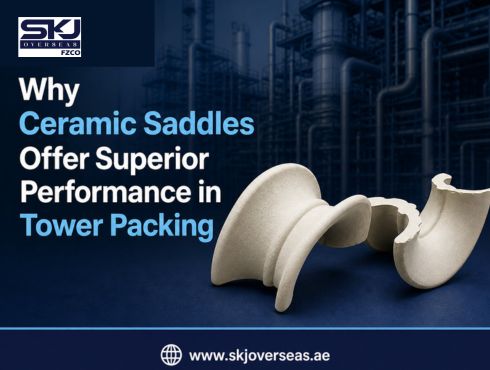
Ceramic saddles are curved, saddle-shaped random packing elements manufactured from high-purity alumina or chemical-grade ceramic. Their distinctive curved geometry is designed to create a high surface area bed while allowing gas and liquid to flow freely without channeling or excessive pressure drop.
The two most common types used in ceramic tower packing applications are:
- Berl Saddles: The original saddle-shaped packing, with a smooth curved surface and open structure
- Intalox Saddles: An improved design with a modified curved profile that reduces nesting, increases void fraction, and improves mass transfer efficiency
Both types are available in sizes ranging from 6 mm to 75 mm. Size selection depends on column diameter, throughput requirement, and the nature of the process media.
Key Performance Advantages of Ceramic Saddles Tower Packing
1. High Temperature Resistance
Ceramic saddles tolerate sustained operating temperatures above 1000°C. This makes them the only viable random packing choice for high-temperature distillation, thermal oxidizers, and regenerative thermal processes where plastic would melt and metal would oxidize.
High temperature resistance materials like alumina ceramic maintain dimensional stability and surface integrity even through repeated thermal cycling. No other random packing material matches this performance profile.
2. Corrosion Resistant Packing Media
Chemical process packing in acid gas scrubbers, HCl absorption columns, and sulfuric acid towers requires packing that resists aggressive chemical attack over years of continuous operation.
Ceramic saddles are inert to virtually all acids, alkalis, and organic solvents except hydrofluoric acid and strong caustic solutions above certain concentrations. This corrosion resistant packing media characteristic makes ceramic the default specification wherever chemical compatibility is a primary concern.
3. Superior Mass Transfer Efficiency
The saddle geometry creates a highly randomized bed structure that promotes intimate gas-liquid contact. Mass transfer efficiency in a ceramic intalox saddle bed is consistently higher than in equivalent beds of Raschig rings or plastic pall rings at comparable pressure drop.
Higher mass transfer efficiency means shorter column heights can achieve the same separation duty, reducing capital cost and column footprint in new plant design.
Comparison Table: Tower Packing Materials Performance
| Packing Type | Max Temp | Chemical Resistance | Mass Transfer | Pressure Drop | Service Life |
| Ceramic Intalox Saddles | 1000°C+ | Excellent | High | Low-Medium | 10-20 years |
| Ceramic Raschig Rings | 1000°C+ | Excellent | Medium | Higher | 10-15 years |
| Plastic Pall Rings | 120°C max | Good (limited) | Medium | Low | 3-5 years |
| Metal Pall Rings | 500°C | Good (oxidizes) | High | Low | 5-10 years |
| Plastic Intalox Saddles | 100°C max | Moderate | Medium | Low | 3-5 years |
| Structured Metal Packing | 400°C | Moderate | Very High | Very Low | 5-8 years |
The data confirms that ceramic saddles tower packing occupies a unique performance position: combining excellent chemical resistance, high thermal tolerance, and strong mass transfer efficiency in a single material.
Random Packing vs Structured Packing: Where Ceramic Saddles Win
The random packing vs structured packing decision is common in column design engineering. Structured packing offers very low pressure drop and very high efficiency in clean, non-fouling services. However, it is significantly more expensive, more difficult to install, and highly susceptible to fouling in dirty or scaling services.
Ceramic intalox saddle packing wins in the following scenarios:
- Services with suspended solids or potential fouling
- Highly corrosive media where structured metal packing would degrade
- High-temperature applications above 400°C
- Applications where column repacking frequency makes structured packing uneconomical
- Retrofit situations where column internals were originally designed for random packing
For industrial distillation packing solutions in refining, gas processing, and chemical manufacturing, ceramic random packing remains the most practical and cost-effective choice across a wide range of process conditions.
Industrial Applications Where Ceramic Saddles Tower Packing Is Specified
Ceramic tower packing serves critical functions across multiple industries:
- Sulfuric acid plants: Absorption towers in contact process plants require packing that resists concentrated H2SO4 at elevated temperatures
- HCl scrubbers: Hydrochloric acid gas absorption columns in chlor-alkali and chemical synthesis plants
- Petroleum refining: Sour water strippers and amine regenerators where H2S and CO2 are processed
- Pharmaceutical manufacturing: Solvent recovery columns requiring certified chemical inertness and no extractable contaminants
- Air pollution control: Packed scrubbers removing SO2, NOx, and HF from industrial exhaust streams
- Fertilizer production: Ammonia absorption and nitric acid concentration towers
Chemical tower internals performance in all these applications depends directly on the packing material chosen. Each of these industries specifies ceramic as the baseline where temperature or chemical aggression eliminates plastic alternatives.
Sourcing Ceramic Saddles in Dubai and Global Markets
Ceramic saddles in Dubai are in consistent demand from the UAE’s petrochemical, gas processing, and industrial manufacturing sectors. The Jebel Ali Industrial Zone, KIZAD, and downstream chemical facilities in Abu Dhabi all operate towers that require periodic packing replacement or new installation.
SJK Overseas functions as a specialized ceramic saddles manufacturer representative and ceramic saddles exporter with established supply channels into the UAE and GCC markets. As a verified ceramic saddles supplier, the company stocks standard sizes from 13 mm through 50 mm in both Berl and Intalox profiles.
For buyers searching ceramic saddles in the UAE, SJK Overseas provides fast lead times with full material certification and technical datasheets for every supply.
Supply capabilities include:
- Alumina content options: standard grade (92-95% Al2O3) and high-purity grade (99%+ Al2O3)
- Size range: 13 mm, 19 mm, 25 mm, 38 mm, and 50 mm
- Certification: chemical composition analysis, crush strength test, and dimensional conformance reports
- Packing: moisture-sealed drums for safe transit to Dubai and international destinations
Case Study:
A gas processing operator in Dubai’s industrial sector was running a CO2 absorption column with aged plastic pall ring packing. Over time, thermal cycling and mild acid condensate had degraded the plastic packing surface, causing channeling and reduced absorption efficiency. The column was no longer meeting its CO2 removal target, affecting downstream process quality.
The plant engineering team evaluated tower packing materials comparison data and selected 25 mm ceramic intalox saddles as the replacement specification. SJK Overseas supplied the full column volume requirement with IS-certified material and crush strength documentation within the plant’s scheduled turnaround window.
Post-repacking performance results:
- CO2 absorption efficiency returned to design specification within the first operating week
- Pressure drop across the packed bed reduced compared to the degraded plastic bed
- No packing degradation observed after the first full year of operation
- The plant engineering team confirmed ceramic intalox saddles as their standard specification for all future column maintenance cycles
This case illustrates why ceramic saddles tower packing is not simply a material preference. It is a performance decision with measurable, long-term operational impact.
FAQ: Ceramic Saddles Tower Packing
Q1. Why are ceramic saddles used in tower packing instead of plastic?
Ceramic saddles withstand temperatures above 1000°C and resist virtually all chemical media. Plastic packing fails above 100-120°C and degrades in strong acid or alkali environments, making ceramic the only viable option in aggressive process conditions.
Q2. What is the difference between Berl saddles and Intalox saddles?
Berl saddles are the original curved saddle design. Ceramic intalox saddle packing uses a modified profile that reduces nesting between elements, increases void fraction in the packed bed, and delivers higher mass transfer efficiency at equivalent pressure drop.
Q3. How long do ceramic saddles last in a packed tower?
With proper installation and operation within design parameters, ceramic tower packing typically lasts 10-20 years. Failure is usually caused by mechanical shock during loading or extreme thermal shock, not chemical degradation.
Q4. What sizes of ceramic saddles are available?
Standard sizes range from 6 mm to 75 mm. The most common industrial sizes are 13 mm, 25 mm, and 38 mm. Size selection depends on column diameter, where larger columns use larger packing to avoid excessive pressure drop.
Q5. Are ceramic saddles suitable for sulfuric acid service?
Yes. Ceramic saddles are the standard specification for sulfuric acid absorption towers in contact process plants because they resist concentrated H2SO4 at elevated temperatures where all plastic alternatives fail.
Q6. Can I source ceramic saddles in Dubai for urgent repacking needs?
Yes. SJK Overseas maintains a stock of ceramic saddles in Dubai with fast lead times for scheduled turnarounds and emergency repacking requirements across the UAE and GCC region.
Q7. How do ceramic saddles compare to Raschig rings for mass transfer?
Ceramic intalox saddle packing delivers higher mass transfer efficiency than Raschig rings at lower pressure drop due to their superior geometry. Raschig rings nest more closely together, creating channeling and higher resistance to gas flow.
Q8. What documentation should a ceramic saddles supplier provide?
A certified ceramic saddles supplier should provide chemical composition analysis, crush strength test reports, dimensional conformance certificates, and packing density data. SJK Overseas provides full technical documentation with every supply.
Conclusion
Ceramic saddle tower packing delivers a combination of thermal resistance, chemical inertness, and mass transfer efficiency that no plastic or metal alternative can match across the full range of industrial process conditions. From acid gas scrubbing to high-temperature distillation, ceramic intalox saddles remain the engineering standard for demanding column applications.
Choosing the right ceramic saddles manufacturer and ceramic saddles supplier ensures consistent material quality, reliable column performance, and extended service life. SJK Overseas supplies certified ceramic saddles to industrial buyers in Dubai and globally. Contact the team today for specifications, samples, and supply timelines.