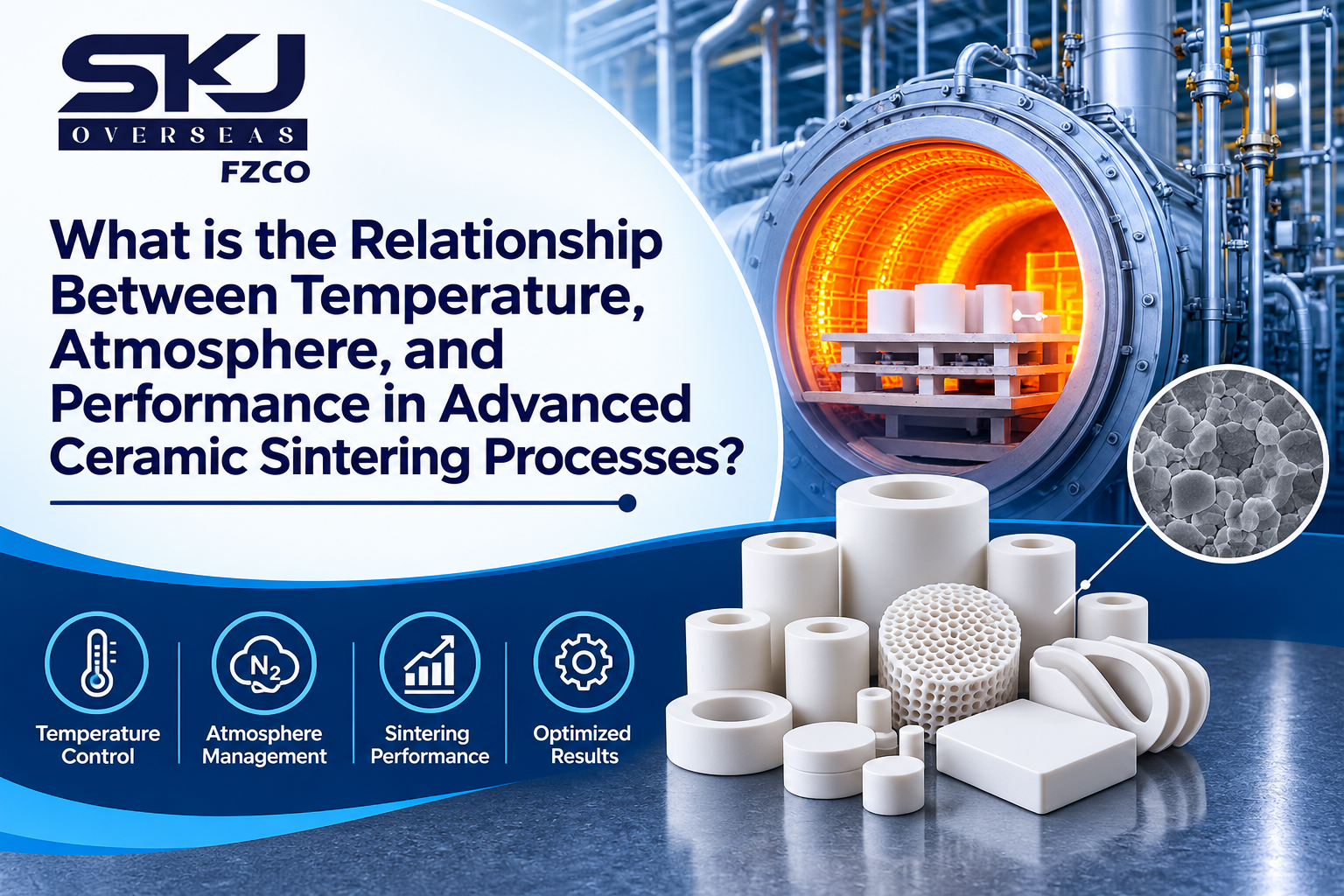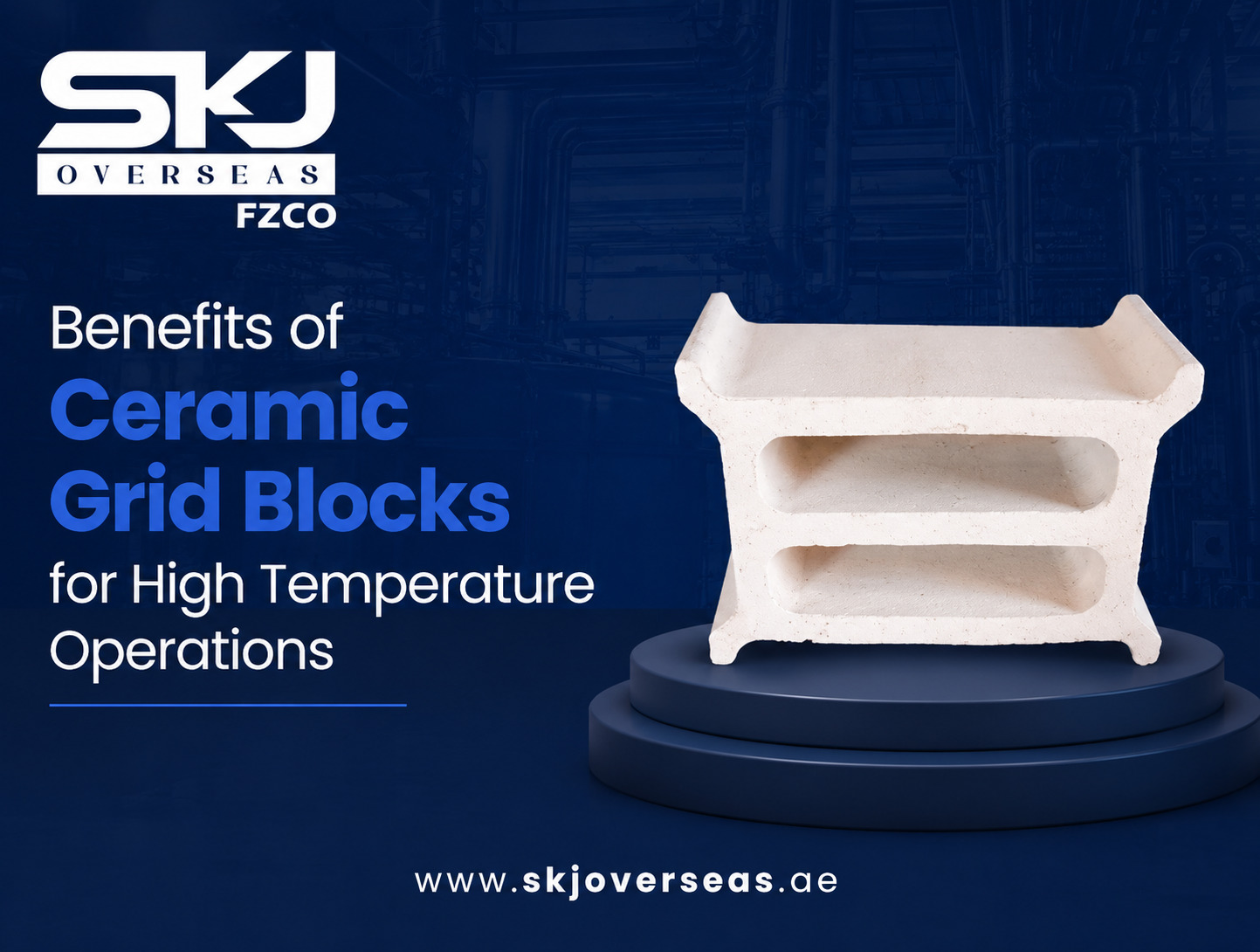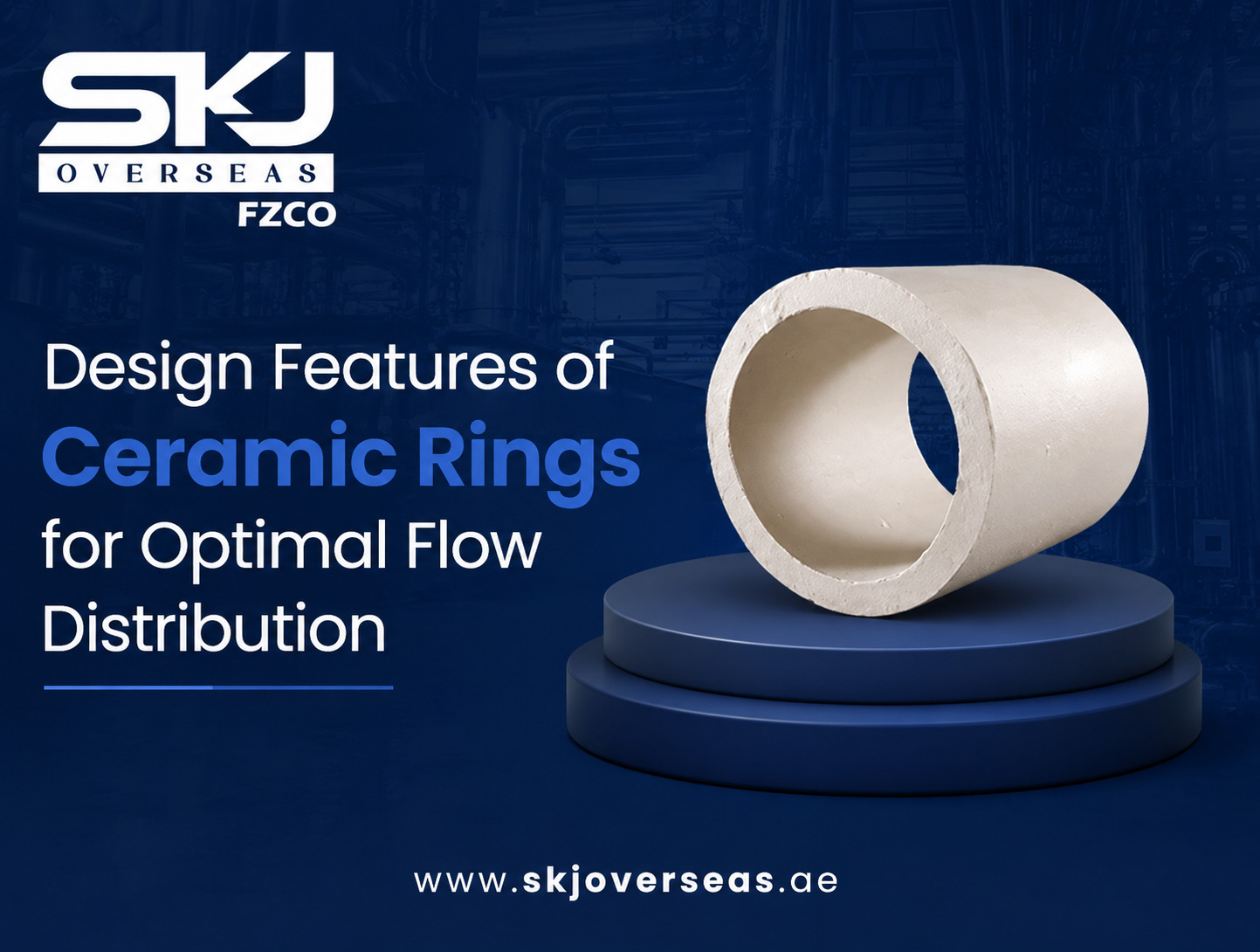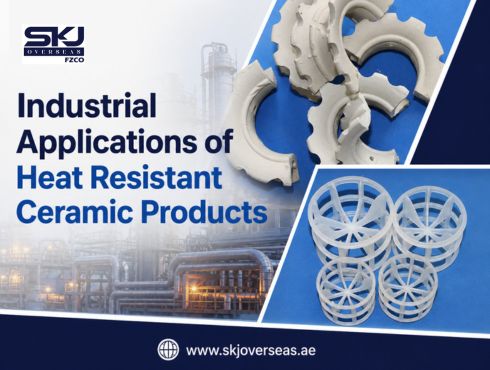
A plant in Dubai, was experiencing frequent lining failures in its electric arc furnace. Replacement cycles were running every 4 months, costing the plant approximately USD 120,000 per year in downtime and materials. After switching to high-grade refractory ceramic products sourced from a specialized ceramic products manufacturer, the lining life extended to over 14 months. Annual maintenance costs dropped by 62%.
This real outcome reflects a broader shift across heavy industries. Ceramic products in Dubai and across the GCC region are seeing accelerating demand as manufacturers recognize that high temperature ceramic materials outperform conventional metals and polymers in extreme operating conditions. This guide covers the full scope of industrial applications, material properties, and performance benchmarks that matter to procurement engineers and plant managers.
What Makes Ceramic Products Heat Resistant?
Thermal resistant ceramic components derive their performance from their crystalline and amorphous microstructures. Unlike metals, ceramics do not melt or deform under sustained high heat. Their key physical properties include:
- High melting points: Alumina ceramics melt above 2050°C; silicon carbide above 2700°C
- Low thermal conductivity: Ideal for ceramic materials for thermal insulation in furnace walls and kiln linings
- Chemical inertness: Resistant to acids, alkalis, and molten metals
- Mechanical hardness: Maintain dimensional stability under compressive load at elevated temperatures
- Low thermal expansion: Minimize cracking during rapid temperature cycling (thermal shock resistance)
These properties make heat resistant industrial materials the default specification for applications where metals fail within months.
Key Industrial Applications of Heat Resistant Ceramic Products
1. Steel and Metal Processing
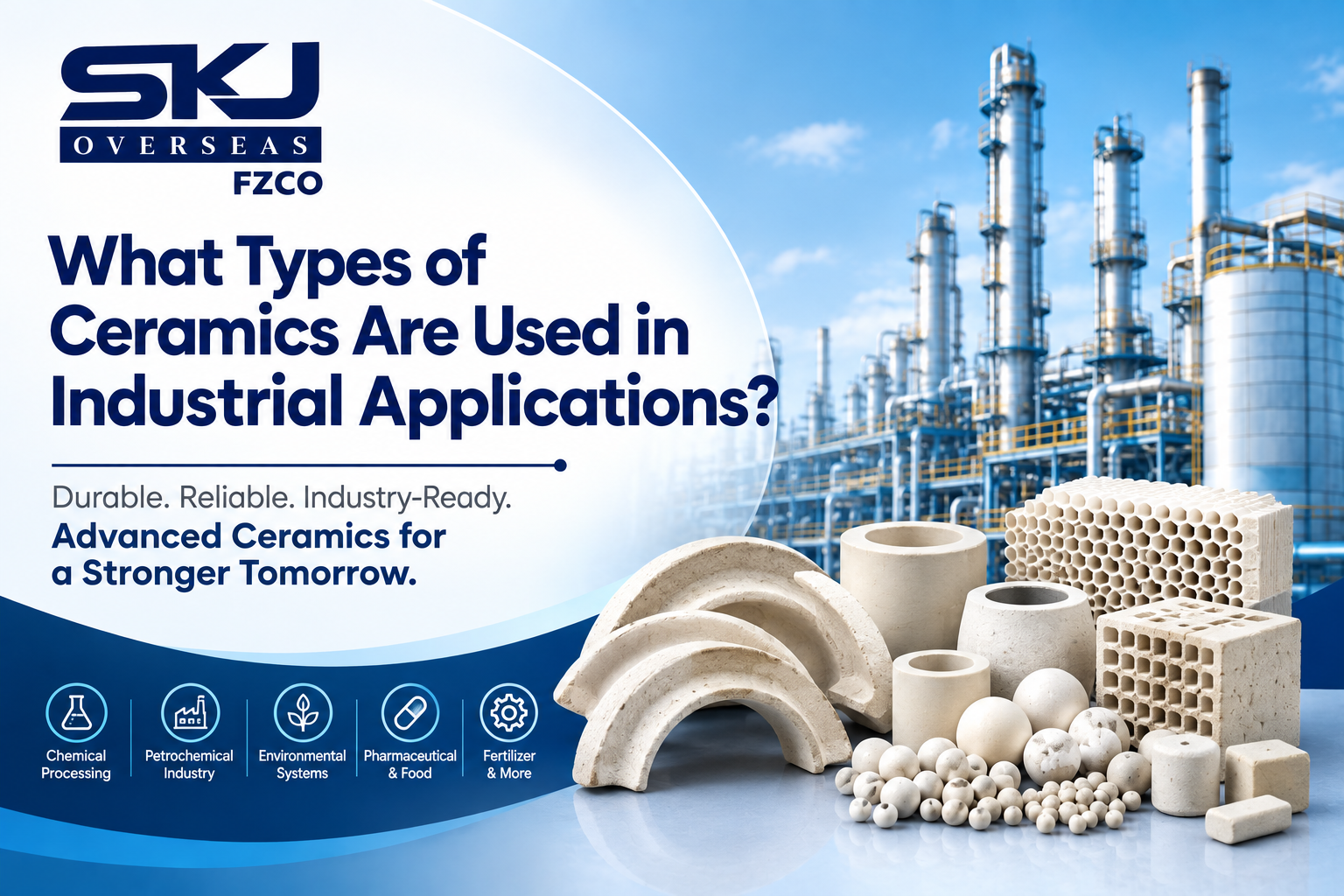
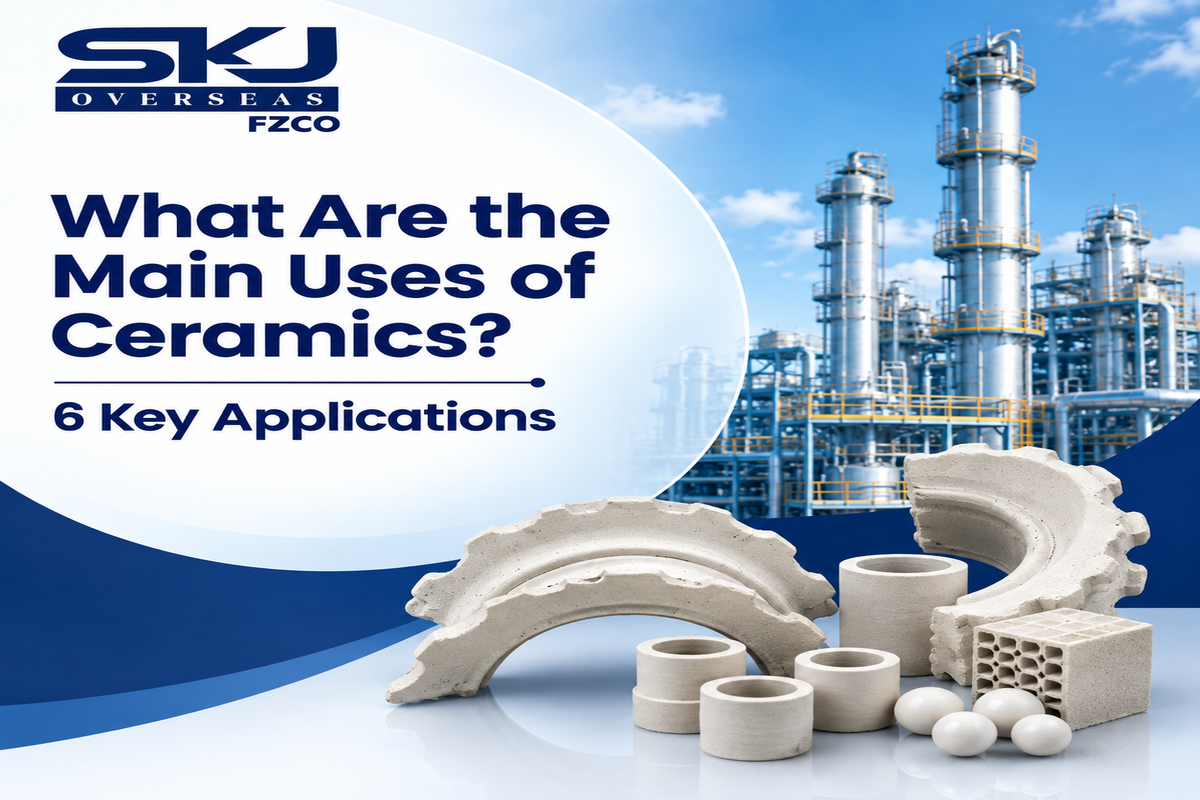
The steel industry is the largest consumer of refractory ceramic products globally. Furnace linings, ladle liners, tundish covers, and burner nozzles are all manufactured from high temperature ceramic materials.
Alumina, magnesia, and zirconia-based ceramics resist the chemical attack of molten slag while maintaining structural integrity at temperatures above 1600°C. No commercially viable metal substitute exists for these applications.
2. Petrochemical and Chemical Processing
Ceramic products for high temperature industries like petrochemical refining serve a different function. Here, the primary requirement is chemical resistance combined with thermal stability.
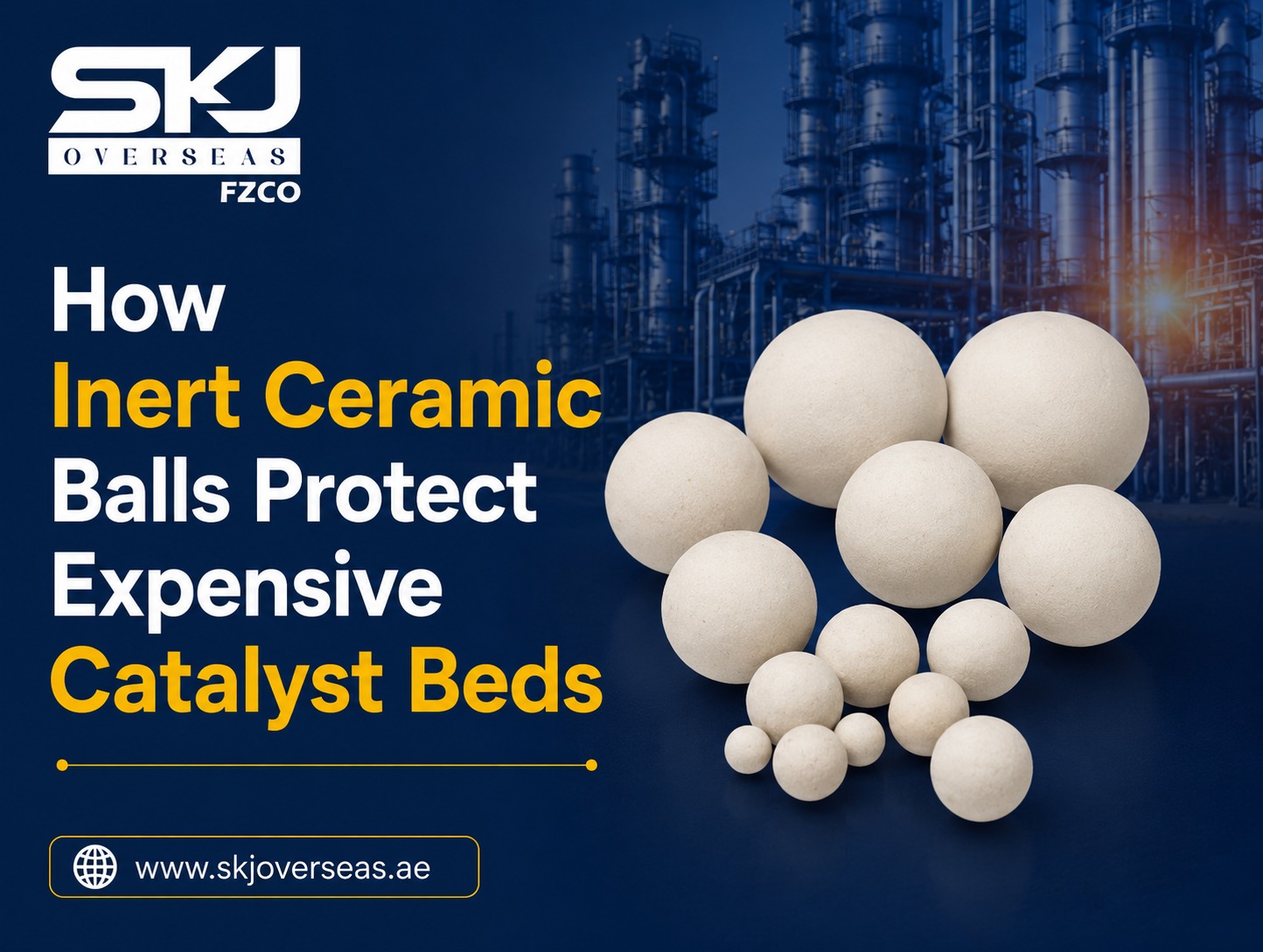
Ceramic tubes, reactor liners, and catalyst support beds in reforming units and crackers must resist both acidic and alkaline media at temperatures ranging from 400°C to 1200°C. Advanced ceramic applications in this sector include:
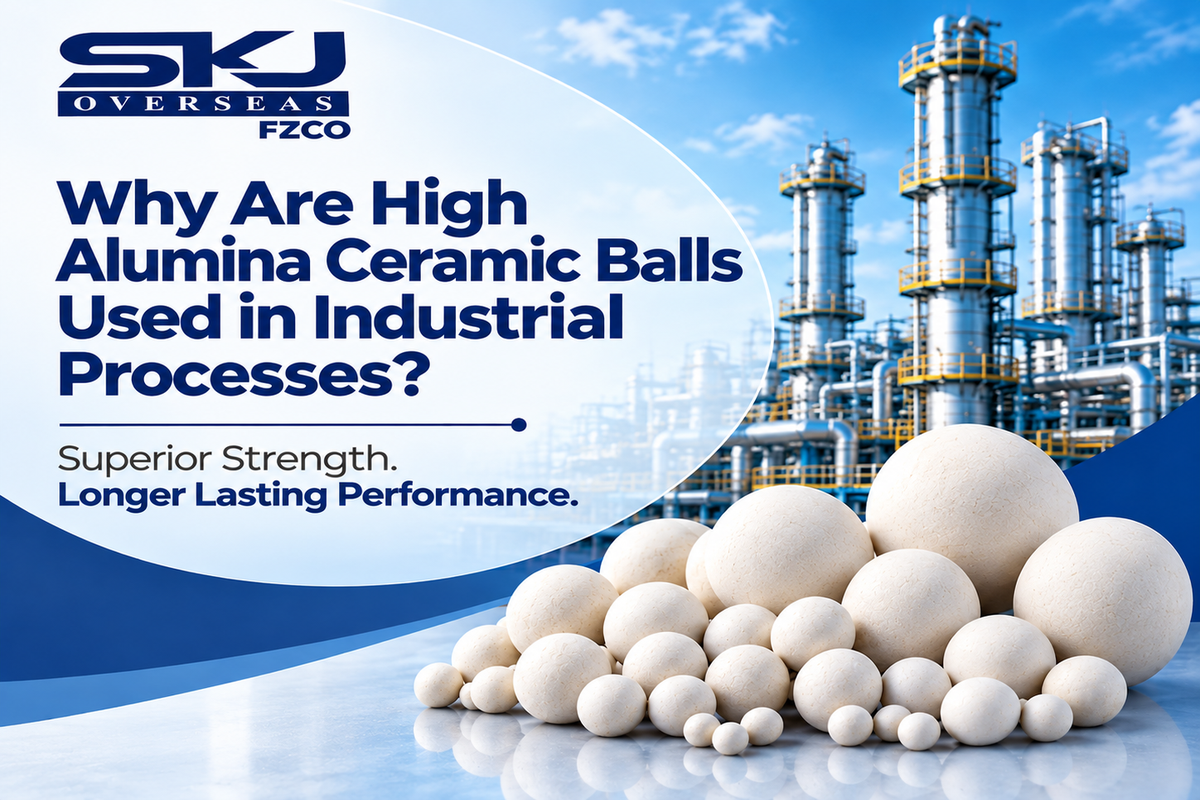
- Alumina catalyst carriers
- Silicon carbide heat exchanger tubes
- Zirconia oxygen sensors in combustion control systems
3. Glass and Cement Manufacturing
Glass furnaces operate continuously at 1400-1600°C. The industrial uses of refractory ceramics in this setting include crown linings, regenerator packings, and forehearth linings.
Cement kilns require heat resistant ceramics in manufacturing that can handle both high temperature and the abrasive action of clinker material. Spinel and high-alumina bricks are the standard specification for kiln burning zones.
4. Power Generation
Thermal power plants and gas turbines use technical ceramics in industry for combustion chamber linings, turbine blade coatings, and exhaust system components.
Yttria-stabilized zirconia (YSZ) thermal barrier coatings allow turbine blades to operate at temperatures 200-300°C above the melting point of the underlying nickel superalloy. This directly increases fuel efficiency and power output.
Comparison Table: Common Heat Resistant Ceramic Materials and Their Applications
| Ceramic Material | Max Service Temp | Key Property | Primary Application |
| Alumina (Al₂O₃) | 1750°C | High hardness, chemical resistance | Furnace linings, wear parts |
| Silicon Carbide (SiC) | 1650°C | Thermal shock resistance | Heat exchangers, kiln furniture |
| Zirconia (ZrO₂) | 2200°C | Low thermal conductivity | Thermal barrier coatings |
| Mullite | 1700°C | Low expansion, good insulation | Kiln linings, crucibles |
| Magnesia (MgO) | 2800°C | Slag resistance | Steel ladle linings |
| Cordierite | 1300°C | Excellent thermal shock resistance | Catalyst substrates, filters |
How Ceramic Products Enhance Heat Resistance in Chemical Reactions
In chemical manufacturing, controlling reaction temperatures is both a safety requirement and a process efficiency factor. How ceramic products enhance heat resistance in chemical reactions is a question that process engineers increasingly face when designing reactors for aggressive operating environments.
Ceramic linings inside reactors prevent heat loss while simultaneously protecting structural steel from thermal degradation. Alumina fiber blankets and castable ceramics are used as primary insulation layers in reactors where temperatures fluctuate rapidly.
This application demonstrates why advanced ceramic applications are growing fastest in the specialty chemicals and pharmaceutical manufacturing sectors, where contamination from metal corrosion products is unacceptable.
SJK Overseas: Your Certified Ceramic Products Supplier and Exporter
SJK Overseas functions as a verified ceramic products exporter with established supply chains across South Asia, Africa, and the Middle East. As a specialized ceramic products supplier for the GCC market, the company maintains dedicated stock and technical support for ceramic products in Dubai and surrounding Emirates.
Supply capabilities include:
- Alumina, mullite, silicon carbide, and zirconia-based products
- Custom shapes and sizes for OEM and replacement applications
- Full material certification and test reports with every shipment
- Export packaging designed for long-haul transit to Dubai, Abu Dhabi, and Sharjah
Case Study:
A petrochemical processing company operating in the Jebel Ali Industrial Zone, Dubai, was facing repeated failures in their reactor tube linings. Standard cast iron tubes were corroding within 8 months due to combined thermal and chemical stress in a hydrogen reforming unit.
After consulting SJK Overseas, the plant switched to silicon carbide ceramic tubes specified as ceramic products in Dubai for local availability and fast lead times. Post-installation performance showed:
- Tube service life increased from 8 months to over 4 years
- Operating temperature ceiling raised by 180°C without structural risk
- Unplanned downtime reduced by 78% in the first two operating years
- Total cost of ownership reduced by 55% over a 4-year period
This case confirms that selecting the right ceramic products exporter with regional supply capability directly impacts both operational reliability and profitability.
FAQ: Heat Resistant Ceramic Products
Q1. What industries use heat resistant ceramic products most?
Steel manufacturing, petrochemical processing, glass production, cement kilns, and power generation are the largest consumers of refractory and high temperature ceramic materials globally.
Q2. What is the maximum temperature ceramic products can withstand?
It depends on the material. Magnesia ceramics tolerate up to 2800°C. Alumina operates reliably up to 1750°C. Zirconia-based ceramics are used in applications reaching 2200°C.
Q3. How are heat resistant ceramics different from regular ceramics?
Industrial thermal resistant ceramic components are engineered with controlled grain structures, high-purity raw materials, and specific additives to maximize thermal shock resistance, chemical inertness, and mechanical strength at elevated temperatures.
Q4. Can ceramic products replace metals in high-temperature applications?
In many cases, yes. Ceramics outperform metals in sustained high-heat environments because they do not oxidize, creep, or lose strength the way metals do above 800-900°C.
Q5. How long do ceramic linings last in industrial furnaces?
With proper selection and installation, quality refractory ceramic products last 12 to 36 months in steel furnaces and up to 5 or more years in lower-stress applications like kilns and reactors.
Q6. Are ceramic products available for custom shapes and sizes?
Yes. SJK Overseas, as a certified ceramic products manufacturer, produces custom profiles, tubes, plates, and castable formulations to match exact equipment specifications.
Q7. How do I source ceramic products in Dubai?
SJK Overseas maintains dedicated supply and logistics for ceramic products in Dubai with fast lead times, local technical support, and full export documentation for GCC-based buyers.
Q8. What certifications should a ceramic products supplier provide?
Reputable ceramic products suppliers provide material test certificates, chemical composition analysis, crush strength data, and compliance with ISO or ASTM standards relevant to the application.
Conclusion
Heat resistant ceramic products are no longer a niche specification. They are the operational standard across steel, petrochemical, glass, cement, and power generation industries worldwide. Their ability to withstand extreme temperatures, resist chemical attack, and maintain structural integrity over long service cycles makes them genuinely irreplaceable.
Choosing a qualified ceramic products manufacturer and ceramic products exporter directly determines plant reliability, maintenance frequency, and total operating cost. SJK Overseas delivers certified, application-specific ceramic solutions to industrial buyers in Dubai and across global markets. Contact the team today for technical consultation and competitive pricing.