A textile dyeing facility operating in the Al Quoz Industrial Area, Dubai, was repeatedly failing effluent discharge standards set by Dubai Municipality. Total dissolved organic content and color levels in the treated wastewater consistently exceeded permitted limits despite using conventional sand filtration and coagulation treatment. The facility faced the risk of regulatory action and operational suspension.
The plant’s water treatment consultant specified a coal based granular activated carbon filtration stage as a polishing step after existing treatment. After installing GAC filter vessels loaded with certified coal based granular and powder activated carbon in Dubai sourced from a qualified coal based granular and powder activated carbon supplier, the effluent discharge consistently met all regulatory parameters within the first month of operation.
This case reflects a challenge that industrial facilities across Dubai and the broader UAE face regularly. Conventional water treatment methods handle suspended solids and basic chemistry but cannot reliably remove dissolved organic compounds, color bodies, and trace contaminants. Coal activated carbon filtration addresses exactly this gap, and its role in industrial water quality management is growing as discharge standards tighten across the region.
What Is Coal Based Activated Carbon and How Does It Work?
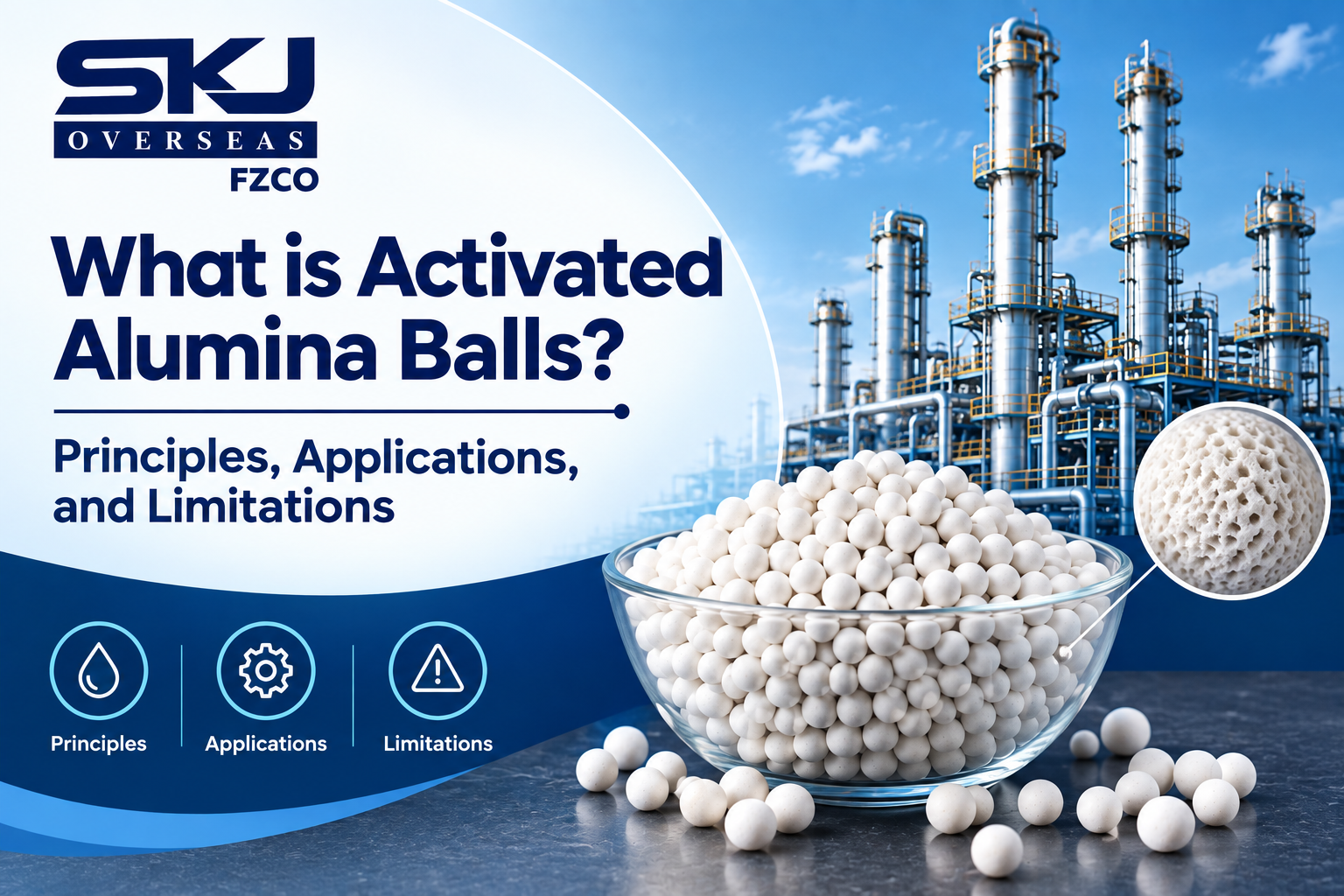
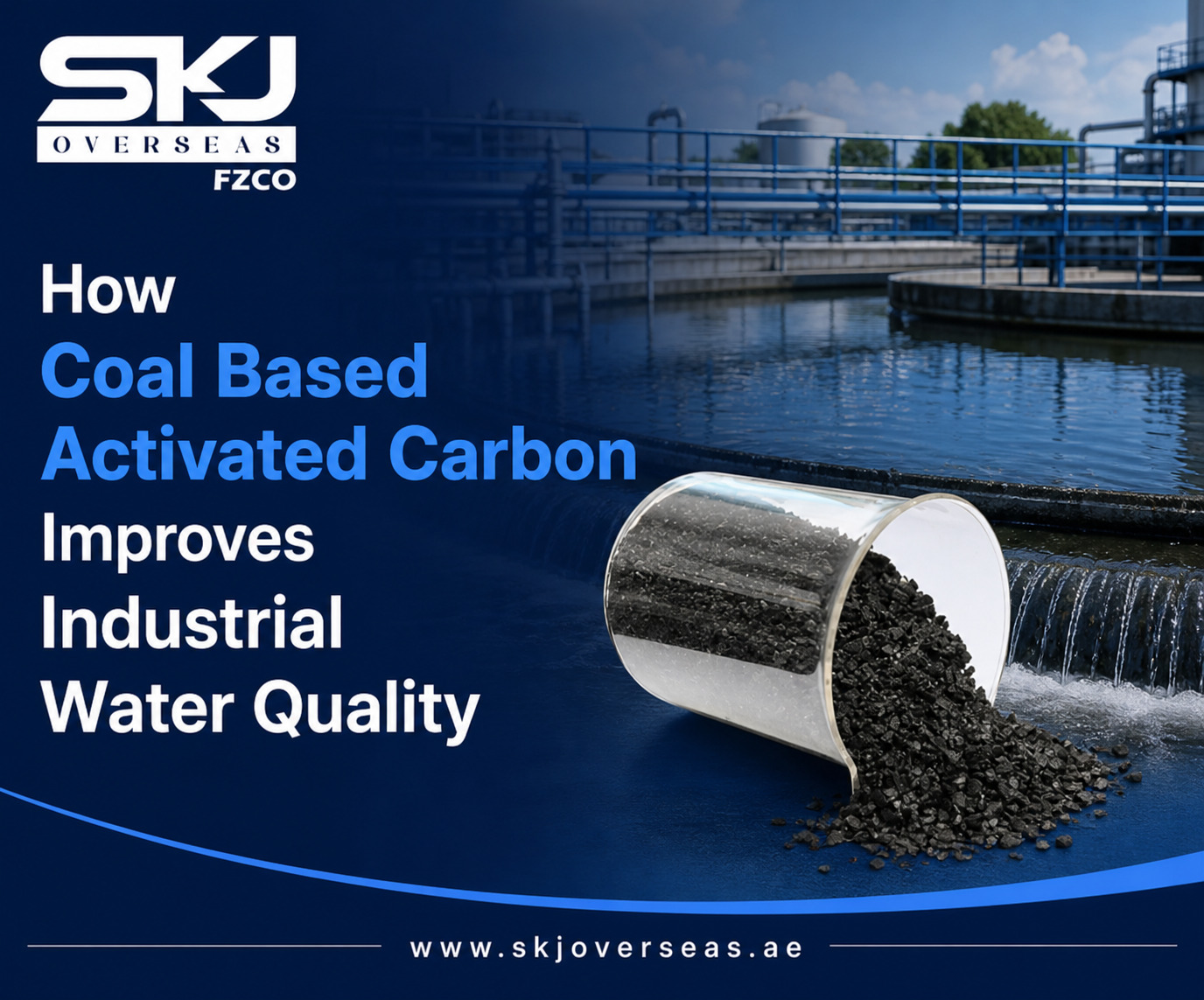
Coal based granular and powder activated carbon is produced by activating coal at high temperatures in a controlled atmosphere, creating an extremely porous carbon structure with a very large internal surface area. A single gram of quality activated carbon contains an internal surface area exceeding 1,000 square meters.
This enormous surface area is the mechanism behind the activated carbon adsorption process. Dissolved contaminants in water are attracted to the carbon surface and held there by physical and chemical forces, removing them from the water stream without the addition of chemicals.
Coal is the preferred raw material for industrial water treatment applications because coal-based carbon produces harder, denser granules with better attrition resistance than wood-based or coconut shell-based alternatives. In high-flow industrial filter beds, this hardness directly translates to longer service life and lower carbon consumption per volume of water treated.
Granular Activated Carbon vs Powder Activated Carbon: Key Differences
Coal based granular and powder activated carbon serves different functions in industrial water treatment:
Granular Activated Carbon (GAC):
- Particle size typically 0.6 mm to 4.0 mm
- Used in fixed bed filter vessels through which water flows continuously
- Regenerable by thermal reactivation, extending service life and reducing operating cost
- Suited for continuous treatment of large water volumes in industrial plants
Powder Activated Carbon (PAC):
- Particle size below 0.075 mm (200 mesh)
- Dosed directly into water streams as a slurry for batch or emergency treatment
- Not regenerable but offers flexibility for variable contamination events
- Suited for effluent polishing, taste and odor control, and treatment of seasonal contamination spikes
Both forms use identical activated carbon adsorption process chemistry. The choice between them depends on flow rate, contamination type, treatment continuity requirement, and available infrastructure.
Comparison Table: Coal Based Activated Carbon vs Other Carbon Media Types
| Property | Coal Based GAC | Coconut Shell GAC | Wood Based PAC | Coal Based PAC |
| Hardness / Attrition Resistance | Very High | High | Low | High |
| Surface Area | 900-1100 m2/g | 1000-1200 m2/g | 700-900 m2/g | 850-1050 m2/g |
| Macro-pore Volume | High | Low | High | High |
| Best Application | Industrial effluent, color removal | Drinking water, taste/odor | Batch dosing, emergency treatment | Industrial effluent polishing |
| Regenerability | Yes | Yes | No | No |
| Service Life in Fixed Bed | Long | Medium-Long | Not applicable | Not applicable |
| Cost per Unit Volume | Lower | Higher | Lower | Lower |
Coal-based activated carbon’s higher macro-pore volume makes it particularly effective for removing larger organic molecules such as color bodies, humic substances, and high molecular weight industrial chemicals. This is why coal based activated carbon uses in industrial effluent treatment consistently outperform coconut shell carbon for heavy industrial applications.
Key Industrial Applications of Coal Based Activated Carbon for Water Quality
1. Activated Carbon for Effluent Treatment
Activated carbon for effluent treatment is the primary application driving demand across Dubai’s industrial sector. Textile, food processing, pharmaceutical, and chemical manufacturing facilities all generate wastewater containing dissolved organic compounds that conventional treatment cannot adequately remove.
Carbon media for wastewater treatment in fixed-bed GAC filters removes:
- Color and turbidity from dye-contaminated wastewater
- Chemical oxygen demand (COD) contributors from food and beverage effluent
- Pharmaceutical residues and endocrine-disrupting compounds
- Chlorinated solvents and petroleum hydrocarbons from industrial process water
- Residual chlorine and disinfection byproducts from treated water
2. Industrial Wastewater Purification Methods
Industrial wastewater purification methods using coal activated carbon filtration are typically applied as a final polishing stage after primary and secondary treatment. This position in the treatment train allows GAC to address the residual dissolved organics that biological and chemical treatment leave behind.
In the UAE, where discharge to municipal sewers and the sea carries strict regulatory limits, this polishing function is often the difference between compliance and non-compliance for high-load industrial effluents.
3. Benefits of Activated Carbon Filtration in Process Water
Beyond effluent treatment, benefits of activated carbon filtration extend to process water improvement:
- Removal of chlorine and chloramines from municipal supply water before use in food production, pharmaceutical manufacturing, and electronics fabrication
- Reduction of taste and odor compounds in beverage production feed water
- Protection of reverse osmosis membranes from chlorine degradation in desalination pre-treatment
- Removal of color and organic precursors before UV disinfection systems
Coal Based Activated Carbon for Industrial Effluent Treatment: Performance Standards
Coal based activated carbon for industrial effluent treatment must meet defined performance parameters to deliver reliable results:
- Iodine number: Minimum 800 mg/g, indicator of micropore surface area and overall adsorption capacity
- Methylene blue number: Minimum 150 mg/g, indicator of mesopore capacity for larger organic molecules
- Apparent density: 0.45-0.55 g/ml for granular forms
- Moisture content: Below 5% as supplied in sealed packaging
- Ash content: Below 12% to ensure carbon purity and minimize leaching
- Hardness number: Above 90% for granular forms to resist attrition in backwash cycles
SJK Overseas supplies coal based granular and powder activated carbon meeting all these parameters with full batch test certificates and material safety data sheets.
Sourcing Coal Based Granular and Powder Activated Carbon in Dubai
Coal based granular and powder activated carbon in Dubai is in sustained demand from water treatment contractors, industrial facility operators, and environmental engineering consultancies across the UAE.
SJK Overseas operates as a specialized coal based granular and powder activated carbon manufacturer representative and coal based granular and powder activated carbon exporter with established supply routes into Dubai and the wider GCC region. As a verified coal based granular and powder activated carbon supplier, the company maintains stock of both granular and powder grades in standard mesh sizes for immediate supply.
Supply capabilities include:
- GAC in 4×8, 8×16, 8×30, and 12×40 mesh sizes for fixed bed applications
- PAC in standard 200 mesh for dosing applications
- Iodine number certification for every supply batch
- Packaging in 25 kg woven bags and 500 kg jumbo bags for bulk orders
- Export packaging and documentation for supply to Dubai and international destinations
Case Study
A pharmaceutical manufacturing facility in Dubai Science Park was commissioning a new purified water generation system. The facility’s water quality specification required removal of residual chlorine, chloramines, and dissolved organics from the municipal supply before reverse osmosis treatment. Chlorine contamination at the RO membrane stage had caused premature membrane degradation in an earlier pilot installation.
The facility’s process engineering team specified coal based granular activated carbon as the pre-treatment media for the new system. SJK Overseas was engaged as the coal based granular and powder activated carbon supplier for the full system loading, providing 8×30 mesh GAC with iodine number certification and full batch traceability documentation.
Post-commissioning results:
- Residual chlorine in the RO feed water reduced to non-detectable levels consistently
- RO membrane performance maintained at design rejection rate after twelve months of continuous operation
- Dissolved organic carbon in the purified water output met USP purified water specifications from commissioning
- No GAC replacement required in the first two years of operation, confirming the service life advantage of coal-based carbon over alternative media
- The facility standardized coal based granular and powder activated carbon in Dubai from SJK Overseas as their specified media for all future system maintenance and replacement cycles
This outcome confirms that coal based granular and powder activated carbon is not simply a water treatment consumable. In pharmaceutical and high-specification industrial water systems, it is a quality-critical material whose selection directly affects downstream process and product integrity.
FAQ: Coal Based Granular and Powder Activated Carbon
Q1. What is coal based activated carbon used for in water treatment?
Coal based granular and powder activated carbon removes dissolved organic compounds, color, odor, chlorine, and trace contaminants from industrial water and wastewater through adsorption. It is used in effluent treatment, process water purification, and drinking water polishing applications.
Q2. What is the difference between granular and powder activated carbon?
Granular activated carbon (GAC) is used in fixed-bed filter vessels for continuous treatment and is regenerable. Powder activated carbon (PAC) is dosed directly into water as a slurry for batch or emergency treatment. Both use identical adsorption chemistry but serve different operational needs.
Q3. Why is coal based activated carbon preferred over coconut shell carbon for industrial use?
Coal based activated carbon has higher macro-pore volume, making it more effective for removing larger organic molecules typical in industrial effluents. It is also harder and more attrition-resistant, giving it longer service life in high-flow industrial filter beds compared to coconut shell alternatives.
Q4. How long does coal based GAC last in an industrial filter bed?
Service life depends on the contamination load and water volume treated. In typical industrial applications, properly specified coal based granular activated carbon lasts 2-5 years before regeneration or replacement is required. Regular iodine number testing monitors remaining capacity.
Q5. Can coal based activated carbon be regenerated?
Yes. Coal based granular activated carbon can be thermally reactivated at high temperatures, restoring adsorption capacity for reuse. This significantly reduces long-term operating cost compared to single-use carbon media.
Q6. What industries use coal based activated carbon in Dubai?
Textile, food and beverage, pharmaceutical, chemical manufacturing, and water treatment facilities across Dubai use coal based granular and powder activated carbon in Dubai for both effluent treatment and process water purification.
Q7. How do I know if the activated carbon meets the required specification?
Request an iodine number certificate, methylene blue number, apparent density, ash content, and hardness number from your coal based granular and powder activated carbon supplier. SJK Overseas provides full batch-specific test documentation with every supply.
Q8. Is coal based activated carbon available for urgent supply in Dubai?
Yes. SJK Overseas maintains a stock of coal based granular and powder activated carbon in Dubai with fast lead times for both scheduled system loading and urgent replacement requirements across the UAE and GCC region.
Conclusion
Coal based granular and powder activated carbon is the proven standard for industrial water quality improvement across effluent treatment, process water purification, and drinking water polishing applications. Its high adsorption capacity, mechanical hardness, and long service life make it the most practical and cost-effective carbon media choice for heavy industrial environments.
Selecting a qualified coal based granular and powder activated carbon supplier and exporter ensures consistent material performance, full batch certification, and reliable supply continuity. SJK Overseas delivers certified coal based granular and powder activated carbon in Dubai and globally. Contact the team today for specifications, samples, and supply timelines.