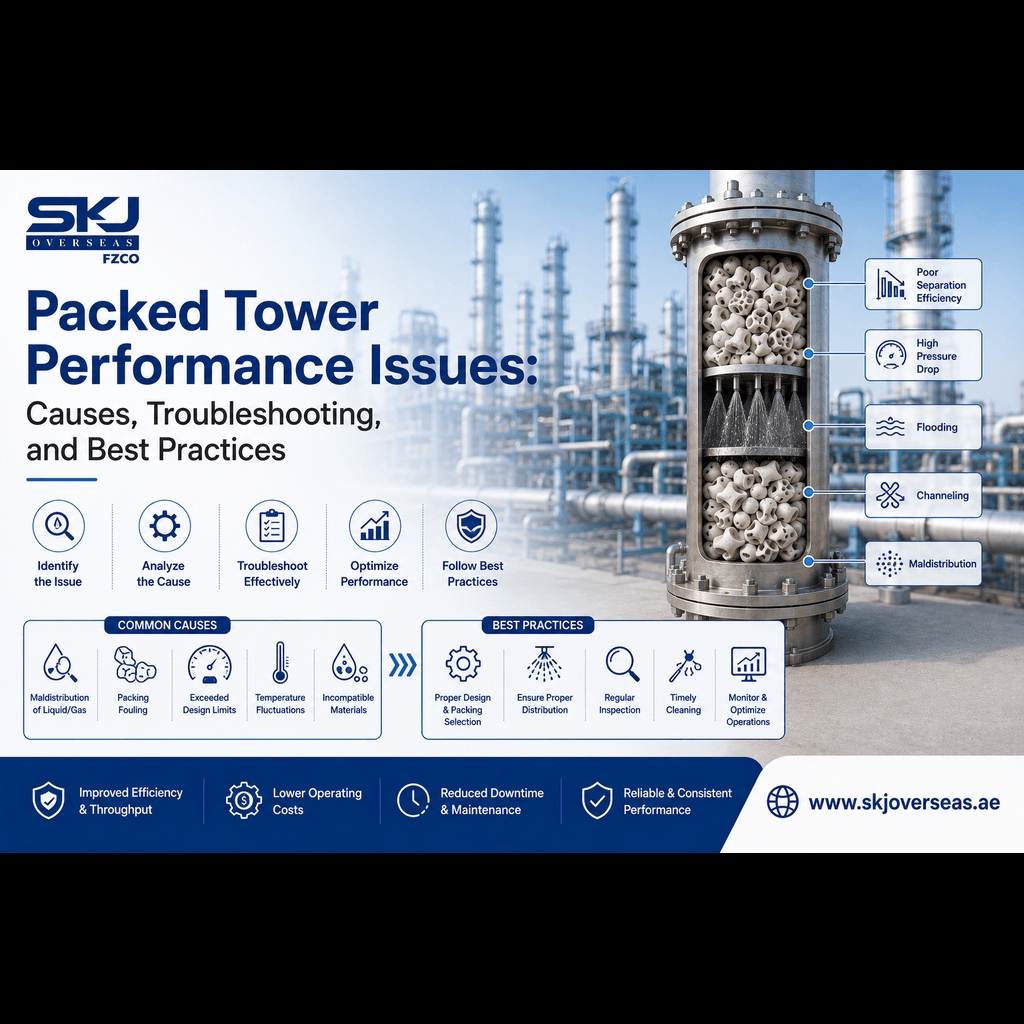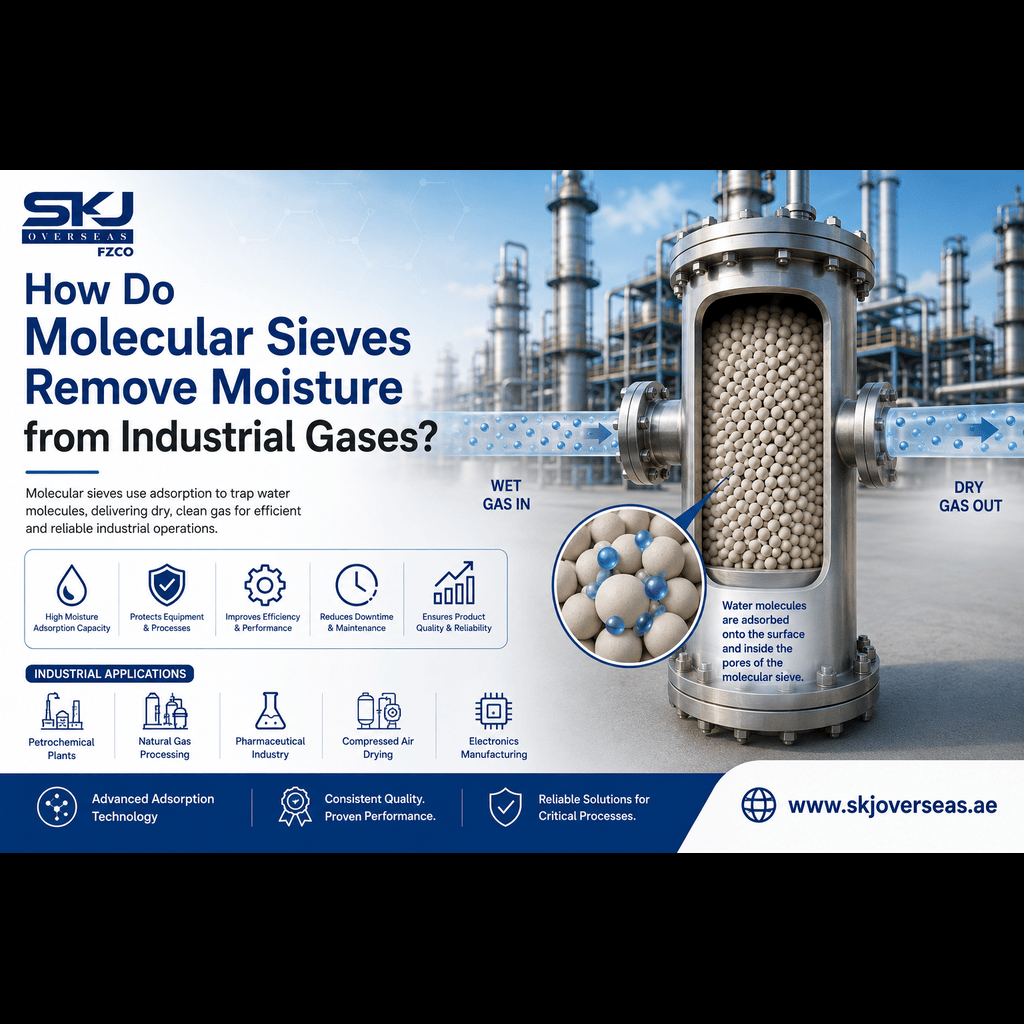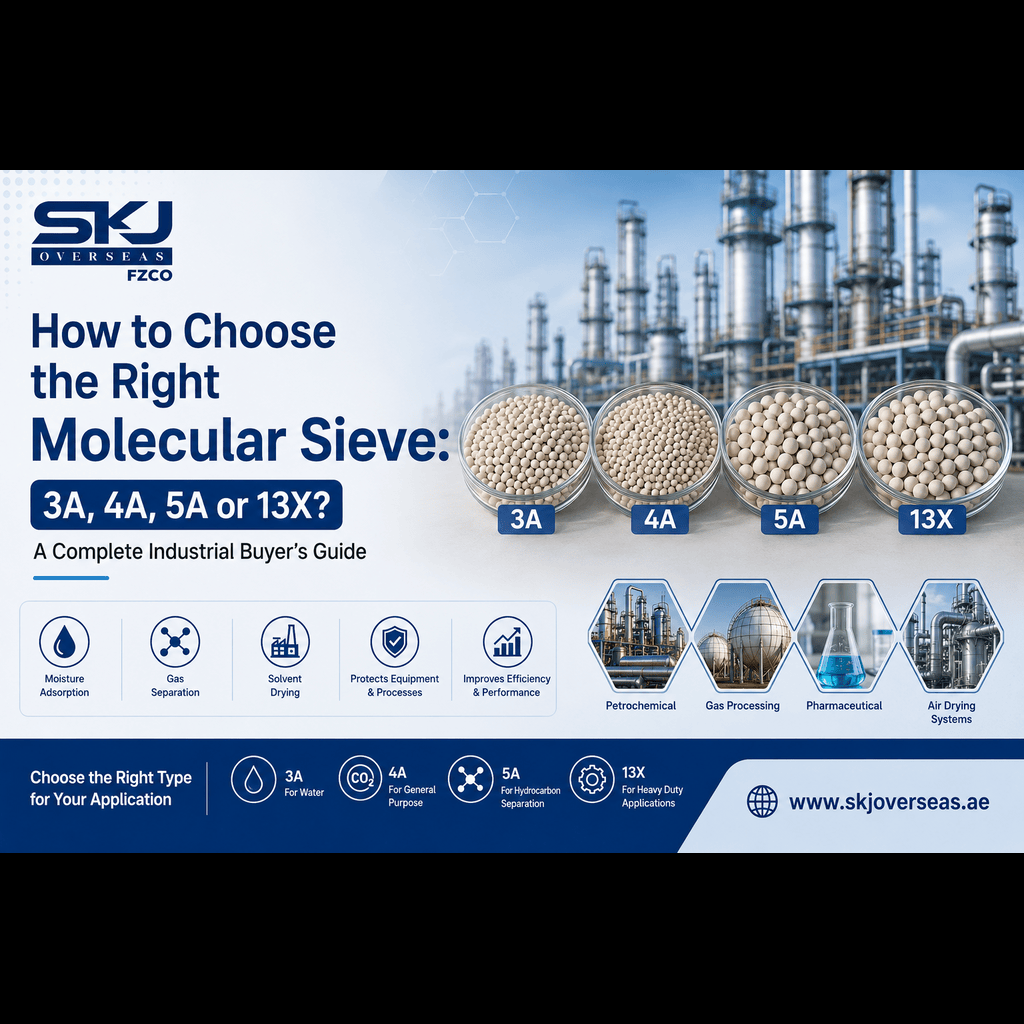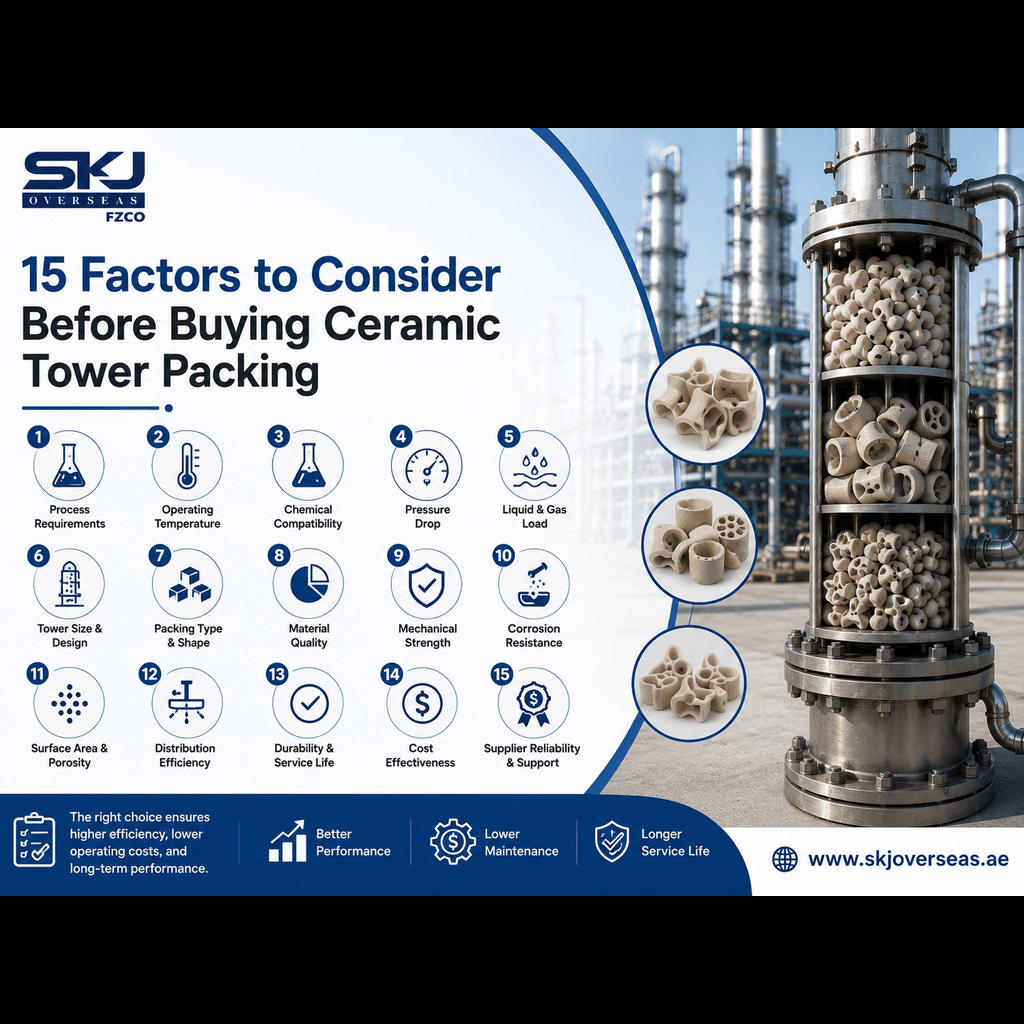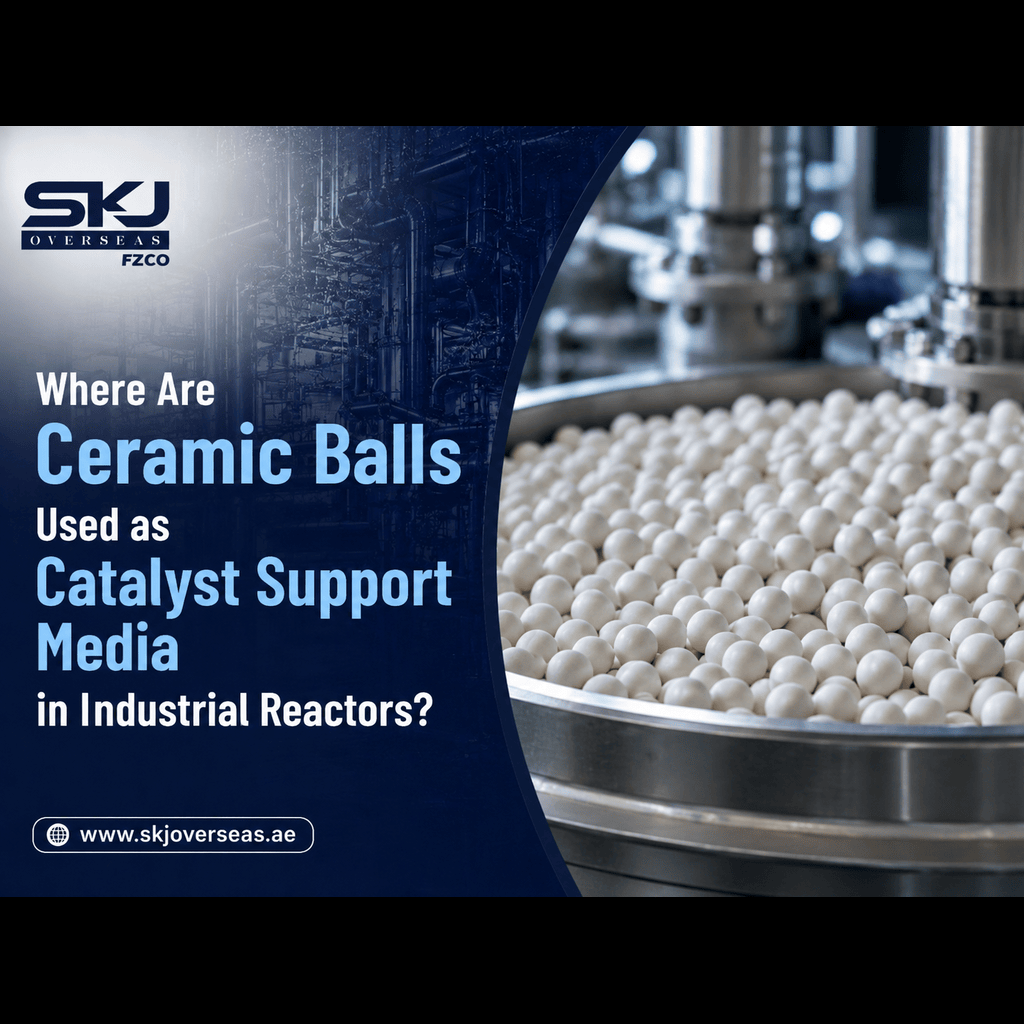
Reactors, dryers, and process towers fail early for simple reasons: uneven flow, crushed catalyst, and fouled internals. Inert Ceramic Balls Dubai plants choose to solve these problems. They are small, hard, chemically stable spheres placed in layers inside the vessel. They do no chemical work themselves. They protect the equipment and the catalyst that does.
SKJ Overseas is a dedicated Ceramic Manufacturers in Dubai, producing industrial ceramics in-house. This guide explains how inert ceramic balls extend equipment life, where they are used, and how to choose the right grade and size.
What Are Inert Ceramic Balls?
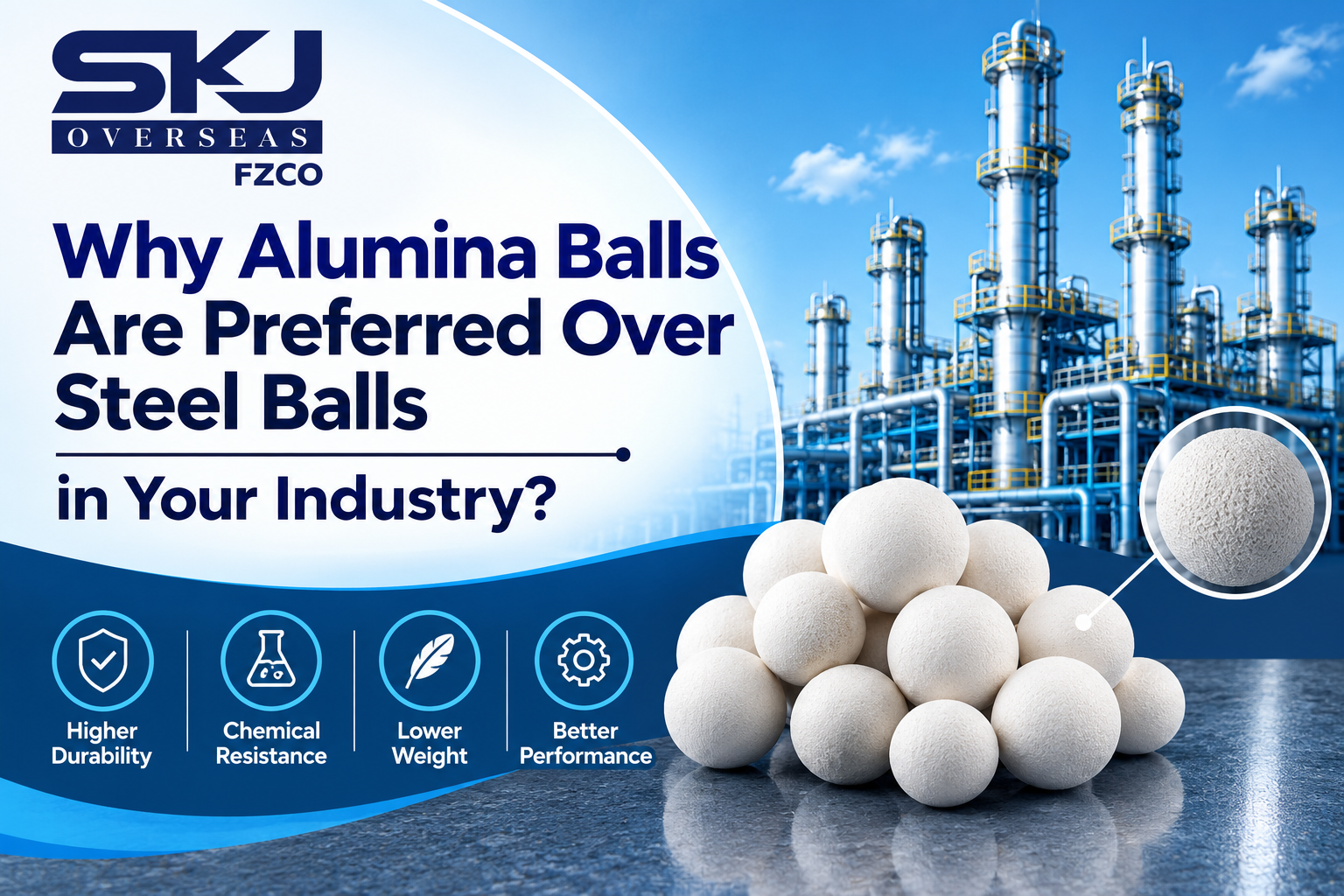
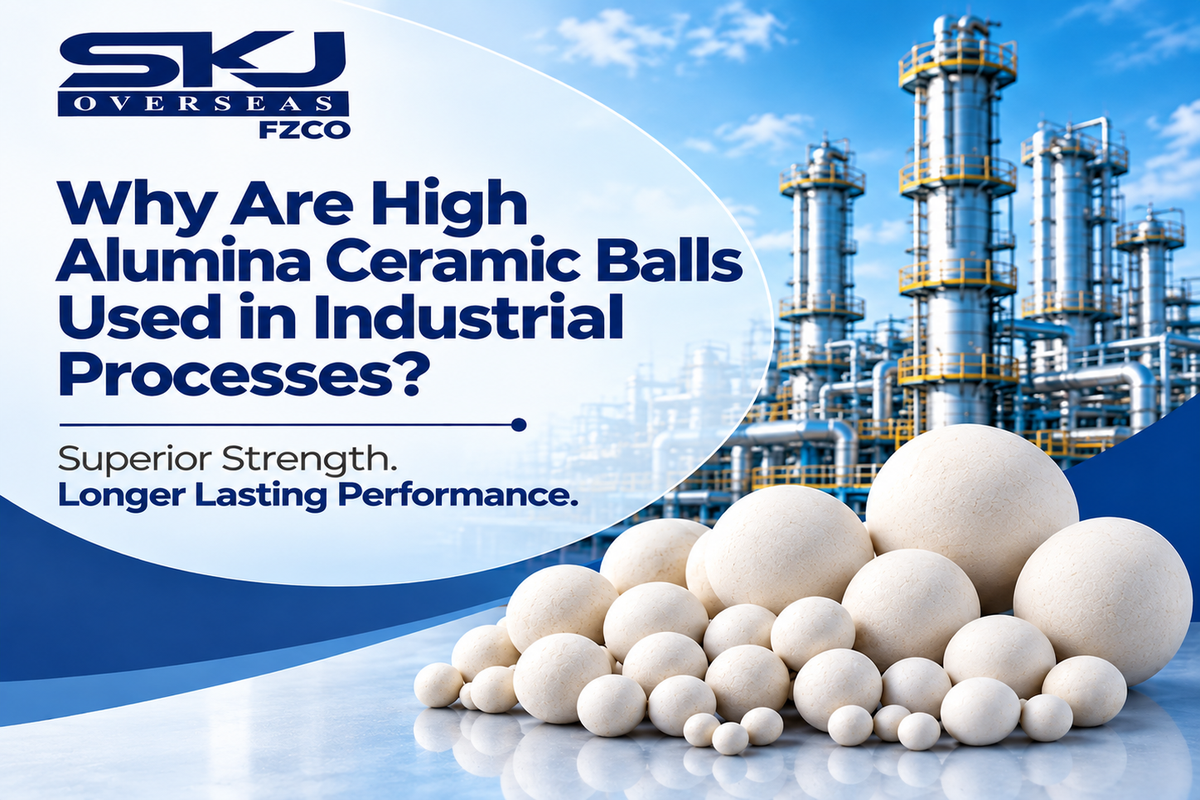
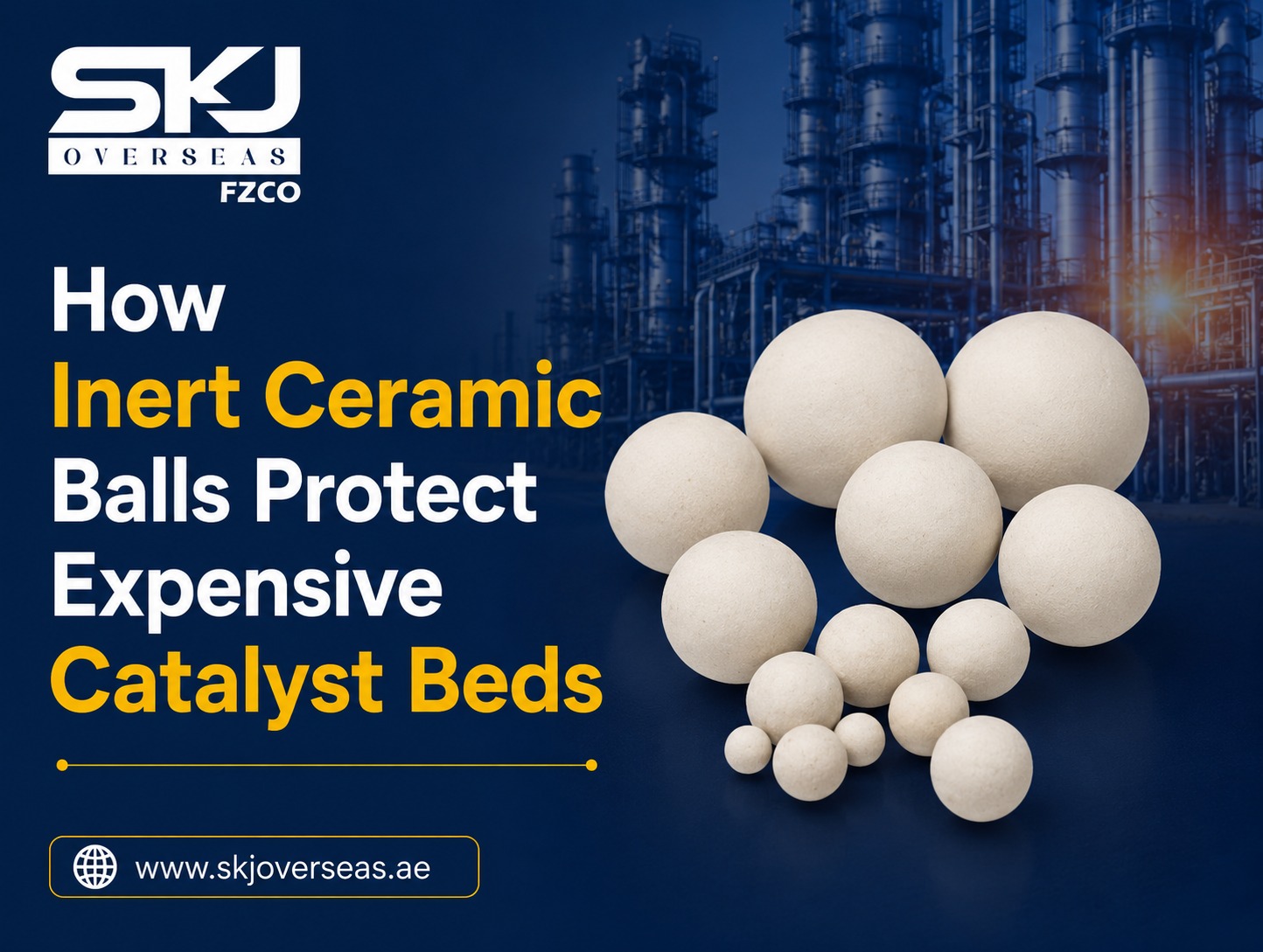
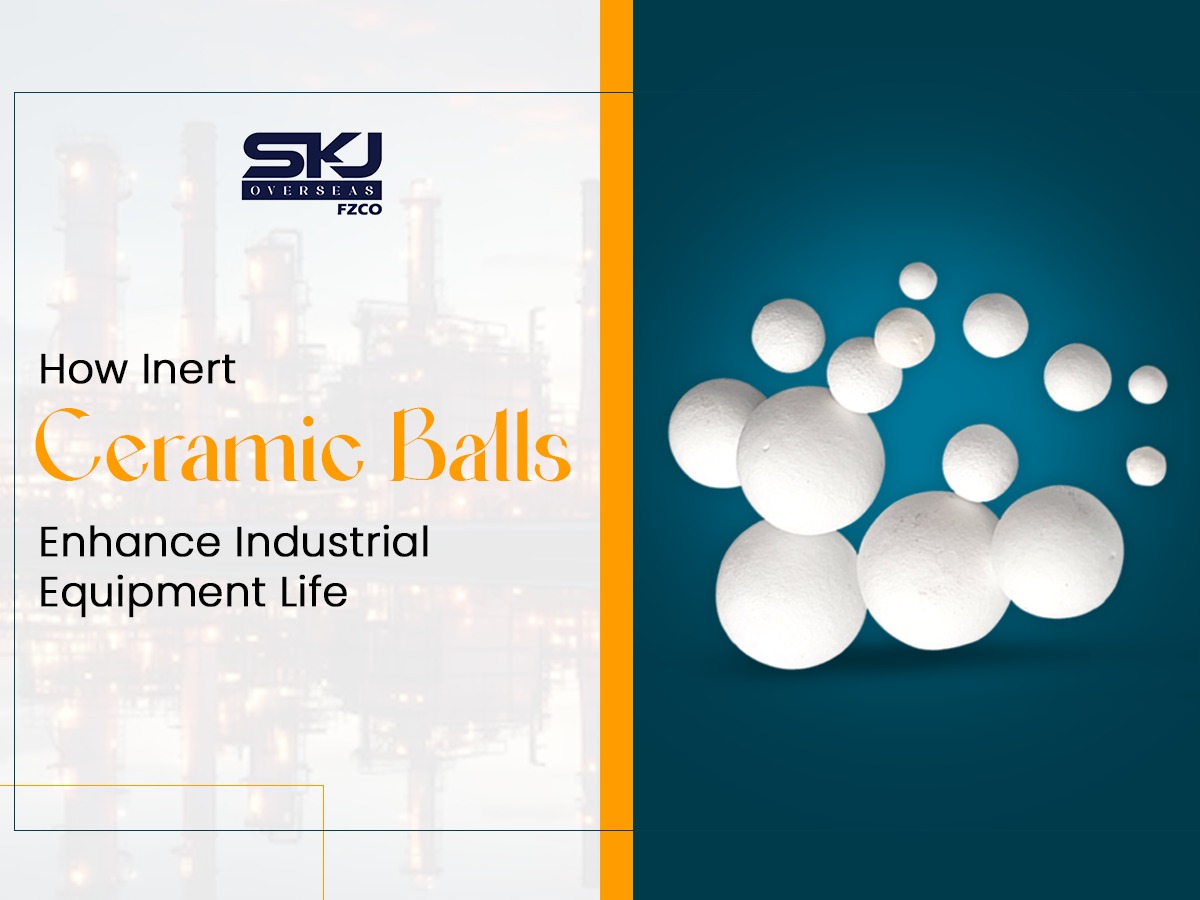
Inert ceramic balls are fired ceramic spheres made from alumina-silica bodies. “Inert” means they do not react with the process stream, the catalyst, or the vessel. They simply sit in the bed and do their mechanical job.
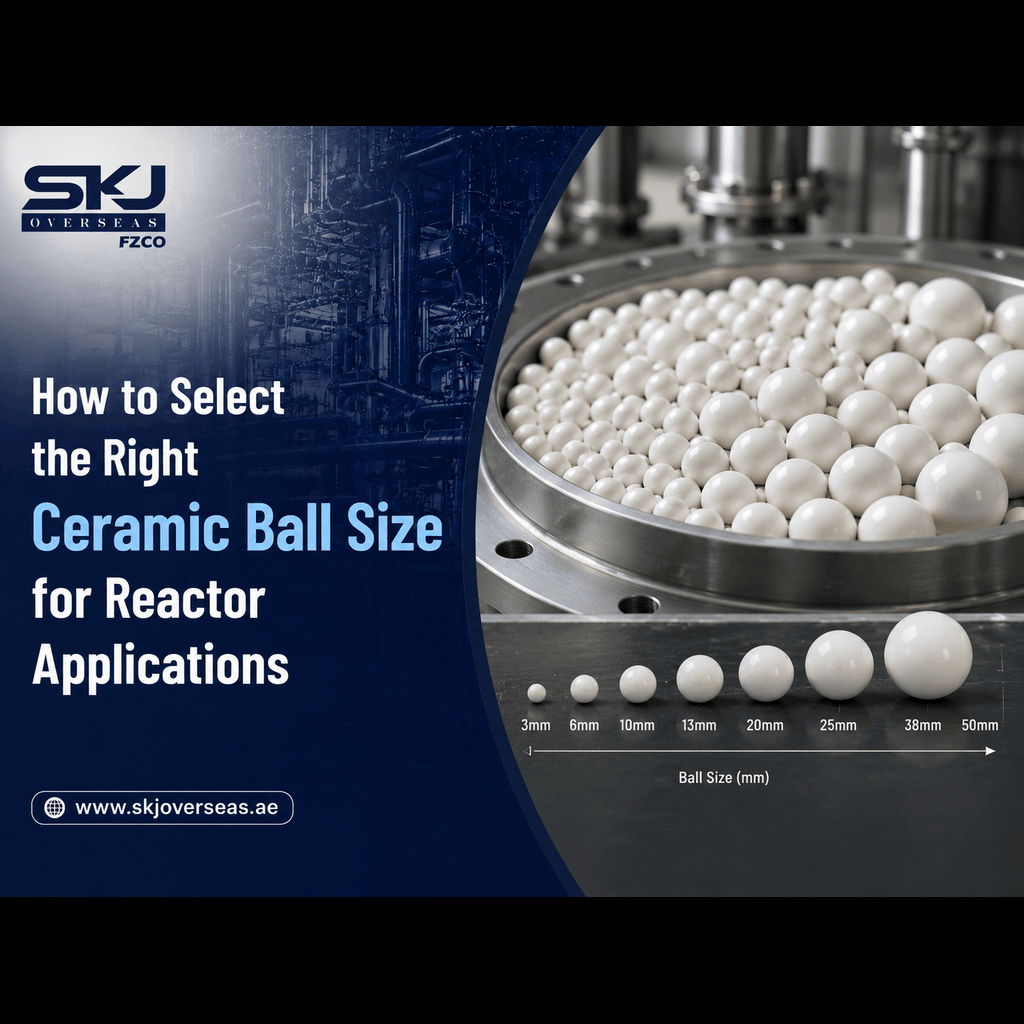
Sizes commonly range from about 3 mm to 50 mm, and larger sizes are possible. Grades vary by alumina content, from lower-alumina porcelain bodies to high-alumina bodies for tougher service.
How Inert Ceramic Balls Dubai Plants Rely On Extend Equipment Life
Equipment life depends on what happens inside the vessel every day. Inert balls improve three things at once: support, flow, and protection.
- Support: they carry the catalyst or adsorbent bed without crushing
- Flow: they spread gas and liquid evenly across the vessel
- Protection: they shield screens, grids, and the catalyst from shock and fouling
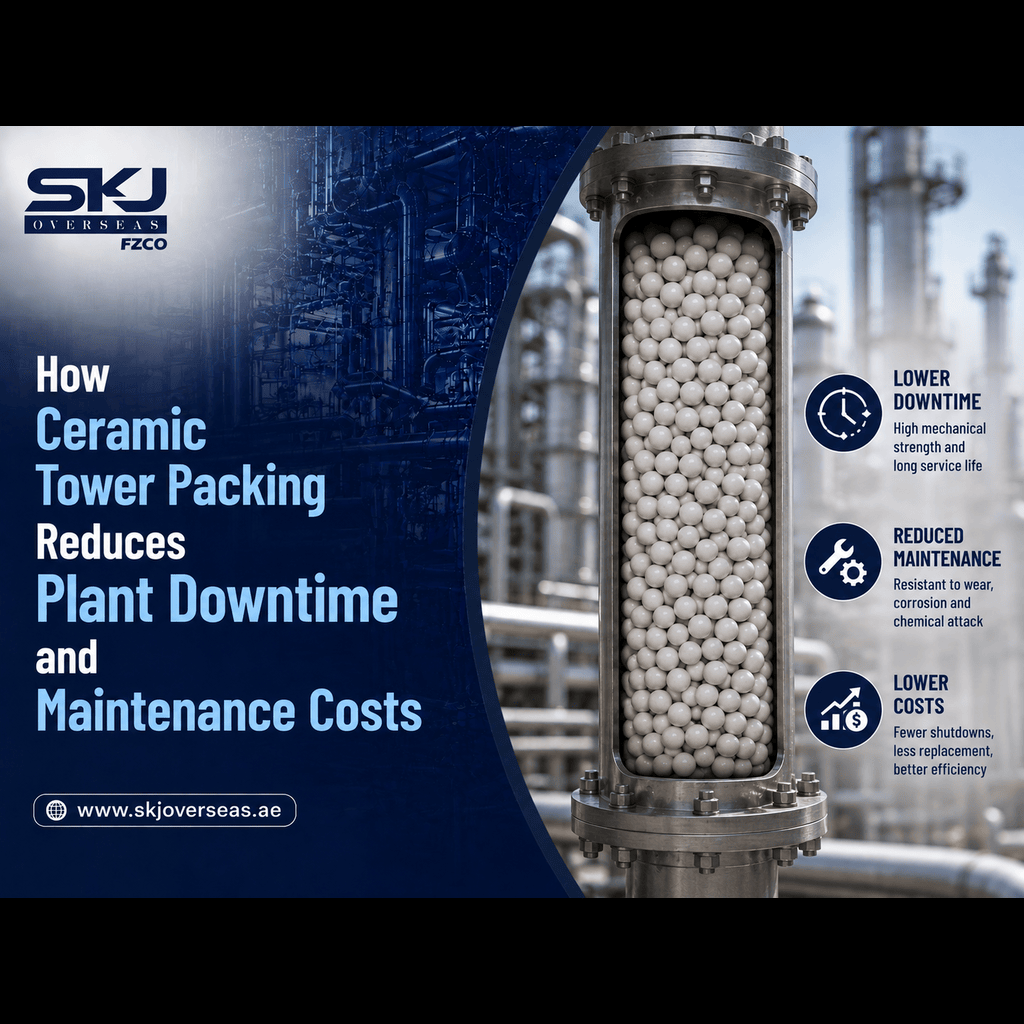
Each point reduces wear. Less wear means longer runs between shutdowns and lower maintenance cost.
Supporting the Catalyst Bed
A catalyst bed sits on a support grid or screen. Fine catalyst particles can fall through gaps in that screen, block outlets, and damage downstream equipment. Inert balls prevent this.
Plants usually load several layers. Large balls sit at the bottom, directly on the grid. Smaller balls sit above them, and the catalyst sits on top. This graded layering catches fine particles and spreads the load.
Improving Flow Distribution
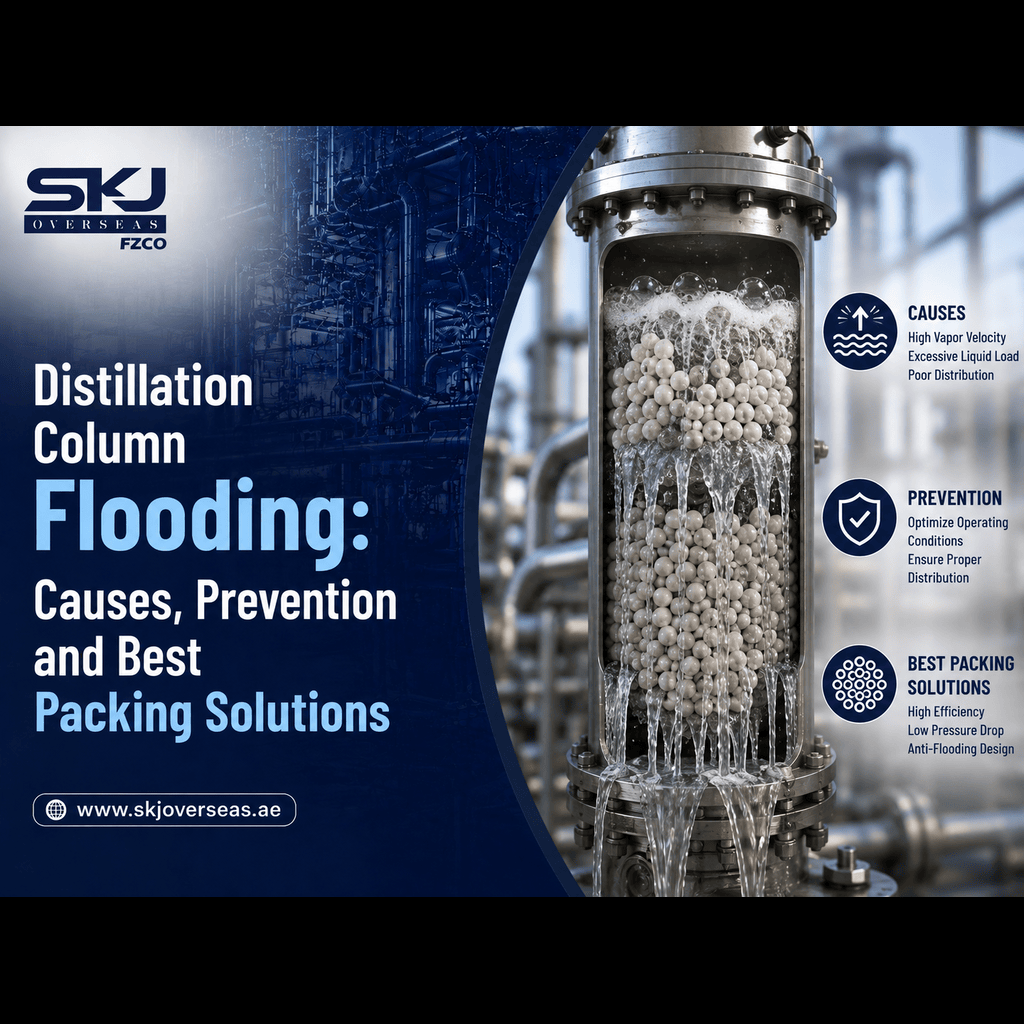
Gas or liquid entering a vessel does not always spread evenly. Channeling sends most flow through a narrow path, which wastes catalyst and overheats local spots. Both reduce equipment life.
A layer of inert balls at the inlet breaks up the stream and spreads it across the whole cross-section. Even flow means even reaction, even temperature, and even wear.
Protecting Against Hold-Down Problems and Bed Movement
At high flow rates, a catalyst bed can lift or shift. This grinds particles against each other and creates dust. A top layer of heavier inert balls holds the bed in place.
This “hold-down” layer reduces attrition and keeps the bed stable. It also protects the catalyst from splashing liquid and sudden pressure changes.
Why Ceramic Is the Right Material
Ceramic suits this job for four reasons.
- Chemical stability: it resists acids, alkalis, and most solvents
- High temperature tolerance: it stays stable far above the limits of plastic
- Mechanical strength: it carries heavy bed loads without crushing
- Low contamination risk: a well-fired body does not release material into the stream
Ceramic is hard but brittle. Careful loading protects it, as covered below.
Choosing Among Inert Ceramic Balls Manufacturer Options
Not every ball performs the same. Raw material purity, firing temperature, and sphere accuracy all affect strength and life. Under-fired balls can crack or crumble, creating fines that block flow.
When you compare an inert ceramic balls manufacturer, ask about alumina content, crush strength, water absorption, and size tolerance. SKJ Overseas produces its ceramic range directly and checks each batch before dispatch, so the datasheet matches what arrives on site.
Key Properties to Check
Use this list when you review a datasheet.
- Alumina content: higher values generally mean better strength and heat resistance
- Crush strength: how much load a single ball can carry
- Water absorption: lower values mean a denser, better-fired body
- Acid resistance: the share of material that dissolves in acid should be low
- Size and roundness: tight tolerance gives even packing and flow
- Maximum service temperature: confirm it fits your duty
If a supplier cannot provide these figures, treat that as a warning sign.
Where Inert Ceramic Balls Are Used
Inert ceramic balls appear wherever a catalyst or adsorbent bed needs support.
- Hydrotreating and reforming reactors in refineries
- Sulphur recovery and gas treatment units
- Ammonia and methanol synthesis reactors
- Molecular sieve and desiccant dryer vessels
- Ethylene and chemical process reactors
- Air separation and gas drying units
- Top and bottom supports in packed columns
These units often run hot, at pressure, and around corrosive gases. That makes stable ceramic the natural choice.
Inert Ceramic Balls vs Steel and Plastic Alternatives
The table below gives a general comparison. Exact limits depend on grade and duty.
| Feature | Inert Ceramic Balls | Steel Balls | Plastic Balls |
| Heat tolerance | Very high | High, but oxidizes | Low |
| Corrosion resistance | Excellent, except hydrofluoric acid | Limited in acid | Good in mild duty |
| Contamination risk | Low | Can shed metal | Low, but softens |
| Weight | Moderate | Heavy | Very light |
| Best fit | Hot, corrosive, high-load beds | Dry, non-corrosive duty | Cool, mild duty |
For hot or corrosive beds, ceramic is usually the safer choice.
Sourcing Inert Ceramic Balls in Dubai
Buyers looking for Inert Ceramic Balls in Dubai benefit from nearby stock, quick samples, and direct technical support. During a turnaround, speed matters. A local source can deliver in days, not weeks.
Local contact also helps with sizing. Share your vessel diameter, bed depth, flow rates, and temperature, and your supplier can suggest a graded layer plan.
Working With an Inert Ceramic Balls Supplier
A good inert ceramic balls supplier does more than ship pallets. It should offer datasheets, batch certificates, and advice on layer design. It should also pack the balls well, since breakage in transit creates dust.
Check that the supplier can provide several sizes and grades. Most reactors need at least three or four sizes in one bed.
Export Support for Process Plants
Refineries and chemical plants across the Middle East, Africa, and Asia source ceramics from the UAE. SKJ Overseas works as a Ceramic And Tower Packing Exporter in Dubai, handling packing, documents, and delivery planning together. Sturdy bags and pallets keep the balls intact for loading.
Key Takeaways
- Inert Ceramic Balls Dubai plants use protect equipment by supporting beds, spreading flow, and holding catalyst in place.
- Graded layers catch fines and prevent channeling.
- Ceramic resists heat, acid, and load far better than most alternatives.
- Alumina content, crush strength, and water absorption show real quality.
- Careful loading and documented supplier data protect bed life.
Frequently Asked Questions
1. What are inert ceramic balls used for?
They support catalyst and adsorbent beds, spread gas and liquid flow, and protect the bed from shock. They do not take part in the reaction.
2. How do inert ceramic balls extend equipment life?
They prevent catalyst loss, reduce channeling, and reduce wear on screens and grids. Less wear means longer runs between shutdowns.
3. What size of inert ceramic balls should I use?
Plants usually load graded layers, with large balls at the bottom and smaller ones above. Exact sizes depend on the vessel and the bed design, so confirm them with your supplier.
4. What does inert mean for ceramic balls?
Inert means the balls do not react with the process stream, the catalyst, or the vessel. They stay chemically stable in service.
5. What should I check before buying?
Ask for alumina content, crush strength, water absorption, size tolerance, and batch certificates. A reliable supplier provides these figures openly.
Talk to SKJ Overseas About Inert Ceramic Balls
The right grade and layer plan protect your catalyst, your vessel, and your uptime. SKJ Overseas manufactures inert ceramic balls for reactors, dryers, and process towers.
Contact us to request a quote, a technical datasheet, or a sample for your reactor.