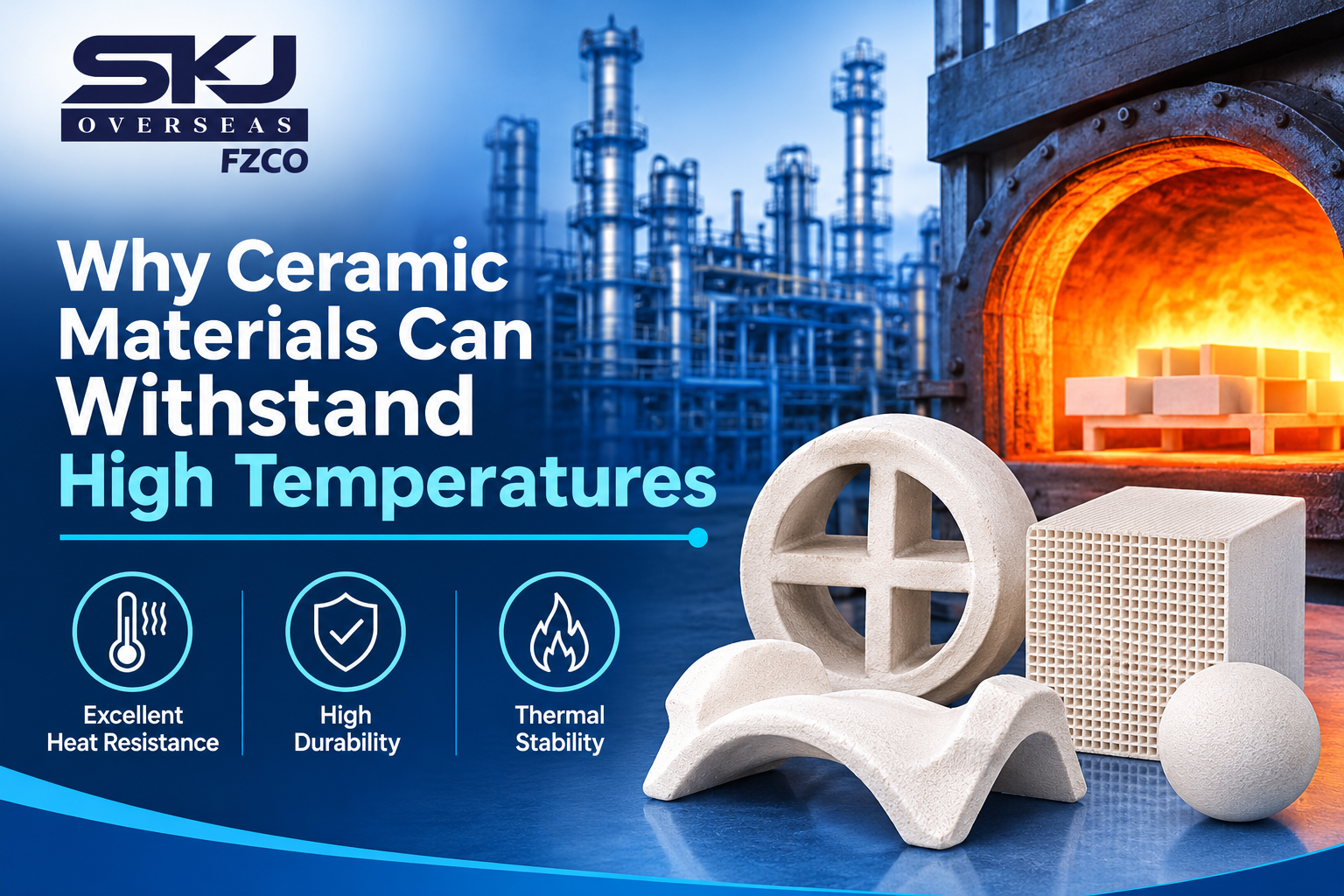
Some jobs are too hot, too abrasive, or too corrosive for metal and plastic. For these jobs, industry turns to high-performance ceramics. The Industrial Applications of Ceramic Ultra materials reach across chemical plants, mining, power generation, electronics, and heat processing, because these ceramics combine hardness, heat resistance, and chemical stability in one product.
SKJ Overseas is a dedicated Ceramic Manufacturers in Dubai, producing industrial ceramics in-house for process plants. This guide explains what ceramic ultra materials are, where they are used, and how to choose a reliable source.
What Are Ceramic Ultra Materials?
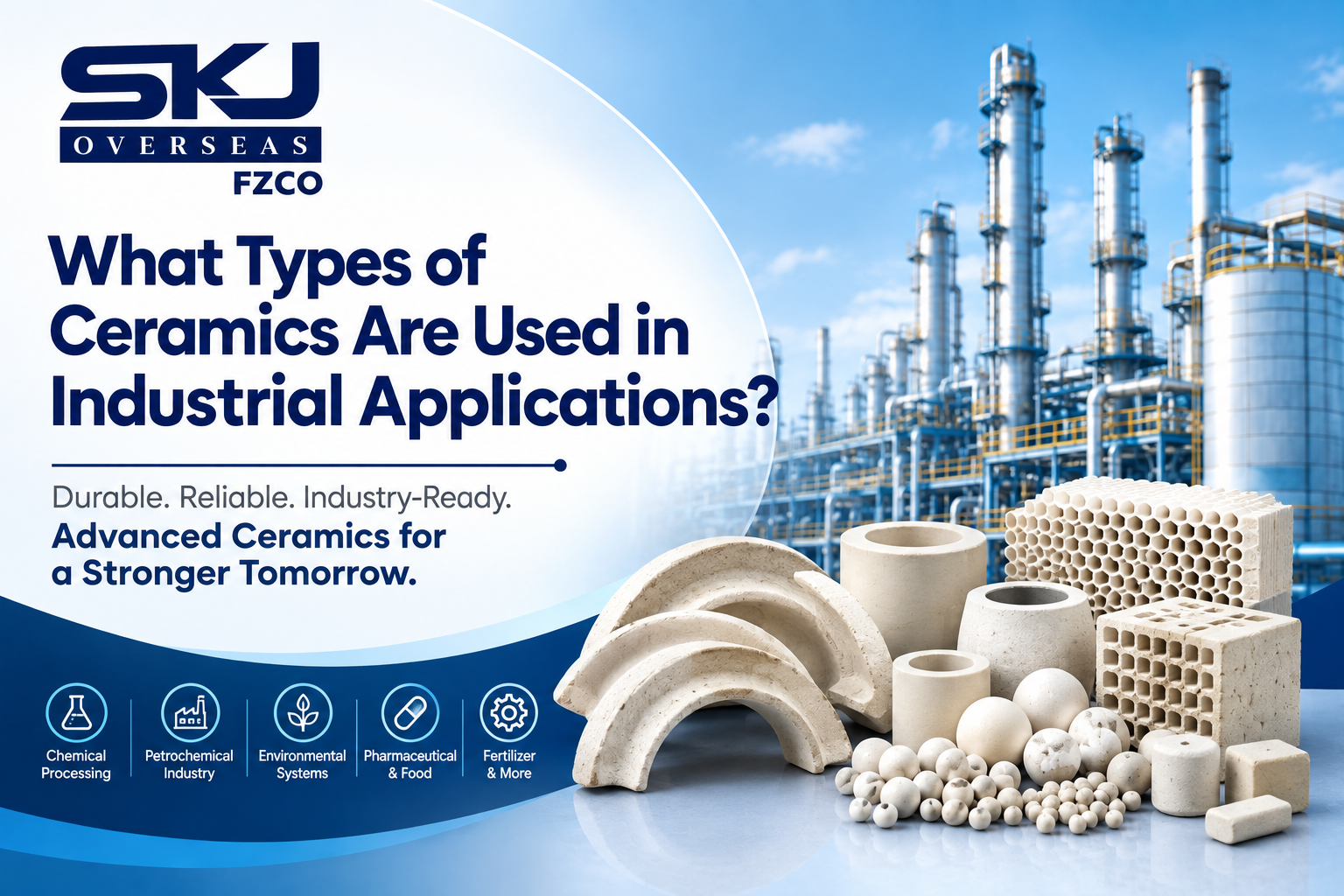
In this guide, “ceramic ultra” means high-performance industrial ceramics, built for the toughest duties. They are made from fine, carefully controlled raw materials and fired at high temperature until they become dense and hard.
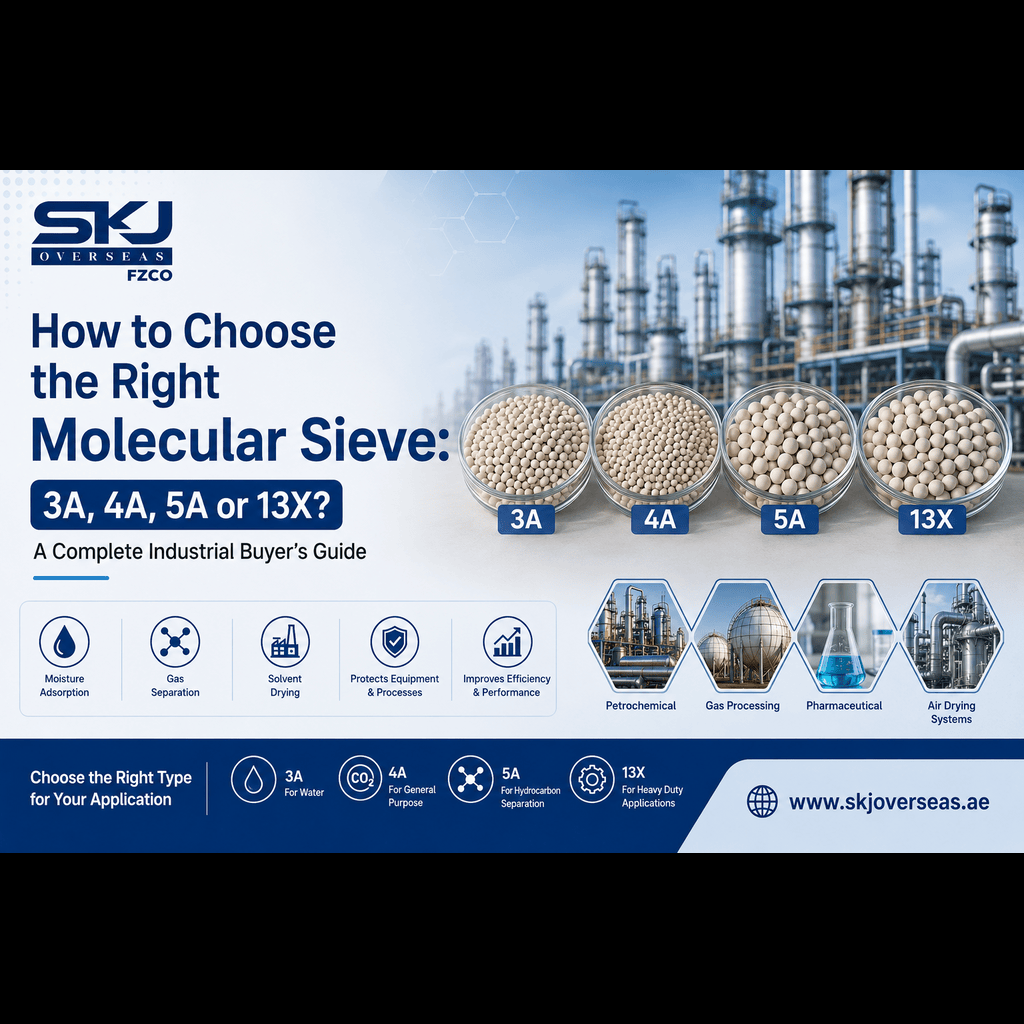
Common material families include alumina, zirconia, silicon carbide, and cordierite. Each has its own strengths. What they share is a very hard, stable structure that stays reliable under heat, wear, and chemical attack.
Key Properties Behind Ceramic Ultra Performance
Four properties explain most of the demand.
- High hardness: alumina, for example, ranks about 9 on the Mohs scale, close to diamond’s 10
- Heat resistance: many ceramics stay rigid at temperatures above 1,000°C
- Chemical stability: they resist most acids and alkalis, except hydrofluoric acid
- Electrical insulation: many ceramics block current, even at high temperature
These traits make ceramics useful where other materials wear out quickly. Exact values depend on the grade, so always check the datasheet.
Industrial Applications of Ceramic Ultra in Chemical Processing
Chemical plants are among the biggest users. Hot, corrosive gases and liquids destroy most metals, so ceramics fill the gap.
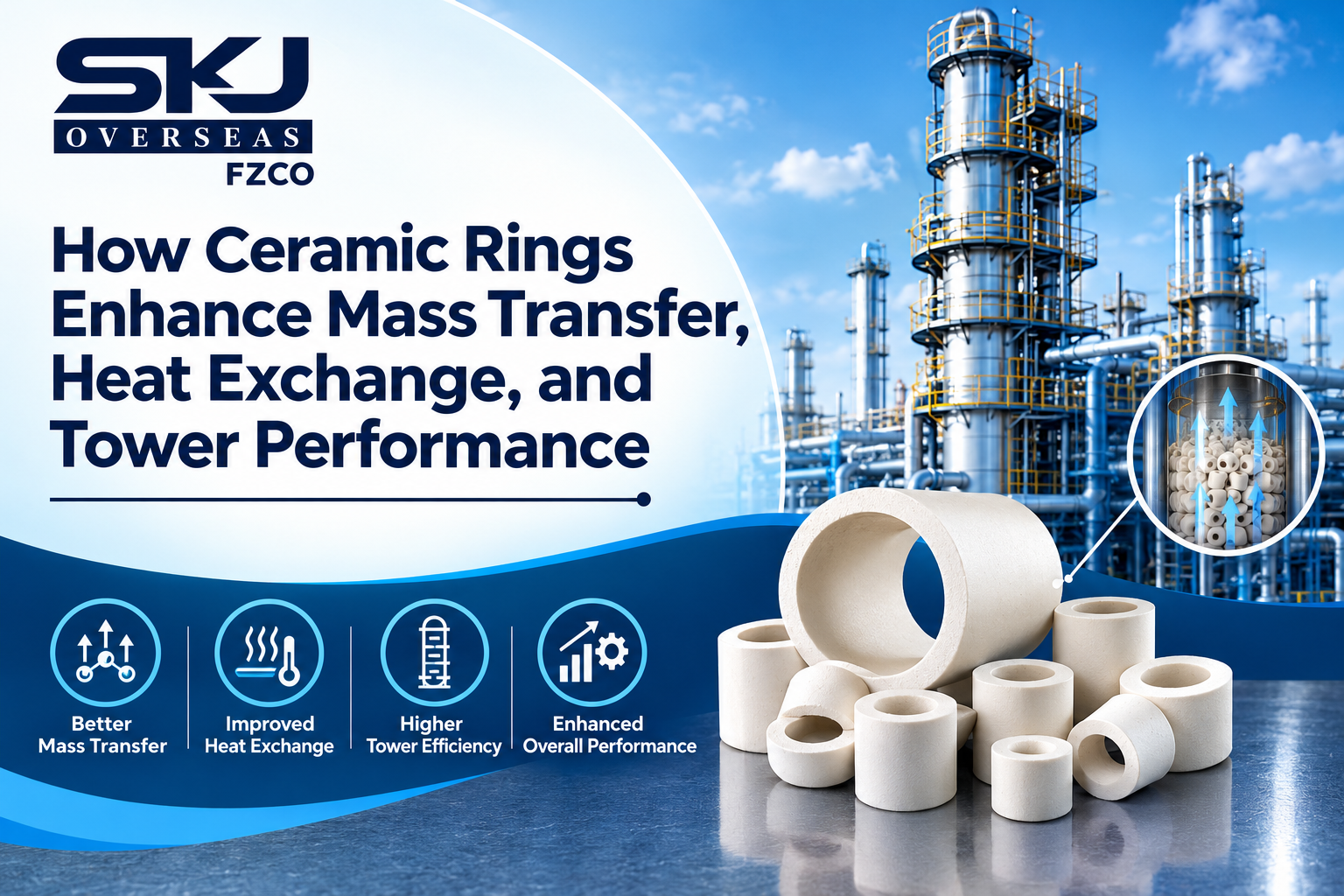
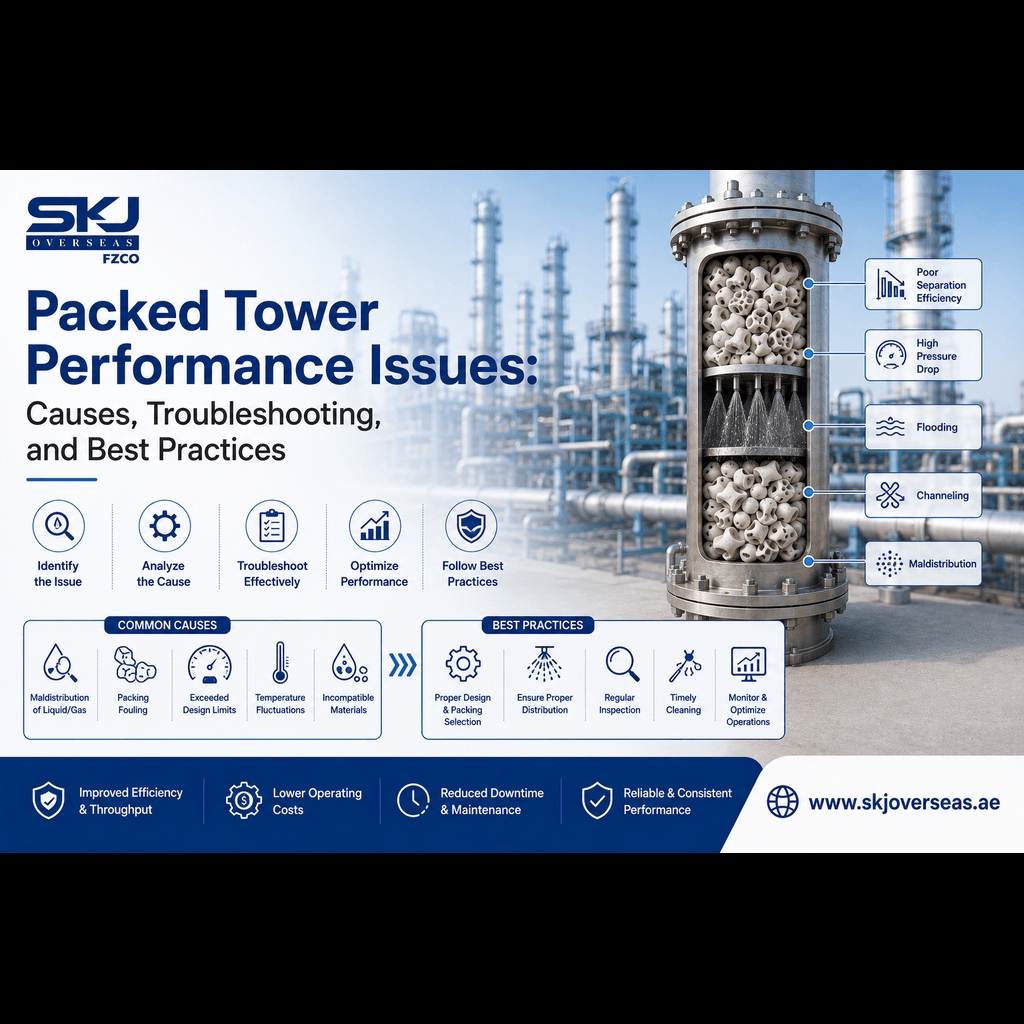
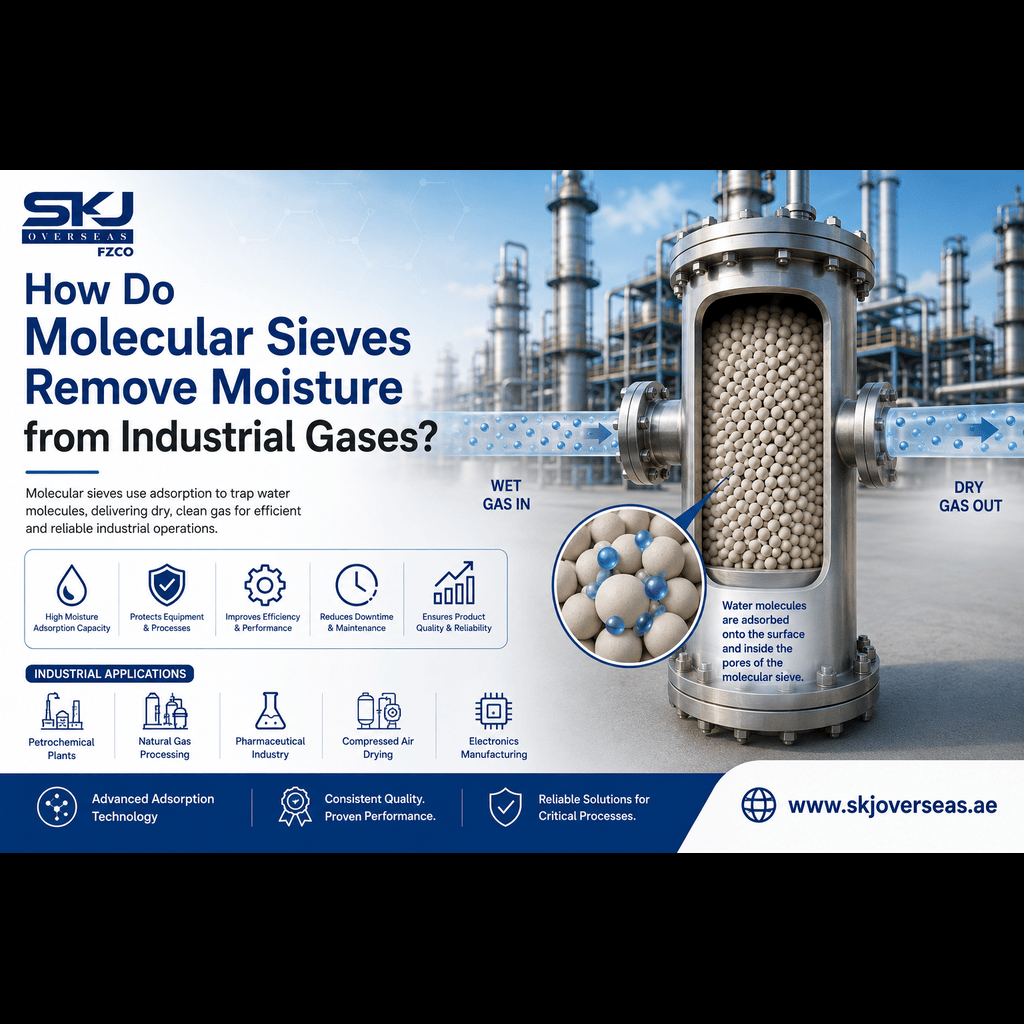
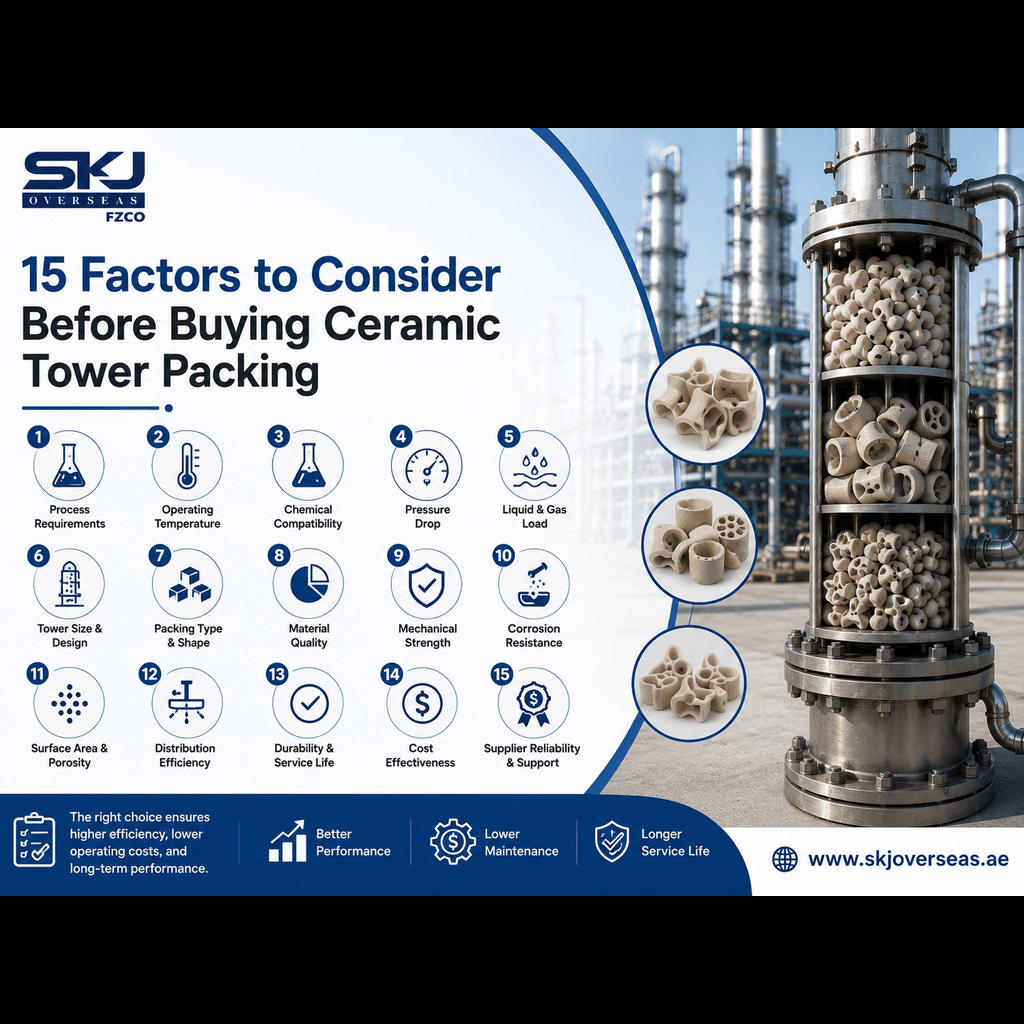
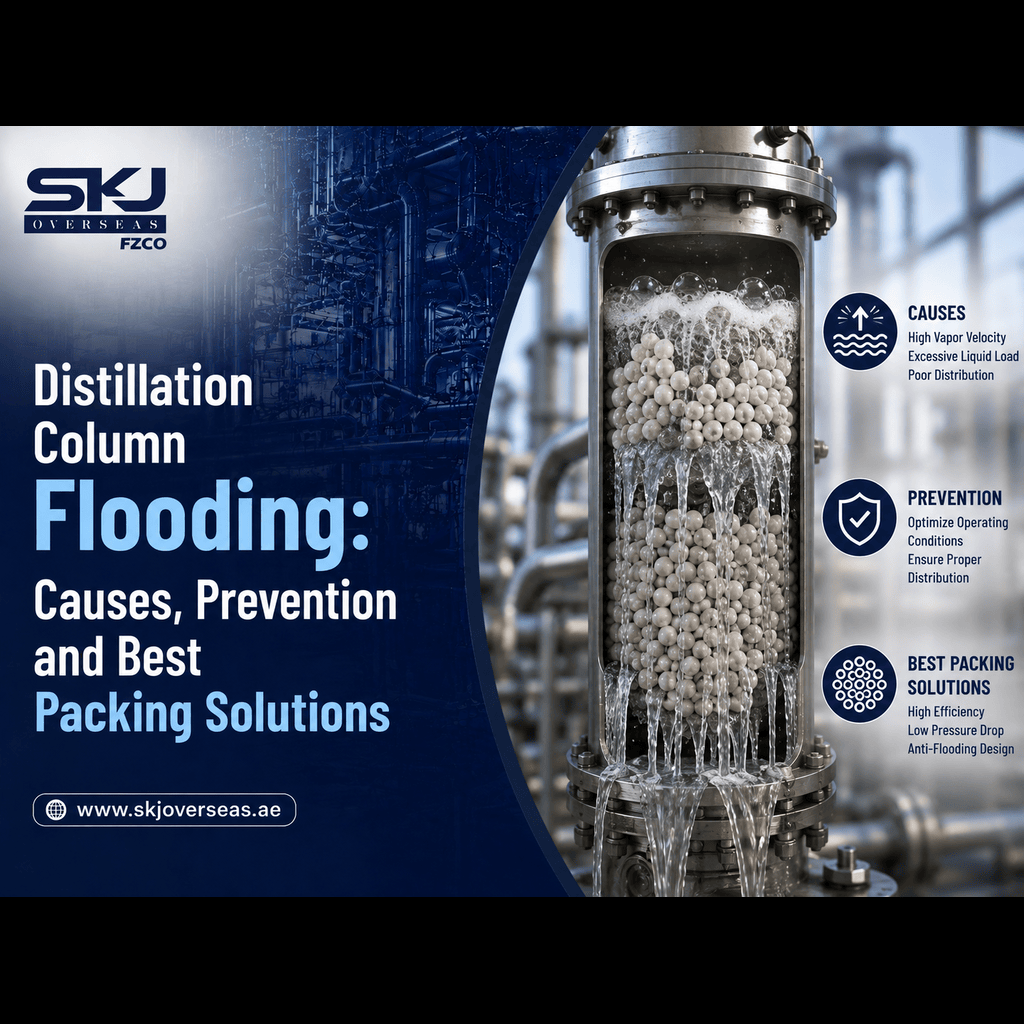
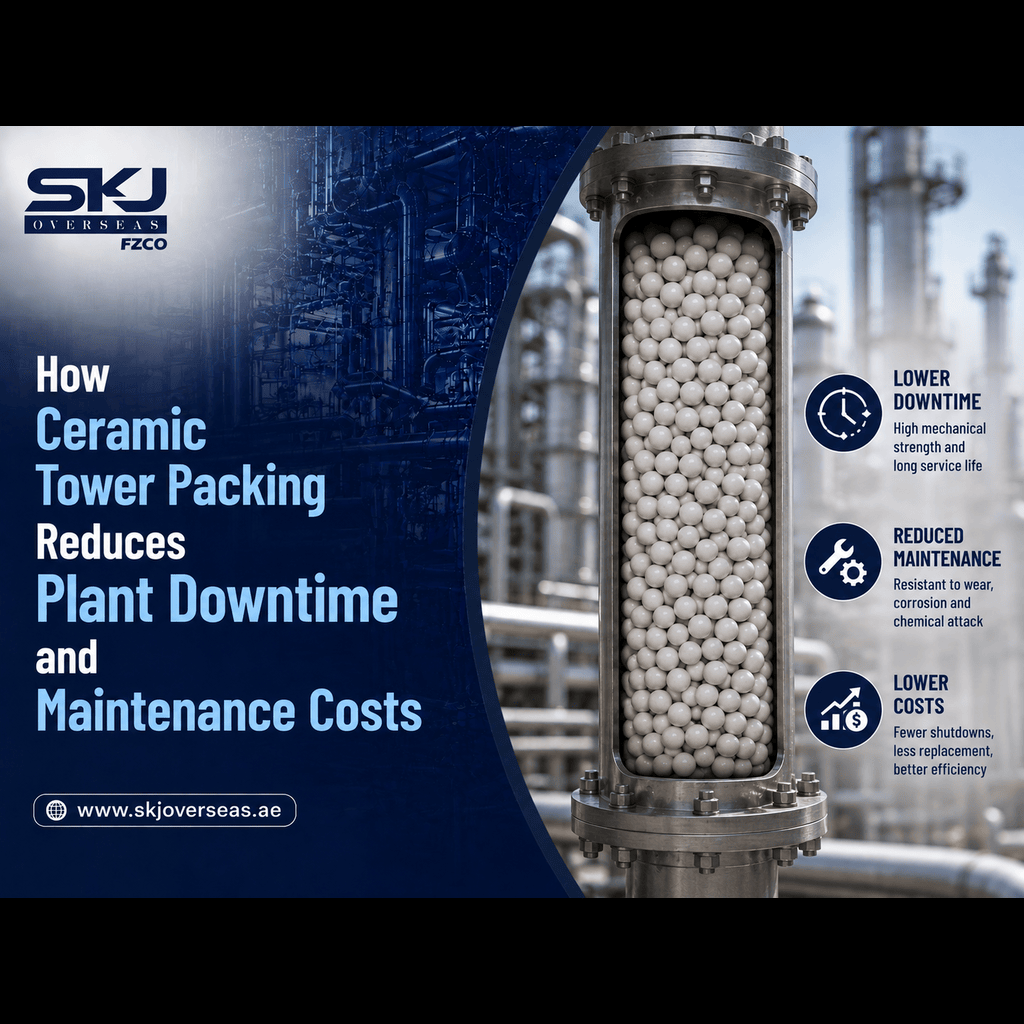
- Tower packing for acid drying, absorption, and scrubbing
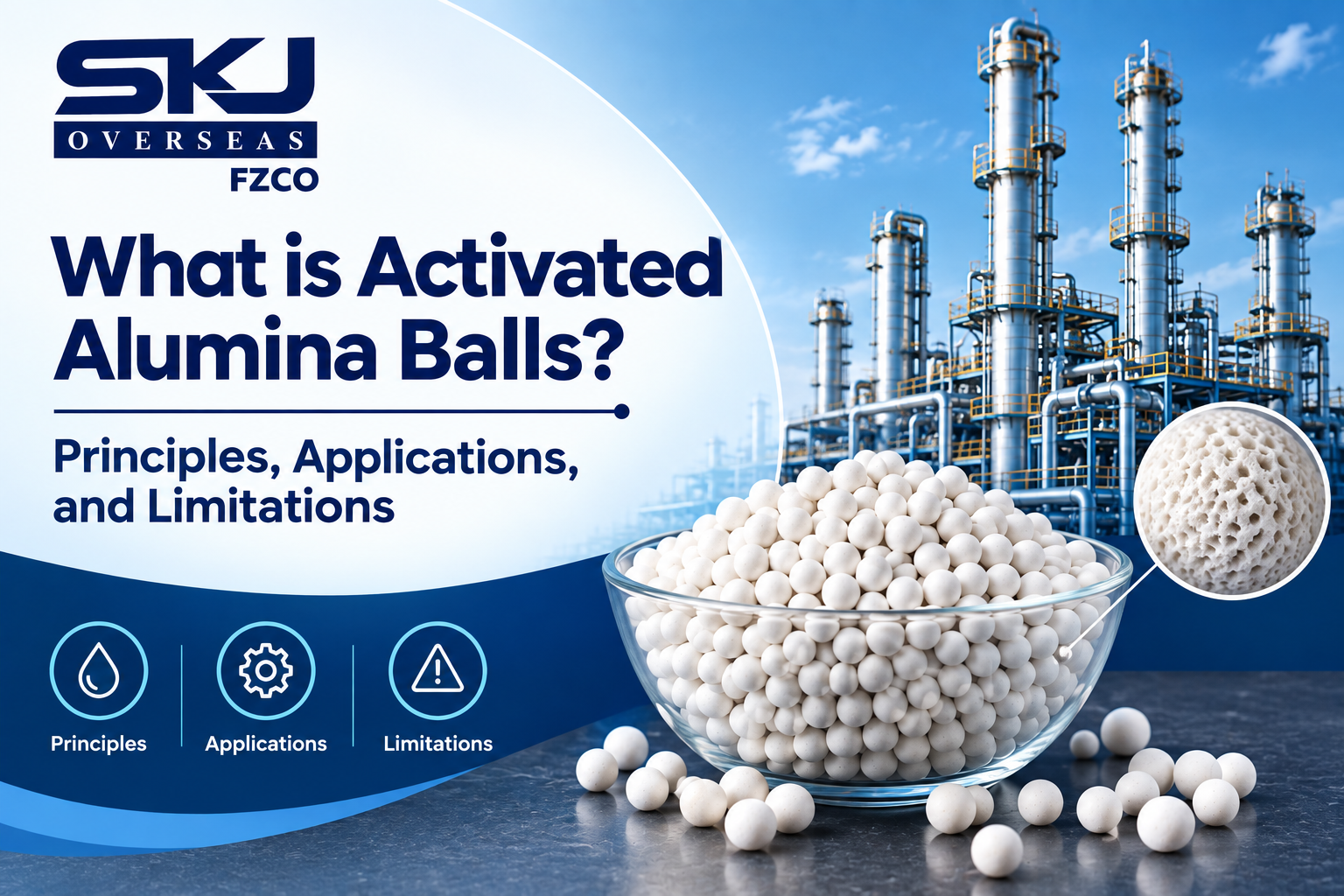
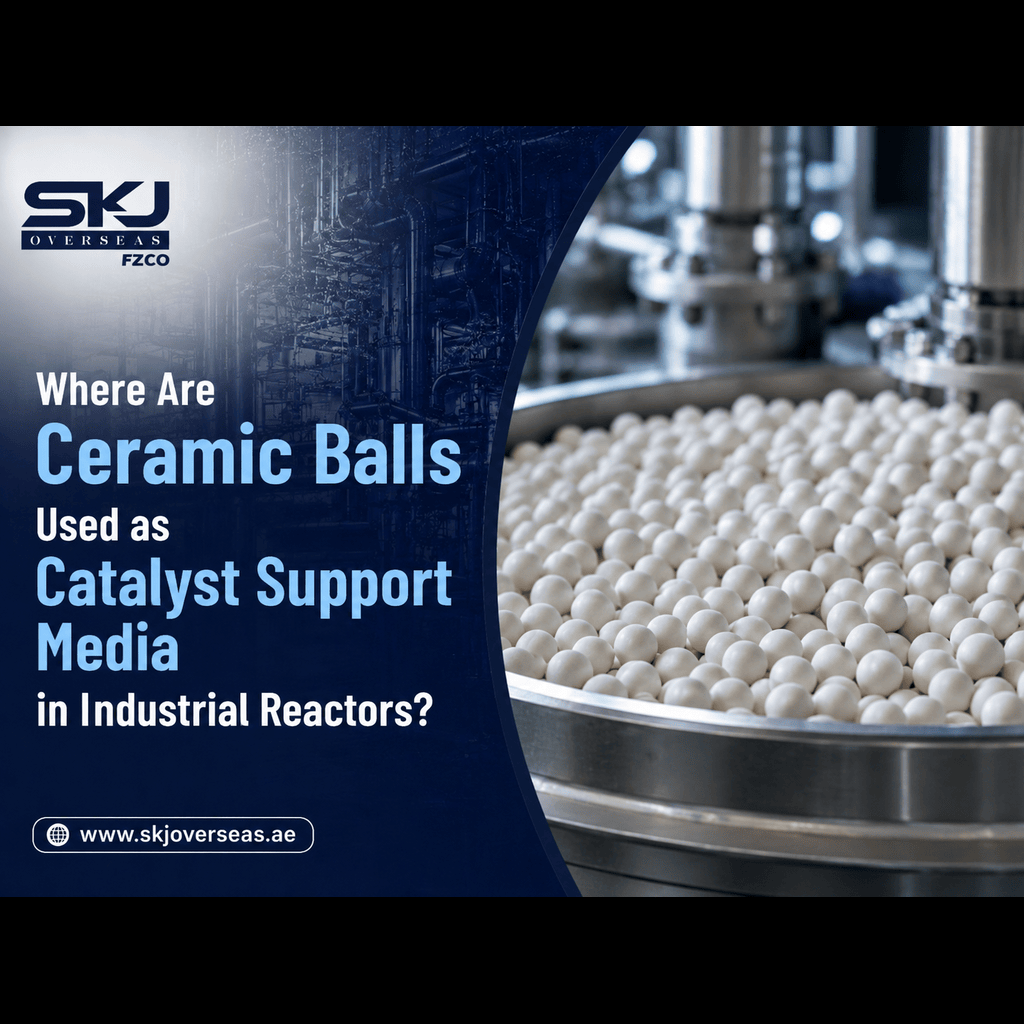
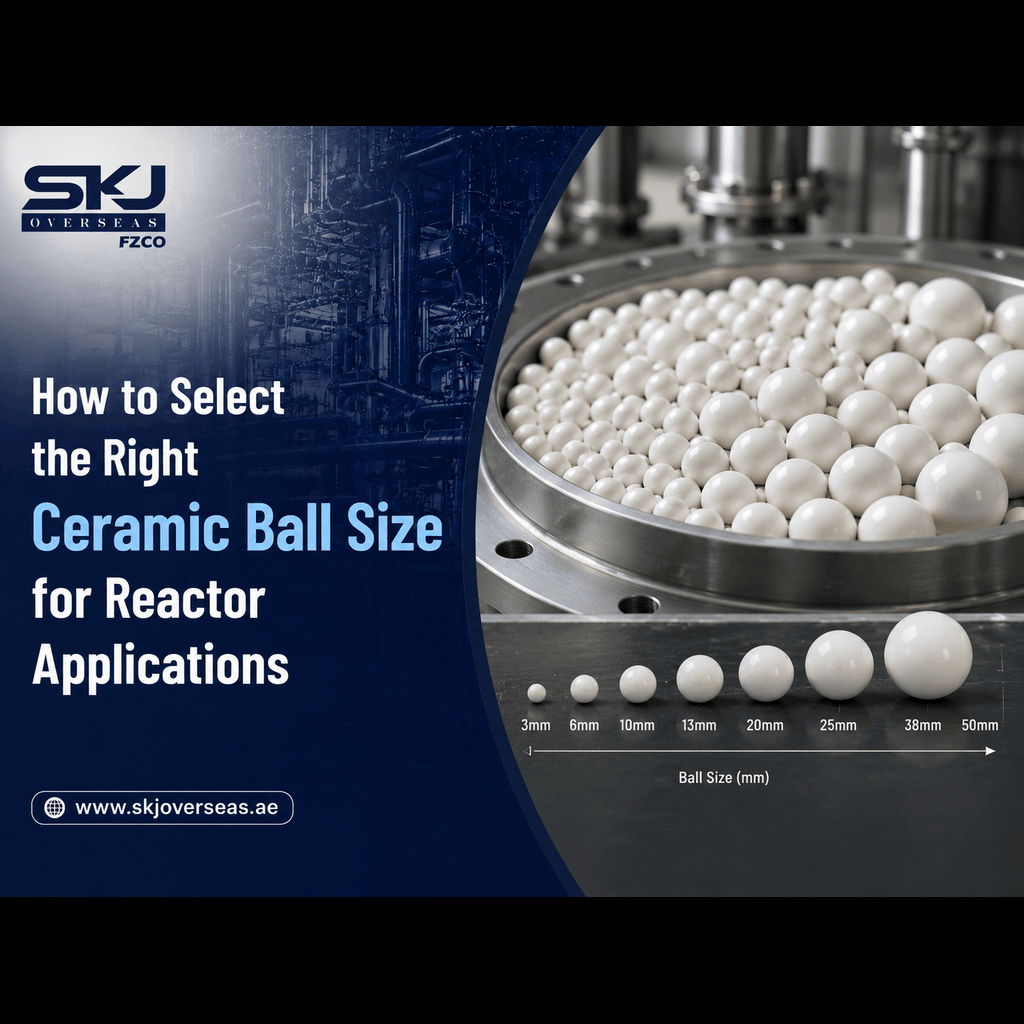
- Catalyst support balls in reactors
- Grid blocks and support plates inside hot vessels
- Lining and protection for acid-handling equipment
- Heat storage media in oxidizers
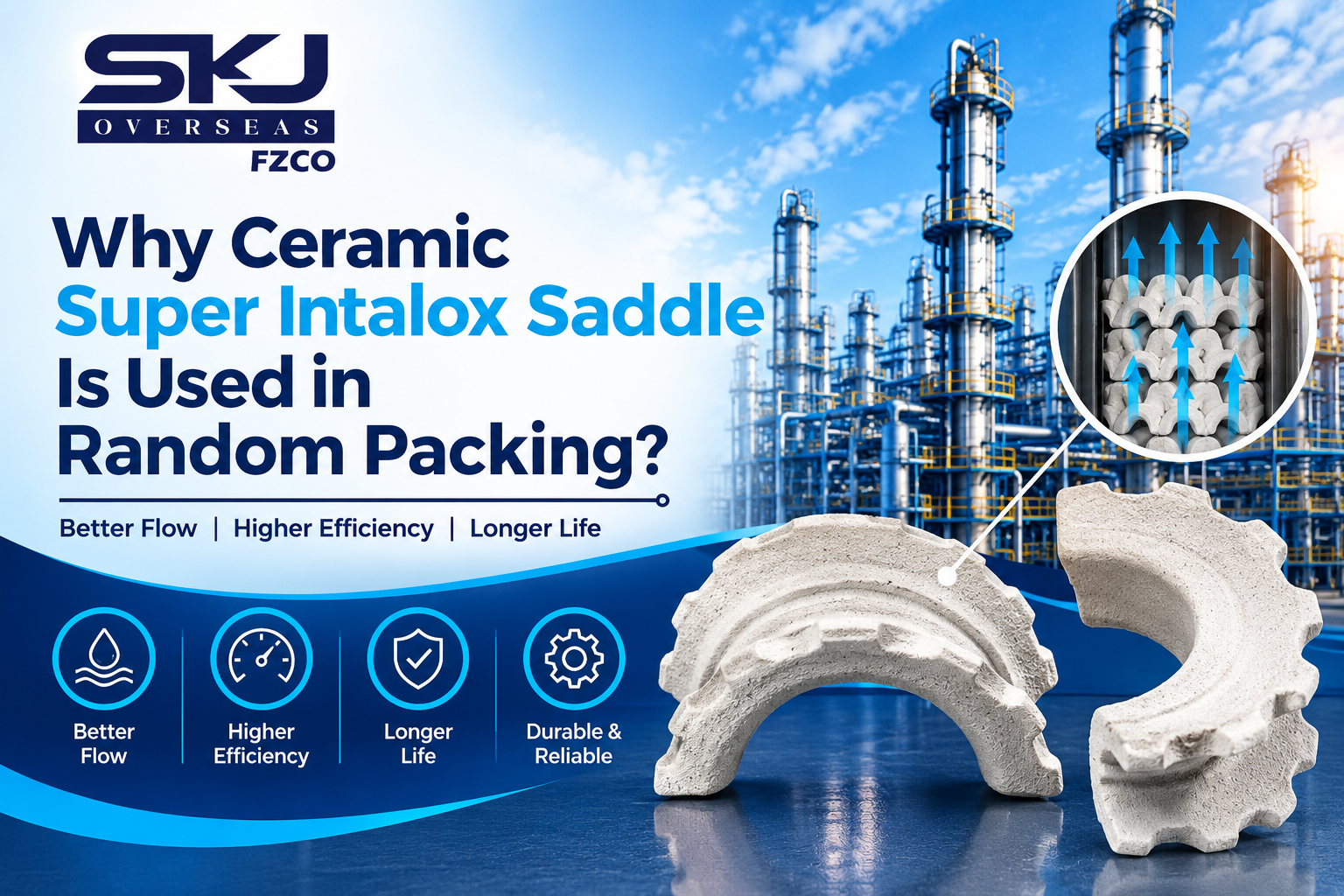
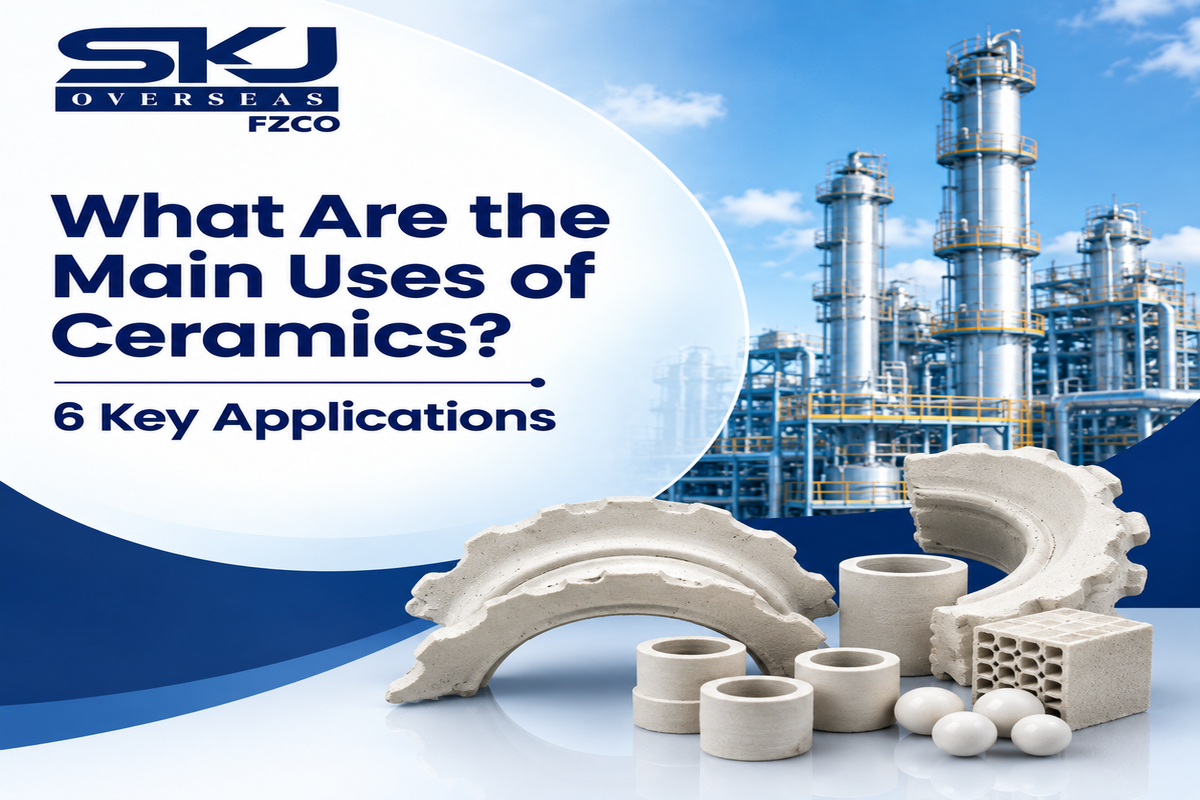
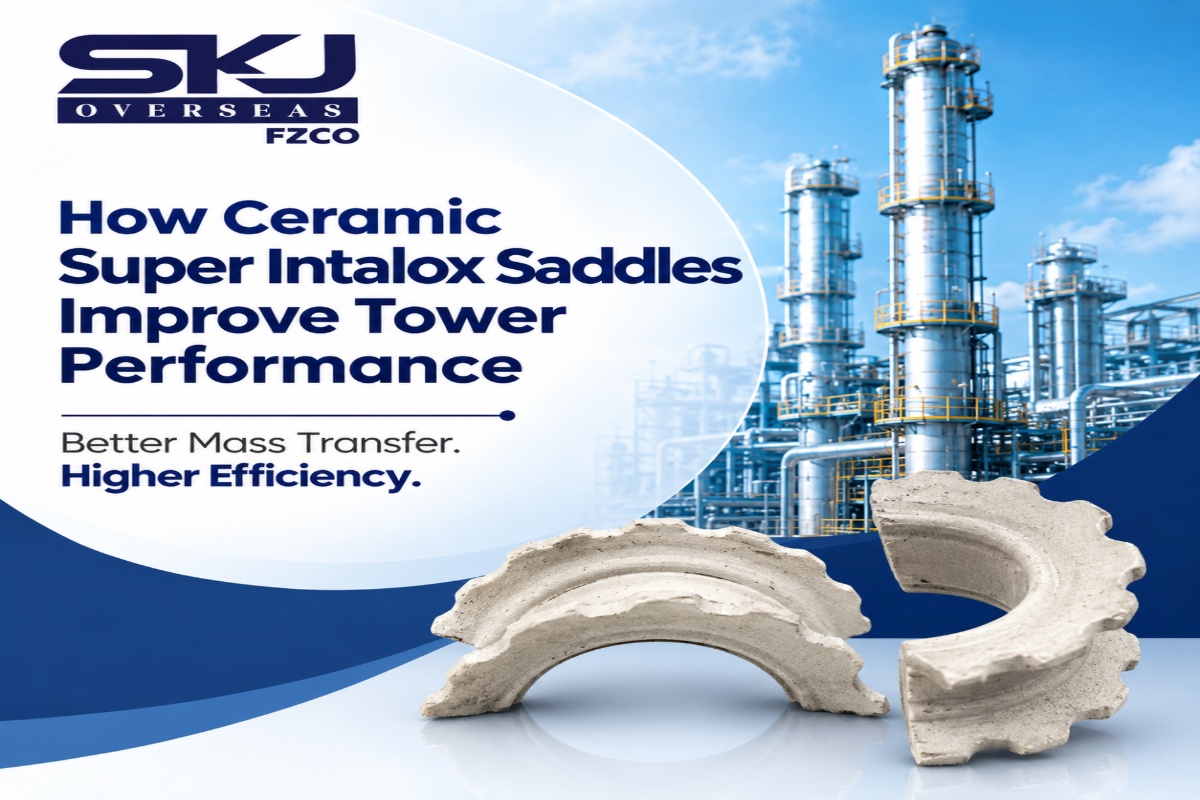
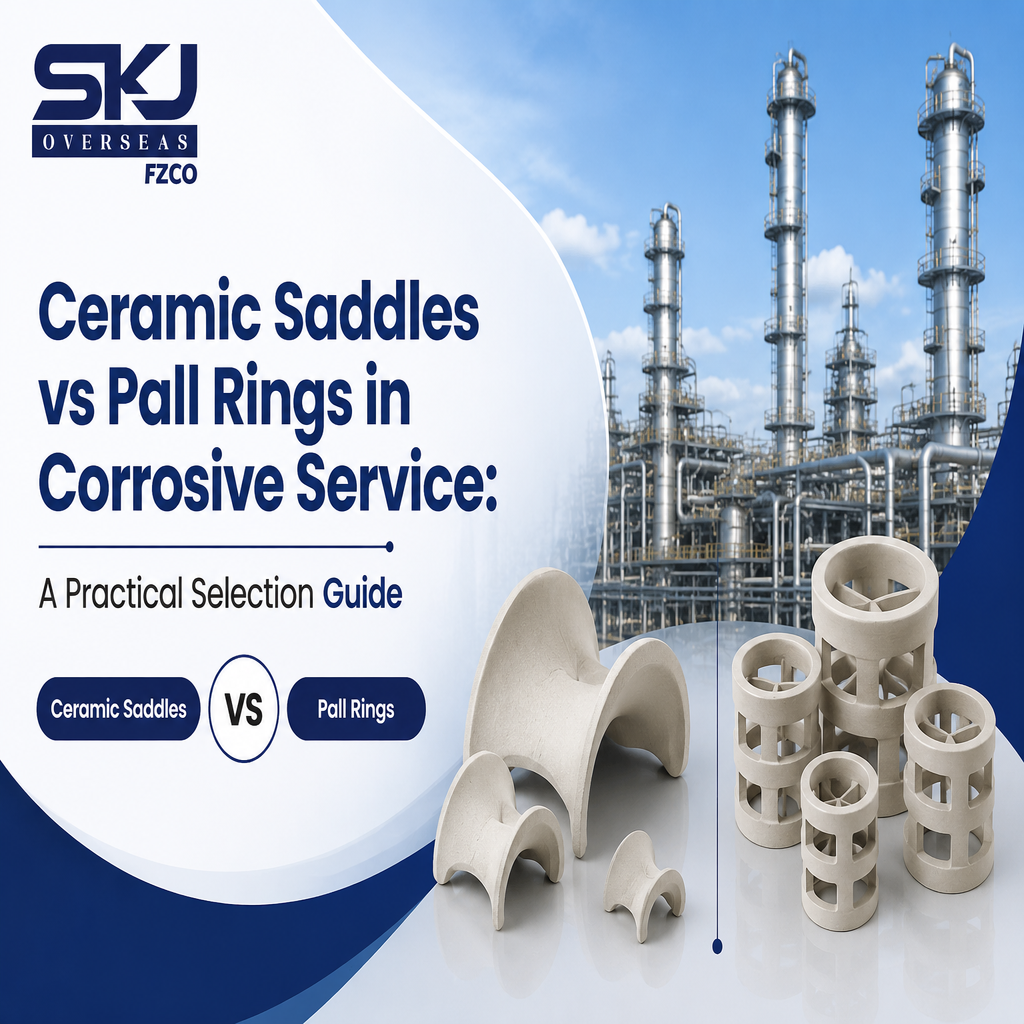
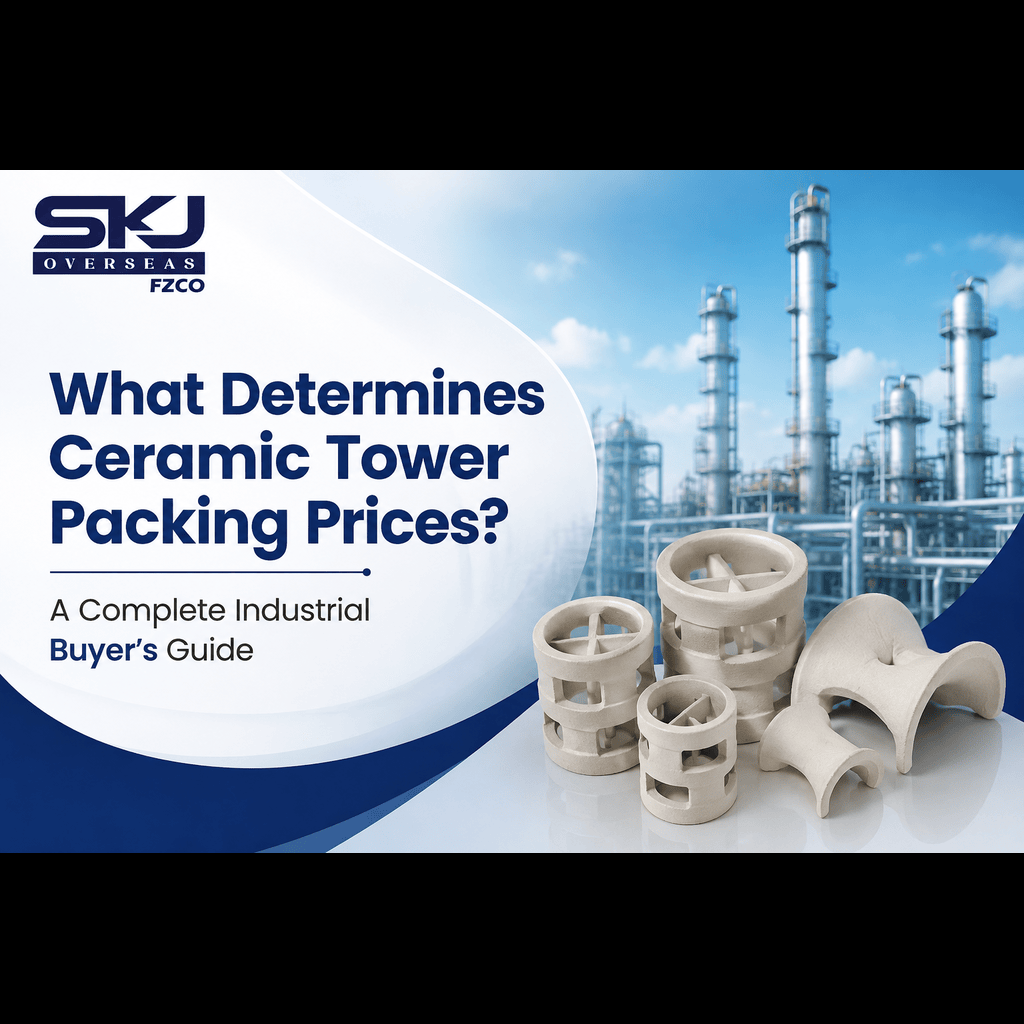
A trusted Ceramic And Tower Packing Manufacturers in Dubai source supplies rings and saddles with dense, well-fired bodies. These shapes keep their surface for years in towers that run hot and acidic.
Grinding, Milling, and Wear Protection
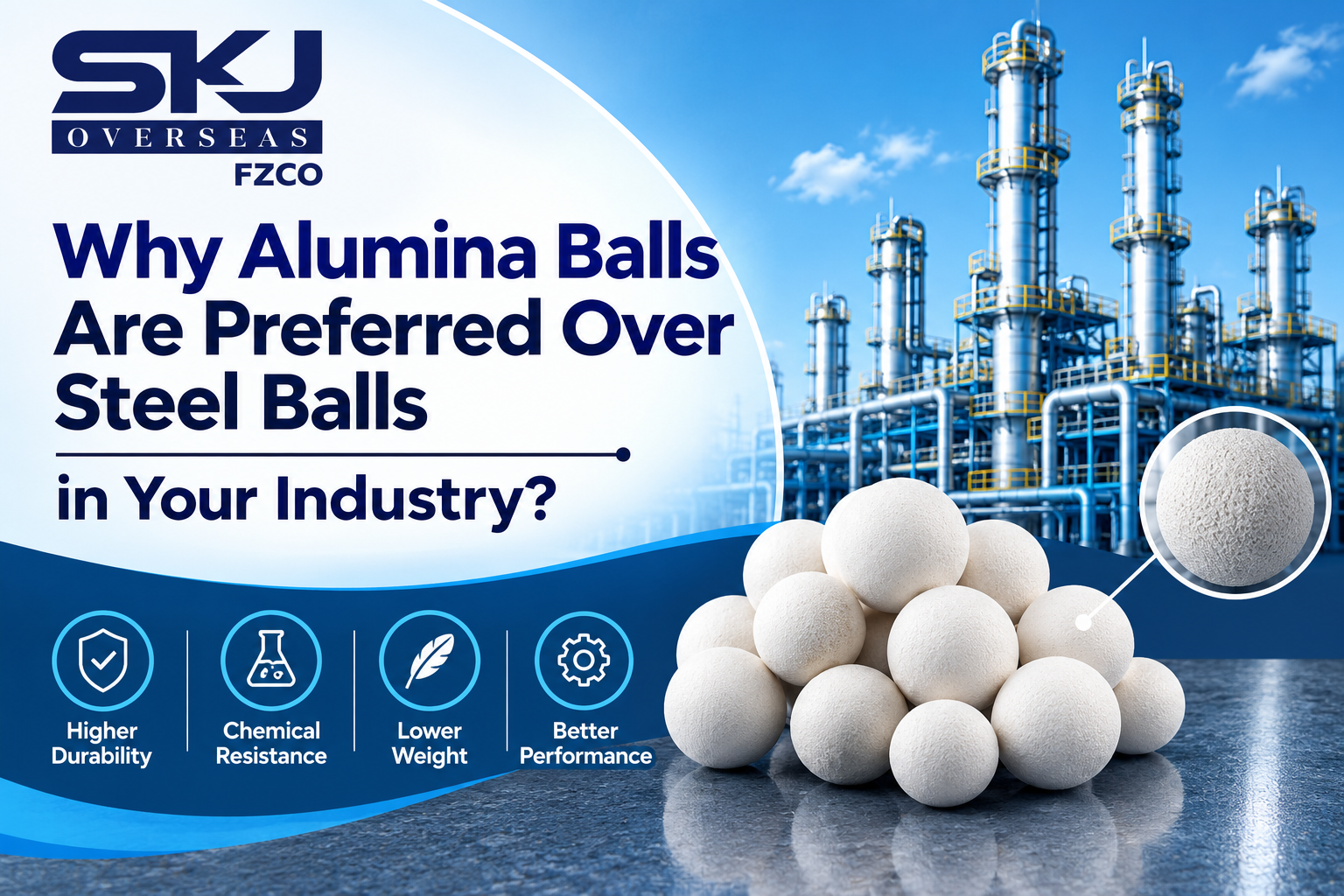
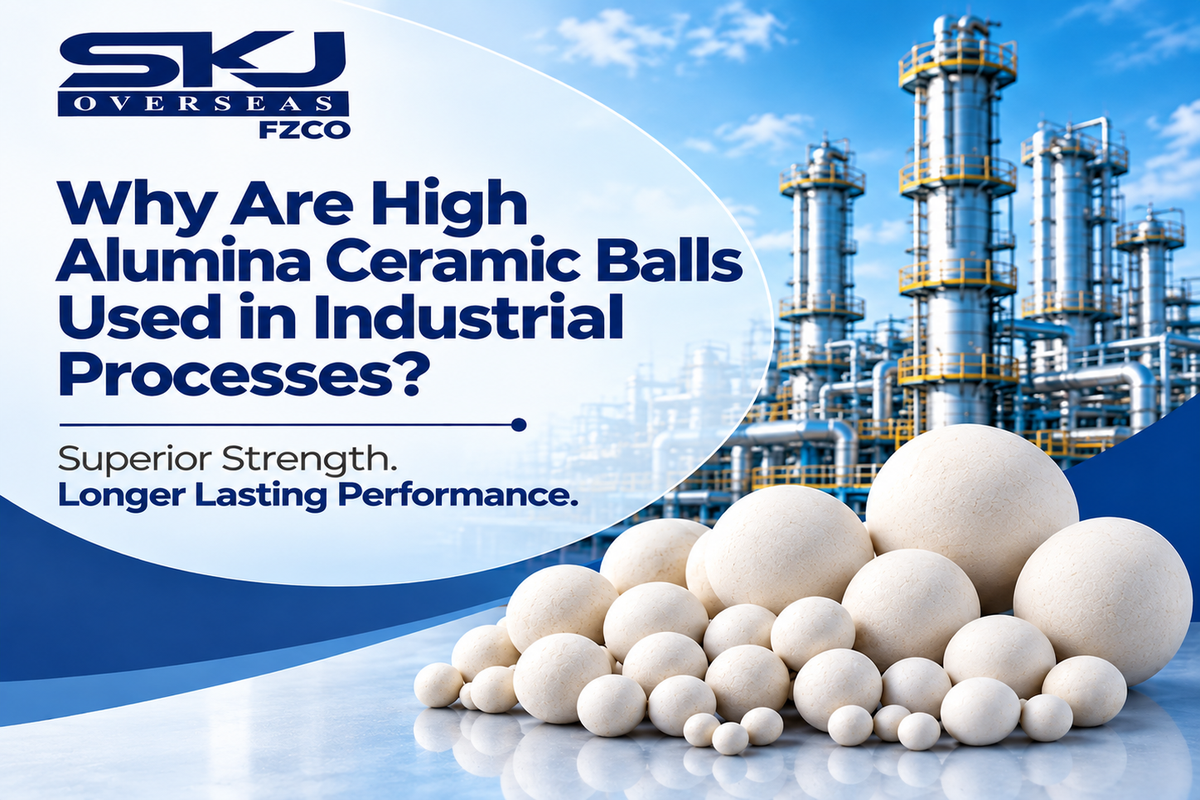
Ceramics are also used where parts must resist constant abrasion. High alumina balls and lining tiles grind and protect equipment in many industries.
- Grinding media in ball mills for minerals, paints, and ceramics
- Wear liners in chutes, pipes, and cyclones
- Nozzles and spray parts that face abrasive flow
- Pump parts and seals in gritty liquids
In these jobs, ceramic parts often outlast steel by a wide margin, and they do not contaminate the product with metal.
Mining, Cement, and Heavy Industry
Heavy industry exposes materials to impact, dust, and heat all at once. Ceramics add protection where plain steel wears fast.
- Wear lining for mining chutes and hoppers
- Grinding and mixing in cement and mineral plants
- Refractory parts in furnaces and kilns
- Support and setter plates used during firing
Ceramic tiles bonded to steel give a hard working surface backed by a tough steel body. This mix balances hardness and toughness.
Power Generation and Energy
Energy plants rely on ceramics for heat, insulation, and clean combustion.
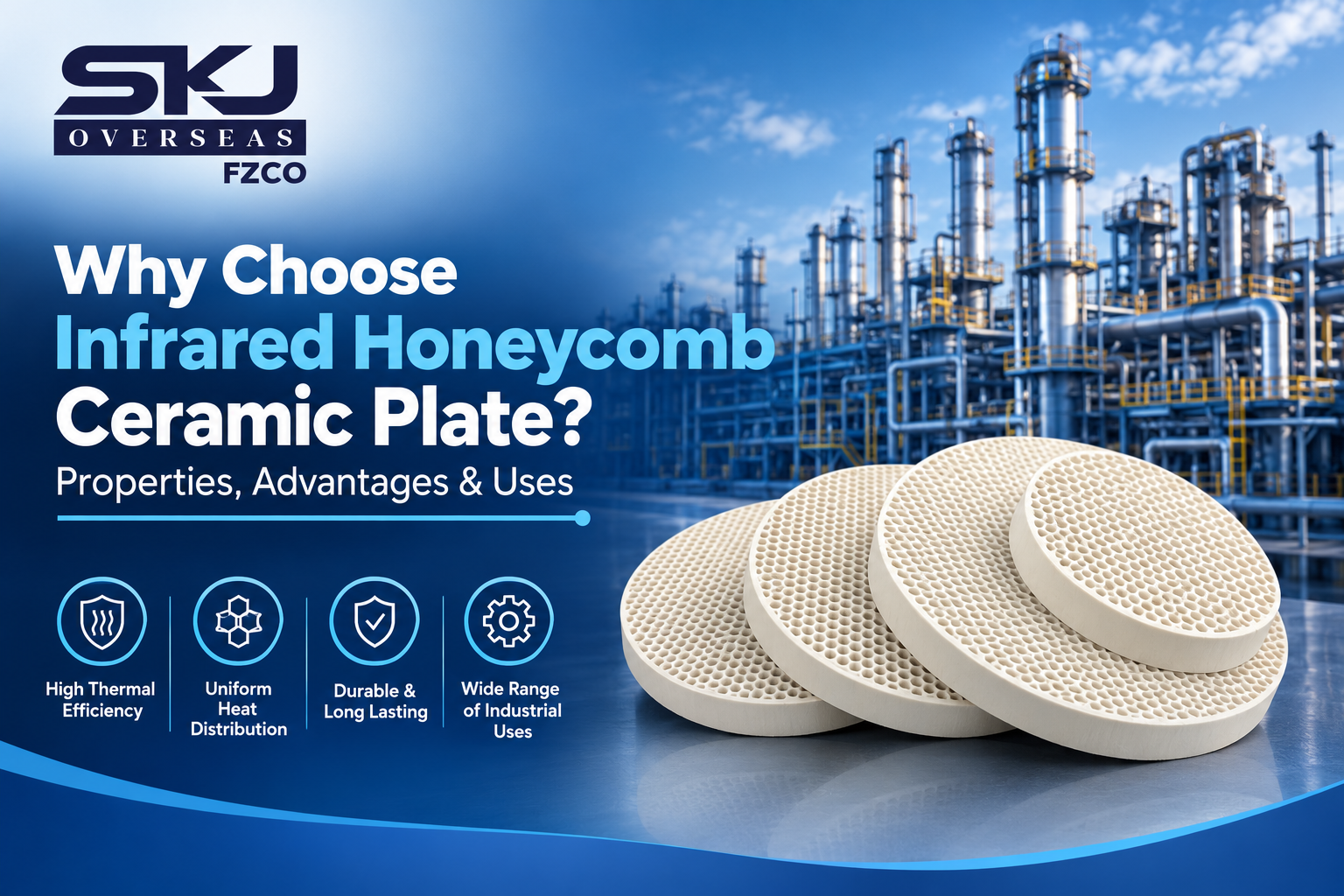
- Honeycomb ceramic in emission control and heat recovery
- Insulators in high-voltage equipment
- Burner parts and infrared burner plates
- Components in fuel cells and advanced energy systems
Cordierite honeycomb, for instance, handles rapid temperature changes well, which is why it is common in catalytic and filtration units.
Electronics and Electrical Uses
Alumina and related ceramics insulate electricity and carry heat away from sensitive parts. This makes them standard in circuit substrates, insulators, spark plugs, and sensor housings.
Their stability across a wide temperature range keeps electronic devices reliable in demanding conditions.
Automotive, Aerospace, and Medical Fields
These sectors use ceramics for light weight, wear resistance, and biocompatibility.
- Catalytic converter substrates in vehicles
- Brake and engine parts in high-performance systems
- Turbine and thermal protection components
- Dental and orthopedic parts made from alumina and zirconia
Each field sets strict quality rules, so documentation matters as much as performance.
Ceramic Ultra vs Metals and Plastics
The table below gives a general comparison. Exact performance depends on the grade.
| Feature | Ceramic | Metal | Plastic |
| Hardness and wear | Very high | Moderate to high | Low |
| Heat resistance | Very high | High, but oxidizes | Low |
| Chemical resistance | Excellent, except hydrofluoric acid | Often limited | Good in mild duty |
| Toughness | Brittle | Tough | Flexible |
| Weight | Moderate | Heavy | Light |
Ceramics win on hardness, heat, and chemical stability. Their main weakness is brittleness, so careful design and handling are important.
Choosing Among Ceramic Ultra Manufacturers
Quality begins in the kiln. Raw material purity, forming accuracy, and firing control decide density and strength. When you compare ceramic ultra manufacturers, ask for composition, density, porosity, and test certificates.
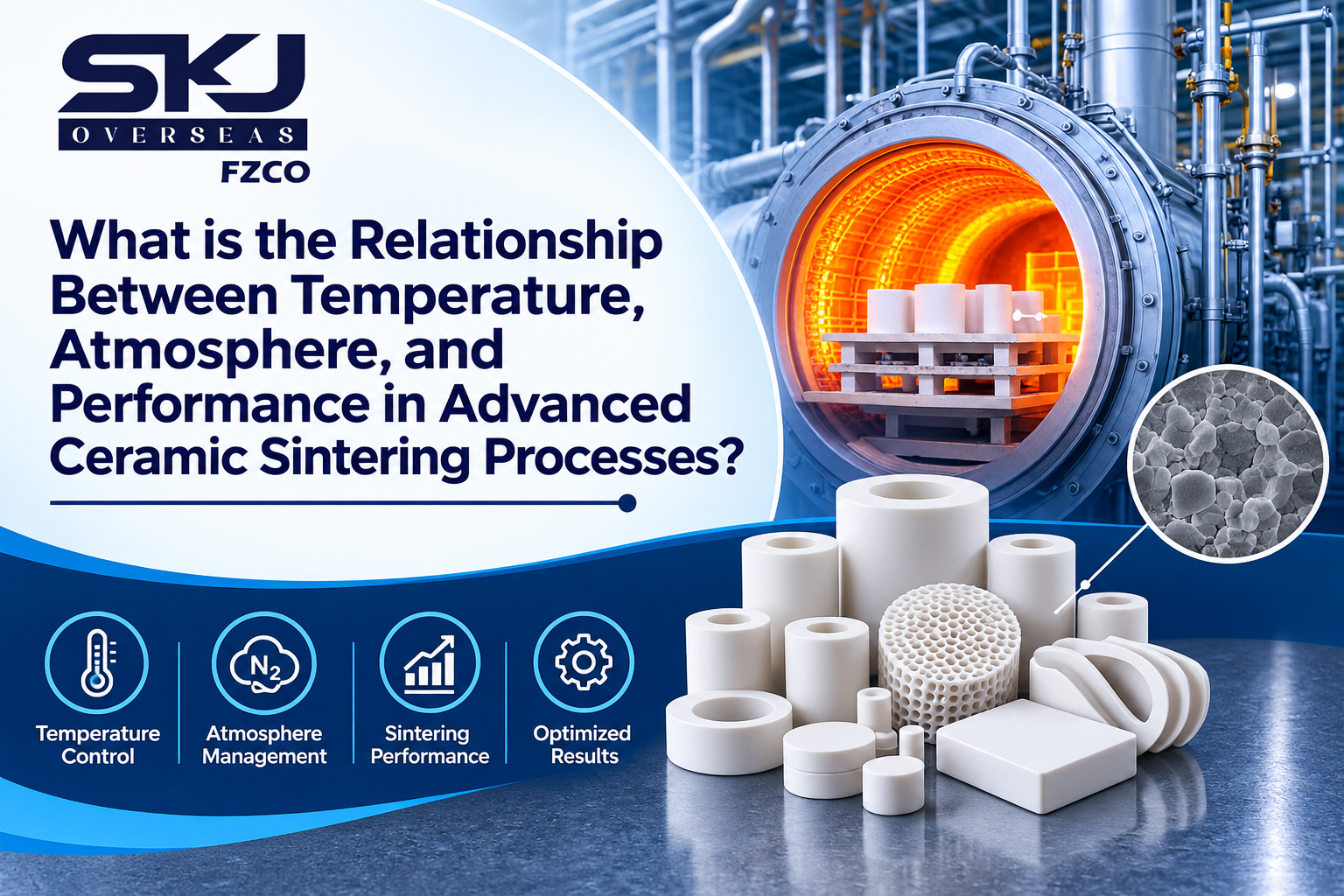
Ask also how the maker controls firing temperature and atmosphere. Under-fired parts stay porous and weak, while over-fired parts can lose strength.
What to Expect From Ceramic Ultra Suppliers
A dependable supplier does more than ship pallets. Good ceramic ultra suppliers provide datasheets, batch certificates, and advice on selection. They should also explain limits honestly, such as thermal shock risk and brittleness.
Strong packaging matters too. Ceramic parts should be palletized, strapped, and protected so they arrive without breakage.
Sourcing Ceramic Ultra in Dubai
Buyers looking for ceramic ultra in Dubai benefit from nearby stock, quick samples, and direct access to technical staff. Local contact shortens lead times during planned shutdowns and urgent repairs.
Share your temperature, chemicals, load, and equipment details when you request advice. A good supplier can then recommend the right material and shape.
Why Ceramic Parts Often Lower Total Cost
A ceramic part can cost more than a steel or plastic one at the start. However, it often lasts many times longer in abrasive or corrosive duty. Fewer replacements mean less downtime, less labor, and less lost production.
Ceramics also avoid contamination. A grinding ball or liner that wears slowly adds little to the product, which matters in paints, food ingredients, and fine chemicals. Compare cost per year of service, not only the purchase price.
Frequently Asked Questions
1. What are the main industrial applications of ceramic ultra materials?
They are used in chemical towers, catalyst supports, grinding media, wear liners, kiln parts, electrical insulators, emission control, and medical and aerospace parts.
2. Why are ceramics used instead of metal?
Ceramics resist heat, wear, and corrosion far better in many duties. Metal can oxidize, corrode, or soften, while a well-fired ceramic stays stable.
3. Are industrial ceramics brittle?
Yes. Ceramics are hard but can crack under impact or sudden temperature change. Careful design, loading, and heat-up reduce this risk.
4. Can ceramics handle strong acids?
They resist most acids and alkalis, even at high temperature. The main exception is hydrofluoric acid, which attacks ceramic.
5. What should I check before buying ceramic parts?
Ask for composition, density, porosity, maximum service temperature, strength data, and batch certificates. A reliable maker provides these openly.
Talk to SKJ Overseas About Industrial Ceramics
The right ceramic grade and shape protect your process from wear, heat, and corrosion. SKJ Overseas manufactures industrial ceramics, including tower packing, grid blocks, and support media.
Contact us to request a quote, a technical datasheet, or a sample for your application.