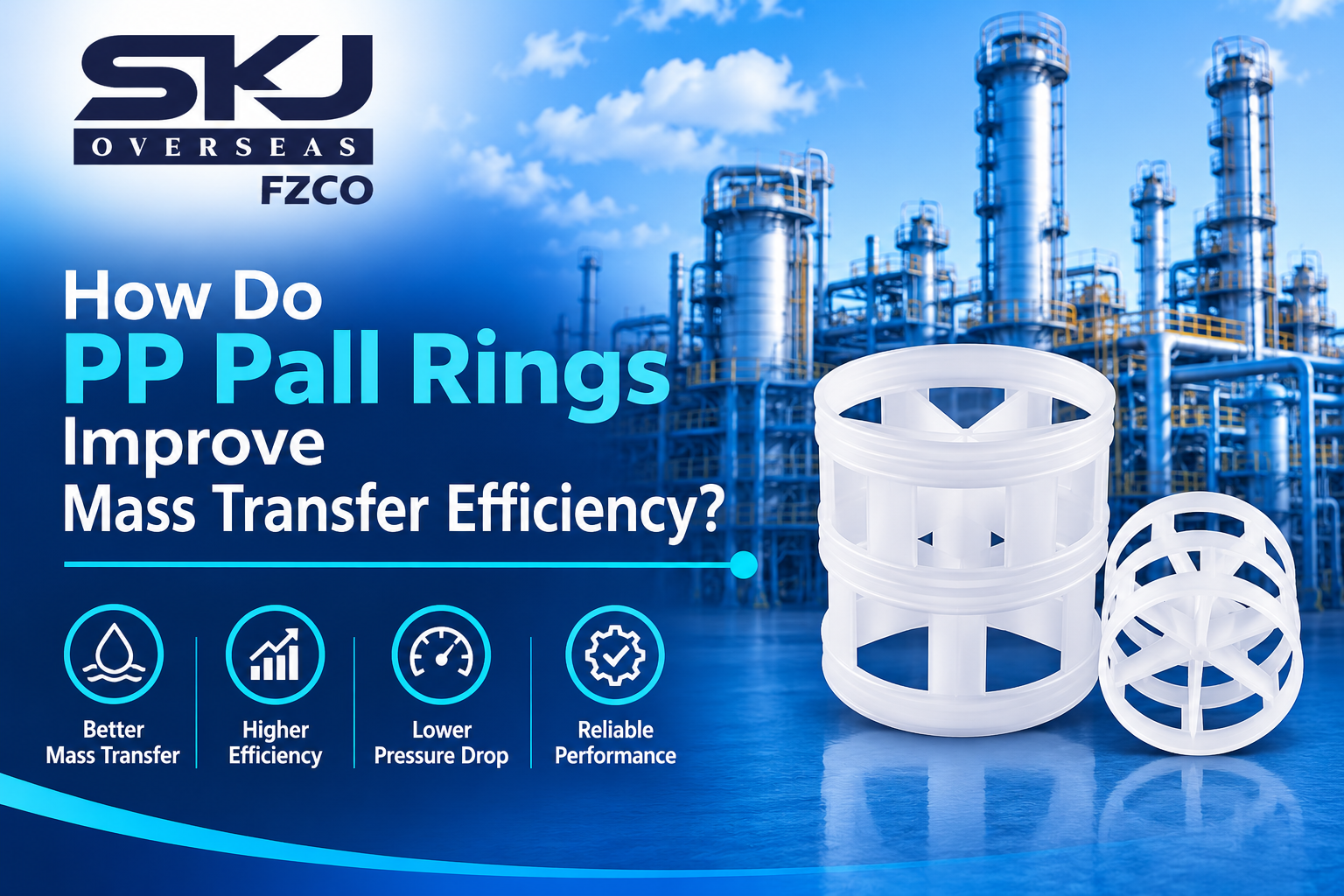
Packed towers work best when gas and liquid spend as much time as possible in thin, well-mixed contact. This is where PP Pall Rings improve mass transfer: their windowed wall gives a large wetted surface, spreads liquid evenly, and lets gas flow with little resistance. The result is more gas captured or stripped in a shorter bed.
SKJ Overseas is a dedicated Ceramic Manufacturers in Dubai, and we make ceramic packing only. We cover plastic Pall rings here so you can understand how they work and choose the right material, even when that material is not ours.
What Is Mass Transfer in a Packed Tower?
Mass transfer is the movement of a substance from one phase to another. In a scrubber, a pollutant moves from gas into liquid. In a stripper, a dissolved gas moves from liquid into gas.
The speed of this movement depends on contact area, mixing, and time. A packed bed raises all three. The packing shape decides how well it does so, which is why ring design matters.
What Is a PP Pall Ring?
A Pall ring is a short hollow cylinder with rows of windows cut into its wall. The cut sections bend inward as small tongues. PP means polypropylene, a light, tough, low-cost plastic.
The rings are poured into the tower at random. They form an open bed with many wetted surfaces. Common sizes range from about 16 mm to 76 mm, depending on the maker.
How PP Pall Rings Improve Mass Transfer: Four Core Mechanisms
Four features explain the efficiency gain.
- Large surface area: inner and outer walls both carry a liquid film
- Window openings: gas and liquid pass through the wall, not only around it
- Liquid spreading: tongues and windows send liquid sideways across the bed
- Open geometry: high void space lets gas move with low resistance
Together, these features make PP Pall Rings improve mass transfer compared with plain rings of the same size.
Mechanism 1: Large, Wetted Surface Area
Gas can only transfer into liquid where the two touch. A thin liquid film over a large surface is the best way to create that contact. Pall rings carry film on both sides of the wall and around the windows.
Smaller rings have more surface per cubic meter. As a rough guide, a 25 mm ring offers about twice the surface area of a 50 mm ring. Exact values vary by maker, so check the datasheet.
Mechanism 2: Windows That Mix and Spread Flow
The windows are the key difference from a plain ring. Gas can pass through the wall and mix with gas in the next channel. Liquid can drip from one surface to another instead of running straight down.
This mixing renews the liquid film, so fresh liquid keeps meeting the gas. A renewed film absorbs or releases gas faster than a stagnant one.
Mechanism 3: Even Liquid Distribution
Liquid in a packed tower tends to run toward the wall or gather in narrow streams. This is channeling, and it wastes part of the bed. The tongues and windows break up streams and push liquid across the cross-section.
Even spreading means more of the packing does useful work. It also means more consistent results at the tower outlet.
Mechanism 4: Low Pressure Drop and Higher Capacity
Pall rings have a high void fraction, often above 90 percent. Gas rises through the bed with little resistance. Lower resistance means higher gas rates before flooding and lower fan energy.
Higher capacity lets a plant treat more gas in the same tower. It can also allow a smaller tower for a new design.
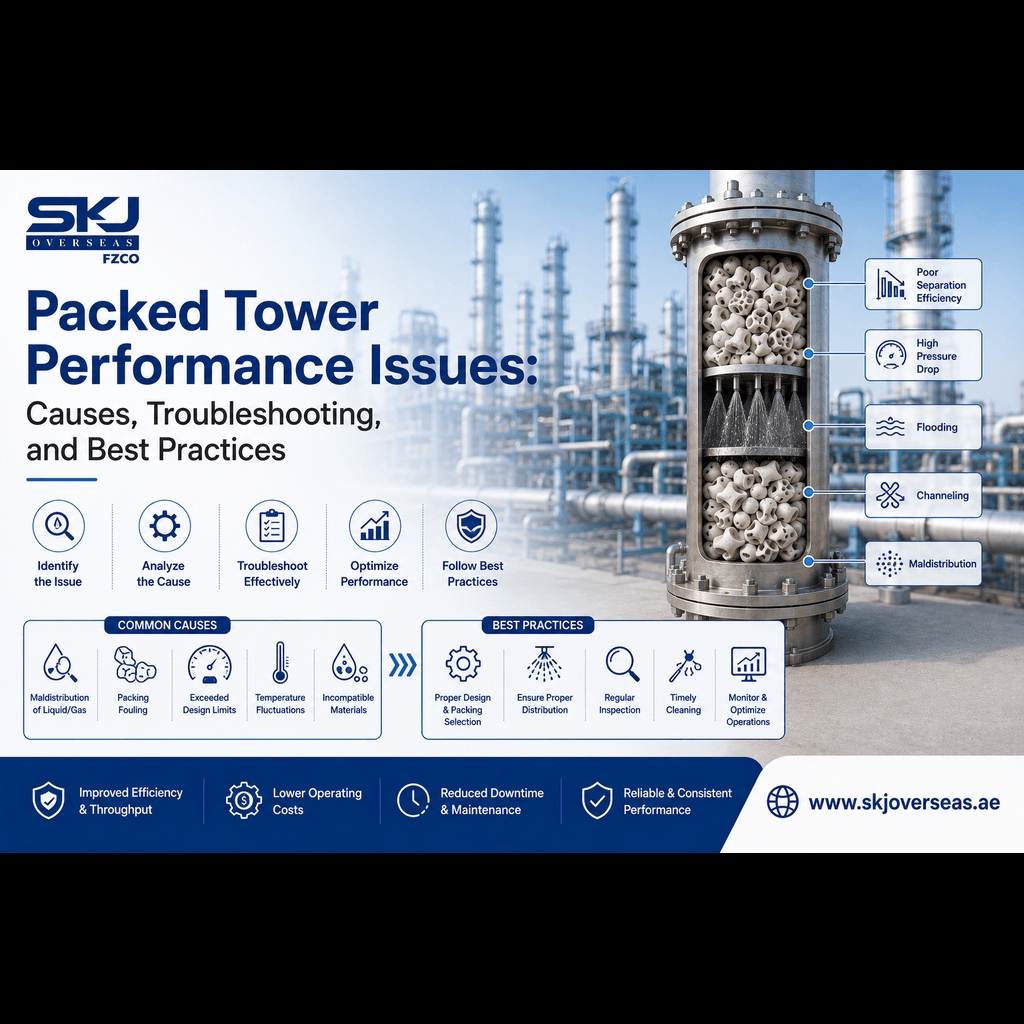
Factors That Affect Mass Transfer in Pall Ring Beds
Even a good ring needs the right operating conditions.
- Ring size: smaller rings give more surface but higher pressure drop
- Bed height: taller beds give more contact time
- Liquid rate: too low and the surface stays dry, too high and flooding risk rises
- Gas rate: it should sit below the flooding point
- Distributor quality: poor distribution cancels the gain from good packing
- Liquid properties: surface tension and viscosity change film behavior
Share these details with your supplier so they can suggest a suitable size and bed height.
The Wetting Challenge for Plastic Packing
Polypropylene is water-repellent. At low liquid rates, water may form rivulets instead of a full film. This lowers the effective surface area and reduces mass transfer.
The fix is to keep liquid rates above the minimum wetting rate and use a good distributor. Some plants also choose rings with surface treatment or a different material. Always confirm wetting behavior for your liquid.
Where PP Pall Rings Work Best
PP Pall rings suit cool towers with mild chemicals.
- Air scrubbing and odor control
- Absorption of acid gases at low temperature
- Ammonia scrubbing
- Gas stripping and degassing of water
- Cooling towers and humidifiers
- Wastewater treatment
In these duties, the process stays cool enough for plastic to keep its shape.
When Ceramic Packing Is the Better Choice
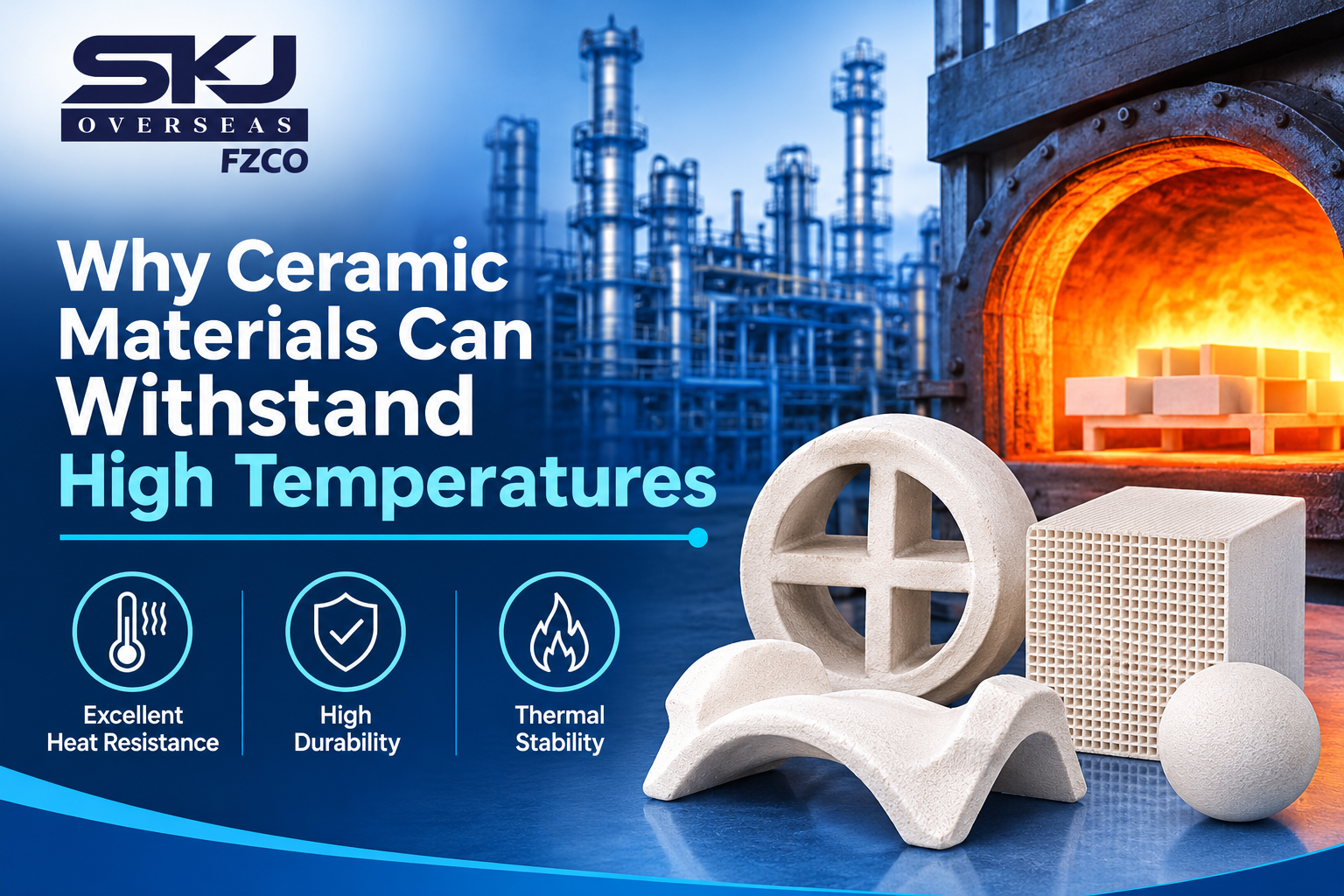
Plastic softens as temperature rises, and long-term service is usually kept below roughly 80 to 100°C. It can also fail with strong oxidizers or hot, concentrated acids. In those cases, ceramic is the safer choice.
A dependable Ceramic And Tower Packing Manufacturers in Dubai source supplies rings and saddles that handle about 1,100°C and nearly all acids, except hydrofluoric acid. SKJ Overseas makes these in-house. Ceramic also wets easily, which helps mass transfer at lower liquid rates.
What to Check With a PP Pall Ring Manufacturer
Packing performance depends on the maker. When you speak with a PP Pall Ring Manufacturer, ask these questions.
- Is the resin virgin polypropylene?
- What is the maximum service temperature?
- Are UV stabilizers included?
- What are surface area and void fraction for each size?
- Can the maker provide samples and certificates?
Clear answers show a maker that stands behind its product.
Choosing a PP Pall Ring Supplier
A reliable PP Pall Ring Supplier gives data sheets freely and answers sizing questions. It should also pack rings in sealed bags with clear batch marks.
Be careful with suppliers who offer only a low price and no specification. Poor rings can warp or crack, and that hurts mass transfer.
Sourcing Pall Rings in Dubai
Buyers looking for a Pall Ring in Dubai benefit from nearby stock, quick samples, and direct technical contact. Local support shortens lead times during a shutdown.
For hot or acidic duty, SKJ Overseas can advise on a ceramic option instead. Share your temperature, chemicals, and flow rates for an honest recommendation.
Export Support for Packing Orders
Process plants across the Middle East, Africa, and Asia source packing from the UAE. A capable PP Pall Ring Exporter handles palletizing, documents, and delivery planning together, so your team deals with one source. SKJ Overseas offers this kind of export support for ceramic tower packing.
Frequently Asked Questions
1. How do PP Pall rings improve mass transfer efficiency?
They provide a large wetted surface, windows that mix and spread flow, and an open shape that keeps pressure drop low. This increases contact between gas and liquid.
2. What is the difference between a Pall ring and a Raschig ring?
A Pall ring has windows cut into its wall with tongues bent inward. This lowers pressure drop and improves liquid spreading compared with a plain Raschig ring.
3. Do PP Pall rings wet well?
Polypropylene is water-repellent, so wetting can be poor at low liquid rates. Keep liquid rates above the minimum wetting rate and use a good distributor.
4. What temperature can PP Pall rings handle?
Long-term service is usually kept below roughly 80 to 100°C. Always check the data sheet for your exact grade and duty.
5. When should I use ceramic packing instead?
Use ceramic for high temperature or strong acid. It commonly handles about 1,100°C and nearly all acids, except hydrofluoric acid.
Talk to SKJ Overseas About Tower Packing
Choosing the right material and size protects your tower from poor efficiency and early failure. SKJ Overseas manufactures ceramic rings and saddles for hot and corrosive service, and our team will tell you honestly when plastic is the better fit.
Contact us to request a quote, a technical datasheet, or a sample for your tower.