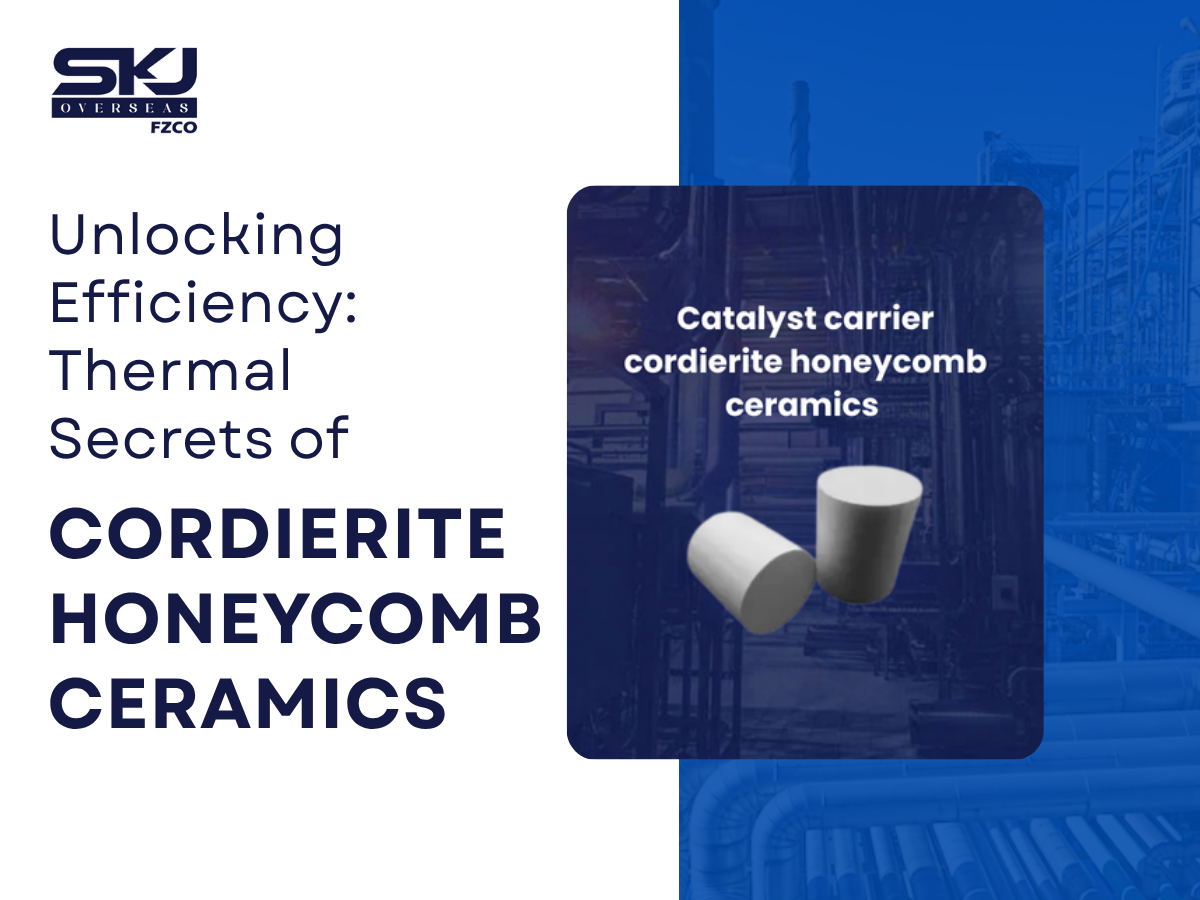
Catalyst Carrier Cordierite Honeycomb Ceramics are heat resistant substrates that hold catalyst coatings in place while gas flows through their channel structure at high temperature. They matter because a substrate that cracks or deforms under thermal stress takes the catalyst coating down with it, which is why cordierite’s low expansion rate makes it the default choice across most catalytic and thermal recovery systems. Get the substrate wrong and even the best catalyst coating underperforms.
Here’s what gives this material its thermal edge, and where it actually earns its keep in industrial systems.
What Makes Cordierite Different From Other Ceramics
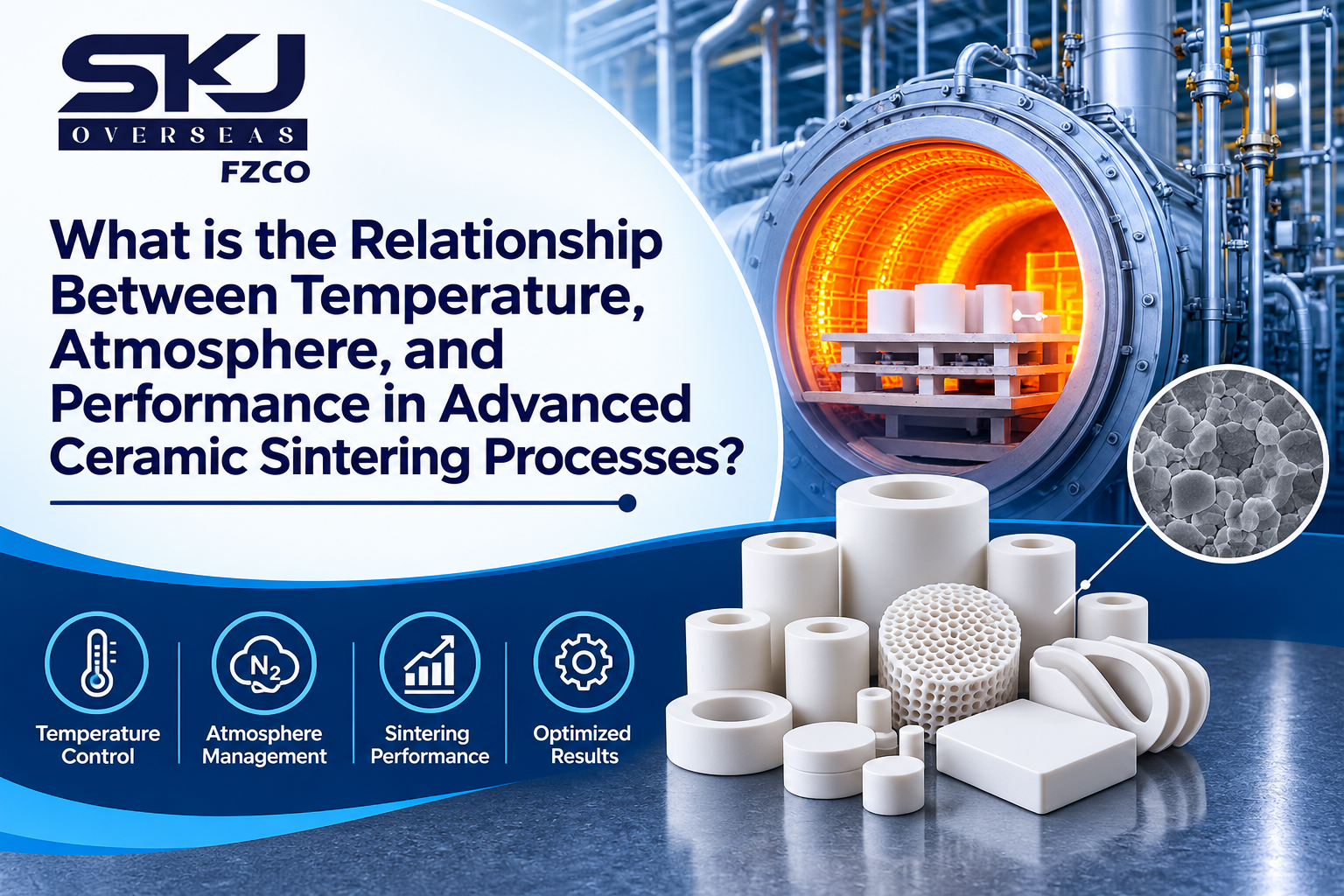
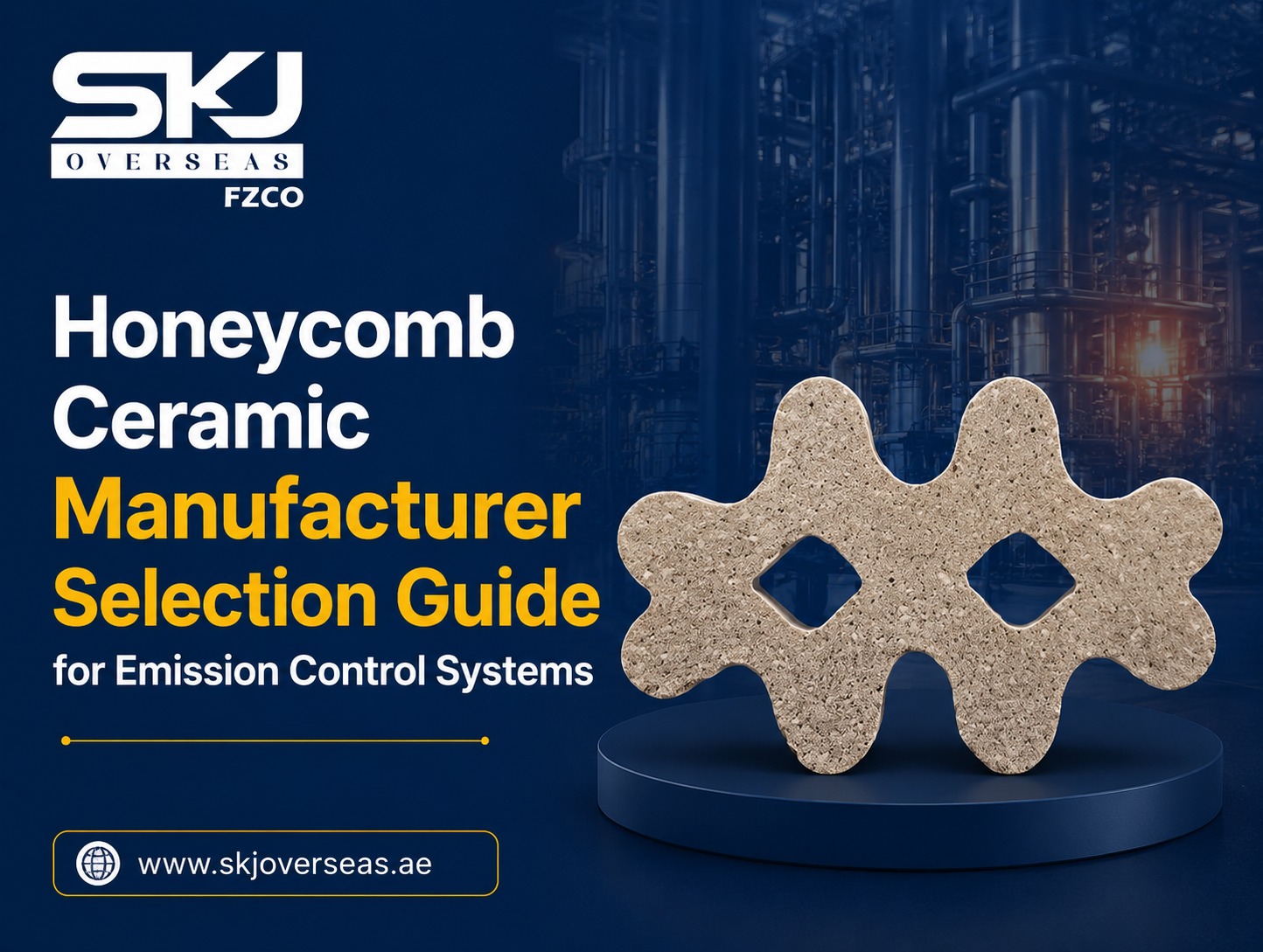
Cordierite is a magnesium aluminum silicate compound, and its value comes almost entirely from one property: thermal shock resistance. Its crystal structure absorbs stress rather than cracking when temperature changes fast, which happens constantly in catalytic and oxidation systems. The honeycomb geometry adds to this by maximizing surface area while keeping the structure lightweight.
A few numbers explain why engineers keep specifying it:
- Thermal expansion coefficient around 2 x 10⁻⁶/°C, roughly five times lower than alumina or silica ceramics
- Structural stability up to 1300°C, without melting or deforming
- Low thermal conductivity, between 1.5 and 3.0 W/mK, which helps hold consistent internal temperatures
- Low thermal mass, meaning less energy is needed to heat the structure during startup
Why Thermal Stability Actually Matters Here
None of this is academic. In real operating conditions, equipment can swing from room temperature to over 1000°C within seconds, which is exactly what happens inside catalytic converters and thermal oxidizers. A material with poor shock resistance fractures under that kind of stress within a handful of cycles.
Cordierite’s crystal structure handles it differently. It distributes thermal stress evenly across the honeycomb rather than letting it concentrate at weak points, which is the entire reason it survives years of continuous heating and cooling without failing.
Thermal Properties at a Glance
| Property | Cordierite | Typical Alternative |
| Max operating temperature | Up to 1300°C | Varies by material |
| Thermal expansion coefficient | ~2 x 10⁻⁶/°C | Up to 5x higher |
| Thermal conductivity | 1.5 to 3.0 W/mK | Often higher |
| Weight | Light | Moderate to heavy |
| Cost | Low to moderate | Higher for high temp alternatives |
How It Works as a Catalyst Carrier
The honeycomb structure isn’t just about strength. It gives catalyst coatings, typically platinum, palladium, or rhodium, a stable surface with enormous internal surface area relative to their size. That surface area is what allows the coating to convert harmful gases like carbon monoxide and nitrogen oxides into far less harmful compounds as exhaust passes through.
Three things make this conversion process work reliably:
- Uniform gas flow through evenly sized channels, preventing hot spots or dead zones
- Consistent catalyst adhesion, since the surface doesn’t expand or contract unevenly under heat
- Long service life, because the substrate itself resists chemical and thermal degradation over time
Where This Material Gets Used
Catalyst carrier cordierite honeycomb ceramics show up across a range of high temperature systems:
1. Automotive catalytic converters. Reducing carbon monoxide, hydrocarbons, and nitrogen oxide output from vehicle exhaust.
2. Regenerative thermal and catalytic oxidizers. RTO and RCO systems rely on the same substrate for pollution control in industrial air treatment.
3. Chemical and petrochemical processing. Used as catalyst supports for gas phase reactions that demand both high temperature and chemical stability.
4. Power and energy generation. Heat recovery systems that improve fuel efficiency while cutting emissions.
What to Look for in a Manufacturer
A capable Catalyst Carrier Cordierite Honeycomb Ceramics manufacturer should be able to show you more than a spec sheet. Before committing to an order, check for:
- In house kilns and forming equipment, rather than outsourced production
- Documented cell density and wall thickness options to match your gas flow
- Material test reports covering porosity, thermal shock resistance, and dimensional accuracy
- Experience customizing geometry for retrofits, not just standard sizes
Working with a proven Catalyst Carrier Cordierite Honeycomb Ceramics supplier means fewer surprises once the substrate is actually installed and running under real load, not lab conditions.
Worth Reading Next
If your application is specifically diesel exhaust filtration rather than a broader catalytic or thermal system, our guide on Cordierite DPF Honeycomb Ceramic for diesel filtration covers the automotive specific specs and cell density choices that matter most there.
Sourcing in Dubai and Beyond
Demand for Catalyst Carrier Cordierite Honeycomb Ceramics in Dubai has grown as petrochemical, power, and automotive sectors face tighter regional emission rules. Sourcing locally cuts delivery time and makes it easier to verify batch consistency before committing to a large order.
SKJ Overseas manufactures these substrates with in house testing at every production stage, so specifications hold steady whether you need a small batch or a full industrial order.
Frequently Asked Questions
1. What makes cordierite different from other ceramic substrates?
Its low thermal expansion and strong shock resistance let it survive rapid heating and cooling without cracking, which most alternatives struggle with.
2. How long does a cordierite honeycomb substrate typically last?
With proper installation and compatible operating conditions, several years of continuous service is standard, even under repeated thermal cycling.
3. Can these substrates be customized for a specific system?
Yes. A capable manufacturer can adjust cell density, wall thickness, and overall geometry to match your exact process requirements.
4. Are cordierite honeycomb ceramics suitable for hot climates like Dubai?
Yes. Their thermal stability and resistance to temperature swings make them well suited to industrial operations in the Middle East.
5. What catalyst coatings work with cordierite substrates?
Platinum, palladium, and rhodium are the most common, chosen based on the specific gases the system needs to convert.
Final Thoughts
Catalyst Carrier Cordierite Honeycomb Ceramics earn their place in high temperature systems through a straightforward combination of thermal shock resistance, dimensional stability, and low thermal mass. That combination is what keeps catalytic converters, RTOs, and process reactors running reliably for years instead of failing within months.
If you’re specifying a substrate for a new system or replacing an underperforming one, SKJ Overseas can help match cell density, material grade, and geometry to your actual operating conditions. Reach out for a quote and get a solution engineered around your process, not one size fits all parts.