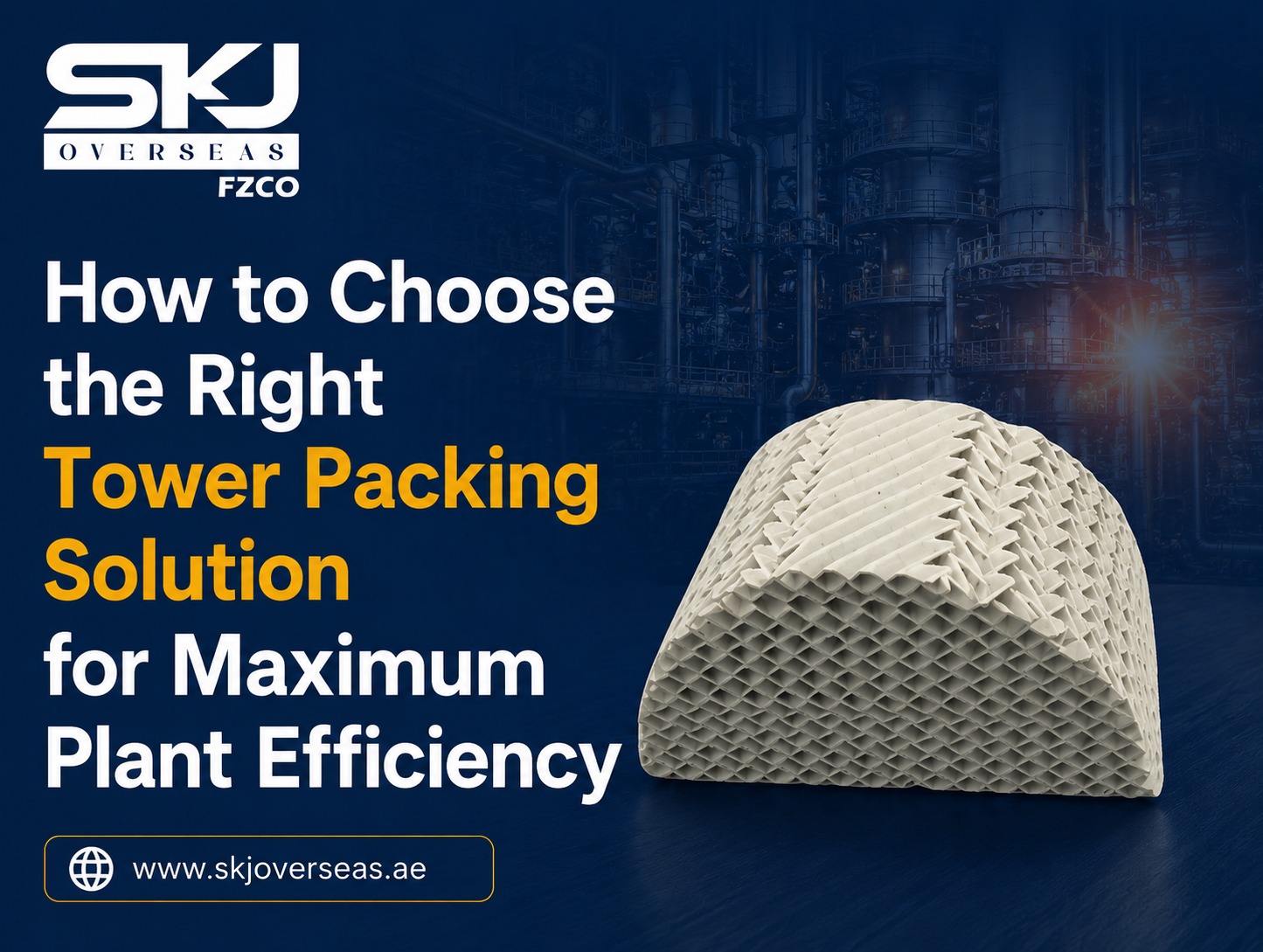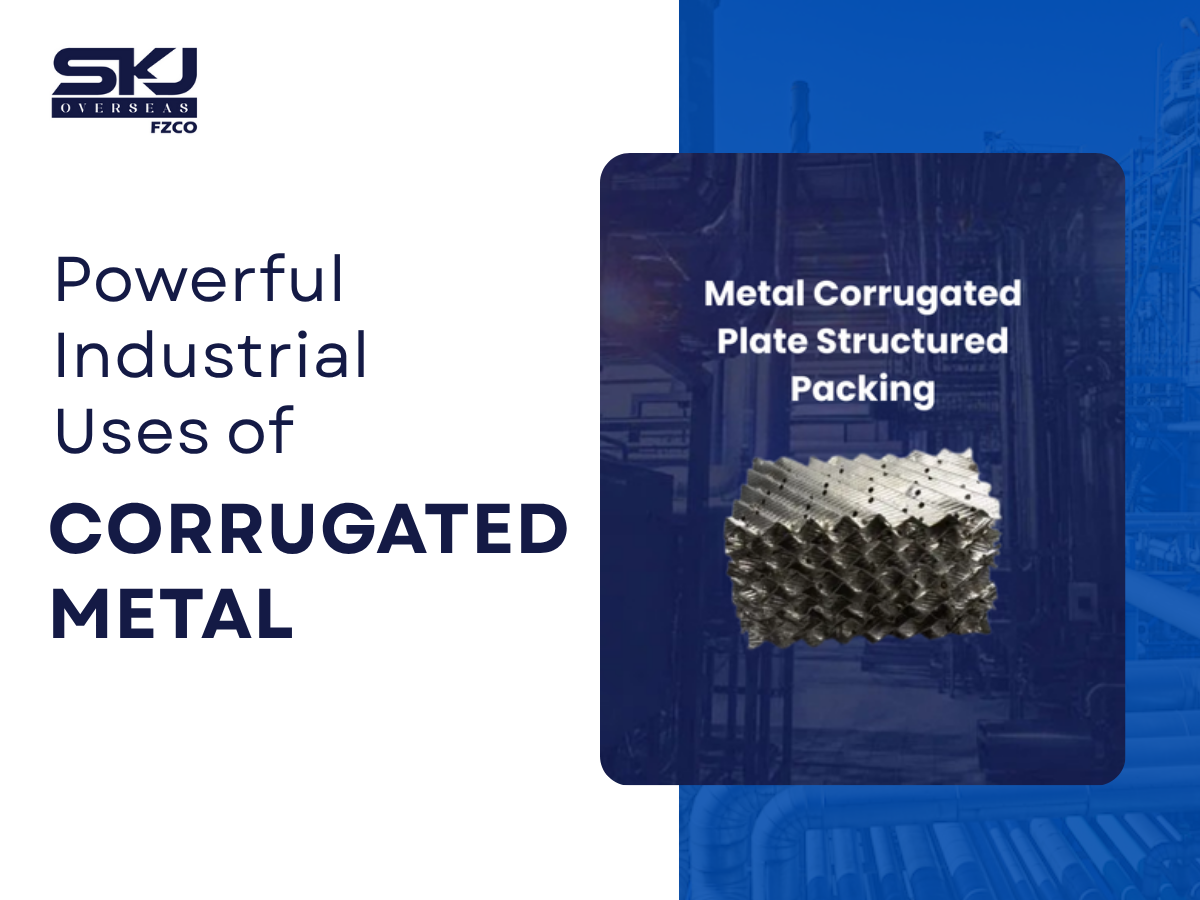
Metal Corrugated Plate Structured Packing is a distillation and absorption column internally made from thin, ridge folded metal plates arranged to maximize gas liquid contact while keeping pressure drop low. It replaces older random packing methods in towers where efficiency, compact design, and low energy consumption all matter. Plants use it because it delivers more separation in less column height, which directly cuts operating costs.
Here’s what it actually does inside a column, and how to tell a well engineered version from a mediocre one.
What Corrugated Metal Actually Is
At a basic level, corrugation means folding a flat metal sheet into a repeating wave pattern. That simple change does a lot of work. It stiffens the sheet without adding weight, increases the surface area available for contact between gas and liquid, and helps guide flow more evenly through a column.
Flat sheets can’t do any of this. Under pressure, they deform and offer almost no meaningful contact surface. Corrugation turns a passive material into an active part of the separation process.
Why This Packing Style Keeps Showing Up in Modern Plants
A handful of properties explain why engineers keep specifying it across process industries. Consider these:
- High strength to weight ratio. Critical for tall columns where structural stability can’t be compromised.
- Larger contact surface. More vapor liquid contact means better separation per meter of column height.
- Corrosion resistance. Most plates are stainless steel, titanium, or alloy blends built for harsh chemical environments.
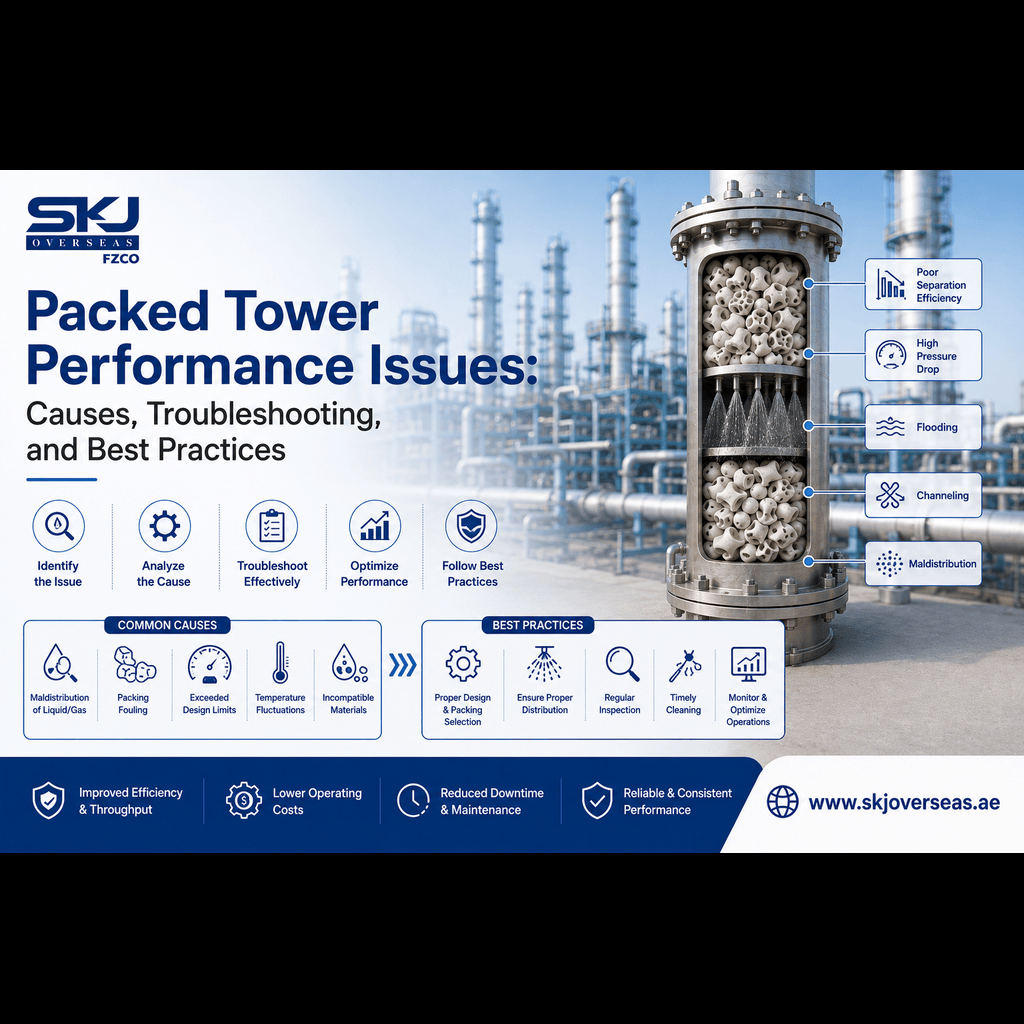
- Even flow distribution. The wave geometry prevents channeling and flooding, two common causes of tower inefficiency.
- Longer service life. Strength combined with corrosion resistance means fewer replacements over the years.
Where It Gets Used Across Industries
This packing style isn’t limited to one type of plant. It shows up in several core applications, and each one leans on a different strength of a properly engineered structured packing manufacturer’s design:
1. Distillation and absorption columns. Corrugated plates arranged in a set geometric pattern promote smooth gas liquid contact while keeping pressure drop low.
2. Heat recovery in RTO and RCO systems. Regenerative thermal and catalytic oxidizers depend on corrugated internals for efficient thermal exchange and emission control.
3. Chemical processing columns. Precise component separation relies on internals that minimize channeling and maximize contact surface.
4. Air purification systems. In scrubbers and catalytic reactors, corrugated plates let gas pass with minimal resistance while supporting catalytic reactions.
5. Desalination and wastewater treatment. Even liquid distribution across the plates improves evaporation and condensation efficiency.
Structured Packing vs Random Packing: A Quick Comparison
| Factor | Structured Packing (Corrugated Plates) | Random Packing |
| Pressure drop | Low and predictable | Higher, less consistent |
| Separation efficiency | High, due to controlled geometry | Moderate, depends on packing density |
| Column height needed | Shorter for the same separation | Taller for equivalent performance |
| Customization | Adjustable corrugation angle and texture | Limited to piece shape and size |
| Best fit | High purity or energy sensitive processes | General purpose, lower cost applications |
What to Look for in a Manufacturer
Not every supplier builds this to the same standard, and the gap between a well engineered product and a mediocre one only shows up once it’s already installed. Before placing an order, check for:
- A proven track record specifically in structured packing, not just general metal fabrication.
- Certified, tested material quality with documentation you can verify.
- Genuine customization for column size, material, and process conditions.
- Global delivery experience, since logistics matter as much as the product itself.
- Engineering support that continues past the sale, covering installation and troubleshooting.
Working with an established Metal Corrugated Plate Structured Packing manufacturer like SKJ Overseas means you get engineering input built around your exact process conditions, not a generic catalog part. That matters just as much when you’re comparing quotes, since a Metal Corrugated Plate Structured Packing supplier who understands your process end to end will flag issues a pure price comparison never catches.
Worth Reading Next
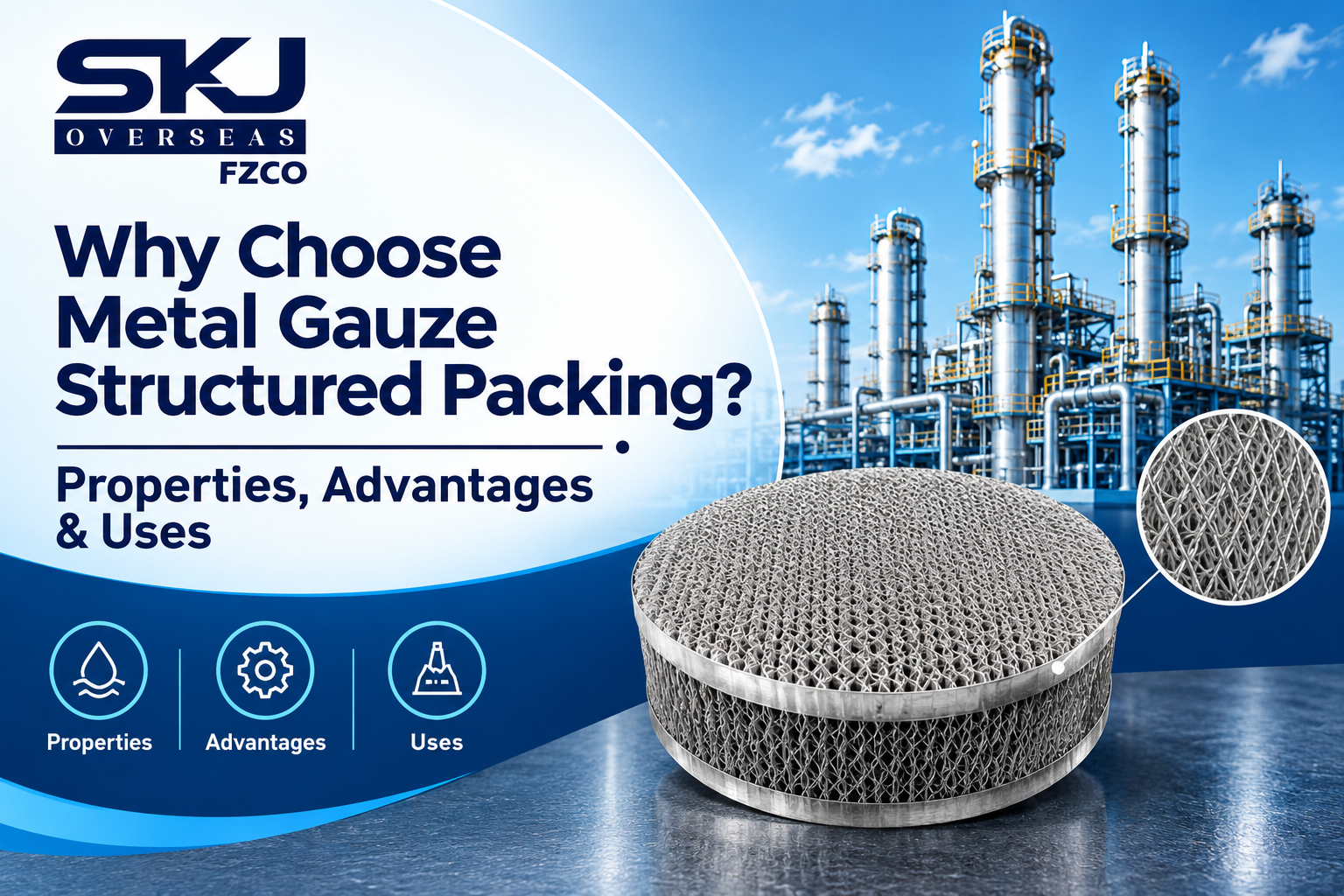
If structured packing is on your radar, it also helps to understand how a related technology compares. Our breakdown of how metal gauze structured packing improves efficiency in distillation systems covers a different packing type built for similar goals, useful context before deciding which one fits your column.
Sourcing in Dubai and the Wider Region
Demand for Metal Corrugated Plate Structured Packing in Dubai has grown steadily as petrochemical and energy sectors push for tighter efficiency and lower emissions. Local sourcing shortens lead times, simplifies technical coordination, and makes it easier to verify quality before a large order ships.
FAQs
1. What is corrugated metal used for?
It’s used to build structured packing for distillation, absorption, heat recovery, and emission control systems where efficient gas liquid contact matters most.
2. What materials are these plates typically made from?
Stainless steel, aluminum, or alloy metals, chosen for corrosion resistance and mechanical strength under continuous operation.
3. Why choose corrugated plates over flat sheets or random packing?
Flat sheets offer almost no usable surface area, and random packing is less predictable. Corrugated geometry increases both strength and contact area, which improves separation efficiency directly.
4. Can the packing be customized for a specific column?
Yes. A capable manufacturer can adjust corrugation angle, surface texture, and material to match your exact process requirements.
5. How is structured packing different from random packing?
Random packing relies on loosely stacked pieces, while structured packing uses a fixed geometric arrangement, which typically means lower pressure drop and higher efficiency.
Final Thoughts
Corrugated metal isn’t just a manufacturing detail, it’s the engineering behind some of the most efficient separation and heat recovery systems running today. From distillation columns to emission control units, its mix of strength, surface area, and flow control is hard to replace with anything simpler.
Getting the specification right matters just as much as the material itself, and that’s where the right partner makes the difference. If you’re evaluating Metal Corrugated Plate Structured Packing for an upcoming project, SKJ Overseas can walk you through the options and recommend a configuration suited to your process. Reach out for a quote and get a solution built around your actual operating conditions, not one size fits all parts.