Choosing the right tower internals can make or break the efficiency of a sulphuric acid plant, and this decision usually comes down to one question: Ceramic Structured Packing vs Ceramic Random Packing, which one actually performs better in an absorption column handling concentrated acid? Both packing types resist the corrosive, high-temperature conditions found in acid absorption towers, but they differ significantly in efficiency, cost, and installation complexity.
As an experienced Ceramic Manufacturers in Dubai and a specialized Ceramic and Tower Packing Exporter in Dubai, SKJ Overseas supplies both packing types to sulphuric acid producers across the region. This guide breaks down how each option performs and helps you decide which one fits your plant’s specific operating conditions.
Why Packing Choice Matters in Sulphuric Acid Production
Sulphuric acid production relies on an absorption tower to capture sulfur trioxide gas into a stream of dilute sulphuric acid flowing counter-current through the column. The packing material inside this tower determines how efficiently gas and liquid make contact, which directly affects absorption efficiency, energy consumption, and plant throughput.
Because concentrated sulphuric acid destroys most metals and many plastics over time, ceramic remains one of the few materials that reliably survives years of continuous exposure in this application. Ceramic resists nearly all acids and alkalis at high temperature, with hydrofluoric acid as the only significant exception, which is why both structured and random ceramic packing options remain standard choices for this industry.
What Is Ceramic Structured Packing?
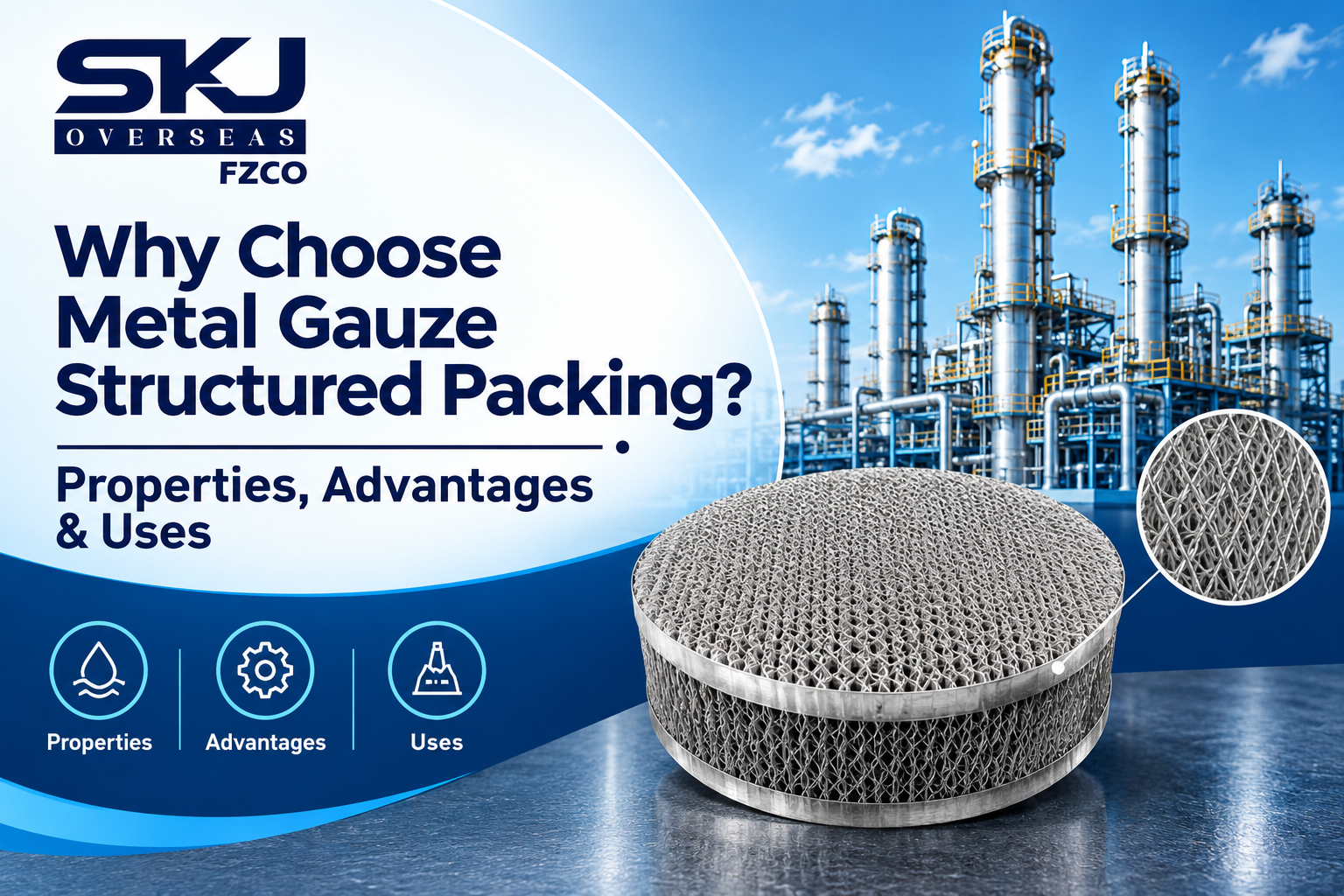
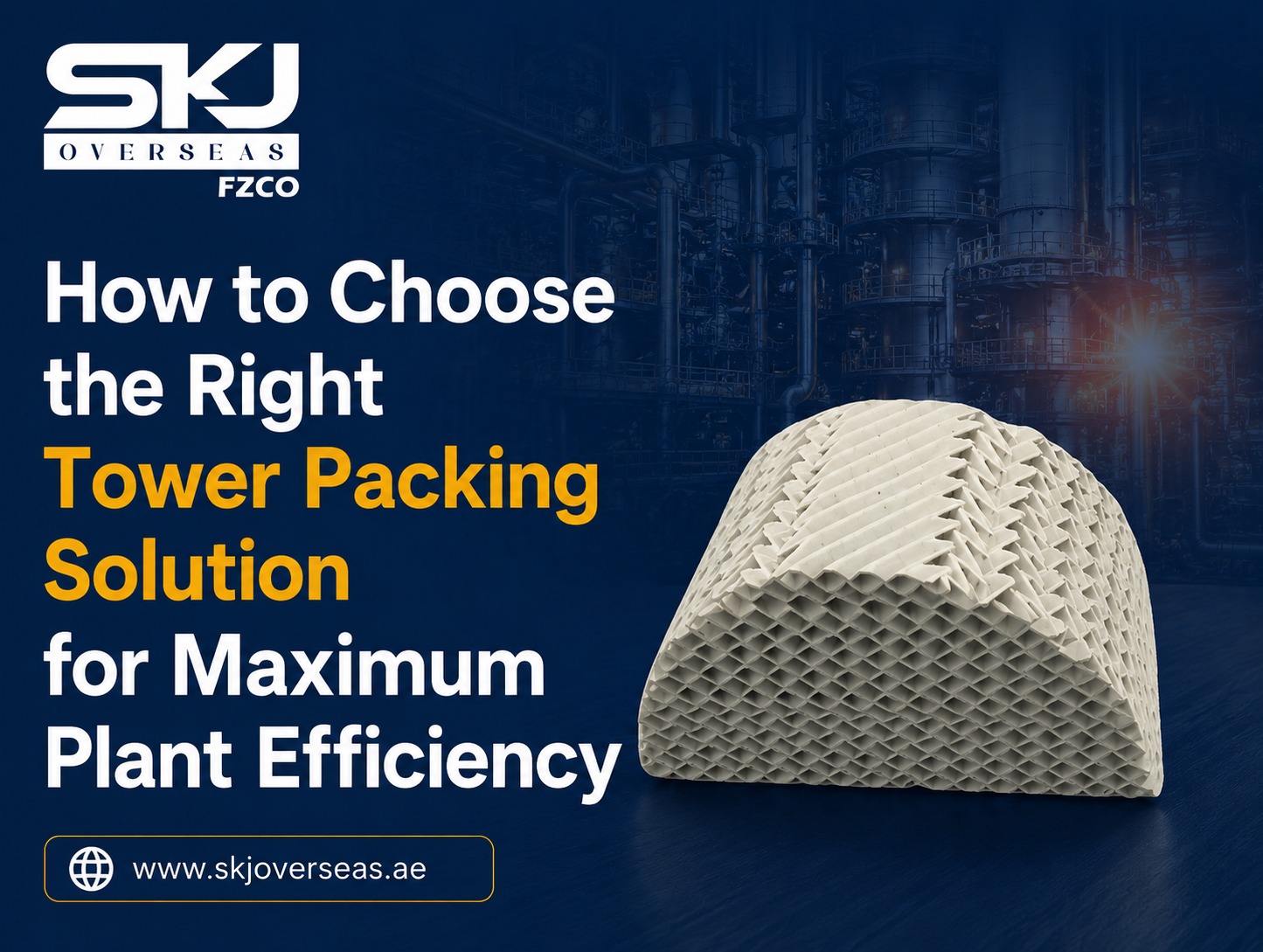
Ceramic Structured Packing consists of corrugated ceramic sheets or units arranged in a precise, repeating geometric pattern rather than being dumped randomly into the column. This engineered arrangement creates a fixed, predictable flow path for both gas and liquid moving through the tower.
Key advantages of Ceramic Structured Packing include:
- Higher specific surface area than random packing of similar volume
- Even liquid distribution across the entire column cross-section
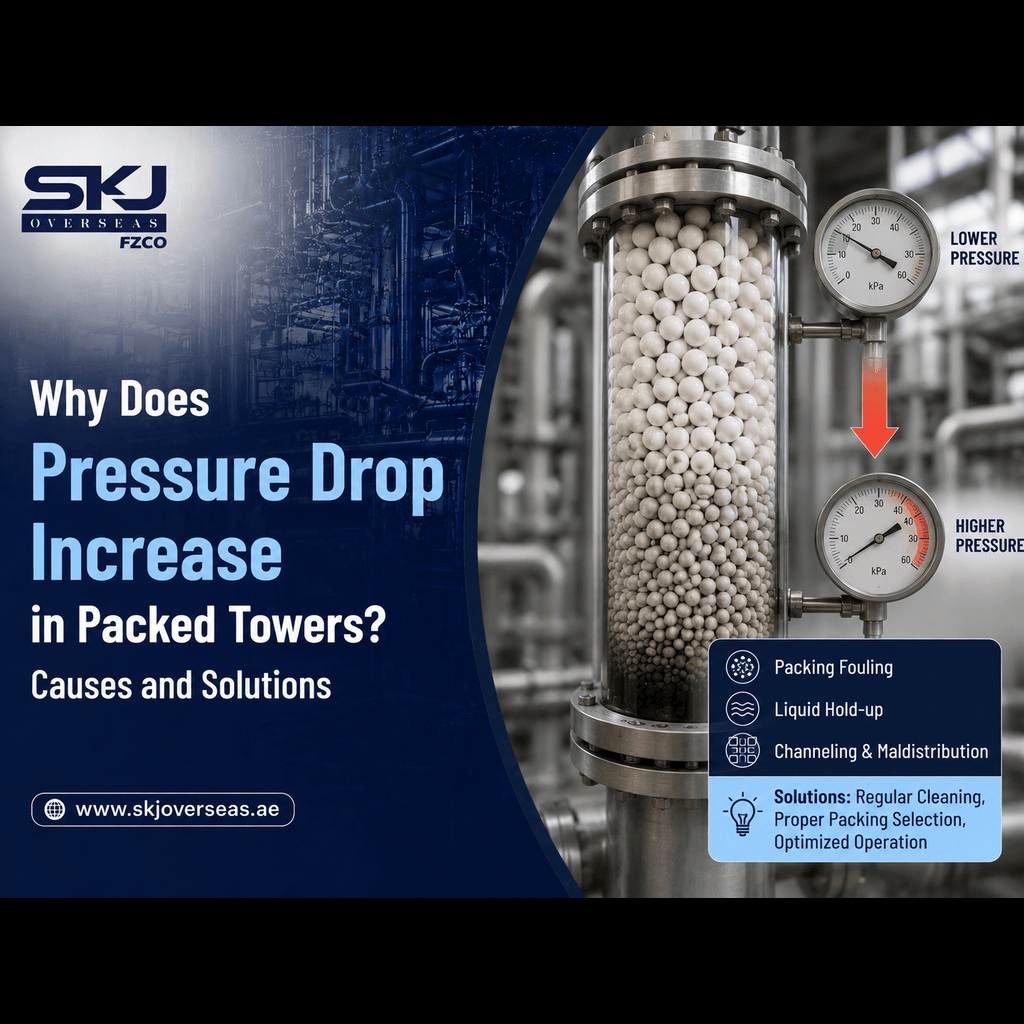
- Lower pressure drop, often 20% to 40% less than comparable random packing
- Reduced liquid holdup, which can lower residence time by 30% to 50%
- Strong resistance to fouling, coking, and polymerization due to fast liquid film movement
Key limitations include:
- Higher upfront material and fabrication cost
- More complex installation requiring precise alignment inside the column
- Less forgiving of uneven column geometry or poor initial liquid distribution
- Typically more difficult and costly to replace during a shutdown
What Is Ceramic Random Packing?
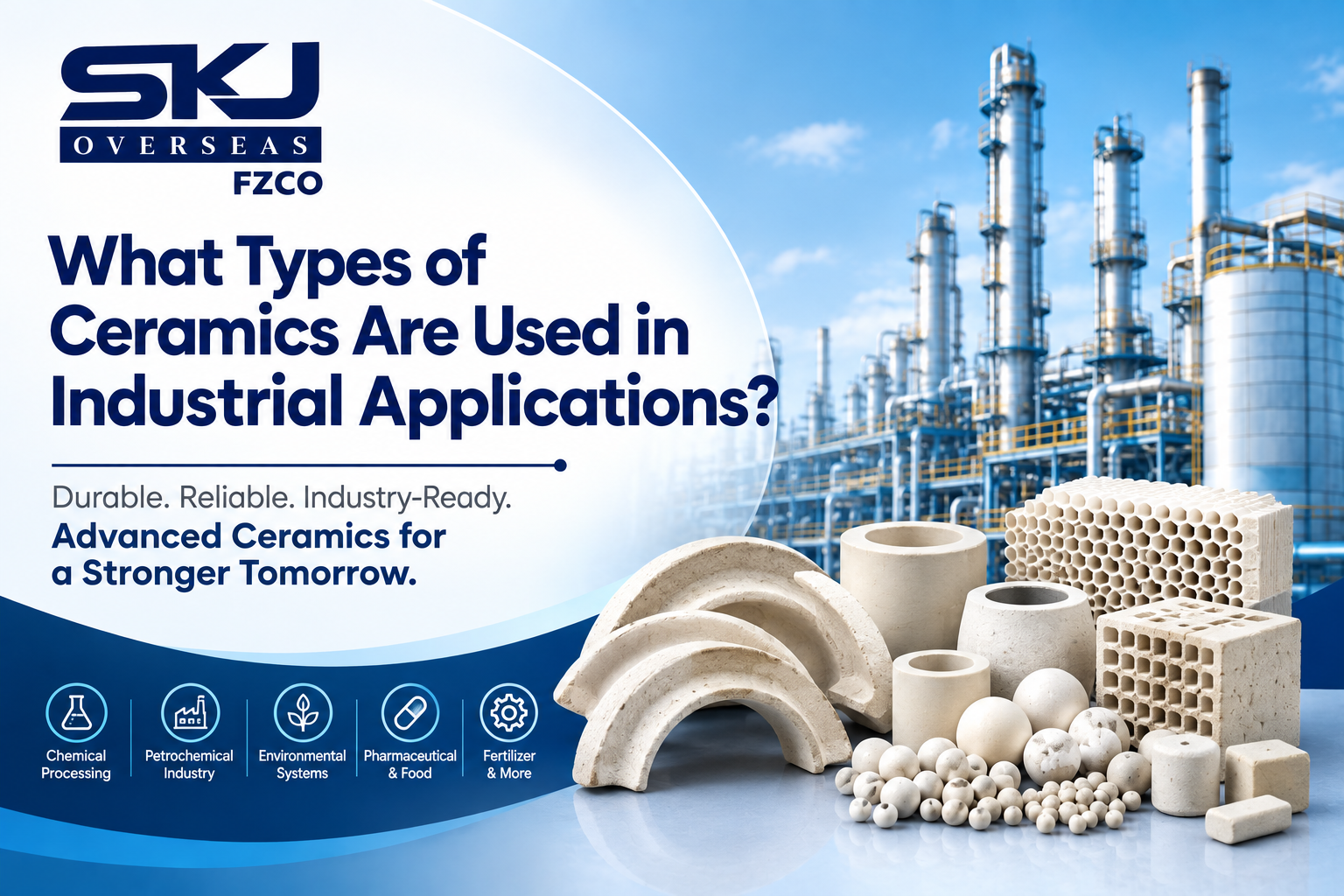
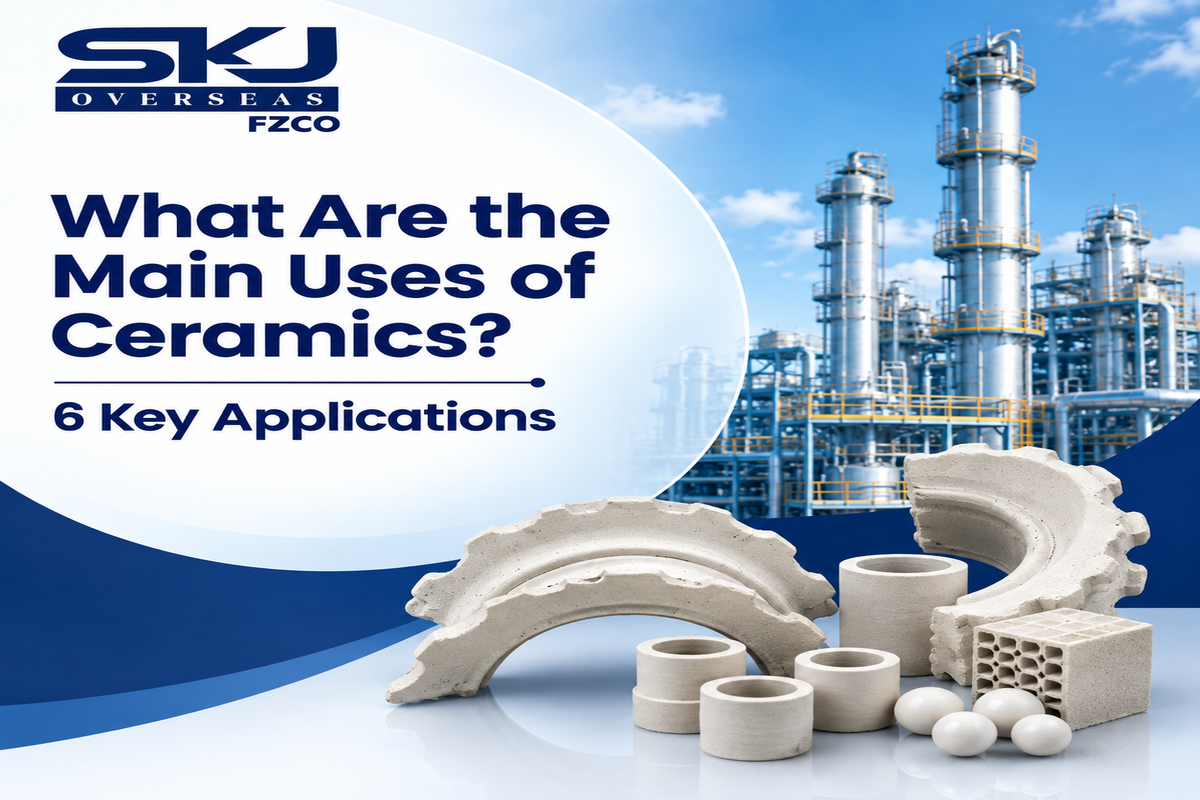
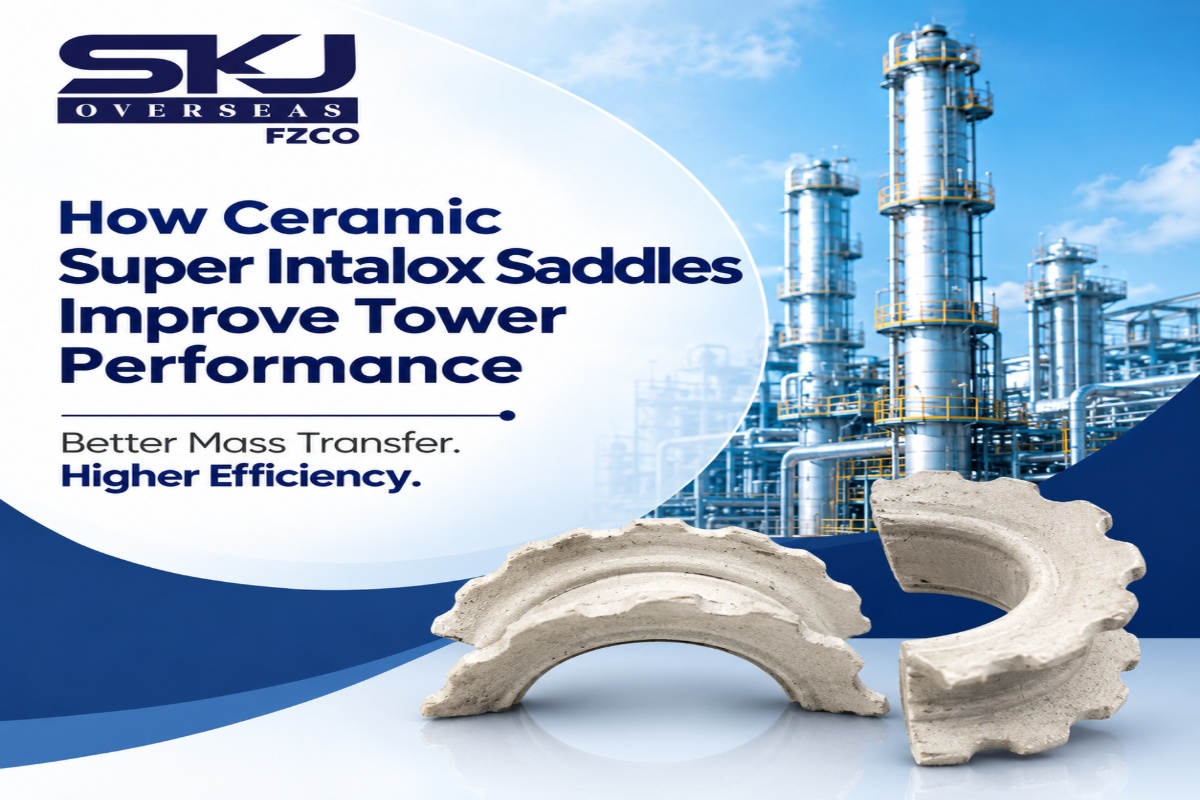
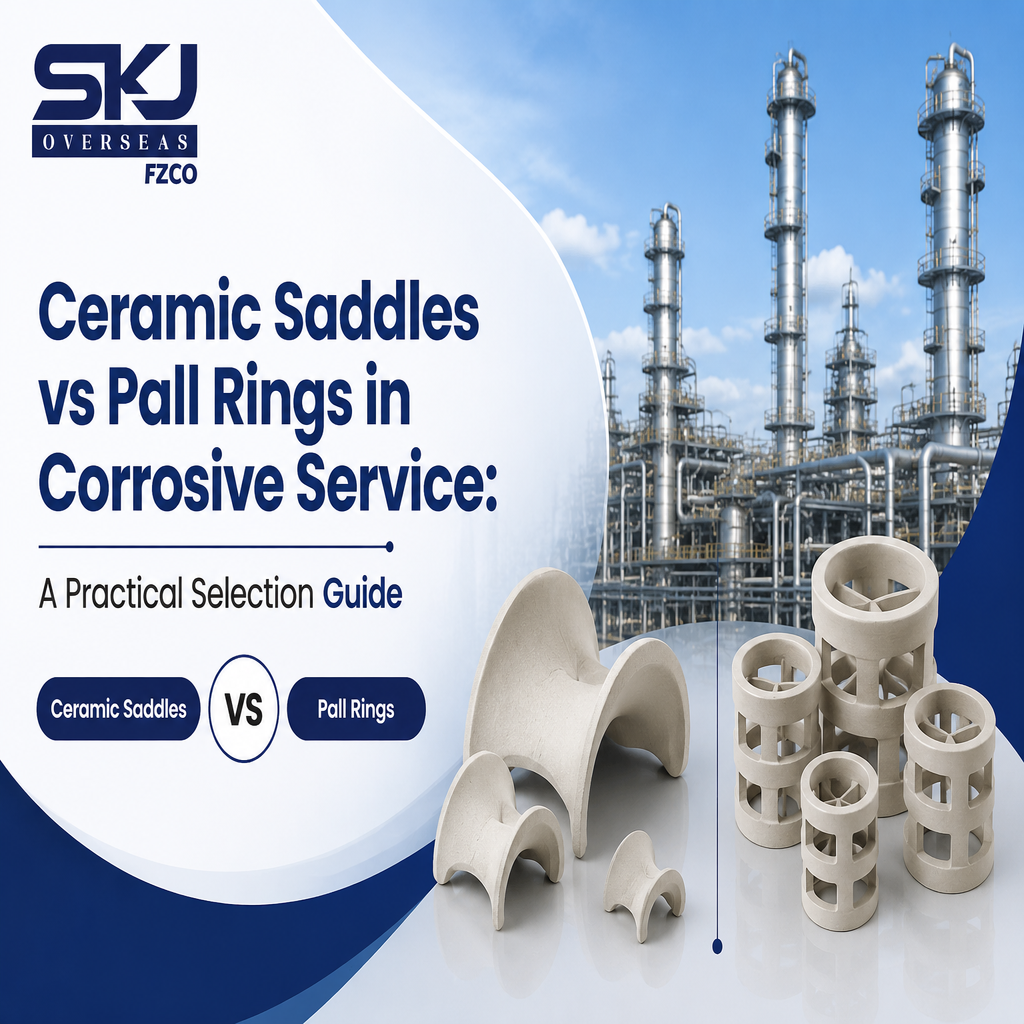
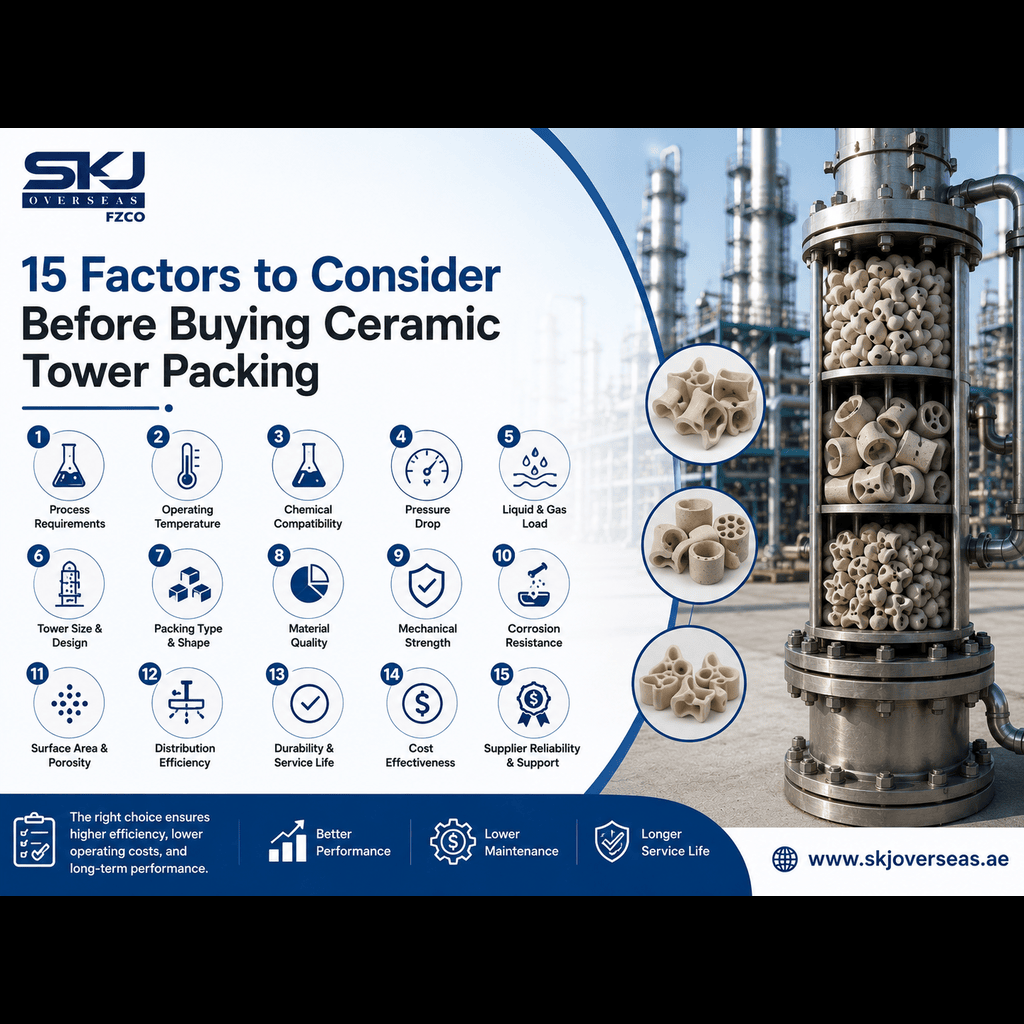
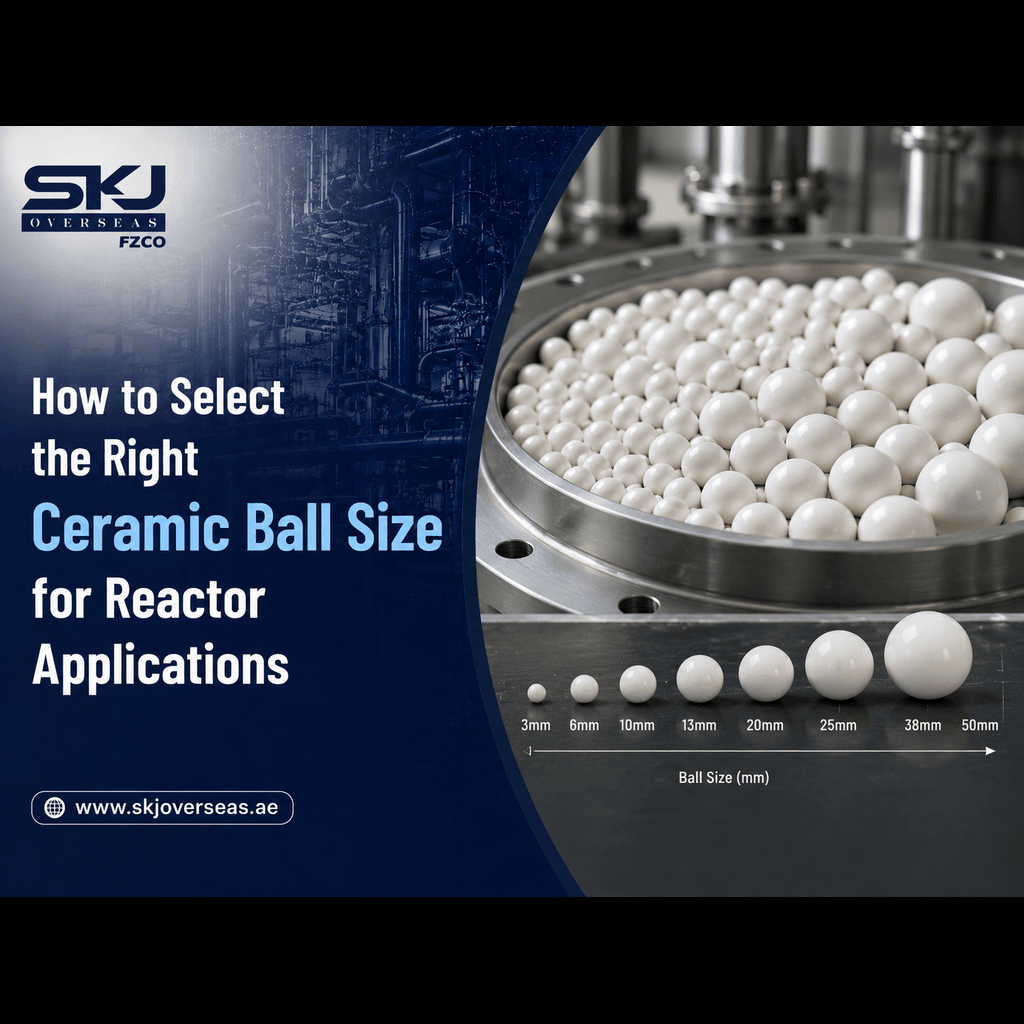
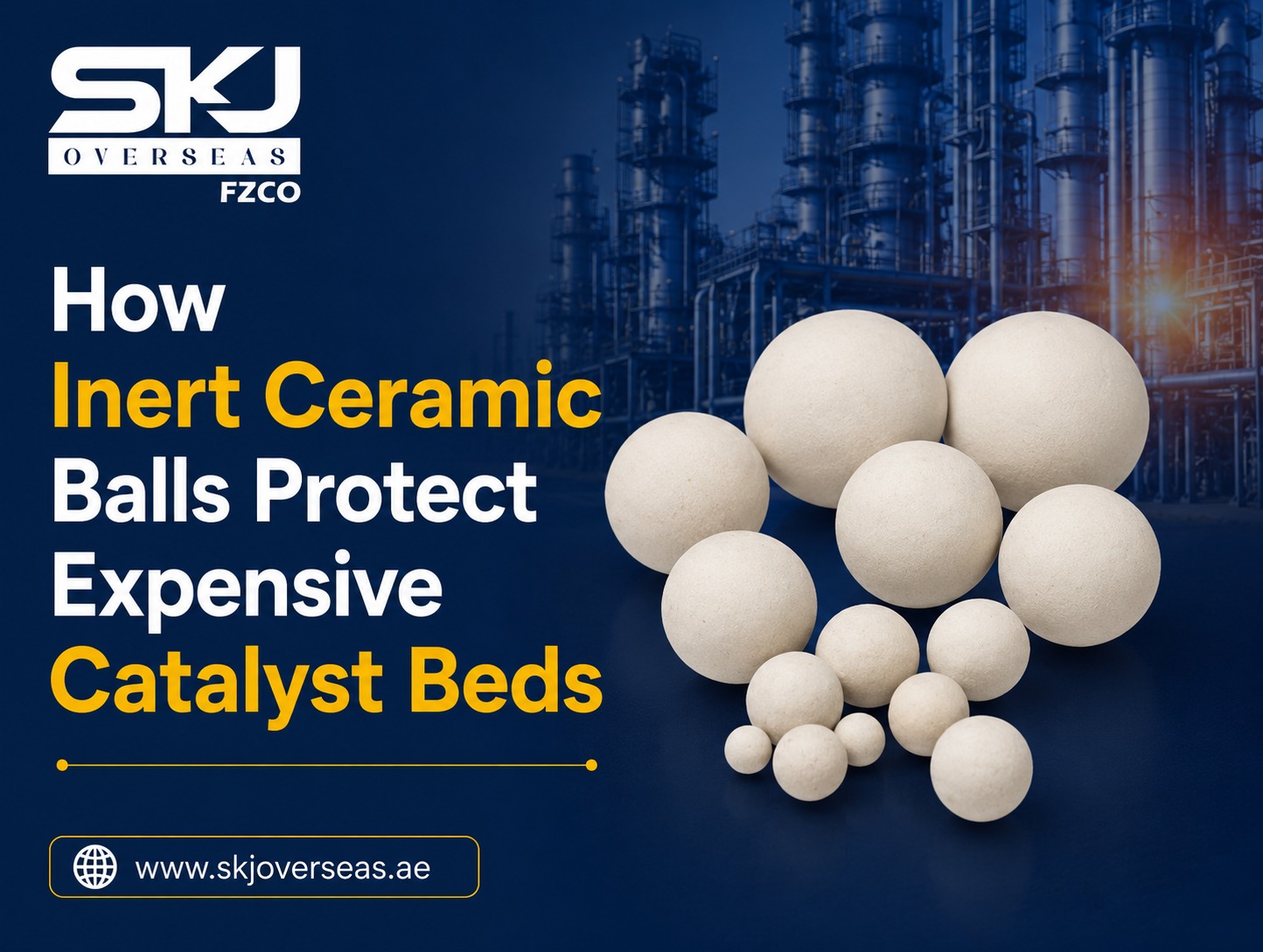
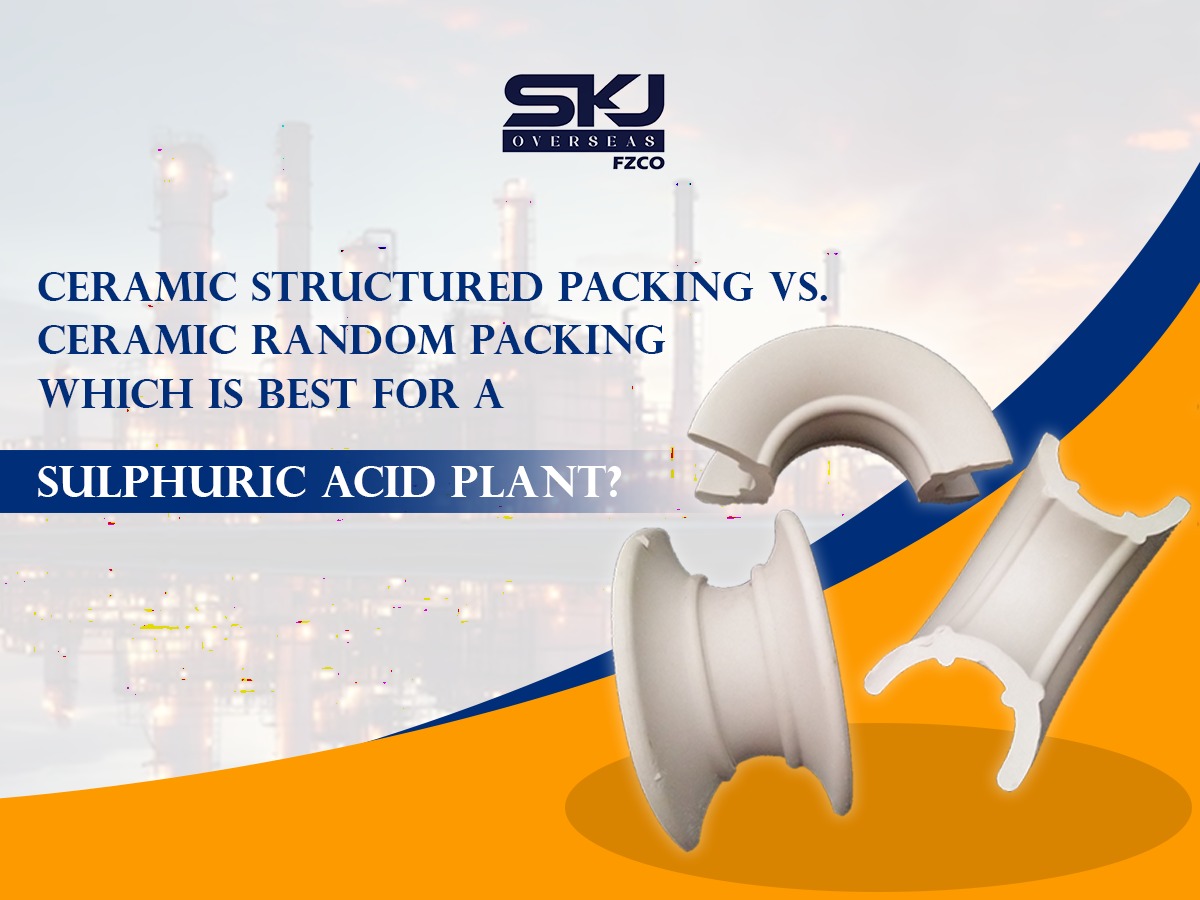
Ceramic Random Packing includes shapes such as saddles, rings, and partitioned rings that are simply poured into the column and allowed to settle naturally. Despite the simpler installation method, modern random packing shapes are carefully engineered to maximize surface area while minimizing pressure drop.
A Ceramic Saddles Manufacturer typically produces curved, no-nest packing shapes that avoid the flow restriction problems common in older ring-only designs. Ring-type packing remains widely used as well, and a ceramic ring partitioned Manufacturer focuses on internal wall geometry that improves flow distribution within a divided column section.
Key advantages of Ceramic Random Packing include:
- Lower upfront material and installation cost
- Simple, fast installation compared to structured alternatives
- More forgiving of imperfect liquid distribution or column irregularities
- Easier and less costly to replace or top up during maintenance
- Wide availability across many size and shape options
Key limitations include:
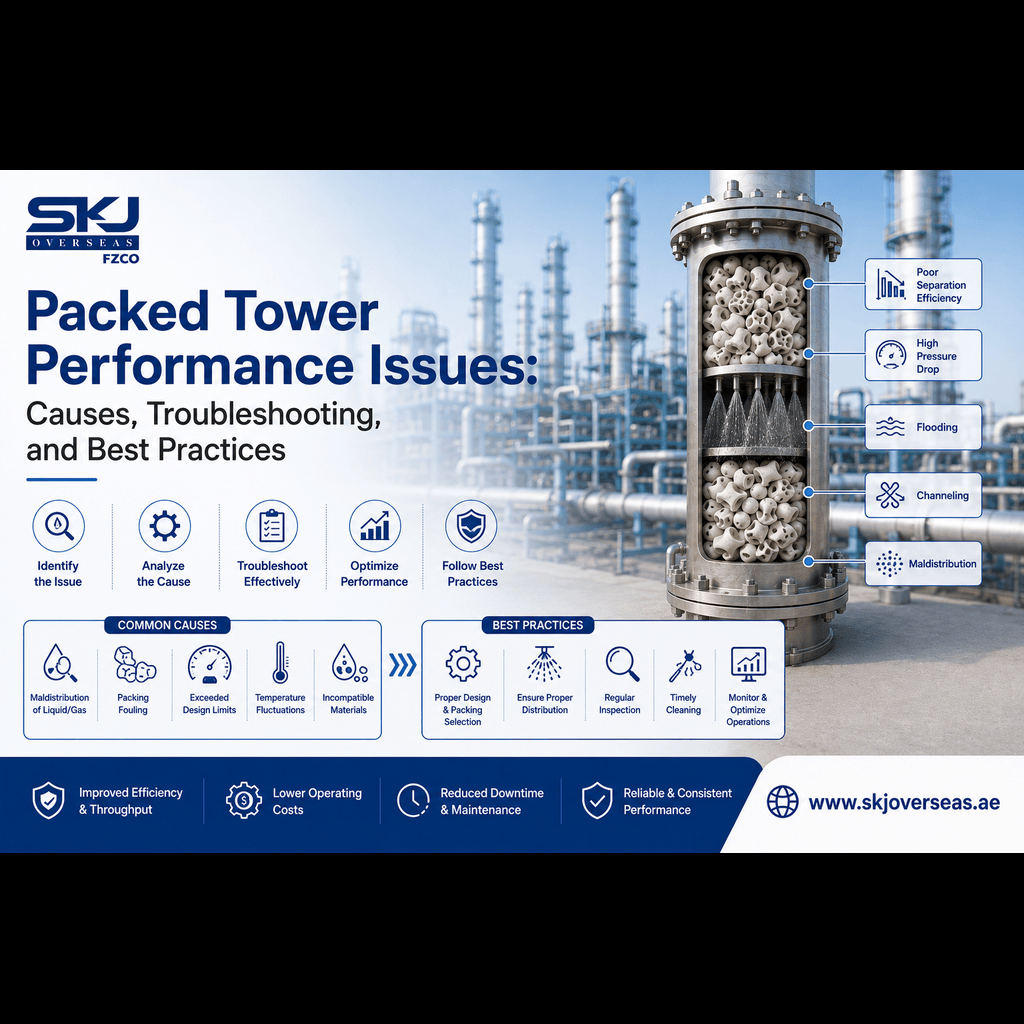
- Higher pressure drop compared to structured packing of similar duty
- Slightly less surface area efficiency per unit volume
- More prone to channeling if liquid distributors are poorly maintained
Ceramic Structured Packing vs Ceramic Random Packing: Direct Comparison
| Feature | Ceramic Structured Packing | Ceramic Random Packing |
| Surface area efficiency | Higher | Moderate to high |
| Pressure drop | Lower | Higher |
| Installation cost | Higher | Lower |
| Installation complexity | High, precise alignment needed | Low, simple dumping method |
| Liquid distribution sensitivity | High | Moderate |
| Replacement cost during shutdown | Higher | Lower |
| Best suited tower size | Large-diameter, high-capacity towers | Small to mid-size towers |
Which Packing Type Fits Your Sulphuric Acid Plant?
When Ceramic Structured Packing Makes Sense
Large-capacity sulphuric acid plants, or facilities undergoing a capacity expansion without increasing tower diameter, often benefit most from Ceramic Structured Packing. Its lower pressure drop and higher efficiency per unit volume allow more throughput within the same physical column, which matters when plant footprint or vessel size is fixed.
Plants prioritizing energy savings also lean toward structured packing, since the reduced pressure drop translates directly into lower blower and compressor energy costs over years of continuous operation. This option works best when the plant has skilled installation resources and can invest in precise liquid distributor alignment.
When Ceramic Random Packing Makes Sense
Smaller or mid-size sulphuric acid plants, and facilities working with tighter capital budgets, generally find Ceramic Random Packing to be the more practical choice. Products from a Ceramic Super Intalox Saddle Manufacturer deliver strong absorption performance at a lower installed cost, making them attractive for standard-duty towers that do not require maximum theoretical efficiency.
Random packing also suits plants that value operational flexibility and simpler maintenance planning. Because random packing does not require the precise alignment that structured packing demands, replacement during a shutdown is typically faster and less labor-intensive.
Can Plastic Packing Play a Role Alongside Ceramic Options?
In sections of a sulphuric acid plant where temperatures are lower and corrosion exposure is less severe, some engineers introduce plastic packing components to reduce cost without compromising performance. A PP Pall Ring Manufacturer supplies polypropylene ring packing suited to washing sections, dilute acid handling, or auxiliary towers operating below the temperature limits where plastic remains stable. This hybrid approach lets plants reserve ceramic packing for the harshest, highest-temperature zones while managing overall material costs.
Why Sourcing Quality Ceramic Packing Matters
Regardless of which packing type you choose, material quality determines whether the packing performs to its rated specification in real operating conditions. Inconsistent firing, wall thickness variation, or poor raw material purity can all shorten packing life and reduce absorption efficiency well below expected values.
SKJ Overseas manufactures and tests both structured and random ceramic packing options against verified acid resistance, mechanical strength, and dimensional accuracy standards before dispatch, giving plant engineers confidence that lab-tested performance will hold up inside the tower.
Key Takeaways
- Ceramic Structured Packing offers higher efficiency and lower pressure drop but comes with higher cost and installation complexity.
- Ceramic Random Packing offers lower cost and simpler installation, making it practical for standard-duty towers.
- Large-capacity plants prioritizing energy savings often benefit most from structured packing.
- Cost-conscious or mid-size plants generally find random packing delivers strong value and easier maintenance.
- Plastic packing can supplement ceramic in lower-temperature plant sections to manage overall material costs.
Frequently Asked Questions
1. Which packing type has lower pressure drop, structured or random?
Ceramic Structured Packing generally has a lower pressure drop, often 20% to 40% less than random packing of comparable duty, due to its uniform, engineered flow channels.
2. Is Ceramic Random Packing durable enough for sulphuric acid service?
Yes. Ceramic random packing, including saddles and rings, resists nearly all acids and high temperatures, making it a proven and widely used option in sulphuric acid absorption towers worldwide.
3. Why is structured packing more expensive to install?
Structured packing requires precise alignment of corrugated sheets within the column to achieve its rated performance, which demands more skilled labor and installation time compared to simply pouring random packing into the tower.
4. Can a plant switch from random to structured packing later?
Yes, but it typically requires a full tower shutdown, removal of existing internals, and careful installation of new structured elements, making it a costly and time-consuming upgrade compared to planning correctly during initial design.
5. Does packing type affect long-term maintenance costs?
Yes. Random packing is generally faster and cheaper to top up or replace during scheduled maintenance, while structured packing replacement usually costs more due to the precision required during reinstallation.
Talk to SKJ Overseas About Your Sulphuric Acid Plant Packing
Whether your plant needs Ceramic Structured Packing, Ceramic Random Packing, or a combination of both, SKJ Overseas can help you select the right option for your tower design and operating conditions. Our team supplies quality-tested packing engineered for long-term performance in demanding acid absorption environments. Contact us to discuss your requirements and find the right ceramic packing solution for your application.