Architects and builders looking for materials that combine strength, low weight, and thermal performance increasingly turn to one engineered ceramic solution. A Ceramic Structured Honeycomb in Construction is a fired ceramic material built around a repeating hexagonal or rectangular cell pattern, designed to deliver structural strength without the bulk and weight of solid masonry. This open-cell geometry gives the material a rare combination of properties that few conventional building products can match in a single component.
SKJ Overseas manufactures ceramic honeycomb products as a dedicated Ceramic Manufacturers in Dubai, and supplies them through its role as a specialized Ceramic and Tower Packing Exporter in Dubai serving both industrial and construction clients across the region. This guide explains what ceramic structured honeycomb actually is, how it performs in building applications, and how to evaluate it for your next project.
What Is Ceramic Structured Honeycomb?
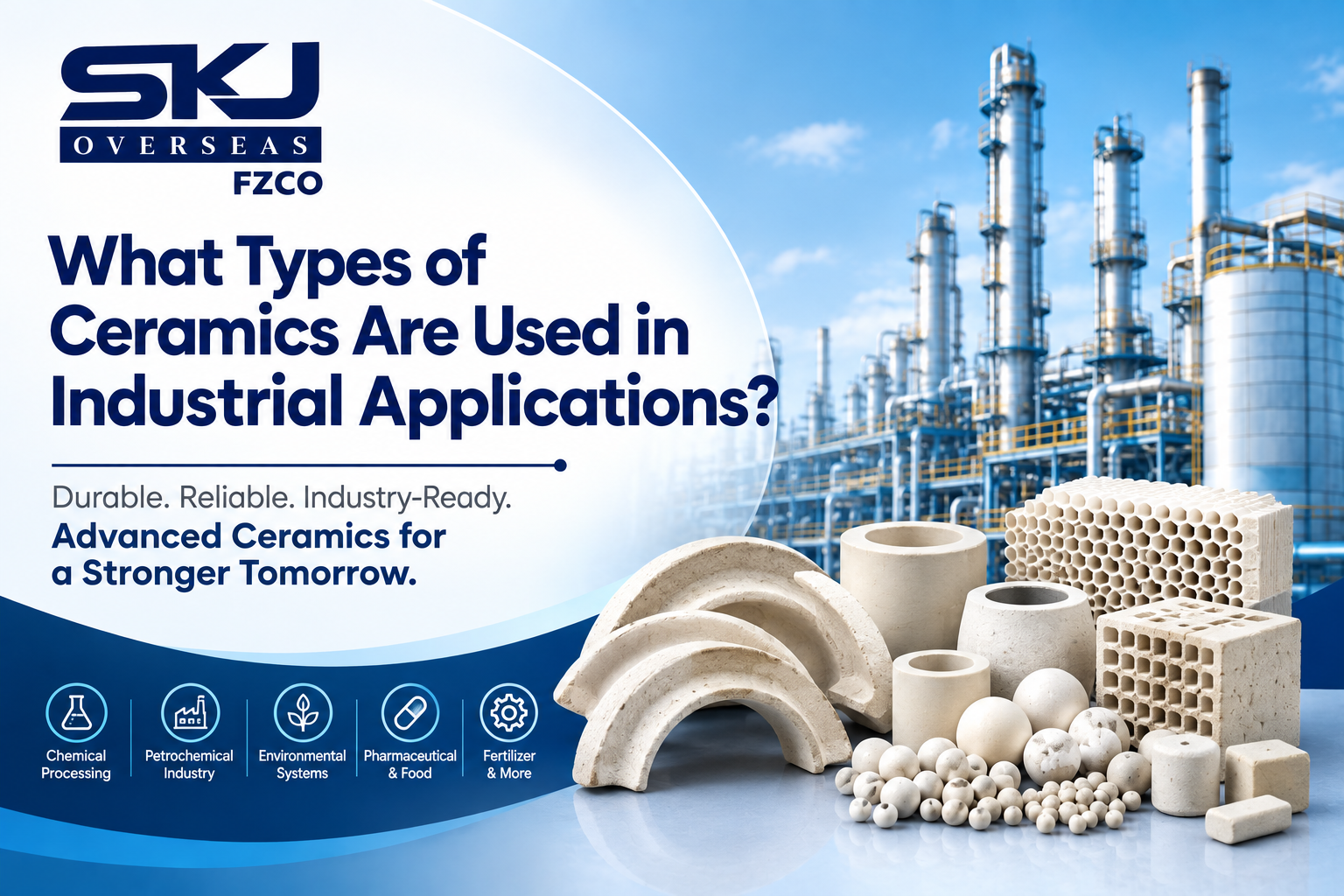
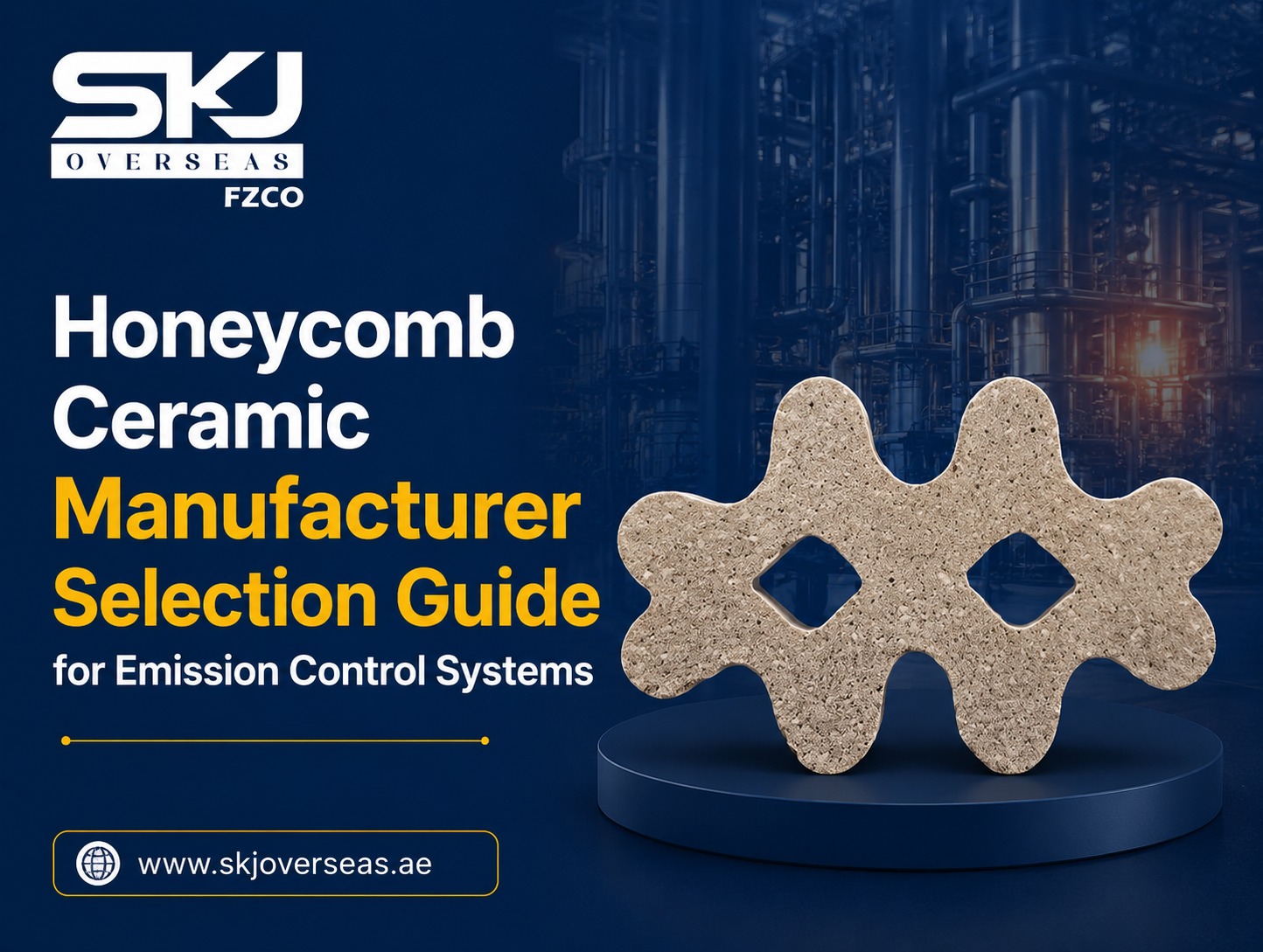
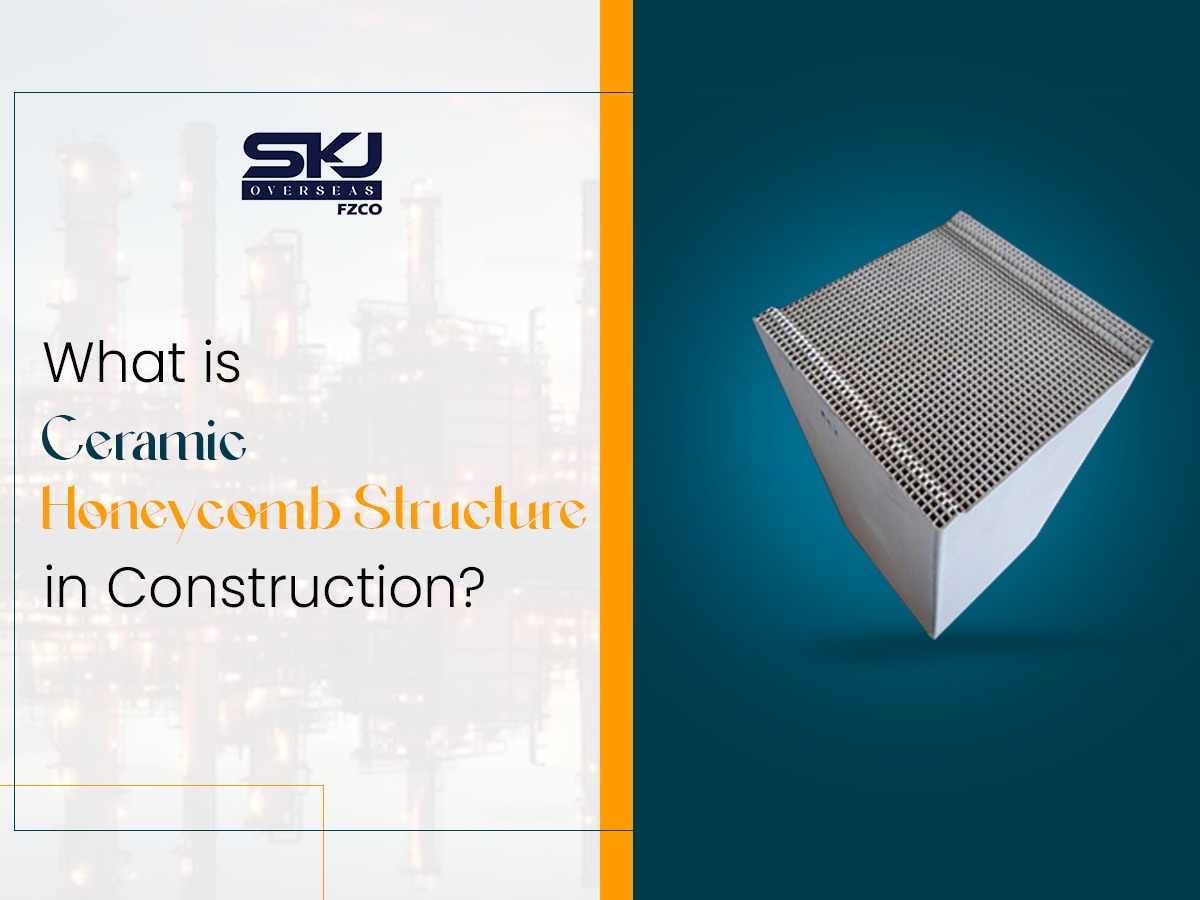
Ceramic structured honeycomb is a fired ceramic material formed into a repeating grid of small cells, most commonly hexagonal, running through a block or panel. This cellular structure is the same basic engineering principle used in honeycomb materials across aerospace and automotive industries, applied here using ceramic raw materials suited to construction and industrial service.
The open-cell design dramatically reduces the material’s overall weight compared to a solid ceramic block of the same outer dimensions, while the repeating cell walls still carry meaningful structural load. This combination of light weight and strength is the core property that makes ceramic honeycomb attractive wherever a building project needs both performance and reduced structural weight.
Typical properties of ceramic structured honeycomb include:
- Hexagonal or rectangular cell geometry running through the material
- High strength-to-weight ratio compared to solid ceramic or masonry blocks
- Strong thermal stability, tolerating significant temperature fluctuation
- Open cell structure that supports airflow and ventilation
- Resistance to corrosion, moisture, and chemical attack
How Ceramic Structured Honeycomb Performs in Construction
Lightweight Strength Reduces Structural Load
Because the honeycomb geometry removes material from the center of each cell while keeping the surrounding walls intact, the finished product carries significant load while weighing far less than an equivalent solid block. This matters directly in construction, where lighter facade and partition materials reduce the structural demand on a building’s frame and foundation.
Thermal Stability Supports Energy Efficiency
The same cellular structure that reduces weight also creates natural air pockets within the material, which limits heat transfer through the wall or panel. This thermal insulation effect helps reduce a building’s heating and cooling energy demand, an increasingly important factor as construction projects face tighter energy efficiency requirements.
Open-Cell Design Improves Airflow and Moisture Control
The honeycomb’s open cell structure allows air to pass through or around the material more effectively than a solid surface would, supporting natural ventilation in facade and partition applications. Better airflow also reduces moisture buildup within the wall assembly, which lowers the risk of mold and material degradation over the building’s service life.
Fired Ceramic Construction Resists Corrosion and Weathering
Ceramic structured honeycomb shares the same chemical stability found in other fired ceramic building products, resisting corrosion, moisture damage, and chemical attack far better than many synthetic alternatives. This durability translates into lower maintenance requirements and a longer service life once installed on a building exterior or interior partition.
Common Construction Applications of Ceramic Structured Honeycomb
Ceramic structured honeycomb appears across several distinct building applications, each taking advantage of a different combination of its properties.
- Building facades and exterior cladding: provides insulation and a distinctive textured appearance while reducing structural weight
- Fire-resistant partitions: fired ceramic construction offers strong resistance to fire exposure in internal wall applications
- Ventilation grids and screens: the open-cell structure supports airflow in both residential and industrial building designs
- Acoustic and thermal buffer panels: the cellular air pockets help dampen sound transmission alongside their insulating effect
- Industrial building elements: chemical processing facilities use honeycomb panels where chemical wear resistance matters alongside structural function
Ceramic Structured Honeycomb vs Other Lightweight Building Materials
| Feature | Solid Masonry | Metal Honeycomb Panels | Ceramic Structured Honeycomb |
| Weight | Heaviest | Light | Light |
| Corrosion resistance | Good | Prone to corrosion in humid or coastal climates | Excellent |
| Thermal insulation | Moderate | Lower, metal conducts heat | Strong |
| Fire resistance | Good | Varies by alloy | Strong |
| Maintenance needs | Low to moderate | Higher in harsh climates | Low |
Metal honeycomb panels can achieve similar weight savings but conduct heat more readily and face corrosion risk in humid or coastal environments, conditions common across the Gulf region. Ceramic structured honeycomb avoids both of these weaknesses while still delivering the lightweight, high-strength profile architects are looking for.
Why Sustainability Considerations Favor Ceramic Honeycomb
Ceramic structured honeycomb is produced from natural, recyclable raw materials, which supports sustainable construction goals increasingly required on commercial and institutional projects. Its strong thermal insulation performance also reduces a building’s ongoing energy consumption, extending the sustainability benefit well beyond the manufacturing stage into decades of actual building operation.
Because the material resists weathering and chemical degradation, buildings using ceramic honeycomb components also avoid the frequent replacement cycles that shorten the service life and raise the lifecycle environmental footprint of less durable materials.
How to Evaluate Ceramic Structured Honeycomb for a Project
Specifying ceramic structured honeycomb correctly requires more than a general product description. Architects and contractors should request specific technical data before finalizing a material choice.
- Confirmed compressive strength and load-bearing data for the specific cell geometry and wall thickness
- Thermal conductivity or insulation performance figures relevant to the local climate
- Fire rating documentation appropriate to the application, particularly for partition walls
- Cell density and wall thickness specifications matching the project’s structural and aesthetic requirements
A credible Ceramic Structured Honeycomb supplier should be able to provide this documentation directly, rather than relying on general marketing claims about strength and insulation without measurable figures behind them.
Why Manufacturing Quality Determines Real-World Performance
Not every ceramic honeycomb product on the market is fired to the same density, strength, and dimensional consistency standard. Variations in firing temperature and raw material purity can significantly affect the finished product’s load-bearing capacity and thermal performance, even when two products look similar on a spec sheet.
Because SKJ Overseas manufactures its ceramic honeycomb range directly rather than sourcing from third parties, every batch is produced under controlled firing conditions and tested before dispatch. This gives architects and contractors confidence that the material installed on-site will perform consistently with what was specified during design.
Sourcing Ceramic Structured Honeycomb From a Verified Manufacturer in Dubai
Working with an established Ceramic Structured Honeycomb manufactures partner based regionally gives construction teams shorter lead times and more direct technical support during project planning. This matters significantly on large commercial projects, where a sourcing delay can hold up an entire facade installation schedule.
A reliable Ceramic in Dubai source also simplifies logistics for contractors managing multiple material deliveries across a single project timeline, reducing the coordination burden compared to sourcing from an overseas supplier with longer and less predictable shipping times.
Key Takeaways
- Ceramic Structured Honeycomb in Construction combines light weight with strong structural performance through its repeating cellular geometry.
- The open-cell design supports natural ventilation, moisture control, and improved thermal insulation in building applications.
- Common uses include facades, fire-resistant partitions, ventilation screens, and acoustic buffer panels.
- Compared to metal honeycomb panels, ceramic offers better corrosion resistance, particularly in humid or coastal climates.
- Sourcing from a manufacturer with documented firing quality and technical data protects real-world building performance.
Frequently Asked Questions
1. Is ceramic structured honeycomb suitable for load-bearing walls?
Some ceramic honeycomb products are engineered for structural use, but many are designed primarily for facades, partitions, and screens. Always confirm compressive strength and load-bearing specifications with the manufacturer before using it structurally.
2. How does ceramic honeycomb compare to metal honeycomb panels?
Ceramic honeycomb generally offers better corrosion resistance and stronger thermal insulation than metal honeycomb panels, particularly in humid or coastal climates where metal is more prone to degradation over time.
3. Does ceramic structured honeycomb improve a building’s energy efficiency?
Yes. Its cellular structure creates natural air pockets that reduce heat transfer through the material, helping lower a building’s heating and cooling energy demand when used in facades or insulating panels.
4. Is ceramic structured honeycomb fire resistant?
Fired ceramic construction generally offers strong fire resistance, making honeycomb panels a common choice for fire-rated partition walls. Always request documented fire rating data specific to the product and application.
5. What should I ask a supplier before specifying ceramic honeycomb for a project?
Request compressive strength data, thermal conductivity figures, fire rating documentation, and cell density specifications. A credible manufacturer should provide measurable technical data rather than general marketing claims alone.
Talk to SKJ Overseas About Ceramic Structured Honeycomb
Specifying the right ceramic honeycomb product starts with working with a manufacturer that can back up its claims with real technical data. SKJ Overseas manufactures ceramic structured honeycomb engineered for consistent strength, thermal performance, and durability across construction and industrial applications.
Contact us to request a quote, a technical datasheet, or a consultation for your construction project.