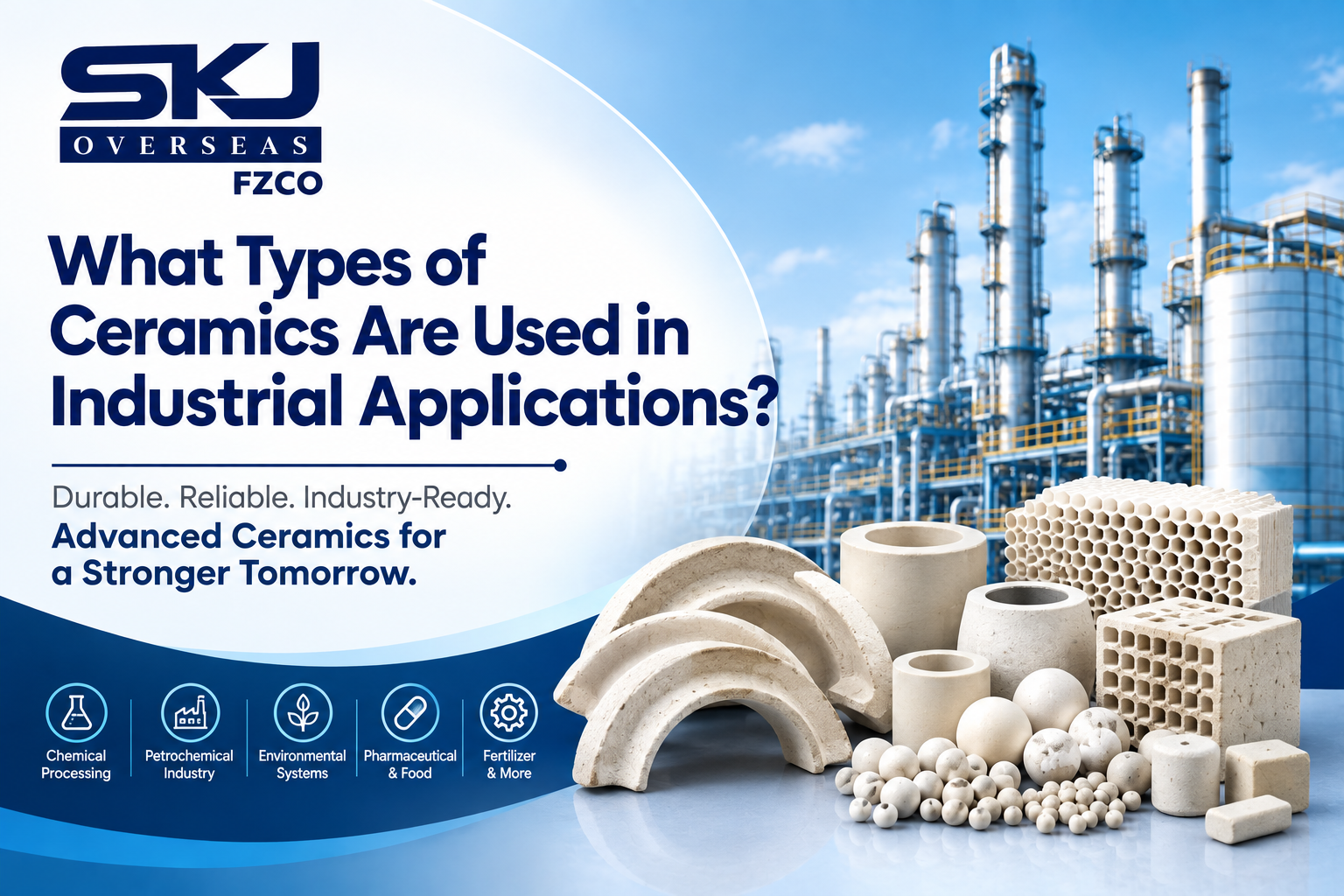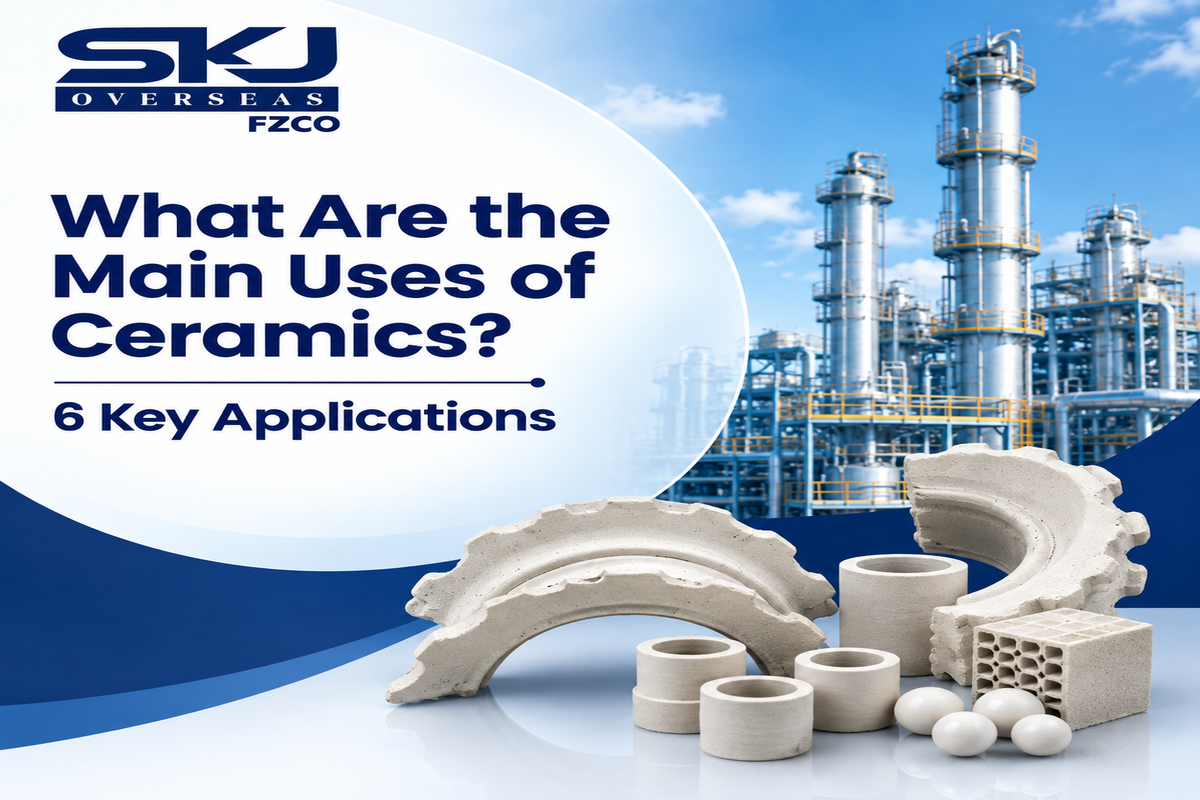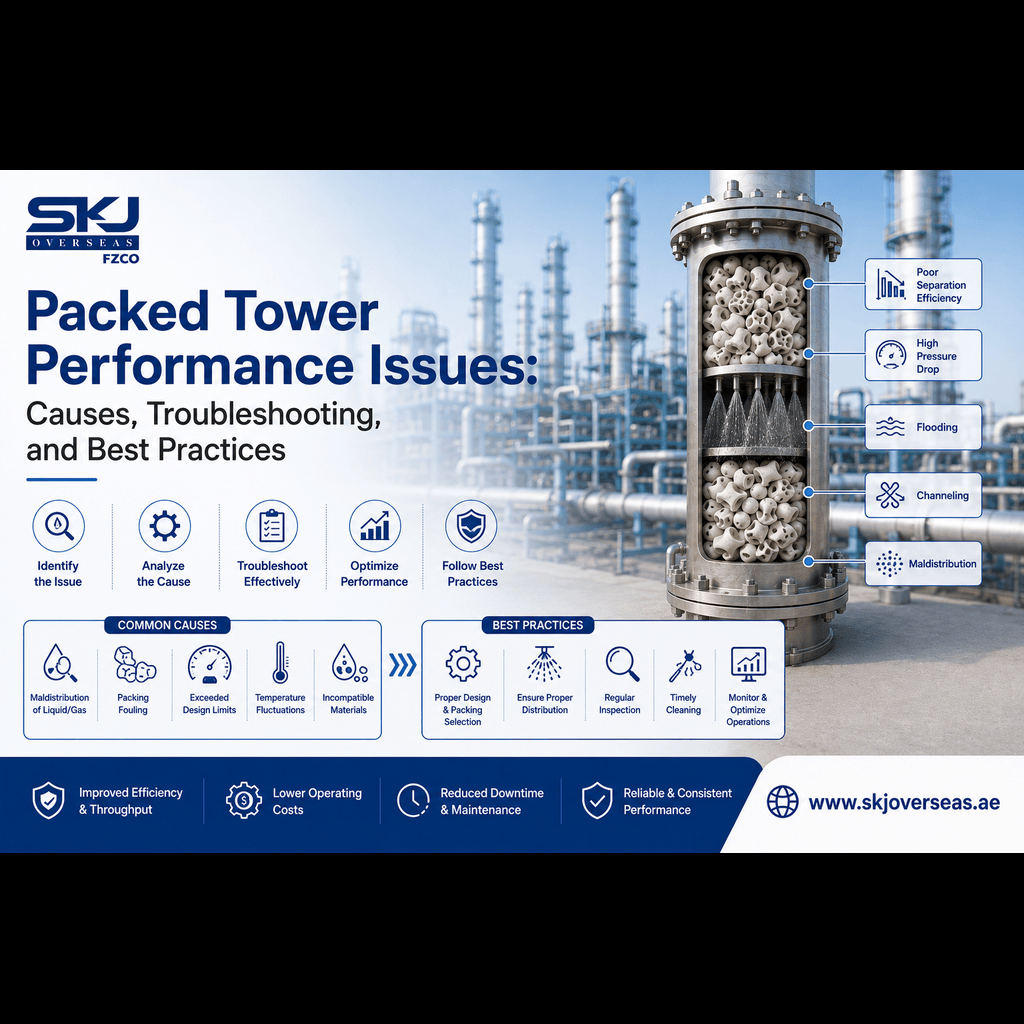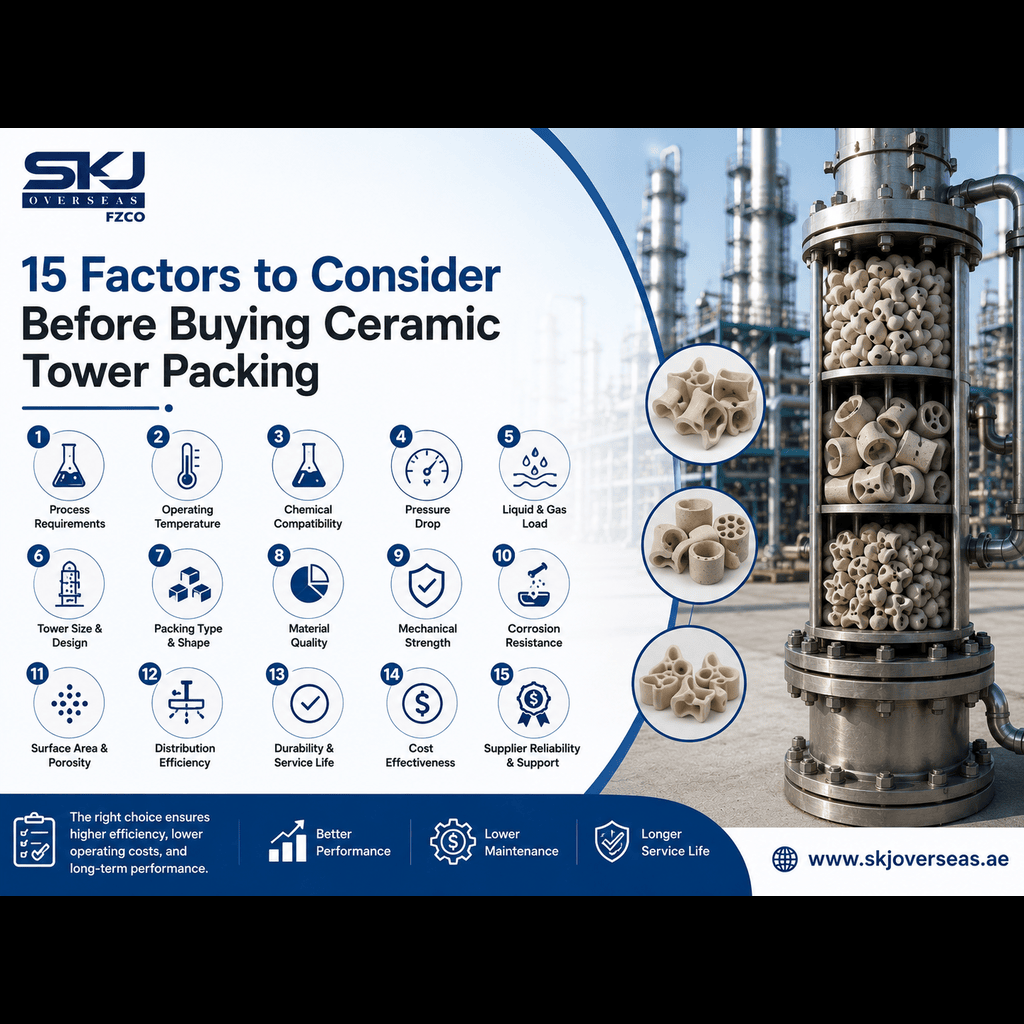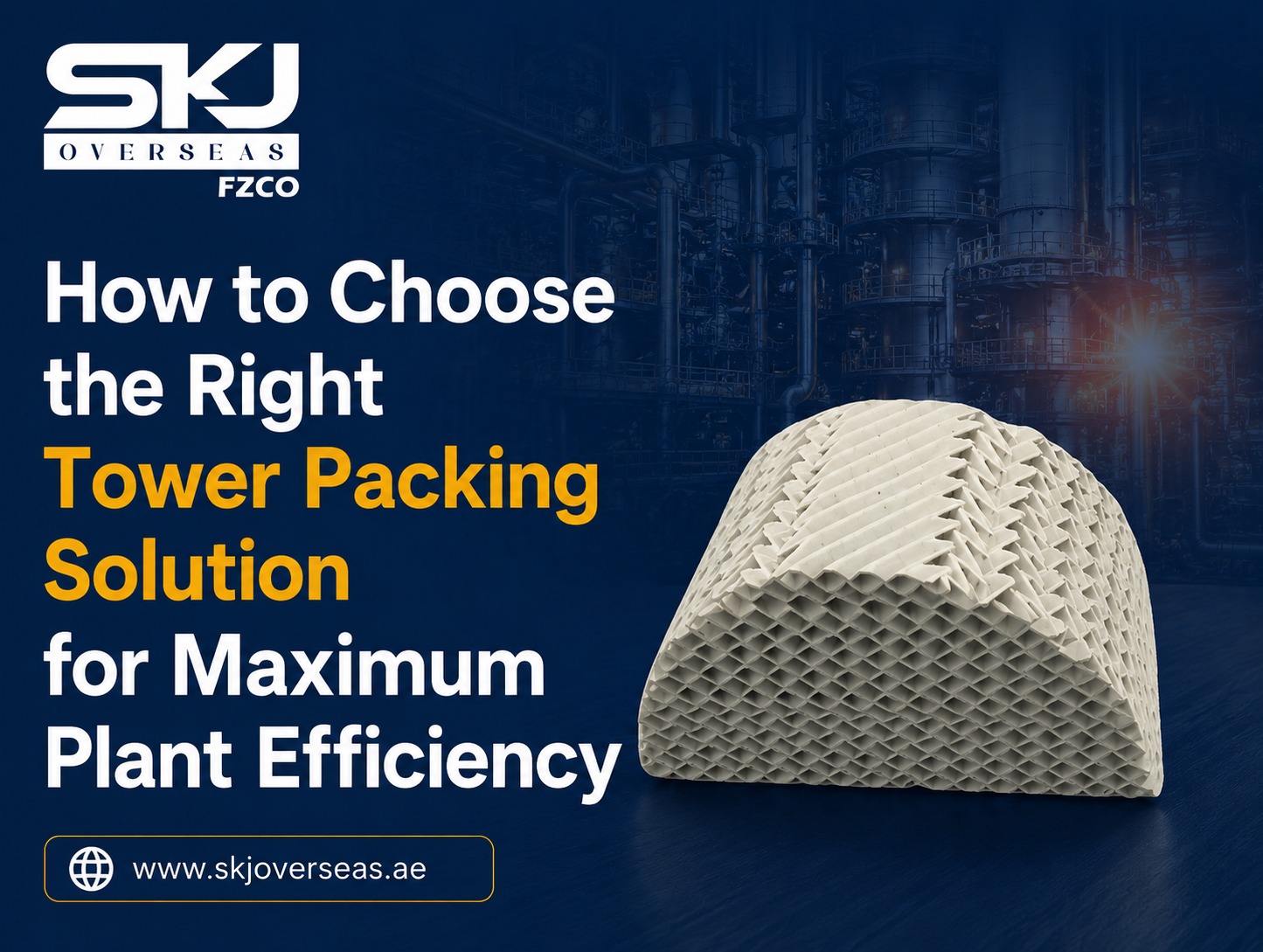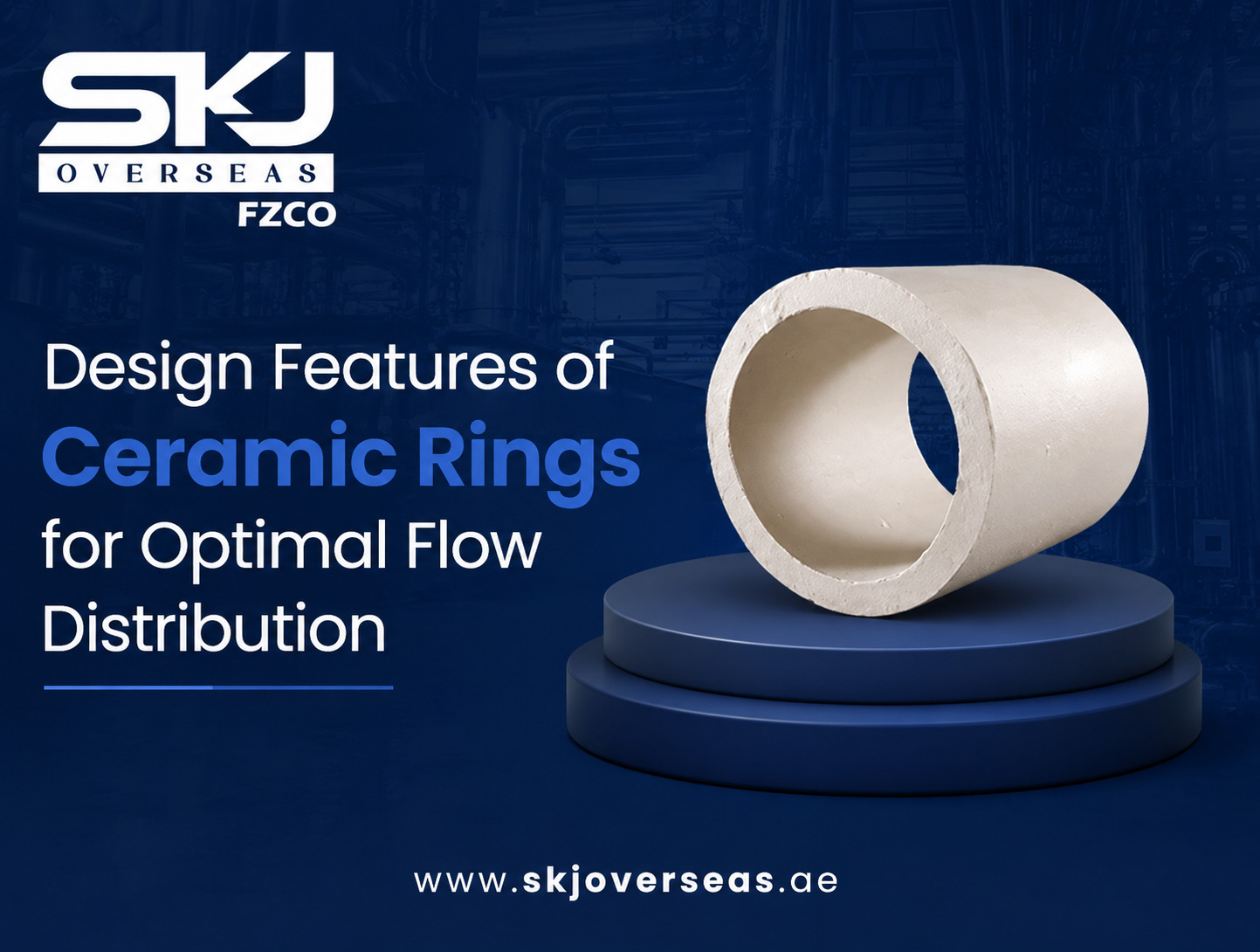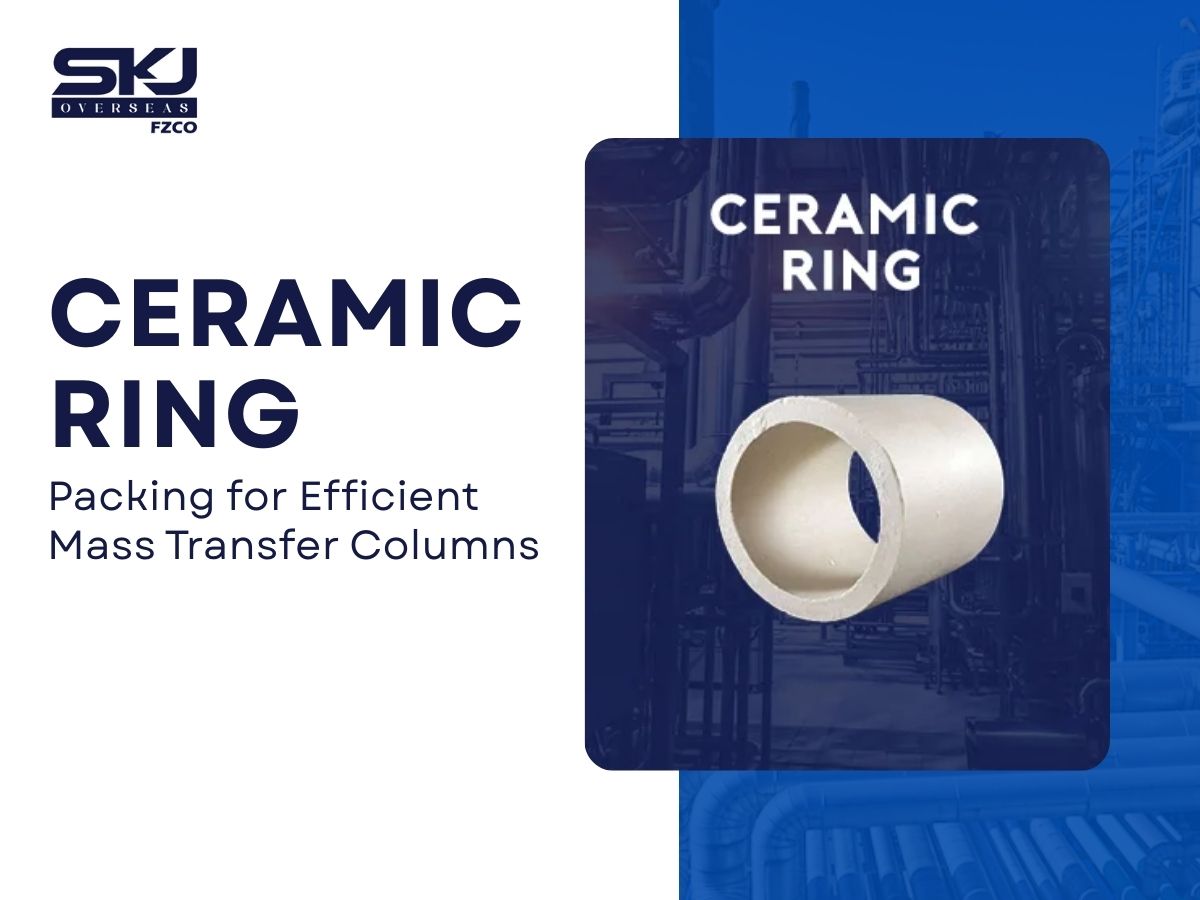
Ceramic ring packing is a hollow cylindrical packing element porcelain or stoneware, typically 6mm to 150mm in diameter used inside distillation, absorption, and scrubbing columns to bring liquid and gas into close contact. It’s the standard low-cost choice for corrosive, high-temperature process streams where metal would corrode and plastic would soften or degrade.
If you’re specifying packing for a distillation, absorption, or scrubbing column, here’s what the material actually does well, where it falls short, and what to check before ordering.
What Ceramic Ring Packing Is Made From
Most ceramic ring packing is porcelain or stoneware, formed by extrusion or molding and fired at high temperature to lock in mechanical strength.
The classic design is the Raschig ring: a simple open cylinder with height roughly equal to diameter. Variants like partition rings and Lessing rings add internal dividers that increase surface area and improve liquid distribution, at the cost of slightly higher pressure drop.
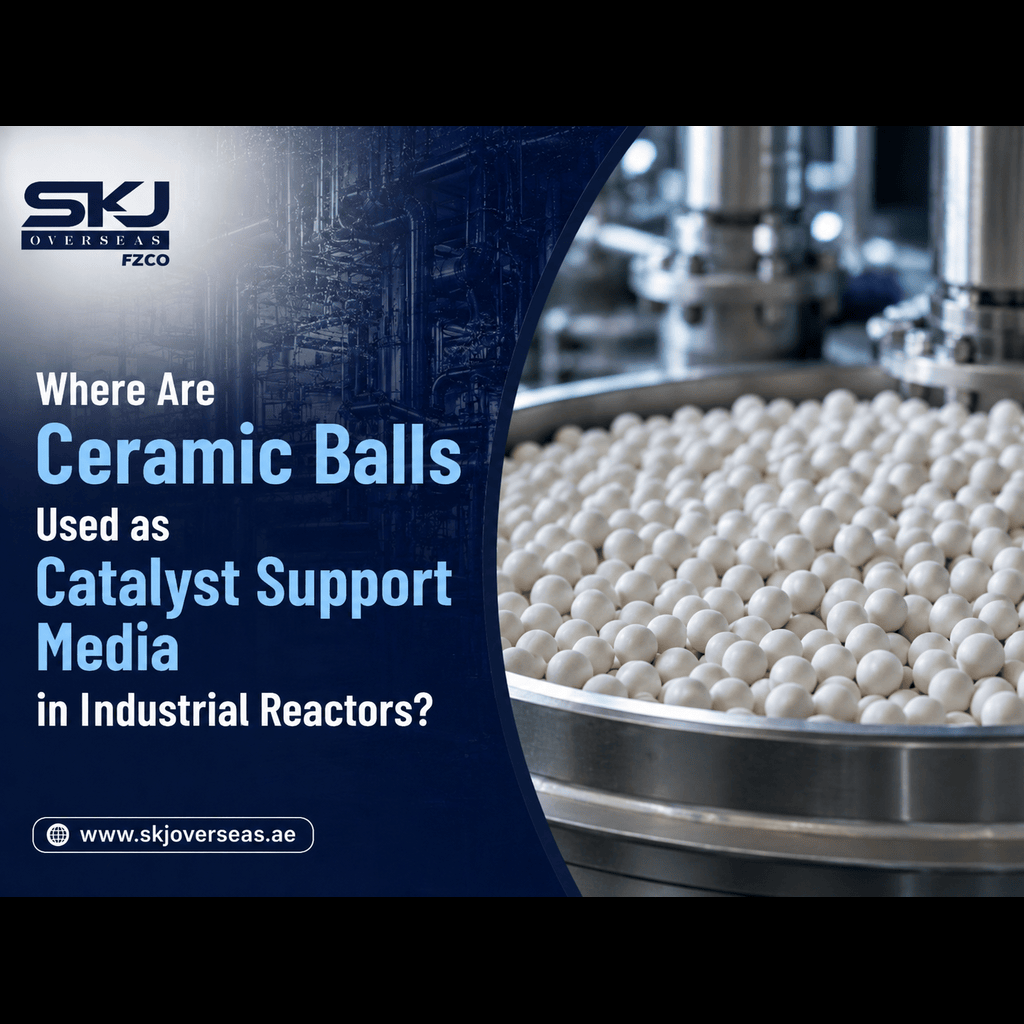
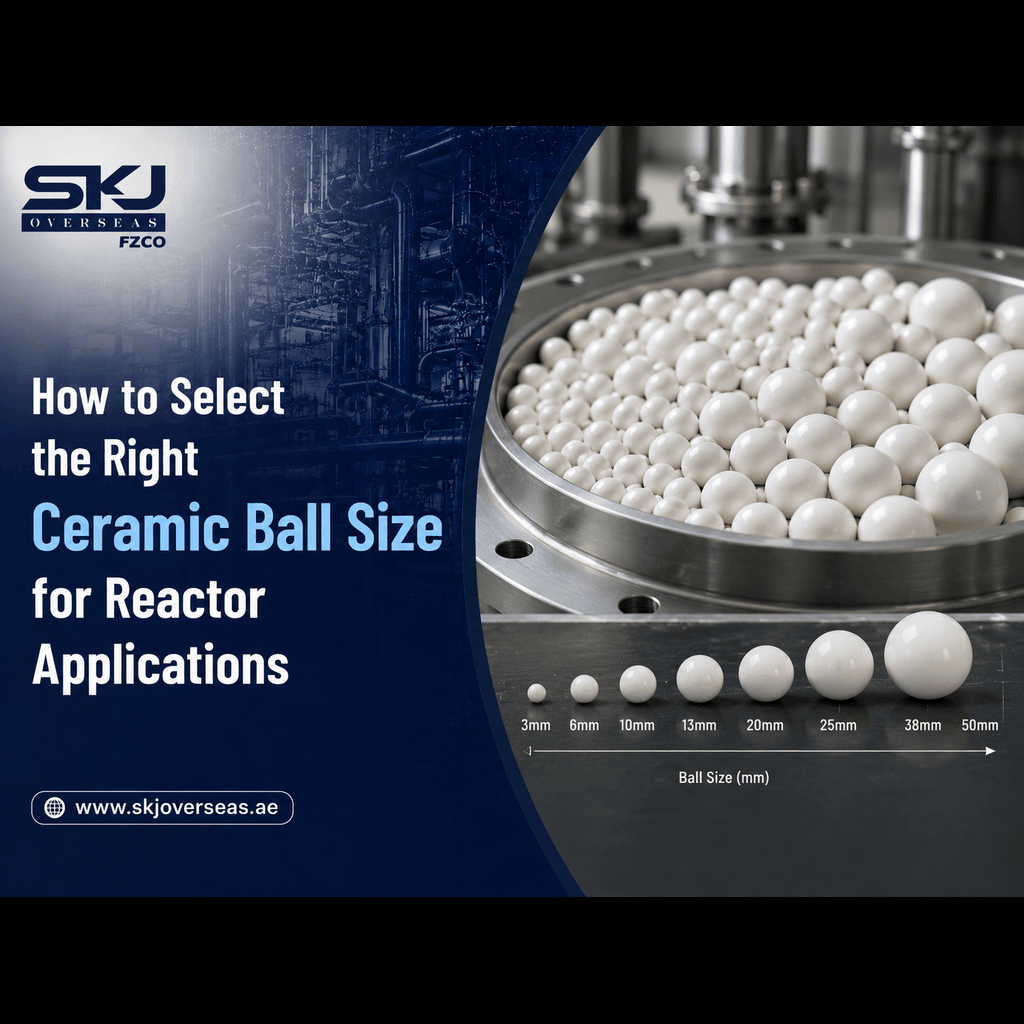
Common industrial sizes run from 25mm to 75mm, though the format is manufactured from as small as 3–6mm (used as catalyst support media) up to 150mm (used in large-diameter towers, often reinforced with a cross-rib for strength).
Why Process Engineers Still Specify It
Chemical resistance across the pH range. Ceramic packing resists sulfuric, hydrochloric, nitric, and phosphoric acids as well as caustic solutions with the notable exception of hydrofluoric acid, which attacks the ceramic surface. This broad resistance is why it shows up in acid absorption towers and caustic concentration systems where metal packing would corrode.
Dimensional stability under heat. Unlike plastic packings, which typically top out around 120–150°C, ceramic packing tolerates much higher process temperatures without softening or warping though the exact ceiling varies by manufacturer and glaze composition, so always confirm the tested rating for your specific product rather than relying on a generic figure.
Lower cost than metal or plastic alternatives. Ceramic ring packing is one of the least expensive random packing options, and mature manufacturing means pricing is competitive across suppliers.
Trade-off: lower mass-transfer efficiency. Compared to saddle shapes (Berl, Intalox) or structured packing, plain Raschig rings generally need a taller bed to achieve the same separation this is the main reason engineers move to saddle or structured packing when column height is constrained.
Ceramic Ring Packing vs. Other Materials
| Packing Type | Chemical Resistance | Max. Temperature | Relative Cost | Best Fit |
| Ceramic Raschig rings | Excellent (except HF acid) | High, glaze-dependent | Low | Corrosive, high-temp acid/caustic service |
| Plastic (PP, PVDF) | Good, except strong oxidizers | ~120–150°C | Low–Medium | Non-corrosive, moderate-temperature service |
| Metal (stainless Pall rings) | Poor in acidic/chloride service | Very high | High | Non-corrosive hydrocarbon service needing max efficiency |
| Ceramic saddles (Berl, Intalox) | Excellent | High | Medium | Same chemical service as rings, better efficiency, lower mechanical strength |
Where Ceramic Ring Packing Is Used
Chemical manufacturing. Absorption towers for hydrogen chloride, sulfur dioxide, and ammonia; concentration systems for sulfuric, nitric, and phosphoric acid; caustic soda concentration.
Petrochemical and refining. Amine treating units, sour water strippers, glycol dehydration regeneration columns, and vacuum tower wash sections.
Environmental treatment. Acid-gas and VOC scrubbers, biological trickling filters, and air-stripping towers in wastewater treatment.
Pharmaceutical and food processing. Solvent recovery columns and emissions scrubbers where the ceramic’s chemical inertness helps meet GMP cleaning-validation requirements; alcohol distillation and flavor-extraction columns in food processing.
What to Check Before You Order
- Confirmed temperature and pressure ratings for your exact product manufacturer datasheets vary significantly by glaze and firing process, so ask for tested figures rather than relying on general marketing claims.
- Surface area and void fraction for your chosen size smaller rings pack more surface area per cubic meter but increase pressure drop; get the manufacturer’s certified numbers for the specific ring size and design (Raschig vs. partition) you’re ordering.
- Crushing strength and packaging specs ask for test data, since mechanical strength affects how much breakage to expect during shipping and loading.
- Compatibility with hydrofluoric acid or fluoride-containing streams this is the one common chemical ceramic packing does not tolerate well.
Installation Basics
- Inspect every batch for chips or cracks before loading.
- Dump packing in controlled lifts rather than all at once, to reduce impact breakage.
- Match liquid distributor orifice density to your packing size.
- Confirm support-plate load capacity and open area before loading the full bed.
- Keep liquid and vapor loads within the flooding limits your supplier specifies for that packing size.
FAQs about Ceramic Ring Packing for Efficient Mass Transfer Columns
What’s the maximum operating temperature for ceramic ring packing? It varies by manufacturer and glaze ceramic packing generally outperforms plastic packing (which is limited to roughly 120–150°C), but you should request the tested rating for the specific product you’re buying rather than assuming a single industry-wide number.
How does it compare to structured packing on efficiency? Raschig-style ceramic rings need a taller bed than modern structured packing to hit the same separation performance, which is why structured packing is often preferred where column height is limited.
What sizes are most common industrially? 25mm, 38mm, 50mm, and 75mm cover most industrial mass-transfer columns; smaller sizes (down to 3–6mm) are used mainly as catalyst support media.
Can ceramic ring packing handle both acidic and caustic service? Yes, across nearly the full pH range the main exception is hydrofluoric acid, which does attack ceramic surfaces.
How long does it typically last in service? Service life depends heavily on chemical exposure, thermal cycling, and mechanical handling during loading ask your supplier for service-life data specific to your application rather than a blanket figure.
Conclusion
Ceramic ring packing remains a practical, low-cost choice wherever a column needs to handle strong acids, caustics, or high temperatures that would damage plastic or corrode metal. The trade-off is mass-transfer efficiency for taller columns or space-constrained designs, saddle or structured packing may be worth the extra cost.
Before ordering, get certified test data (temperature rating, surface area, crushing strength) for your specific size and design rather than relying on generic spec sheets.