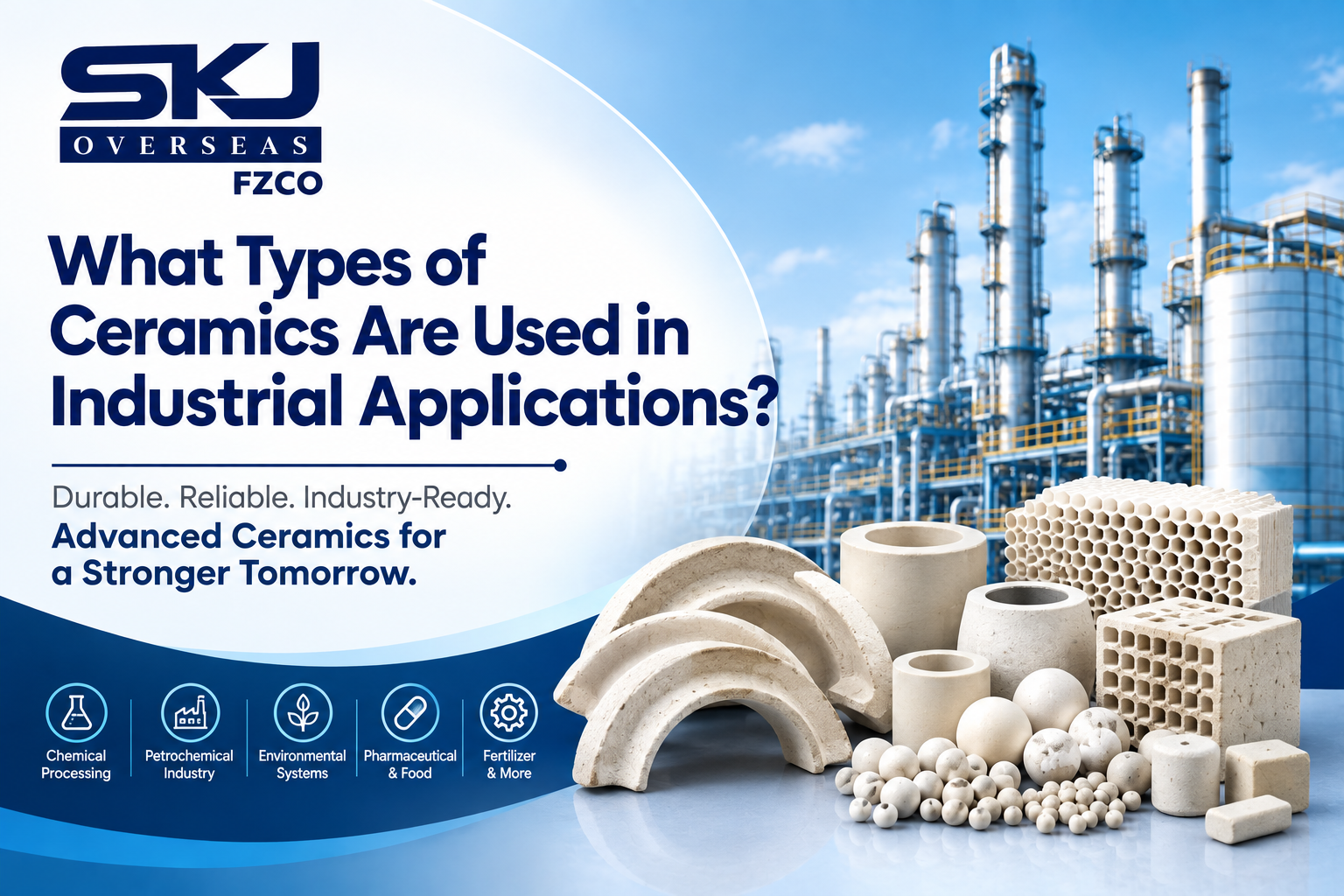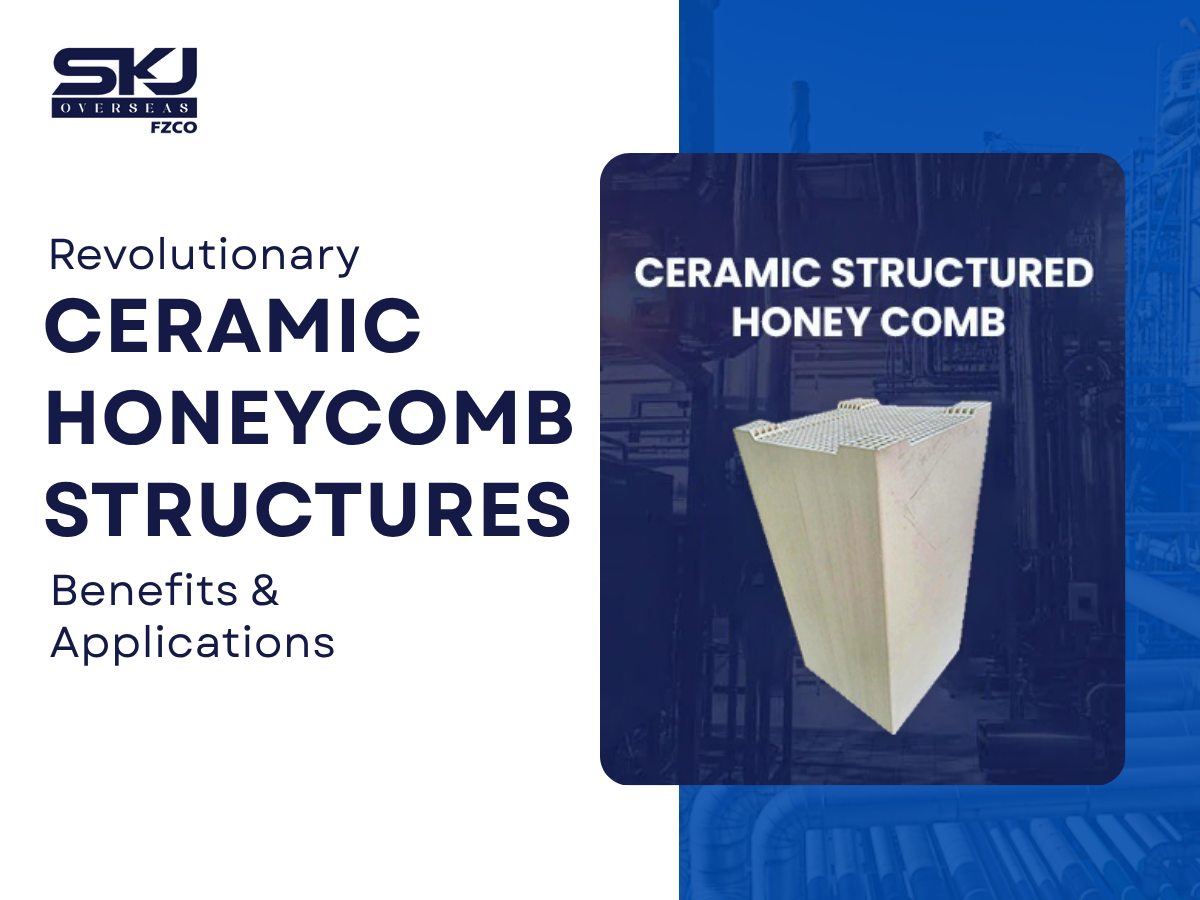
A ceramic honeycomb structure is a porous, grid-like block made from cordierite, mullite, or alumina, built with rows of parallel channels that maximize surface area while keeping the material lightweight. It’s used mainly for three jobs: cleaning exhaust gas, storing and recovering heat, and supporting catalytic reactions in chemical processing.
If you’re sourcing this material for an RTO/RCO system, a catalytic converter, or a chemical reactor, here’s what the structure actually does, how the main materials compare, and what to check before you buy.
How the Honeycomb Design Works
The channels run parallel through the block, so gas or fluid passes through with very little resistance.
That open-channel layout does two things: it packs a large surface area into a small volume, and it keeps back-pressure low. Both are why the design works so well for catalytic and filtration applications, where more surface contact means better reaction efficiency.
Why the Material Choice Matters
Three ceramic materials dominate honeycomb manufacturing, and each is suited to a different job.
| Material | Strongest Property | Typical Use |
| Cordierite | Very low thermal expansion, high thermal shock resistance | Automotive catalytic converters, RTO/RCO heat storage |
| Mullite | High mechanical strength, higher temperature tolerance | Industrial kilns, high-temperature filtration |
| Alumina | Strong chemical resistance | Chemical reactors, corrosive gas environments |
Cordierite’s low coefficient of thermal expansion is what lets it survive rapid heating and cooling without cracking patent research on catalytic converter substrates notes that cordierite ceramics have long been the preferred substrate material largely because of their high thermal shock resistance. That same body of research puts cordierite’s usable temperature range at up to about 1,300°C, while mullite and alumina blends are used where higher heat tolerance is needed, since mullite- and alumina-based honeycombs handle higher temperatures up to roughly 1,450°C though they expand more under heat than cordierite does.
(Some marketing materials cite figures as high as 1,700°C for select formulations treat any number above ~1,450°C as composition-specific and ask the supplier for test data before relying on it.)
Where Ceramic Honeycombs Are Used
Automotive exhaust systems. The honeycomb serves as the substrate inside catalytic converters, giving exhaust gas maximum contact with the catalyst coating while keeping pressure drop low which is how converters cut carbon monoxide, hydrocarbons, and nitrogen oxide emissions.
Air pollution control (RTO/RCO systems). In Regenerative Thermal Oxidizers and Regenerative Catalytic Oxidizers, the ceramic block absorbs heat from outgoing exhaust and releases it to preheat incoming air. That heat exchange cuts fuel use and reduces volatile organic compound (VOC) emissions.
Heat exchangers and thermal storage. Industries like metallurgy, power generation, and glass manufacturing use honeycomb ceramics to bank heat during high-temperature operations and release it later, smoothing out energy demand.
Chemical processing and catalytic reactors. The large surface area makes honeycombs effective catalyst supports in processes such as sulfur recovery, ammonia synthesis, hydrogenation, and De-NOx systems.
Filtration and gas absorption. The same open-cell structure that helps gas flow also traps particulates, which is why honeycombs show up in scrubbers and industrial air filters.
Metallurgical and glass furnaces. Inside kilns, honeycomb blocks act as heat-retaining liners or flame stabilizers, holding up to repeated thermal cycling with less maintenance than solid refractory materials.
What to Check Before You Buy
Three specs determine whether a honeycomb structure will actually perform in your system:
- Cell density (CPSI cells per square inch). Higher CPSI increases surface area, which helps catalytic efficiency, but it also raises pressure drop. Match this to your flow requirements, not just the highest number available.
- Operating temperature range. Confirm the material’s tested temperature ceiling against your system’s actual peak not just its average operating temperature. Misfires and startup spikes matter more than steady-state numbers.
- Gas or fluid compatibility. Corrosive gases need alumina-grade chemical resistance; cordierite isn’t the right choice for every chemical environment even though it’s the default for automotive use.
FAQs About Ceramic Honeycomb Structures
What’s the main purpose of a ceramic honeycomb structure? To provide a large surface area with minimal flow resistance, which is what makes it useful for catalytic, heat-exchange, and filtration systems.
How long do ceramic honeycomb materials last? Service life depends heavily on operating temperature and gas exposure, but well-matched material and application combinations commonly run for several years before replacement.
Can ceramic honeycomb structures be reused or cleaned? In many RTO/RCO applications, yes the blocks can be cleaned and returned to service, which is part of why they’re cost-effective over the equipment’s lifetime.
What’s the difference between cordierite and mullite honeycombs? Cordierite handles rapid temperature swings better due to its low thermal expansion; mullite tolerates higher peak temperatures but expands more under heat. The right choice depends on whether your system faces thermal shock, sustained high heat, or both.
Conclusion
Ceramic honeycomb structures do one job well: moving gas or fluid through a large catalytic or filtering surface without much resistance. Which material you need cordierite, mullite, or alumina comes down to your temperature range and what’s passing through the channels.
Before ordering, ask any manufacturer for test data on thermal shock resistance and maximum operating temperature for your specific application, rather than relying on general spec-sheet numbers.
Suppliers such as SKJ Overseas manufacture across all three material types; the selection criteria above apply whichever manufacturer you’re evaluating.